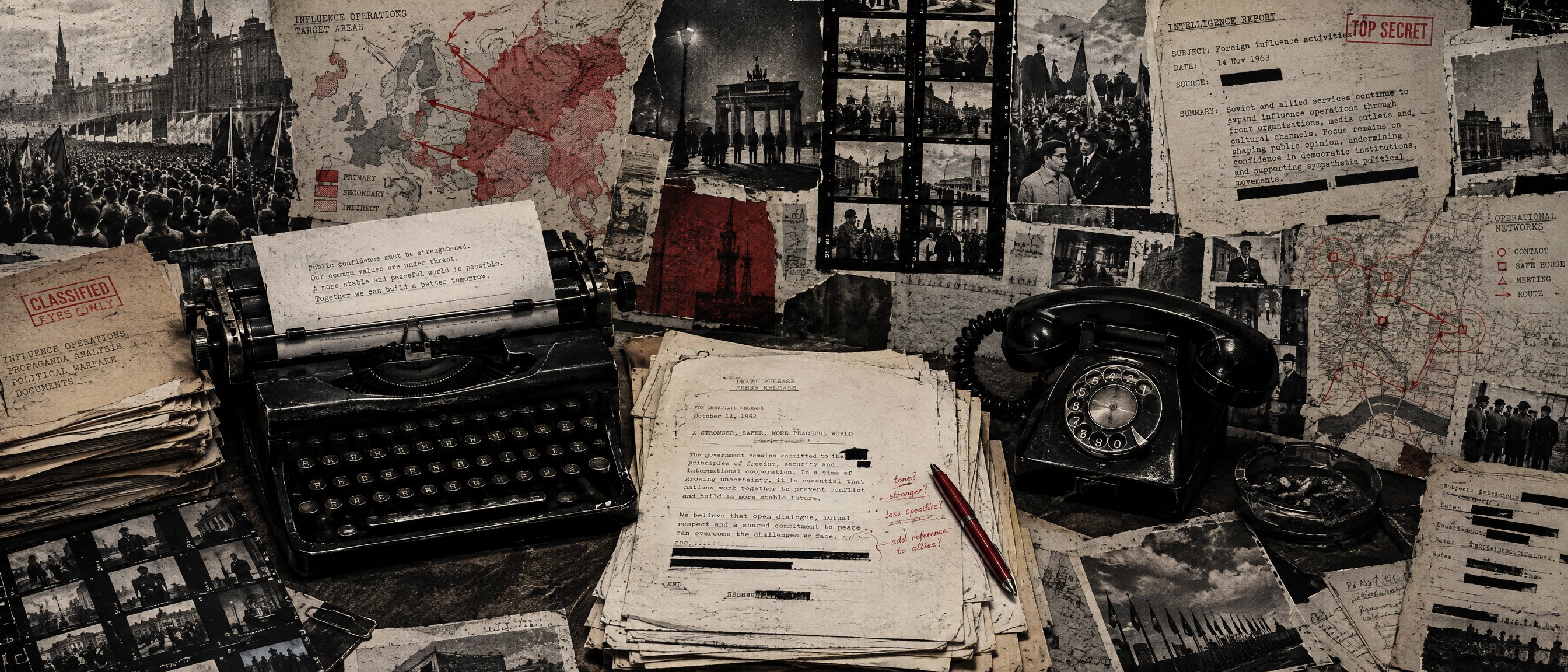
Illustration: a dossier collage of a typewriter, drafted press releases and an annotated speech transcript.

The handbook

Writing persuasive political material

A handbook and templates for writing your own political material: framing, story, structure and language, with the techniques named so you know what you are using.

Illustration, not an archive object

FRAME's Archive shows how propaganda has worked. Learn explains the psychology behind it. Write turns that knowledge around: a handbook and fill-in templates for making your own political case, for any cause, openly and in your own name.

Everything here is built on one line from the archive's doctrine: ordinary advocacy in a speaker's own name, with claims that can be checked, is not propaganda (Doctrine (working definition)). The handbook teaches that kind of persuasion fully and practically. The techniques that work only by hiding who is speaking or faking who agrees are covered too, in full documented detail, so you can recognise and counter them.

The templates work for any side of any issue. Every worked example is written twice, for and against, and the real examples are drawn from across the political spectrum and from several countries.
Start here

The handbook and templates

The chapters and the four fill-in templates (flyer, op-ed, speech, social) are listed below with their descriptions. Each chapter has steps, what the research says, real examples from more than one side, a worked example you can copy, and where the technique crosses the line.

Handbook

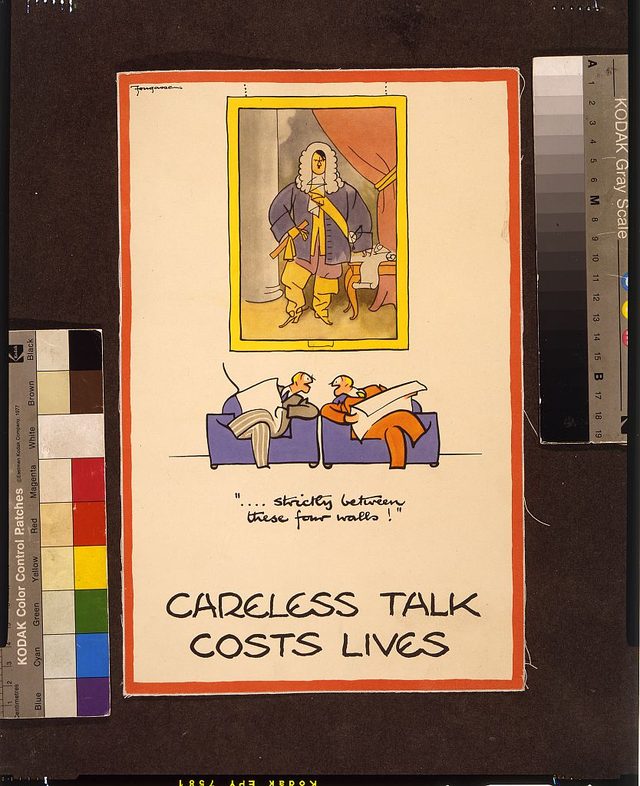
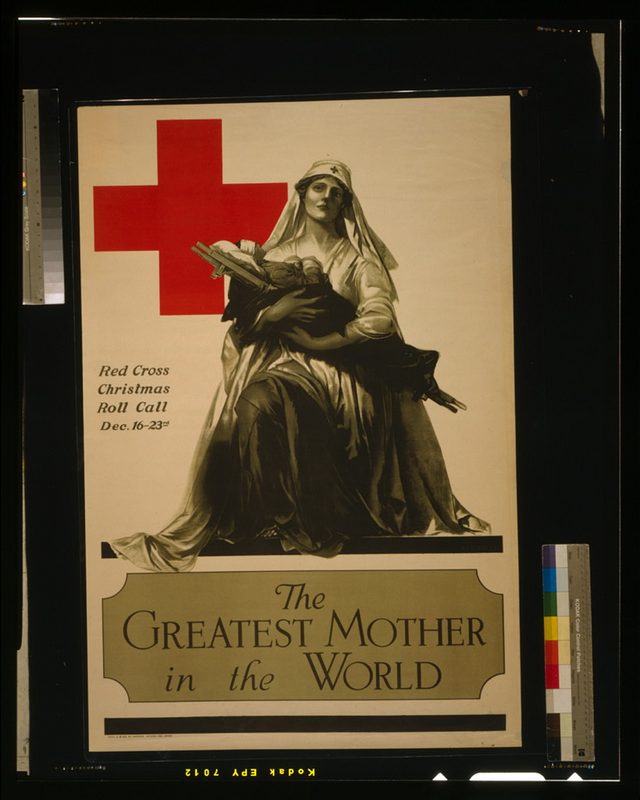
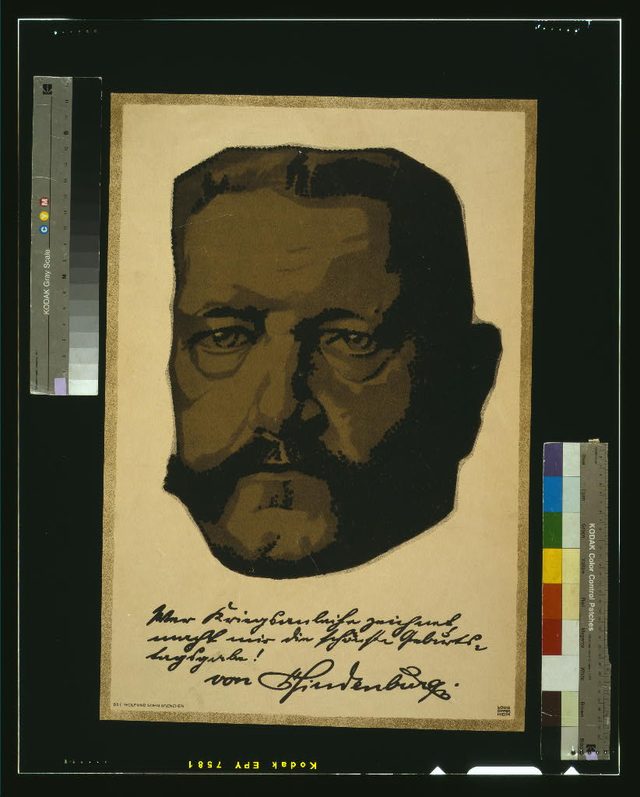
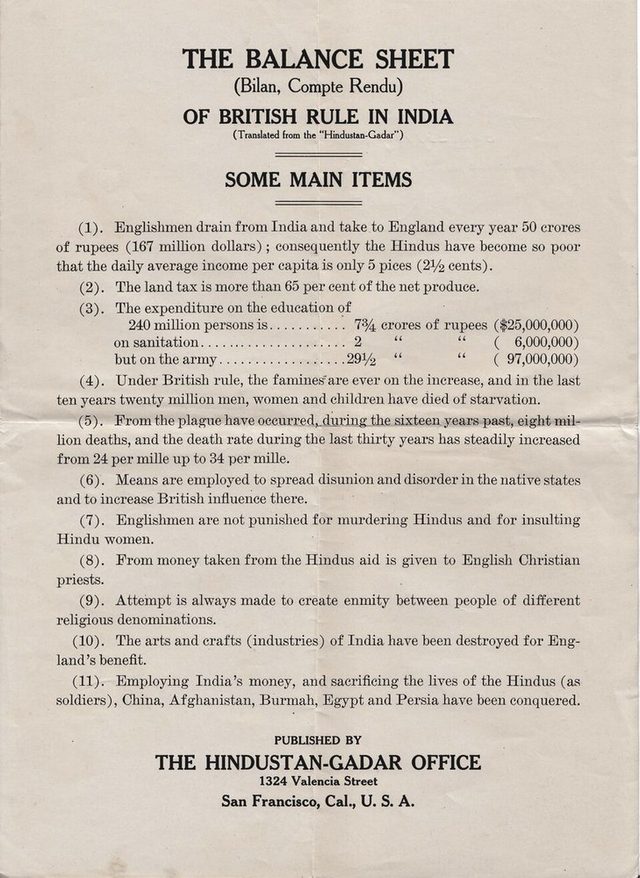
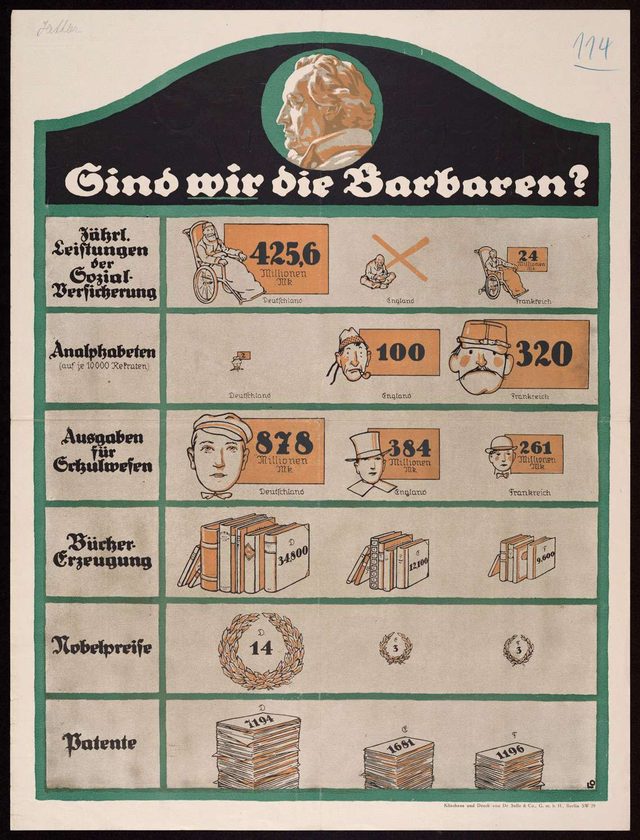
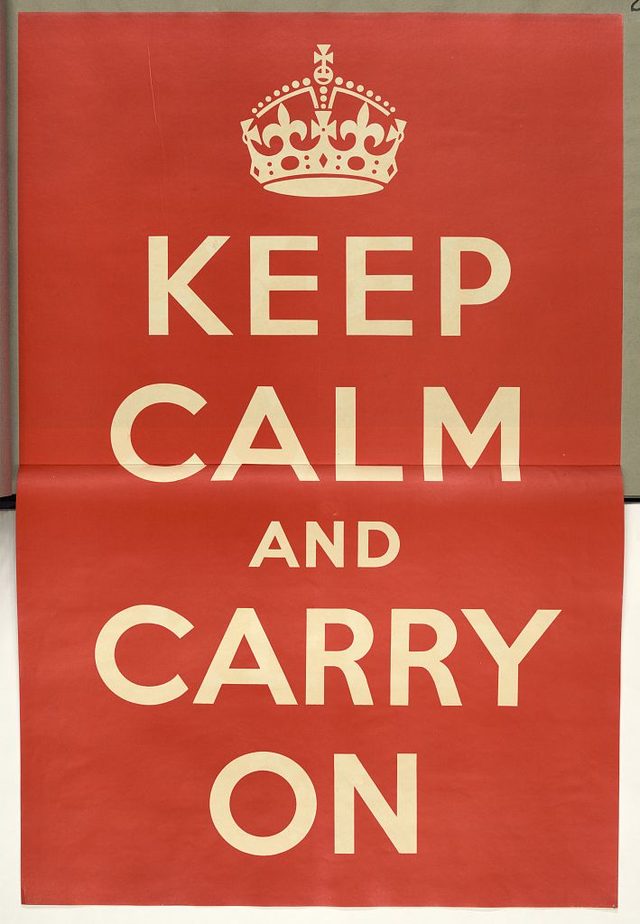
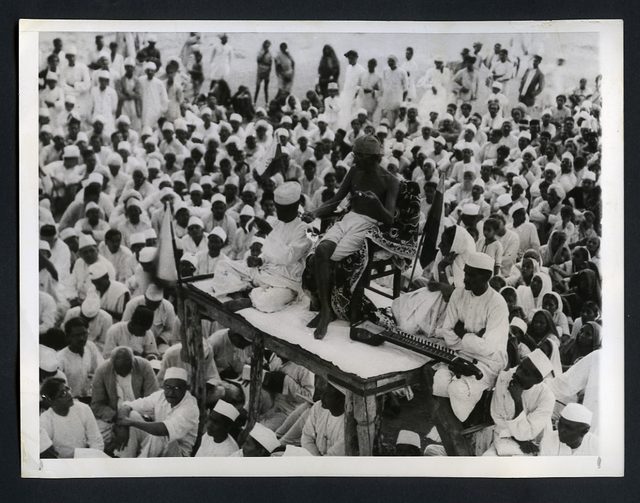
Careless Talk Costs Lives: "...strictly between these four walls!"Before you publish: the fair-play checkRun this on every piece, whatever its cause. Each question maps to a technique in the archive. If you answer "no" to any of them, fix the piece before it goes out. It takes five minutes, and it separates advocacy you…'Gennady Rakitin,' an invented pro-war poetAnatomy of deception: how documented operations worked, and how to spot themThis page takes apart real, documented influence operations: who ran them, how they were staffed and funded, what they posted, how it spread and how they were caught. It draws only on published investigations, court…The Greatest Mother in the World: Red Cross Christmas Roll CallEmotional appealEmotion isn't the opposite of reason in politics. People act on what they care about, and caring is an emotion. Aristotle counted pathos as one of the three legitimate means of persuasion, alongside the speaker's…Wer Kriegsanleihe zeichnet, macht mir die schönste Geburtstagsgabe! (Whoever Subscribes to the War Loan Gives Me the Finest Birthday Present!)Ethos, pathos and logos: the three modes of persuasionEvery persuasive piece answers three questions in the reader's head. Who is this, and why listen? How am I meant to feel? What is the proof? Aristotle named them about 2,300 years ago. This page defines each, shows real…The Balance Sheet of British Rule in India (Hindustan-Gadar broadside)Evidence and credibilityReaders ask two questions of every political piece: is this true? and why should I believe you? Evidence answers the first. Credibility, Aristotle's ethos, answers the second. Honest persuasion earns both, and it holds…Sind wir die Barbaren? (Are We the Barbarians?)FramingA frame is the lens you ask your reader to look through: what the issue is about, whose problem it is, and what kind of fix fits. The same facts read as a tax question, a fairness question or a safety question depending…Keep Calm and Carry OnMessagingA frame says what the issue is about. A message is the handful of words you will repeat until your audience can say them back. Good messages are short, concrete, true and repeated, and every piece you write should carry…Gandhi spins while addressing a crowd (1930)NarrativeArguments tell people what to think. Stories let them feel why it matters, and people remember stories long after they forget statistics. A campaign narrative has a character, a challenge, a choice and an outcome, and…

Templates