About
About FRAME
FRAME is the Forensic Research Archive of Manipulation and Exploitation, an open archive of propaganda maintained by AXIA Enterprises.
Illustration, not an archive object
Why we built this
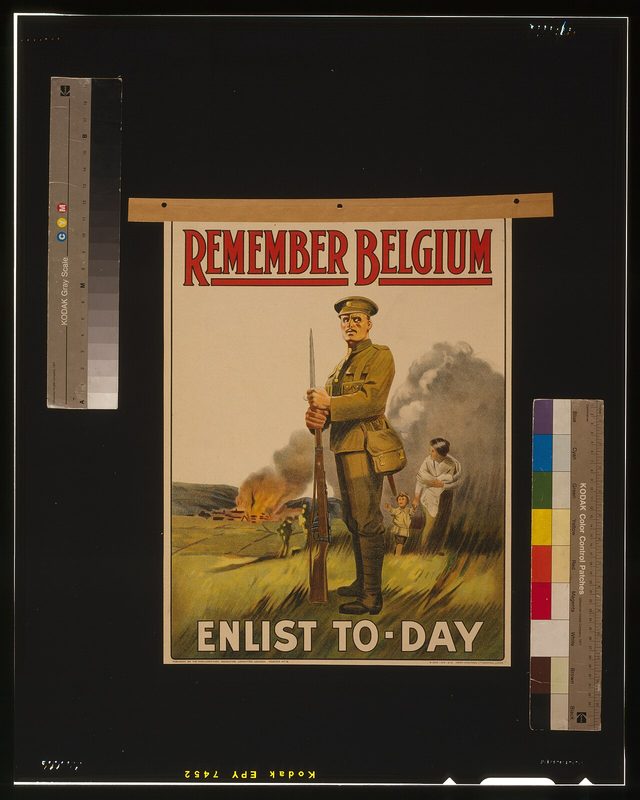
Propaganda works best when nobody notices it. A 1915 recruiting poster and this week's wave of coordinated accounts lean on the same few moves: a fear, a flag, a crowd that seems to agree, an enemy with a face. Once you can name those moves, they lose much of their grip.
It is easy to spot propaganda from the other side and miss it from your own. So FRAME catalogues how a message works, not whose message it is, and applies the same tags, the same evidence standard and the same scrutiny to every country, party, movement and era. It takes no position on the causes behind the material it holds.
We also wanted the past and the present in one room. A wartime poster shows a technique plainly, with a century of distance. The watch briefs show the same technique still running today, faster and at larger scale. Seeing them side by side is the quickest way we know to learn the pattern.
So FRAME is built to be checked. Every image is public domain or openly licensed, every brief cites dated sources, and thin evidence is labelled as thin. It is free to read and free to reuse.
What is inside
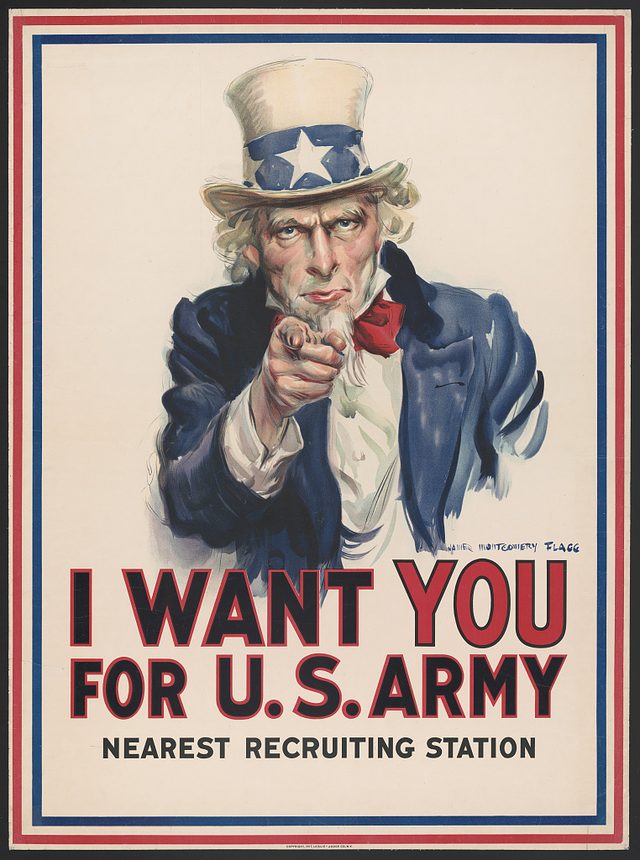 ArchiveThe collectionhistorical and modern propaganda images, each tagged with the techniques it uses. Every image is public domain or openly licensed, and its rights were checked against the institution that holds it.
 ArchiveThe techniquesa fixed list of named methods, from the 1937 Institute for Propaganda Analysis devices to automated influence operations. Every tag in the archive comes from this list.
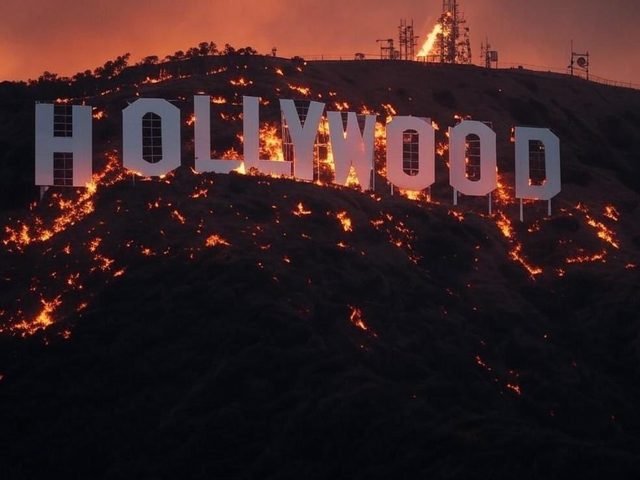 ArchiveWatch briefsshort, dated, sourced reads of propaganda as it happens. The list on the site is a live, ongoing watch running since 8 September 2026. It is a sensor, not the archive. The case studies are the historical vault.
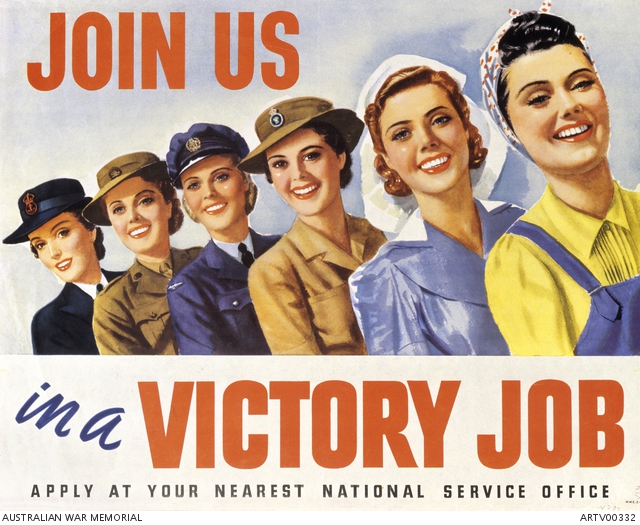 ArchiveCampaign dossierslong reads on patterns that outlast a single cycle.
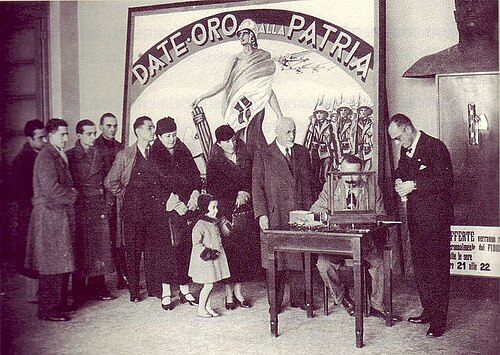 ArchiveCase studiesillustrated, sourced walk-throughs of propaganda and of efforts to counter it, from royal inscriptions of about 1274 BC to campaigns of 2026, grouped by period and subject.
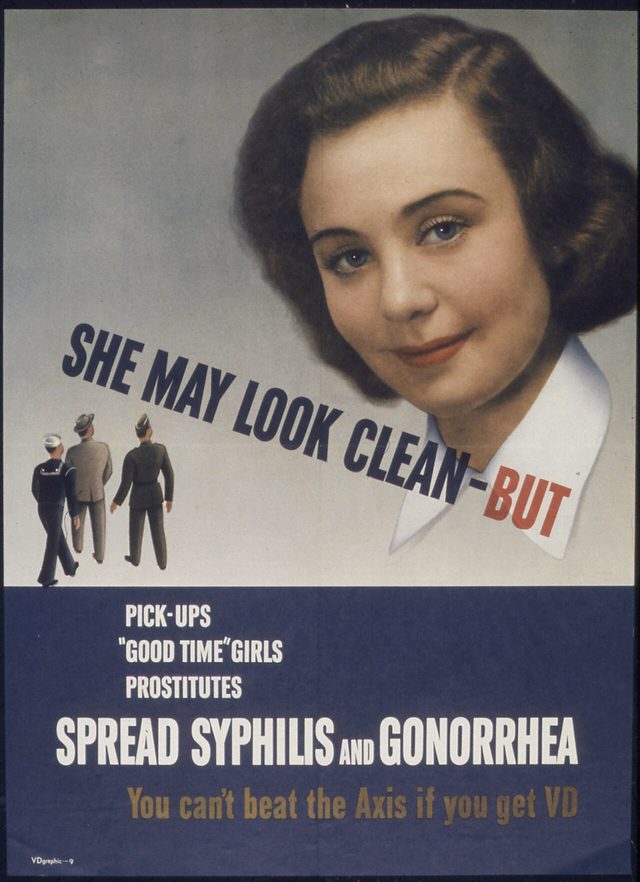 ArchiveThen and nowa historical and a modern example of the same technique side by side, with who was behind each and where they are alike and where they differ.
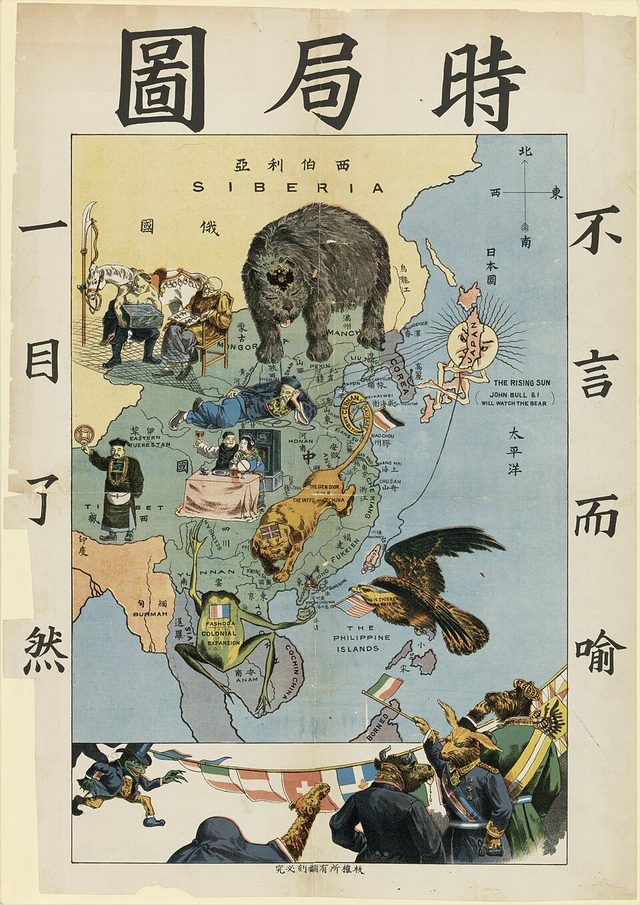 ArchiveMap and timelineevery dated object, brief, campaign and case study placed on a world map and a timeline. A separate technique map shows which techniques turn up together in the same brief.The rulesScore methods, not teams.A technique is a technique regardless of faction, and an archive that only studies the other side is itself a stacked deck. The same standard applies to every side, country and era, including the ones a reader may agree with.Read the rules
The rules
Score methods, not teams. A technique is a technique regardless of faction, and an archive that only studies the other side is itself a stacked deck. The same standard applies to every side, country and era, including the ones a reader may agree with. FRAME is a record, not an argument: it describes how a message works and leaves judgments about the cause behind it to the reader. Quotes are never invented. Sources are primary and dated wherever possible, and a thin record is labelled as thin.
Sources are primary and dated wherever possible, and a thin record is labelled as thin.
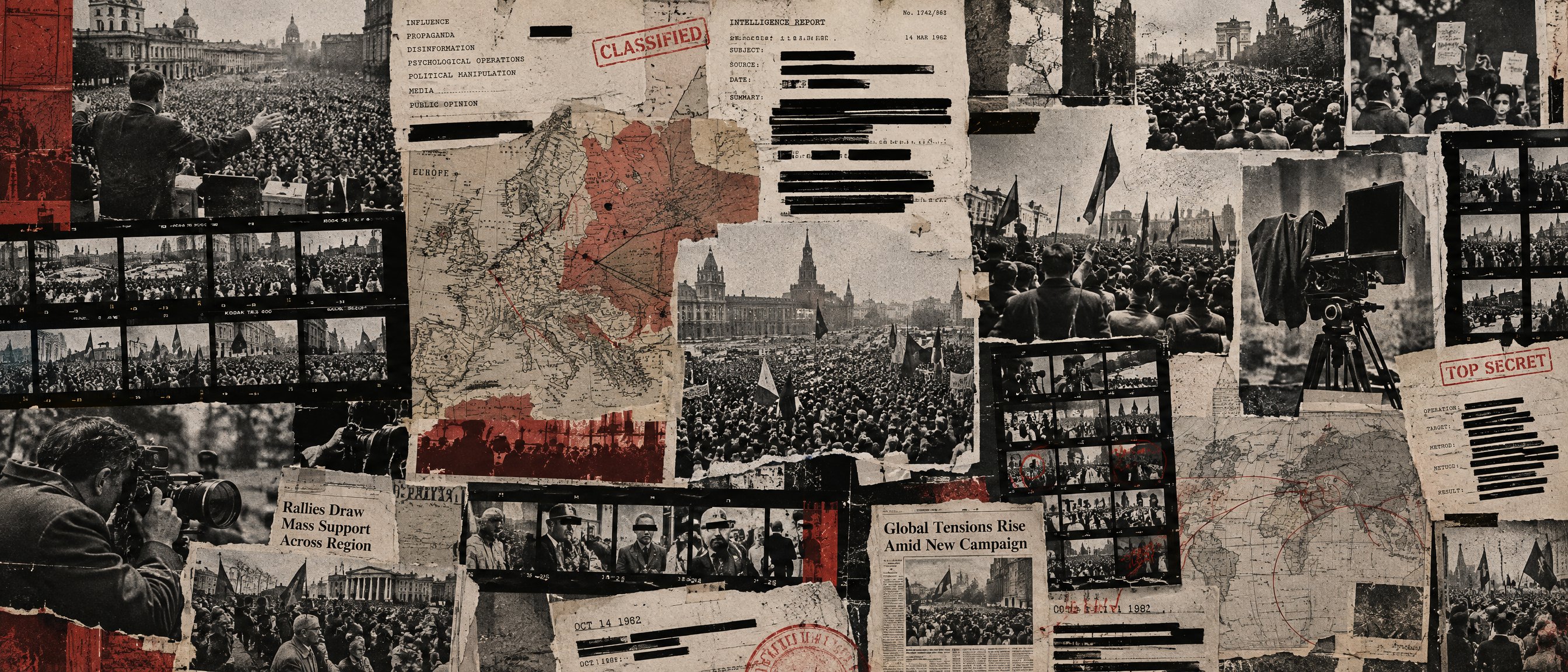
Illustration, not an archive object
Beyond the archive
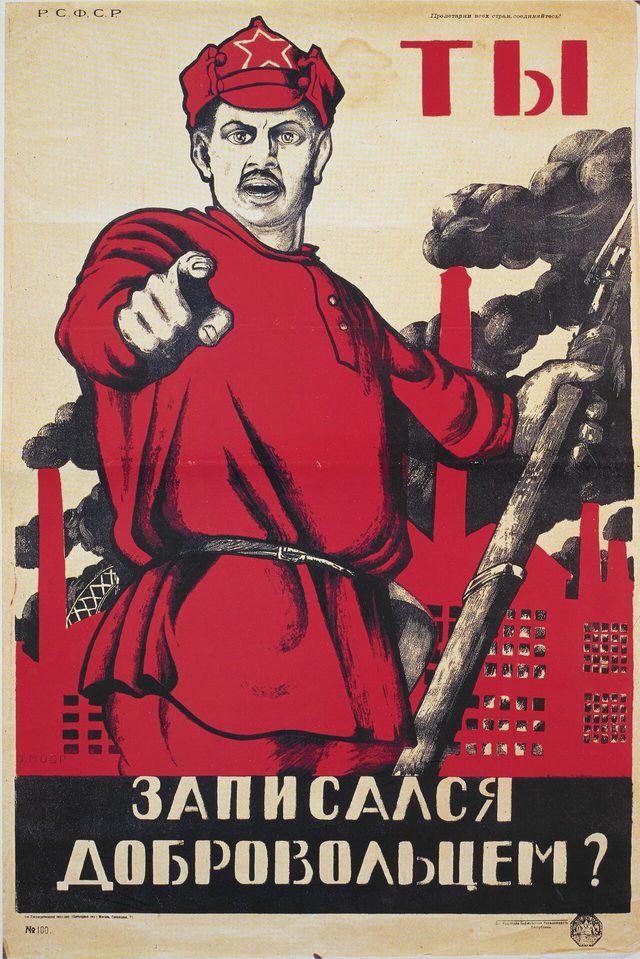 ResearchLearncited research on the psychology that makes these techniques work, with a rating of how well each finding has held up, and a section on countering propaganda that sets out the evidence for each method.
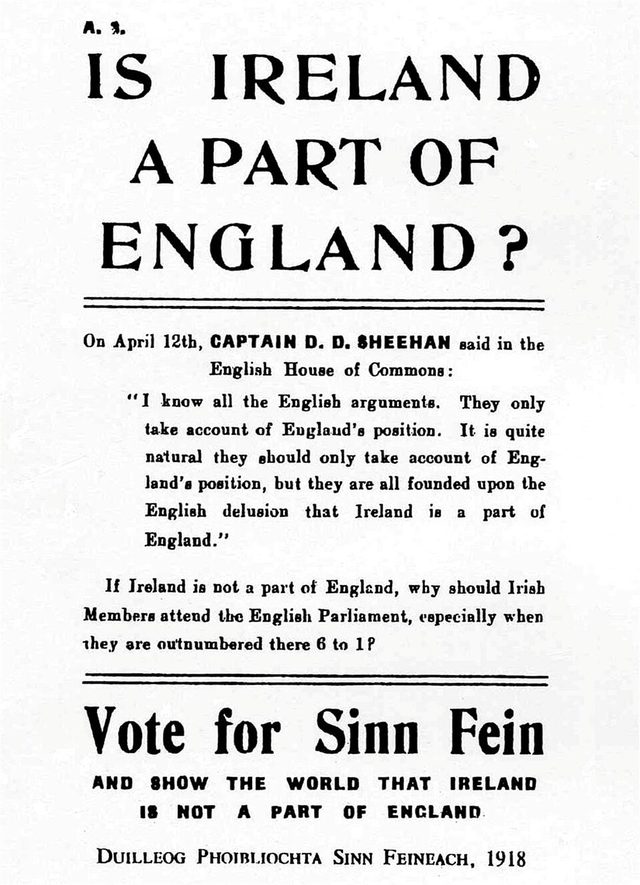 HandbookWritea handbook and cause-neutral templates for open, attributed advocacy, with the techniques named so writers know what they are using.
 MethodDoctrinethe archive's own working definition and method, and pages on the theories, official doctrines and manuals behind propaganda.
Showing the record as it was
Propaganda was often cruel, racist, violent or sexualized, and some of it is hard to look at today. That does not change the fact that it was made and seen. FRAME shows every object complete and unedited, because a cleaned-up version would misrepresent what people were actually shown and what the technique relied on. Showing an object is not endorsing it.
Who this is for. FRAME is meant for readers 18 or older, or younger readers with a parent's or guardian's approval and supervision. Much of the material is extremely offensive and will offend people. Read the terms of use and the privacy policy.
Objects with dehumanizing, violent or graphic imagery carry a short content note above them, so readers know what is coming. The note never replaces or hides the object.
Showing an object is not endorsing it.
How to read a brief
Every brief carries a color, which says how openly the source speaks, and a confidence, which says how solid the facts are. Color is not a moral ranking: white propaganda can be more effective than black.
- Identified
- Openly sourced: the speaker is who they say they are
- Unidentified
- Source blurred: contractors, cutouts, buried disclosure
- Impersonated
- Source falsified: fake personas, outlets or documents
- documented
- Primary documents, court records, official disclosures
- high
- Multiple independent open sources, low disagreement about the facts
- medium
- Plausible and sourced, but attribution or interpretation still open
- contested
- The facts or the frame are actively disputed
Doctrine
- Doctrine: the archive's contract and the doctrines it studies
- Edward Bernays, Propaganda (1928)
- Jacques Ellul, Propaganda: The Formation of Men's Attitudes (1962)
- Edward S. Herman and Noam Chomsky, Manufacturing Consent (1988)
- Institute for Propaganda Analysis, How to Detect Propaganda (1937)
- Harold D. Lasswell, Propaganda Technique in the World War (1927)
- Walter Lippmann, Public Opinion (1922)
- Mao Zedong and the Chinese Communist Party, thought work and the mass line (1942-present)
- Method (how to file)
- Hitler, Goebbels and the Reich Ministry for Public Enlightenment and Propaganda (1925-1945)
- People's Liberation Army, the Three Warfares (2003)
- Arthur Ponsonby, Falsehood in War-Time (1928)
- Soviet and Russian military theory, Reflexive control and information confrontation (1960s-2016)
- Lenin and the Communist Party of the Soviet Union, the agitprop model (1902-1991)
- U.S. Army and Joint Staff, Psychological Operations doctrine (1987-2013)
- Doctrine (working definition)