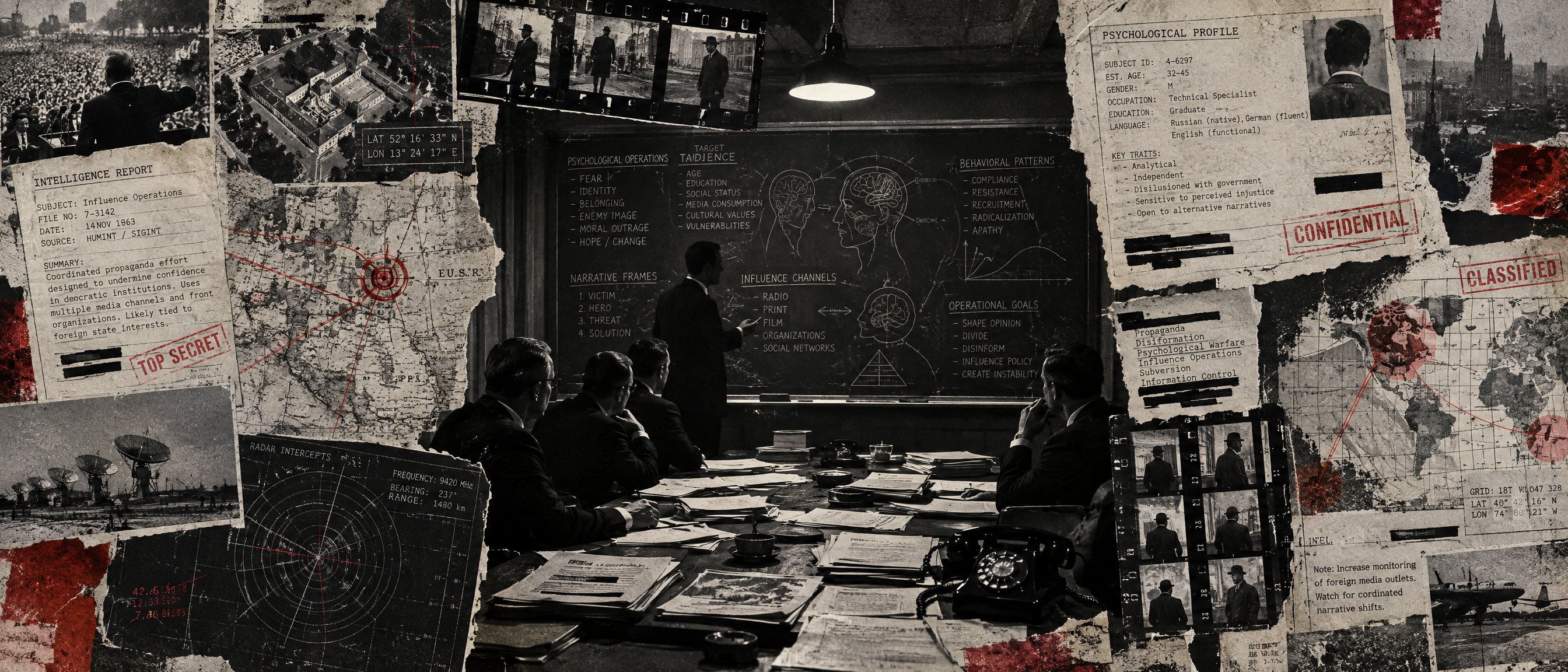
Illustration: a dossier collage of an intelligence briefing room with case files and behavioral-analysis notes on a chalkboard.

The research

The psychology of persuasion

Why these techniques work: the research on attention, memory, emotion, identity and belief that explains how a message gets past reasoned evaluation.

Illustration, not an archive object

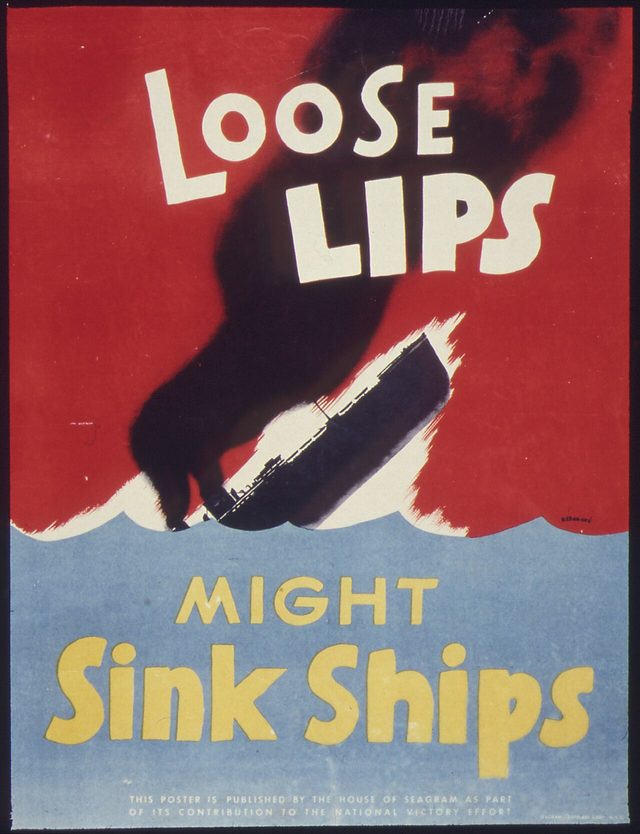
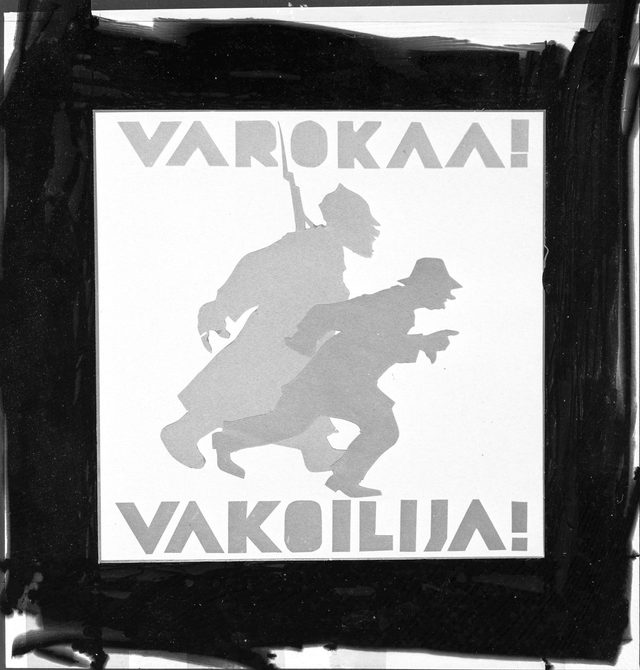
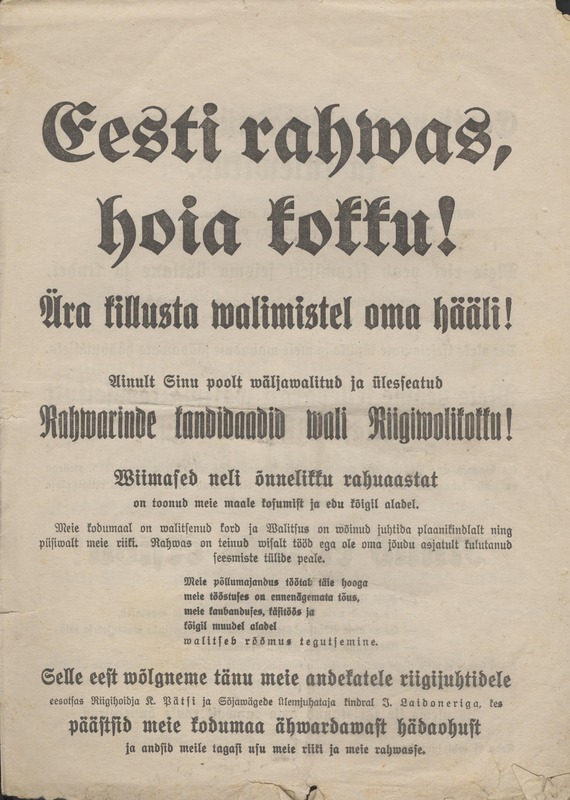
The archive shows what propaganda looks like. This library explains why it works. Each page takes one well-studied feature of human thinking, sets out what the research actually found, says plainly how well that finding has held up, and shows how political messaging on every side has used it.

The pages are written for three kinds of reader: someone who wants to recognise manipulation when they meet it, someone studying the history in this archive, and someone writing political material of their own who wants to persuade honestly. They explain mechanisms so they can be understood and spotted. They are not instructions for deceiving people.
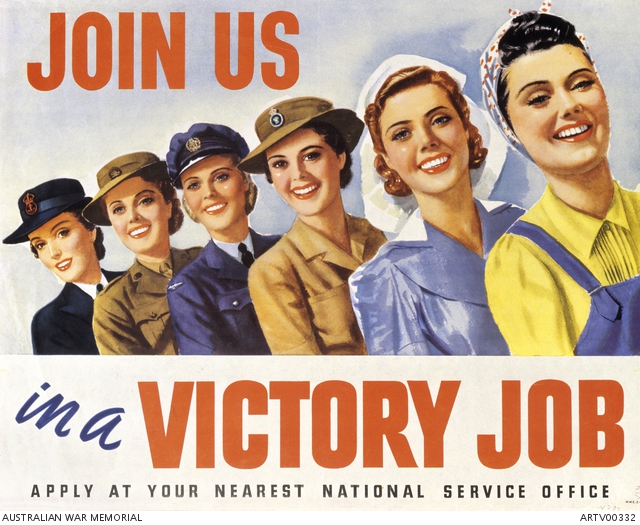
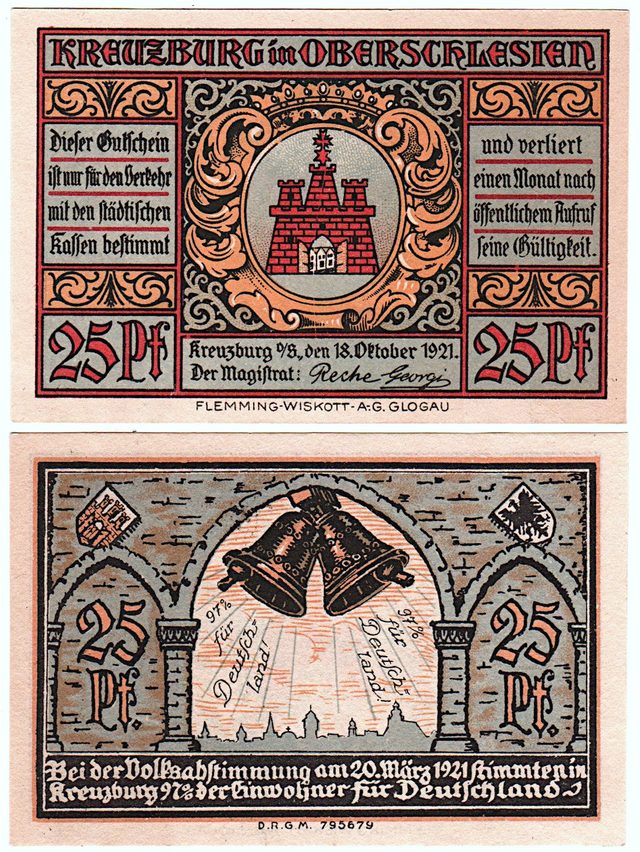
The three areas

The pages below are grouped into three areas: cognitive biases and heuristics, group identity, and emotion and fear. Each area has its own overview page, listed first in its group.

Cognitive biases and heuristics

Emotion and fear

Group identity

Countering propaganda

Basics