Library
Primary texts
Full texts of the books, speeches and reports the archive cites, shown as they were published so you can read the source, not only a summary of it.
Illustration, not an archive object
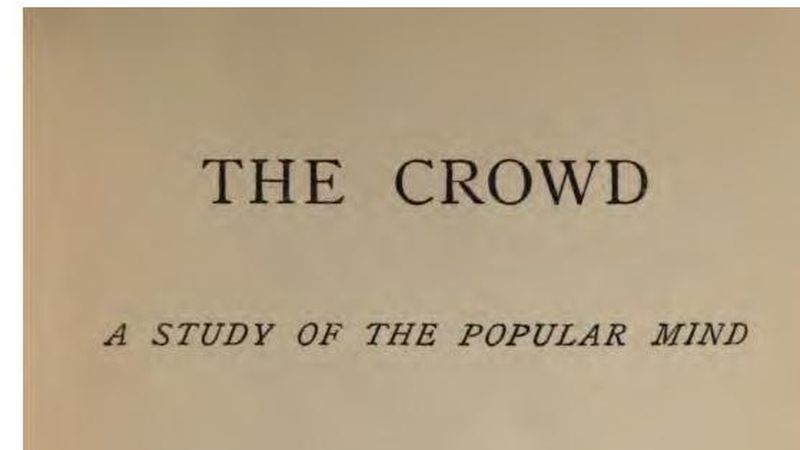 Book · 1896The Crowd: A Study of the Popular MindContent note
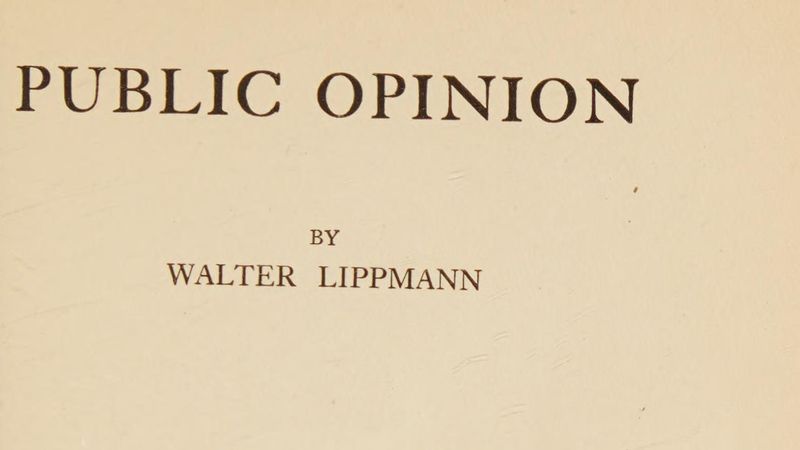 Book · 1922Public Opinion
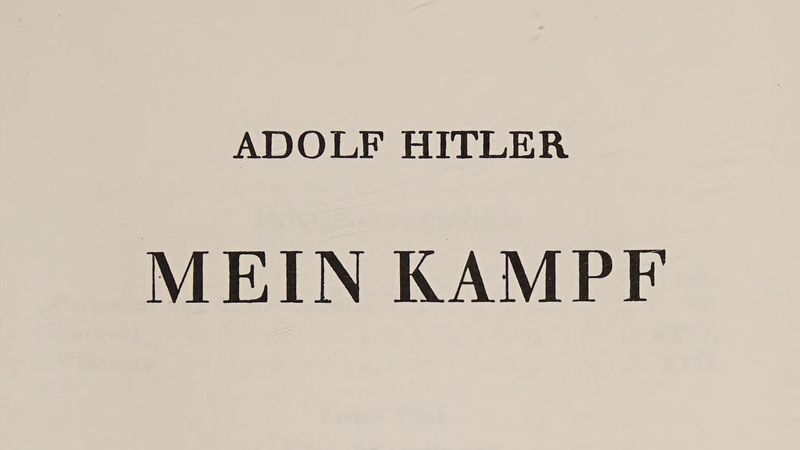 Book · 1925–1926Mein Kampf (German)Content note
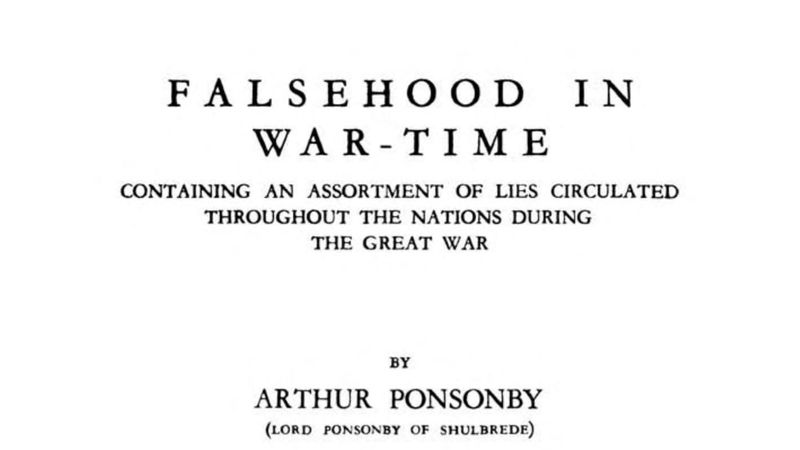 Book · 1928Falsehood in War-TimeContent note
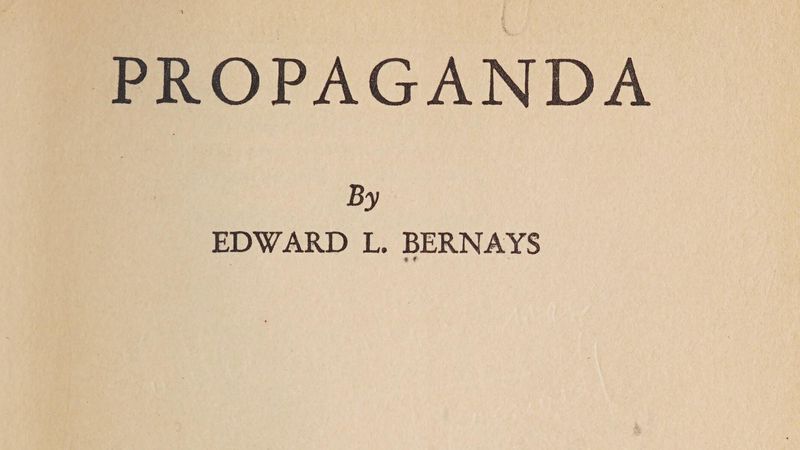 Book · 1928Propaganda
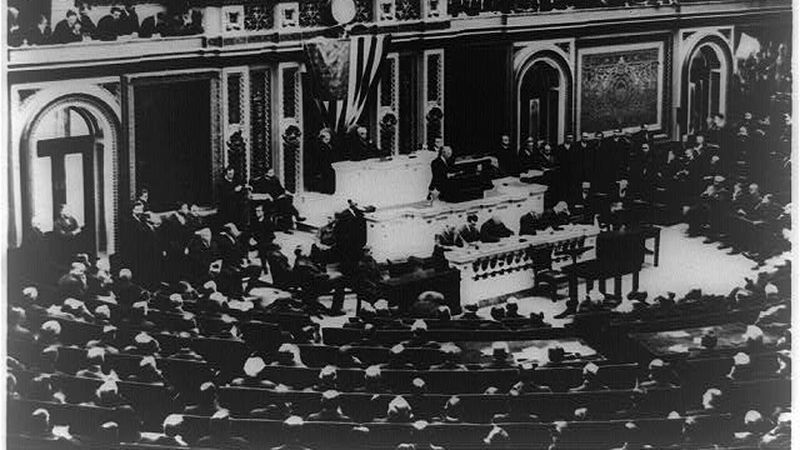 Speech · April 2, 1917War Message to Congress, April 2, 1917
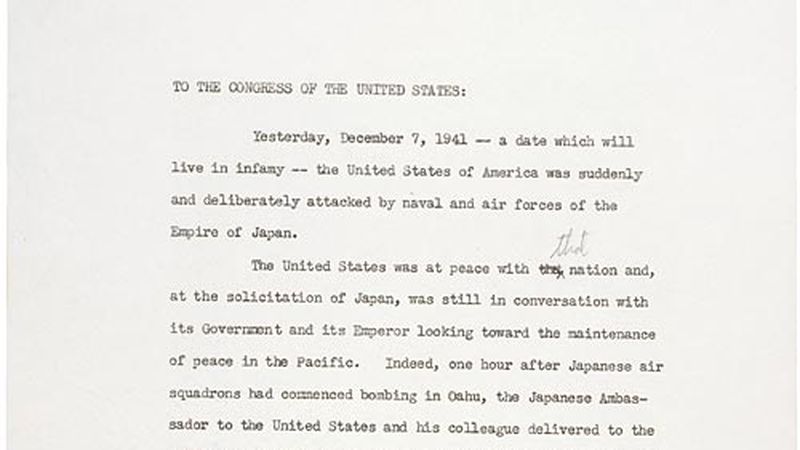 Speech · December 8, 1941"Day of Infamy" Address to Congress, December 8, 1941
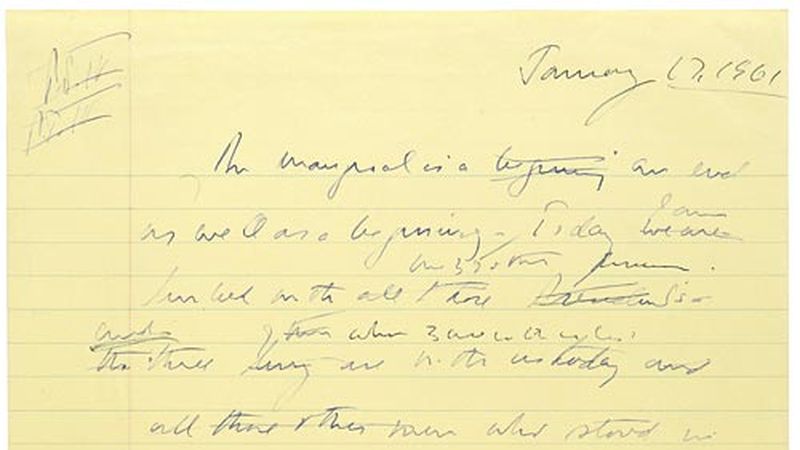 Speech · January 20, 1961Inaugural Address, January 20, 1961
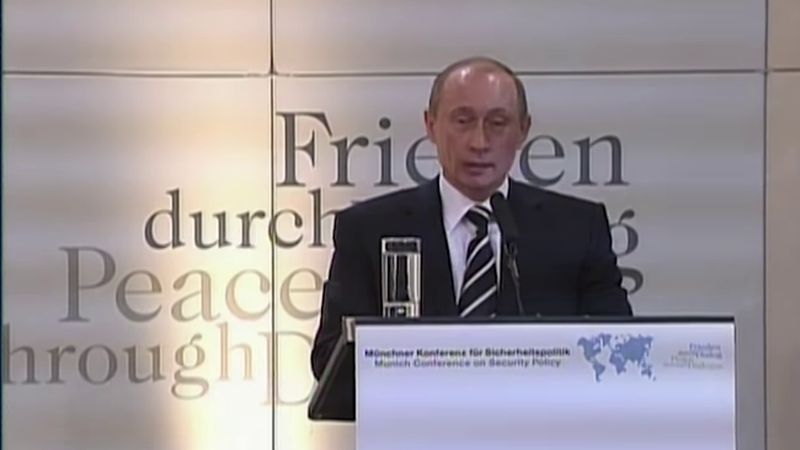 Speech · February 10, 2007Munich Security Conference Speech, February 10, 2007
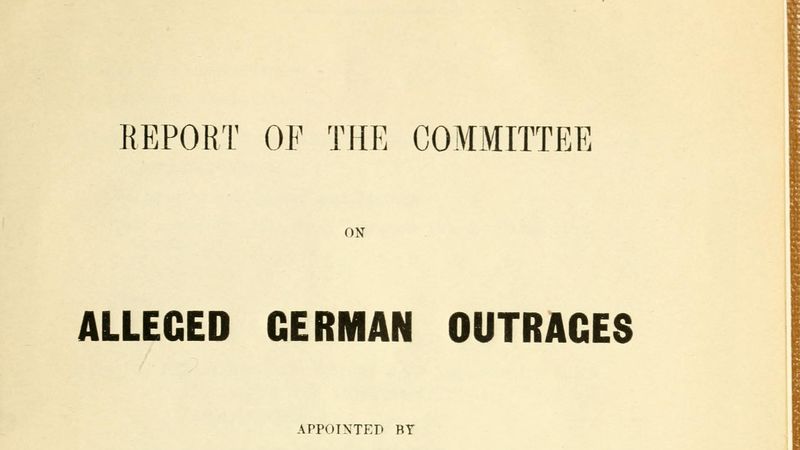 Report · 1915The Bryce Report on Alleged German OutragesContent note
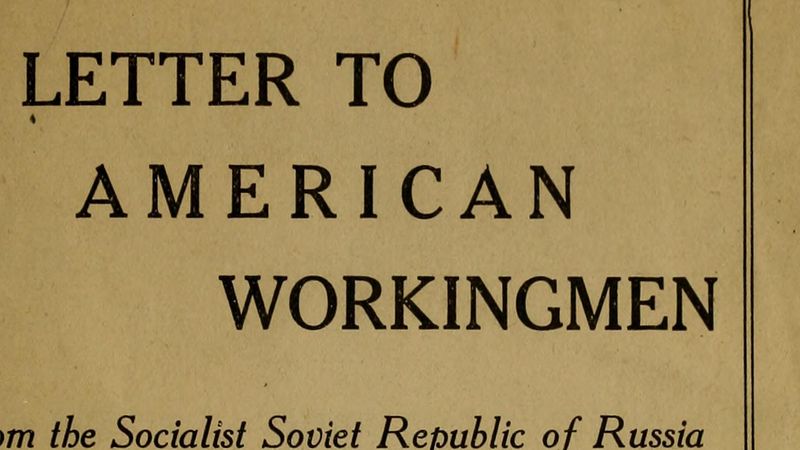 Letter · 1918A Letter to American Workingmen
What is here
Books, speeches, letters and reports that the archive's write-ups cite, from every side and era it covers. Each one is complete, with the edition it comes from, where the text was obtained, why it may be hosted, and every change made to it. Each page links to the write-ups that cite the text, and those write-ups link back. Hosting a text is not endorsing it: the library holds texts from every side, including hateful ones, shown as they were with a content note.
What gets hosted
Only works that are in the public domain or that carry an open licence the source states. That includes older books, speeches and documents of the United States government, and a few texts under a Creative Commons licence. A work that may still be protected is not hosted; the write-ups that cite it link to a library or publisher copy instead. The library is served from the United States, and a text that is public domain there may still be protected elsewhere, so readers outside the United States should check their own law.
What is changed
Nothing in the wording. Line wraps are rejoined, headings are set in title case, and the source's boilerplate is removed (a licence header, a publisher's advertisements, page numbers and running heads on scanned books). Three texts are machine-read from scans and have not been proofread, and they say so; their recognition errors are the scan's. Where a text is shown as it was, including offensive or distressing material, a short content note says what is coming and the text is otherwise untouched, the same rule the collection follows.
Known gaps
The first texts lean towards the United States and Britain, because works from those countries are more often in the public domain. Germany is represented by one text, and it comes from a later printing rather than the first edition, which its page says. Texts from the Soviet Union, China and other countries are added as their rights are cleared, and the library says so rather than hiding the gap.
Thumbnails
Each text carries a thumbnail that is a real object: the title page or cover of the edition, a photograph, or a page of the document. Every one is public domain or openly licensed, is credited with its source and rights on the work's page, and says whether it was cropped. Where no such image can be cleared, a page falls back to an illustration labelled as one.
Reading and citing
Long books are split into chapters, with a chapter list beside the text. Every text can be downloaded as plain text with its provenance in a header. When you cite a text, cite the edition named on its page, not this site.