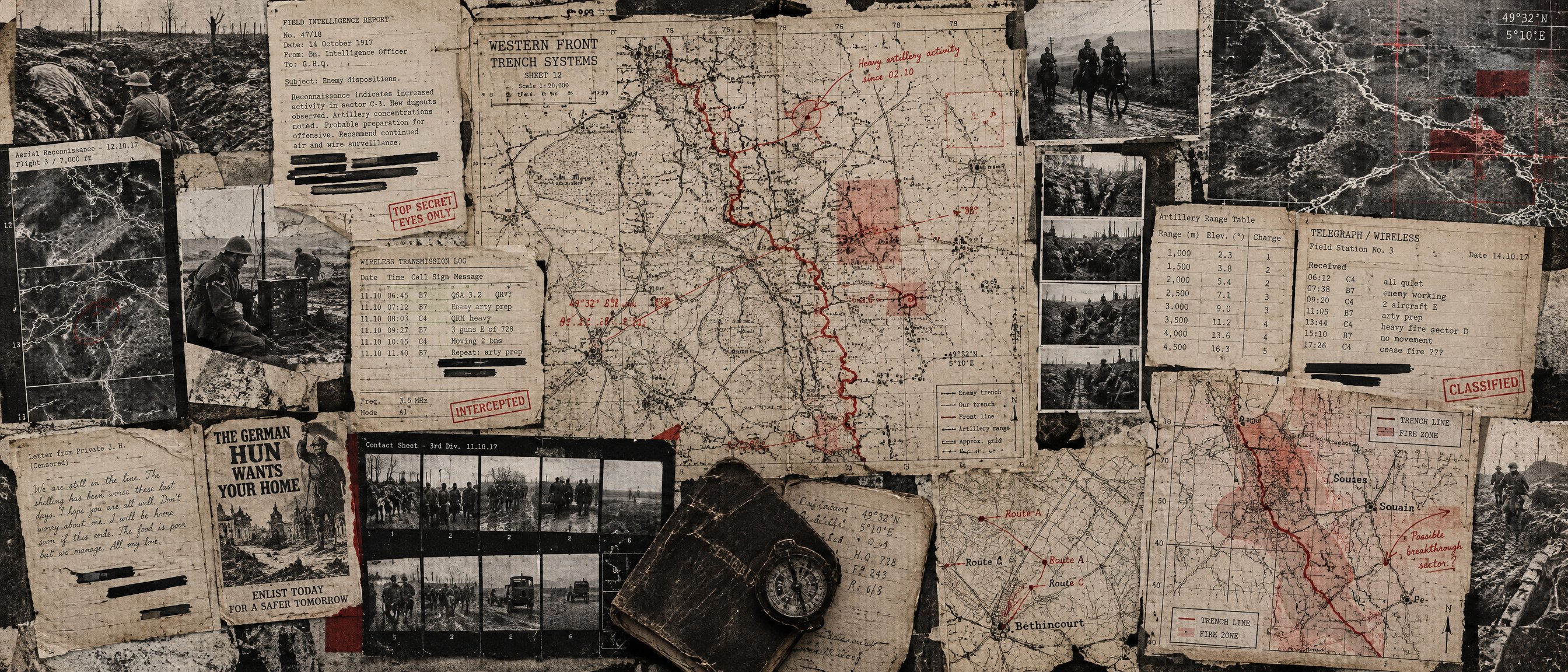
John J. Pershing
Illustration, not an archive object
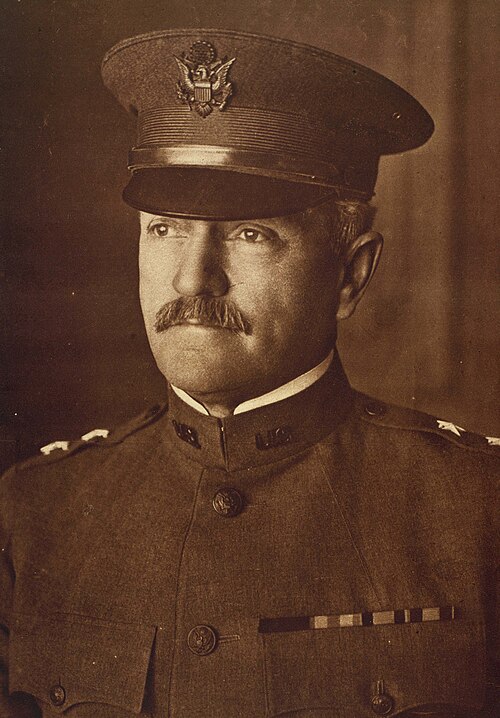

Commander of the American Expeditionary Forces 1917 to 1919 · United States
On the regime page: Wilson administration
5 quotes, oldest first. Filter with other speakers.
“The rifle and the bayonet are the principal weapons of the infantry soldier. He will be trained to a high degree of skill as a marksman, both on the target range and in field firing. An aggressive spirit must be developed until the soldier feels himself, as a bayonet fighter, invincible in battle.”
A training directive for the AEF, issued from his headquarters in October 1917, requiring instruction for open warfare and an offensive spirit; the Final Report reproduces the passage.
General Headquarters training instructions of October 1917, as quoted in Final Report of Gen. John J. Pershing, Commander-in-Chief American Expeditionary Forces (Washington: Government Printing Office, 1920; H. Doc. 626, 66th Congress, 2d session), Part I, p. 15 Source
“The enemy has capitulated. It is fitting that I address myself in thanks directly to the officers and soldiers of the American Expeditionary Forces who by their heroic efforts have made possible this glorious result. Our armies, hurriedly raised and hastily trained, met a veteran enemy, and by courage, discipline and skill always defeated him. Without a complaint you have endured incessant toil, privation and danger. You have seen many of your comrades make the supreme sacrifice that freedom may live.”
Order to the AEF the day after the Armistice took effect, thanking the troops and warning that discipline had to be kept in the occupation.
General Orders No. 203, G.H.Q., American Expeditionary Forces, 12 November 1918; original held by the Library of Congress (Gladstone Afro-American Military Collection, mss83434, box 5, item 477); text as printed by the North Carolina Department of Natural and Cultural Resources Source
“However, a situation might arise which would necessitate the temporary use of all American troops in the units of our Allies for the defensive, but nothing in the situation justified the relinquishment of our firm purpose to form our own Army under our own flag.”
Pershing's Final Report to the Secretary of War describes his 1918 refusal to place American troops permanently under French or British command, as the Allies had urged after the German spring offensives.
Final Report of Gen. John J. Pershing, Commander-in-Chief American Expeditionary Forces (Washington: Government Printing Office, 1920; H. Doc. 626, 66th Congress, 2d session), Part I, p. 19 Source
“As our troops were being trained for open warfare, there was every reason why we could not allow them to be scattered among our Allies, even by divisions, much less as replacements, except by pressure of sheer necessity. Any sort of permanent amalgamation would irrevocably commit America's fortunes to the hands of the Allies.”
From the same passage of the Final Report, giving his reasons for opposing amalgamation of American units into Allied armies.
Final Report of Gen. John J. Pershing, Commander-in-Chief American Expeditionary Forces (Washington: Government Printing Office, 1920; H. Doc. 626, 66th Congress, 2d session), Part I, p. 19 Source
“Finally, the memory of the unflinching fortitude and heroism of the soldiers of the line fills me with greatest admiration. To them I again pay the supreme tribute. Their devotion, their valor and their sacrifices will live forever in the hearts of their grateful countrymen.”
Closing tribute in the Final Report, addressed to the Secretary of War, Newton D. Baker, after the Armistice.
Final Report of Gen. John J. Pershing, Commander-in-Chief American Expeditionary Forces (Washington: Government Printing Office, 1920; H. Doc. 626, 66th Congress, 2d session), final paragraphs, p. 95 Source
Often attributed, not verified
These words circulate under John J. Pershing’s name but could not be traced to a source. They are listed so readers can check them, not as John J. Pershing’s words.
“Lafayette, we are here.”
Lafayette College's archive pages on the 4 July 1917 ceremony state that Pershing's aide, Colonel Charles E. Stanton, spoke the words, and that the line is widely credited to Pershing in error. Pershing's own account in My Experiences in the World War (1931) was not available to read.