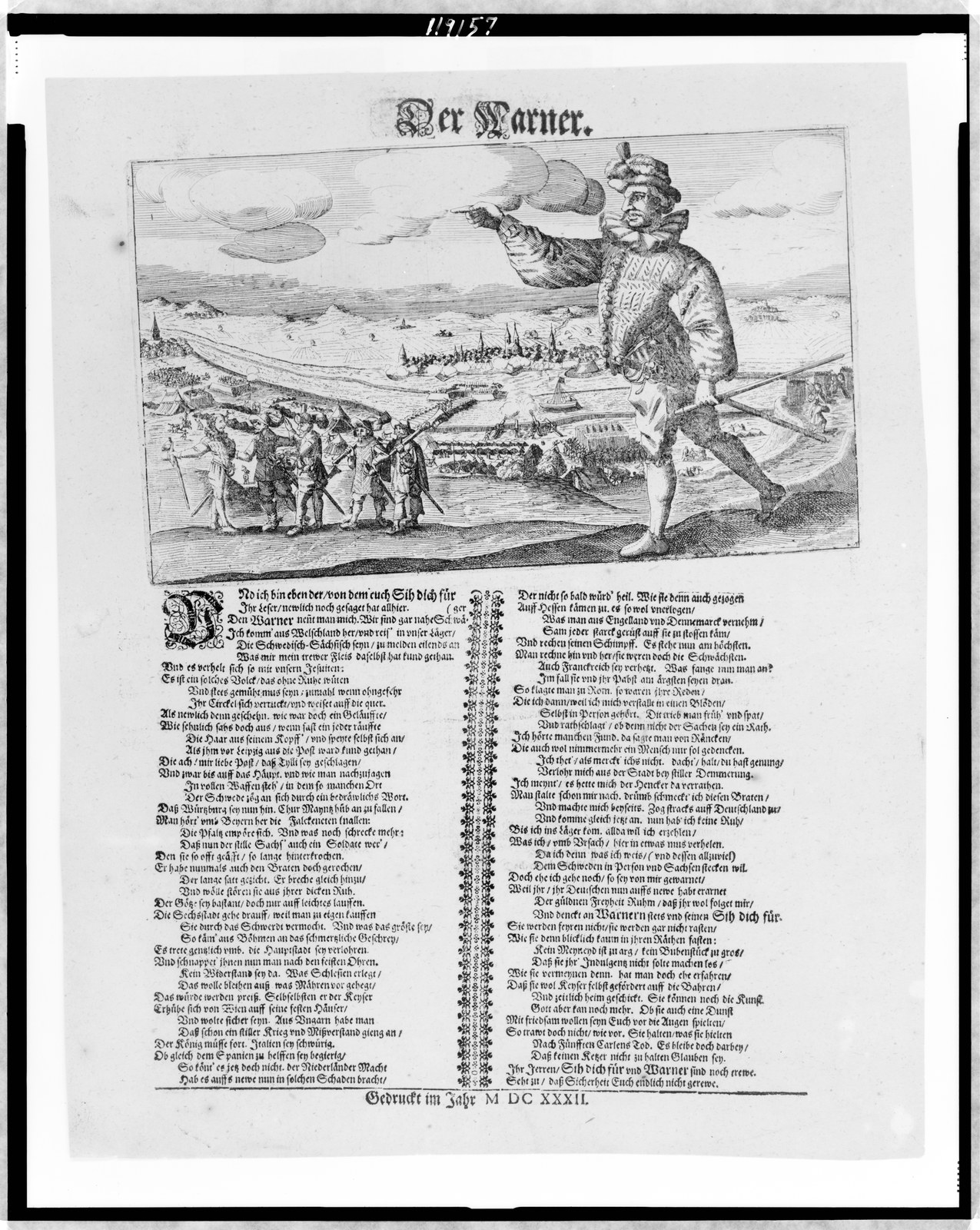
Der Warner (broadsheet lampoon on the Jesuits after Breitenfeld and Rain)
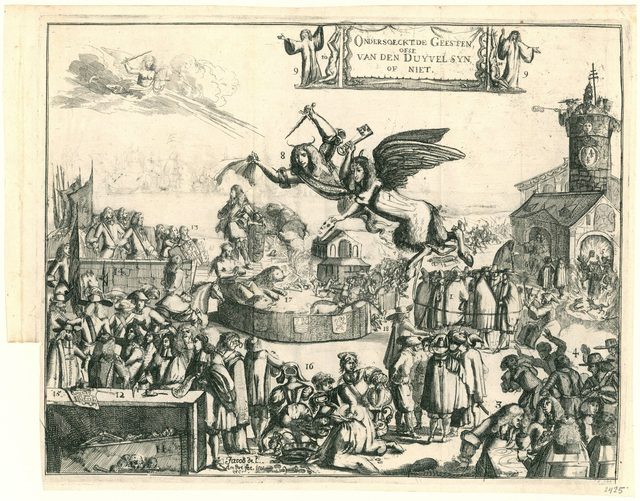
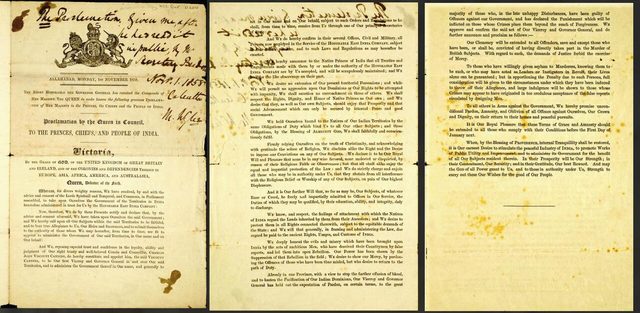
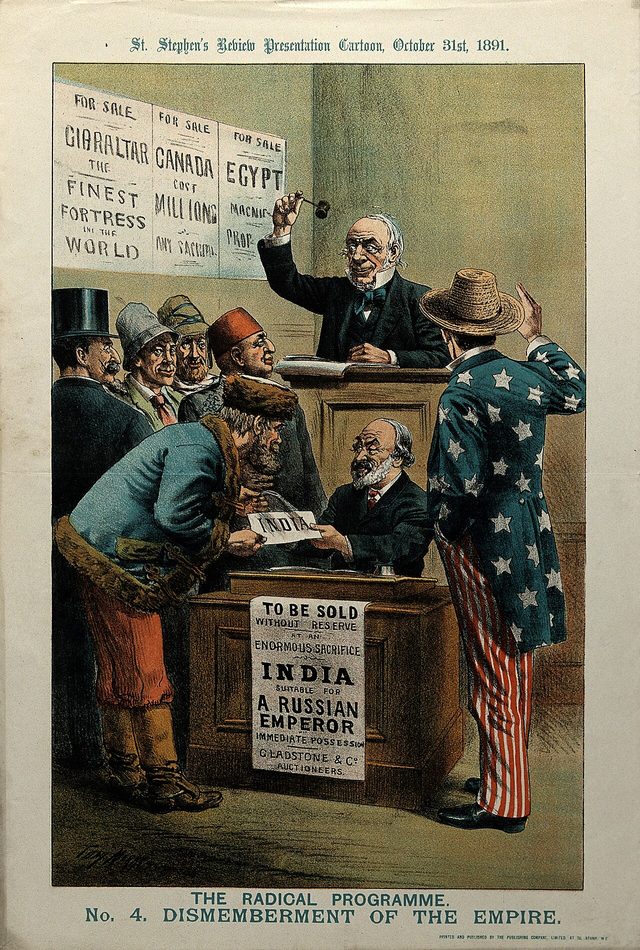
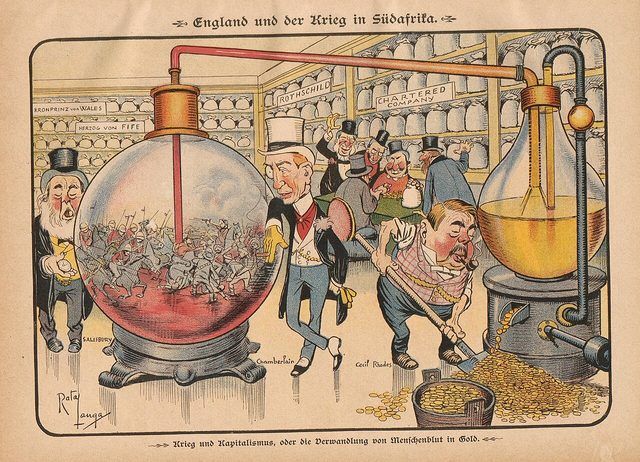
A single-sheet broadsheet shows a plumed, pointing 'Warner' above a Protestant camp and town, with a two-column German rhyme in his voice: he claims to have overheard the Jesuits in despair at Tilly's defeats and to bring Germans word of their scheming. The refrain 'Sih dich für' (watch out) and the charge that Jesuits keep faith with no heretic are the fear and blame tells.
- Date
- 1632
- Period
- Pre-1914
- Made by
- Anonymous printer, German lands (unnamed; Protestant, pro-Swedish-Saxon voice)
- Region
- Western and Central Europe
- Country
- Holy Roman Empire
- Medium
- Issuer type
- Mixed
- Regime
- Habsburg Holy Roman Empire
- Leader
- Ferdinand II
- Audience
- Domestic public
- Purpose
- Demonize
- Themes
- War and the military, Religion
- Event
- Thirty Years War
- Techniques
- ScapegoatingFear appeal
- Source
- Unidentified Source blurred: contractors, cutouts, buried disclosure
- Source
- Library of Congress, retrieved September 29, 2026
- Rights
- Public domain (printed 1632, before 1931); LOC: No known restrictions on publication
Der Warner, German broadsheet, 1632; Library of Congress Prints and Photographs Division, LC-USZ62-119157
Text on the object
Der Warner.

Vnd ich bin eben der/von dem euch Sih dich für
Ihr Leser/newlich noch gesaget hat allhier. (ger
Den Warner nent man mich. Wir sind gar nahe Schwä-
Ich komm' aus Welschland her/vnd reis' in vnser Läger/
Die Schwedisch-Sächsisch seyn/zu melden eilends an
Was mir mein trewer Fleis daselbst hat kund gethan.
Vnd es verhelt sich so mit vnsern Jesuiten:
Es ist ein solches Volck/das ohne Ruhe wüten
Vnd stets gemüht mus seyn; zumahl wenn ohngefehr
Ihr Circkel sich verruckt/vnd weiset auff die quer.
Als newlich denn geschehn. wie war doch ein Geläuffte/
Wie sehnlich sahs doch aus/wenn fast ein jeder räuffte
Die Haar aus seinem Kopff'/vnd speyte selbst sich an/
Als jhm vor Leipzig aus die Post ward kund gethan/
Die ach! mir liebe Post/daß Tylli sey geschlagen/
Vnd zwar bis auff das Häupt. vnd wie man nachzujagen
In vollen Waffen steh'/in dem so manchen Ort
Der Schwede zög an sich durch ein bedräwlichs Wort.
Daß Würtzburg sey nun hin. Chur Maynt hüb an zu fallen/
Man hört' vmb Beyern her die Falckeneten knallen:
Die Pfaltz empöre sich. Vnd was noch schrecke mehr;
Daß nun der stille Sachß' auch ein Soldate wer'/
Den sie so offt geäfft/so lange hinterkrochen.
Er habe nunmals auch den Braten doch gerochen/
Der lange satt gezicht. Er breche gleich hinzu/
Vnd wölle stören sie aus ihrer dicken Ruh.
[thirteen lines omitted here for length, from 'Der Götz' sey bastant' to 'Der König müsse fort. Italien sey schwürig.']
Ob gleich dem Spanien zu helffen sey begierig/
So kön't es jetz doch nicht. der Niederländer Macht
Hab es auffs newe nun in solchen Schaden bracht/
Der nicht so bald würd' heil. Wie sie denn auch gezogen
Auff Hessen kämen zu. es sowol vnerlogen/
Was man aus Engelland vnd Dennemarck vernehm/
Sam jeder starck gerüst auff sie zu stossen käm/
Vnd rechen seinen Schimpff. Es stehe nun am höchsten.
Man rechne hin vnd her/sie weren doch die Schwächsten.
Auch Franckreich sey verhetzt. Was fange nun man an?
Im fall sie vnd jhr Pabst am ärgsten sehen dran.
So klagte man zu Rom. so waren jhre Reden/
Die ich dann/weil ich mich verstalte in einen Blöden/
Selbst in Person gehört. Dit trieb man früh' vnd spat/
Vnd rathschlagt'/ob denn nicht der Sachen sey ein Rath.
Ich hörte manchen Fund. da sagte man von Rancken/
Die auch wol nimmermehr ein Mensch mir sol gedencken.
Ich thet'/als merck' ichs nicht. dacht'/halt/du hast genung/
Verlohr mich aus der Stadt bey stiller Demmerung.
Ich meynt'/es hette mich der Hencker da verrathen.
Man stalte schon mir nach. drumb schmeckt' ich diesen Braten/
Vnd machte mich beyseits. Zog stracks auff Deutschland zu/
Vnd komme gleich jetzt an. nun hab' ich keine Ruh/
Bis ich ins Läger kom. allda wil ich erzehlen/
Was ich/vmb Vrsach/hier in etwas mus verhelen.
Da ich denn was ich weis/(vnd dessen allzuviel)
Dem Schweden in Person vnd Sachsen stecken wil.
Doch ehe ich gehe noch/so sey von mir gewarnet/
Weil jhr/jhr Deutschen nun auffs newe habt erarnet
Der güldnen Freyheit Ruhm/daß jhr wol folget mir/
Vnd denckt an Warnern stets vnd seinen Sih dich für.
Sie werden feyren nicht/sie werden gar nicht rasten/
Wie sie denn blicklich kaum in jhren Räthen fasten:
Kein Meyneyd ist zu arg/kein Bubenstück zu gros/
Daß sie jhr' Indulgentz nicht solte machen los/
Wie sie vermeynen denn. hat man doch ehe erfahren/
Daß sie wol Keyser selbst gefördert auff die Bahren/
Vnd zeitlich heim geschickt. Sie können noch die Kunst.
Gott aber kan noch mehr. Ob sie auch eine Dunst
Mit friedsam wollen seyn Euch vor die Augen spielten/
So trawt doch nicht/wie vor. Sie halten/was sie hielten
Nach Fünfften Carlens Tod. Es bleibe doch darbey/
Daß keinen Ketzer nicht zu halten Glauben sey.
Ihr Jerren/Sih dich für vnd Warner sind noch trewe.
Seht zu/daß Sicherheit Euch endlich nicht gerewe.

Gedruckt im Jahr MDCXXXII.
The Warner.

And I am the very one of whom 'Watch Out' told you, readers, not long ago here. They call me the Warner. We are very nearly [in-laws]. I come from Italy and travel to our camp, the Swedish-Saxon one, to report quickly what my loyal diligence learned there.
And it stands thus with our Jesuits: they are a people that must rage without rest and always be busy, above all when their circle slips out of true and goes awry. As happened lately: what a commotion it was, how pitiful it looked when almost every man tore the hair from his head and spat on himself when the post from Leipzig told them, alas, that Tilly was beaten, right down to the head; and that, ready in full arms, in so many places the Swede drew people to himself by a threatening word: that Wurzburg was now gone, that the Elector of Mainz began to fall, that falconets were heard cracking around Bavaria, that the Palatinate rose up, and what frightened them still more, that the quiet Saxon too had become a soldier, whom they had so often mocked and crept behind so long. He had now finally smelled the roast, [long...] and would break in at once and disturb them out of their thick repose.
[thirteen lines omitted here for length, from 'Gotz was good only for running lightly' to 'Italy was troublesome.'] Though Spain was eager to help, it could not now, since the power of the Netherlands had newly brought it into such harm, which would not soon be healed. And they [the Protestants] had marched towards Hesse, no less true than what was heard from England and Denmark, as if each, strongly armed, came to strike at them and avenge his insult. It stood now at its highest. Reckon back and forth, they were still the weakest. France too was incited. What to do? In case they and their Pope should come off worst.
So they lamented in Rome, such were their speeches, which I, having disguised myself as a simpleton, heard in person. They plotted early and late and took counsel whether there was any remedy. I heard many a scheme; they spoke of intrigues that no man should ever mention to me. I acted as if I noticed nothing, thought: stop, you have enough; and slipped out of the city in the quiet dusk. I thought the hangman had betrayed me there. They were already on my trail, so I smelled the roast, and slipped aside, and went straight towards Germany, and have arrived just now. Now I have no rest until I reach the camp, where I will tell what I must here in part conceal, since what I know (and it is far too much) I will put into the ear of the Swede in person and of the Saxons.
But before I go, be warned by me, you Germans, who have newly earned the glory of golden freedom: follow me well, and always think of the Warner and his 'Watch Out'. They will not keep holiday, they will not rest at all, though they can scarcely fast in their councils: no perjury is too bad, no villainy too great for them not to grant it indulgence, as they suppose; it has been learned before that they have even helped emperors onto the bier and sent them home early. They still have the skill. But God can do more. Even if they play a show of peacefulness before your eyes, do not trust as before. They keep what they kept after the death of Charles the Fifth: that no faith need be kept with a heretic. Gentlemen, 'Watch Out' and the Warner are still true. See to it that your security does not in the end bring you regret.

Printed in the year 1632.
Read from the 3263 x 4096 px LOC scan. Thirteen lines (imperial troubles in Bohemia, Silesia, Hungary, Italy) are omitted only for the field length cap; they are legible on the image. Uncertain: 'Chur Maynt', 'gezicht', 'Götz'', 'Jerren' (Herren?). Lines 2-3 carry the wrap 'Schwä-' / '(ger'. Translation is machine-made and approximate.