Content note. This page describes allegations of child sexual abuse, torture and murder, and the prosecutions and child removals that followed. Real child abuse existed throughout this period and was documented in courts. The findings summarised here concern the specific claim of organised satanic ritual abuse, not child abuse in general.
In one line: between 1980 and 1994, a memoir, a set of therapy and interviewing methods, police training seminars and prime-time television carried the claim that organised satanic groups were abusing and killing children; the FBI's 1992 guide and a 1994 UK government study found no corroboration for the organised satanic element, while courts overturned or collapsed several of the best-known prosecutions.
What happened
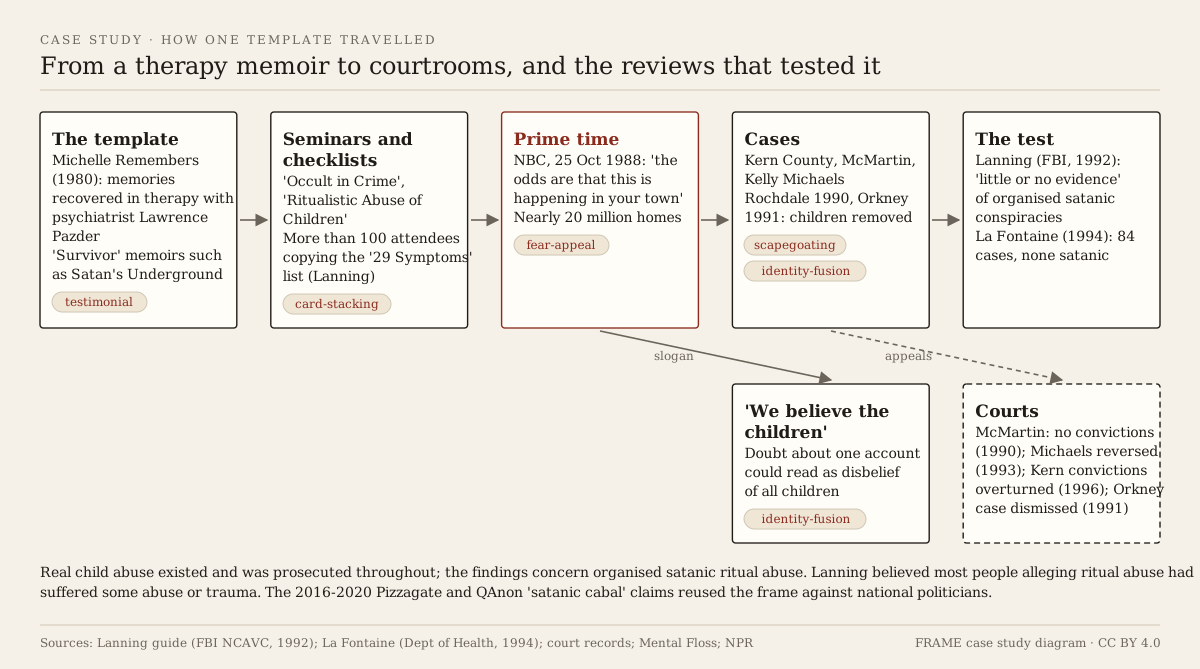
- 1980. Michelle Remembers, by Victoria, British Columbia, psychiatrist Lawrence Pazder and his patient (later his wife) Michelle Smith, presents memories recovered in therapy of childhood abuse in satanic rituals. In Maclean's (27 October 1980) Smith's father denied the account. Later investigators, summarised by Skeptical Inquirer and CBC, found no corroboration. Pazder is credited with introducing the term "ritual abuse" at a 1980 psychiatric meeting and consulted on the McMartin case in 1984.
- 1982 to 1986, Kern County, California. Two girls, encouraged by a step-grandmother and then questioned by investigators, accused their parents, Alvin and Debbie McCuan, and Scott and Brenda Kniffen of running a sex ring. All four were convicted in 1984 with combined sentences of more than 1,000 years. A 1986 county grand jury report and a report by California Attorney General John Van de Kamp criticised the investigations. The convictions were overturned in 1996, over improper questioning of the children.
- 1983 to 1990, McMartin Preschool, Manhattan Beach. After an initial complaint in 1983, Children's Institute International interviewed about 400 children and concluded that about 360 had been abused. Parents marched with signs reading "We believe the children." On 18 January 1990 a jury acquitted Peggy McMartin Buckey on all counts and deadlocked on 13 counts against her son Ray Buckey; a retrial on eight counts deadlocked in July 1990 and the charges were dropped. No one was convicted. The trial ran nearly three years; press accounts put the cost at about $15 million, among the longest and costliest criminal proceedings in US history.
- 1983 to 1985, games and music. After her son's suicide in 1982, Patricia Pulling founded Bothered About Dungeons and Dragons (BADD) in 1983 and linked the game to occult influence. On 19 September 1985 the Senate Commerce Committee heard the Parents Music Resource Center, whose "Filthy Fifteen" list included occult themes, and musicians Frank Zappa, Dee Snider and John Denver, who opposed labelling as censorship.
- 1985 to 1994, Kelly Michaels, New Jersey. A Wee Care Nursery School teacher was convicted in April 1988 on 115 counts. The Appellate Division reversed on 26 March 1993. On 23 June 1994 the New Jersey Supreme Court held that the children's interviews had been so suggestive that a pretrial "taint hearing" was required before any retrial. A 1993 amicus brief by psychologists Maggie Bruck and Stephen Ceci set out the research on child suggestibility; critics later noted that Michaels' defence lawyer co-authored it.
- 1988 to 1990, the Christian and secular media strands. Harvest House, a Christian publisher, printed 133,409 copies of Satan's Underground, a "survivor" memoir by "Lauren Stratford". The Christian magazine Cornerstone (Bob and Gretchen Passantino, Jon Trott) showed its story was false, and the publisher withdrew it in January 1990. On 25 October 1988 NBC aired Geraldo Rivera's two-hour special Devil Worship: Exposing Satan's Underground, which reached nearly 20 million homes while advertisers were reluctant to buy time (as reported by Mental Floss). In 1989 Oprah Winfrey presented Michelle Smith's account without challenge, according to CBC.
- Late 1980s, "cult cop" training. Police seminars titled "Occult in Crime", "Satanic Cults" and "Ritualistic Abuse of Children" circulated, as recorded by Lanning and by Robert D. Hicks (In Pursuit of Satan, 1991).
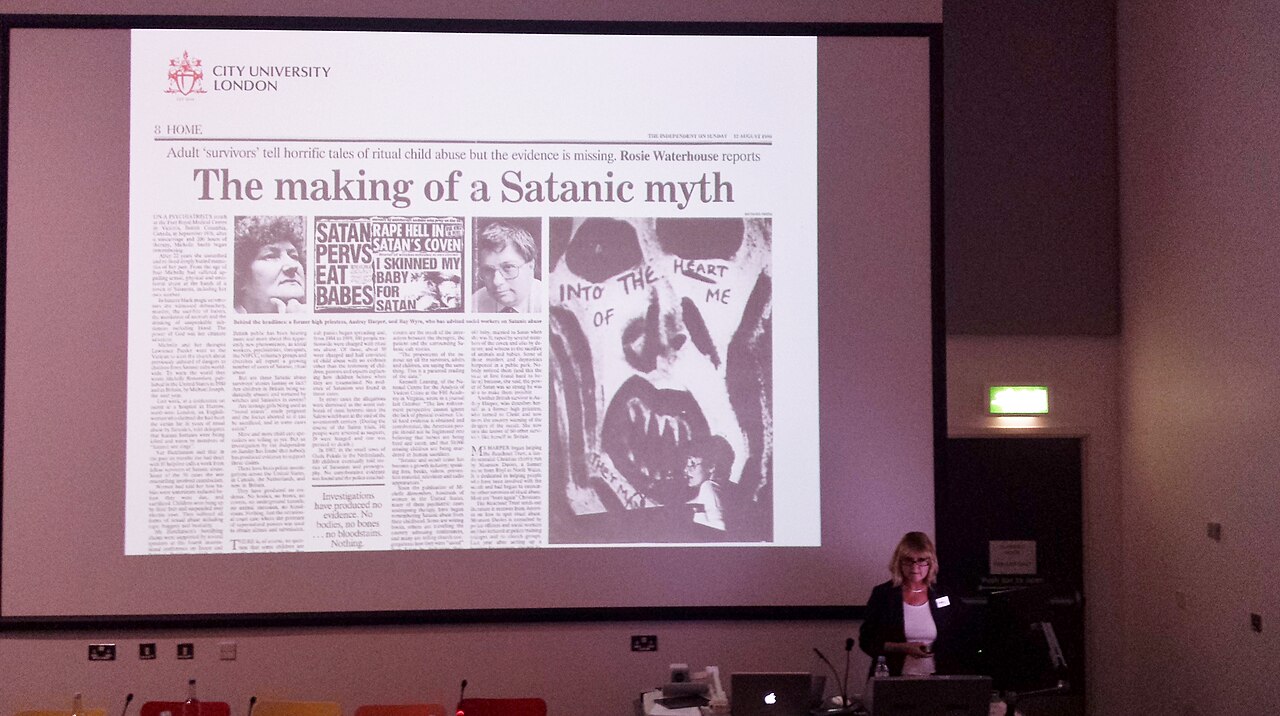
- 1987 to 1994, United Kingdom. In Nottingham (Broxtowe), adults were convicted in 1989 of incest and cruelty; a joint police and social-services team (the JET report) found no evidence of satanic activity. In 1990 Rochdale social services removed 20 children from six families on the Langley estate. In March 1991 Mr Justice Douglas Brown found "a gross error of judgement", criticised the dawn removals and interviews, and found the ritual-abuse allegations not made out. Journalist Rosie Waterhouse's September 1990 Independent piece, "The Making of a Satanic Myth", challenged the case. On 27 February 1991 nine children were taken from four families on South Ronaldsay, Orkney; on 3 April Sheriff David Kelbie called the proceedings "so fatally flawed as to be incompetent" and the children went home. Lord Clyde's inquiry reported in October 1992, criticising the social work department, the police and the RSSPCC while accepting they had acted in good faith.
- January 1992. FBI Supervisory Special Agent Kenneth V. Lanning publishes the Investigator's Guide to Allegations of "Ritual" Child Abuse (see below).
- 2 June 1994. The Department of Health publishes Jean La Fontaine's The Extent and Nature of Organised and Ritual Abuse. Of 84 cases, three had substantiated abuse with a ritual context, and none involved satanic worship; she said "the aim is sexual and the ritual is incidental to it."
- 1995 to 1997. Rivera tells viewers he was "terribly wrong" (CNBC, December 1995). In 1997 Patricia Burgus settled for about $10.6 million with psychiatrist Bennett Braun, a colleague and Rush-Presbyterian-St Luke's, over therapy in which she came to believe she had been a satanic cult high priestess.
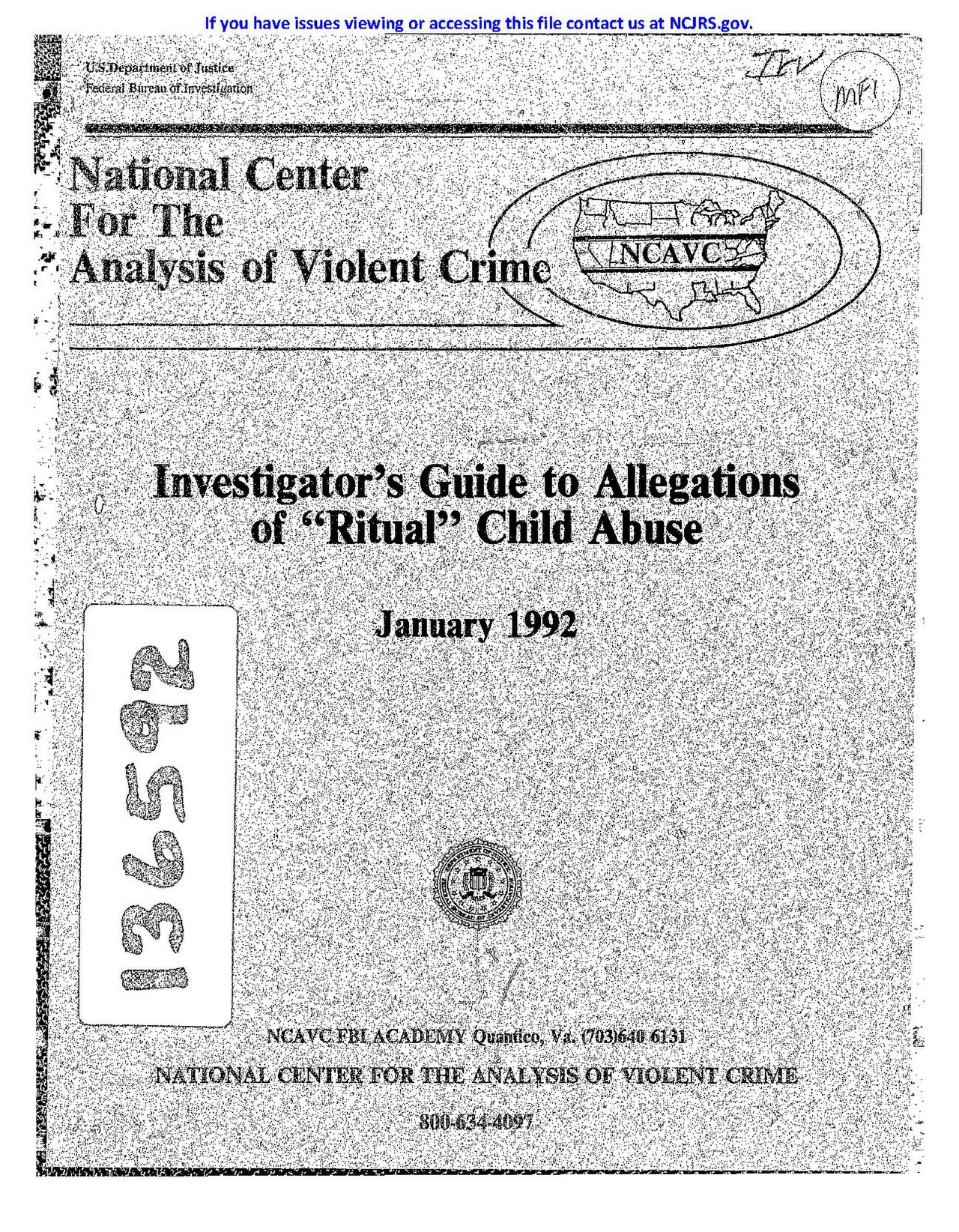
Cover of Kenneth Lanning's guide, FBI National Center for the Analysis of Violent Crime, January 1992. U.S. government work, public domain.
How it works
- Fear appeal: the harm was staged as close and hidden. Rivera told viewers that a satanic network was "highly organized, very secretive" and "the odds are that this is happening in your town" (as quoted by Mental Floss). Lanning lists the claims he says the public should not be frightened into believing without corroboration: "that babies are being bred and eaten, that 50,000 missing children are being murdered in human sacrifices, or that satanists are taking over America's day care centers." He notes that national studies put stranger-abduction homicides of children at 43 to 147 a year.
- Testimonial: credentials and first-person witness were offered in place of physical evidence. A psychiatrist co-signed Michelle Remembers; "survivor" memoirs such as Satan's Underground came from Christian publishers; and, Lanning writes, many officers who lectured on satanic crime "do not even investigate such cases", introducing themselves "as current or former police officers and then speaking as religious advocates."
- Card stacking: Lanning describes seminars that tied nine topics (role-playing games, heavy metal, teen suicide, vandalism, ritual abuse, a "Big Conspiracy") together "through the liberal use of the word 'satanism'". Because some items "can be proven or corroborated (symbols on rock albums, graffiti on walls ...) the implication is that it is all true and documented," with "videotapes of tabloid television programs" presented as "evidence".
- Scapegoating: a complex harm (child sexual abuse, which Lanning discusses mainly as abuse by relatives and acquaintances, and whose abusers he says are statistically "members of mainstream religions") was placed on a bounded group: satanists, and in practice day-care workers and teachers. Lanning calls satanism "a 'new' form of 'stranger danger'" and says demonology has "tremendous appeal": "It is not his fault, it is not our fault ... the devil made him do it."
- Identity fusion: used as a test of loyalty, the slogan "believe the children" could make doubt about one account read as disbelief of children in general. Lanning describes a strand of the debate in which "those who do not recognize the threat are evil and corrupt. In this extreme view, you are either with them or against them," and reports that "everyone seems to demand that one choose a side." Rivera later described himself as having been "a firm believer of the 'Believe The Children' movement".
Considered, not tagged. Manufactured consensus requires creating the appearance of independent voices. The accounts did look independent: Lanning saw "more than 100 attendees copying down the widely disseminated 29 'Symptoms Characterizing Satanic Ritual Abuse'", and points to "alternative explanations for why people who never met each other can tell the same story". But the record shows shared checklists, seminars and media spreading one template, not anyone arranging for voices to look independent. That spread is contagion, not a documented fabrication, so the tag is not applied. Outrage-bait and bandwagon were also rejected: the documented appeal was fear, not fury, and popularity was not the main proof offered.
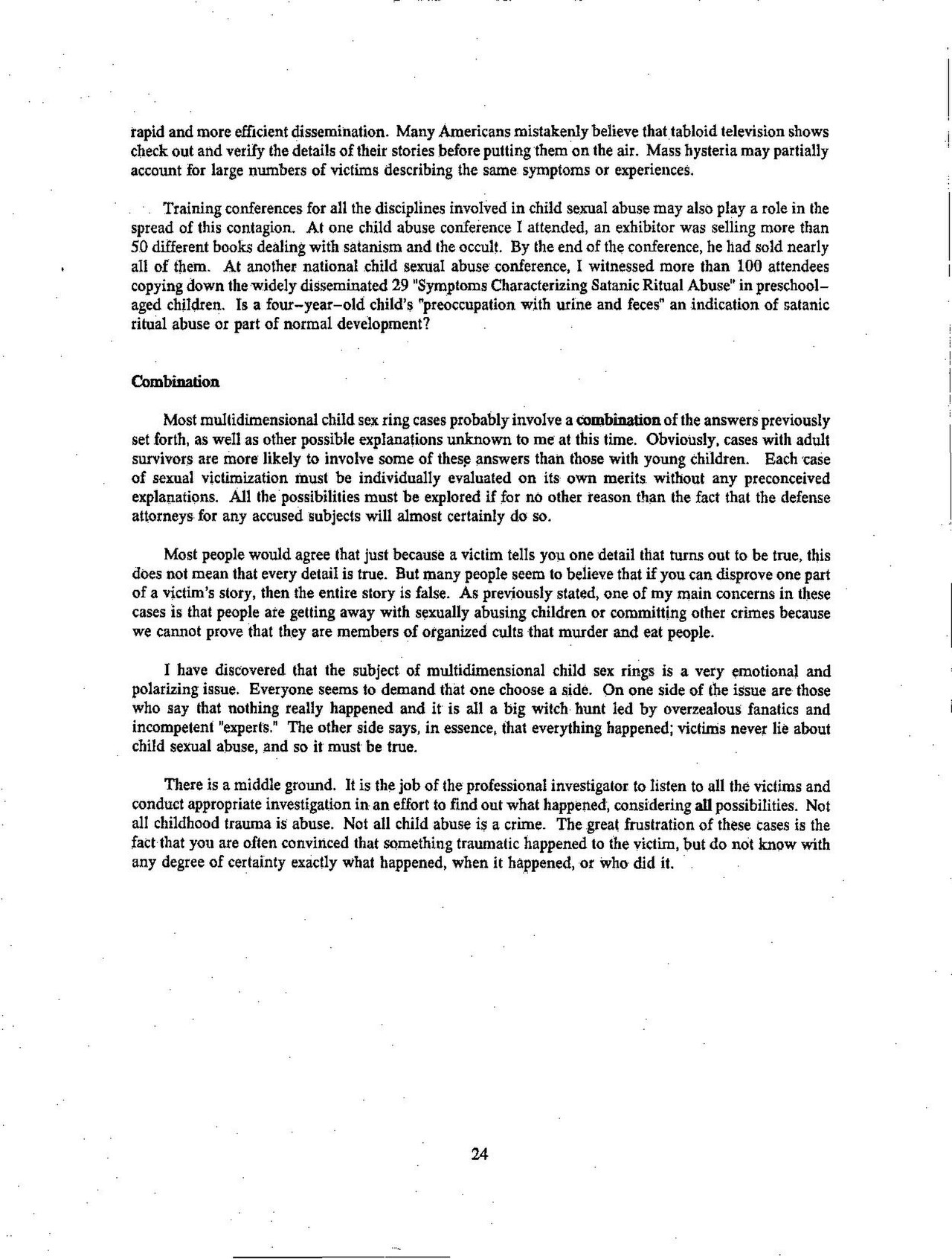
Lanning guide, p. 24: training conferences and the "29 Symptoms" checklist as a route of "contagion". Public domain.
Then and now
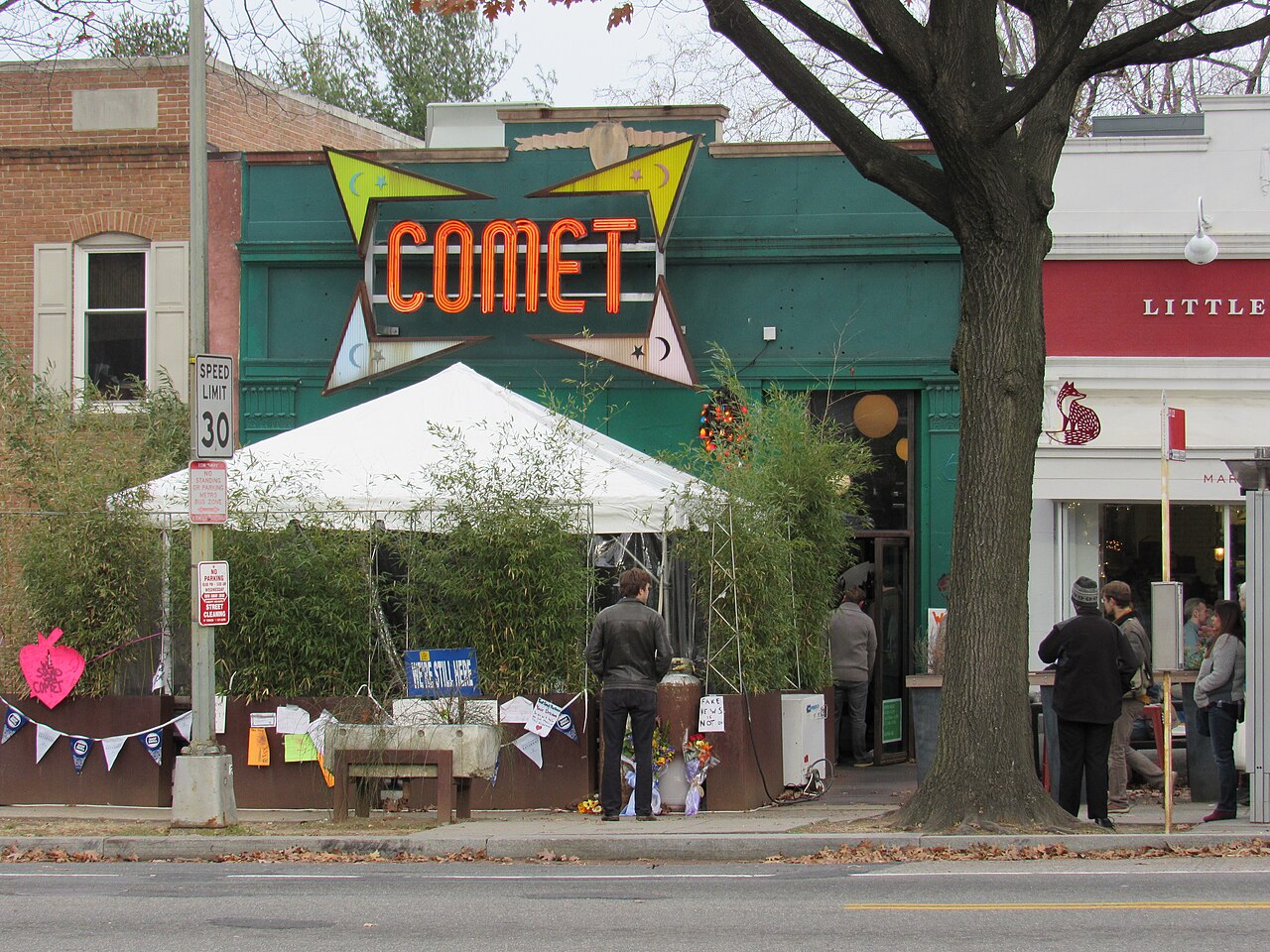
Comet Ping Pong, Washington, D.C., 11 December 2016, a week after the armed intrusion. Photo by Farragutful, CC BY-SA 4.0.
In 2016, 4chan users read hacked emails of Clinton campaign chair John Podesta as code for a child-trafficking ring run from a pizza restaurant. Claims that Podesta took part in satanic "spirit cooking" rituals were debunked by the Washington Post. On 4 December 2016 Edgar Maddison Welch entered Comet Ping Pong with an AR-15, fired shots and found nothing; he was sentenced to four years. QAnon, from late 2017, alleged a cabal of mostly Democratic figures that abuses children in satanic rituals. NPR's 2021 report, drawing on sociologist Mary de Young, traced how the accusations echo the 1980s cases. On 30 May 2019 an FBI Phoenix field-office bulletin named QAnon and Pizzagate among conspiracy theories that "very likely motivate some domestic extremists".
The same definitions apply. Fear-appeal, scapegoating and identity-fusion fit both periods. The differences are as plain: in the 1980s the claims ran through courts, social services, network television and licensed therapists, and ended in real prosecutions; in 2016-2020 they ran mainly through anonymous posts and social platforms, and the accused were national politicians and celebrities rather than local day-care staff.
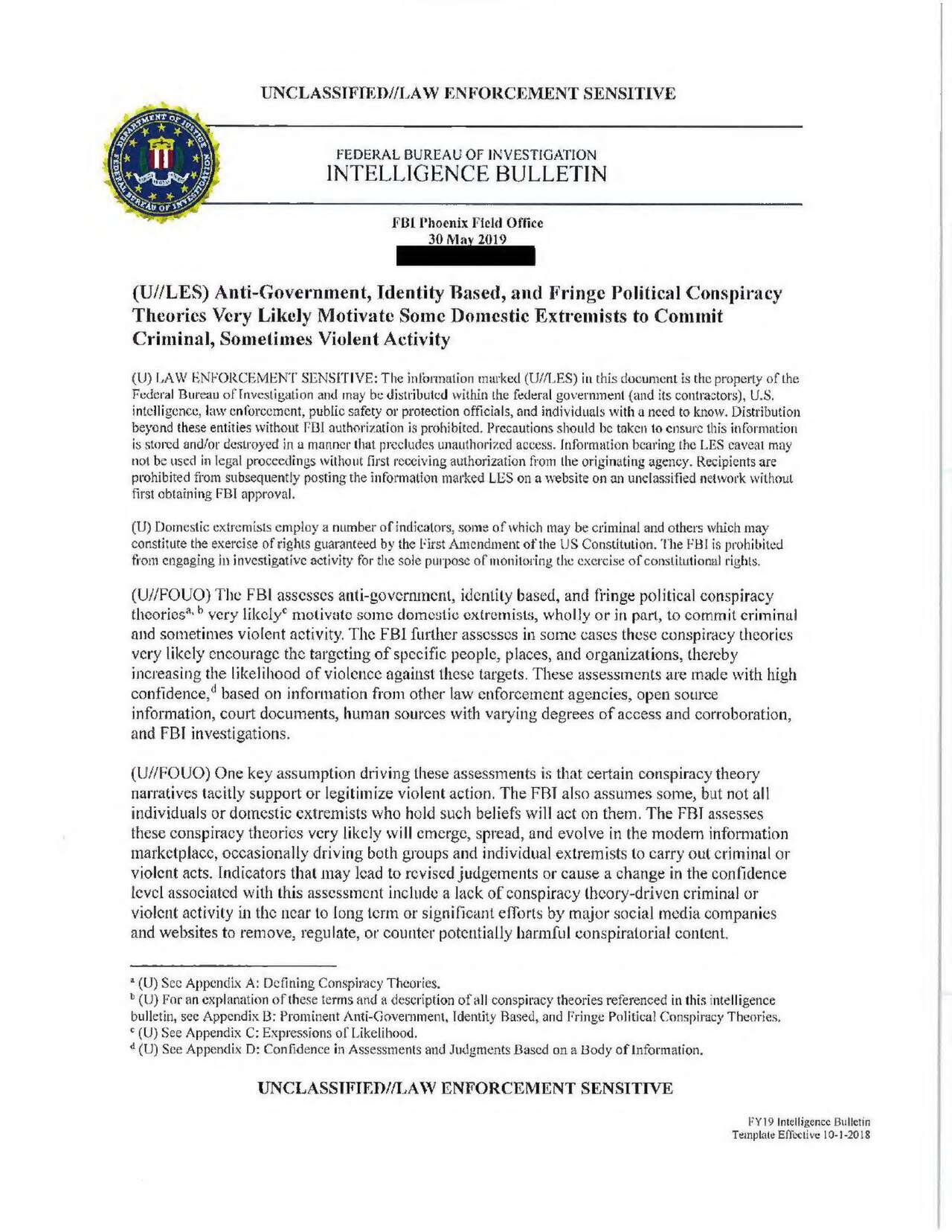
FBI Phoenix Field Office bulletin, 30 May 2019, page 1. U.S. government work, public domain.
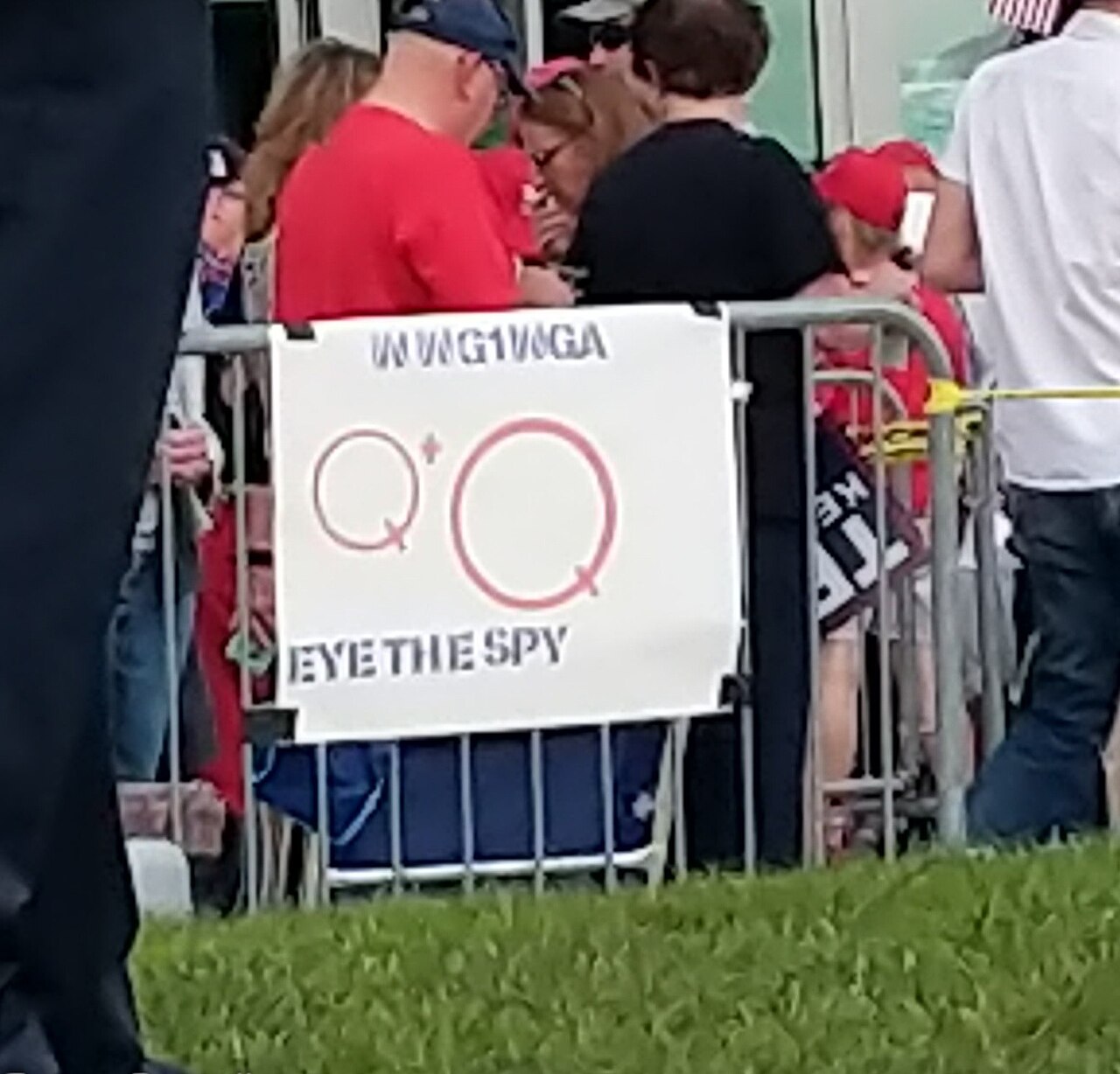
A QAnon sign ("WWG1WGA") at a rally in New Hampshire, 15 August 2019. Photo by Marc Nozell, CC BY 2.0.
Positions on the record
- Those who advanced the claims (therapists, child-protection interviewers, some police trainers, prosecutors, religious and secular broadcasters) said that children and adult survivors were describing real crimes and that disbelief had long protected abusers.
- Sceptics included the FBI (Lanning), civil-liberties and defence lawyers, journalists (Debbie Nathan and lawyer Michael Snedeker, Satan's Silence, 1995; Rosie Waterhouse), academic psychologists (Ceci and Bruck), an anthropologist (La Fontaine) and evangelical writers (the Cornerstone team). They said the organised satanic element had no corroboration and that suggestive interviews and therapy produced false accounts.
- Later dissent from the sceptics. Political scientist Ross Cheit (The Witch-Hunt Narrative, Oxford University Press, 2014) re-read trial records and argues that the "witch-hunt" account is overstated and that some of these cases held credible evidence of abuse. Lanning himself wrote that he believed "the majority of victims alleging 'ritual' abuse are in fact victims of some form of abuse or trauma."
- What is documented: the acquittals and deadlocks in McMartin; the overturned Kern County and Michaels convictions; the Rochdale judgment and Orkney dismissal; the Lanning and La Fontaine findings of no corroboration for organised satanic ritual abuse; and the withdrawal of Satan's Underground.
- What is not shown: that no child in these cases was ever abused, or that every accuser acted in bad faith. The record shows many acted from concern for children. Nor does it show a single coordinating organisation behind the claims.
Same-method test
If a secular broadcaster told viewers that a hidden network of evangelical pastors was ritually abusing children "in your town", backed by memoirs, a symptom checklist circulated at professional seminars and trainers speaking with police credentials, the tagging here would be the same. The same applies with the parties reversed: the scoring of QAnon's "satanic cabal" claims about Democratic politicians would not change if the named cabal were Republican.
How to spot it
- Ask what physical evidence exists apart from testimony: bodies, sites, records. Lanning's test was simple: "look for evidence of a crime."
- Check whether "independent" accounts share a source: the same book, seminar, checklist or broadcast.
- Separate the credential from the claim. A badge or degree says who is speaking, not what happened.
- Notice when doubting a method is recast as disbelieving victims. Checking a claim and protecting children are not opposites.
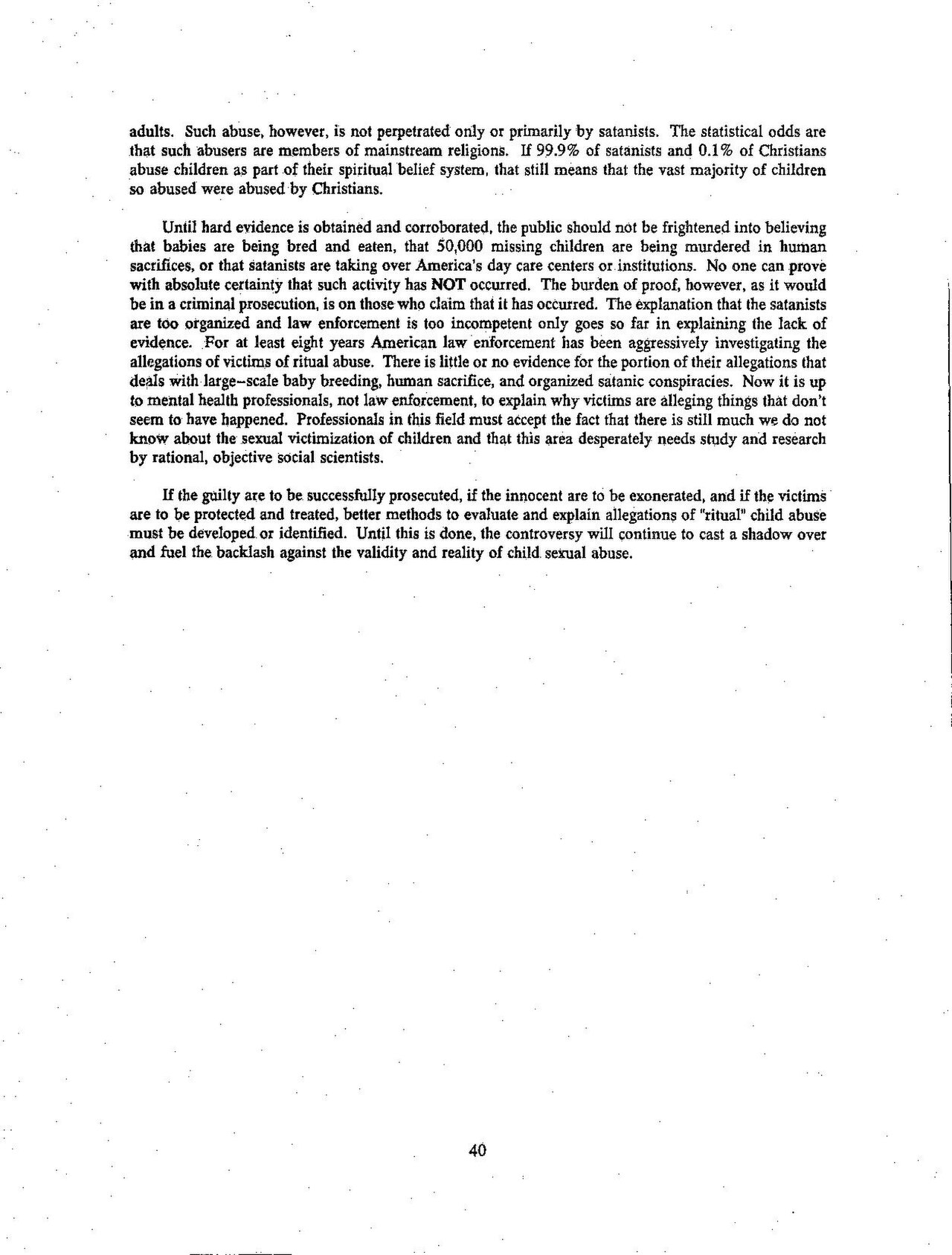
Lanning guide, p. 40: "There is little or no evidence for the portion of their allegations that deals with large-scale baby breeding, human sacrifice, and organized satanic conspiracies." Public domain.
Images
| Image | Source | Licence |
|---|---|---|
| Mechanism diagram (above) | Drawn for FRAME from this page's sourced facts (make_diagrams.py) |
CC BY 4.0, FRAME |
| Lanning guide: cover, p. 7, p. 24, p. 40 | Wikimedia Commons, from NCJRS | Public domain (U.S. government work) |
| Virginia McMartin at the preliminary hearing, 1984 | Wikimedia Commons, Mel Melcon, Los Angeles Times / UCLA Library | CC BY 4.0 |
| Geraldo Rivera publicity photo, 1970s | Wikimedia Commons, ABC Television | Public domain (no copyright notice) |
| Tipper Gore, 1979 | Wikimedia Commons, Marion S. Trikosko, Library of Congress | Public domain |
| St Margaret's Hope, South Ronaldsay, 2019 | Wikimedia Commons, Mike Pennington / Geograph | CC BY-SA 2.0 |
| Rosie Waterhouse, 2015 | Wikimedia Commons, Nederlandse Leeuw | CC BY-SA 4.0 |
| Comet Ping Pong, 2016 | Wikimedia Commons, Farragutful | CC BY-SA 4.0 |
| FBI Phoenix bulletin, 2019 | Wikimedia Commons | Public domain (U.S. government work) |
| Q sign, 2019 | Wikimedia Commons, Marc Nozell | CC BY 2.0 |


.jpg)
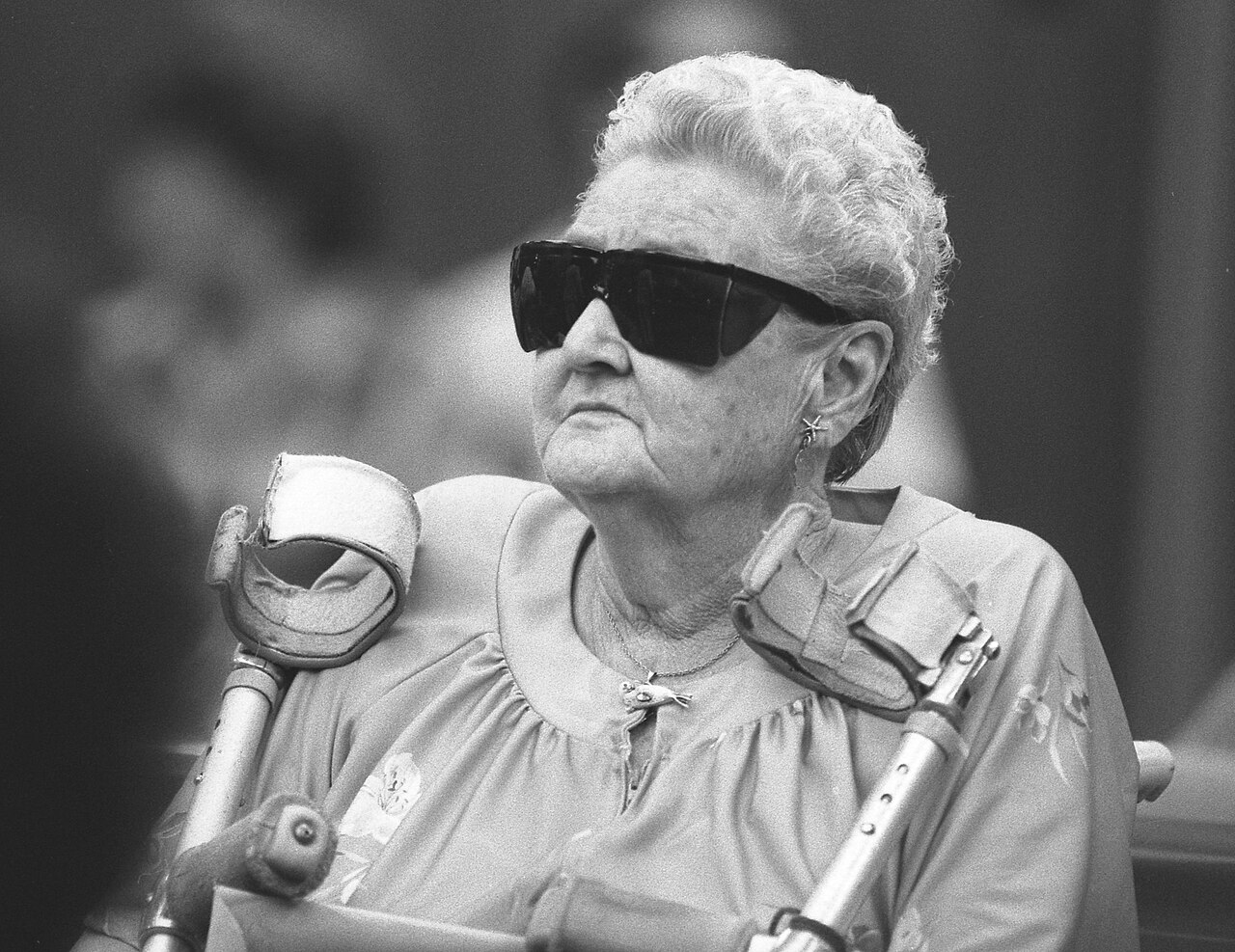
Virginia McMartin, the preschool's founder, at the preliminary hearing, 18 August 1984. She was among seven people charged; charges against five were later dropped and no one was convicted. Mel Melcon, Los Angeles Times, CC BY 4.0.
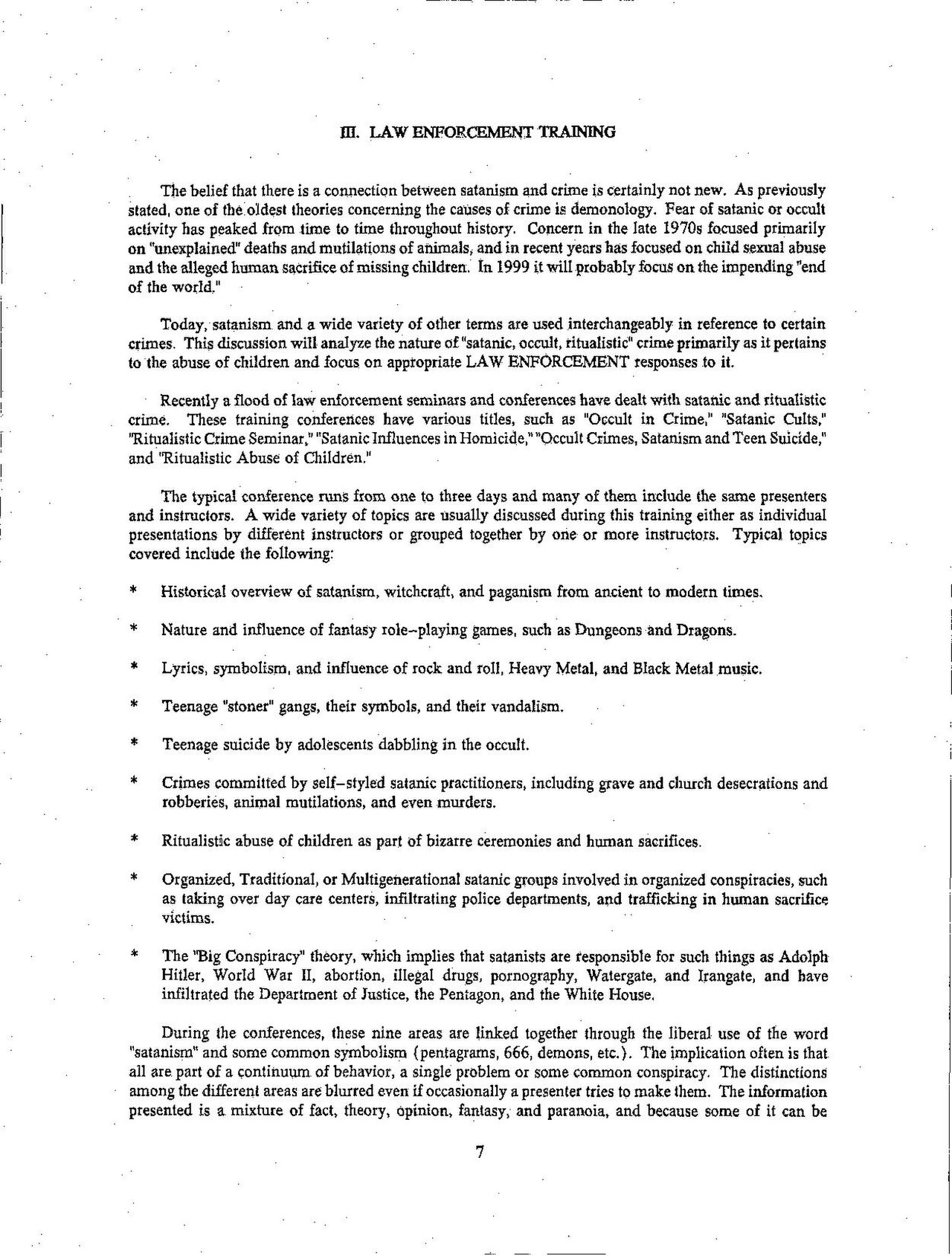
Lanning guide, p. 7: the seminar titles and the nine topics linked "through the liberal use of the word 'satanism'". Public domain.
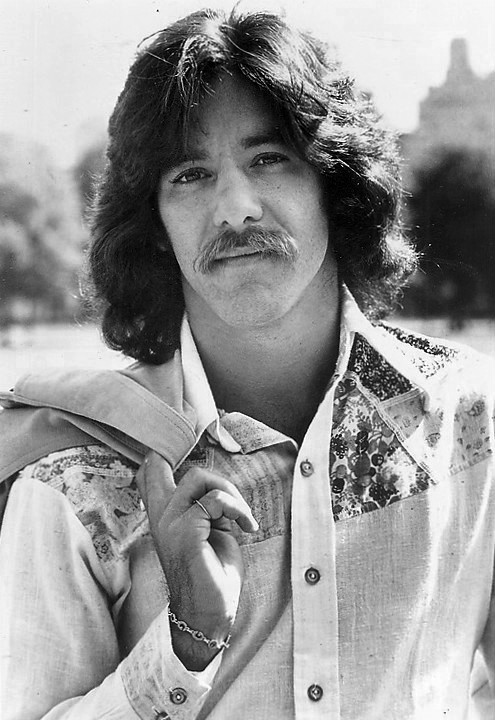
Geraldo Rivera in an ABC publicity photo for Good Night America (1973-1977), more than a decade before the 1988 NBC special. Public domain. Stills from the special itself are copyrighted (see gaps).
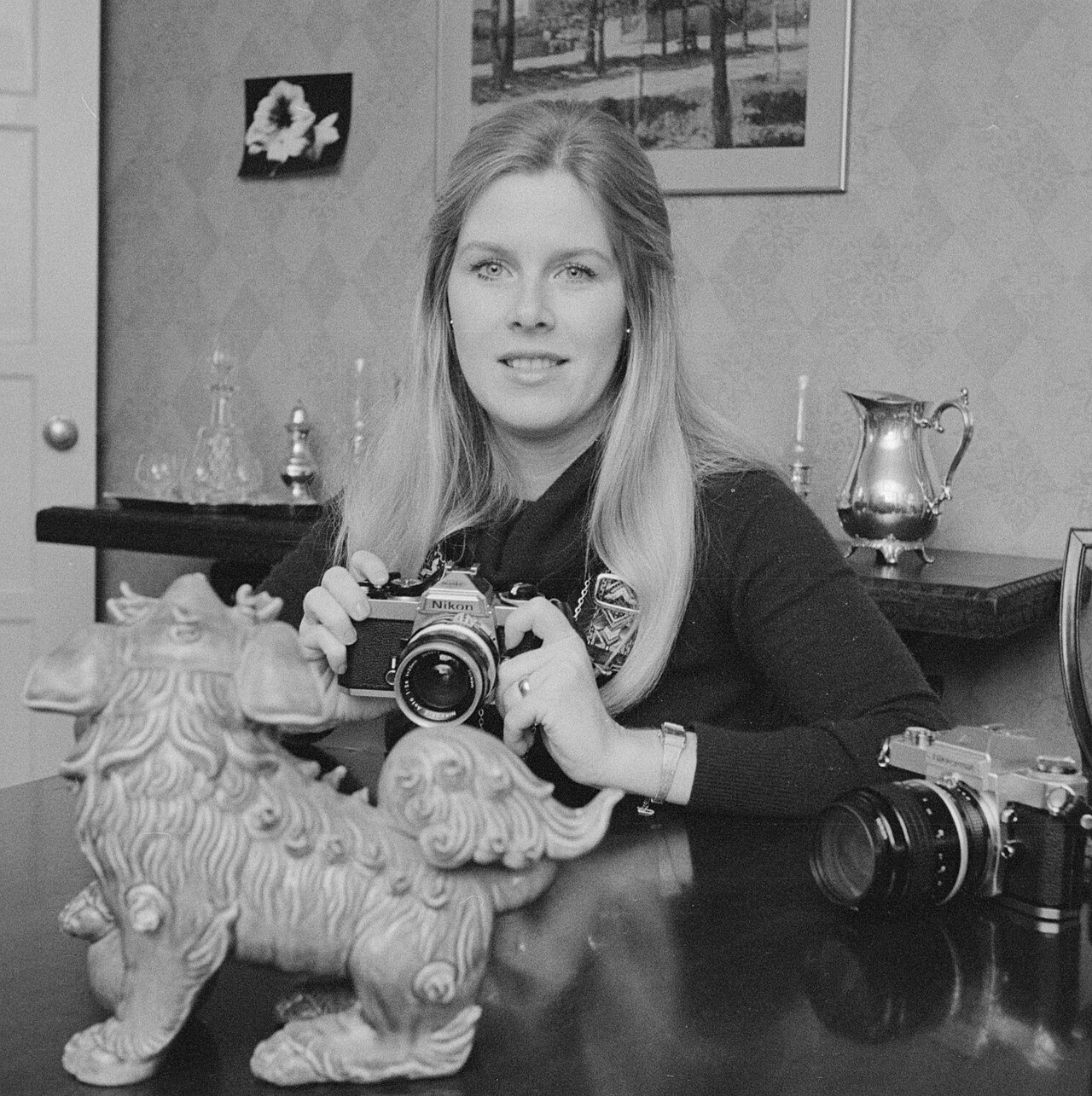
Tipper Gore in 1979, six years before she co-founded the Parents Music Resource Center. Marion S. Trikosko, Library of Congress, public domain.

St Margaret's Hope, South Ronaldsay, Orkney, where nine children were removed from four families in February 1991. Mike Pennington, 2019, CC BY-SA 2.0.
Journalist Rosie Waterhouse, whose 1990 Independent reporting challenged the Rochdale case, lecturing in 2015. Nederlandse Leeuw, CC BY-SA 4.0.
Image gaps
- Cover of Michelle Remembers (1980) and Satan's Underground (1988). Copyrighted book covers. Not fillable under the archive's licence rules; cite only.
- Stills from Rivera's Devil Worship: Exposing Satan's Underground (NBC, 1988) and talk-show episodes (Geraldo, Oprah). Copyrighted broadcasts. Not fillable.
- The "29 Symptoms" checklist and seminar handouts. No openly licensed copy found; Lanning's public-domain description is used instead. Fillable only if a public-domain government copy turns up.
- McMartin march with "We believe the children" signs; Rochdale and Orkney news photographs. Copyrighted press photos. Not fillable unless an openly licensed copy appears.
- La Fontaine's 1994 report and the Clyde Report (1992). UK Crown copyright of that date; neither was found on Commons or reachable from this environment. Possibly fillable later under the Open Government Licence, if a scan is published under it.
- PMRC hearing record (1985). The Senate print is a U.S. government work and could be scanned; no Commons copy was found. Fillable.
- Kelly Michaels court opinions. Public-domain text, but the legal sites were blocked from this environment. Fillable as a text excerpt.
Sources
- Kenneth V. Lanning, Investigator's Guide to Allegations of "Ritual" Child Abuse, FBI NCAVC, January 1992 (Commons scan; NCJRS abstract). Quoted pp. 5-8, 22-24, 29-32, 39-40.
- UPI, 2 June 1994: UK report finds no satanic abuse evidence; Local Government Chronicle, 2 June 1994; Times Higher Education, "Satanic disabuser"
- Hansard, House of Commons, 28 March 1991: Rochdale Social Services Department
- IICSA: the Middleton (Rochdale) case
- Hansard, House of Lords, 27 October 1992: Orkney and Fife inquiries; University of Edinburgh, Social Work Centenary: Orkney case and inquiry
- The JET report (Nottingham), mirrored text
- Washington Post, 19 January 1990: McMartin teachers acquitted; History.com: the McMartin verdict; Douglas Linder, Famous Trials: the McMartin case
- State v. Michaels, 264 N.J. Super. 579 (App. Div. 1993); State v. Michaels, 136 N.J. 299 (1994); Bruck and Ceci, amicus brief (1993); Schreiber et al., "Suggestive interviewing in the McMartin Preschool and Kelly Michaels daycare abuse cases", Social Influence (2006)
- National Registry of Exonerations: Brenda Kniffen; Reason, 21 December 2009: Kern County prosecutions
- Skeptical Inquirer: "Michelle Misremembers"; CBC Documentaries on Michelle Remembers
- Christianity Today, February 1990: publisher withdraws Satan's Underground; Christianity Today, June 1993: "Memories of Satanic Ritual Abuse"
- Mental Floss: Rivera's 1988 special, quoted narration and ratings; Rivera's 1995 statement, as reproduced by the Little Rascals Day Care Case archive
- Robert D. Hicks, In Pursuit of Satan: The Police and the Occult (Prometheus, 1991); Skeptical Inquirer: "Cult Cops"
- Psychiatric Times: the Burgus recovered-memory settlement
- Debbie Nathan and Michael Snedeker, Satan's Silence (Basic Books, 1995); Ross E. Cheit, The Witch-Hunt Narrative (Oxford University Press, 2014), review in PMC
- Michael A. Stackpole, "The Pulling Report"; WRSP: Bothered About Dungeons and Dragons
- Washingtonian: the 1985 Senate rock-lyrics hearing
- U.S. Attorney's Office, D.C.: Welch sentenced, 22 June 2017; Washington Post, 4 November 2016: "spirit cooking" claim; NPR, 18 May 2021: "America's Satanic Panic Returns"; NBC News on the FBI Phoenix bulletin, 2019; Bleakley, "Panic, pizza and mainstreaming the alt-right", Current Sociology (2023)