
- Actor
- Scored by method, not side. (1) Businesses and agencies that Folha de S.Paulo reported in 2018 as buying or selling bulk WhatsApp messaging for the Bolsonaro ticket, and the pro-Bolsonaro groups and sites documented in 2018 and 2022. (2) Left and centre actors: Haddad's 2018 campaign, Lula's 2022 campaign and its WhatsApp groups, allied influencers such as André Janones, and bot accounts documented on several sides from 2014. (3) WhatsApp. (4) The bodies that ruled or investigated: the Superior Electoral Court (TSE), the Supreme Federal Court (STF) and the Congressional inquiry CPMI das Fake News.
- Target
- Brazilian voters on WhatsApp, Telegram, Facebook, YouTube, Twitter and Kwai; and the reporters and researchers who covered the networks
- Source
- Unidentified gray to black (black where reporting and the 2021 TSE finding show undeclared payment and, per Folha, identity data used to register phone lines; gray for open party-run groups, partisan sites with identifiable owners and campaign-aligned influencers)
- Techniques
- AstroturfingFlooding the zoneManufactured consensusFear appealCard stacking
- First seen
- 2014 (bot accounts on more than one side, FGV DAPP); 2018 (Folha report of 18 October 2018); through the 2022 runoff (30 October 2022)
- Status
- cycles closed October 30, 2022; the legal and institutional dispute continues; last verified September 29, 2026 (on September 9, 2026 the STF president ended Alexandre de Moraes's role as rapporteur of the fake news inquiry). The 2026 campaign is not assessed here.
- Related briefs
- Ekō billed Meta from the United States for 15 unlabeled AI Brazil-election ads so an 87-percent auto-approval would read as a foreign hand already inside the vote., Ekō billed Meta from the United States for 15 unlabeled AI Brazil-election ads and reported that 13 of the 15 cleared automated review.
The two elections and the day-by-day removal orders are in the case study Brazil 2018 and 2022: WhatsApp blasts, removal orders against both campaigns, and the electoral court's new powers. This file is the structured record of the networks, the investigations and the disputed responses.
Mechanism
The 2018 scheme. On 18 October 2018 Folha (Patrícia Campos Mello) reported that companies were buying packages of mass WhatsApp messages against the PT, with contracts reported as high as R$12 million. It named the agencies Quickmobile, Yacows, Croc Services and SMS Market. Company campaign donations were illegal, so undeclared spending would be an electoral offence. A second Folha report in December 2018 (Artur Rodrigues and Campos Mello) said Yacows and related firms used names and tax numbers of elderly people to register phone lines and get past WhatsApp's spam filters, on documents from a former employee. This is Astroturfing in the archive's sense: reach that looks like many ordinary users but is bought, with payer and identities hidden. In 2021 five of seven TSE justices found that an illegal scheme of mass messaging against the Bolsonaro ticket's opponents was proven, and the court still found the evidence too thin on content, reach and effect to annul the election.
Structure and volume. Lupa, USP and UFMG monitored 347 public political groups from 16 August to 7 October 2018 (846,905 messages) and described a pyramid: producers make content, regional activists pass it into groups, users forward it. Evangelista and Bruno (Internet Policy Review, 2019) argued that groups were partly managed centrally as segmented audiences. That volume is Flooding the zone: more items than a checker can clear. In 2022 Aos Fatos counted at least 40,796 shares of links to partisan sites in 578 Telegram communities and 285 WhatsApp groups between 16 August and mid-September. It tied the sites to conservative agendas and a declared preference for Bolsonaro, put their audience near 30 million users a month, and found two of them republishing a third. One source through several outlets is Manufactured consensus, though the owners are identifiable, so the concealment is weaker than in 2018.
Content. Fear appeal appears on both sides. In 2022 justice Sanseverino ordered removal of posts by Flávio Bolsonaro, Eduardo Bolsonaro and 24 other profiles saying Lula would persecute Christians and close churches (Valor, 4 October 2022). In 2018 justice Salomão suspended a PT insert using scenes of torture, writing that it could create "estados passionais" with potential to incite violence, after Bolsonaro's defence argued it was meant to frighten (ConJur, 24 October 2018). Card stacking (the closest id): in 2023 Janones described his own 2022 method as playing with words "para levar o eleitor a entender que estou dizendo algo, mas estou dizendo outra coisa". He called it bluffing and denied spreading false news.
The left and centre. The evidence is thinner and of a different kind. - Lula's 2022 campaign opened WhatsApp groups through a public sign-up page, 30 at first, to counter false claims about him (Metrópoles, 29 June 2022). That is open, attributed distribution. - Evangelista and Bruno note reports that Haddad's 2018 campaign used WhatsApp, and write that in the Resende et al. sample "there is no evidence that the left coalition has employed the same tactics as Bolsonaro's in secretly managing multiple WhatsApp chat groups". - The Lupa authors report that Haddad supporters' false items mostly distorted Bolsonaro's tax and minimum-wage positions, and that some left-aligned users shared a photo implying he faked his September 2018 stabbing. - FGV DAPP (2017) found bot accounts behind nearly 20 percent of interactions among Aécio Neves supporters in the 2014 runoff, and 20 percent among Dilma Rousseff supporters at the impeachment protests, without tying the bots to the campaigns. - PUC-Rio researchers, via Estadão on 7 October 2022, counted 738,000 interactions on left-aligned Facebook and Instagram content about Freemasonry and Satanism against 166,000 on Bolsonaro-aligned content, and reported Lula supporters joining pro-Bolsonaro groups under profiles simulating disillusioned voters. - WhatsApp said in October 2018 that it had also banned an account related to Dilma Rousseff.
No court finding located here reports a paid bulk-messaging scheme for the PT side. That is not proof of absence: WhatsApp is encrypted, researchers see only public groups, and the Lupa authors call those a small share of all groups.
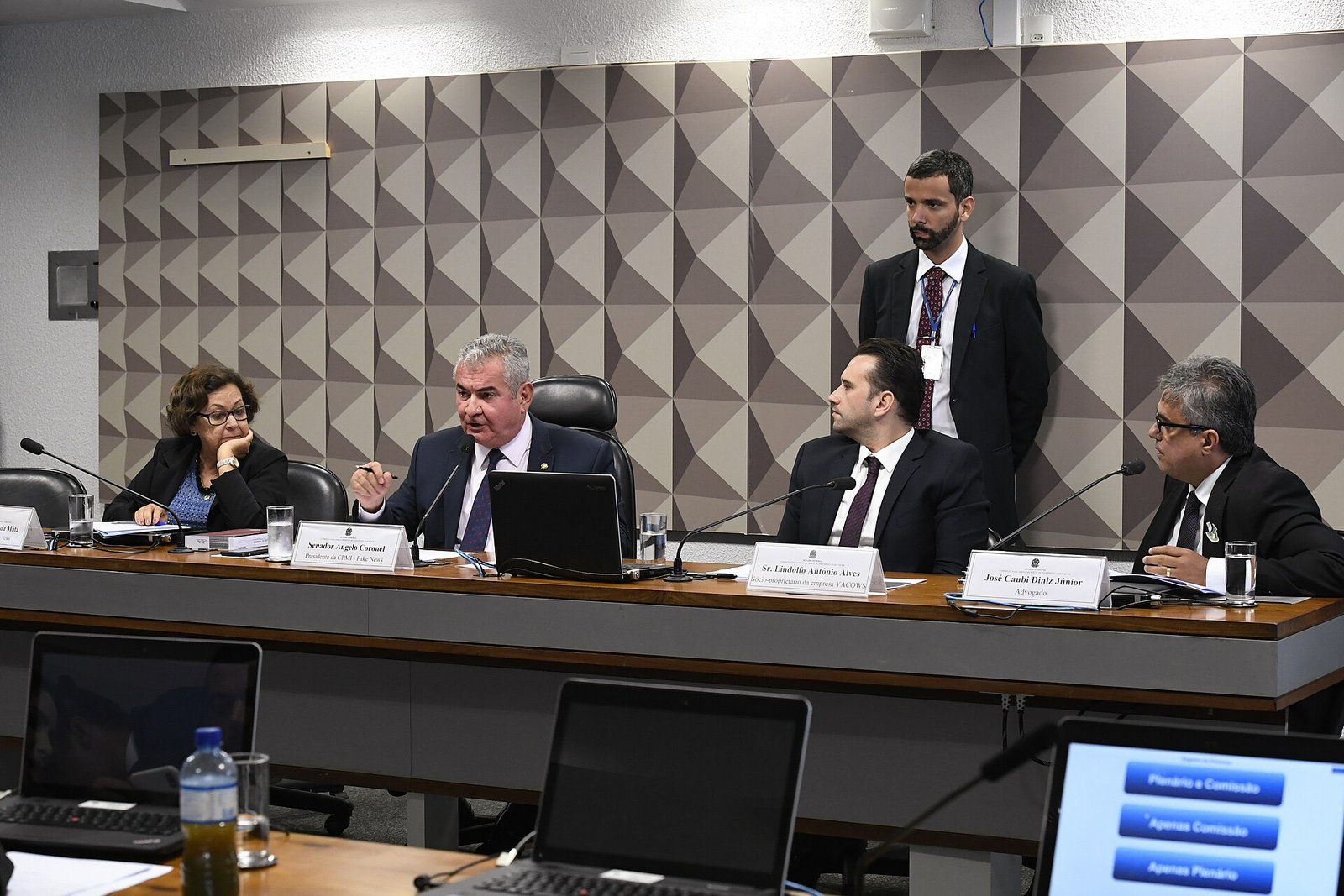
19 February 2020. The CPMI das Fake News hears Lindolfo Antônio Alves Neto, co-owner of Yacows, with his lawyer José Caubi Diniz Júnior. Senator Angelo Coronel (president) speaks; rapporteur Lídice da Mata is at left. Photo: Roque de Sá/Agência Senado, CC BY 2.0.
Sides on the record
Contested questions are recorded in each side's terms and are not settled here.
- Business owners and the Bolsonaro campaign (2018). Luciano Hang (Havan) told Folha he did not know what mass messaging was and had no need of it, and said on 22 October 2018: "O WhatsApp com bons produtos, boas sátiras, dispara sozinho" (Jovem Pan). Bolsonaro wrote that the PT was being damaged not by fake news but by the truth (Bloomberg). Columbia's summary of the 2021 ruling says the agencies Quickmobile, Yacows and SMS Market denied involvement and that the coalition did not establish a direct link to the campaign.
- PT and Haddad. Haddad said he would ask the TSE and Federal Police to act; the PT called the spending caixa dois. The TSE opened an inquiry on 19 October 2018 and the Federal Police on 20 October (Al Jazeera).
- The TSE majority, 2021. Salomão wrote that "inúmeras provas de natureza documental e testemunhal" showed "pessoas próximas ao hoje presidente da República" acting "de modo permanente, amplo e constante" in digital mobilisation aimed at opponents, but that nothing allowed stating the gravity "com segurança". Moraes said: "se houver repetição do que foi feito em 2018, o registro será cassado." Horbach and Banhos dissented on whether the scheme itself was proven.
- Removal or censorship, 2022. Resolution 23.714 (unanimous, 20 October 2022) lets the TSE extend a removal decision to equivalent content, set two-hour deadlines with fines of R$100,000 to R$150,000 an hour, and suspend profiles and, on repeated non-compliance, platform access. Prosecutor-General Augusto Aras challenged parts of it the next day as prior censorship. On 18 December 2023 the STF upheld it, André Mendonça dissenting. Fachin wrote that control follows a finding of falsity, applies only in the election period and does not reach traditional media. Bolsonaro said the earlier TSE-WhatsApp agreement was "inadmissível, inaceitável" and "não vai ser cumprido" (15 April 2022, Metrópoles). From the other direction, Campos Mello wrote in Folha on 15 February 2022 (Tow Center translation) that the platform agreements "fall far short" of company policies in the United States.
- The STF fake news inquiry. Toffoli opened it on 14 March 2019 and named Moraes without a draw. Marco Aurélio, sole dissenter when the plenary upheld it in June 2020, said: "Se o órgão que acusa é o mesmo que julga, não há garantia de imparcialidade". Toffoli said it answered threats to the court and justices' families. In May 2020 police executed 29 warrants against Bolsonaro allies, including the businessmen Luciano Hang and Edgard Corona, who denied crimes and called their statements free speech. In 2026 the OAB asked Fachin to conclude it, citing its "natureza expansiva" while recognising its role in a period of institutional tension. It concerns attacks on the court, not the 2018 networks as such, though Moraes ordered the TSE's 2018 mass-messaging cases shared with it (Migalhas).
- The CPMI. Created in September 2019 (president Ângelo Coronel, rapporteur Lídice da Mata), suspended from 17 March 2020, no final report voted; Senate records list a report of 21 December 2022 as "não apreciado". A draft reported on 1 June 2020 listed 48 sites as spreading false news, including Gazeta do Povo, which disputed it.
- Researchers. Gazeta do Povo reported on 18 September 2025 that NetLab UFRJ received R$2 million from the federal government and called it aligned with the left. NetLab said its design and analyses were independent and that its reports have also exposed fraudulent use of the images of right-wing figures. NetLab's 2022 messaging reports could not be opened for this file and none is cited.
Evidence
- September 3, 2017: FGV DAPP on bots in 2014 and 2016 debates, via Agência Brasil: https://agenciabrasil.ebc.com.br/geral/noticia/2017-09/pesquisa-mostra-que-robos-aumentam-polarizacao-dos-debates-nas-redes-sociais
- October 17, 2018: Lupa, USP, UFMG on 347 public groups. Of the 50 most-shared images, 4 were true, 8 false and 16 real but out of context: https://www.agencialupa.org/jornalismo/2018/10/17/whatsapp-lupa-usp-ufmg-imagens/
- October 18, 2018: Folha, "Empresários bancam campanha contra o PT pelo WhatsApp" (not opened directly; contents taken from Brasil de Fato, https://www.brasildefato.com.br/2018/10/18/bolsonaro-accused-of-paying-for-bulk-messaging-against-haddad-could-be-disqualified/, and Al Jazeera, 20 Oct 2018, https://www.aljazeera.com/news/2018/10/bolsonaro-continues-lead-polls-fake-news-scandal-181019220347524.html).
- October 20, 2018: WhatsApp bans more than 100,000 accounts, including Flávio Bolsonaro's for spam (WhatsApp said unrelated) and one related to Dilma Rousseff. Bloomberg via The National: https://www.thenationalnews.com/world/whatsapp-bans-more-than-100-000-accounts-in-brazil-election-1.782356
- October 22, 2018: Hang's reply: https://jovempan.com.br/brasil/luciano-hang-sobre-acusacoes-com-boas-satiras-whatsapp-dispara-sozinho/
- October 24, 2018: TSE suspends the PT torture insert: https://www.conjur.com.br/2018-out-24/salomao-tambem-suspende-insercao-ligava-bolsonaro-tortura
- 2018-12: Folha on identity data used to register phone lines, as summarised by GGN: https://jornalggn.com.br/midia/ex-funcionario-revela-fraude-de-cpf-para-disparos-em-massa-no-whatsapp/
- December 31, 2019: Evangelista and Bruno, doi:10.14763/2019.4.1434: https://policyreview.info/articles/analysis/whatsapp-and-political-instability-brazil-targeted-messages-and-political
- 2019-01 and 2019-09: WhatsApp cuts forwarding to five chats from 20. A study of about six million public messages found the limit slowed spread by roughly an order of magnitude; WhatsApp said forwarded messages fell 25 percent. MIT Technology Review: https://www.technologyreview.com/2019/09/26/434/whatsapp-disinformation-message-forwarding-politics-technology-brazil-india-election/
- October 8, 2019: WhatsApp's Ben Supple says companies sent bulk messages in 2018 in breach of its rules. Mobile Time: https://www.mobiletime.com.br/noticias/08/10/2019/executivo-do-whatsapp-admite-uso-massivo-de-mensagens-durante-as-eleicoes-brasileiras-de-2018/
- February 11, 2020 to February 18, 2020: Hans River, a former Yacows employee, tells the CPMI that Campos Mello offered sexual favours for information; Folha publishes messages and documents it says refute him (https://www.opovo.com.br/noticias/politica/2020/02/11/documentos-que-desmentem-testemunho-em-cpi-das-fake-news-sao-publicados-pela-folha.html); on 18 February Bolsonaro makes a sexual innuendo about her (https://en.wikipedia.org/wiki/Patr%C3%ADcia_Campos_Mello). In 2024 a São Paulo court ordered River to pay R$50,000; an earlier 2021 sentence was annulled on procedural grounds and the 2024 ruling could be appealed (CartaCapital, 2 Feb 2024: https://www.cartacapital.com.br/justica/justica-condena-hans-river-a-indenizar-patricia-campos-mello-por-danos-morais/).
- 2019: CPJ gives Campos Mello its International Press Freedom Award; the citation records threats and doxxing after her 2018 reporting (https://cpj.org/awards/patricia-campos-mello-brazil/). In 2020 she published A máquina do ódio (Companhia das Letras).
- 2020-06: STF plenary upholds the fake news inquiry 10 to 1. Correio Braziliense timeline, 10 Sep 2026: https://www.correiobraziliense.com.br/mundo/2026/09/7497996-inquerito-das-fake-news-a-linha-do-tempo-da-investigacao-que-saiu-das-maos-de-moraes-por-decisao-de-fachin.html
- October 28, 2021: TSE unanimously rejects annulling the Bolsonaro-Mourão ticket, finds the scheme proven 5 to 2 and adopts a thesis 6 to 1 that bulk messaging carrying falsehoods to benefit a candidate can be abuse of economic power or misuse of media. Agência Brasil: https://agenciabrasil.ebc.com.br/justica/noticia/2021-10/tse-rejeita-pedido-para-cassar-chapa-bolsonaro-mourao; ConJur: https://www.conjur.com.br/2021-out-28/tse-forma-maioria-nao-cassar-bolsonaro-disparos-massa/; Columbia GFoE: https://globalfreedomofexpression.columbia.edu/cases/coligacao-o-povo-feliz-de-novo-v-bolsonaro/
- February 15, 2022 and April 15, 2022: TSE and WhatsApp sign a memorandum (reporting channel, upgraded chatbot, Communities feature delayed until after the runoff); Bolsonaro rejects it (https://www.metropoles.com/brasil/politica-brasil/bolsonaro-sobre-acordo-do-whatsapp-com-tse-nao-sera-cumprido); Campos Mello in Folha via Columbia (https://globalfreedomofexpression.columbia.edu/updates/2022/07/agreements-with-platforms-for-elections-in-brazil-fall-short-of-policies-in-the-u-s/).
- June 29, 2022: Lula campaign opens WhatsApp groups: https://www.metropoles.com/brasil/eleicoes-2022/campanha-de-lula-lanca-estrategia-para-formacao-de-grupos-de-whatsapp
- September 19, 2022 and October 4, 2022: Aos Fatos with Agência Pública and Núcleo: https://www.aosfatos.org/noticias/desinformacao-eleitoral-alcanca-30-milhoes-impulsionada-por-telegram-whatsapp-e-anuncios-do-google/ and https://www.aosfatos.org/noticias/a-desinformacao-que-viralizou-no-primeiro-turno/
- October 4, 2022: TSE orders removal of church-closure posts. Valor: https://valor.globo.com/politica/eleicoes-2022/noticia/2022/10/04/tse-determina-remocao-de-fake-news-contra-lula-sobre-perseguicao-e-fechamento-de-igrejas.ghtml
- October 7, 2022: PUC-Rio counts of left-aligned religious-themed content, via Estadão: https://www.estadao.com.br/politica/timeline-eleicoes-2022/esquerda-bolsonaristas-maconaria-desinformacao/
- October 20, 2022 and October 21, 2022: TSE resolution 23.714 and the PGR challenge. ConJur: https://www.conjur.com.br/2022-out-22/resolucao-tse-combate-fake-news-foi-destaque/
- October 29, 2023: Janones on his method, via Gazeta do Povo from Poder360: https://www.gazetadopovo.com.br/republica/janones-diz-que-manipulou-informacoes-nas-eleicoes-e-que-metodo-e-eticamente-duvidoso/
- December 18, 2023: STF upholds the resolution (ADI 7261). ConJur: https://www.conjur.com.br/2023-dez-19/supremo-confirma-validade-de-norma-do-tse-voltada-ao-combate-a-desinformacao/
- 2024: Hale and others on 2022 claims across WhatsApp, Twitter and Kwai: https://arxiv.org/abs/2401.02395
- September 9, 2026: Fachin revokes Moraes's designation in the fake news inquiry, keeping acts already done and criminal actions already opened. Migalhas: https://www.migalhas.com.br/quentes/464208/os-fios-de-penelope-relembre-inquerito-das-fake-news-do-inicio-ao-fim
- CPMI: Câmara notice (https://www.camara.leg.br/noticias/651015-CPMI-DAS-FAKE-NEWS-FUNCIONARA-ATE-OUTUBRO); CartaCapital, 8 Apr 2022 (https://www.cartacapital.com.br/politica/congresso-enterra-cpmi-das-fake-news-sem-chegar-a-uma-conclusao/); CNN Brasil, 9 May 2022 (https://www.cnnbrasil.com.br/noticias/sem-concluir-investigacoes-cpi-das-fake-news-deve-encerrar-os-trabalhos/); Gazeta do Povo, 1 Jun 2020 (https://www.gazetadopovo.com.br/republica/relatorio-de-cpmi-classifica-gazeta-do-povo-como-fake-news/); Senate reports page (https://legis.senado.leg.br/atividade/comissoes/comissao/2292/mna/relatorios).
- NetLab funding dispute: Gazeta do Povo, 18 Sep 2025: https://www.gazetadopovo.com.br/vida-e-cidadania/netlab-ufrj-recebeu-2-milhoes-governo-lanca-livro-defesa-regulacao-redes-sociais/
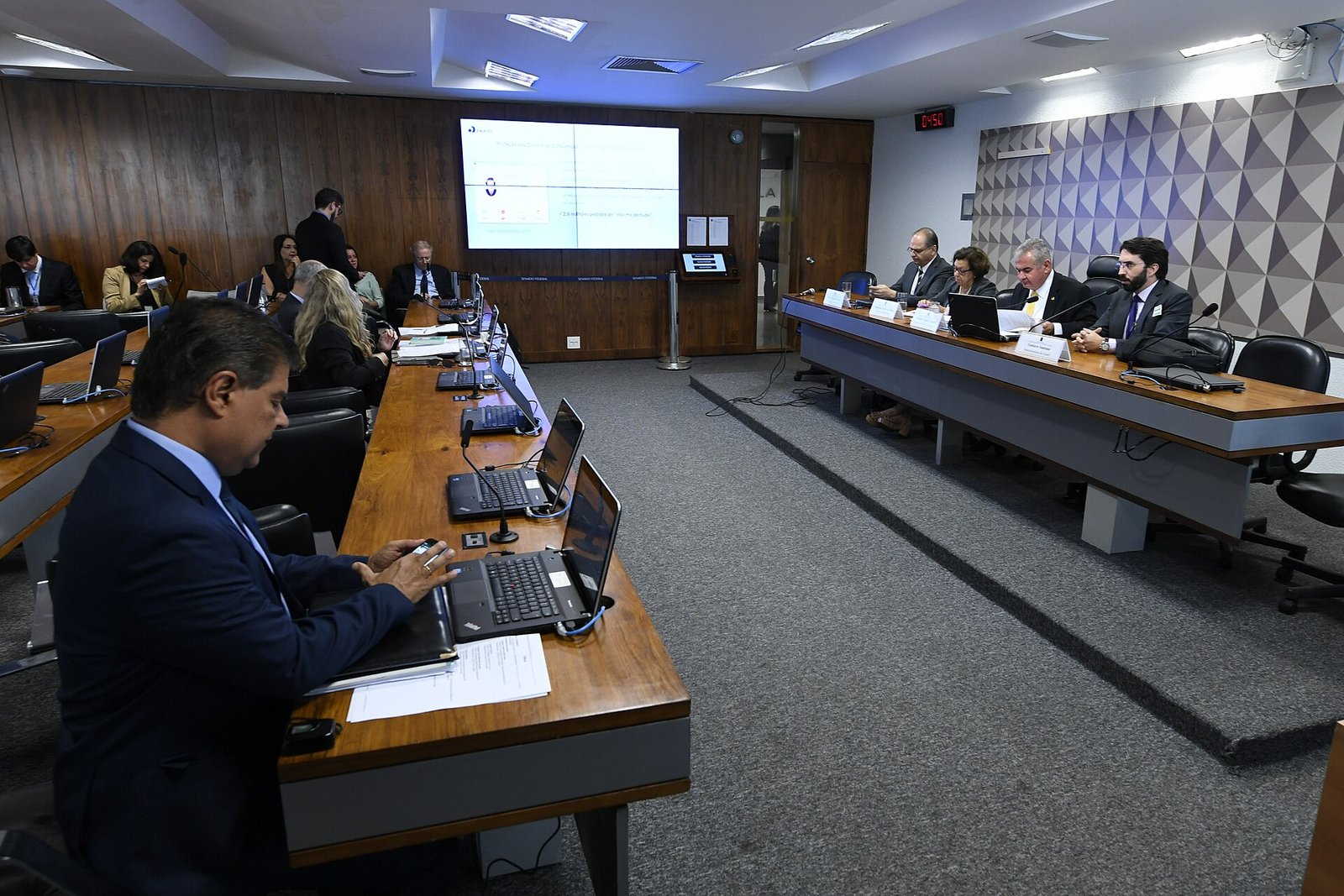
12 February 2020. The CPMI das Fake News hears the telecom regulator Anatel and operators. Photo: Agência Senado (credited to Edilson Rodriques in the Commons record), CC BY 2.0.
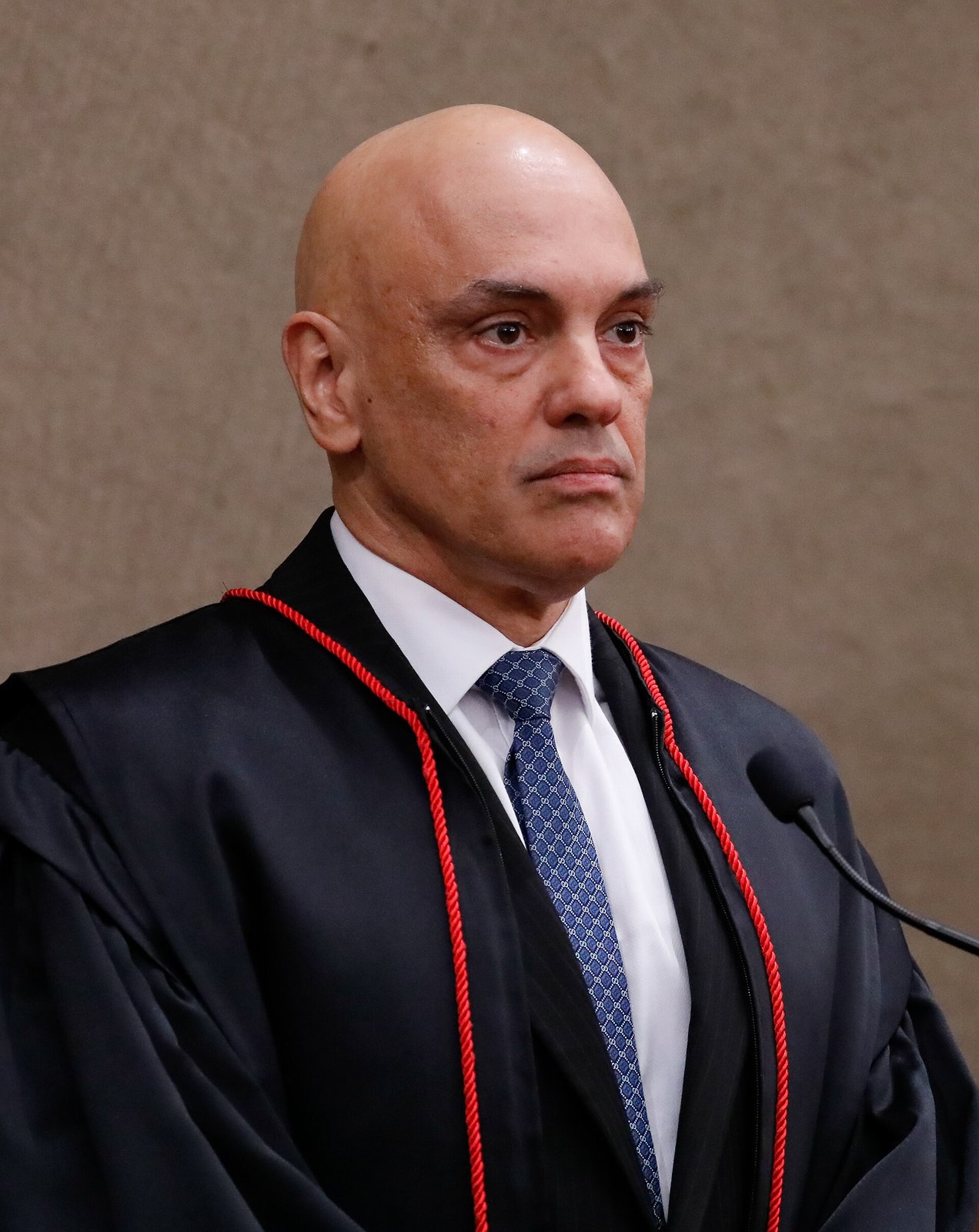
16 August 2022. Alexandre de Moraes at his inauguration as president of the TSE, the court that approved Resolution 23.714 two months later. Photo: Isac Nóbrega/PR (Presidency of the Republic), CC BY 2.0.

19 April 2024. Patrícia Campos Mello of Folha de S.Paulo on a panel about disinformation at the International Journalism Festival, Perugia. Photo: Jay Dixit, CC BY-SA 4.0.
What would falsify this read
- Documents showing the 2018 lists and contracts were consented, labelled and paid through declared accounts, or a ruling that the December 2018 identity-data report was unfounded, would move the 2018 scheme toward gray and weaken the Astroturfing tag. The former Yacows employee withdrew his cooperation on 25 November 2018 (GGN), and Folha said in February 2020 that it held recordings and spreadsheets he had supplied. No final ruling testing either account was located.
- A finding of paid, concealed bulk messaging for the PT or allied campaigns at comparable scale would add that side to the Astroturfing and Flooding the zone tags at the same colour. This read rests on what has been found and does not claim none exists.
- Evidence that removal orders fell on one side's content at a materially different rate than the other's, measured against equivalent falsity findings, would change the reading of the state response. This file has no per-campaign order count and gives none.
- Evidence that the messages moved votes would not change the method score, and neither would the TSE's finding that gravity was not shown. This file scores method, not effect.
Literacy counter
- A forwarded message with no author, link or date is a claim without a source. Check it against Lupa, Aos Fatos, Comprova or G1's Fato ou Fake before sharing. See Fact-checking and corrections.
- A group joined by public link, with an administrator you cannot identify, is a distribution channel and not a poll of opinion. WhatsApp's Ben Supple compared such groups to tabloids.
- Ask who pays, who administers and whether the sender is named. A campaign that publishes a sign-up page and sends attributed content differs in method from purchased lists sent under no name. Both stay open to the same checks on their claims.
- A removal order records a judge's finding that a claim was false or harmful under a specific rule. It does not say how far the claim spread or whether it moved a vote. The archive's counters are checks a reader can run. Whether removal by an electoral court is a legitimate further tool or prior censorship is the question recorded above in its defenders' and critics' words. See Platform interventions: labels, nudges, notes, friction and takedowns.
- Follow a claim across platforms. Hale and others found that one claim often differs in format and detail between WhatsApp, Twitter and Kwai, so a check on one version may not match the one in your group.
- For a clip of a candidate, find the whole interview. See Card stacking and Flooding the zone.
Techniques tagged: Astroturfing, Flooding the zone, Manufactured consensus, Fear appeal, Card stacking. Not tagged: Firehosing (no evidence of contradictory multi-channel output built for exhaustion), Name-calling and Outrage bait (evidenced for specific items in the case study, not as features of the networks documented here).