- Then and now: campaign ads that imply the other side will kill you (Daisy 1964, Medicare cliff ad 2011)
a 1964 presidential ad suggested, without naming him, that the Republican candidate would start a nuclear war; a 2011 advocacy ad showed a lookalike of a Republican congressman pushing an elderly woman off a cliff over…
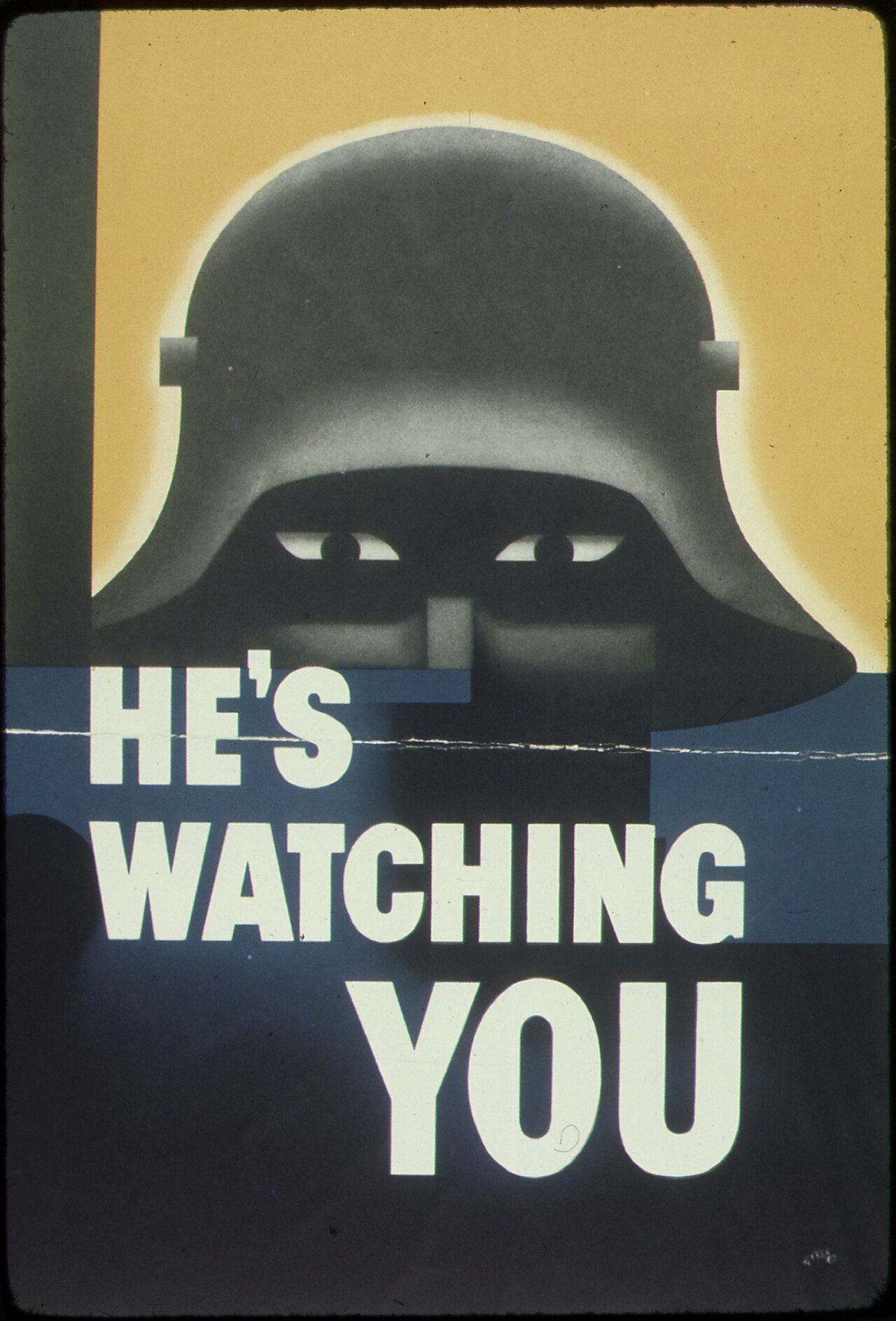
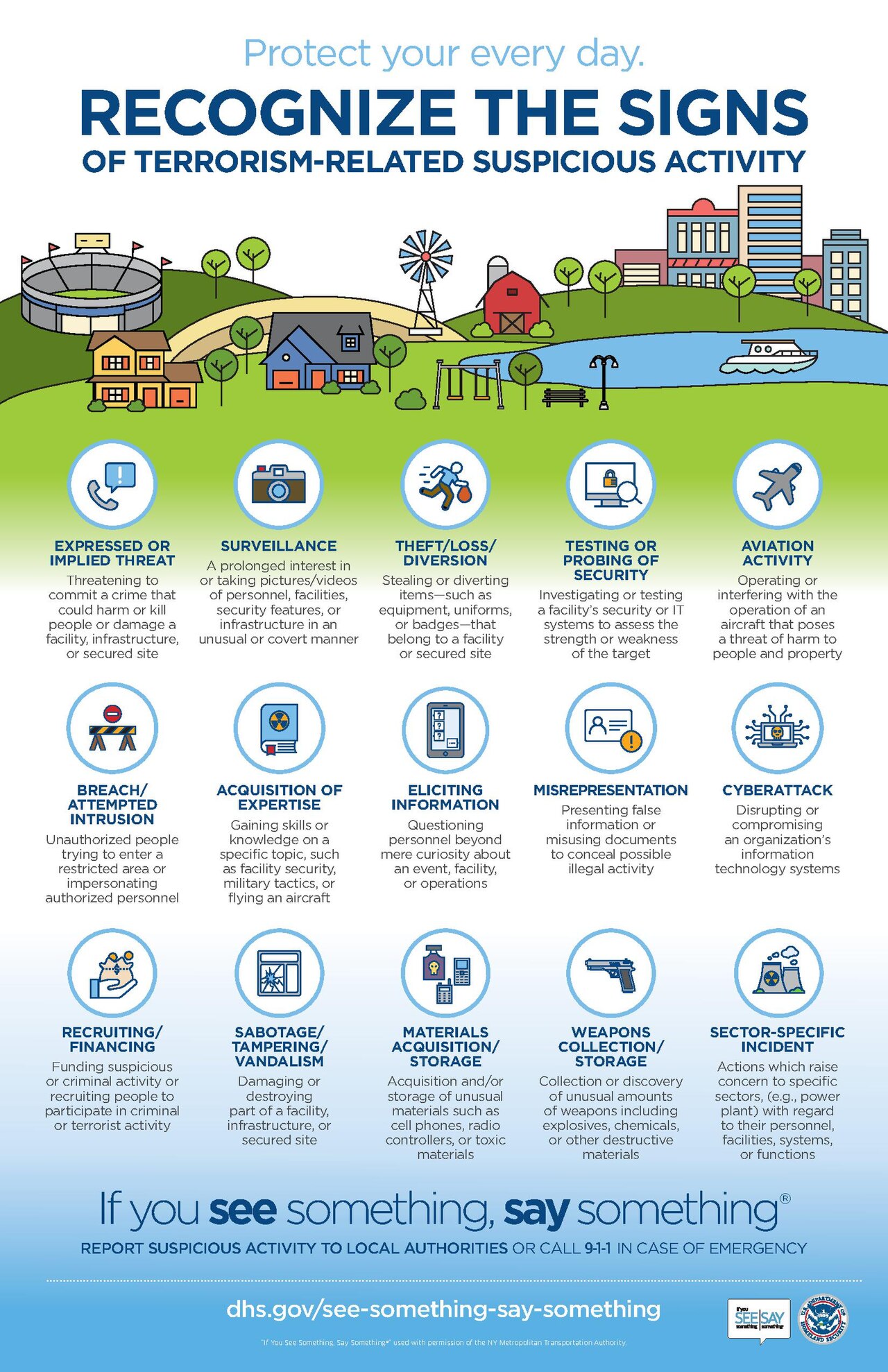
- Then and now: making every citizen a lookout (US home front 1942, "If You See Something, Say Something" 2010s)
in the Second World War the US government told Americans that a hidden enemy was listening; since 2010 it has asked them to watch for and report "suspicious activity". Both keep a hidden threat in view without saying…
- Then and now: national and ethnic labels for an enemy or a disease (US 1942, US 2020)
in both wartime America and pandemic America, a harm that came from abroad was given a national or ethnic label, and in both periods Americans of Asian descent who had nothing to do with the harm faced hostility. In…
- Then and now: fear in public-health messaging (US 1940s, UK 2021)
two governments, eighty years apart, tried to change health behaviour by making the threat feel close and personal rather than by showing the numbers.
- Then and now: "the Americans made it" (Soviet AIDS story 1983, Chinese Fort Detrick claim 2020)
twice in forty years, a one-party state answered a deadly new disease by spreading the claim that it came out of the same U.S. Army laboratory, Fort Detrick in Maryland.
- Then and now: blaming Jews for disease (occupied Poland 1941, COVID-19 2020)
in 1941 a genocidal occupation regime told Poles that Jews spread typhus; in 2020 scattered broadcasters, online networks and one state outlet claimed Jews or Israel were behind COVID-19. Both put an epidemic on one…
- Then and now: accusing the target of the attack you are about to launch (Mainila 1939, Ukraine 2022)
in 1939 the Soviet Union said Finland had shelled its troops and invaded four days later; in 2022 Russia said Ukraine was committing genocide and preparing an offensive, then invaded. In both cases the evidence later…
- Then and now: "and what about you?" (Soviet Union, Cold War; US, China and Russia, 2017–21)
Soviet officials answered criticism of their own record by pointing at American racial violence, and between 2017 and 2021 a US president, a Chinese spokeswoman and the Russian president each answered pointed questions…
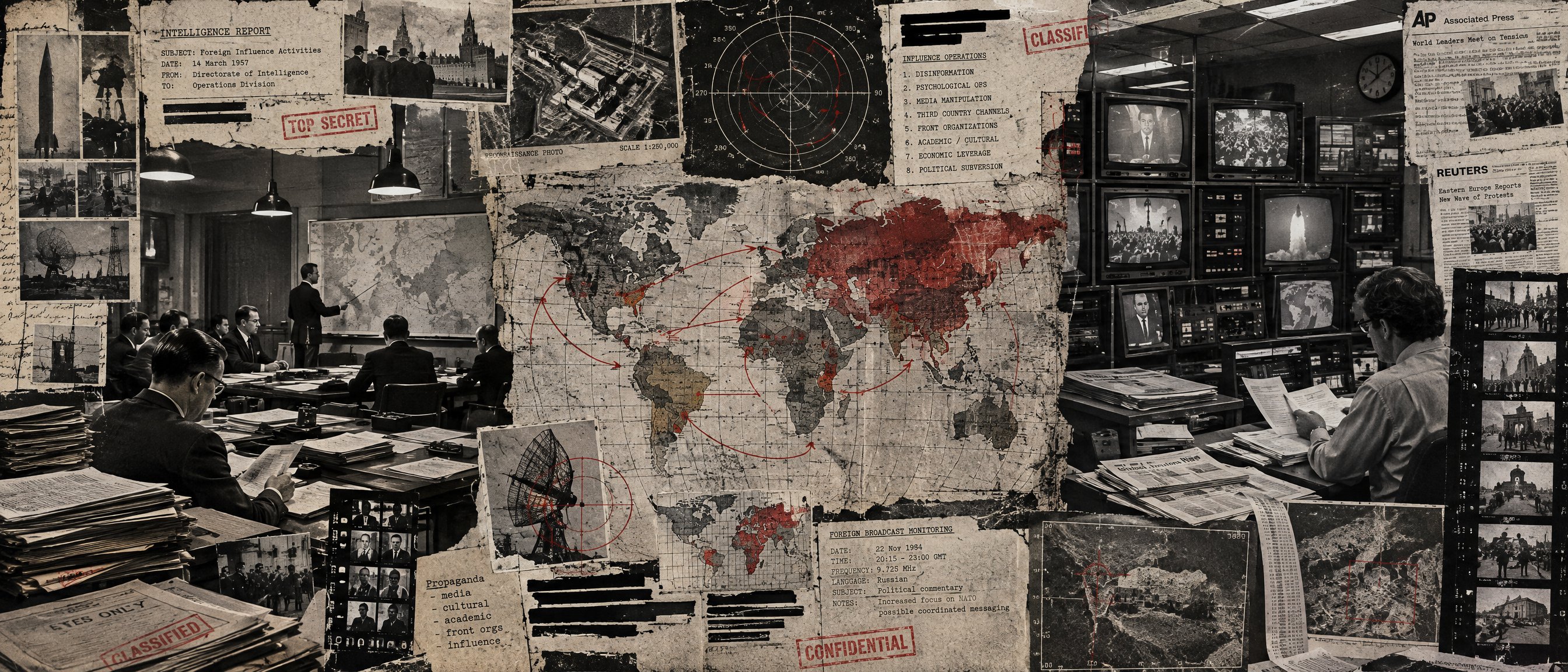
Propaganda techniques come back. Each page here puts a modern example next to a historical one that uses the same technique, and shows who was behind each, who led the government at the time, and what was going on. Each page then says plainly where the two are alike and where they differ, including in scale.

The eight pairs
| Technique | Then | Now | Government or source then | Government or source now | Page |
|---|---|---|---|---|---|
| Fear appeal | She May Look Clean—But, VD poster, 1941–45 | Can you look them in the eyes?, COVID-19 campaign, 2021 | U.S. government (Roosevelt, Democratic) | UK government (Johnson, Conservative) | Then and now: fear in public-health messaging (US 1940s, UK 2021) |
| Scapegoating | "Jews are lice; they cause typhus", poster, 1941 | Claims that Jews or Israel spread COVID-19, 2020 | Nazi occupation authorities in Poland (Hitler) | A US Christian broadcaster, far-right networks, Iran's Press TV | Then and now: blaming Jews for disease (occupied Poland 1941, COVID-19 2020) |
| Name-calling | All the Ear-Marks of a Sneaky Jap!, poster, 1941–45 | "Chinese virus" and "Kung flu", 2020 | U.S. wartime poster (Roosevelt, Democratic) | U.S. President (Trump, Republican) | Then and now: national and ethnic labels for an enemy or a disease (US 1942, US 2020) |
| Narrative laundering | Soviet claim that AIDS was made at Fort Detrick, 1983 | Chinese claim that COVID-19 came from the U.S. Army, 2020 | Soviet KGB (Andropov) | Chinese Foreign Ministry and Global Times (Xi) | Then and now: "the Americans made it" (Soviet AIDS story 1983, Chinese Fort Detrick claim 2020) |
| Whataboutism | "And you are lynching Negroes", Soviet retort, 1930s–80s | Deflections by Trump (2017), Hua Chunying (2020) and Putin (2021) | Soviet officials and state media | US President (Republican), Chinese Foreign Ministry, Russian President | Then and now: "and what about you?" (Soviet Union, Cold War; US, China and Russia, 2017–21) |
| Accusation in a mirror | Soviet claim that Finland shelled Mainila, 1939 | Russia's "genocide" pretext and pre-recorded evacuation videos, 2022 | Soviet government (Stalin) | Russian government (Putin) | Then and now: accusing the target of the attack you are about to launch (Mainila 1939, Ukraine 2022) |
| Fear appeal | Peace, Little Girl ("Daisy") campaign ad, 1964 | Is America Beautiful Without Medicare? ad, 2011 | Johnson campaign (Democratic) | The Agenda Project (progressive) | Then and now: campaign ads that imply the other side will kill you (Daisy 1964, Medicare cliff ad 2011) |
| Fear appeal, Card stacking | He's Watching You, poster, 1942 | If You See Something, Say Something, from 2010 | U.S. government (Roosevelt, Democratic) | U.S. Department of Homeland Security (from Obama onward) | Then and now: making every citizen a lookout (US home front 1942, "If You See Something, Say Something" 2010s) |
The images the archive can host for these pairs, historical first:
| She May Look Clean—But (1941–45) | All the Ear-Marks of a Sneaky Jap! (1941–45) | Peace, Little Girl (1964) |
|---|---|---|
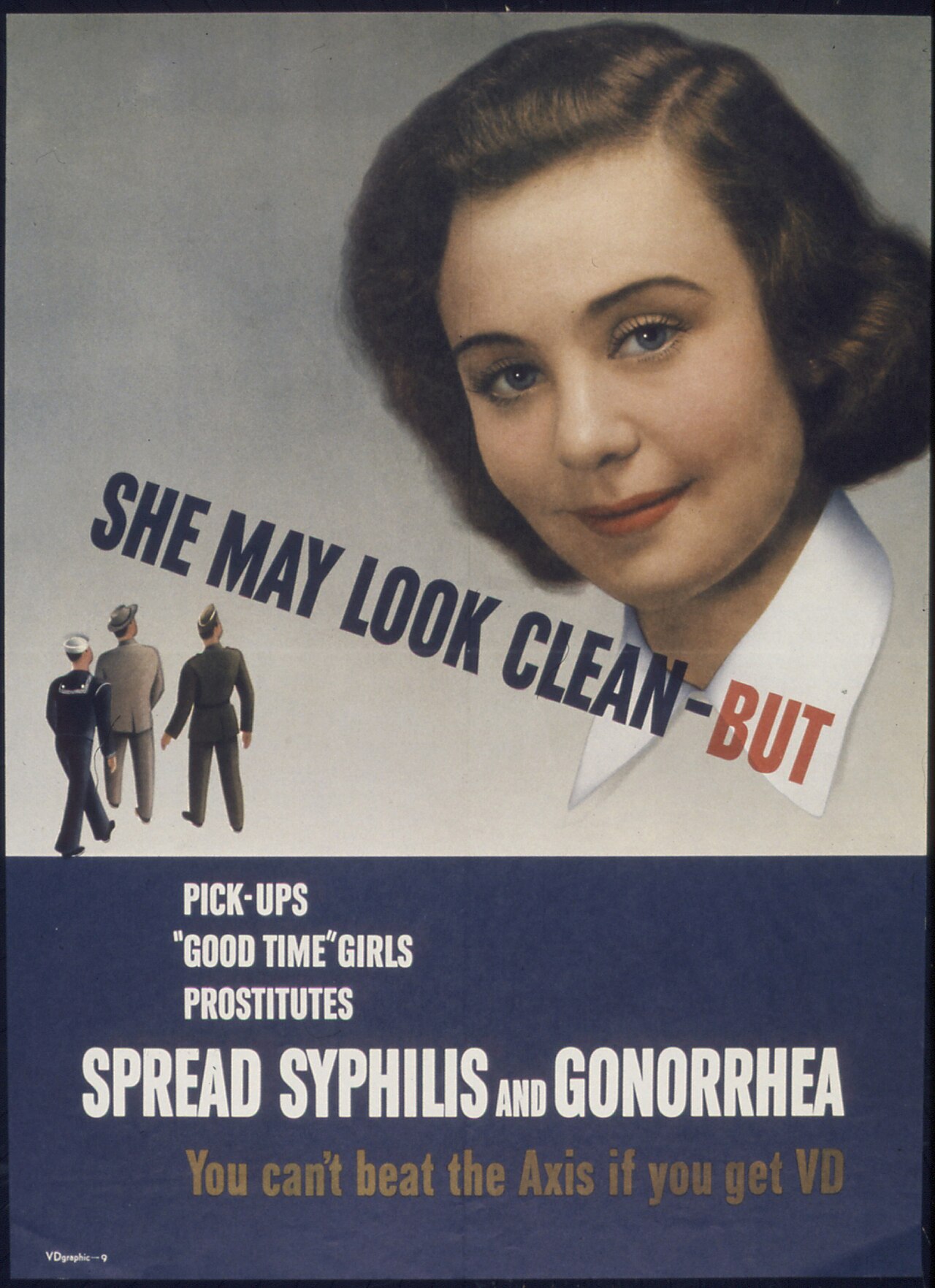 |
Content note: Ethnic slur against Japanese people in the headline. This object is shown as it was published. Why 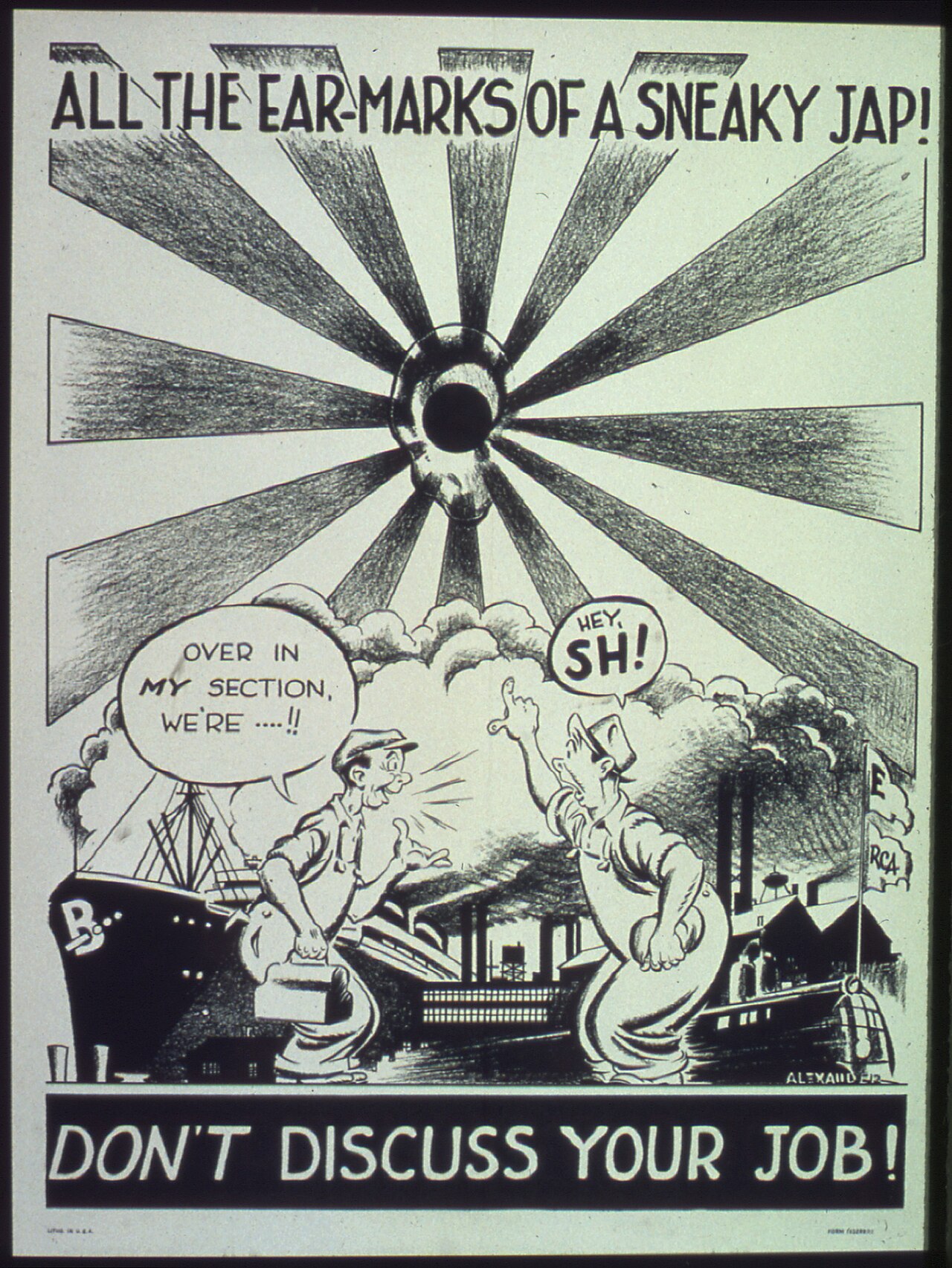 |
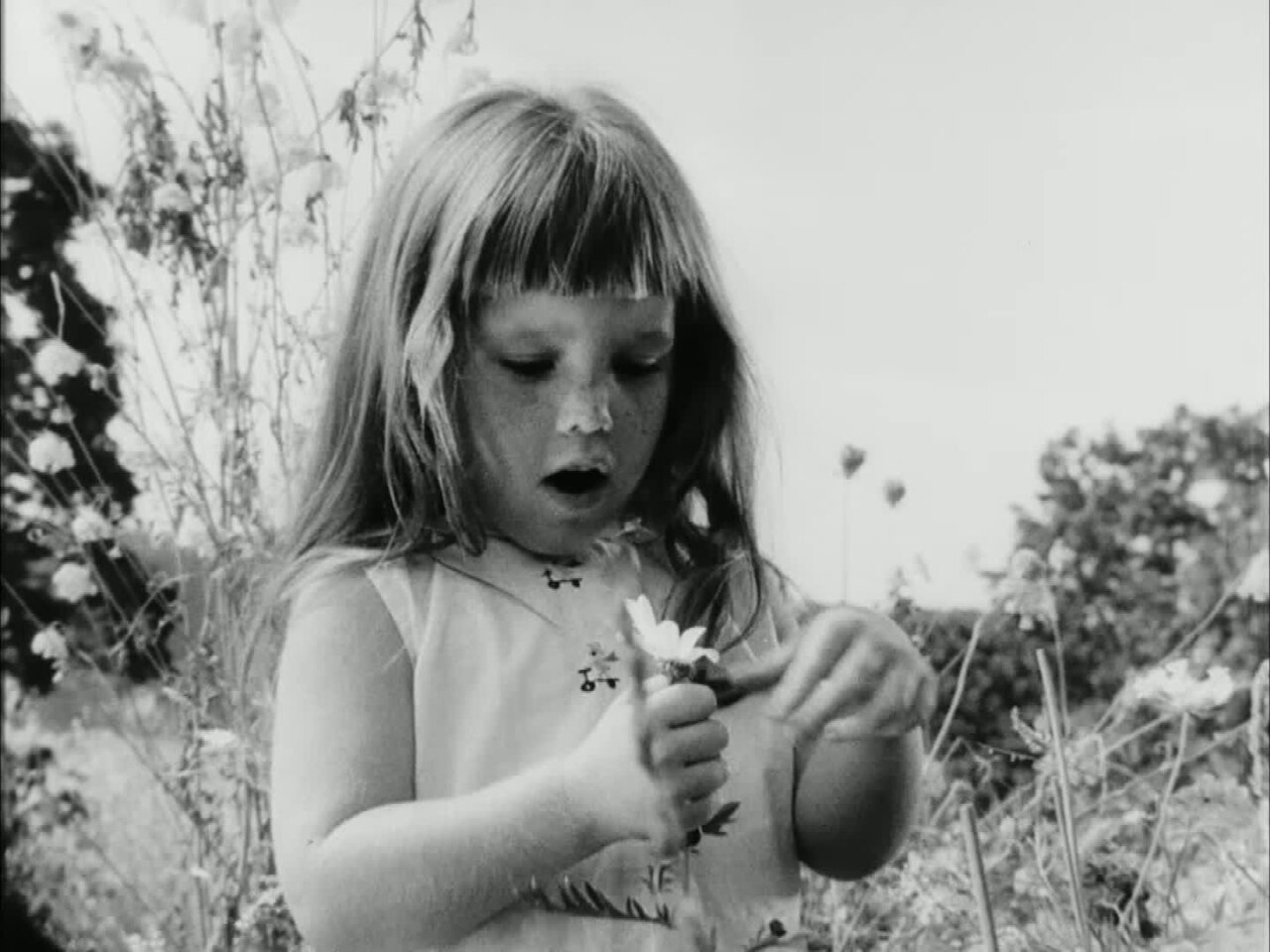 |
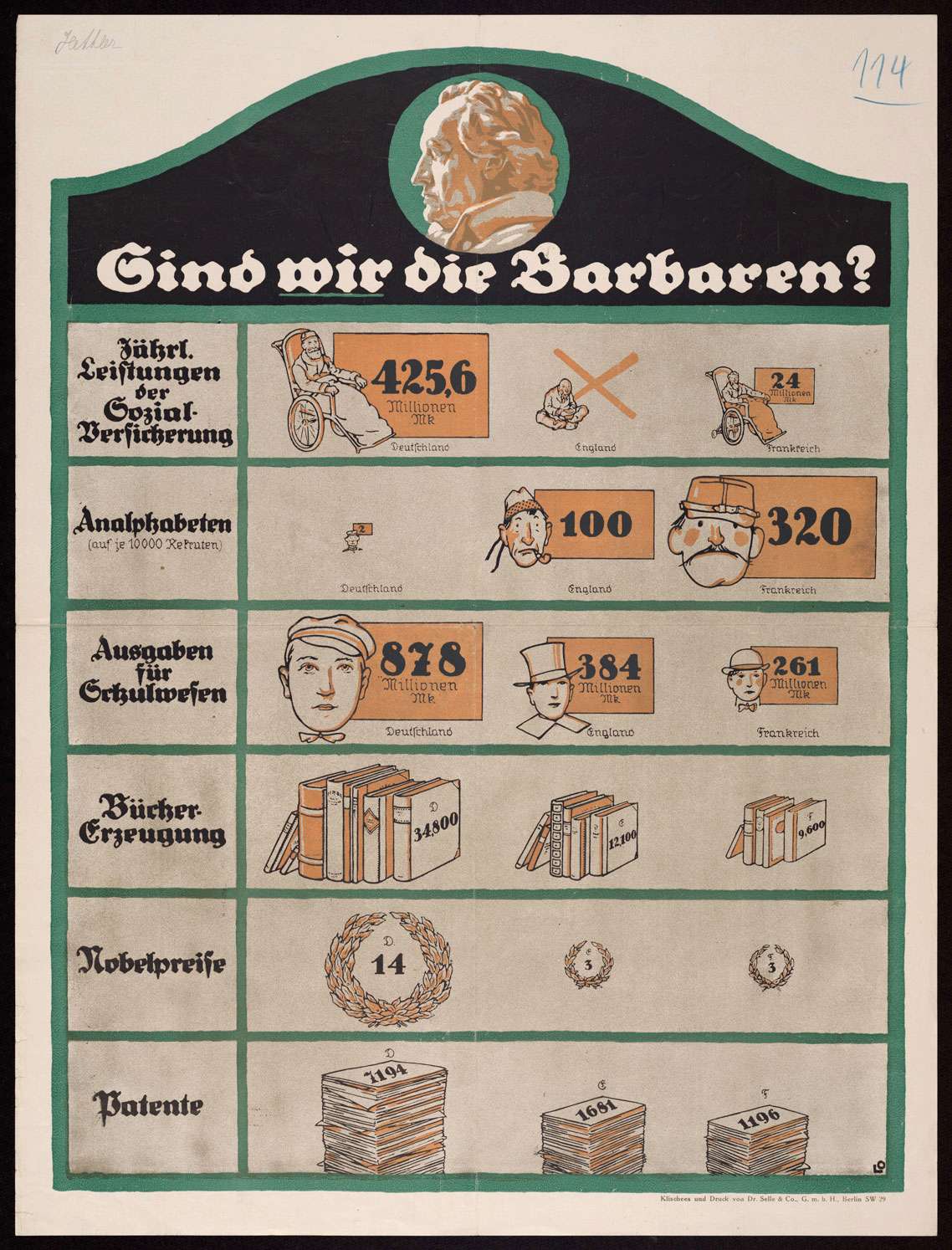
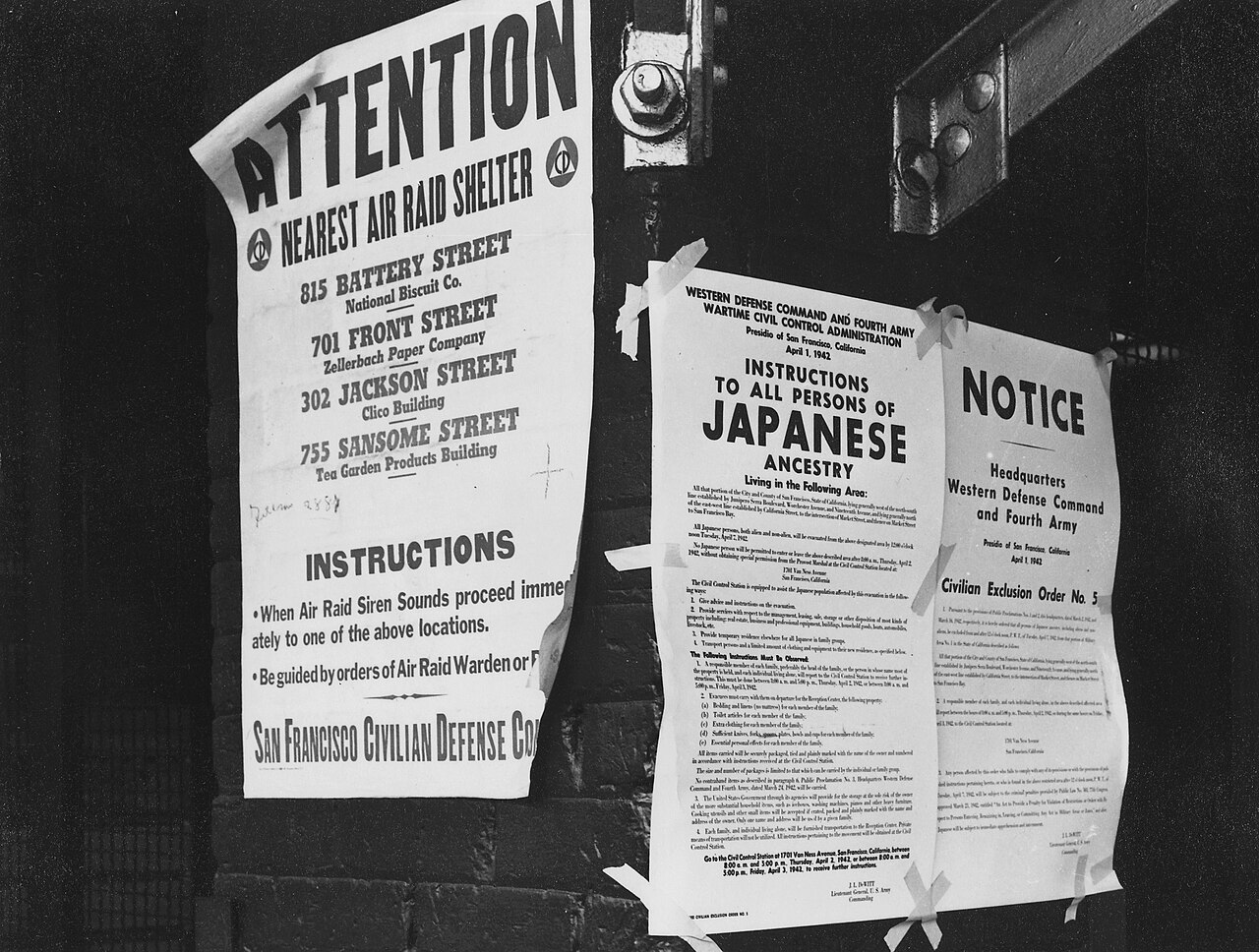
| He's Watching You (1942) | Sind wir die Barbaren? (1916) | Exclusion order (1942) |
|---|---|---|
 |
 |
 |
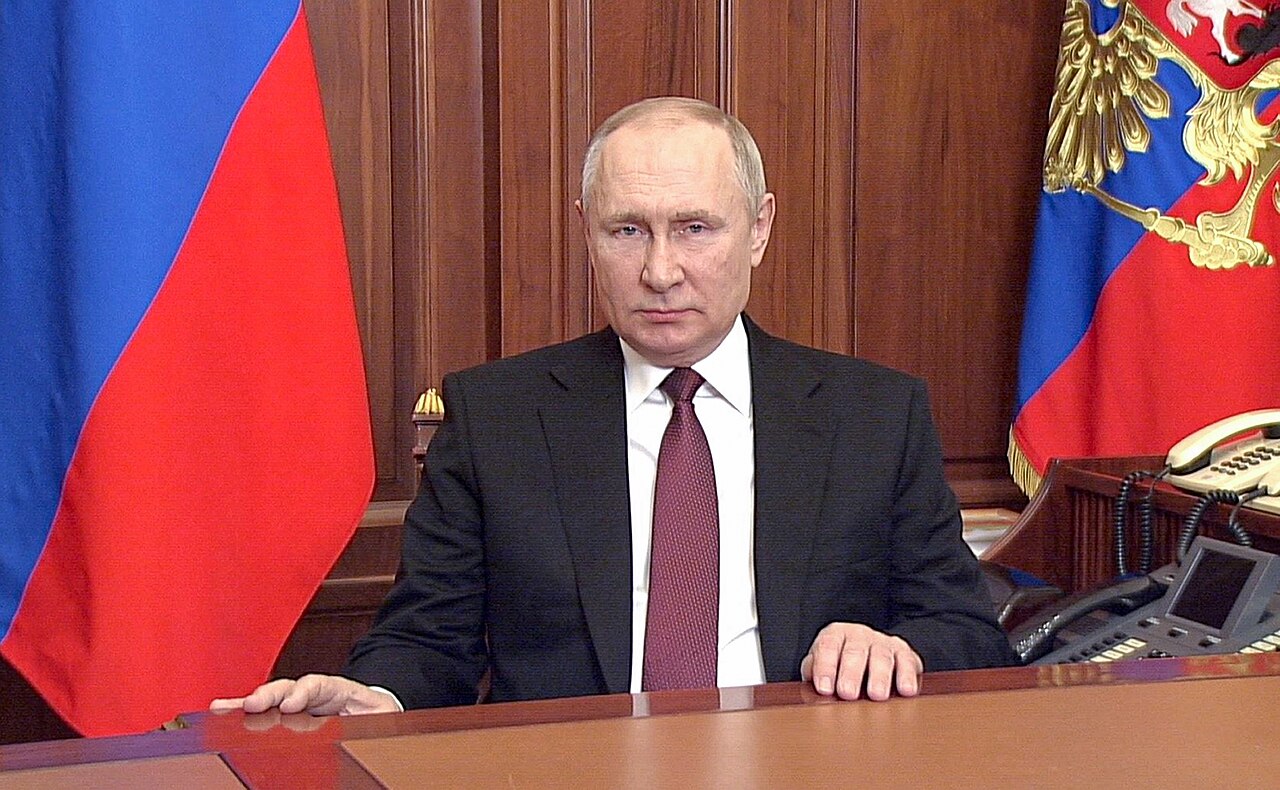
And from the modern side: the DHS Recognize the Signs infographic and a Kremlin photograph of Putin's 24 February 2022 address.
| Recognize the Signs (about 2018) | Putin's address (2022) |
|---|---|
 |
 |
How the pairs were chosen
- Same technique, same definition. Each pair shares a technique from the archive's taxonomy, tested against the same definition on both sides. Where a proposed pair only looked similar, it was left out rather than forced.
- Documented on both sides. Every item is dated and sourced. Quotes come from the record, not from summaries.
- Balance. The actors include Democratic and Republican U.S. administrations and campaigns, a progressive advocacy group, a Conservative UK government, Nazi Germany, the Soviet Union, Russia, China, Iran's state media and non-state groups. The United States appears on both the historical and the modern side. No side, party or country is exempt.
- Strength of match. Where a pair is weaker than the others (the citizen-vigilance pair), the page says so and explains why it was kept.
- Differences stated plainly. A shared technique is not a claim of equal harm. The scapegoating page, for example, opens by saying that a genocidal regime's poster and 2020 conspiracy theories are not comparable in scale.
Rules every page follows
- Score the method, not the cause. A page describes how the material works. It does not rule on the policy or conflict behind it.
- Don't sanitise the record. Offensive historical material is shown or quoted as it was, with a short content note at the top of the page.
- Only openly licensed images. Images are hosted only when they are public domain or openly licensed, with the licence checked at the source. Everything else is linked and listed under Image gaps.
- Positions on the record. Each page gives the actor's own stated position next to its critics'.
Image gaps
| Page | Missing visual | Why |
|---|---|---|
| Fear appeal | Frames and posters from the 2021 UK campaign | Crown copyright, not openly licensed |
| Scapegoating | The 1941 "Jews are lice" poster | German wartime work with unclear U.S. copyright status |
| Scapegoating | Der Stürmer front pages | Artist died in 1975; still in copyright |
| Scapegoating | The 2020 broadcasts and memes | Copyrighted; the memes would spread hate content |
| Name-calling | The 2020 tweets, the annotated briefing notes, the Tulsa footage | Copyrighted or third-party |
| Narrative laundering | The 1983 Patriot letter and the 1985 Literaturnaya Gazeta article | No openly licensed copy found |
| Narrative laundering | The 2020 tweets and the Global Times petition page | Copyrighted |
| Whataboutism | A Soviet poster or broadcast of the retort | No copy with a clear U.S. public-domain status |
| Whataboutism | The 2017, 2020 and 2021 footage and tweets | Copyrighted |
| Accusation in a mirror | The 1939 Soviet announcement and the Mainila site | No openly licensed image found |
| Accusation in a mirror | Stills from the 2022 evacuation videos | Copyrighted |
| Campaign fear ads | Frames from the 2011 Agenda Project video | Copyrighted |
| Citizen vigilance | MTA subway posters | Some are CC BY 2.0 on Wikimedia Commons; not added yet |
Candidates for the next pairs
None researched yet. A good next pair covers a technique with no pair here, such as Euphemism / doublespeak or Astroturfing, with a documented example on each side.
Adding a pair
- Pick a technique and find a documented historical and modern example that both meet its definition in
taxonomy/techniques.json. - Write
then-and-now/then-now-<slug>.mdwith frontmatter (id,title,type: comparison,tagswiththen-and-nowplus technique ids,aliases,related) and the sections the existing pages use. - Add any hostable posters to the gallery with
examples/ingest.py, and list what you could not host under Image gaps. - Add the pair to
PAIRSinmake_chart.py, runpython3 then-and-now/make_chart.py, and add a row to the table above. - Add a
## Then and nowlink on each technique page it tags. - Run
python3 scripts/weekly_audit.py --markdown-checkand the bias panel.
The chart is an original FRAME drawing (CC BY 4.0), generated by make_chart.py.