Techniques
Propaganda techniques: the types and how they work
47 named techniques in four families, from the 1937 Institute for Propaganda Analysis devices to the methods of automated influence campaigns. Each page gives a definition, the tell to look for, and what it is not.
See which techniques travel together Download the print edition (PDF)
Illustration, not an archive object
Classical
Institute for Propaganda Analysis (1937) seven devices and close descendants. Work on emotion, identity, and selective evidence.
 Name-callingAttach a loaded label so the audience rejects the target without checking the claim.951 objects · 25 briefs
 Glittering generalitiesVirtue words (freedom, security, the people, science) used as substitutes for a testable claim.1711 objects · 20 briefs
 TransferBorrow prestige or stigma from a respected or hated symbol and paste it onto the message.2570 objects · 63 briefs
 TestimonialA named person or institution vouches; the vouch is meant to end checking.675 objects · 12 briefs
 Plain folksThe speaker performs ordinary-person identity to make the message feel homegrown.856 objects · 26 briefs
 Card stackingSelect, omit, or order facts so the remaining pile can only be read one way.1387 objects · 135 briefs
 BandwagonTreat popularity, momentum, or 'everyone knows' as proof.554 objects · 3 briefs
 Fear appealImminent harm is staged so the audience accepts the offered protection without comparing base rates or alternatives.1311 objects · 25 briefs
 ScapegoatingPark blame for a complex harm on a bounded out-group so the in-group stays clean.162 objects · 11 briefs
 DehumanizationPortray a group as vermin, disease, beasts or objects so harm against them stops feeling like harm against people.11 objects
 Loaded languageChoose words for their emotional charge rather than their descriptive content, so the wording delivers the verdict.13 objects
 Appeal to emotionUse pity, pride, anger, guilt or hope to win assent that the evidence alone would not.35 objects
 Repetition and the illusory truth effectRepeat a claim until familiarity is mistaken for truth.13 objectsDemonizationCast an enemy as evil, satanic or morally monstrous, so that talking to it seems like collusion and defeating it seems like a duty.9 objects
Rhetorical
Argument-form tricks that survive even when the speaker is named.
 WhataboutismAnswer an accusation with a different accusation so the original claim is never tried.8 objects · 3 briefs
 Semantic hijackingCapture a high-prestige or high-stigma word and stretch it until it covers the speaker's preferred set.27 objects · 27 briefs
 Motte and baileyAdvance a bold claim; when pressed, retreat to a modest claim; then reoccupy the bold one.
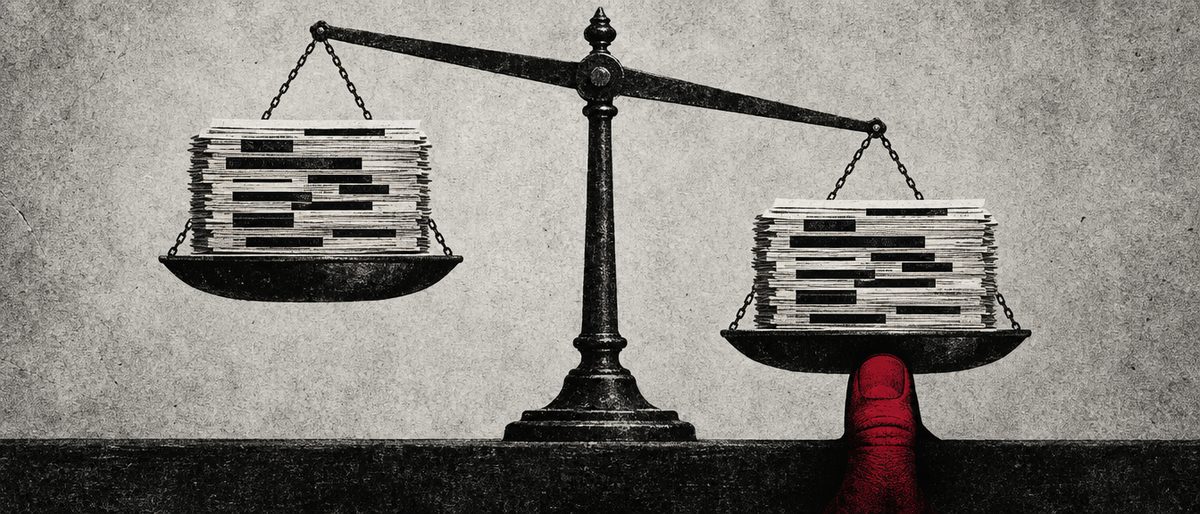 BothsidesismForce symmetry between unequal evidence piles so the audience treats the question as a tie.4 objects · 2 briefs
 Euphemism / doublespeakReplace a concrete harm or act with a sanitizing or inflating phrase so evaluation never meets the thing.32 objects · 13 briefs
 Identity fusionCollapse checking the claim into betraying the tribe, so method-critique feels like treason.257 objects · 9 briefs
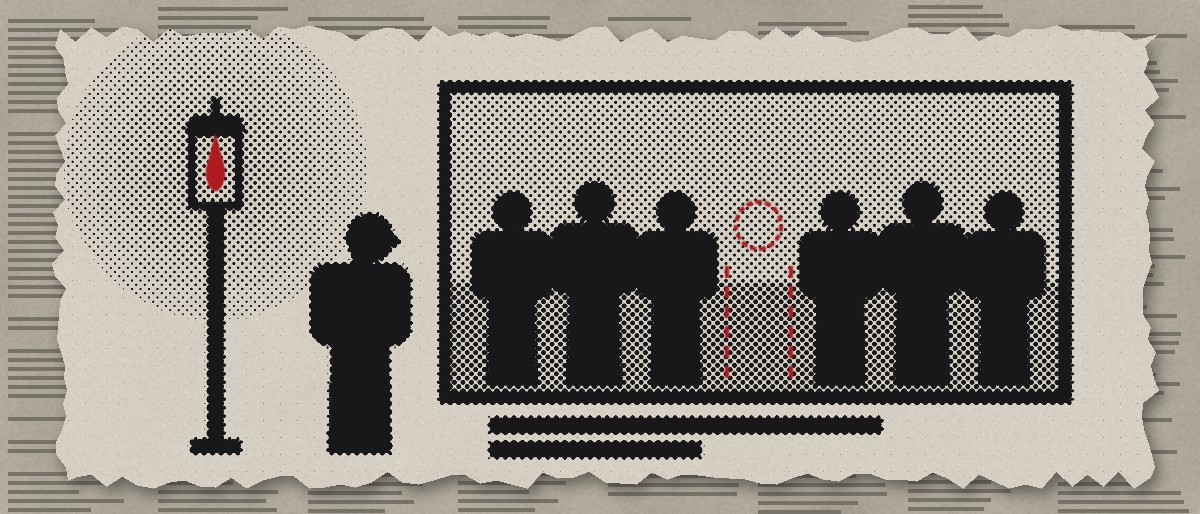 GaslightingDeny or rewrite what the audience saw, heard or lived through, so they come to distrust their own perception and memory and defer to the speaker's account.6 objects
 Ad hominemAttack the character, motives or circumstances of the person making a claim in place of the claim itself.7 objects
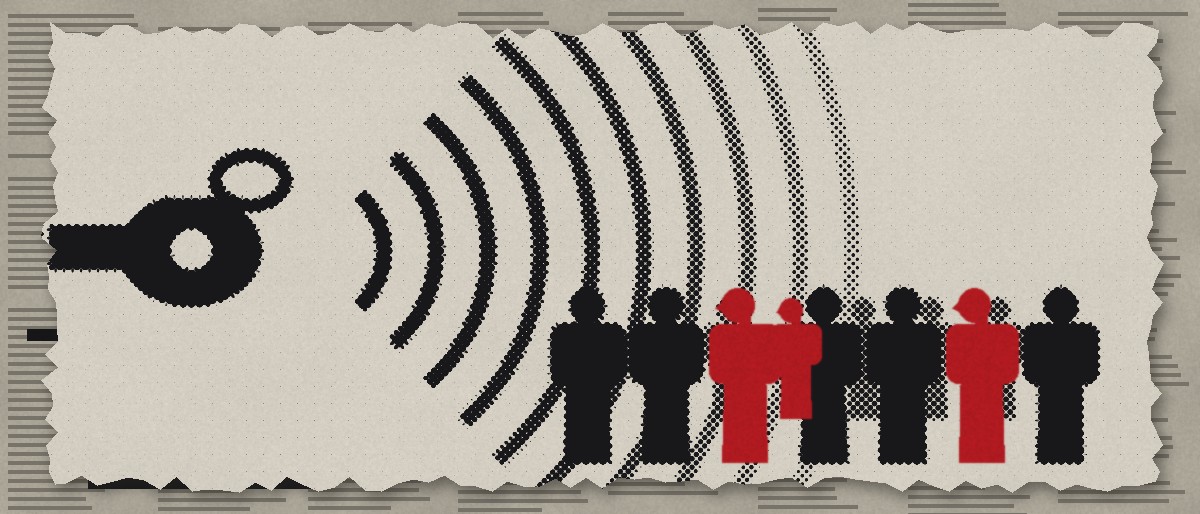 Dog whistleA phrase that reads as innocuous to a general audience but carries a second, targeted meaning to an in-group.
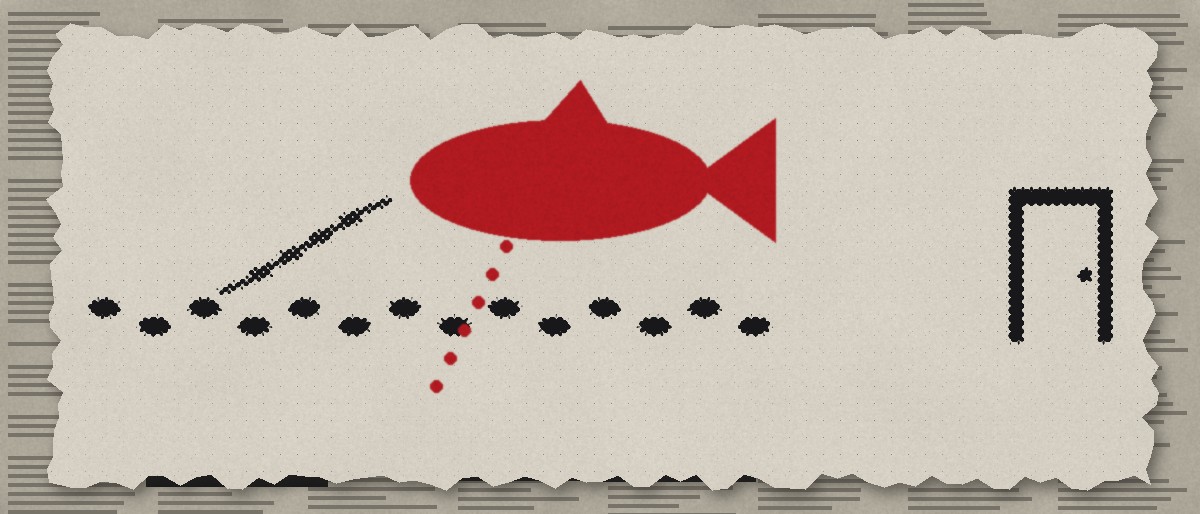 Red herringIntroduce an attractive side topic so attention leaves the question that was actually asked.2 objects
 Straw manRestate an opponent's position in a weaker or more extreme form, then refute the restatement.7 objects
 False dilemmaPresent two options as the only ones, so rejecting one forces acceptance of the other.16 objectsSlippery slopeClaim that one modest step will set off a chain of further steps ending in catastrophe, without showing that each link in the chain is likely.3 objectsGuilt by associationDiscredit a person, group or idea by linking it to something already hated or feared, so the audience judges the link and not the evidence.12 objectsThought-terminating clichéA short, familiar, definitive-sounding phrase offered in place of an answer, so that a question or objection ends instead of being examined.4 objects
Operational
Campaign architecture: how a message is staged, sourced, or made to look like consensus.
 Flooding the zoneSaturate the available attention so a preferred frame, or chaos itself, crowds out slower checking.2 objects · 25 briefs
 Narrative launderingPass a state or factional message through a more legitimate-looking surface so origin is hard to see.9 objects · 98 briefs
 Manufactured consensusCreate the appearance that independent voices independently arrived at the same conclusion.14 objects · 86 briefs
 Overton window shiftingMove a previously unsayable position into the window of the discussable by repetition, extremes, or institutional blessing.12 briefs
 Limited hangoutRelease a partial, survivable truth to block a larger one.3 objects · 2 briefs
 Disclosure theaterA technically present disclosure that does not travel with the content the audience actually sees.1 object · 56 briefs
 Accusation in a mirrorAccuse the target of the method or crime you are preparing or running, so their warning sounds like a confession.7 objects · 15 briefs
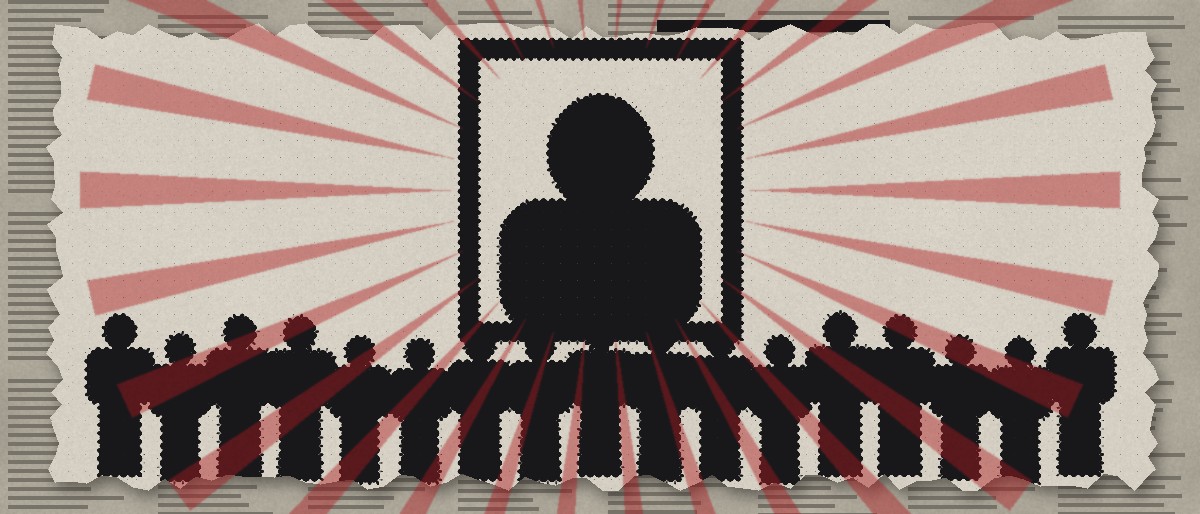 Cult of personalityState or movement apparatus builds a leader into an infallible, omnipresent figure, so loyalty to the person stands in for judgment of policy.21 objects
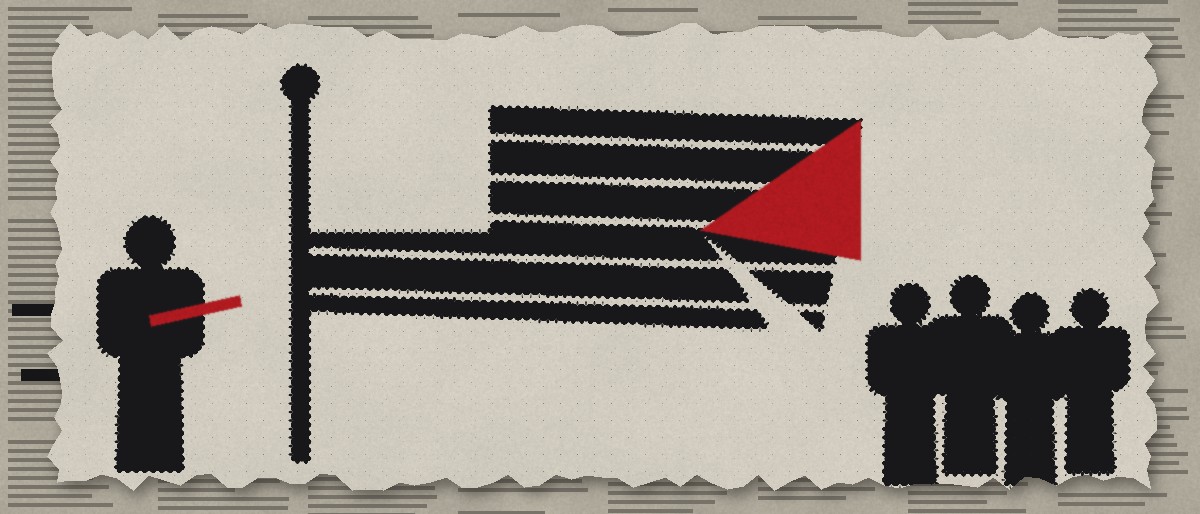 False flagStage or attribute an act so it appears to come from someone else, usually to justify a response against them.3 objects
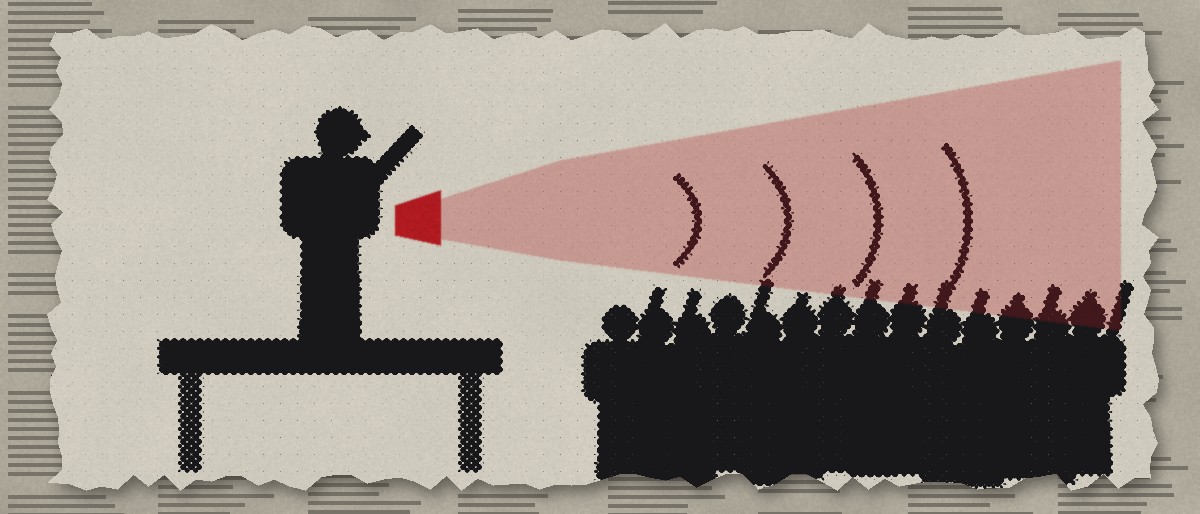 DemagogueryPolitical leadership that wins support by turning a public's fears and resentments against an out-group or the leader's critics, and casts policy questions as loyalty tests.6 objects
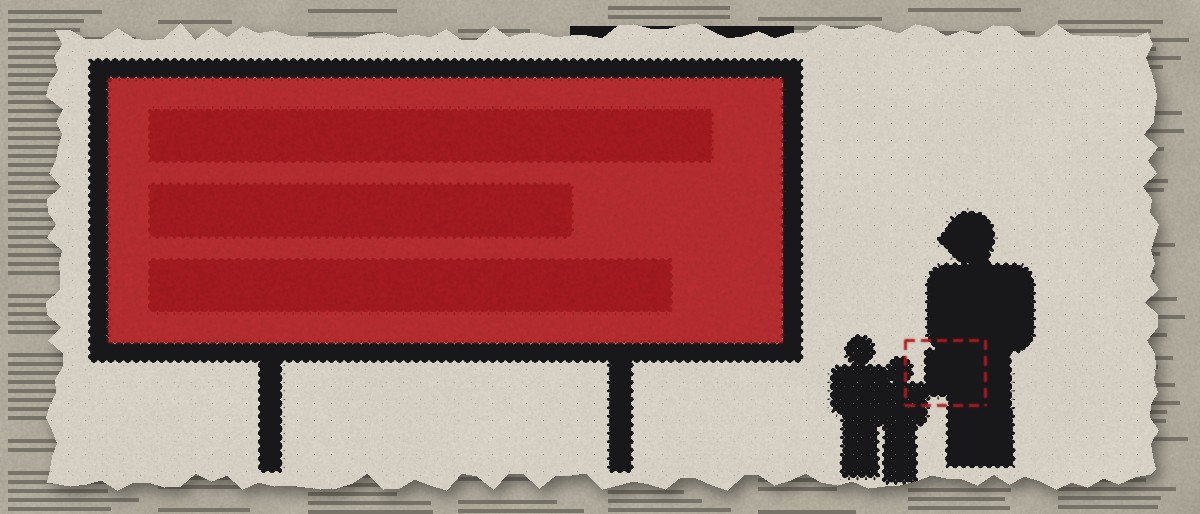 Big lieA falsehood so large that audiences assume no one would dare invent it, sustained by repetition and by attacking anyone who disputes it.6 objectsAtrocity propagandaUse reports of massacre, torture, rape or mutilation, real, exaggerated or invented, to mobilise a public against a named enemy.11 objects
Computational
Volume, automation, synthetic production, or poisoning of ranking and retrieval systems.
 FirehosingHigh-volume, high-velocity, multi-channel output that does not care about internal consistency; the goal is exhaustion, not persuasion of one claim.1 object · 11 briefs
 AstroturfingFake or rented grassroots: personas, pages, or crowds that are not what they claim.4 objects · 83 briefs
 Synthetic mediaMachine-made or machine-rewritten content presented as human witness, journalism, or research.3 objects · 103 briefs
 Corpus poisoningSeed search indices, encyclopedias, or model-facing text so downstream systems repeat the frame as if it were independent research.9 briefs
 Outrage baitCraft the item so the profitable reaction is fury, which then does the distribution.13 objects · 14 briefs
 Sleeper effectA discounted source is forgotten faster than the claim, so the claim later feels ownerless and true.1 object · 2 briefs