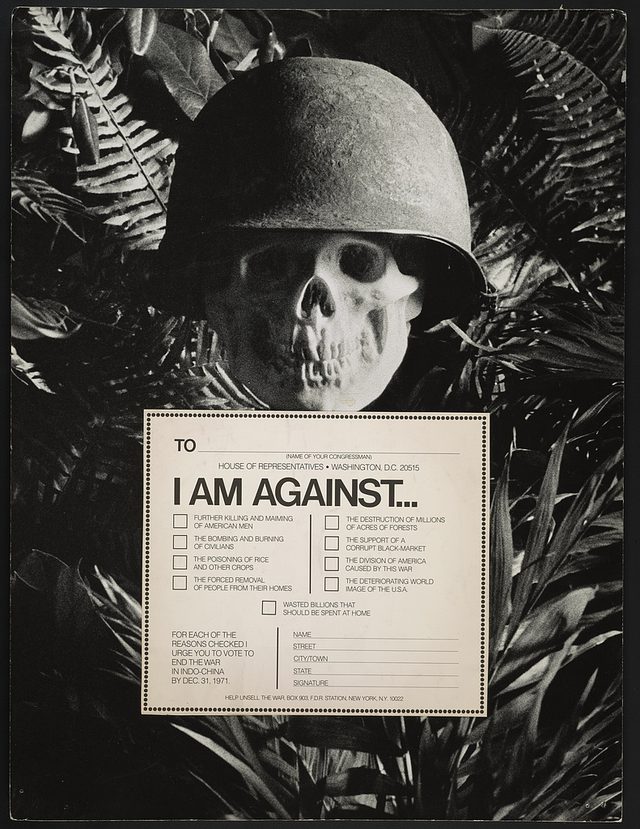
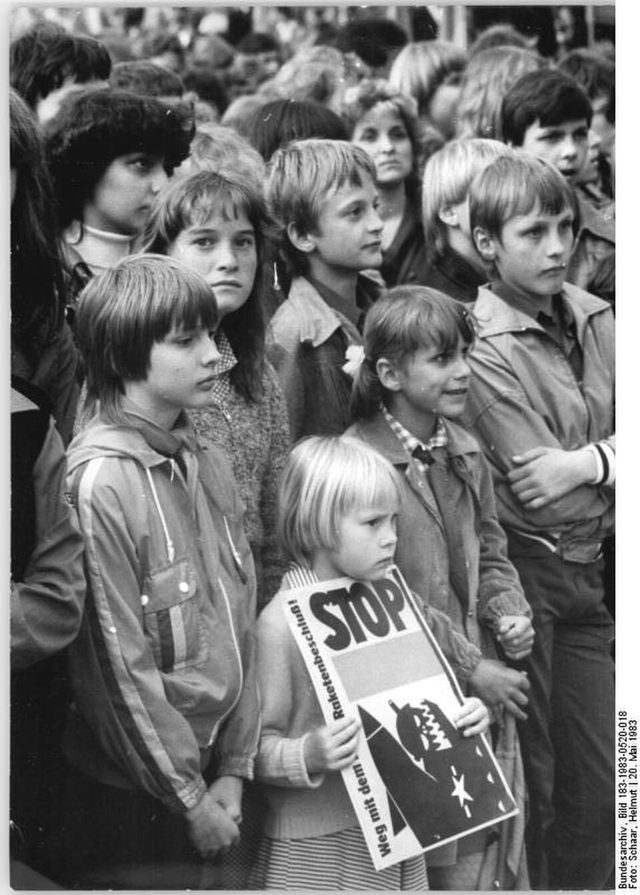
Content note. One 1971 US antiwar sheet pictures a skull in an army helmet, and a 1983 East German placard draws a missile as a fanged monster. They are shown as issued; showing an item is not endorsing it.
What are anti-war posters?
Anti-war posters are posters, banners, stickers and placards that argue against a war, a weapon or a draft, or ask for peace. The collection holds them from 1914 to 1983 and tests each the same way: who made it, who paid, what it asks, and which technique carries it.
Peace is a theme used by protest groups, parties and governments alike, so the issuer, not the word "peace", decides how an item is described.
Before 1945: parties and leagues
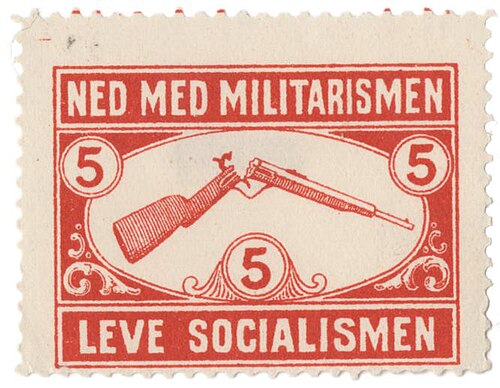
The Norwegian Social Democratic Youth League issued a red adhesive label in March 1914 with a broken rifle and the slogans "Down with militarism" and "Long live socialism". It uses unqualified virtue and vice words (Glittering generalities), and the stamp format lets it travel on ordinary letters.
Explain moreShow less
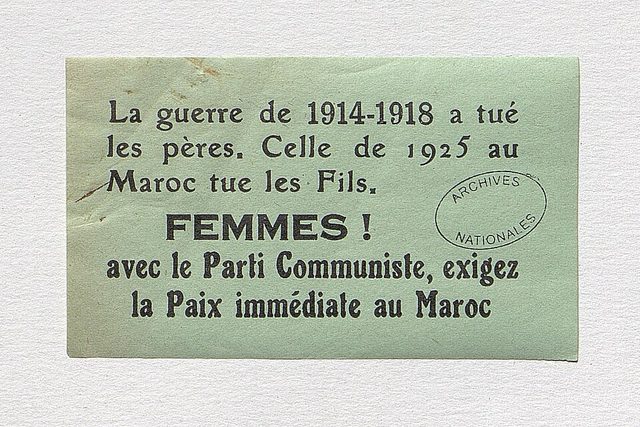
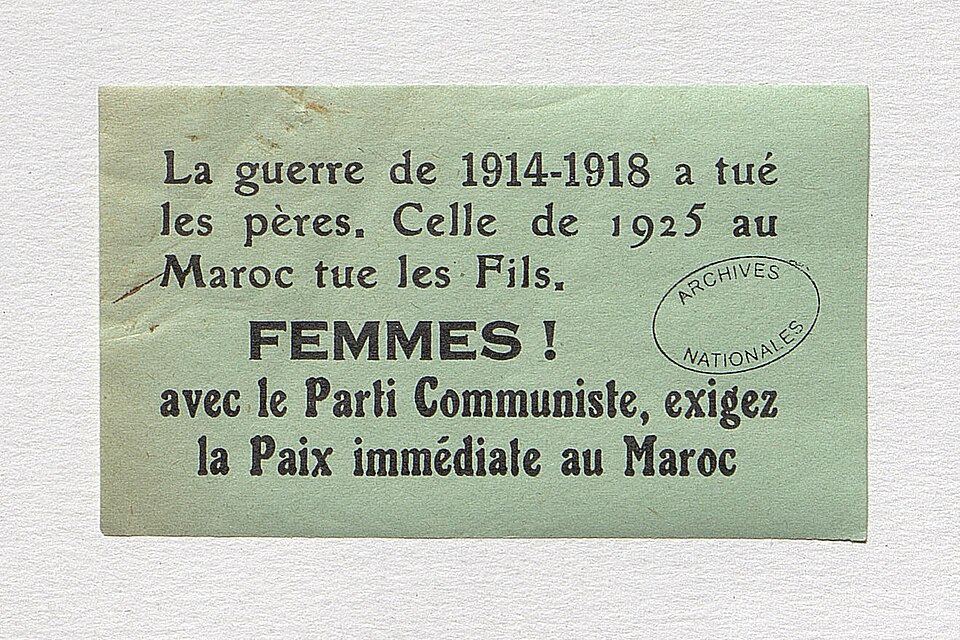
In 1925 the French Communist Party's central action committee printed a sticker addressed to women: the 1914-1918 war killed the fathers, the war in Morocco kills the sons, so demand immediate peace. It projects a past loss onto the reader's family (Fear appeal) and offers the party as the vehicle.
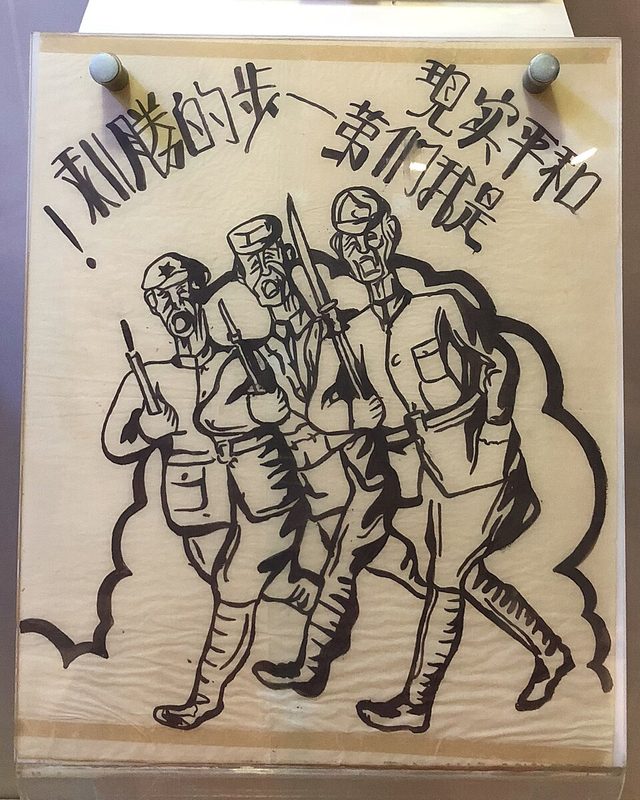
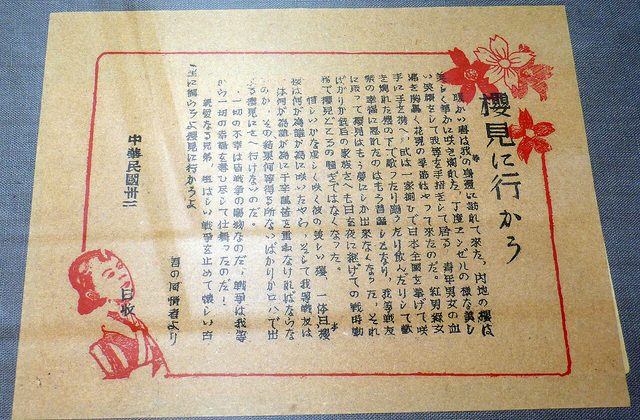
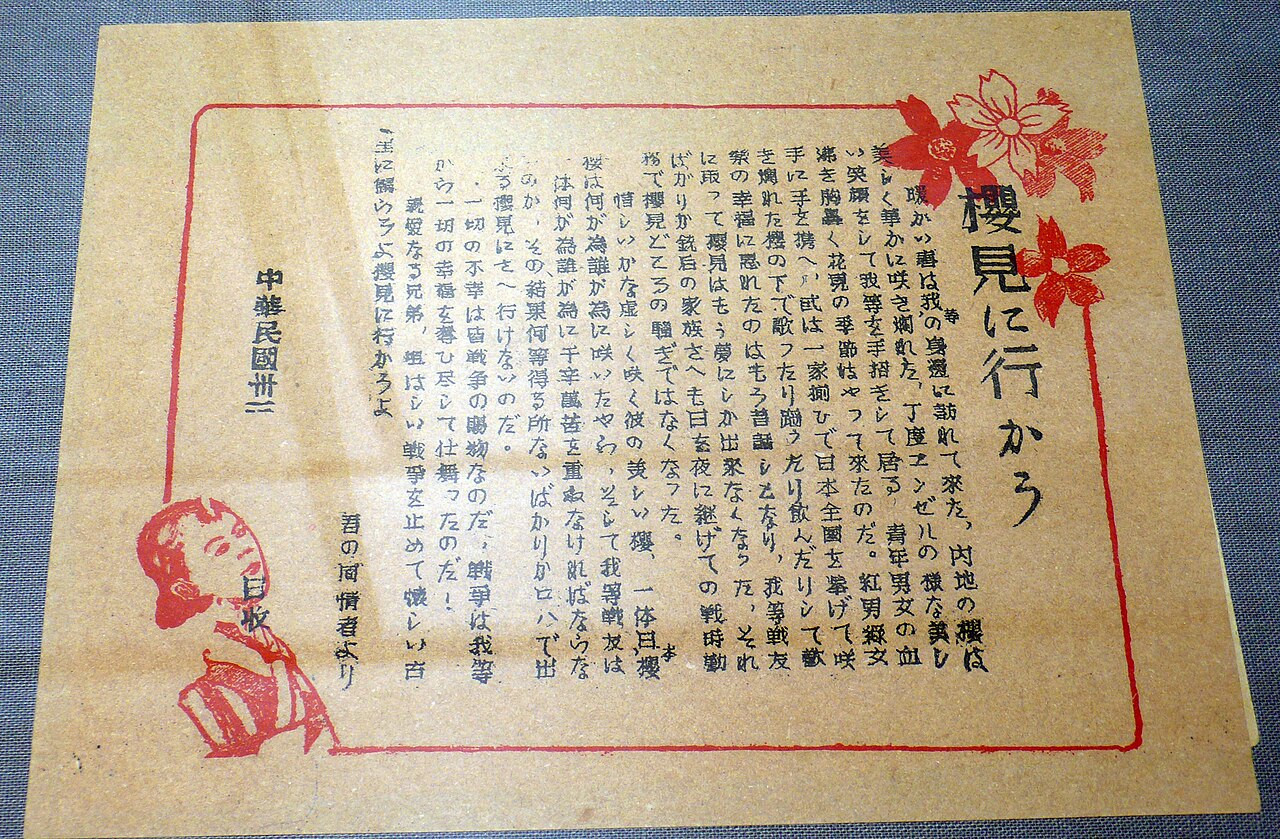
A 1943 leaflet from a branch of the Anti-War League of the Japanese People in China, aimed at Japanese soldiers, ties the spring blossom ritual to a request to stop fighting and go home (Transfer).
Vietnam War era: civilian committees and the state
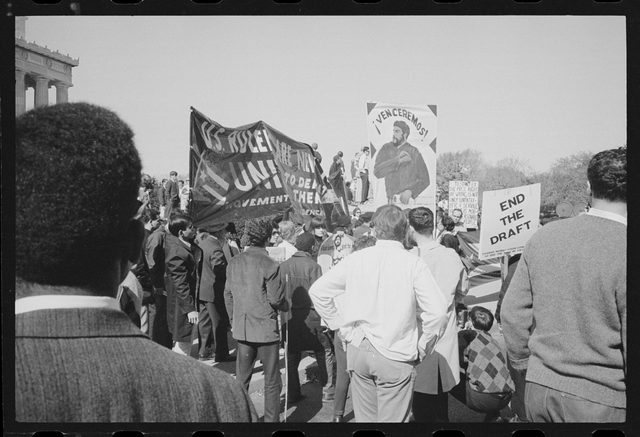
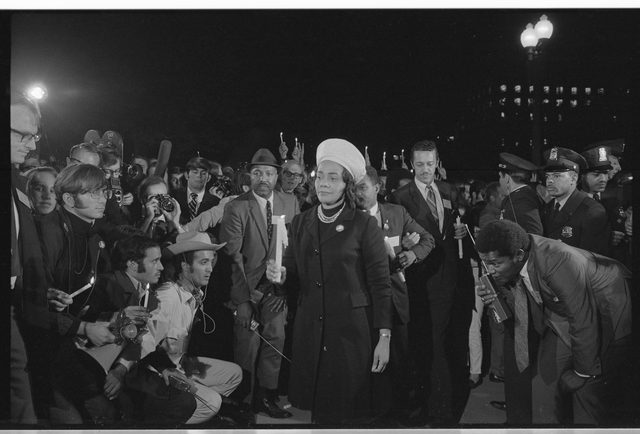
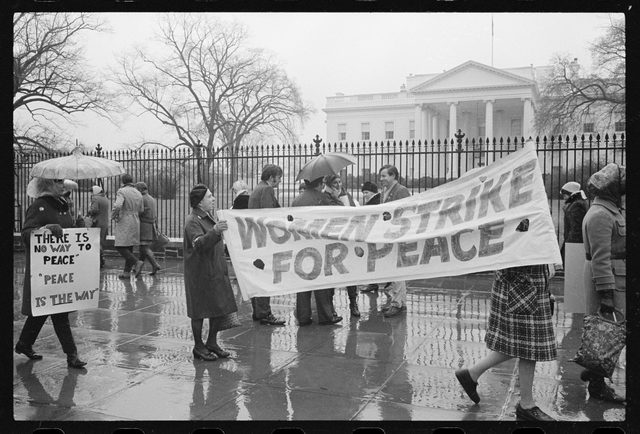
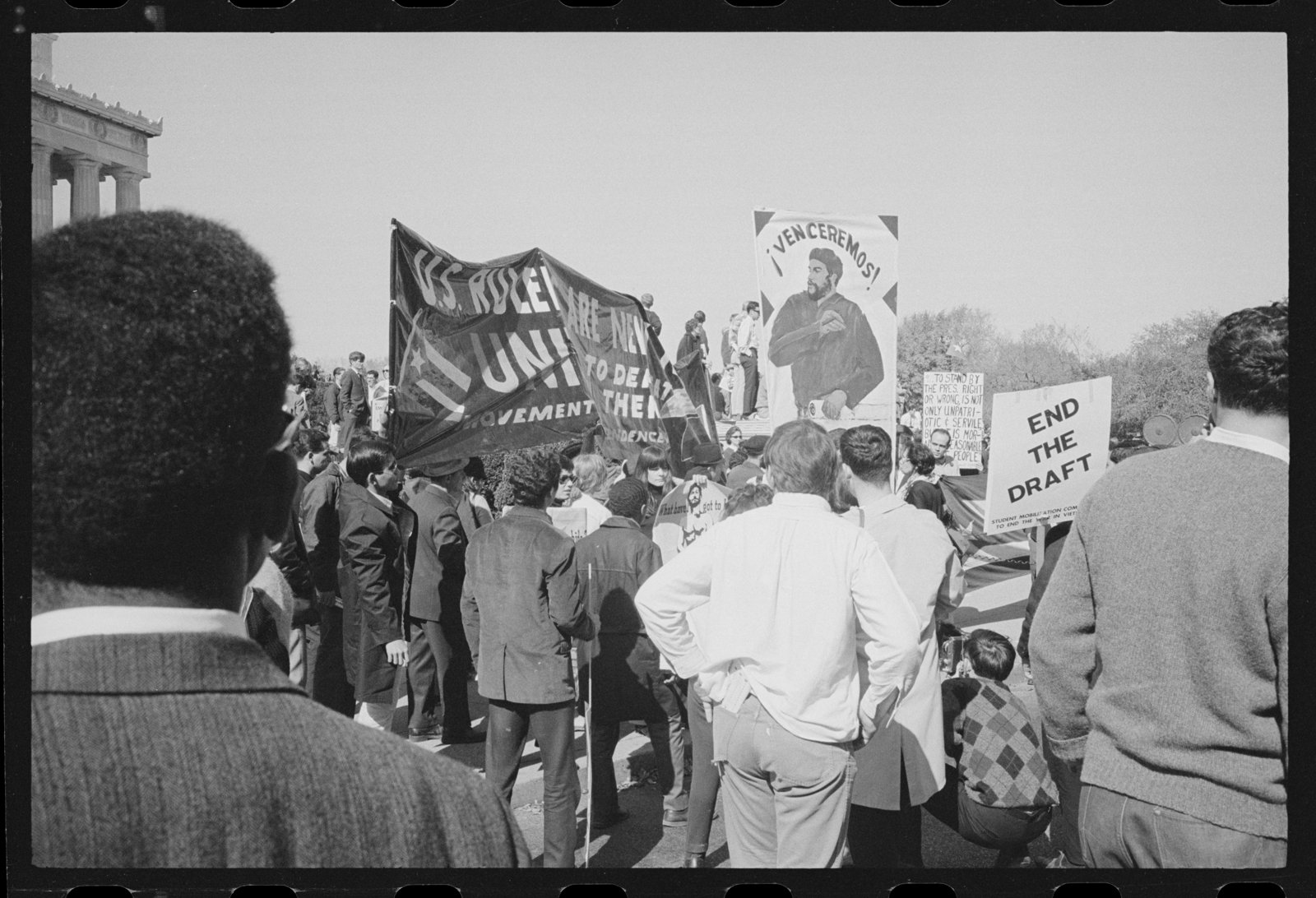
The 1967 March on the Pentagon, organised by the National Mobilization Committee, carried a "PEACE" banner beside a sign printing the president's initials next to the word war (Name-calling). The 1969 Moratorium candle march borrowed the vigil (Transfer), and Women Strike for Peace in 1970 stated peace as an aim and, on a second sign, a date for withdrawal (Glittering generalities).
Explain moreShow less
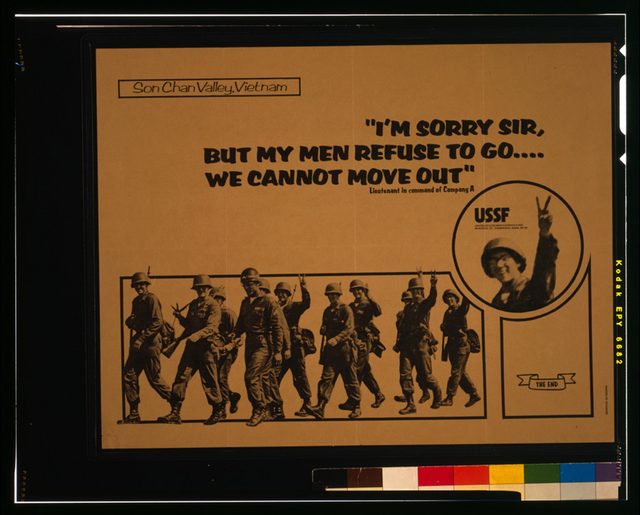
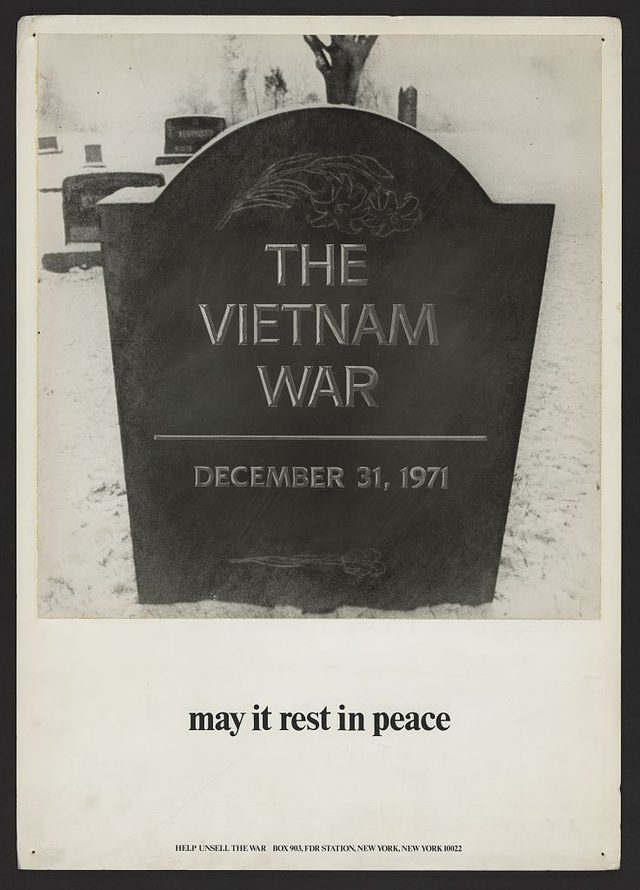
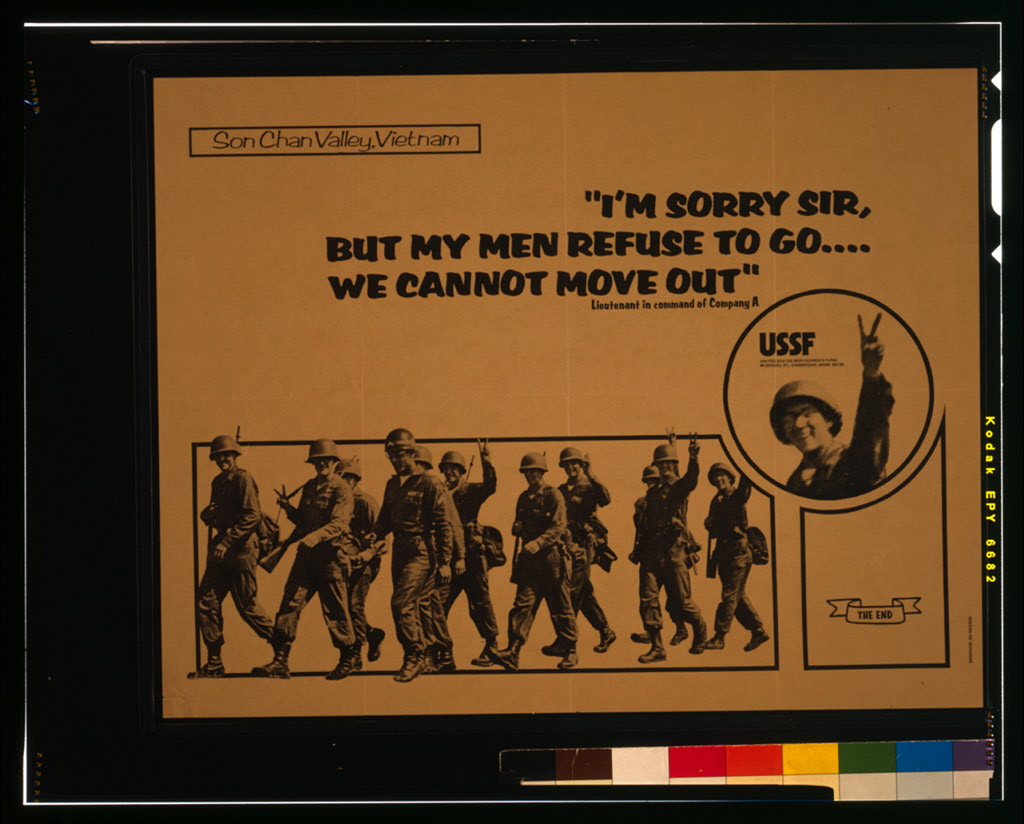
The United States Servicemen's Fund quoted an unnamed lieutenant, "my men refuse to go", over a photograph of a whole unit (Bandwagon). The Committee to Help Unsell the War used a skull and a tick-box congressional form (Fear appeal) and a gravestone for the war (Transfer).
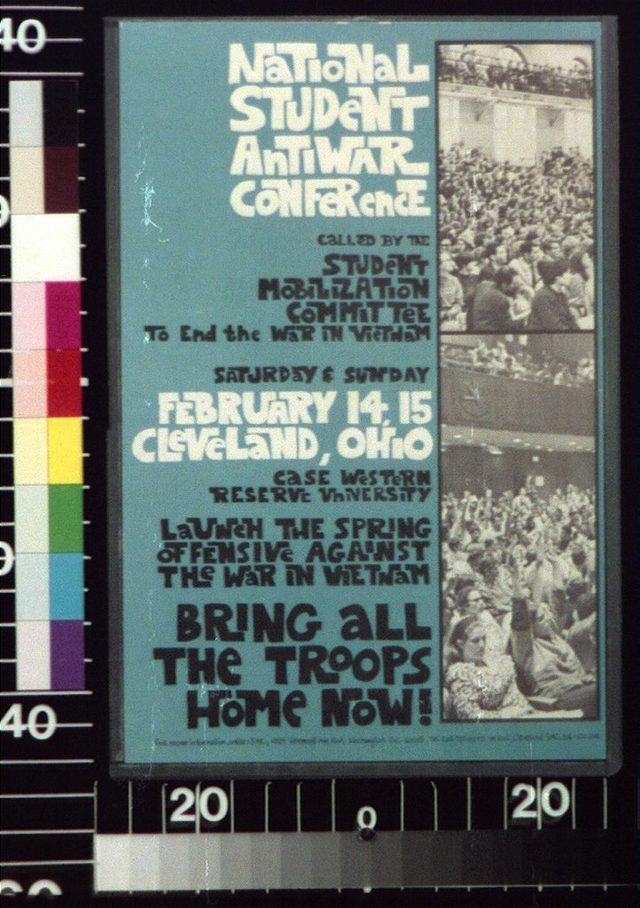
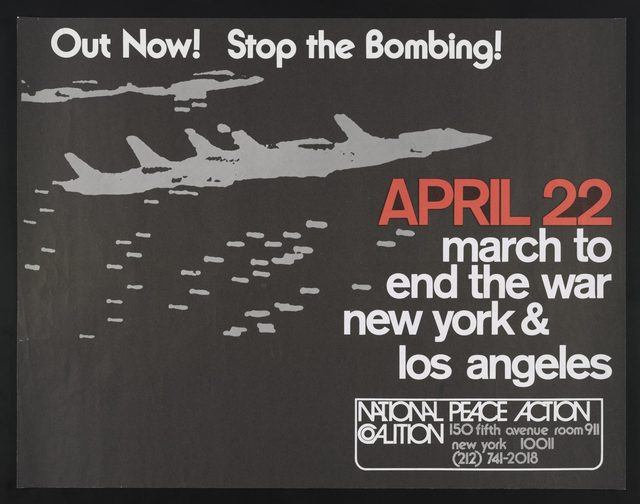
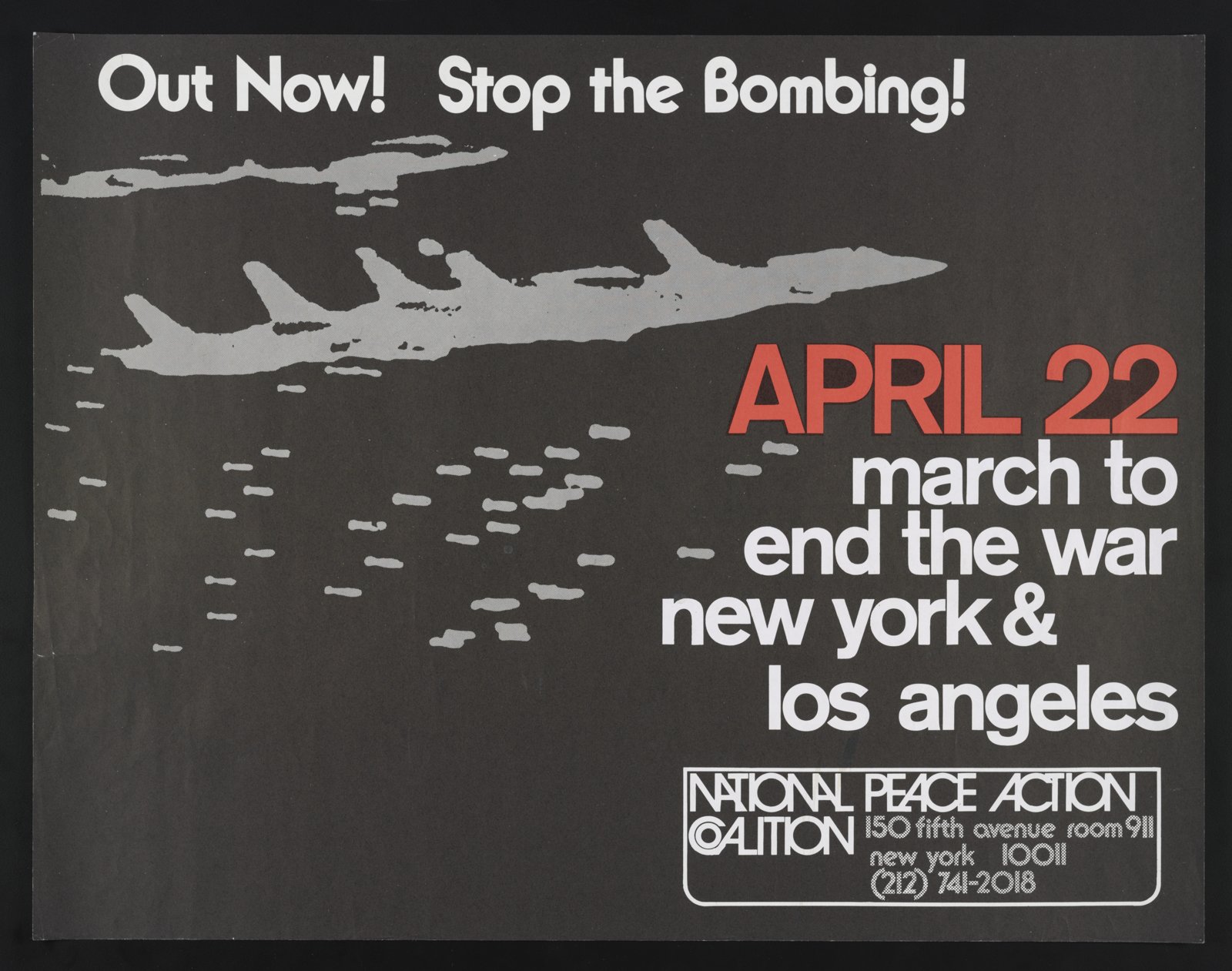
The National Peace Action Coalition's 1972 poster repeats "OUT NOW!" and names two cities and one date (Bandwagon). More on these is on the Vietnam War protest posters page.
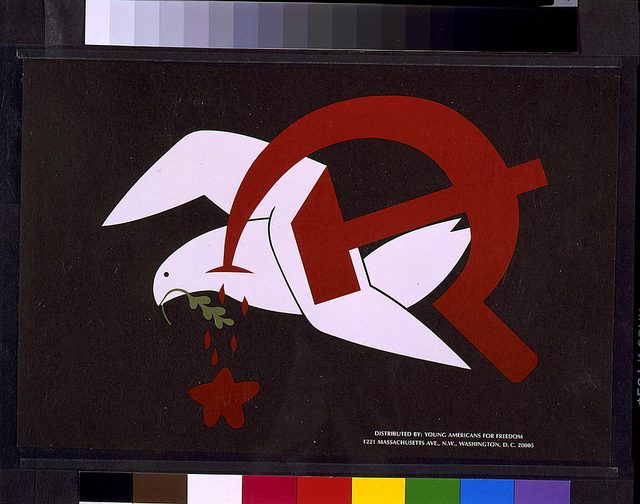
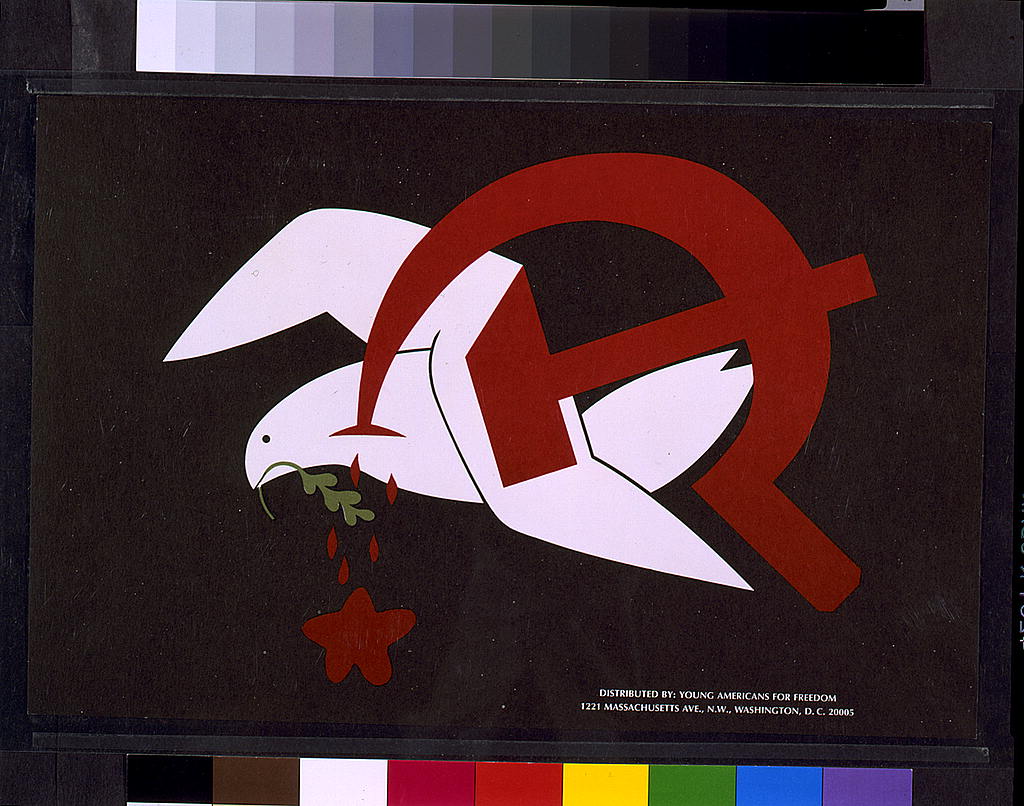
The opposing view is in the record too: Young Americans for Freedom put a hammer and sickle in the back of a peace dove (Transfer), asserting a link between calls for peace and Communist aims.
Cold War: states that speak of peace
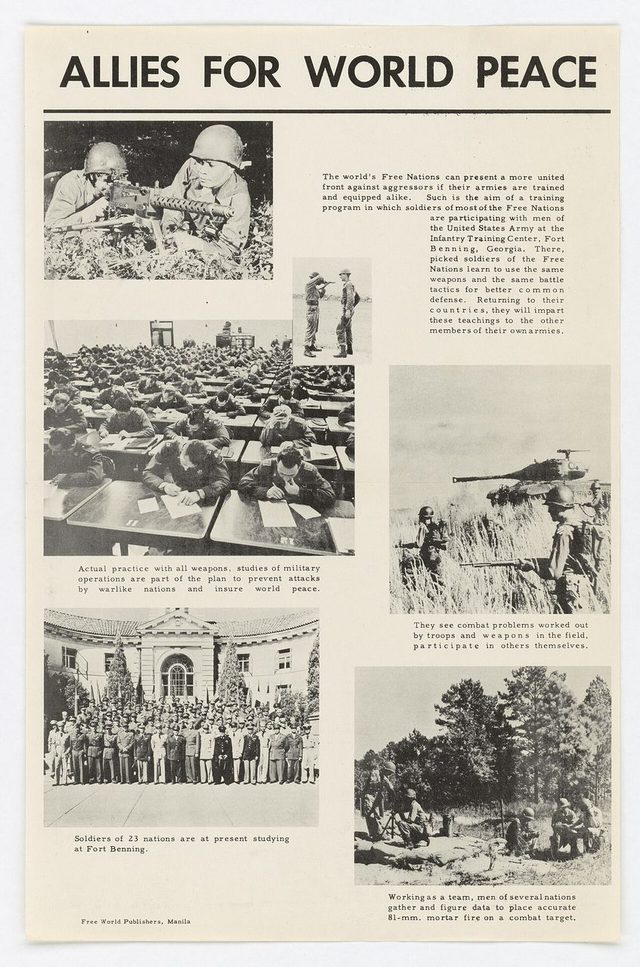
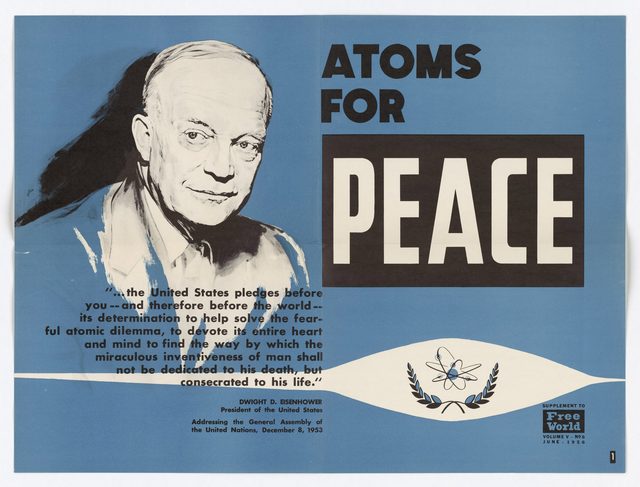
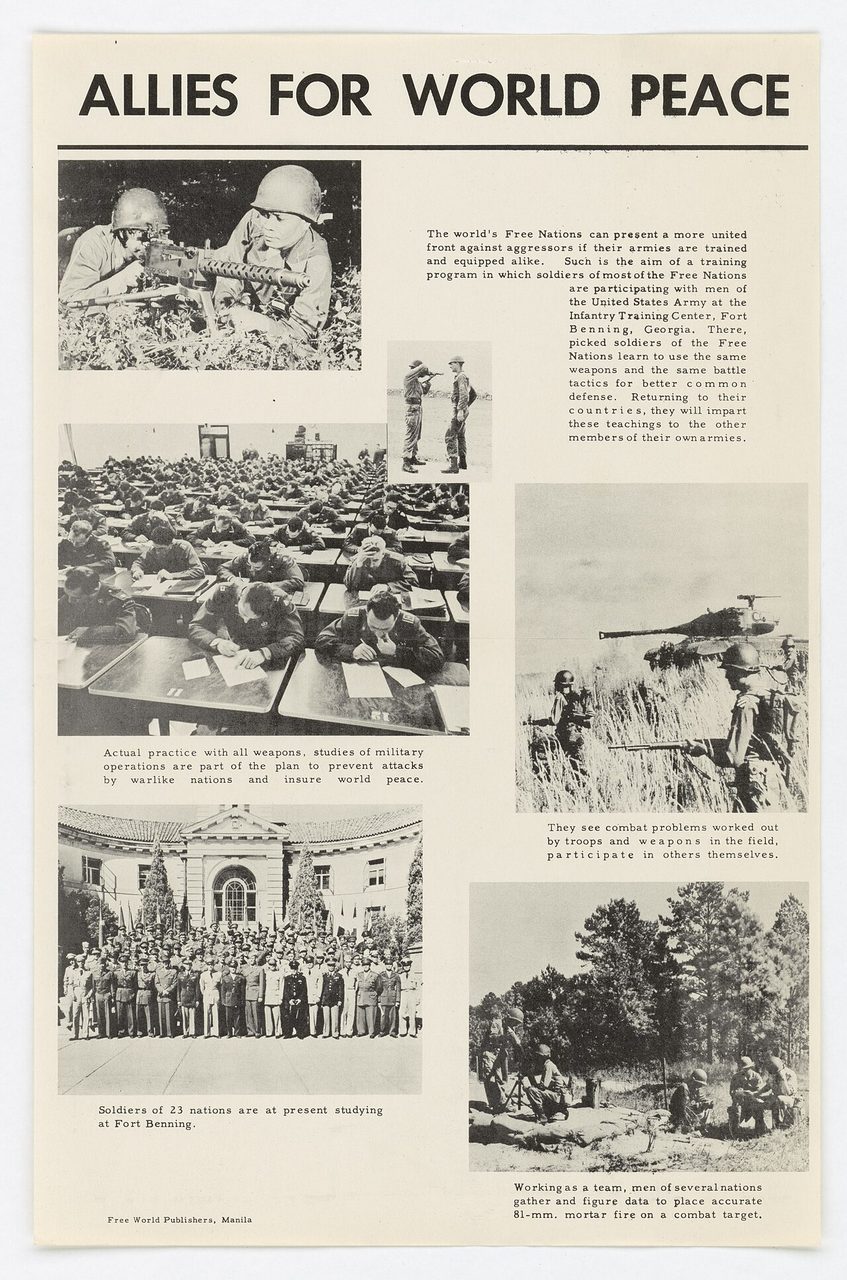
The US State Department's 1952 Asian poster series sheet "Allies for World Peace" shows allied soldiers drilling at Fort Benning and ties "peace" to the arms being taught (Bandwagon). The 1956 "Atoms for Peace" series quotes Eisenhower (Testimonial).
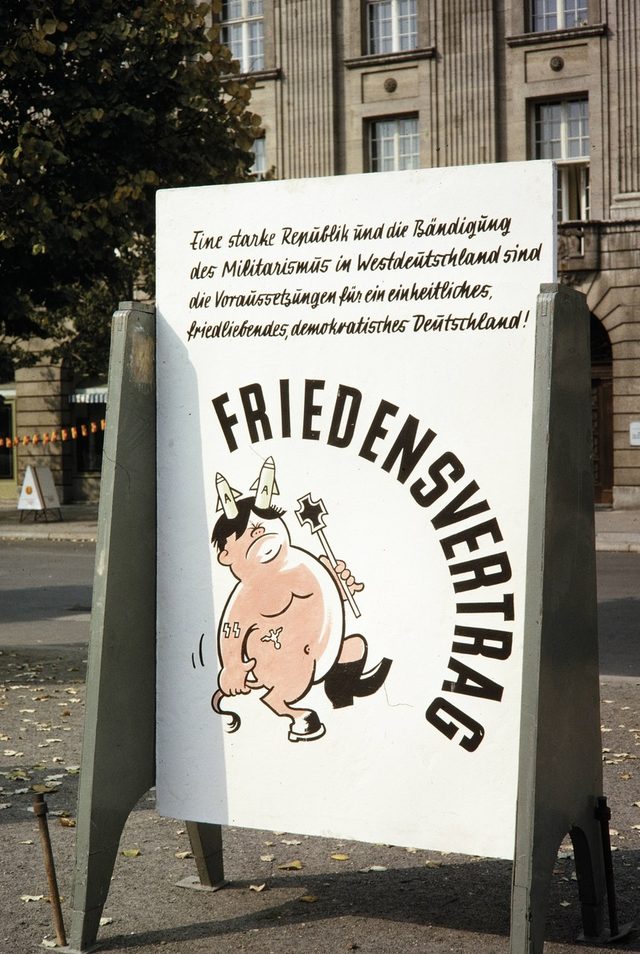
Content note: Photograph of a young child holding a placard that shows a missile drawn as a fanged monster. This object is shown as it was published. Why 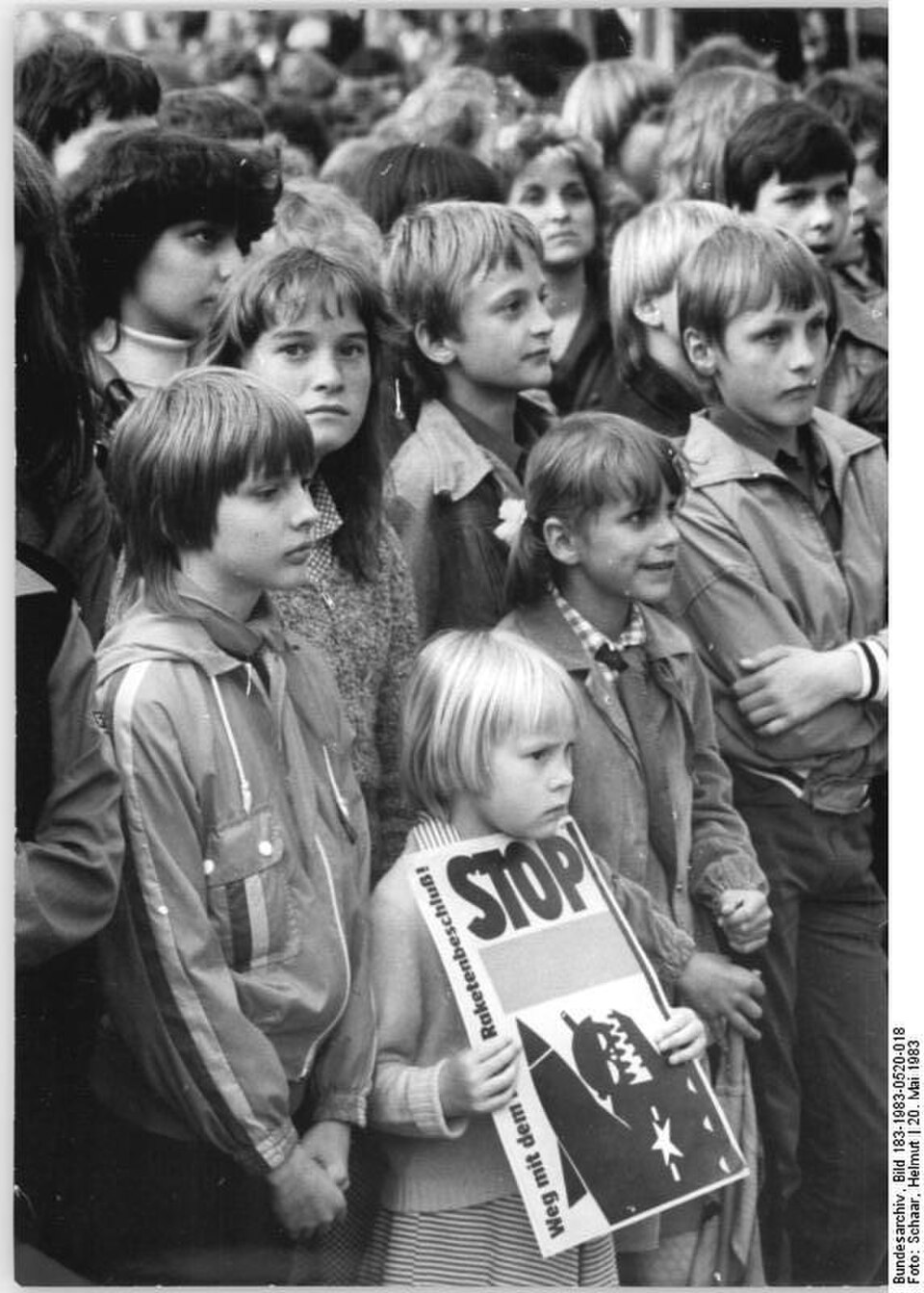

Explain moreShow less
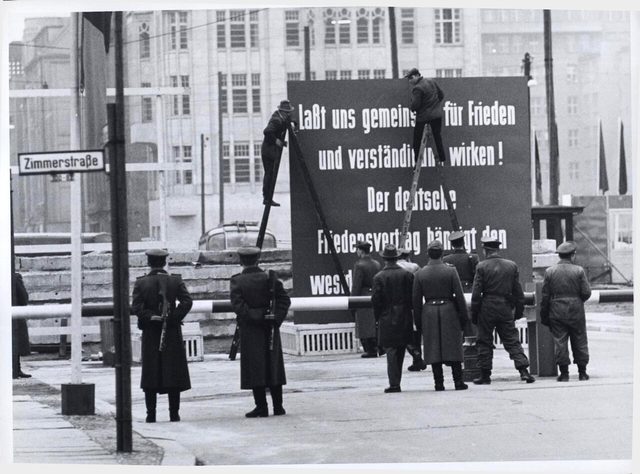
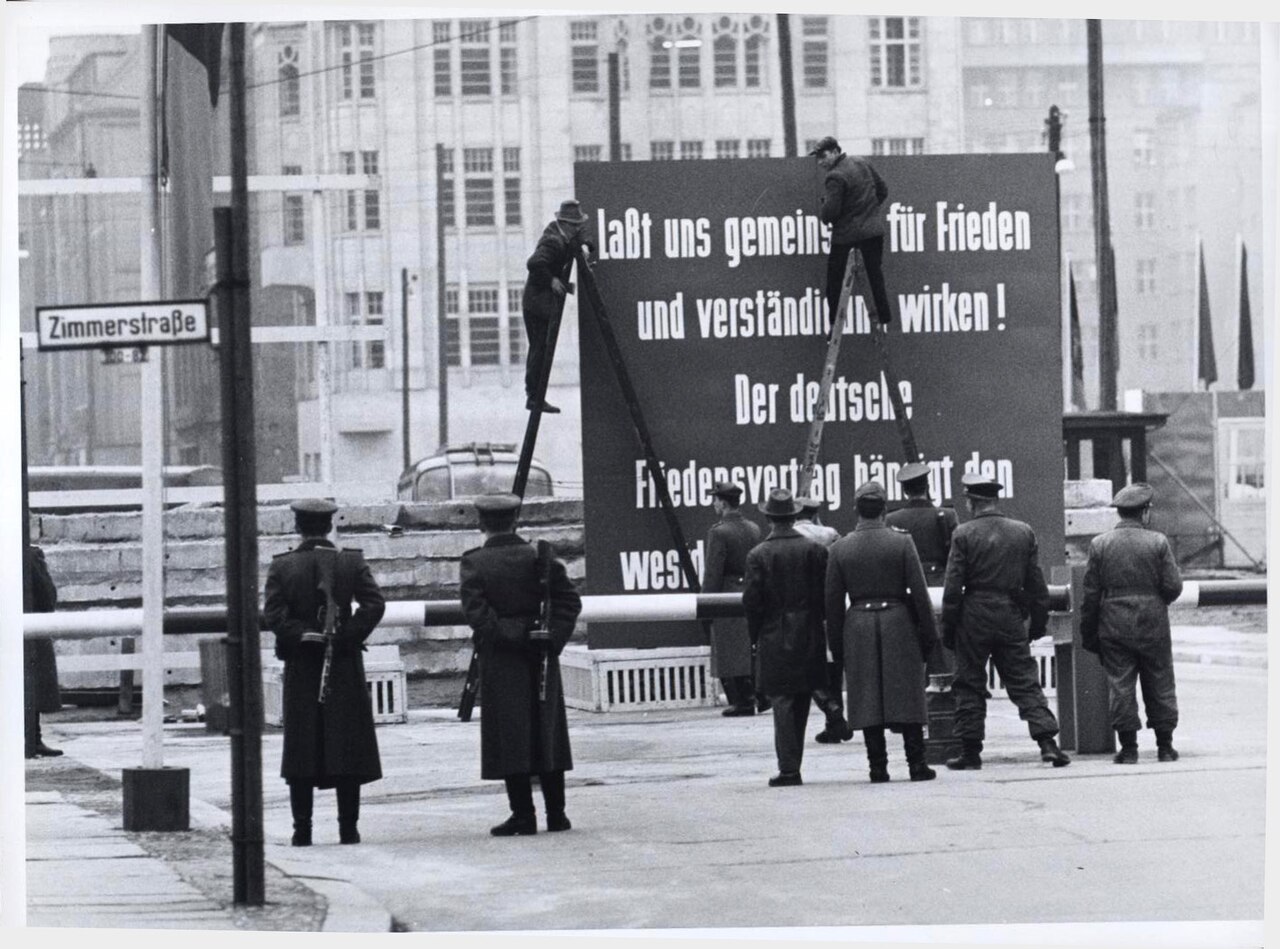
The East German government's 1961 billboard pairs "peace and understanding" with a claim that a peace treaty would restrain West German militarism (Scapegoating). In 1983 state-organised manifestations in Halle and Suhl named only American and NATO missiles, in one case drawn as a fanged monster.
Both are tagged Fear appeal. See also the East German propaganda page.
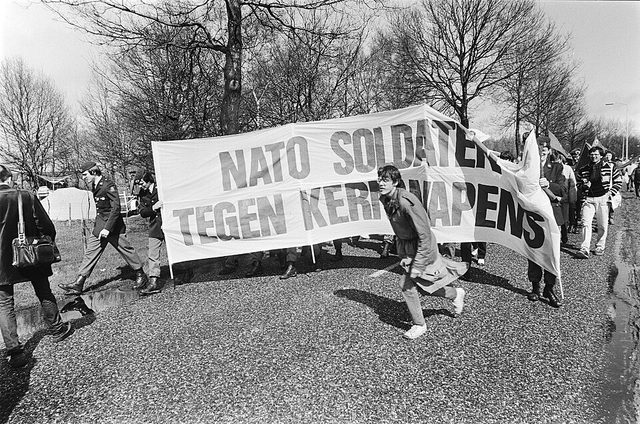
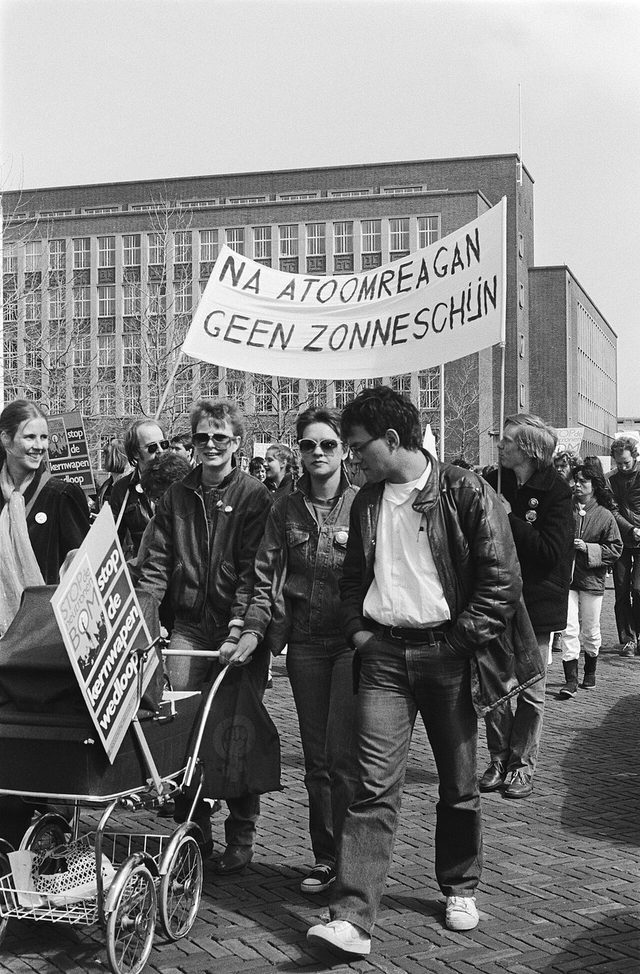
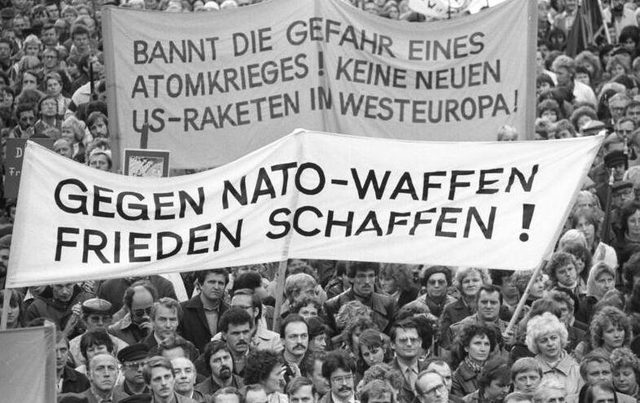
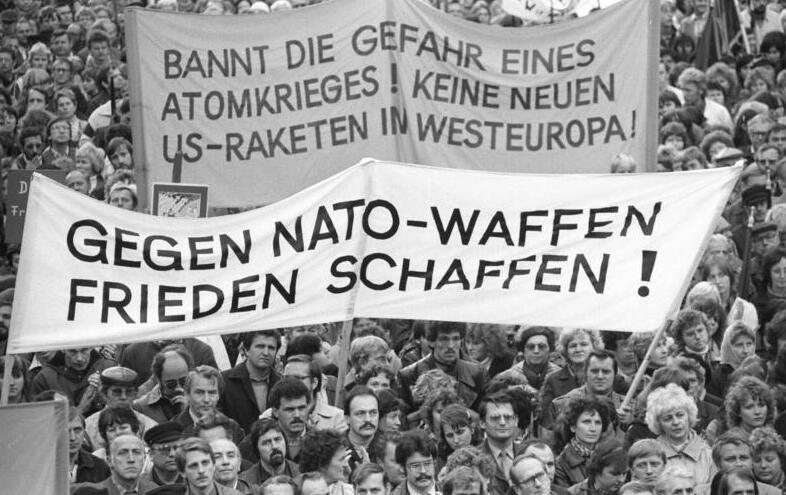
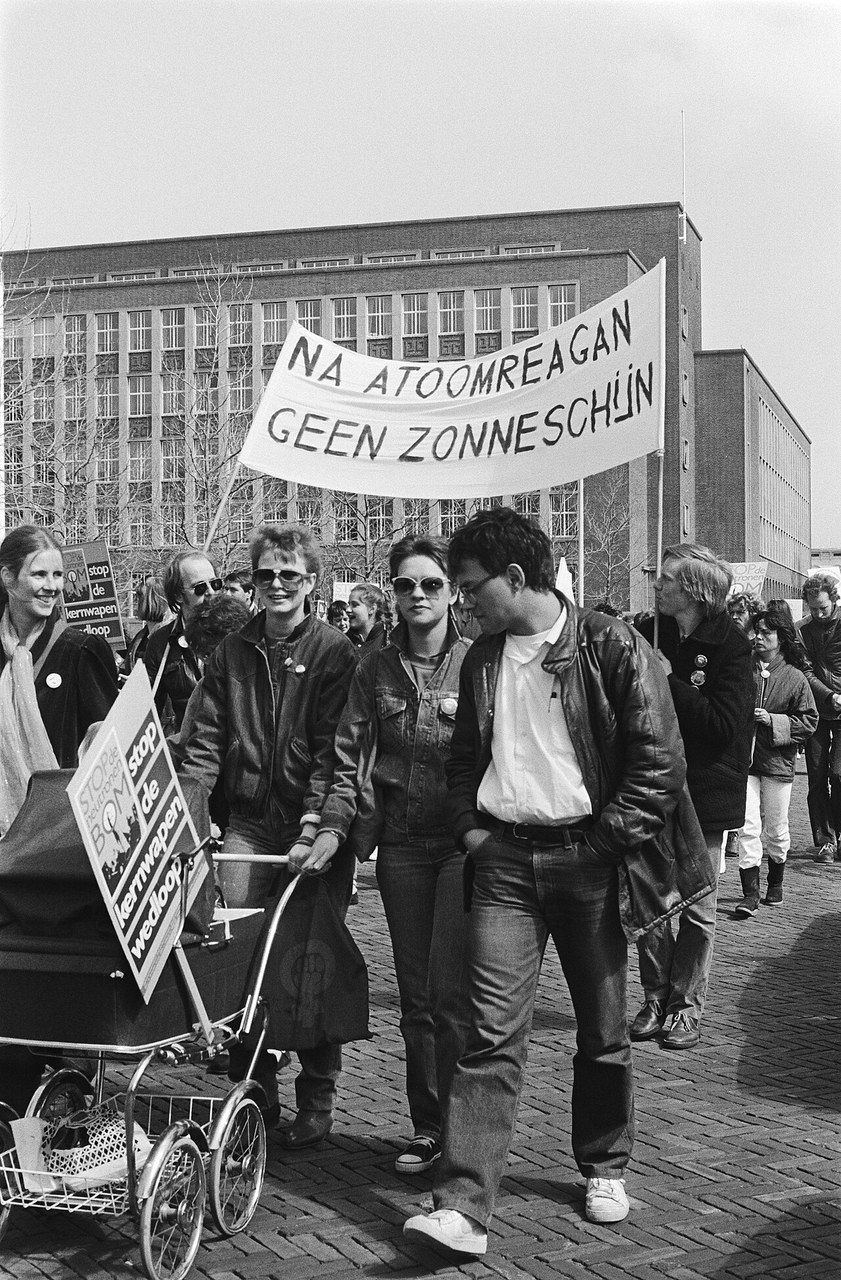
In the Netherlands in April 1982 marchers against nuclear weapons coined "atom-Reagan" (Name-calling) and carried a banner, "NATO soldiers against nuclear weapons", whose weight rests on who is speaking (Testimonial).
Not a protest item, the 1964 Johnson campaign "Daisy" ad uses a nuclear countdown to argue for a vote (Fear appeal).
What the collection does not hold
- Not here: WWI pacifist and conscientious-objector posters, WWII American isolationist posters, and British and other Western nuclear-disarmament posters of the 1950s and 1960s are not yet in the collection.
- No items from inside the Soviet Union or China arguing against their own governments' wars in the Vietnam War era are held.
- Photographs of marches show signs, not the committees' printed posters in most cases.
Sources and further reading
Sources
Each item carries its own source and rights note in the grid.
Each item carries its own source and rights note in the grid. Library of Congress Prints and Photographs Division (US News & World Report collection); US National Archives (USIA posters); Wikimedia Commons (Anefo, ADN-Zentralbild); Norwegian and French party material as cited per entry.