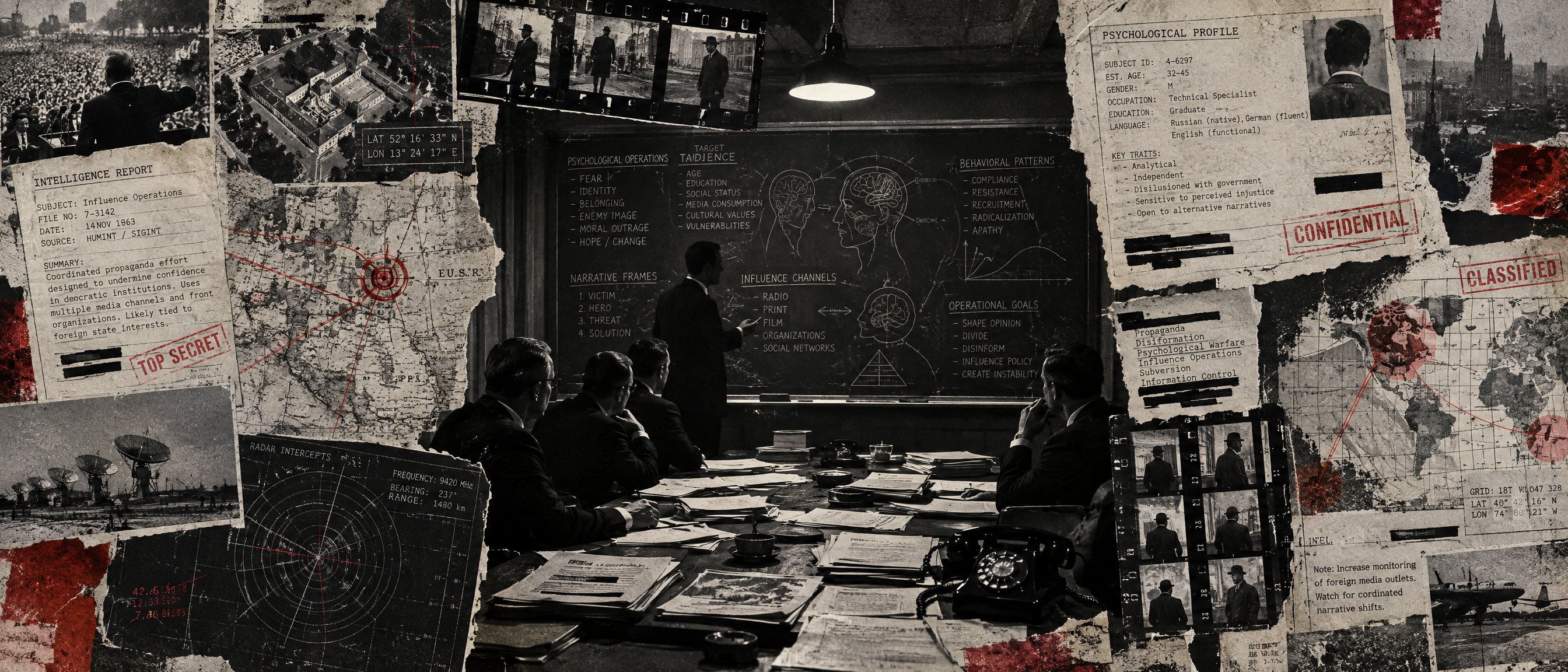
Content note. Some posters in this plan show an ape-like caricature of German soldiers under the epithet "Hun", a staged murder of a family, a burning village and a mass-election slogan from 1933. They are shown as issued, as evidence of what each audience was told. Showing a poster is not endorsing it. A teacher note on handling them is in the preparation section.
Short answer
A propaganda lesson plan teaches students to ask the same four questions of every poster: who issued it, who it was for, what it asks and which technique carries the ask. This plan runs three 50-minute sessions on real posters from the United States, Britain, Germany, the Soviet Union, Australia, Iran, China and Russia, and applies one definition to every side.
Aims and learning outcomes
By the end of the third session a student can:
Explain moreShow less
- State the archive's working definition of propaganda in their own words (how FRAME defines propaganda) and say why it covers every sponsor, democratic or not.
- Answer the four questions for a poster they have not seen before.
- Name a technique from the list of ten the archive teaches, and apply its "tell" and its "not this" test.
- Show that they apply the same test to a poster from the side they like and one from a side they do not.
The plan assumes ages 14 to 18 and no prior knowledge. It is built on the archive's own course (the ten lessons at /learn/course/, 76 minutes in all, a figure summed from course/lessons/*.yml) and on the technique pages. The posters come from a collection of 6,705 entries, 5,137 of them posters carrying 69 distinct country values, counted from the files in examples/entries/.
Preparation and materials
- Print the propaganda poster analysis worksheet, one per pair, plus the technique table from it.
- Print or project the posters listed below. Each has an object page in the collection with its holding institution, transcription and translation.
- Pre-read the three technique pages you teach most: transfer, bandwagon and fear appeal.
Show all 4Show fewer
- Teacher note on difficult images. Tell the class first that the sheets are shown complete and that analysing a poster is not agreeing with it. Offer students the choice of a text-only variant (the transcription on each object page) for the graphic items. Do not replace an item with a milder one from only one side, since the point is a common standard.
Session 1: who made it, for whom, asking what? (50 minutes)
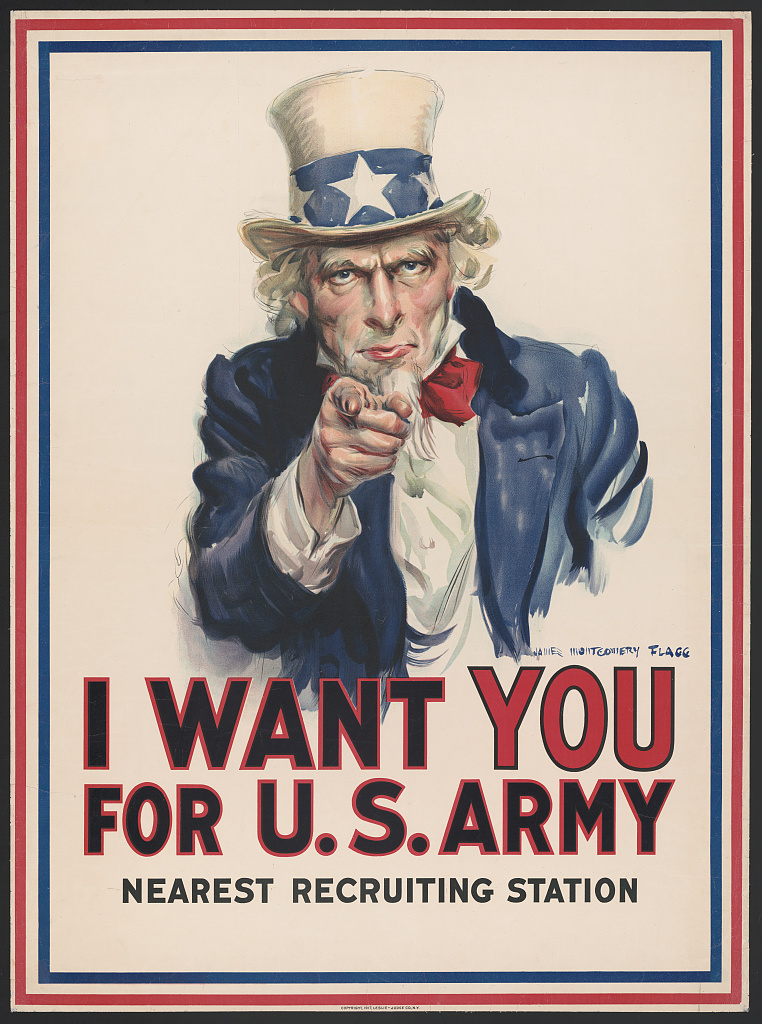
Starter. James Montgomery Flagg's 1917 U.S. Army poster: the archive's entry reads the national personification as making the request, so the nation's standing replaces any case for enlisting.
Explain moreShow less
| Minutes | Activity |
|---|---|
| 0 to 10 | Starter: show the poster below with no caption. Students write what they see, then what they think it wants. |
| 10 to 20 | Teach the definition and the four questions. |
| 20 to 40 | Gallery walk: pairs complete the four questions for five posters. |
| 40 to 50 | Share-out and exit ticket. |
Gallery walk set, five sides in one set:
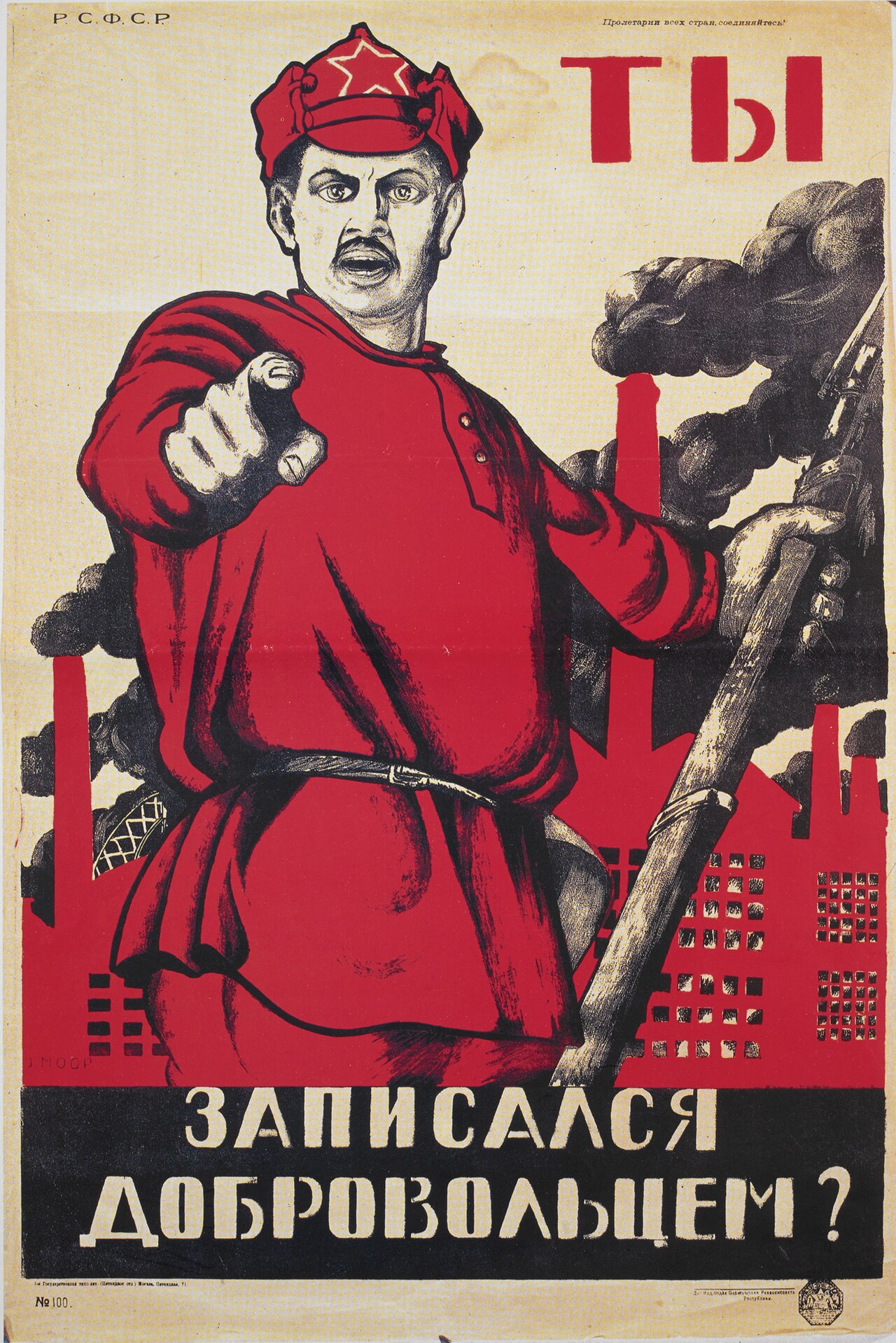
Station A, Russian Soviet Federative Socialist Republic, June 1920. Dmitry Moor's Red Army recruitment poster uses the same pointing pose. Ask: what matches the U.S. sheet, what differs, and who is "you"?
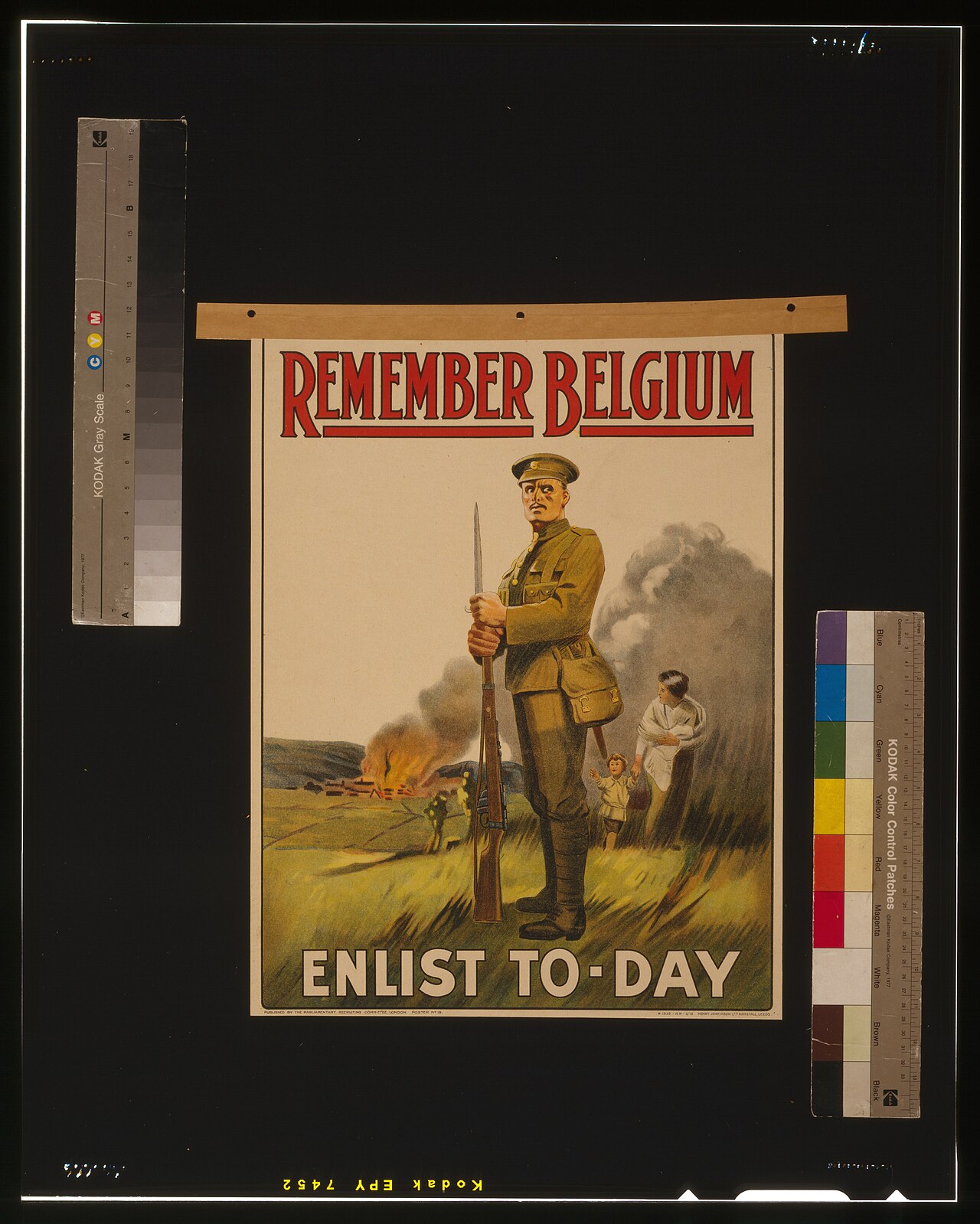
Station B, United Kingdom, 1915. The Parliamentary Recruiting Committee's Poster No. 19. The entry says the 1914 atrocity reporting behind it was real and documented; the method earns the fear-appeal tag: one silhouette, one remedy.
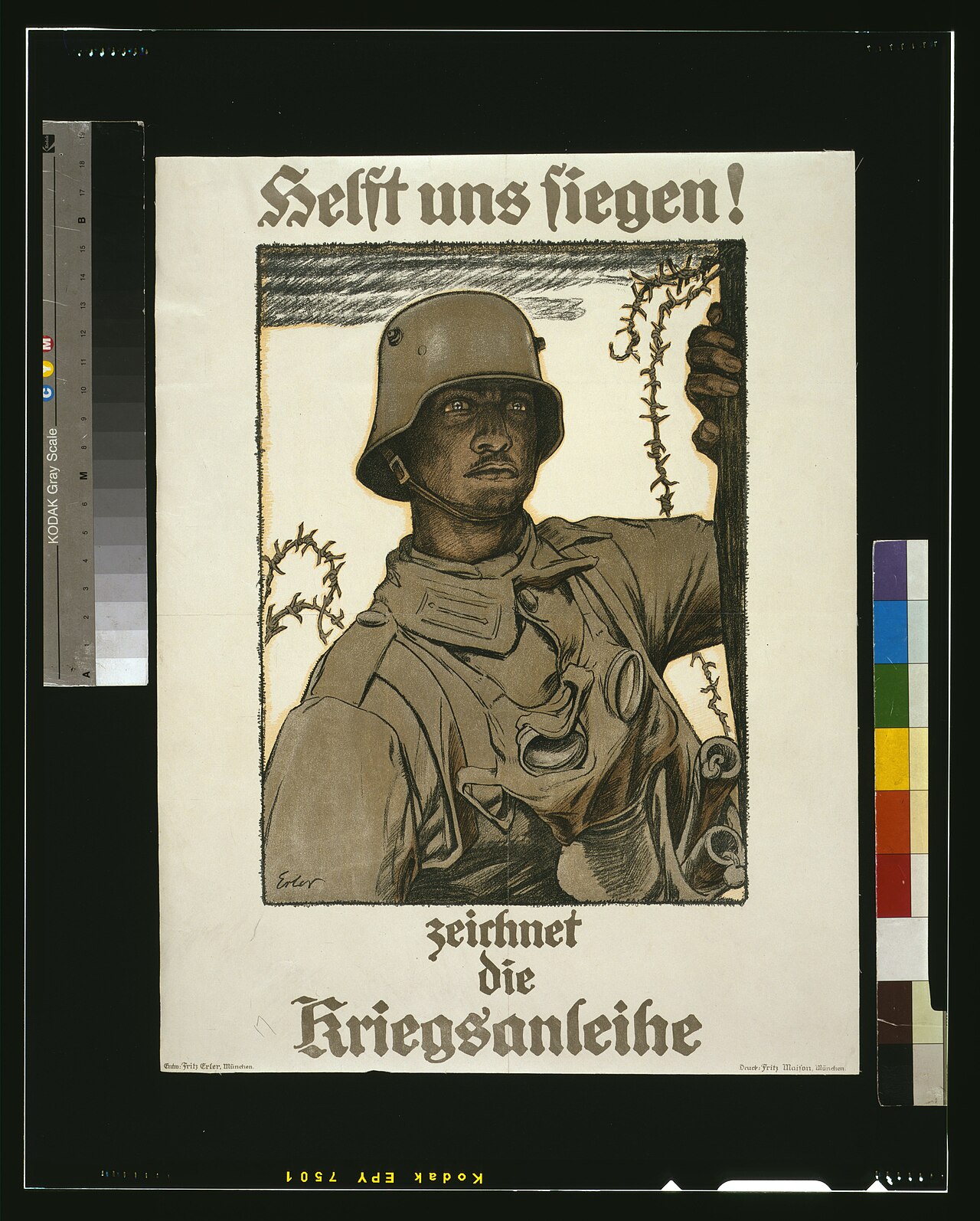
Station C, German Empire, 1917. Fritz Erler's war-bond poster. Ask: is it requesting money or service, and how does that change the audience?
Station D, Australia, 1943. Maurice Bramley's poster for the Department of National Service shows six women in service uniforms under "Join us"; the line-up of women who have already joined is the appeal.
Station E, United Kingdom, 1915. Savile Lumley's "Daddy, what did YOU do in the Great War?" for the same committee as Station B stages future shame in front of one's own children, not the enemy.
Exit ticket 1 (5 minutes, individual).
- Which of the five posters asks for the most from the viewer, and what does it ask?
- Name one thing a poster does not tell you that you would need to check.
Session 2: ten techniques, one test (50 minutes)
The archive's course teaches ten techniques in three units, each lesson ending with a real archive object. Six go into a jigsaw; the other four are homework or extension.
Explain moreShow less
| Technique | Course lesson | Poster pair (different sides) |
|---|---|---|
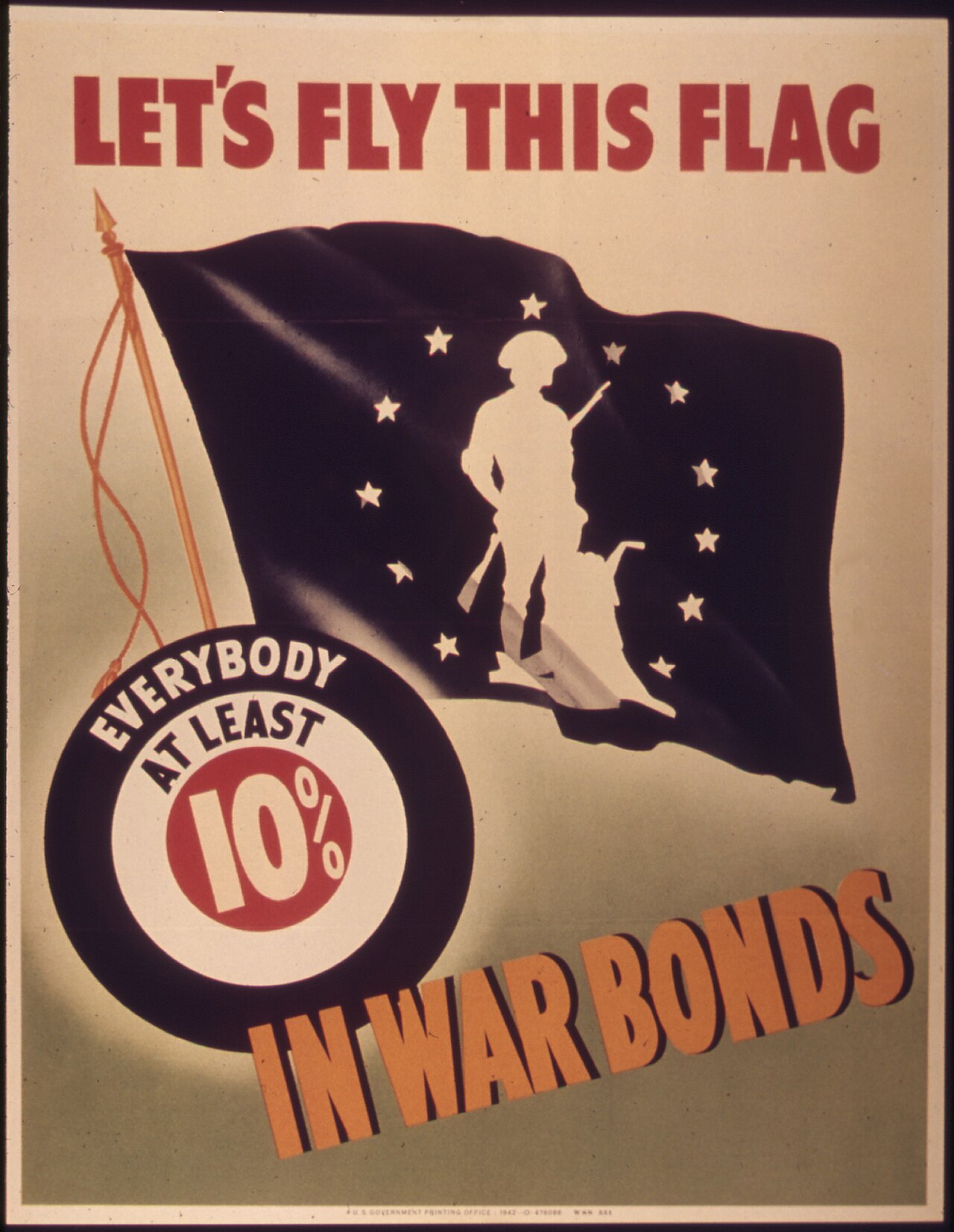
| Bandwagon | lesson | Let's Fly This Flag (U.S.) and Join us (Australia) |
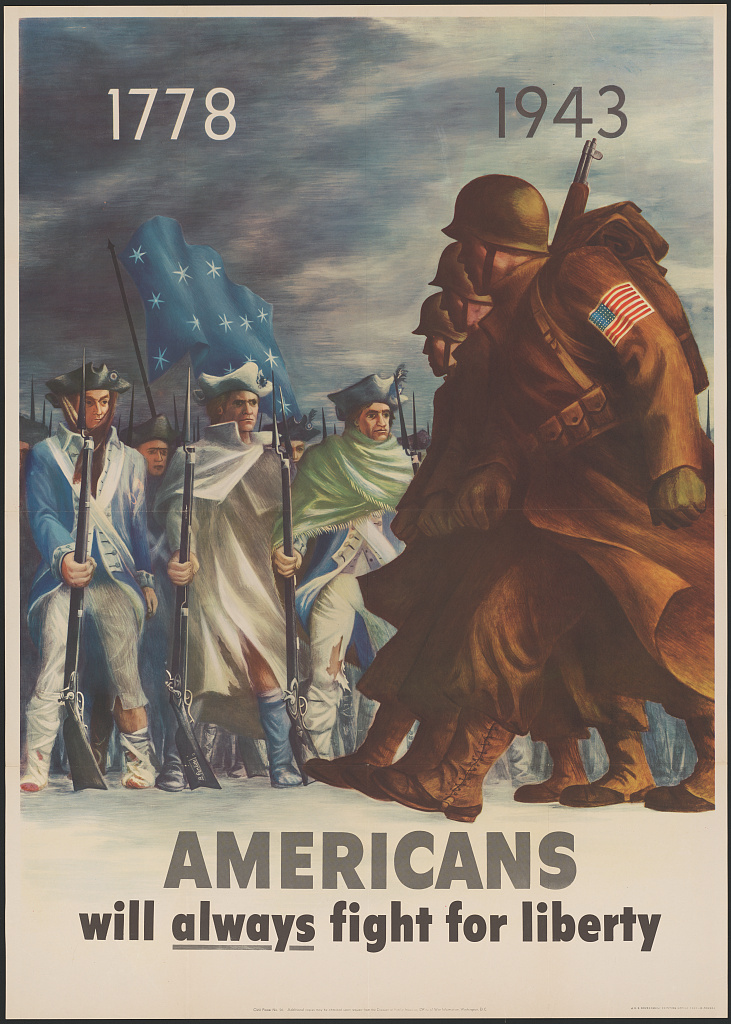
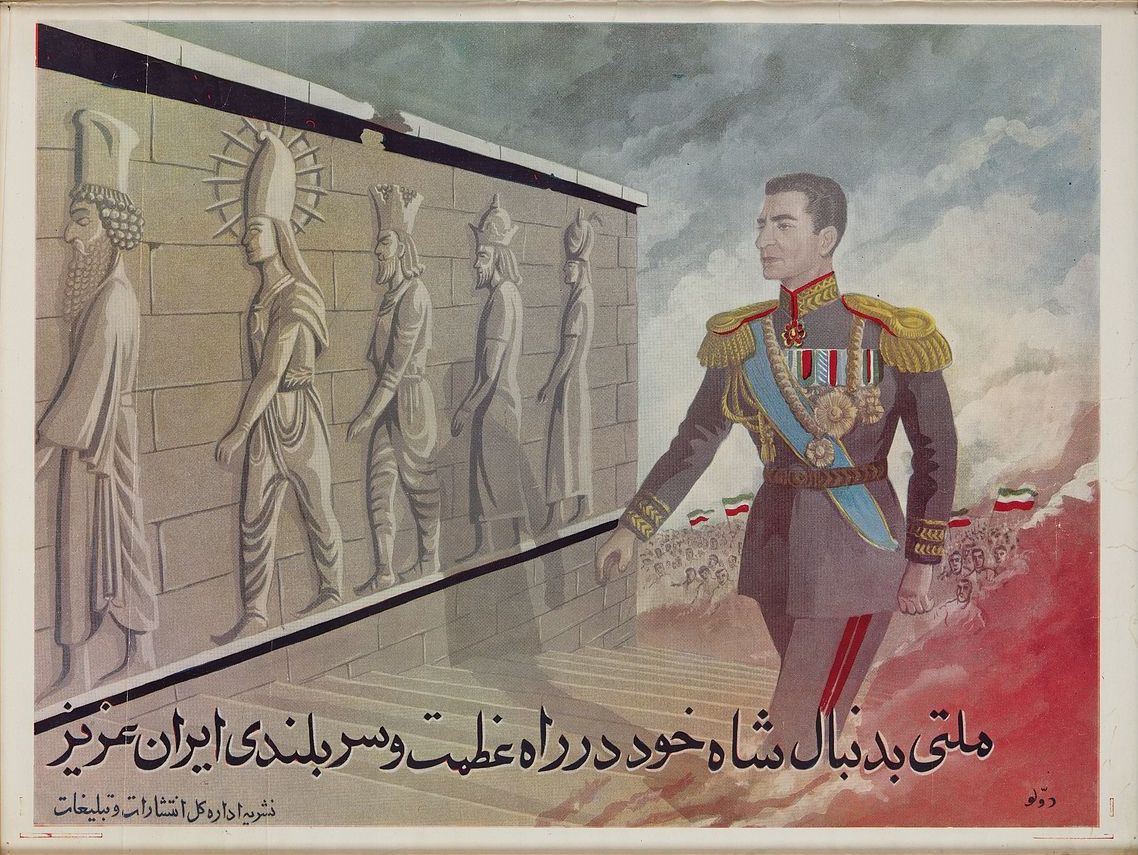
| Transfer | lesson | Americans Will Always Fight for Liberty (U.S.) and A Nation Following Its Shah (Iran) |
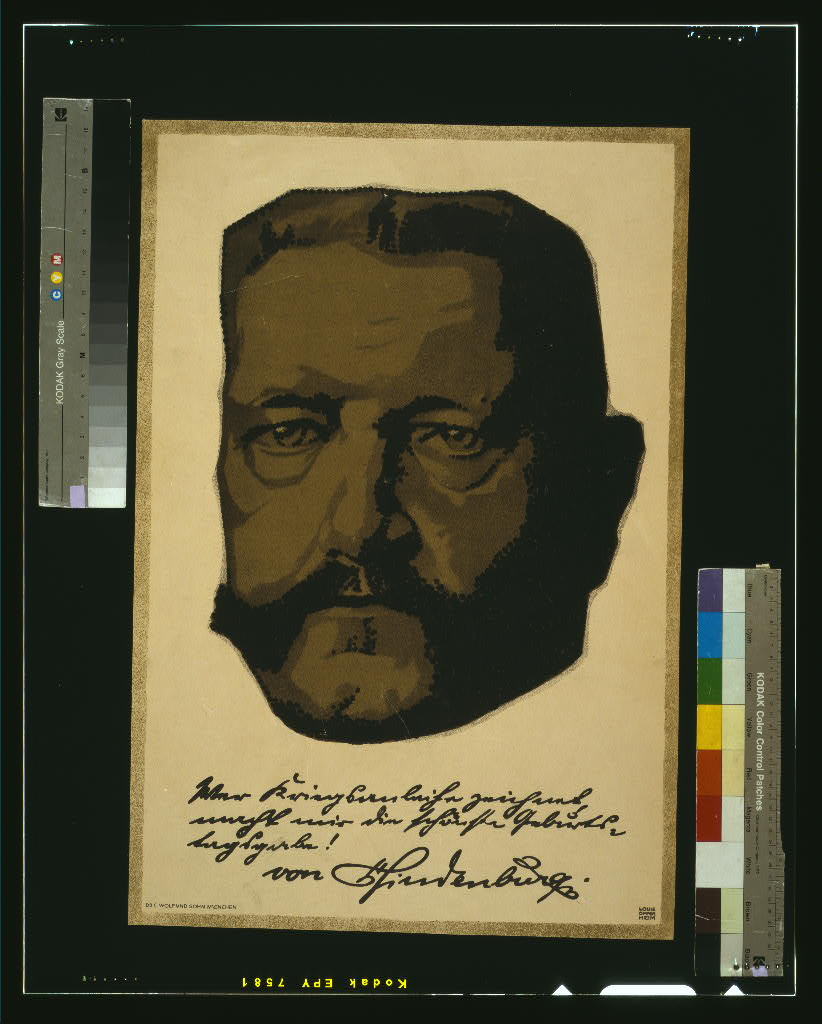
| Testimonial | lesson | Hindenburg birthday poster (Germany) and Pershing Says (U.S.) |
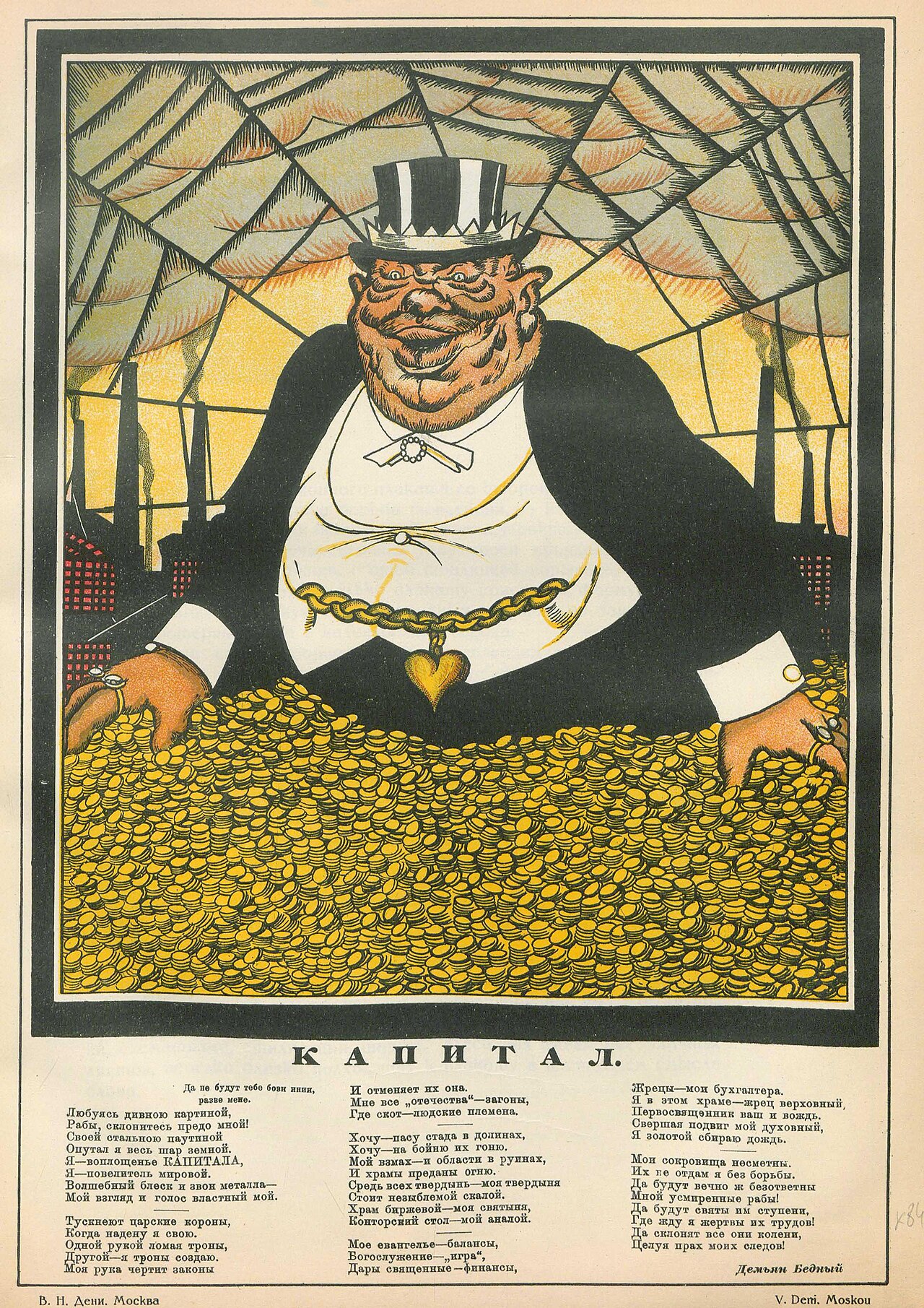
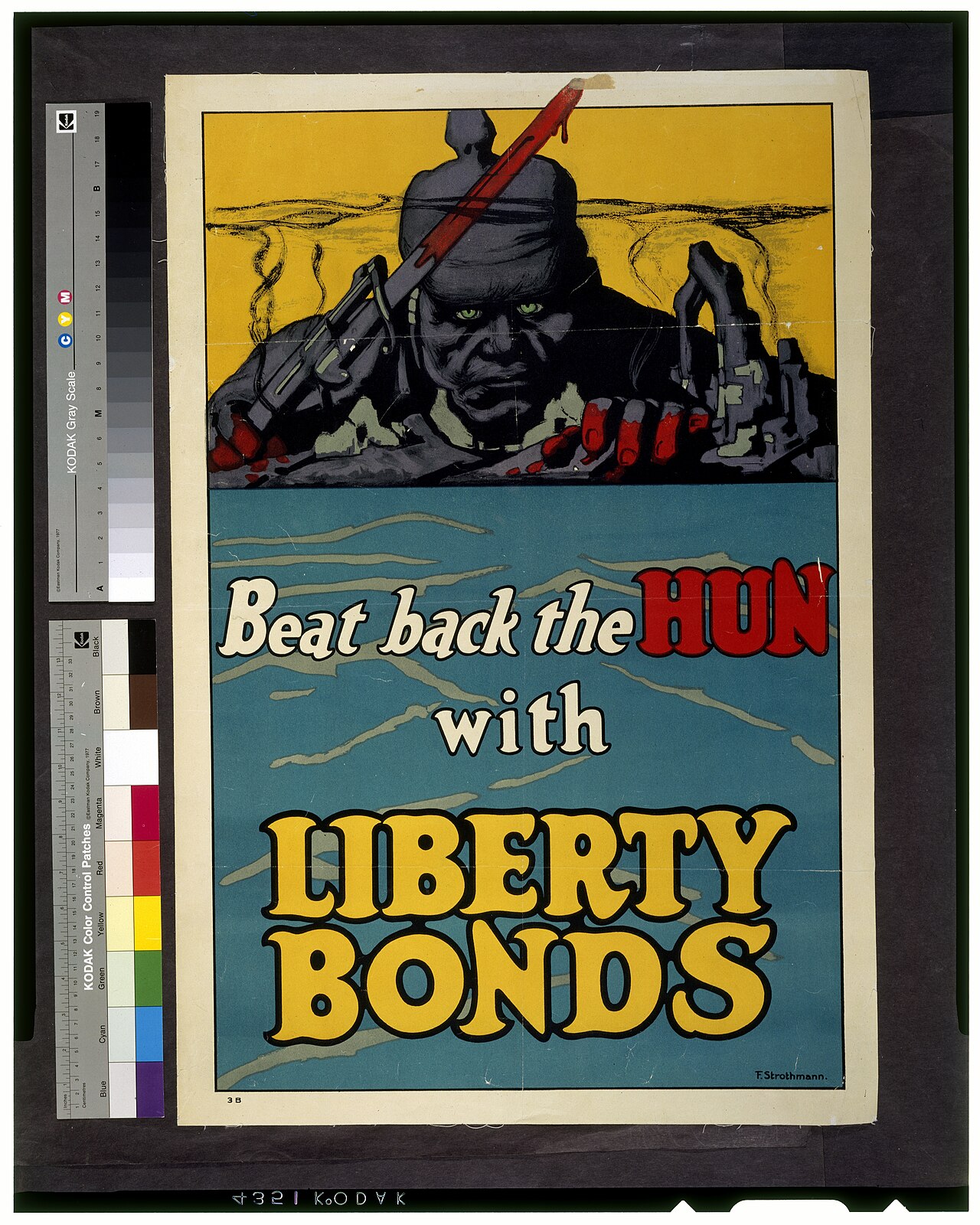
| Name-calling | lesson | Kapital (Soviet Russia) and Beat Back the Hun (U.S.) |
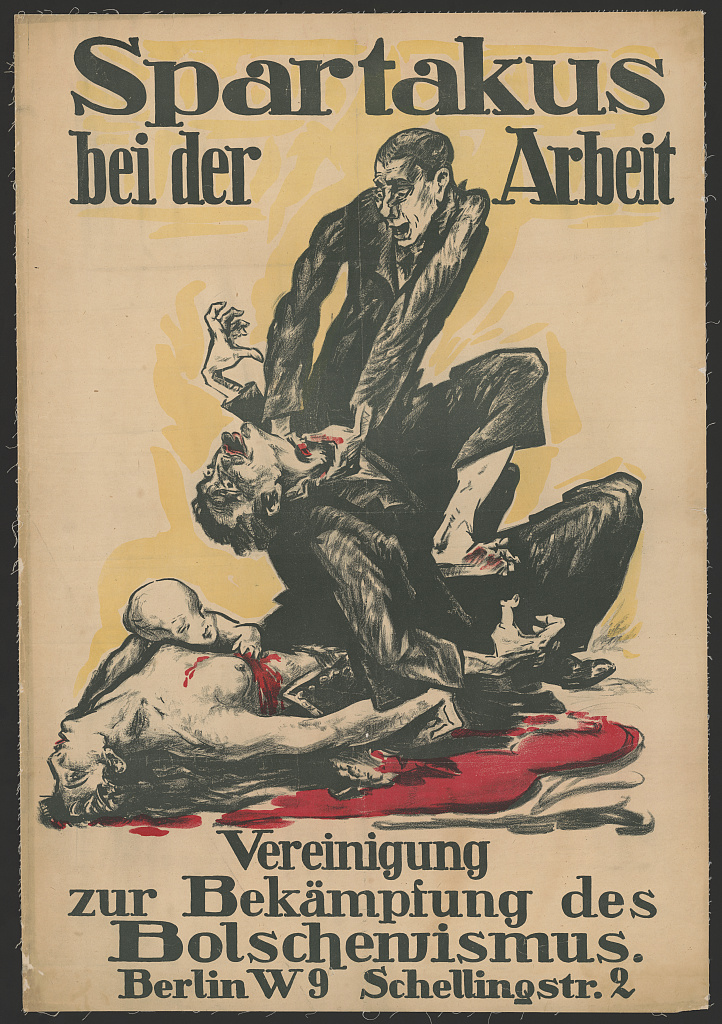
| Fear appeal | lesson | Spartakus bei der Arbeit (Germany) and Daddy, what did YOU do (U.K.) |
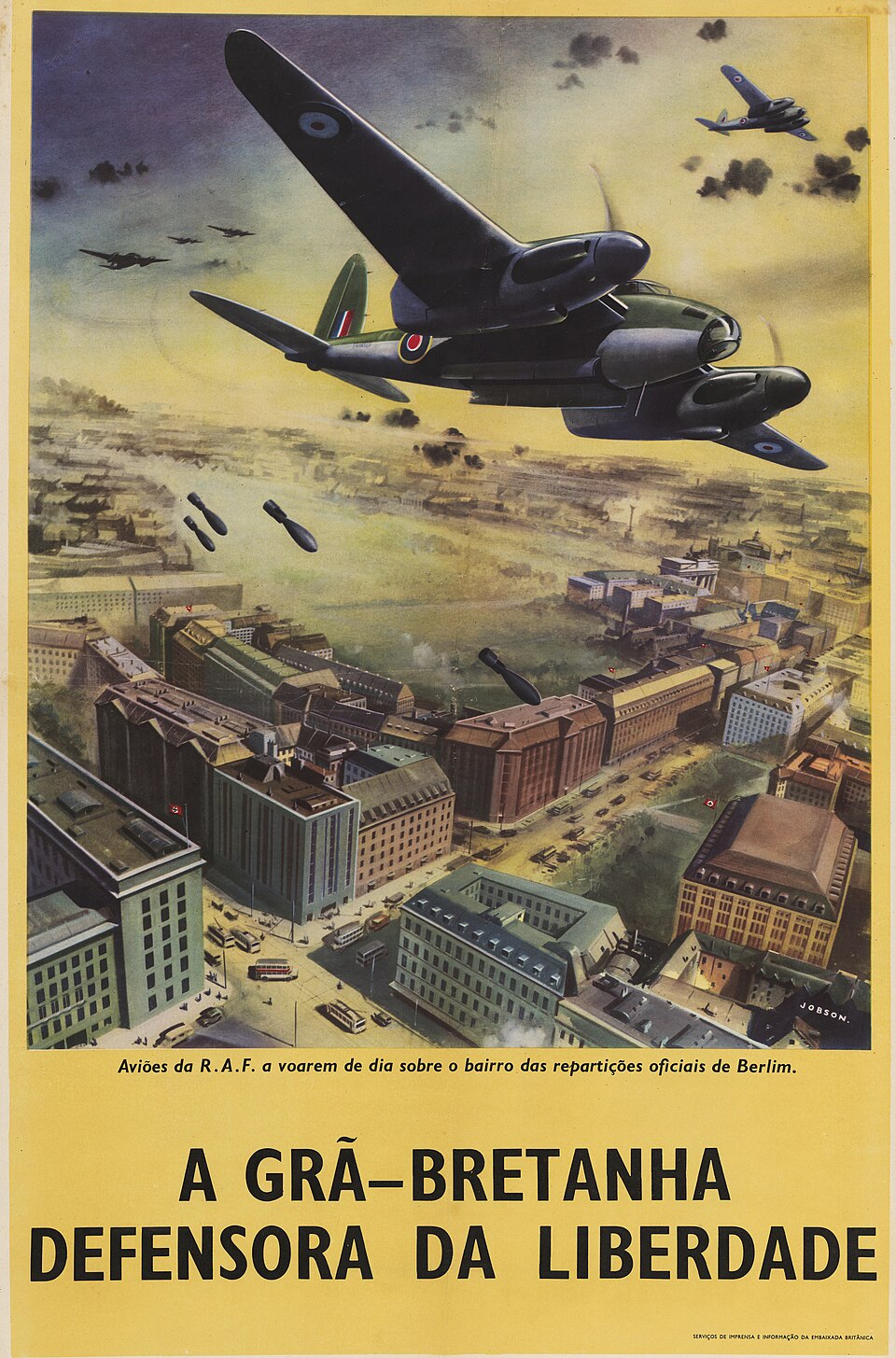
| Glittering generalities | lesson | Britain, Defender of Liberty (U.K., in Portuguese) and Core Socialist Values (China) |
Extension and homework: card stacking, identity fusion, plain folks and scapegoating.
| Minutes | Activity |
|---|---|
| 0 to 8 | Starter: the "cover it" test. Cover the symbol, number or label on a poster and ask whether an argument is left. |
| 8 to 25 | Expert groups of three read one technique page and apply its tell and "not this" to their poster pair. |
| 25 to 42 | Mixed groups: each expert teaches the technique with both posters. |
| 42 to 50 | Exit ticket 2. |
Bandwagon. The U.S. Treasury poster ties a flag to a quota: the whole shop is expected to take part, and the individual is given no reason about the bonds themselves. The Australian poster from Session 1 does the same with a line of women who have joined. The technique's "not this" is reporting a real majority as a political fact.
Transfer. The Office of War Information's Poster No. 26 (artist Bernard Perlin, 1943) lends the prestige of the Revolutionary War to the present one. Pair it with Iran's poster of about 1965, which sets the Shah beside a Persepolis relief.
Both are state publications borrowing an older symbol's standing. Students state the shared mechanism before discussing differences in regime and context.
Testimonial. The 1917 German sheet rests on Hindenburg's signature and gives no figures about the loan. The AEF's 1918 "Pershing Says" poster for supply troops does the same with a commander's praise.
Name-calling. Viktor Deni's 1919 poster (verse by Demyan Bedny) makes one body stand for a whole class. The U.S. Liberty Loan sheet below uses an epithet for a nation.
The entry records "the Hun" as a standard Allied wartime label for Germans, replacing any specific claim here. Run the test on both: remove the label and ask what claim is left.
Fear appeal. The 1919 German anti-Bolshevik sheet names no incident, place or date, and makes one political faction the author of a generic family murder. Compare it with the dated, sourced warning that the technique page sets aside as "not this".
Glittering generalities. A British embassy poster in Portuguese puts a virtue word over a picture of a bombing raid and carries the whole argument. China's 2020 Puding County billboard lists twelve virtue words under the title Core Socialist Values.
Same test for both: swap the virtue word for a concrete measure and see whether the sentence survives.
Exit ticket 2. Which technique have you seen on both a poster you like and a poster you dislike? Write the pair.
Session 3: apply it, then assess (50 minutes)
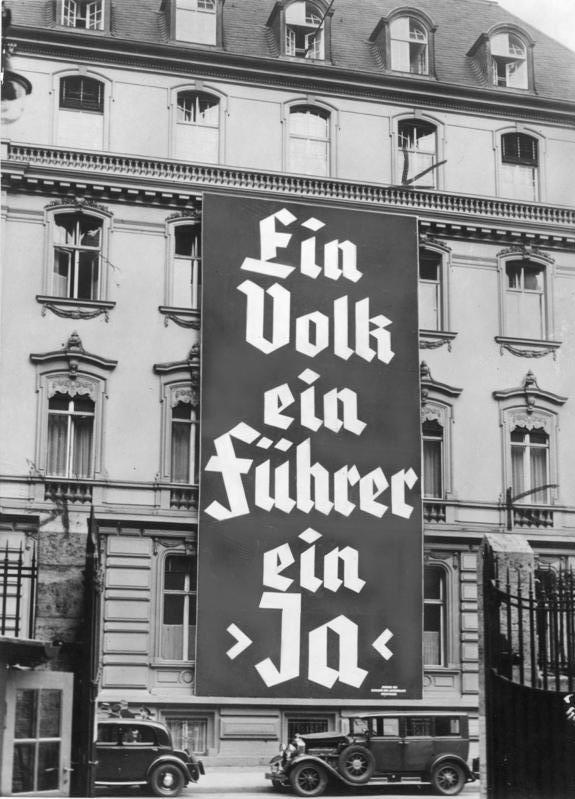
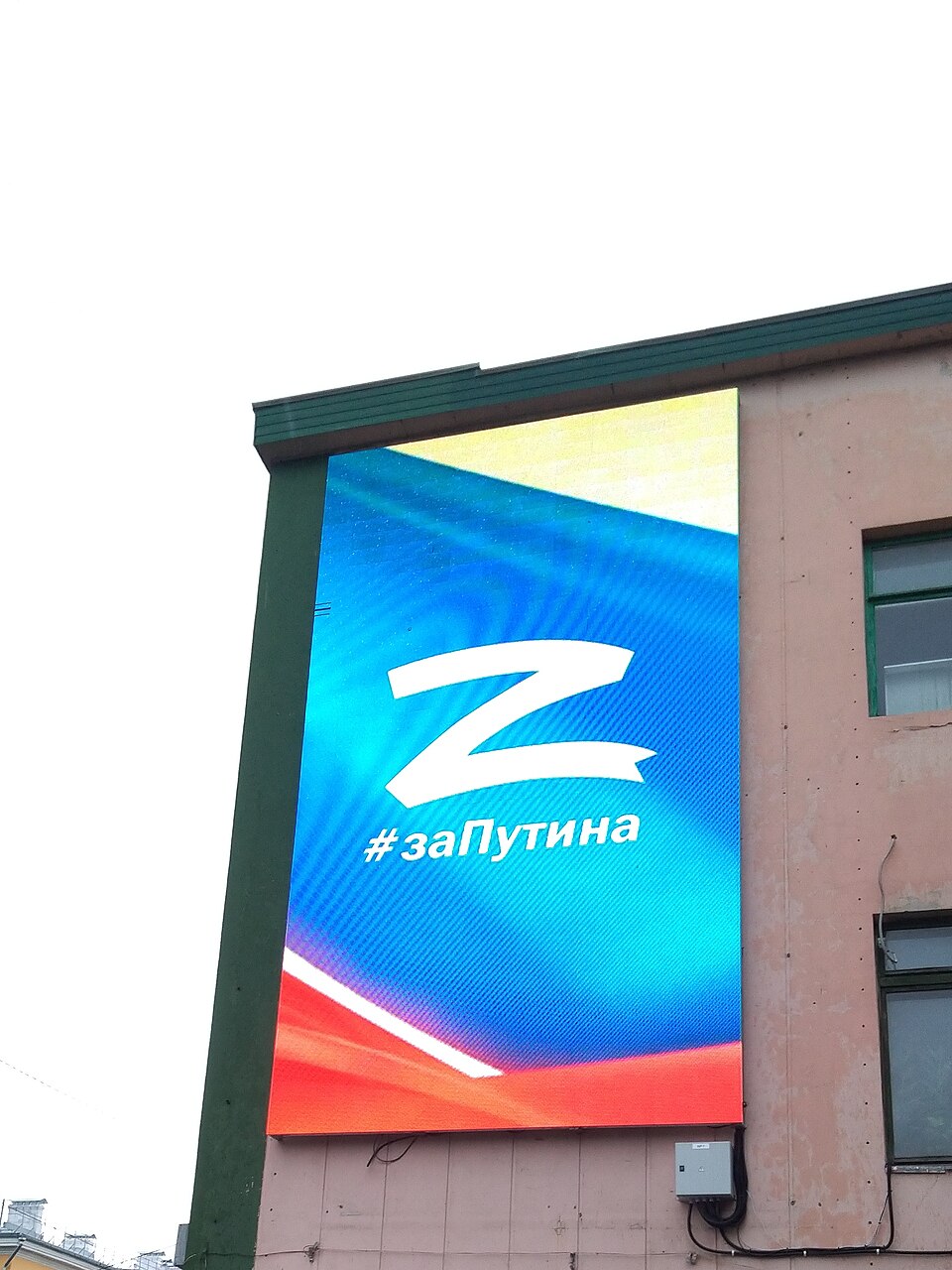
Choice set, one poster per side:

Explain moreShow less
| Minutes | Activity |
|---|---|
| 0 to 5 | Recap: the four questions and the "cover it" test. |
| 5 to 15 | Modelled analysis of one poster, teacher thinking aloud. |
| 15 to 40 | Independent task: complete the worksheet for one unseen poster from the choice set, then swap and check a partner's. |
| 40 to 50 | Exit ticket 3 and reflection. |
Germany, 1933. A banner for the single-list election and referendum of 12 November 1933; the entry reads it as equating nation, leader and the only acceptable answer (identity fusion).
Russia, 2022. An LED billboard from the pro-war "Z" campaign, operator unidentified. The entry notes display of the symbol is restricted by law in some countries.
United States, 1943. The Westinghouse poster, tagged glittering generalities and plain folks. The entry says it was an internal motivational poster later adopted as an emblem of wartime women's labour, a prompt about how use changes after issue.
German Empire, 1917. "Die beste Sparkasse: Kriegsanleihe!", a war-loan poster whose superlative comes with no rate, term or comparison (card stacking).
Exit ticket 3 (reflection, 5 minutes).
- Pick the poster you found most persuasive. Which technique did it use?
- Would you have given the same label if the other side had issued it? Explain.
- What would you need to check to know whether its claim is true?
Assessment rubric
Mark the independent task out of 12 using the grid. The last row carries the "same standard" outcome and should never be waived.
Explain moreShow less
| Criterion | 3 secure | 2 developing | 1 beginning |
|---|---|---|---|
| Four questions | All four answered from the poster and its entry | Three answered, one vague | One or two answered |
| Technique | Names a technique and quotes the tell from the poster | Names a technique, no evidence | Names a feeling, not a technique |
| What is missing | Names a specific thing to check | General ("it is one-sided") | Missing |
| Same standard | Says whether they would label an opposing-side poster the same way, with a reason | Notes the issue, no reason | Judges by side |
Differentiation
- Support. Give the four questions only, with sentence starters ("The poster was issued by... for..."). Let students use the translation printed on each object page for the non-English posters.
- Extension. Set the four remaining course lessons as homework. Ask students to find one poster in the collection where two techniques apply and defend the choice.
- Short on time. Merge Sessions 2 and 3 by teaching only transfer, bandwagon and fear appeal, which the recruiting posters page also covers.
Show all 4Show fewer
- Sensitive classes. Use the text-only transcription for the graphic items and keep the Kapital and Hun sheets as a matched pair so neither side is singled out.