Content note. A few examples are shown as issued, including racial and ethnic caricatures and slurs, a Nazi SS brochure and a German antisemitic weekly. A technique name is a description of how a message works, not a verdict on its sender or cause.
What are the main propaganda techniques?
Propaganda techniques are repeatable methods of persuasion that work through feeling, identity or selective evidence instead of argument. FRAME's taxonomy lists 42 in four families: classical (13), rhetorical (12), operational (11) and computational (6). Each entry below gives a one-line definition, a cue for spotting it, and one real archive image, linked to its full technique page.
How this list is built
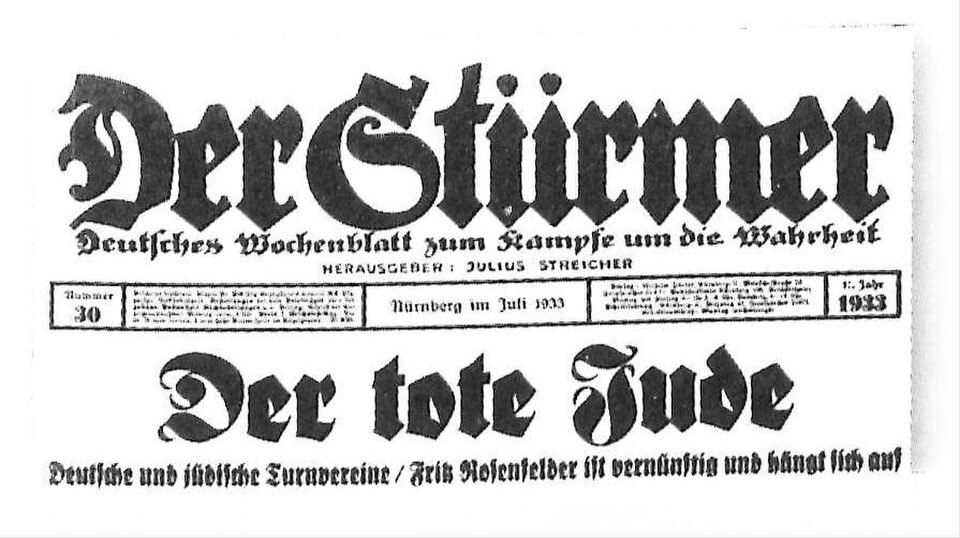
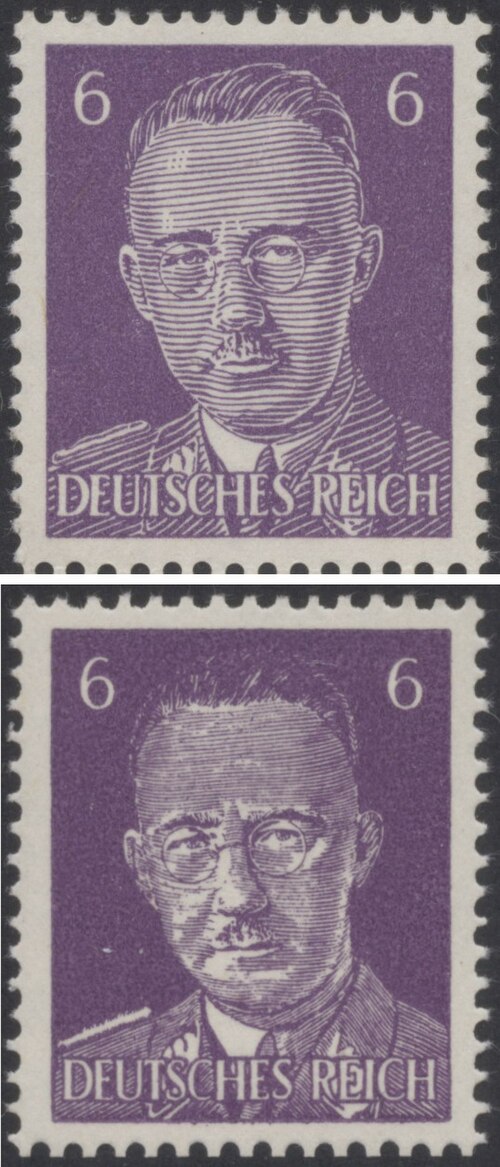
Each technique keeps one definition and one "not this" boundary for every side, so the same test covers Allied, Axis, Soviet, American and present-day material. The counts above come from the archive's technique list, and the entry totals from its 6,705 tagged entries, both computed by script. The collection holds 4,534 American entries, far more than any other country, so how often a country appears here reflects what the archive has found and can host, not who used a technique most. Four techniques have no tagged entry yet (motte and bailey, corpus poisoning, overton shift, dog whistle); their pictures, and the dog-whistle picture of a Nazi weekly shown for contrast because it states its message outright, come from the technique pages and illustrate the idea. For the wider picture, see types of propaganda.
Classical techniques (13)
These descend from the Institute for Propaganda Analysis's seven devices of 1937 and work on emotion, identity and selective evidence.
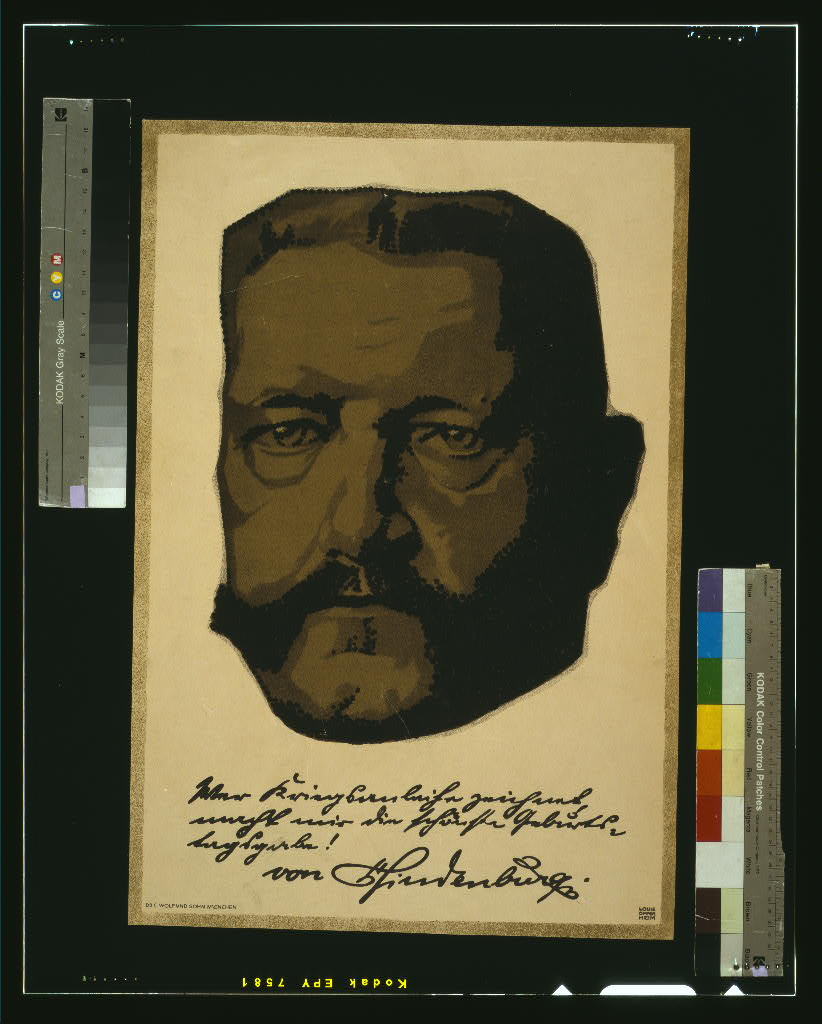
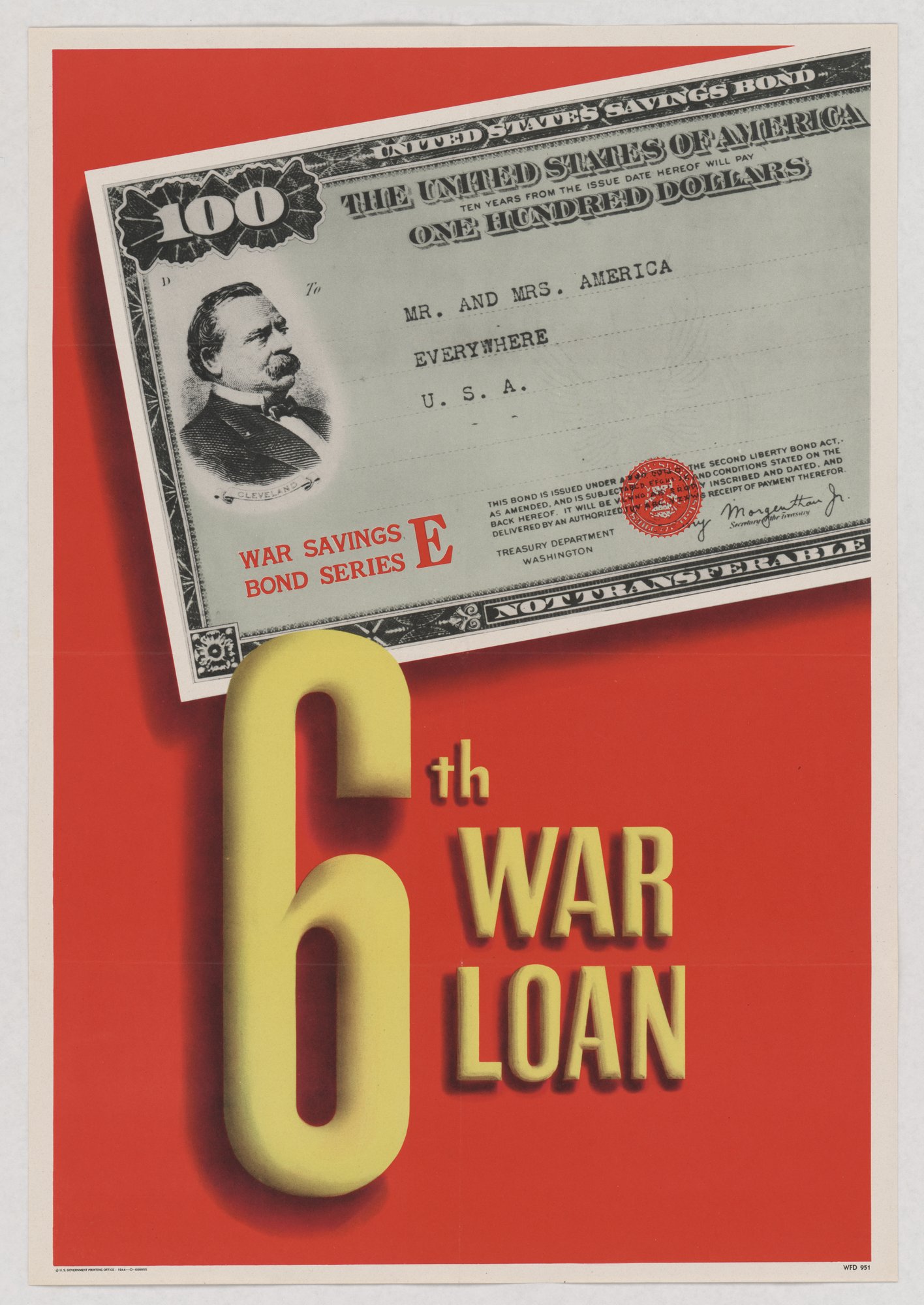
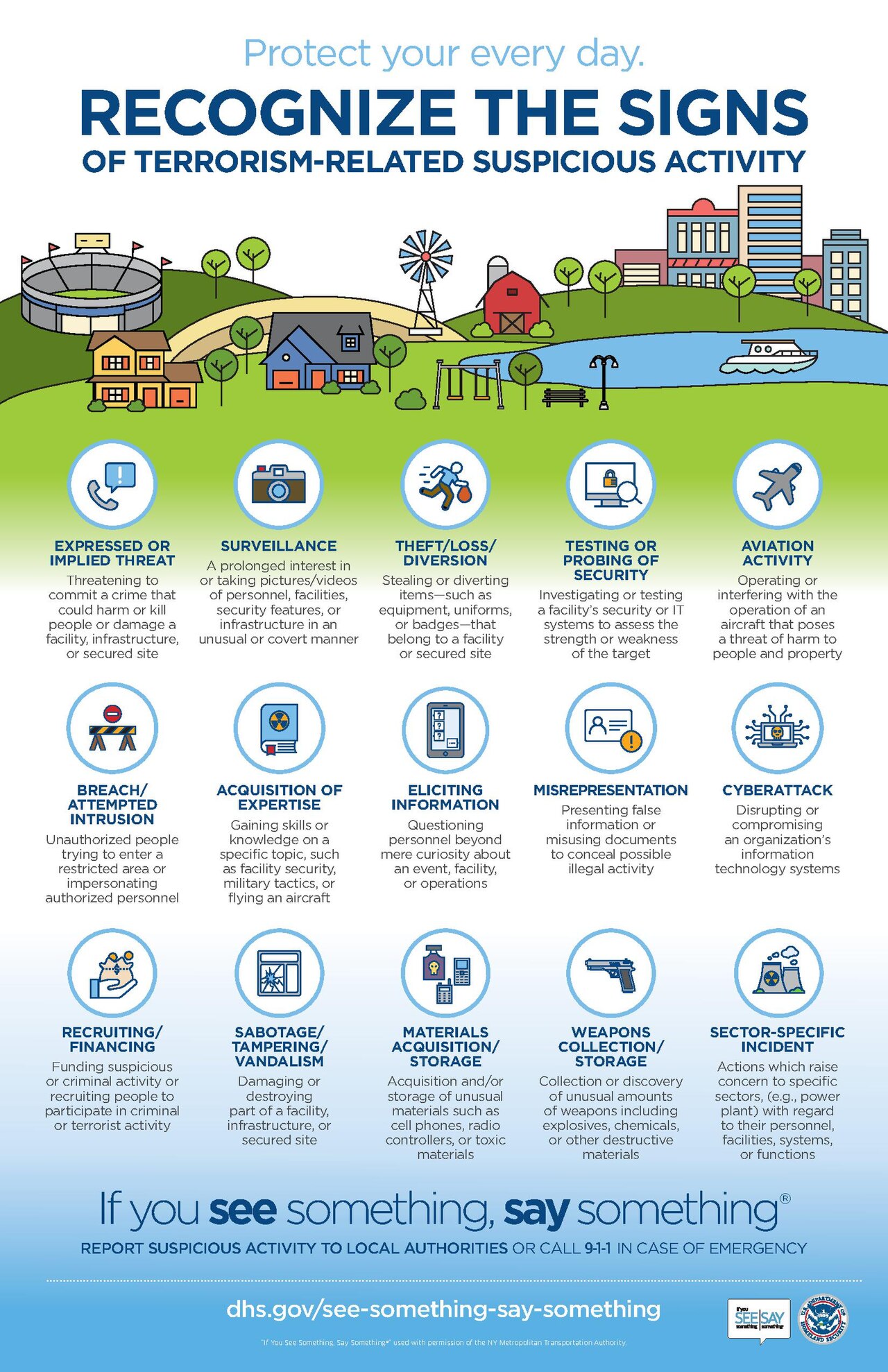
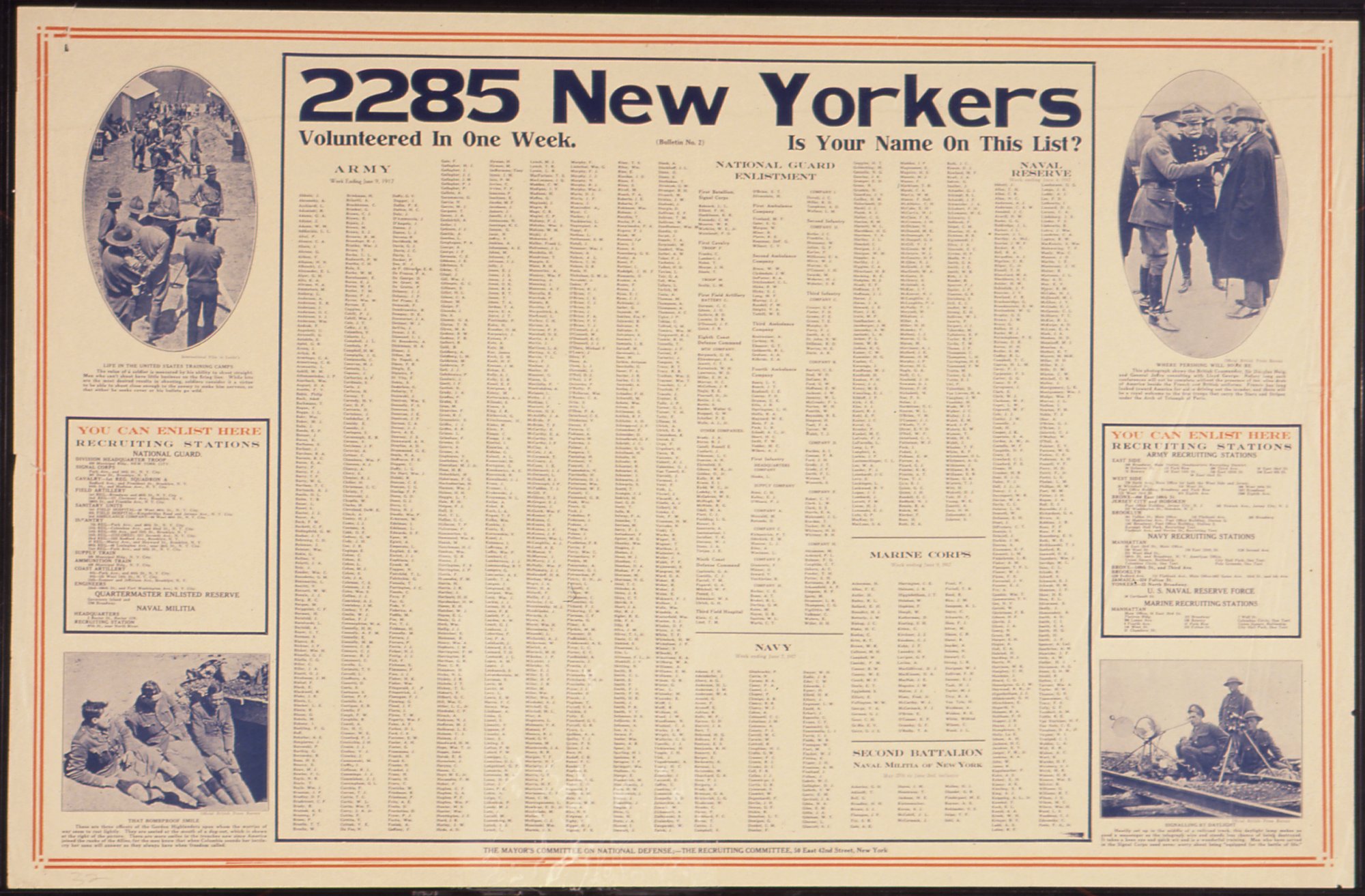



Explain moreShow less
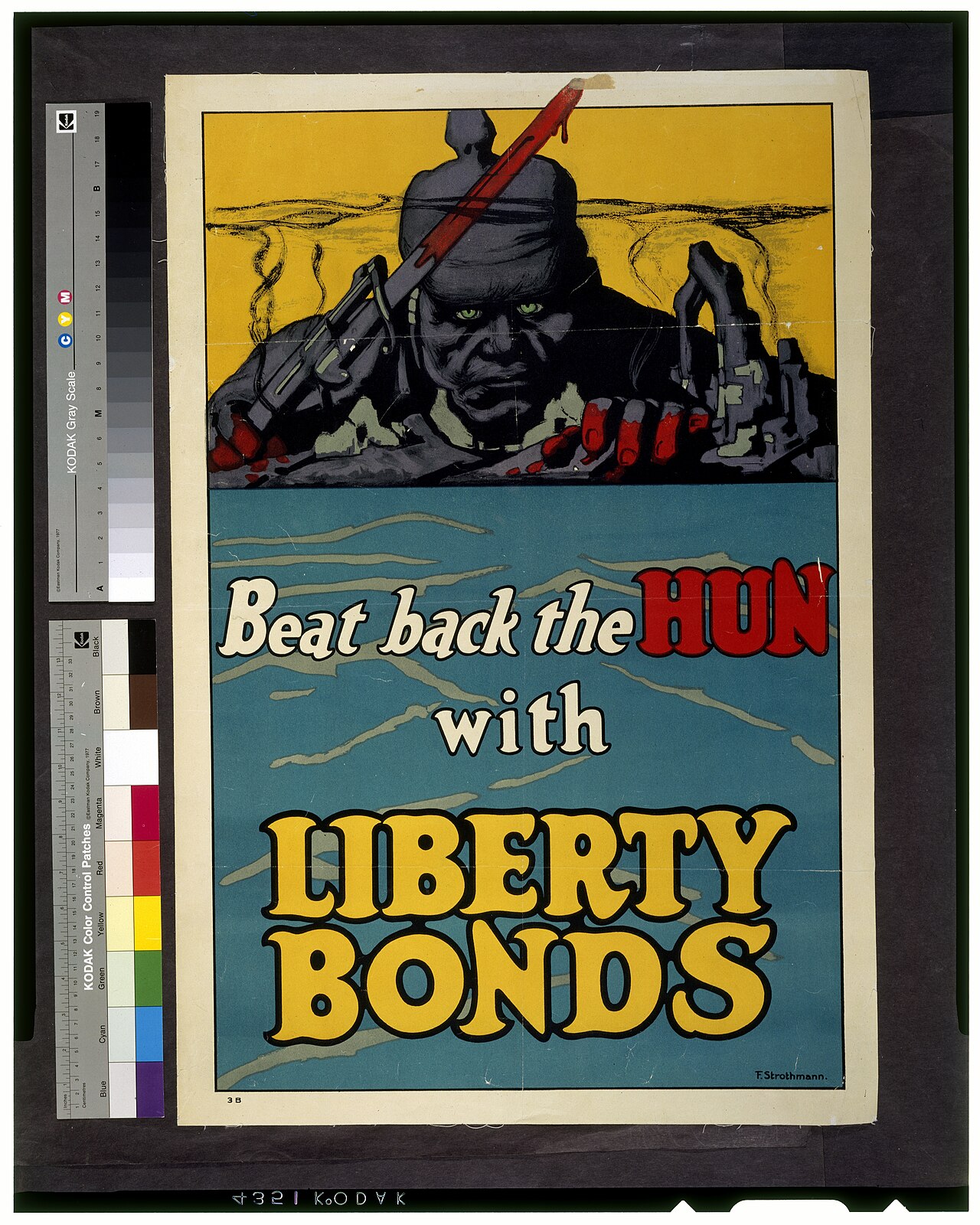
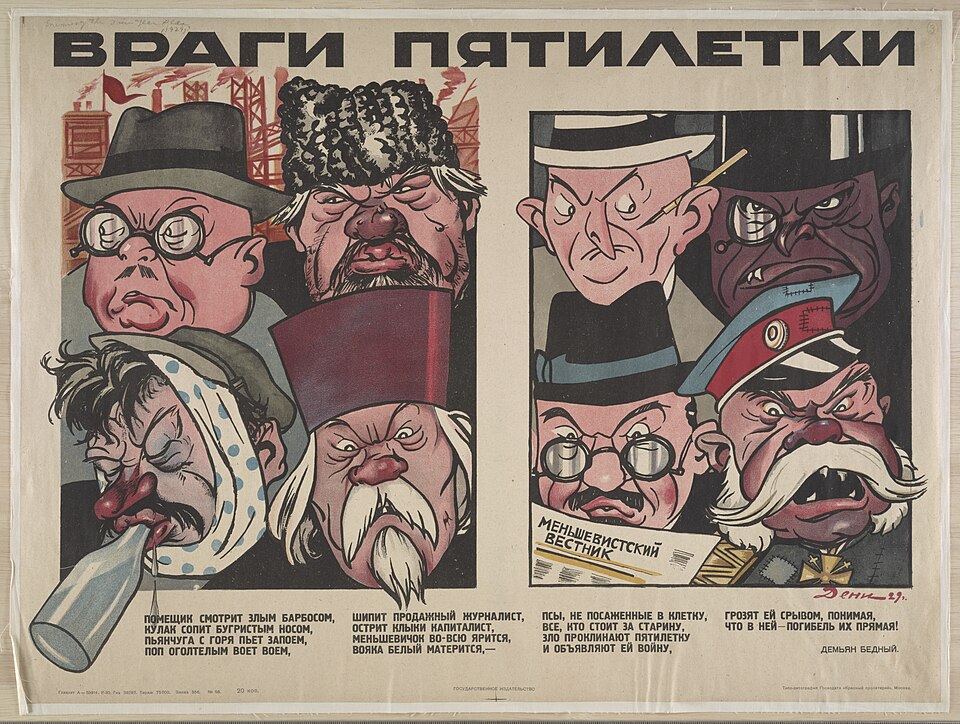
Name-calling. Attach a loaded label so the audience rejects the target without checking the claim. Spot it: The insult does the work; evidence is optional or arrives later as decoration.
Glittering generalities. Virtue words (freedom, security, the people, science) used as substitutes for a testable claim. Spot it: Swap the virtue word for a concrete metric and the sentence collapses.
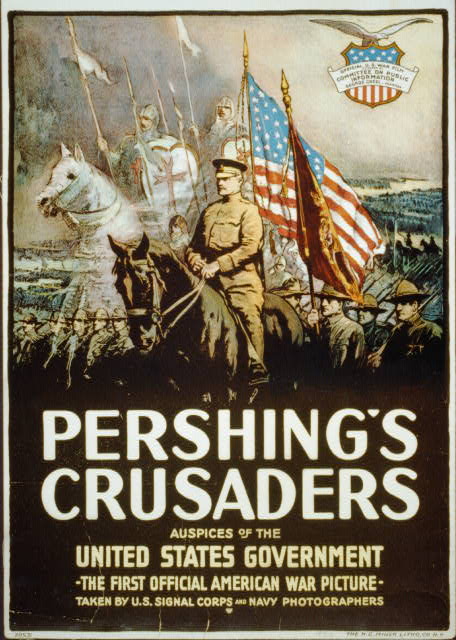
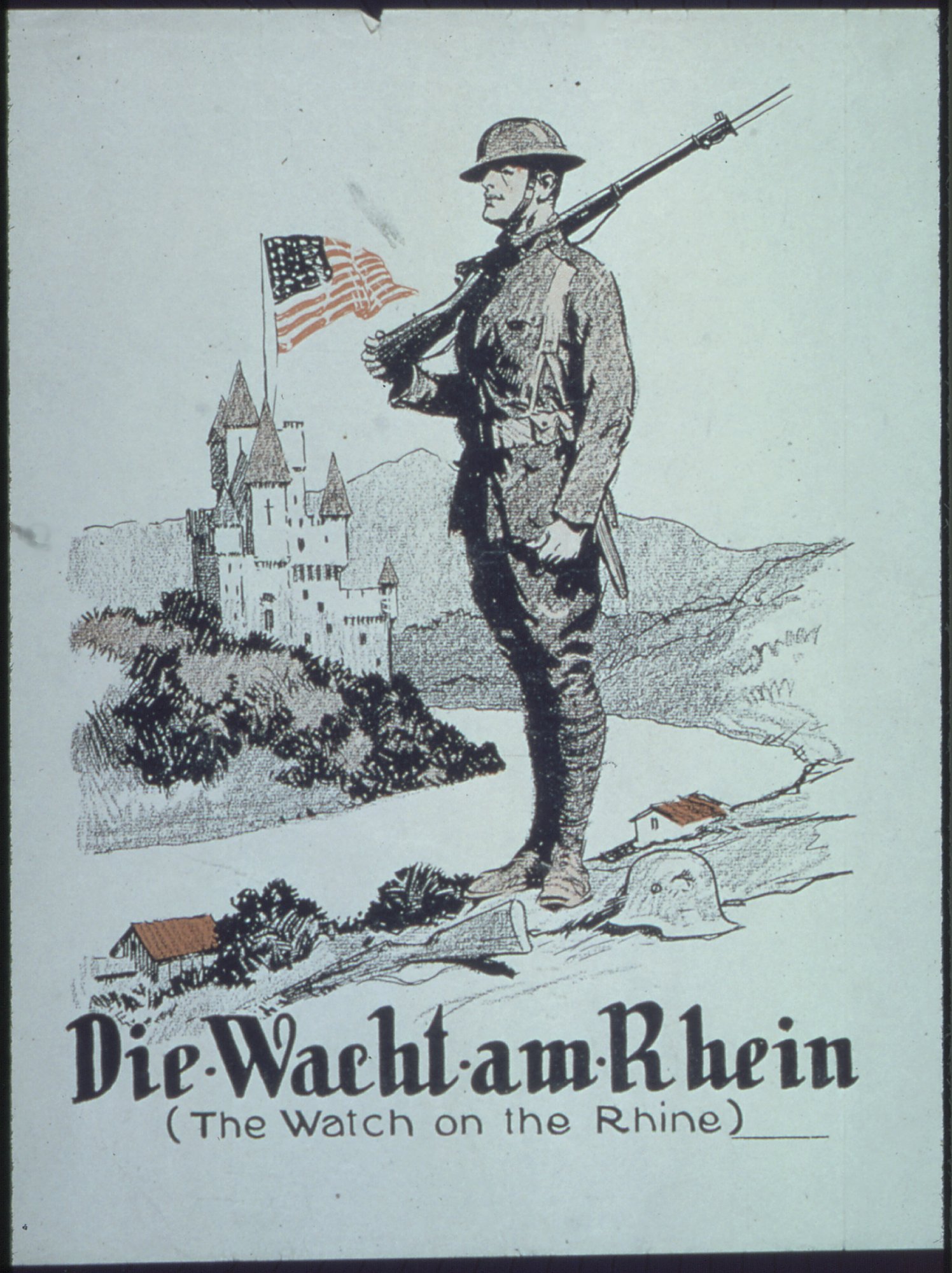
Transfer. Borrow prestige or stigma from a respected or hated symbol and paste it onto the message. Spot it: Flags, clergy, science-looking charts, or enemy uniforms doing rhetorical work the argument cannot.
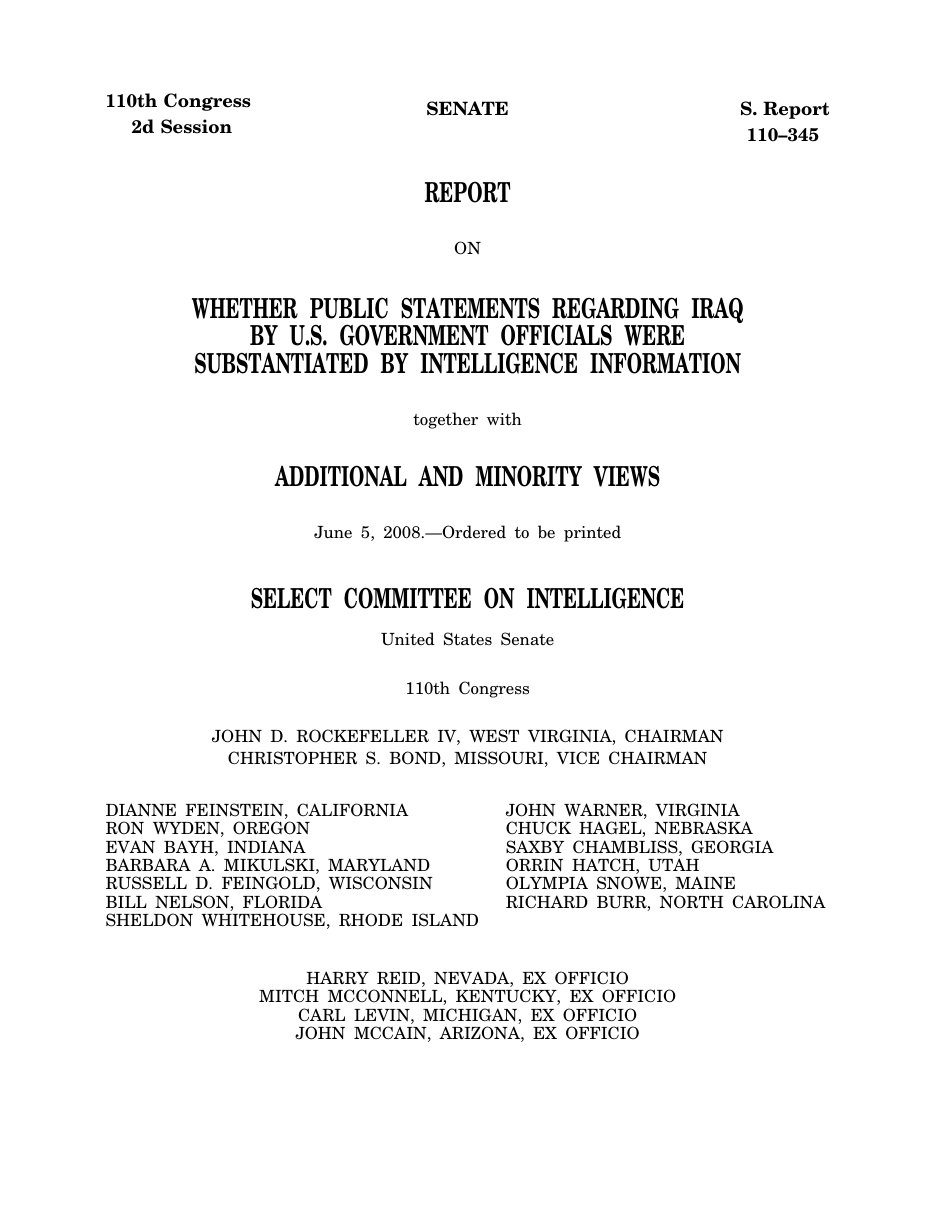
Testimonial. A named person or institution vouches; the vouch is meant to end checking. Spot it: Celebrity, clergy, or 'experts say' without the underlying data.
Plain folks. The speaker performs ordinary-person identity to make the message feel homegrown. Spot it: Costume, dialect, or 'as a mom/veteran/worker' as the warrant.
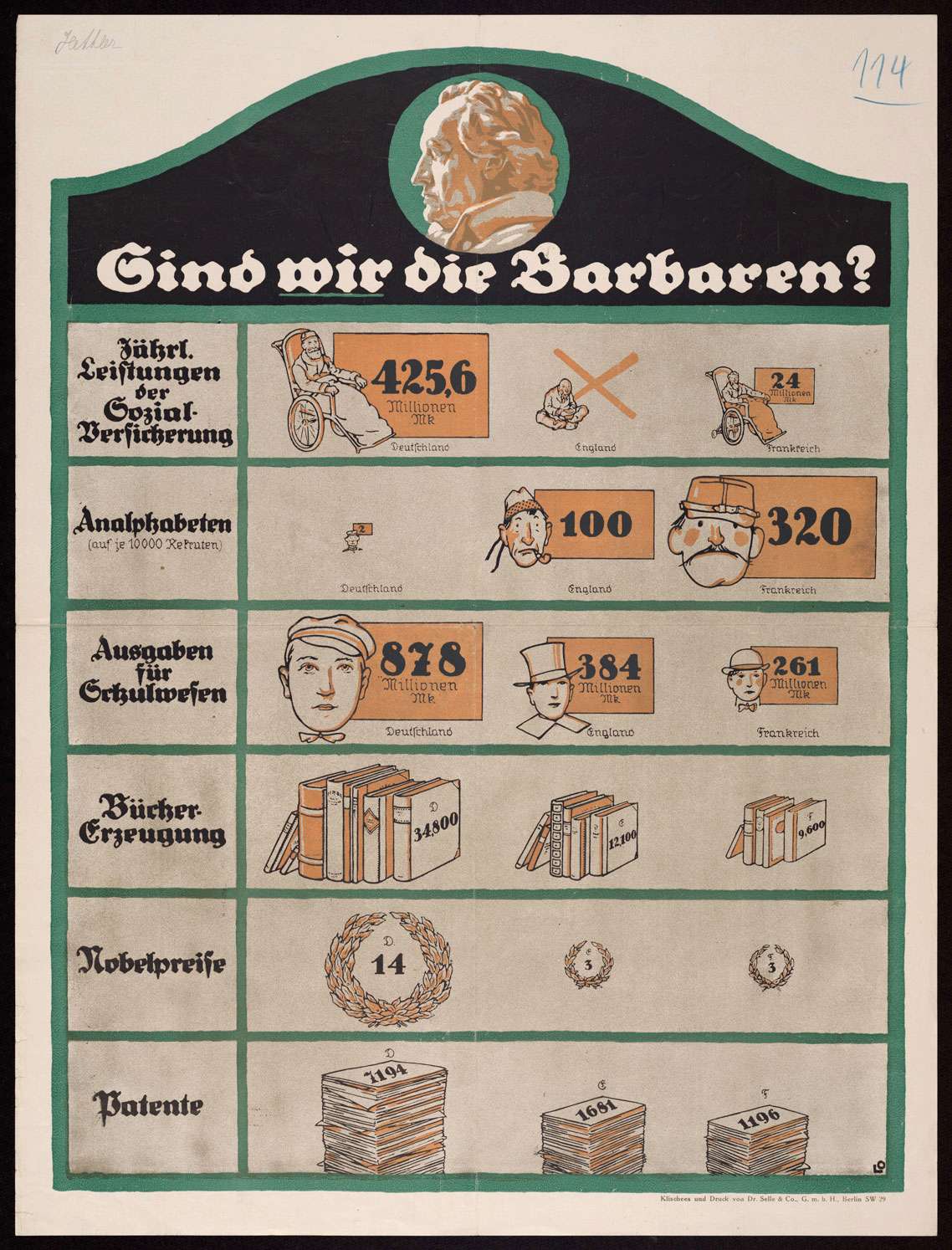
Card stacking. Select, omit, or order facts so the remaining pile can only be read one way. Spot it: Missing denominator, missing counterexample, missing dates.
Bandwagon. Treat popularity, momentum, or 'everyone knows' as proof. Spot it: Polls, view-counts, or 'the tide' offered in place of the claim's merits.
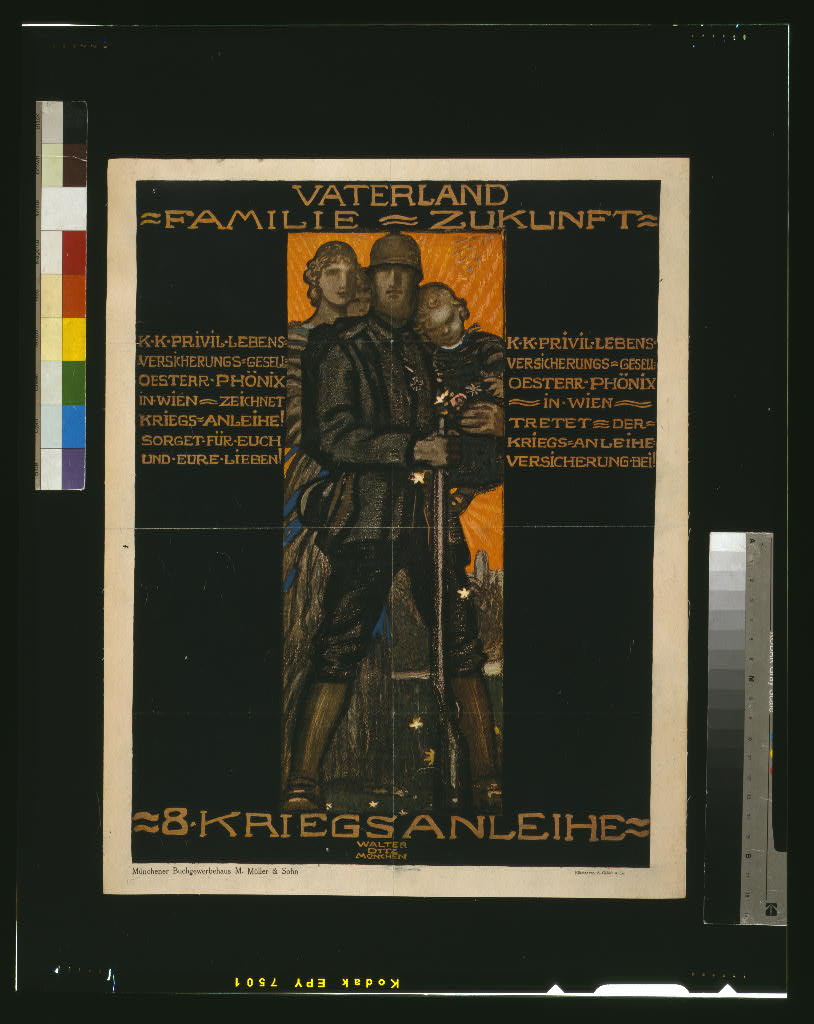
Fear appeal. Imminent harm is staged so the audience accepts the offered protection without comparing base rates or alternatives. Spot it: Catastrophe language plus a single prescribed remedy; no time for tradeoffs.
Scapegoating. Park blame for a complex harm on a bounded out-group so the in-group stays clean. Spot it: One villain class for many causes; the in-group's agency disappears.
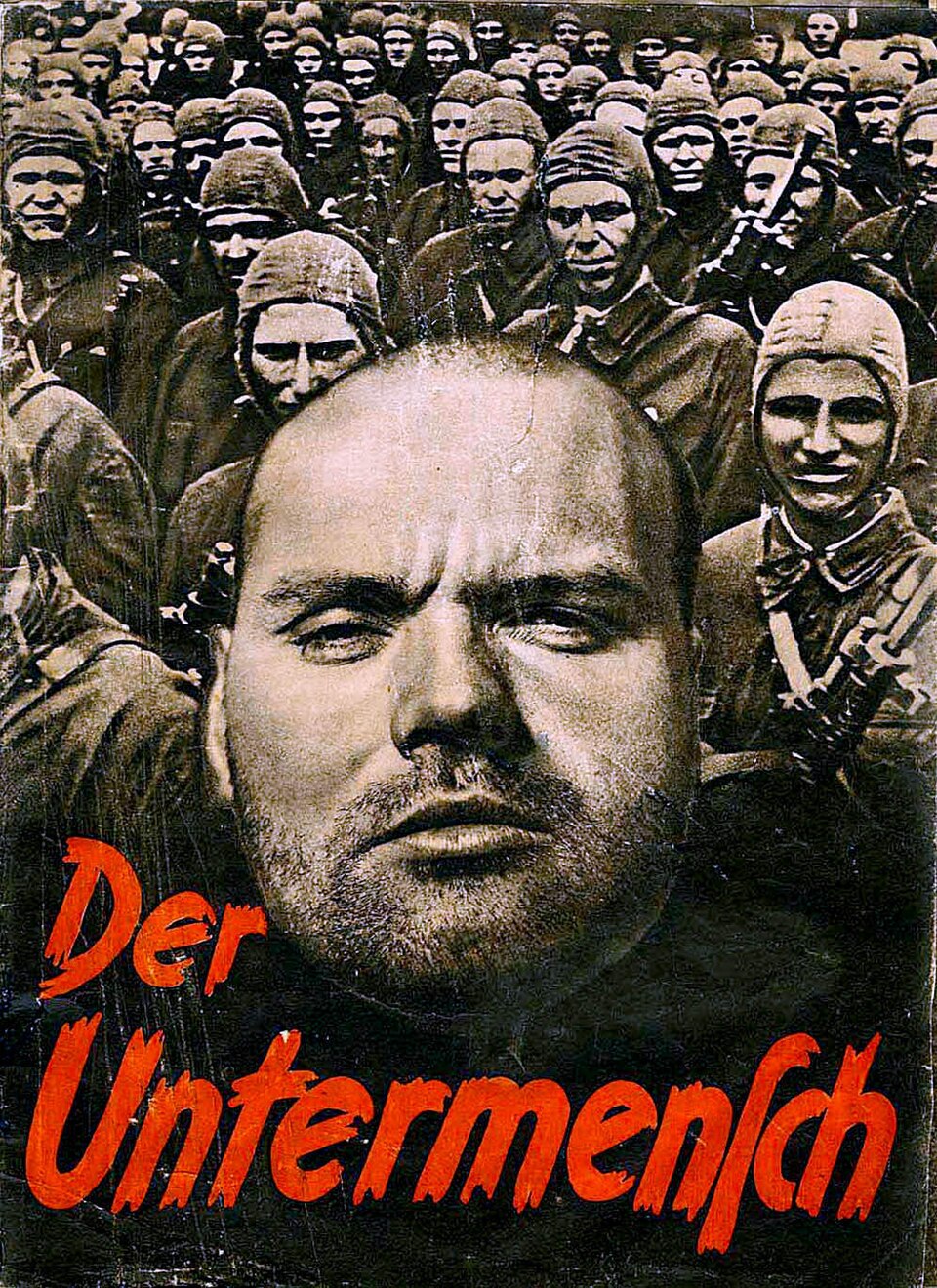
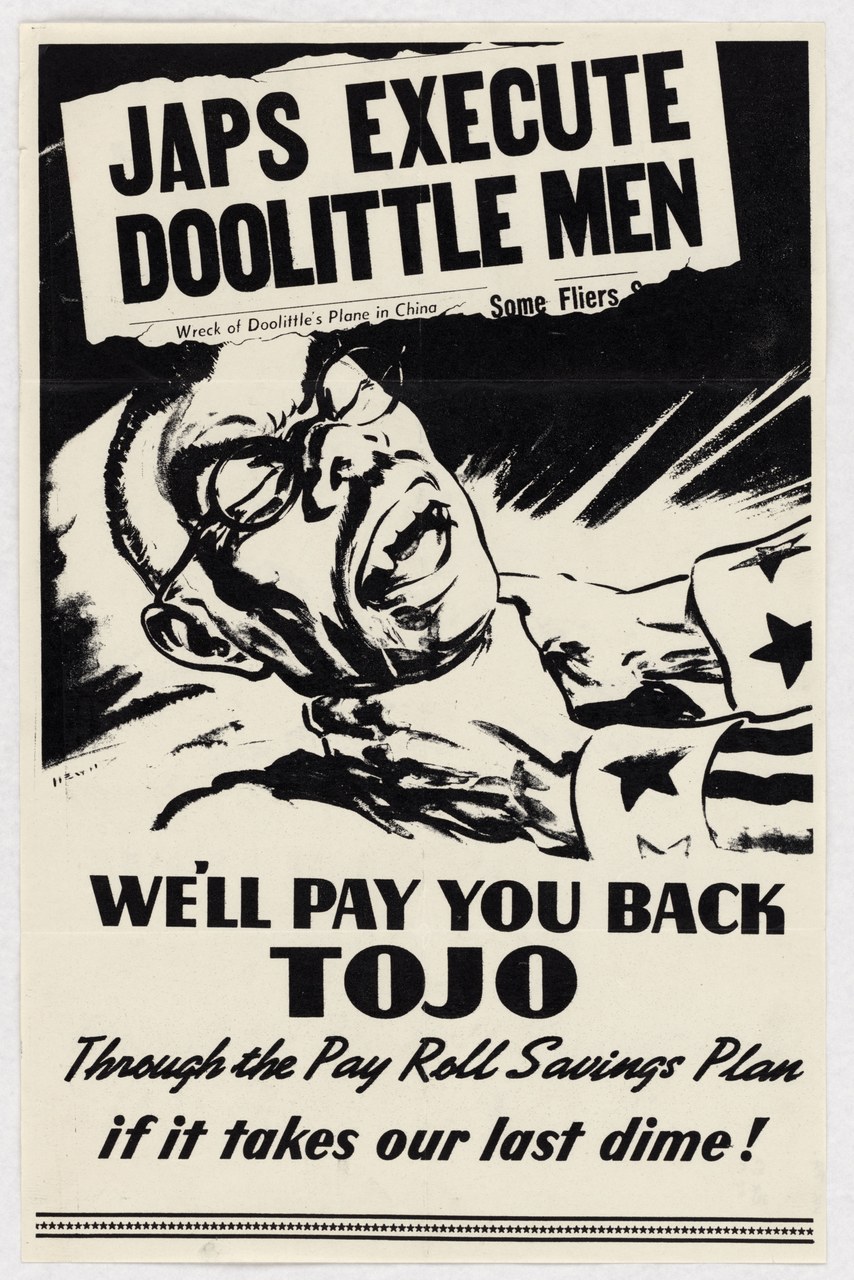
Dehumanization. Portray a group as vermin, disease, beasts or objects so harm against them stops feeling like harm against people. Spot it: Animal, insect, contagion or filth imagery applied to a whole people, class or faith.
Loaded language. Choose words for their emotional charge rather than their descriptive content, so the wording delivers the verdict. Spot it: Swap each charged word for a neutral one and the claim's support stays the same while its force drains away.
Appeal to emotion. Use pity, pride, anger, guilt or hope to win assent that the evidence alone would not. Spot it: The emotional image carries the call to action; the factual claim is thin or missing.
Repetition and the illusory truth effect. Repeat a claim until familiarity is mistaken for truth. Spot it: The same phrase across channels and months, with no new evidence added between repetitions.
Rhetorical techniques (12)
Argument-form tricks that survive even when the speaker is named.

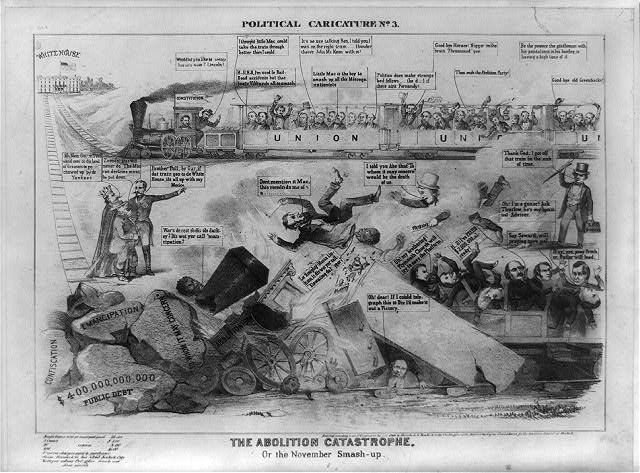
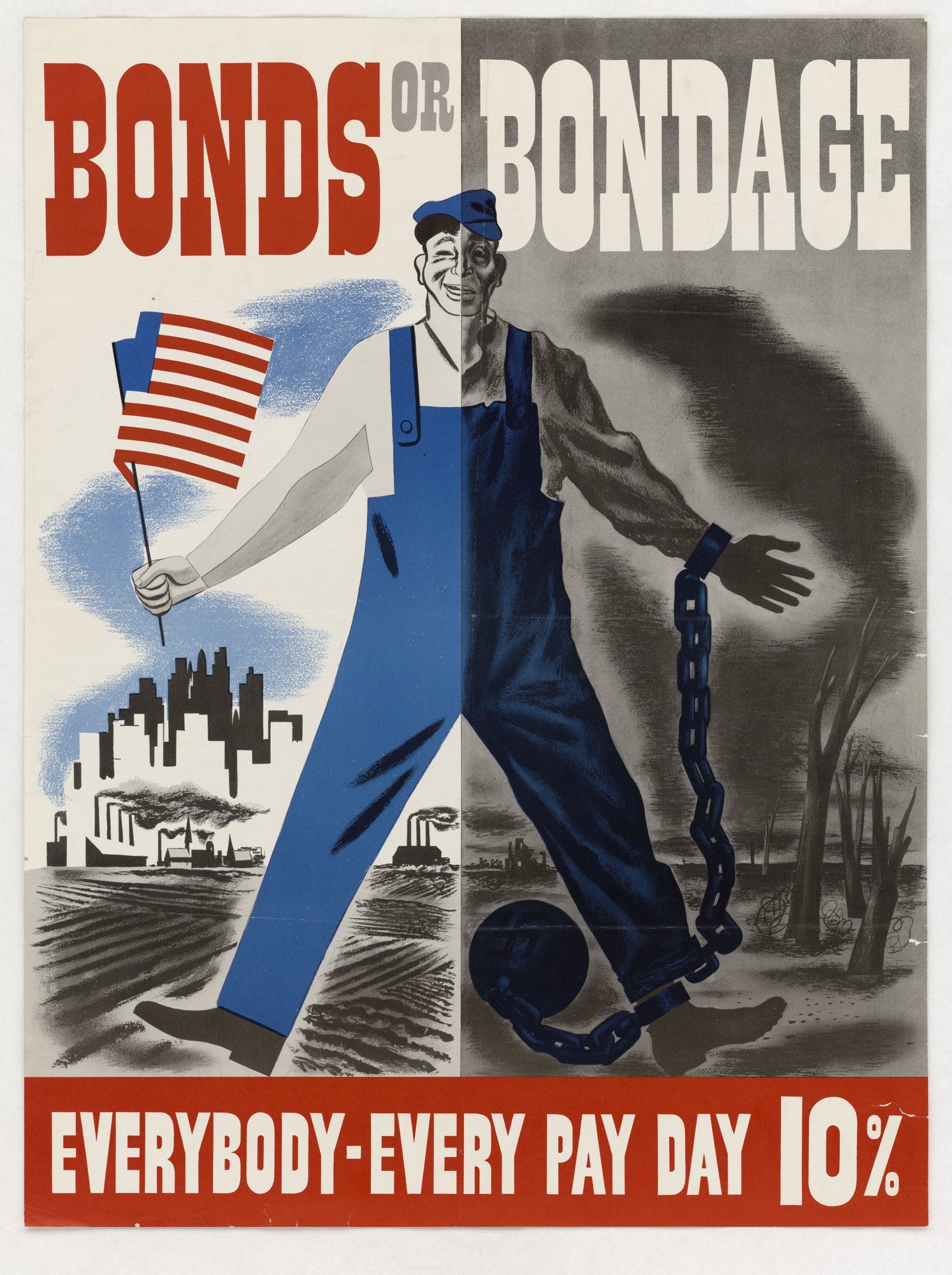
Explain moreShow less
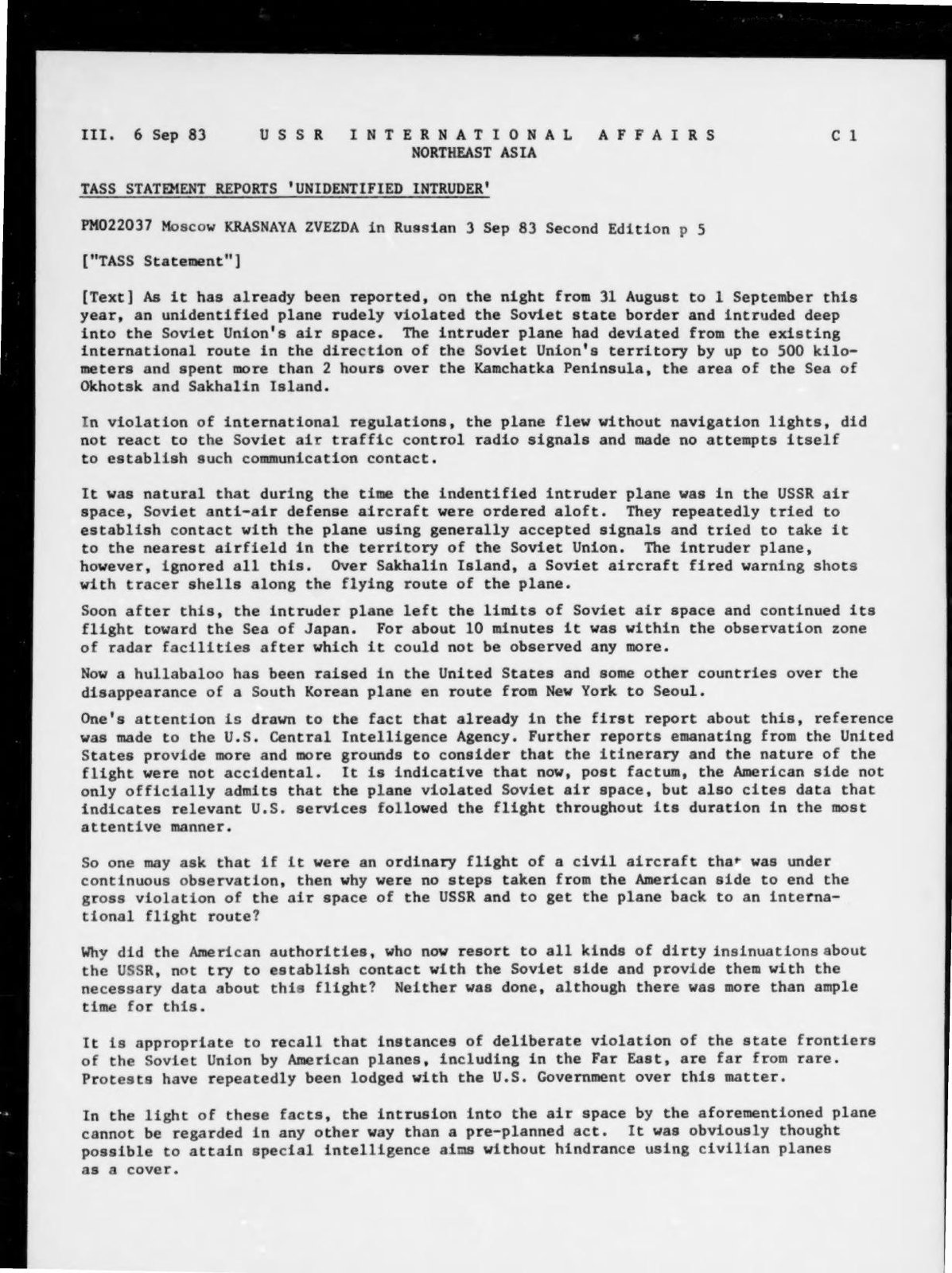
Whataboutism. Answer an accusation with a different accusation so the original claim is never tried. Spot it: The reply cannot be true or false about the first claim; it only changes the subject.
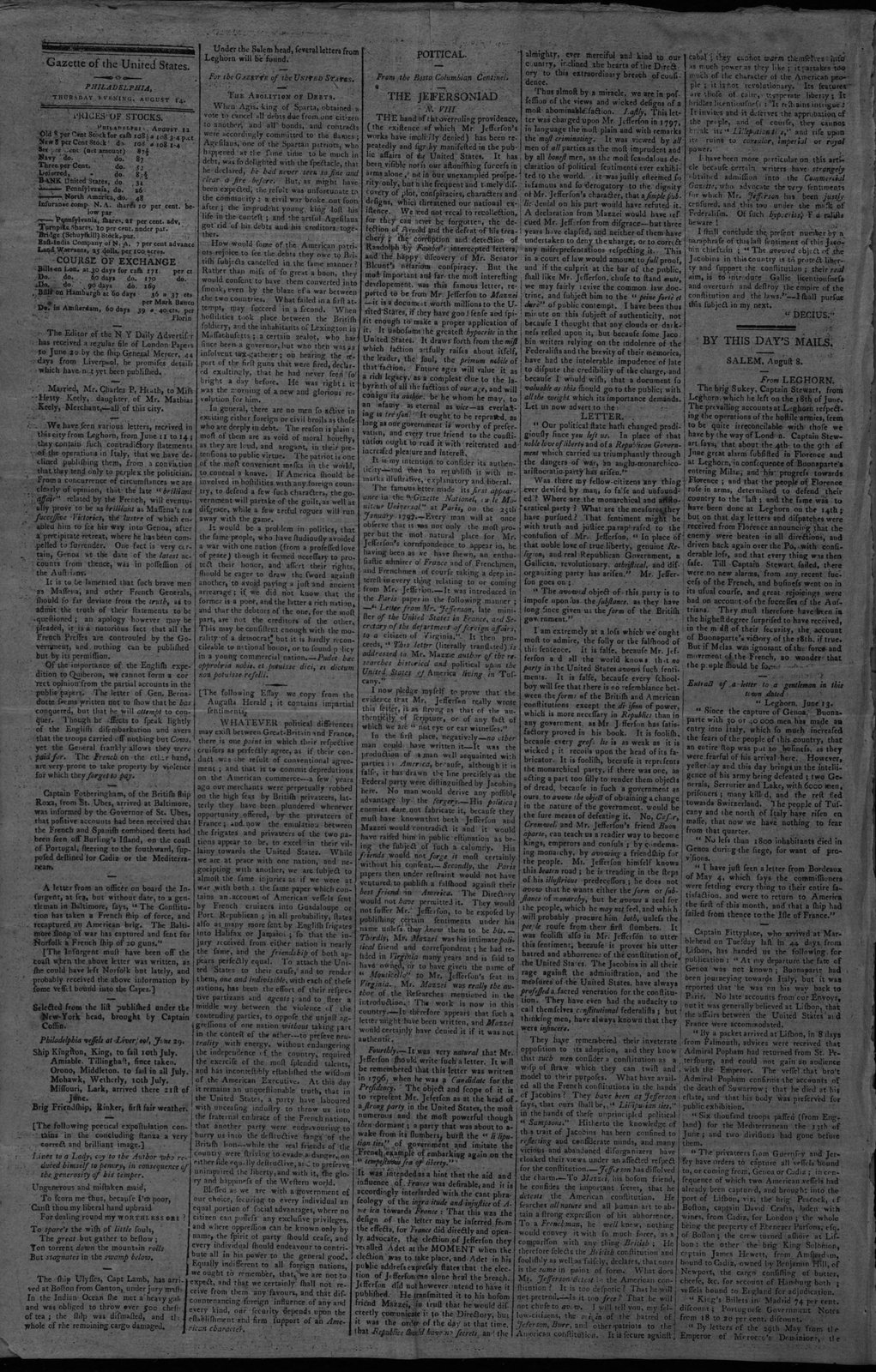
Semantic hijacking. Capture a high-prestige or high-stigma word and stretch it until it covers the speaker's preferred set. Spot it: The word's legal or technical definition is quietly swapped mid-argument.
Motte and bailey. Advance a bold claim; when pressed, retreat to a modest claim; then reoccupy the bold one. Spot it: The slogan and the footnote do not describe the same object.
Bothsidesism. Force symmetry between unequal evidence piles so the audience treats the question as a tie. Spot it: Equal airtime for a documented record and a rumor, sold as fairness.
Euphemism / doublespeak. Replace a concrete harm or act with a sanitizing or inflating phrase so evaluation never meets the thing. Spot it: The operational word (kill, censor, pay, lie) is missing; a gerund or acronym sits in its place.
Identity fusion. Collapse checking the claim into betraying the tribe, so method-critique feels like treason. Spot it: 'People like us don't ask that' or 'that's what they would say.'
Gaslighting. Deny or rewrite what the audience saw, heard or lived through, so they come to distrust their own perception and memory and defer to the speaker's account. Spot it: A documented event, recording or prior statement is flatly denied or recast, and doubting the denial is framed as confusion or bad faith.
Ad hominem. Attack the character, motives or circumstances of the person making a claim in place of the claim itself. Spot it: The reply is about who said it; delete the attack and nothing is left that bears on whether the claim is true.
Dog whistle. A phrase that reads as innocuous to a general audience but carries a second, targeted meaning to an in-group. Spot it: The phrase is documented with a specific in-group meaning, and its use clusters where that audience is being addressed.
Red herring. Introduce an attractive side topic so attention leaves the question that was actually asked. Spot it: The new topic may be true and interesting, but answering it settles nothing about the original question.
Straw man. Restate an opponent's position in a weaker or more extreme form, then refute the restatement. Spot it: Quote the opponent's own words beside the version being attacked and they do not match.
False dilemma. Present two options as the only ones, so rejecting one forces acceptance of the other. Spot it: 'With us or against us'; middle positions and third options are absent though they exist.
Operational techniques (11)
Campaign architecture: how a message is staged, sourced or made to look like consensus.

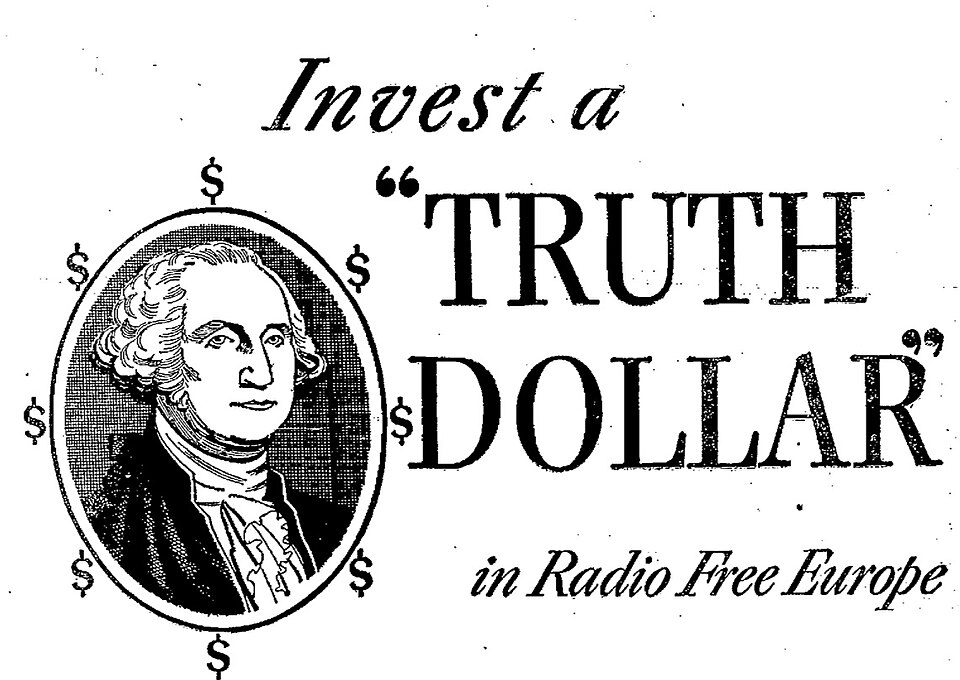
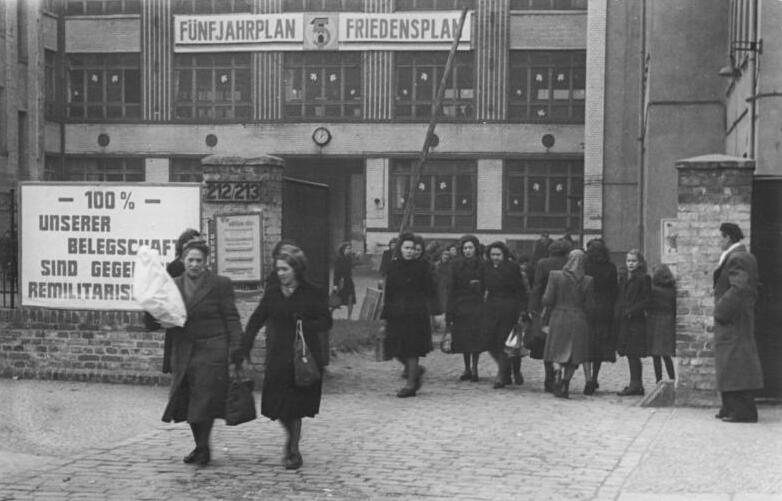

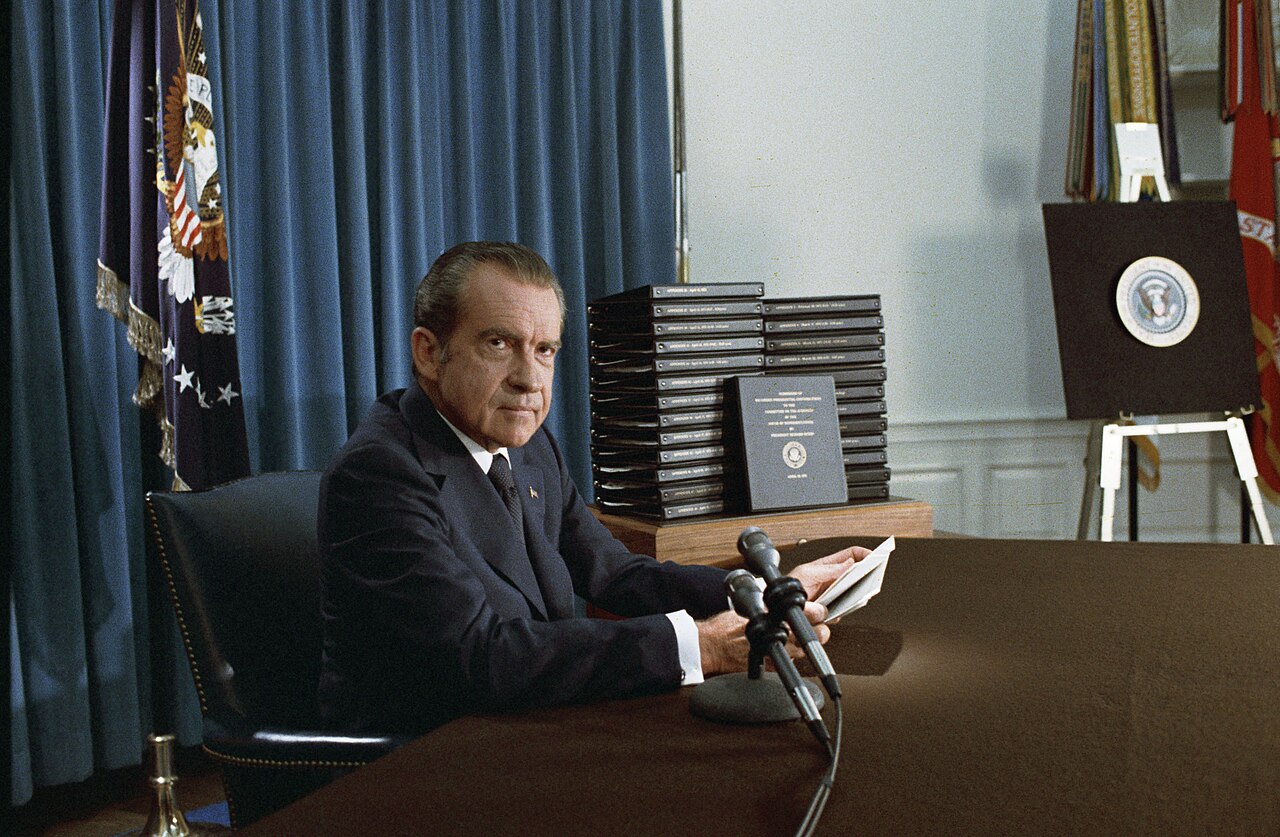
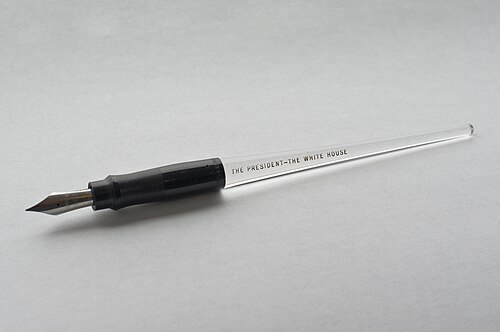
Content note: Photograph of armed white men standing before the burned building of a Black-owned newspaper during the 1898 Wilmington violence. This object is shown as it was published. Why 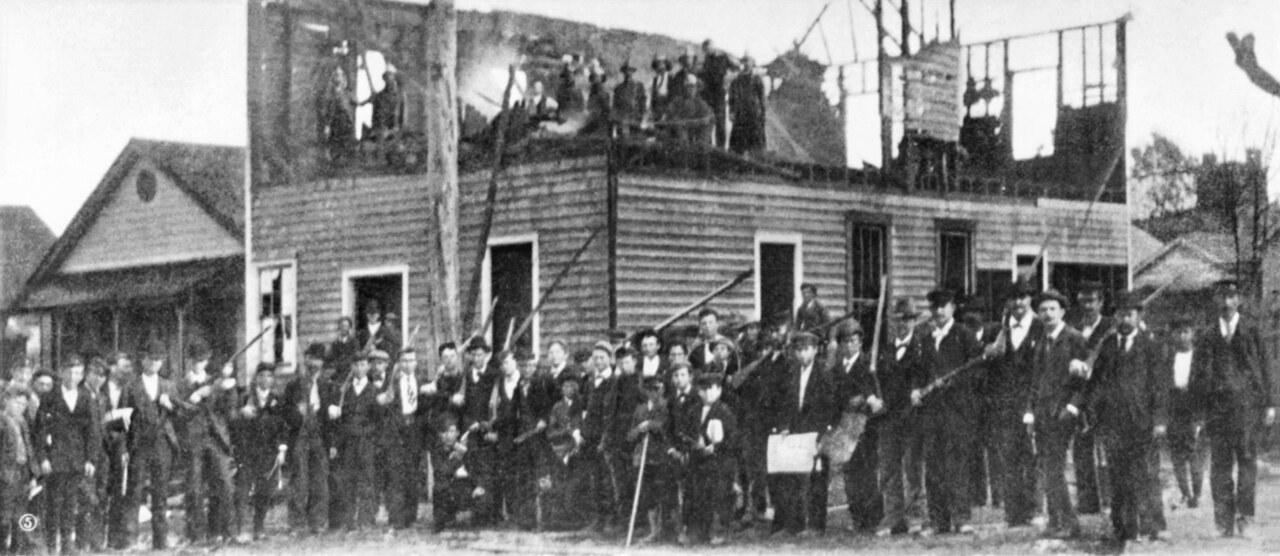


Explain moreShow less
Flooding the zone. Saturate the available attention so a preferred frame, or chaos itself, crowds out slower checking. Spot it: Many items, one window; the checker cannot finish one before the next arrives.
Narrative laundering. Pass a state or factional message through a more legitimate-looking surface so origin is hard to see. Spot it: New institute, borrowed academic form, contractor chain, or 'research' with no scholars.
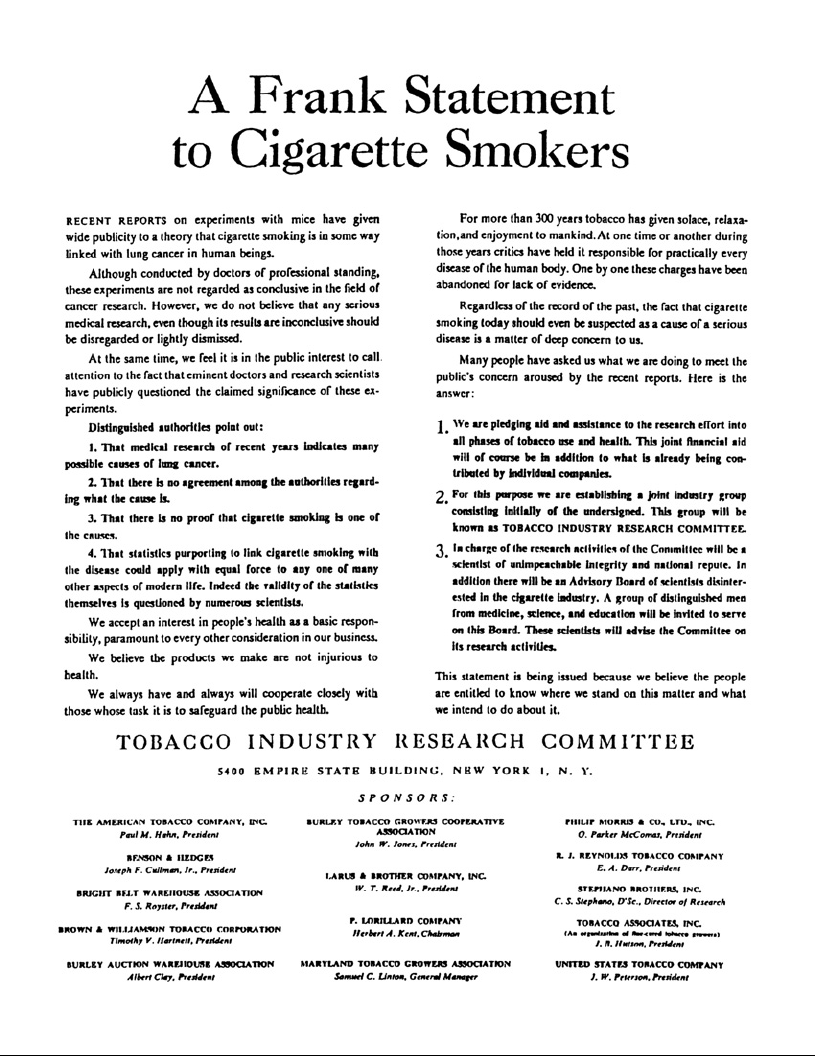
Manufactured consensus. Create the appearance that independent voices independently arrived at the same conclusion. Spot it: Many outlets, one talking point, one origin; or many 'studies' from one shop.
Overton window shifting. Move a previously unsayable position into the window of the discussable by repetition, extremes, or institutional blessing. Spot it: Today's trial balloon is tomorrow's 'everyone is already saying.'
Limited hangout. Release a partial, survivable truth to block a larger one. Spot it: Confession of the small thing; silence on the load-bearing thing; timing that pre-empts a leak.
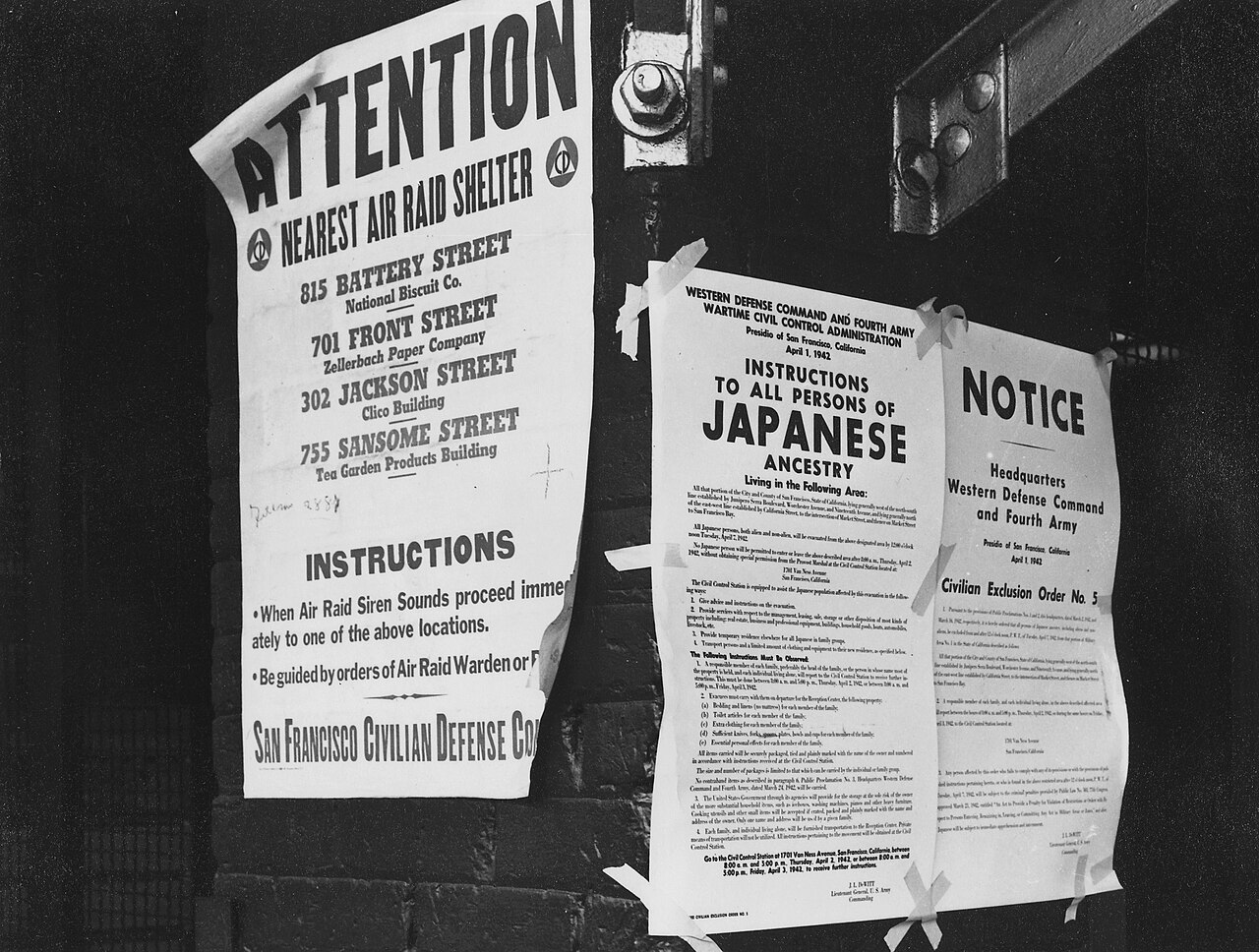
Disclosure theater. A technically present disclosure that does not travel with the content the audience actually sees. Spot it: Label on the website, absent on the social clip, the chatbot citation, or the meme.
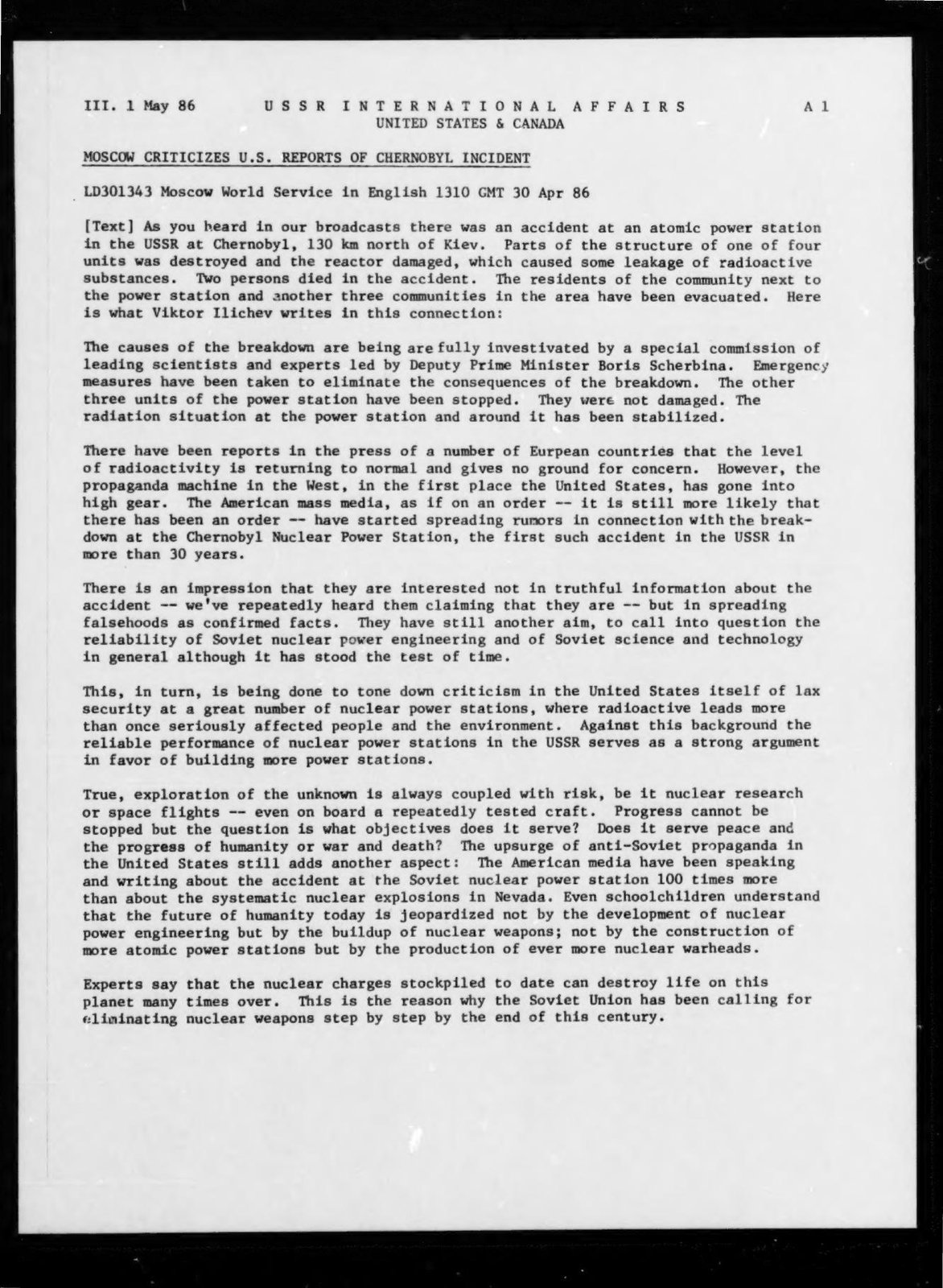
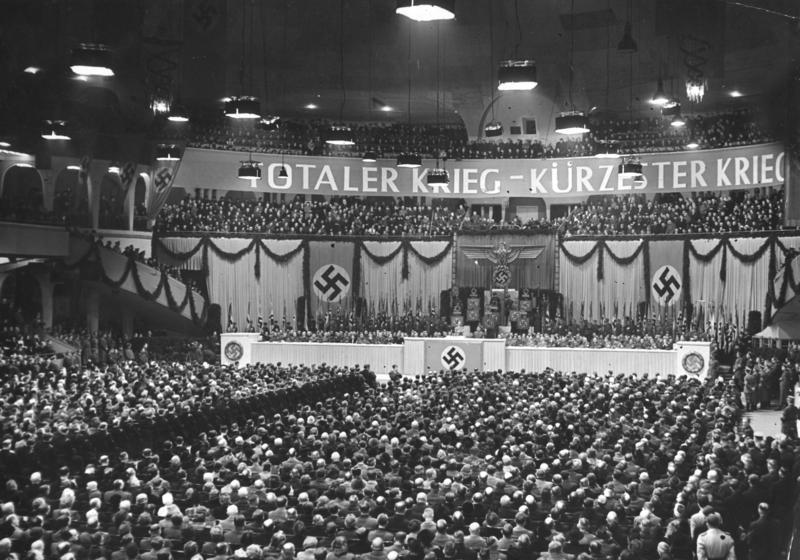
Accusation in a mirror. Accuse the target of the method or crime you are preparing or running, so their warning sounds like a confession. Spot it: The charge is a near-copy of the speaker's own documented playbook.
Cult of personality. State or movement apparatus builds a leader into an infallible, omnipresent figure, so loyalty to the person stands in for judgment of policy. Spot it: Portraits everywhere, titles of near-divine scope, credit for every success, and no public criticism of the person.
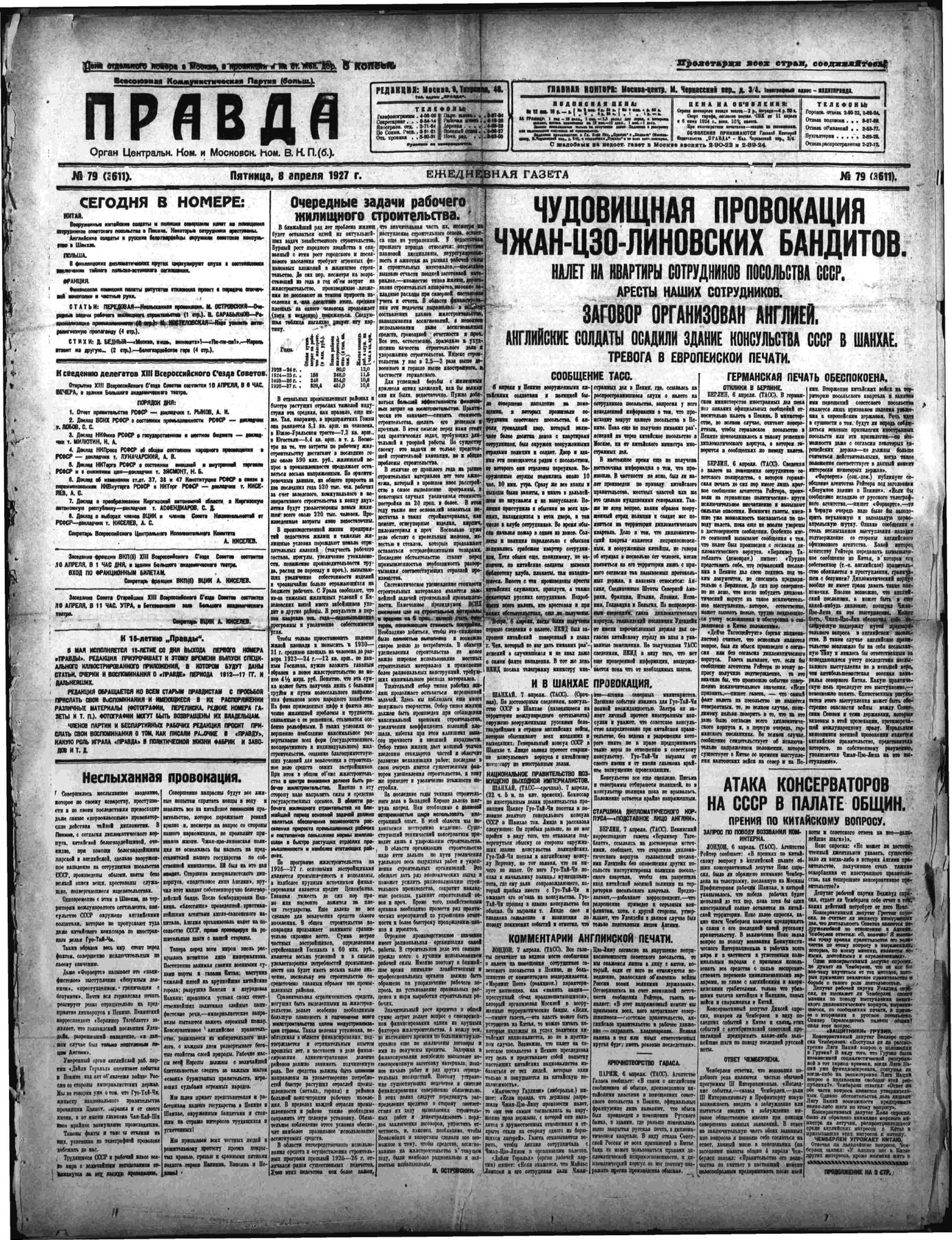
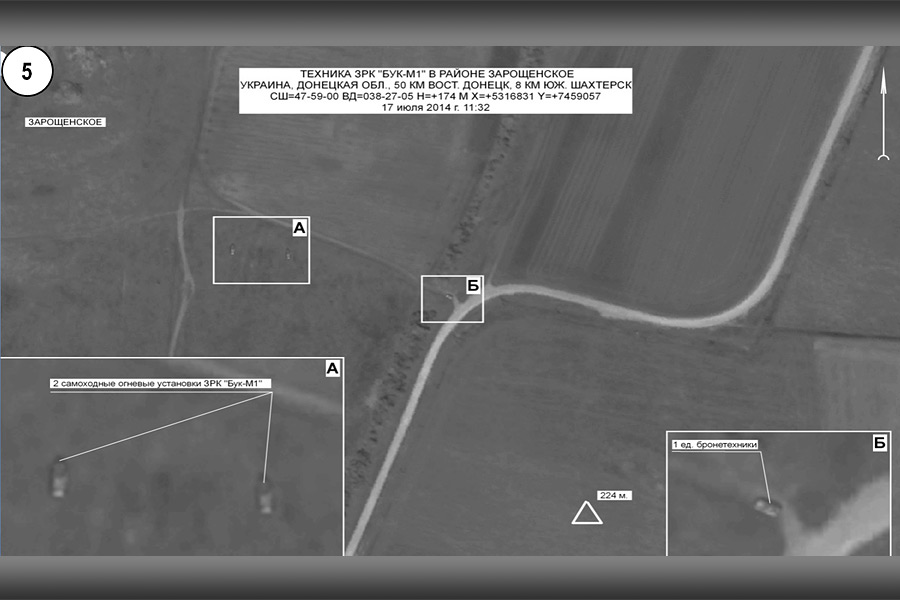
False flag. Stage or attribute an act so it appears to come from someone else, usually to justify a response against them. Spot it: Documented evidence of planning or execution by a party other than the one blamed.
Demagoguery. Political leadership that wins support by turning a public's fears and resentments against an out-group or the leader's critics, and casts policy questions as loyalty tests. Spot it: Every issue becomes us versus them; the leader alone speaks for 'the people'; opponents are traitors, not rivals.
Big lie. A falsehood so large that audiences assume no one would dare invent it, sustained by repetition and by attacking anyone who disputes it. Spot it: A sweeping claim contradicted by the documentary record, kept alive by an apparatus rather than by new evidence.
Computational techniques (6)
Volume, automation, synthetic production or poisoning of ranking and retrieval systems.

Explain moreShow less
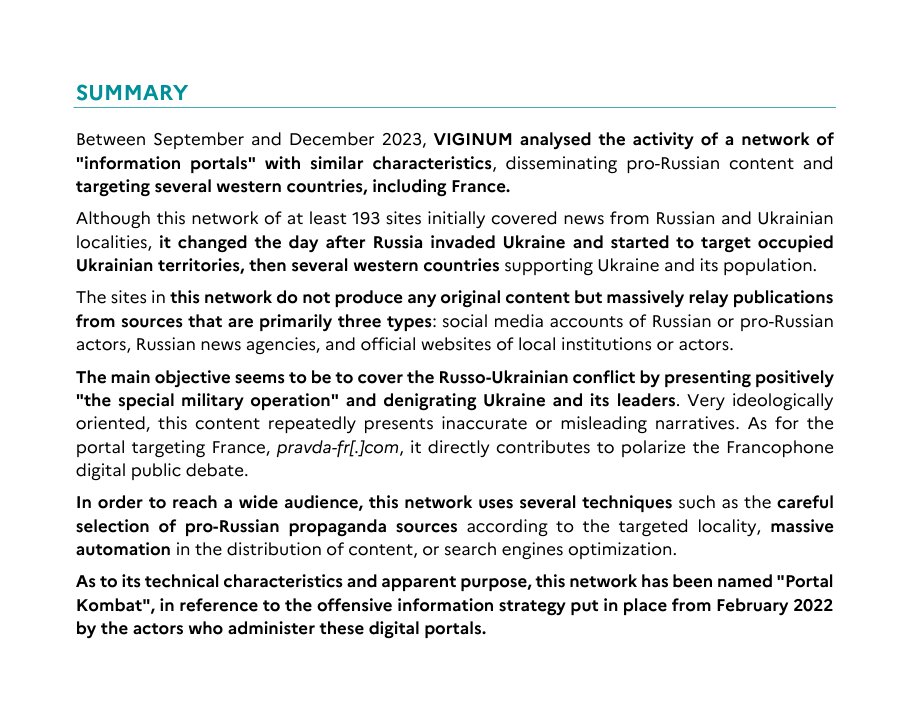
Firehosing. High-volume, high-velocity, multi-channel output that does not care about internal consistency; the goal is exhaustion, not persuasion of one claim. Spot it: Contradictory stories in the same week; volume is the message.
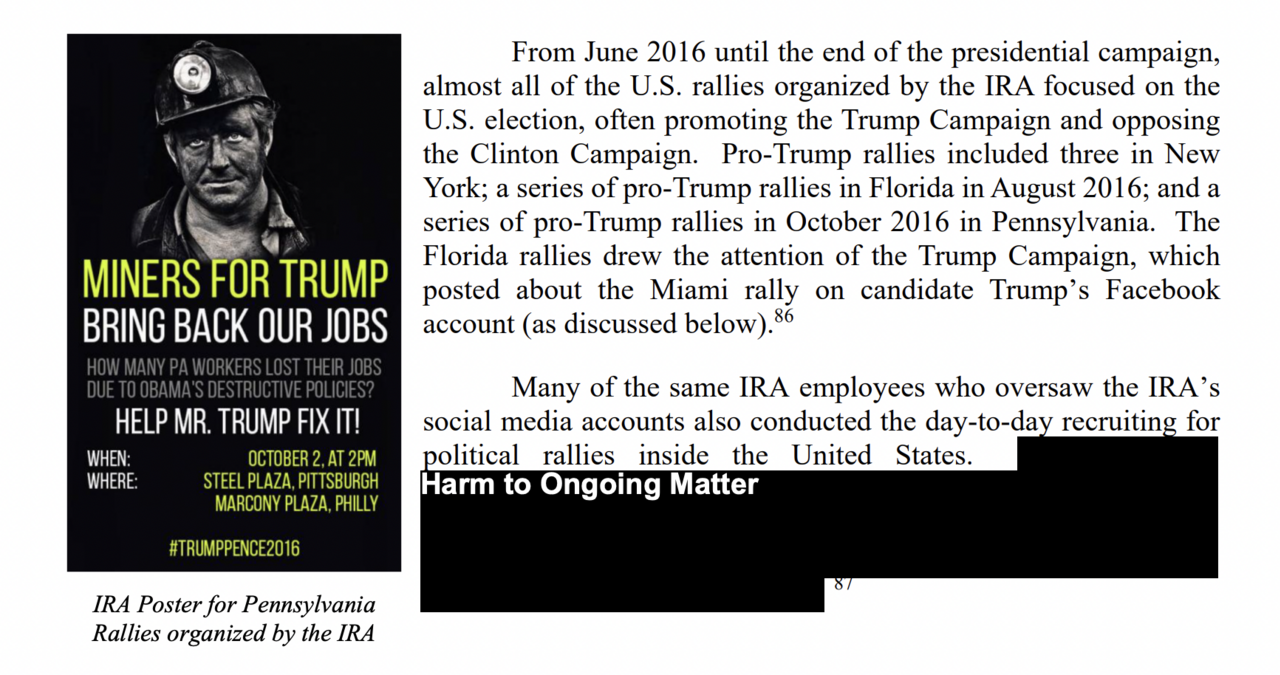
Astroturfing. Fake or rented grassroots: personas, pages, or crowds that are not what they claim. Spot it: New accounts, shared infrastructure, identical phrasing, proxy geolocation, or paid 'local' voices.
Synthetic media. Machine-made or machine-rewritten content presented as human witness, journalism, or research. Spot it: Volume no newsroom could staff; residual prompts; AI-anchor video; no named author who will pick up a phone.
Corpus poisoning. Seed search indices, encyclopedias, or model-facing text so downstream systems repeat the frame as if it were independent research. Spot it: Question-formatted reports, brand-new 'institutes,' Wikipedia clones, citation-shaped pages with no staff.
Outrage bait. Craft the item so the profitable reaction is fury, which then does the distribution. Spot it: The hook is an insult or desecration; the body is thin; comments are the product.
Sleeper effect. A discounted source is forgotten faster than the claim, so the claim later feels ownerless and true. Spot it: The story outlives the correction or the 'this is a state outlet' label.
Teach the list: ten lessons
The ten free course lessons cover the commonest classical techniques, about eight minutes each: name-calling, glittering generalities, transfer, testimonial, plain folks, card stacking, bandwagon, fear appeal, scapegoating and identity fusion. Teach each as definition, tell, "not this" test, then one poster. For material sorted another way see ethos, pathos and logos in propaganda, propaganda examples and the Animal Farm page.