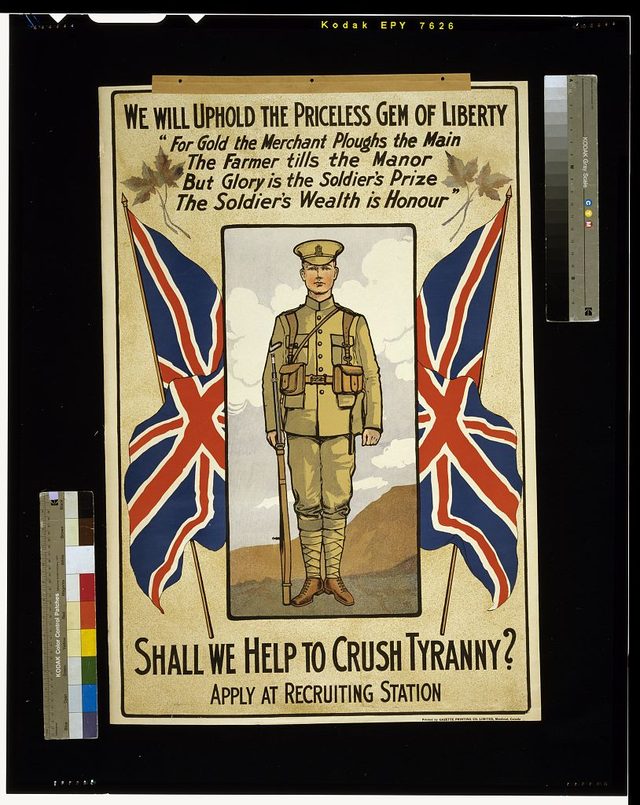
Illustration: a dossier collage of an evidence wall of pinned propaganda posters, leaflets and printed matter from many eras, with contact sheets and catalog labels.

Collection

Propaganda posters: examples by technique and era

Propaganda posters from the US, Britain, Germany, the USSR, China and others, tagged by technique, with source and rights shown. One method for all sides.

Illustration, not an archive object

Content note. Propaganda posters include racial and religious caricature, atrocity claims and appeals to hatred, from every side. They are shown here as they were issued, as evidence of what was said to the public at the time. Showing a poster is not endorsing it.

What is a propaganda poster?

A propaganda poster is a printed sheet, usually a single image with a short line of text, issued to move a mass audience toward an action or a belief: enlist, buy a bond, save fuel, report a neighbour, vote, hate an enemy, trust a leader. This archive uses one working definition for every poster, whoever issued it (how FRAME defines propaganda). Under it, a poster that raises money for a war, a public-health poster and a party slogan are all examined with the same questions: who issued it, who it was aimed at, what it asked, and which persuasion technique does the work.

Posters are one kind of propaganda object among several. The collection also holds leaflets, newspaper pages, cartoons, banknotes, stamps, photographs and broadcasts, and each of those has its own page or filter. This page is the entry point for posters: how to read them, how the same few techniques recur across sides and decades, and a browsable set of posters with their sources and rights shown.

Why the same techniques turn up on every side

A reader who looks at enough posters from different countries notices that the designs repeat even when the politics do not. The seven devices named by the Institute for Propaganda Analysis in 1937 (name-calling, glittering generalities, transfer, testimonial, plain folks, card stacking and bandwagon) are a useful starting list, and this archive's technique pages extend it with later ones such as fear appeal, scapegoating and identity fusion. The point of the tags is method, not blame. A technique is tagged the same way on a British recruiting poster, a Soviet mobilisation sheet and a US information poster, and the tag says what the picture is doing, not whether its cause was right or its claims true.

The posters below were chosen because each shows one technique clearly and because, between them, they come from different countries, wars and political systems. They are examples, not a ranking: the collection holds many more from each side, and the archive makes no claim that any side's output is fully covered.

Examples, by technique

Transfer: the national symbol that asks the question
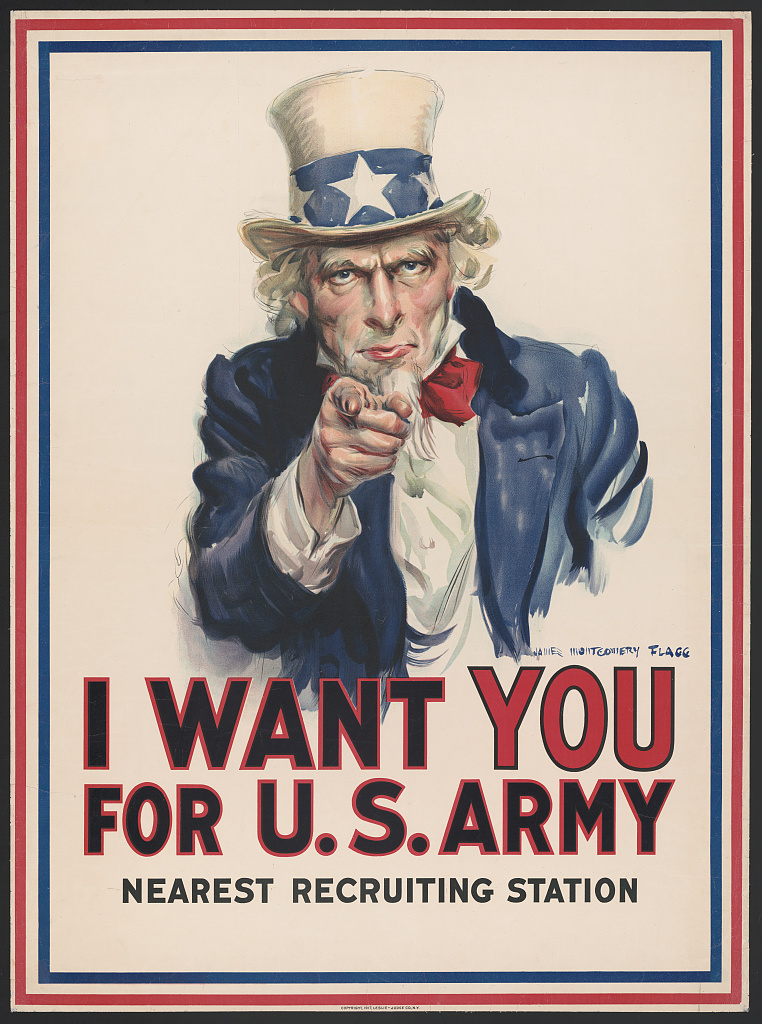
I Want You for U.S. Army: Uncle Sam points at the viewer

James Montgomery Flagg's 1917 recruiting poster shows Uncle Sam pointing straight at the viewer under the words "I Want You for U.S. Army". It offers no pay, terms of service or argument, only the national emblem addressing "you". That is transfer: the standing of the nation stands in for a case about why this person should enlist. Flagg first drew the image as a 1916 magazine cover under the heading "What Are You Doing for Preparedness?", and the Library of Congress record says more than four million copies were printed in 1917 and 1918. The pointing, direct-address composition follows an earlier British image of Lord Kitchener. Read the technique: transfer.

Glittering generalities and fear: a German war-loan poster
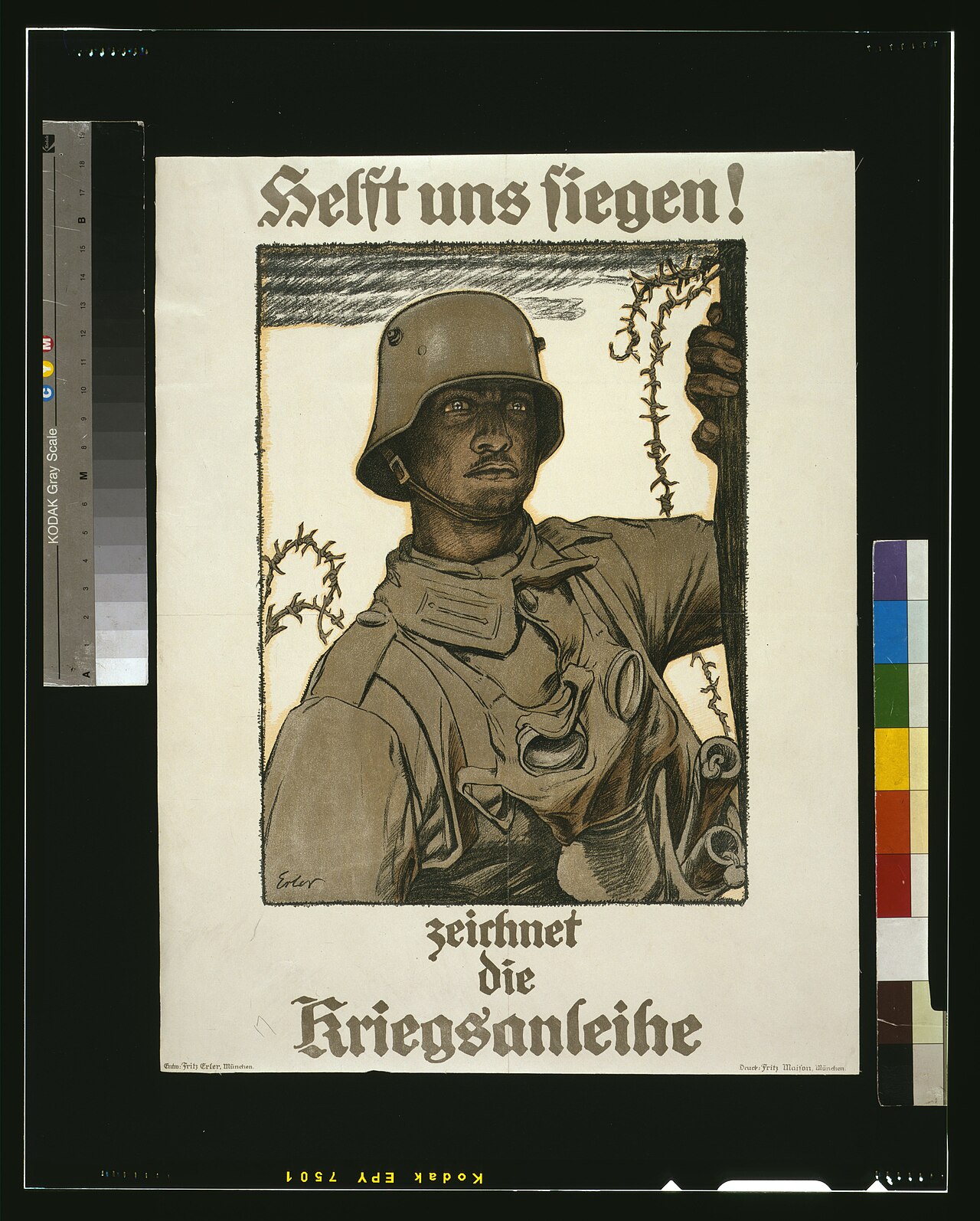
Helft uns siegen! Zeichnet die Kriegsanleihe: a steel-helmeted German soldier looks out of the frame

War-bond posters were the main fundraising genre of the First World War on every side. This 1917 German poster, by Fritz Erler, shows a steel-helmeted infantryman beneath the line "Help us win! Subscribe to the war loan." The soldier's exhausted resolve is transferred onto the request to buy bonds, and "winning" is a virtue word the buyer is not asked to weigh against cost or odds. The entry is tagged with the same techniques as the American poster above, for the same reasons. Read the technique: glittering generalities.

Name-calling and scapegoating: a Soviet mobilisation poster
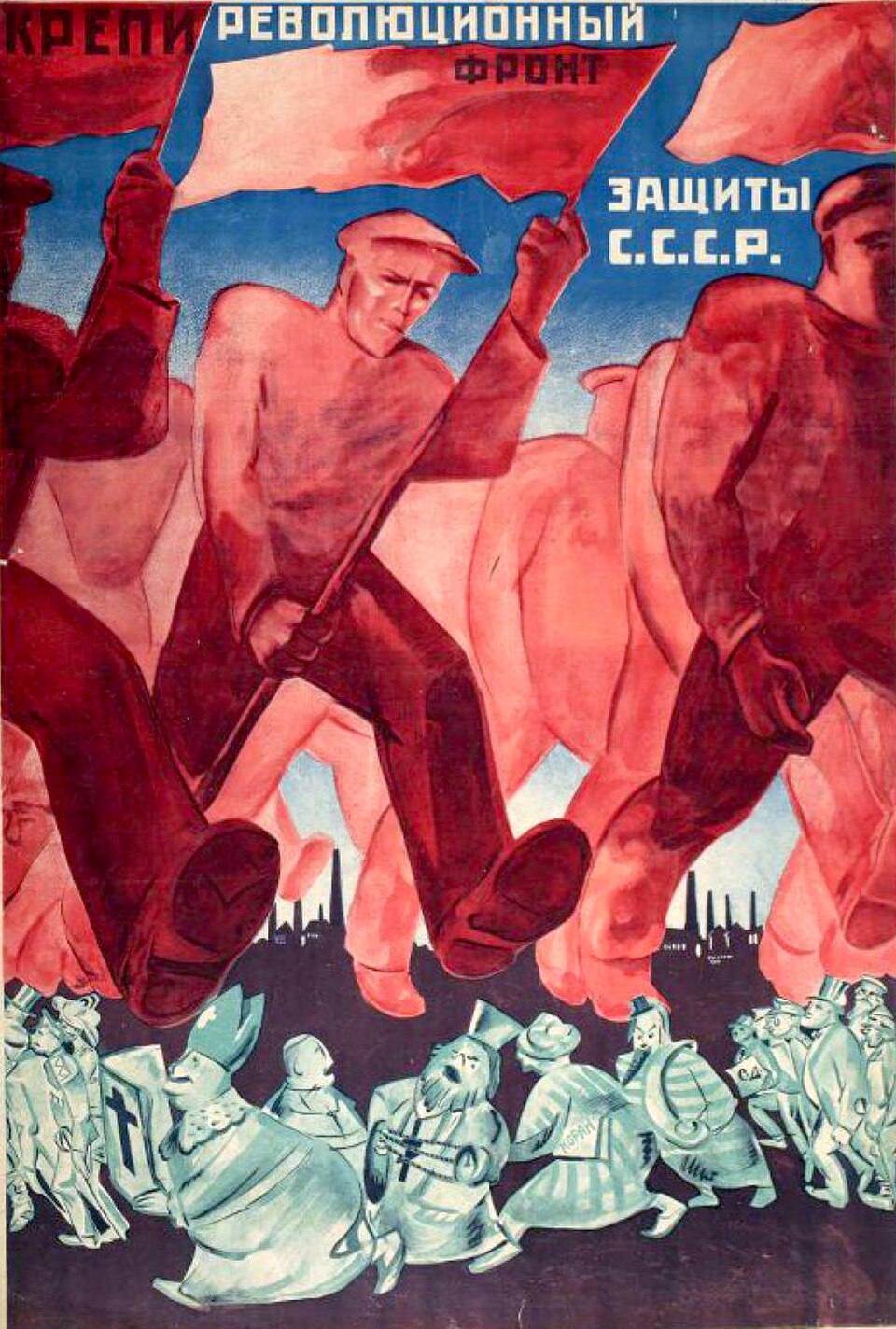
Krepi revolyutsionnyi front zashchity SSSR: giant marching workers above small figures in clerical dress and top hats

A Soviet poster dated 1928 calls on viewers to strengthen the revolutionary front for the defence of the USSR. Giant red workers march across the upper two-thirds of the sheet. Beneath them, small and pale, a crowd of bloated figures in a bishop's mitre, a priest's hat and top hats scatters at their feet. It belongs to the 1927 to 1928 "war scare" period, when Soviet publications urged defence against foreign powers and internal opponents. The poster names no single enemy; it groups clergy and the well-dressed as one, which is the name-calling and scapegoating tell. It is shown whole, as printed, with its depiction of religious dress as a mark of the enemy. Read the technique: name-calling and scapegoating.

Reassurance by authority: a British poster held back
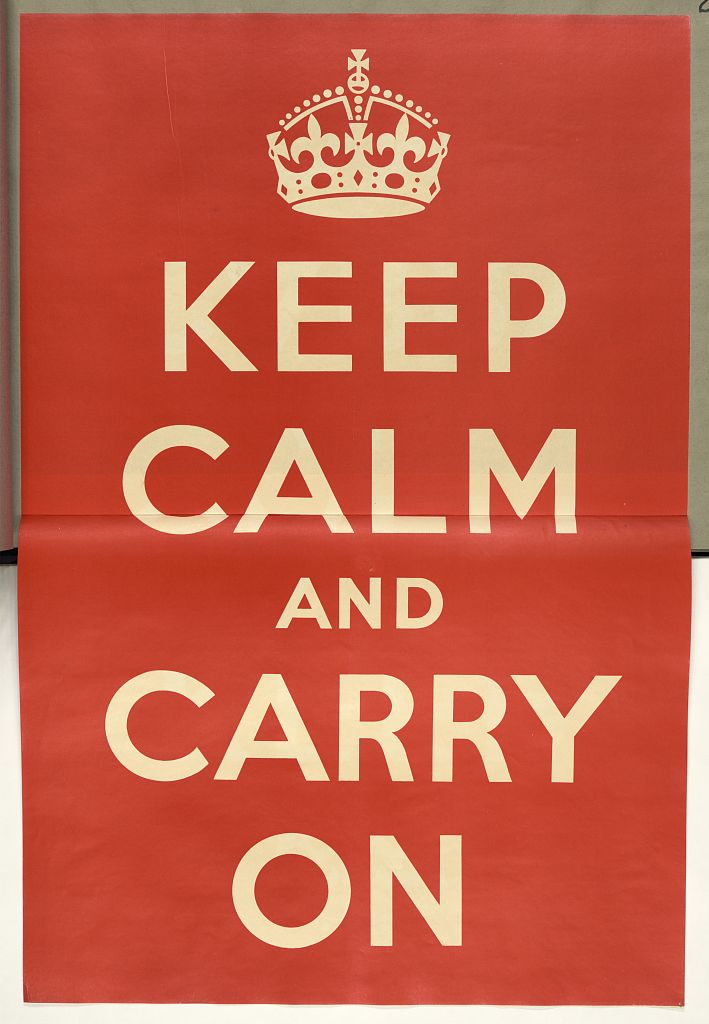
Keep Calm and Carry On: the royal crown over the slogan

The best-known British poster of 1939 was never put on general display. It was the third of three Ministry of Information "Home Publicity" posters, designed between 27 June and 6 July 1939 and printed in almost 2.5 million copies, then held back for a crisis such as heavy bombing. Its only image is the royal crown, which lends the instruction the authority of the Crown rather than argument or information. The poster became widely known only after a copy turned up in a Northumberland bookshop in 2000, and later slogan merchandise redraws it. This is a government poster openly attributed to its issuer. Read the technique: transfer.

Bandwagon: unanimity as the argument
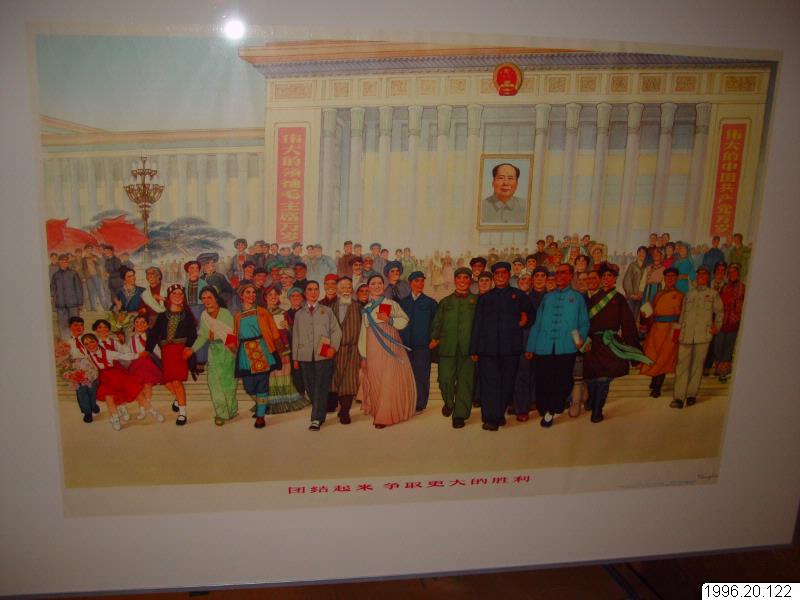
Unite, strive for even greater victories: citizens in work and regional dress walk toward the viewer beneath a portrait of Mao

A Shanghai poster of 1974 shows citizens in army, worker and cadre dress, and in regional costumes, striding toward the viewer across the forecourt of a state building, many holding small red books. A framed portrait of Mao and the national emblem hang on the facade, and the caption calls for unity for "even greater victories". Every group walks one way under one portrait: unanimity is the picture's argument, which is the bandwagon tell. The copy in this archive is photographed in a museum display case, so there is glare at upper left. Read the technique: bandwagon.

Fear appeal, set against freedom: a US government poster abroad
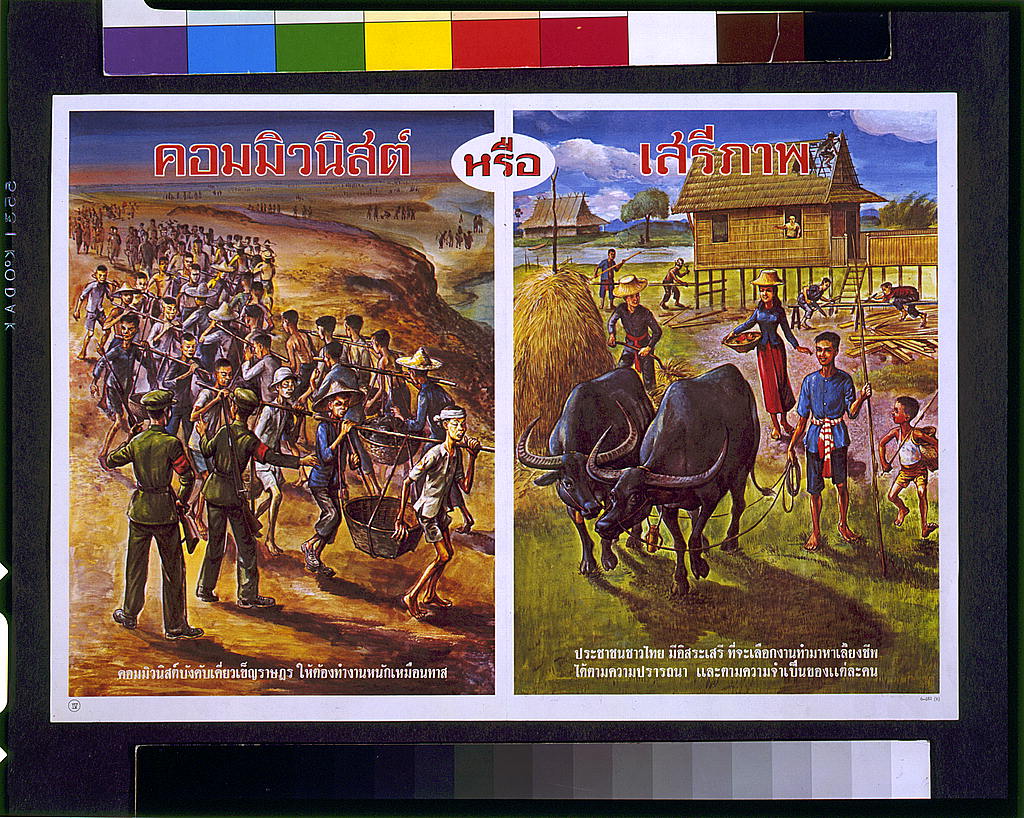
Communism or Freedom: a two-panel Thai-language poster pairing a forced-labour scene with a free-farming scene

A Thai-language poster of about 1966, catalogued by the Library of Congress from a transfer of United States Information Agency material, pairs two scenes under the headline "Communism or Freedom". On the left, men carry baskets under the eye of uniformed guards, and the caption says communists force the people to work like slaves. On the right, villagers farm and build a house, and the caption says Thai people are free to choose their work. Neither caption on the sheet cites a source for its claim. The date is the Library's estimate, and the USIA attribution rests on its transfer note rather than a credit line on the poster. Read the technique: fear appeal.

What a propaganda poster is not

Not every striking poster is propaganda under this archive's definition, and not every propaganda poster lies. A poster can be accurate and still be propaganda if it is built to move rather than inform; a poster can be false without being the work of a state. The archive records the issuer, the audience and the stated purpose of each item so a reader can judge. Material issued openly by a named government is treated as open propaganda; material that hides or blurs its sponsor is flagged as such in the same terms for every side. See propaganda, misinformation and disinformation for how these terms differ.

How to analyse a propaganda poster

Five questions cover most posters, and they are the ones this archive asks of every item.

  1. Who issued it? A named ministry, a party, a commercial printer or an anonymous hand. The source line on each object page says where the scan comes from.
  2. Who was it for? The home public, an occupied population, soldiers or a foreign audience. The same poster means different things in different hands.
  3. What does it ask? Enlist, buy, comply, hate, vote, trust. The ask is usually one verb.
  4. Which technique carries it? Look for a borrowed symbol, an enemy drawn smaller or uglier, a virtue word with no content, a crowd walking one way.
  5. What does the sheet not say? Costs, terms, evidence, the other side's case.

The techniques index defines each device with examples from several sides, and the Learn section covers why these devices work on audiences.

Browse propaganda posters by era

The collection's posters are grouped by period. Each era page below discusses who made the posters, how the issuing institutions worked, and which techniques recur:

For every object, not only posters, use the full collection, which can be filtered by technique, era, country and medium.

Sources and rights

Every poster shown or listed on this page has its own object page with the holding institution, a link to the original record and the rights basis for hosting it. Most of the posters in this archive come from public-domain holdings such as the Library of Congress, the U.S. National Archives and Wikimedia Commons; where a rights statement is limited or borderline, the object page says so. Transcriptions of poster text are verbatim, and translations are labelled as such.
Posters in the collection

Showing 60 of 710 objects. Filter the whole collection.
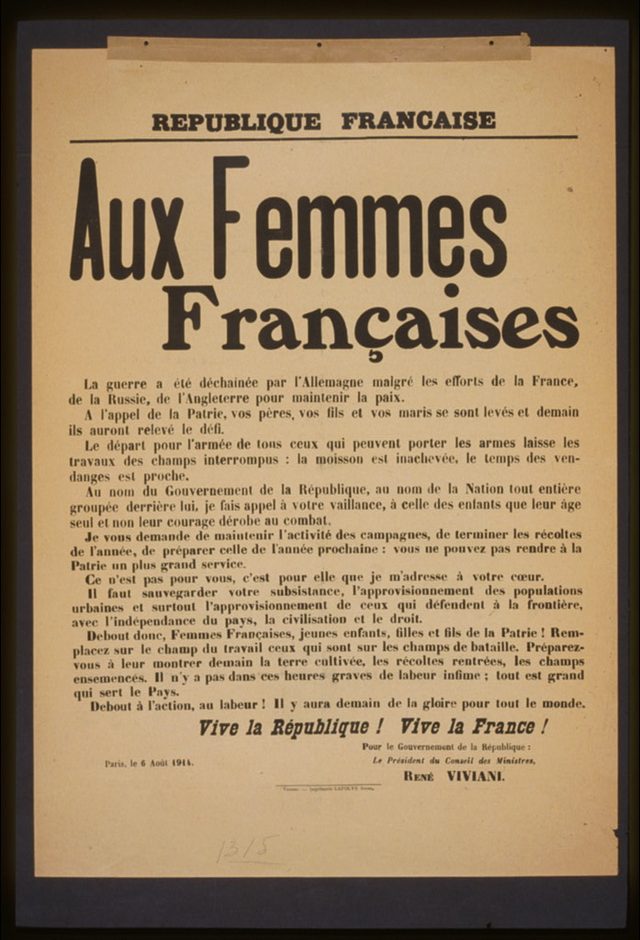
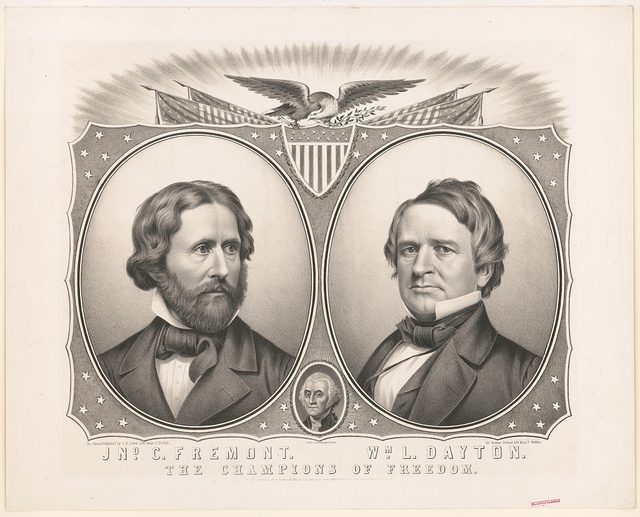
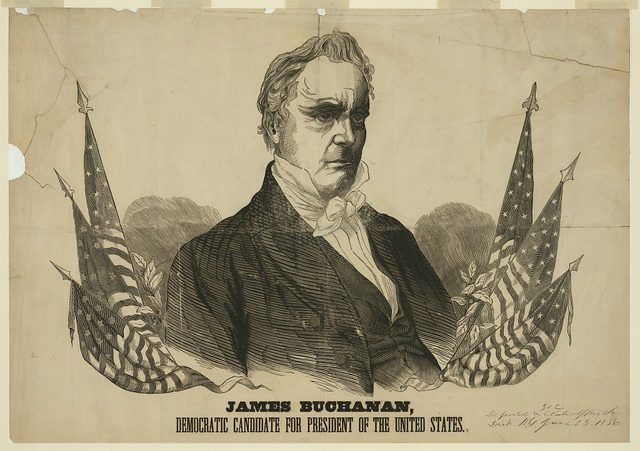
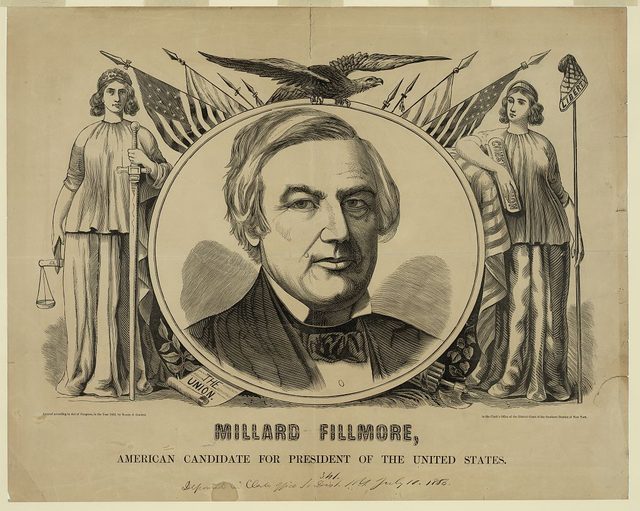
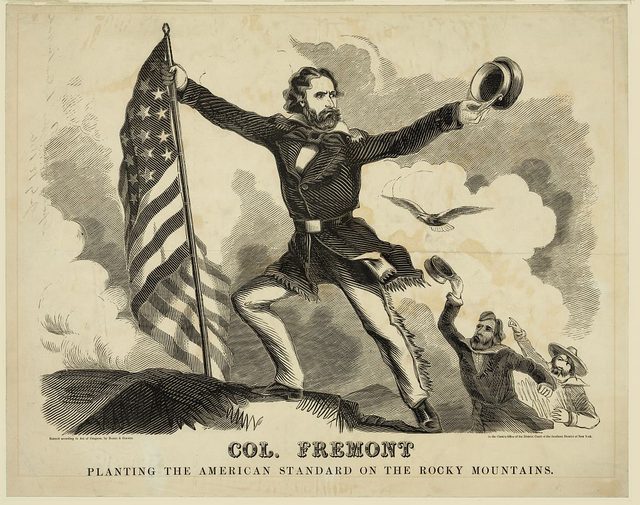
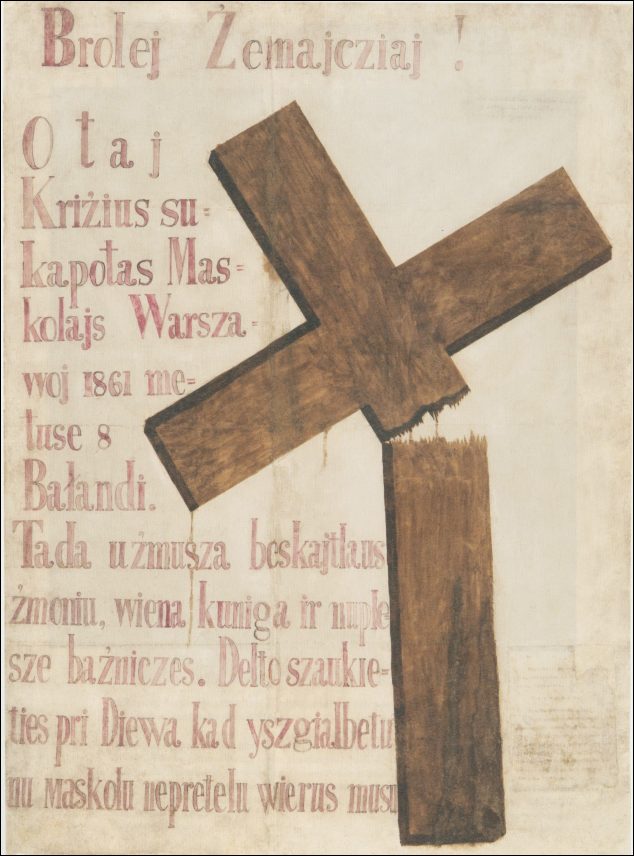
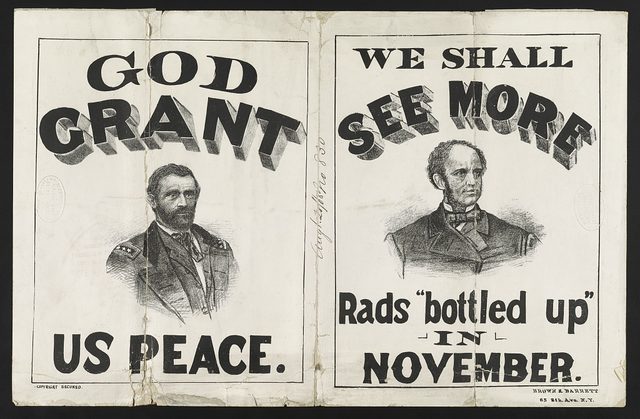
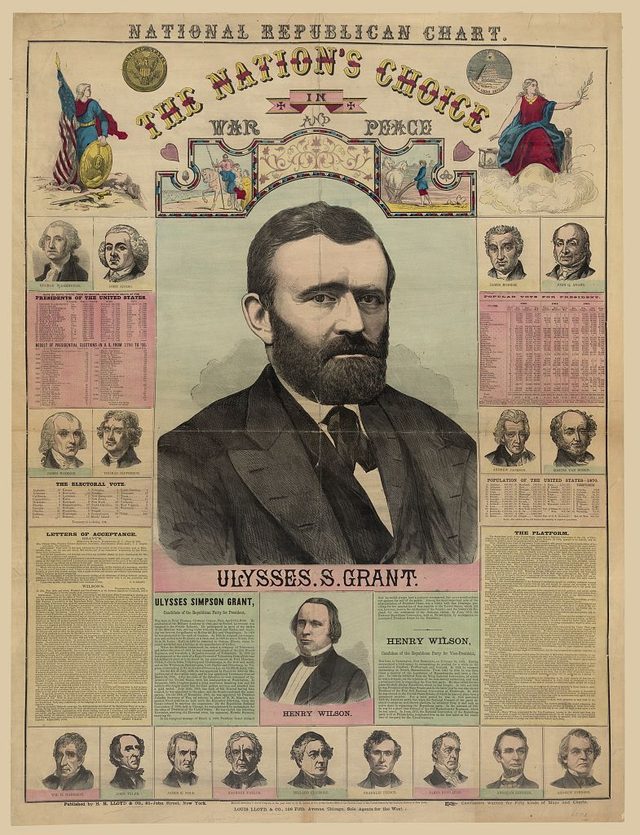
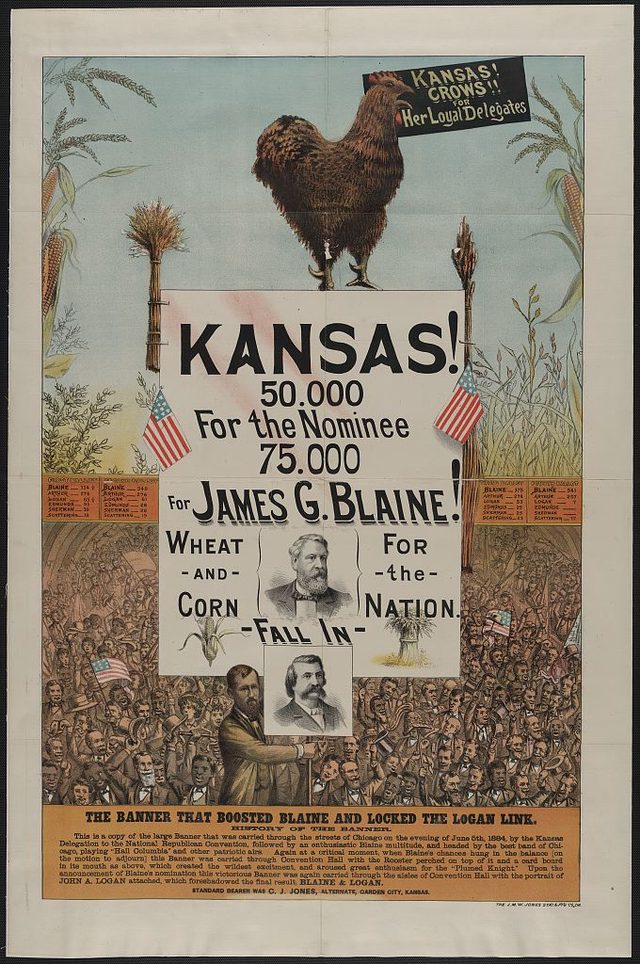
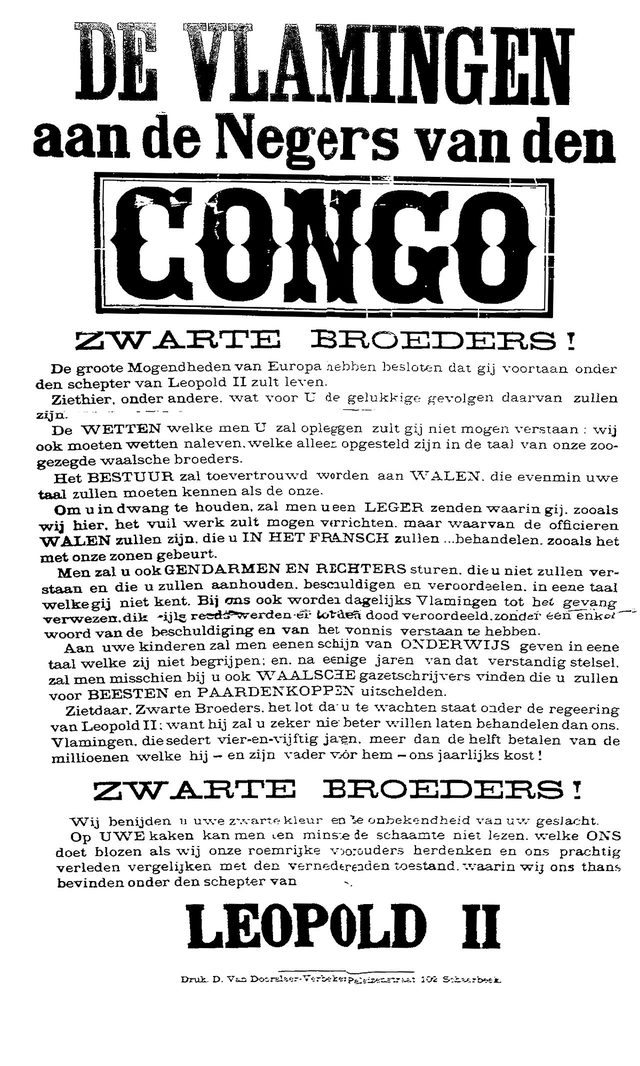
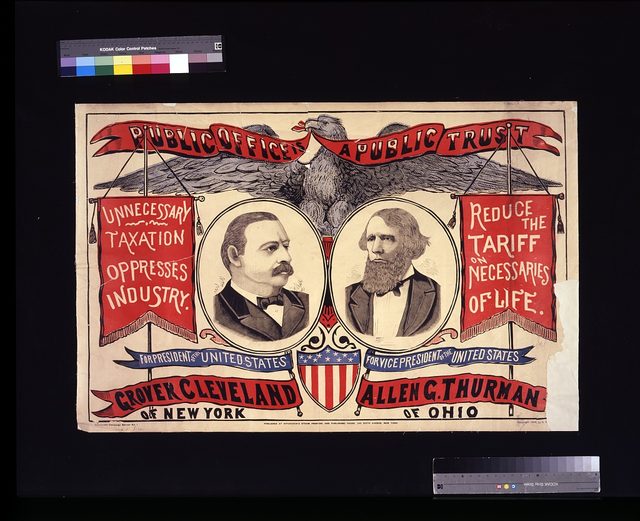
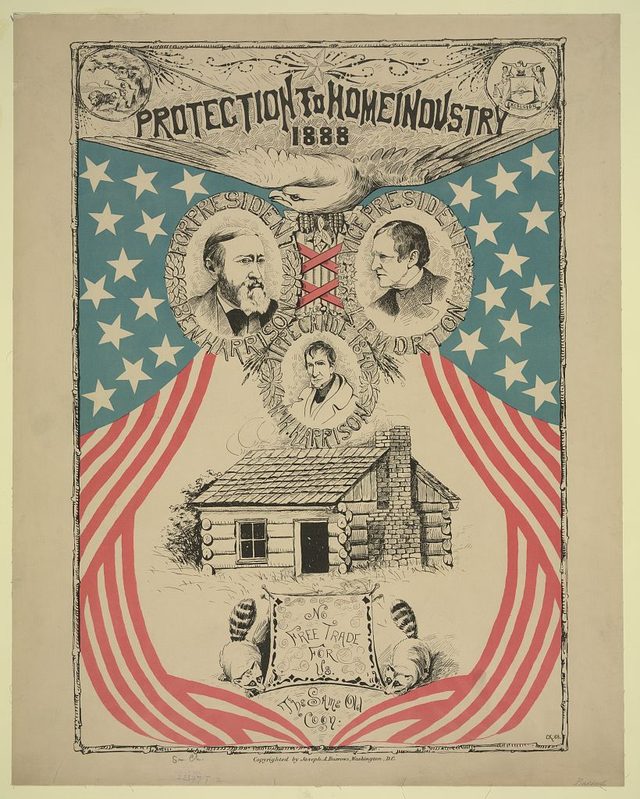
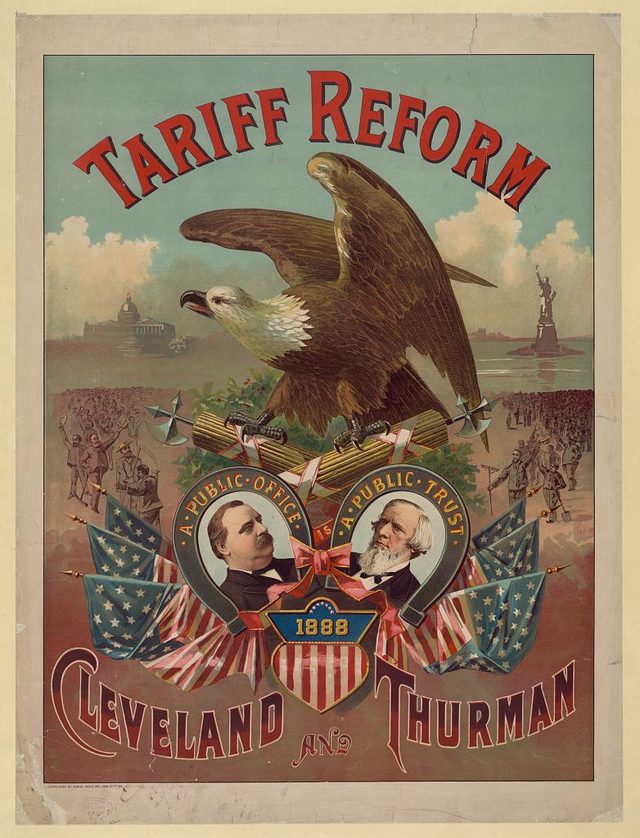
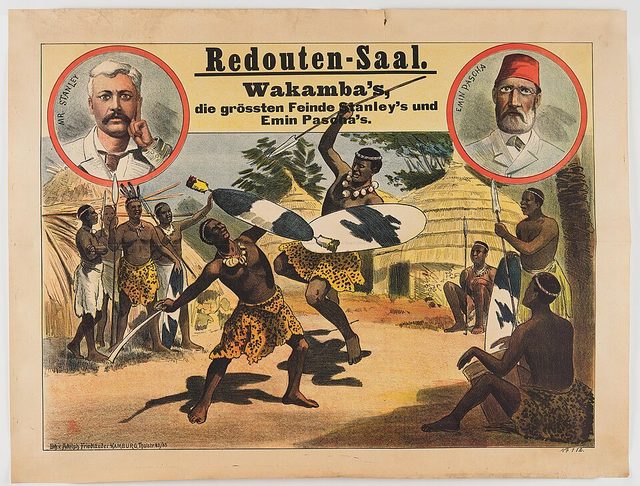
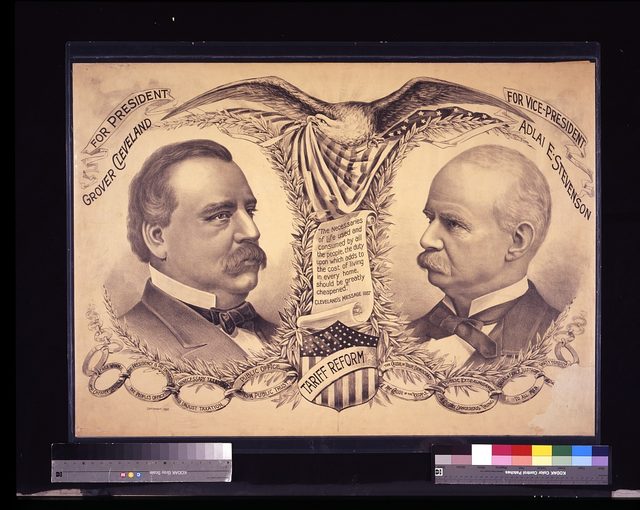
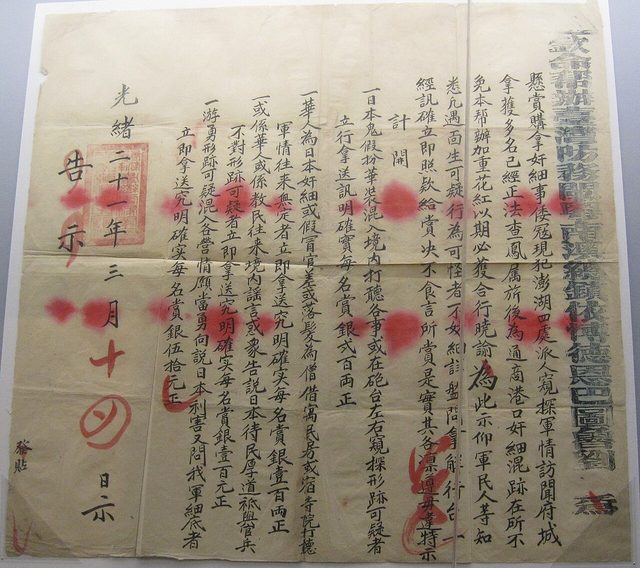
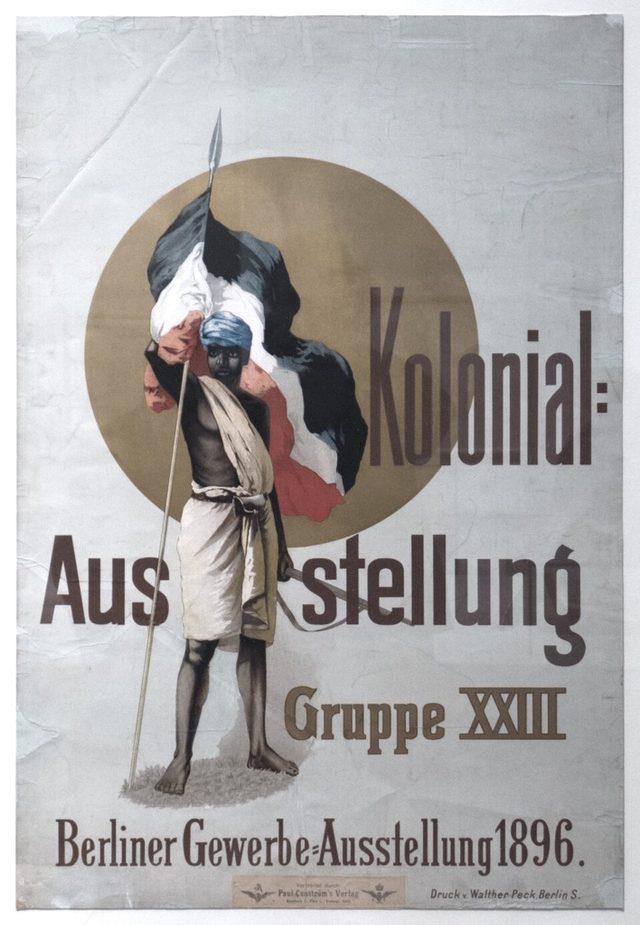
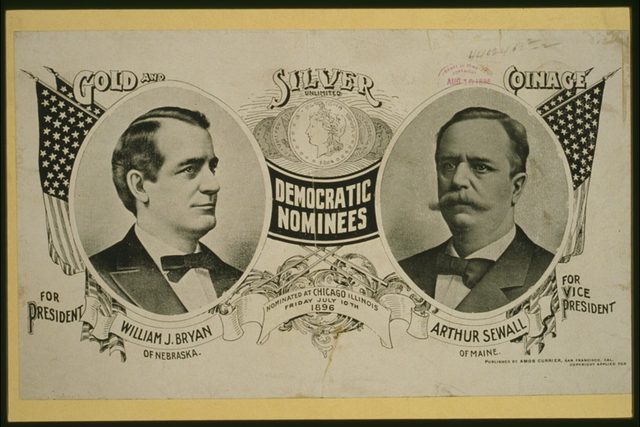
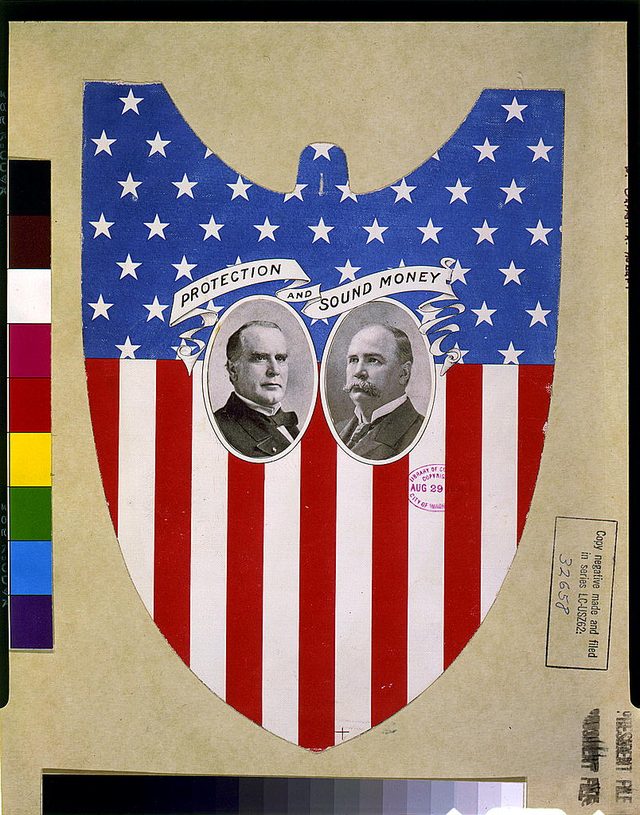
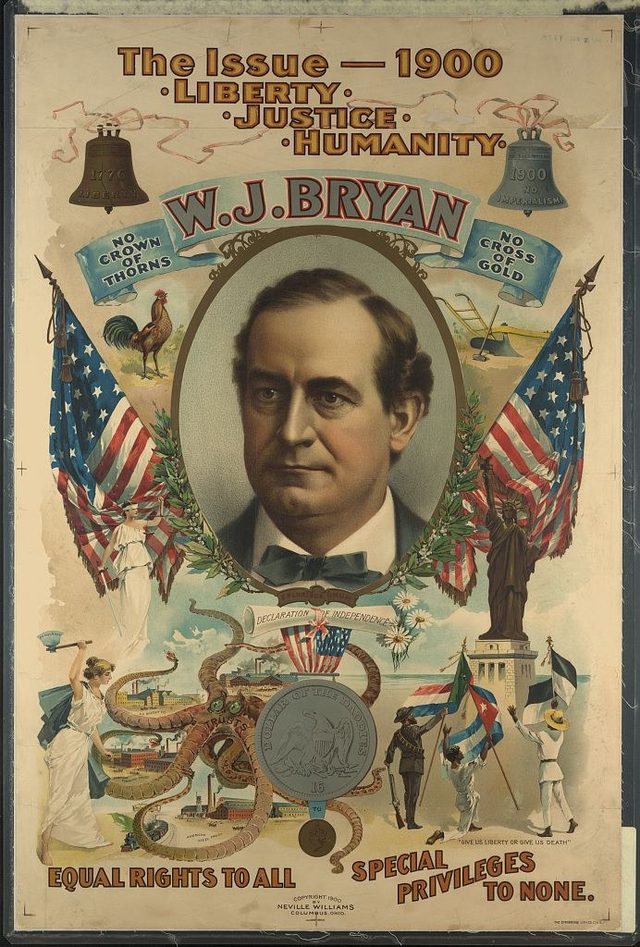
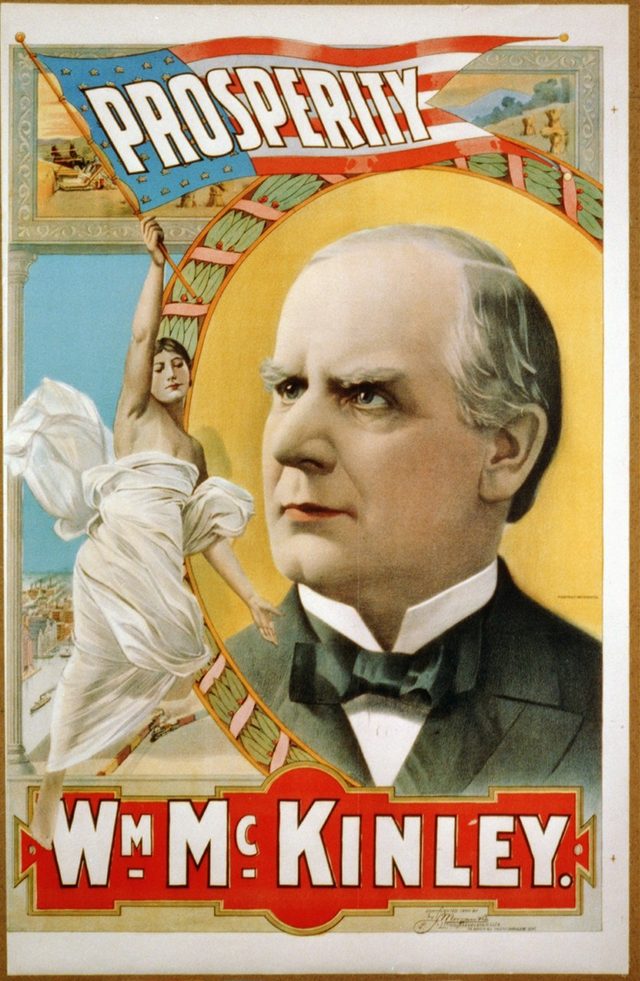
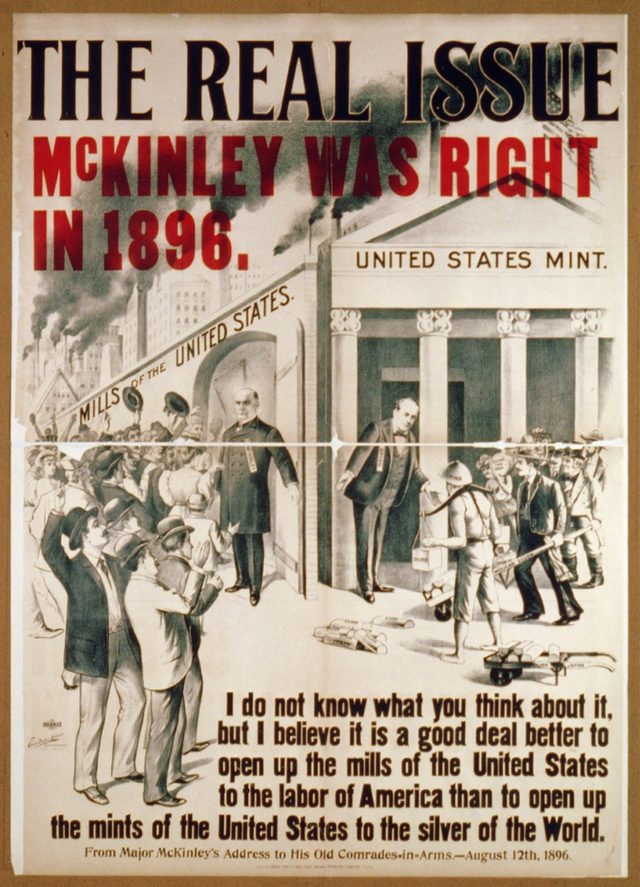
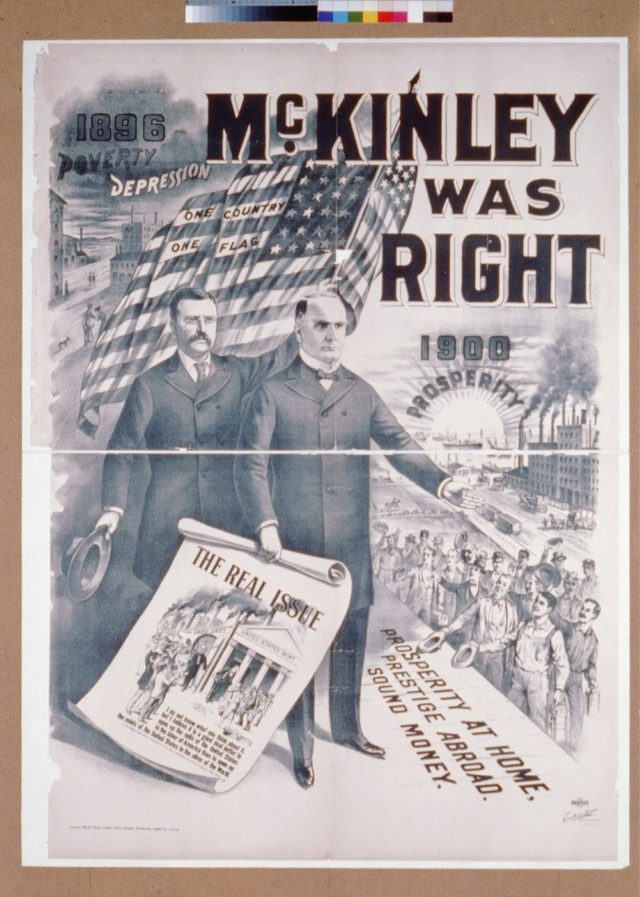
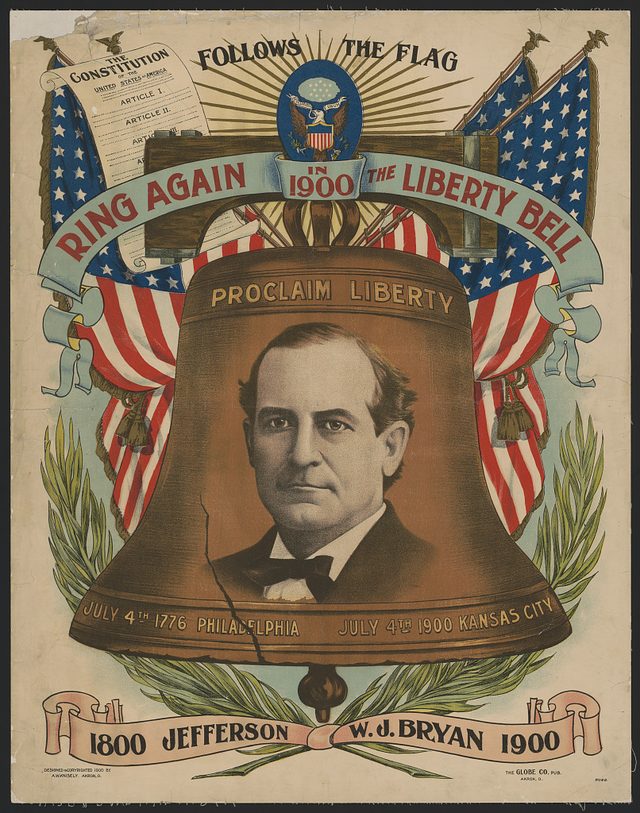
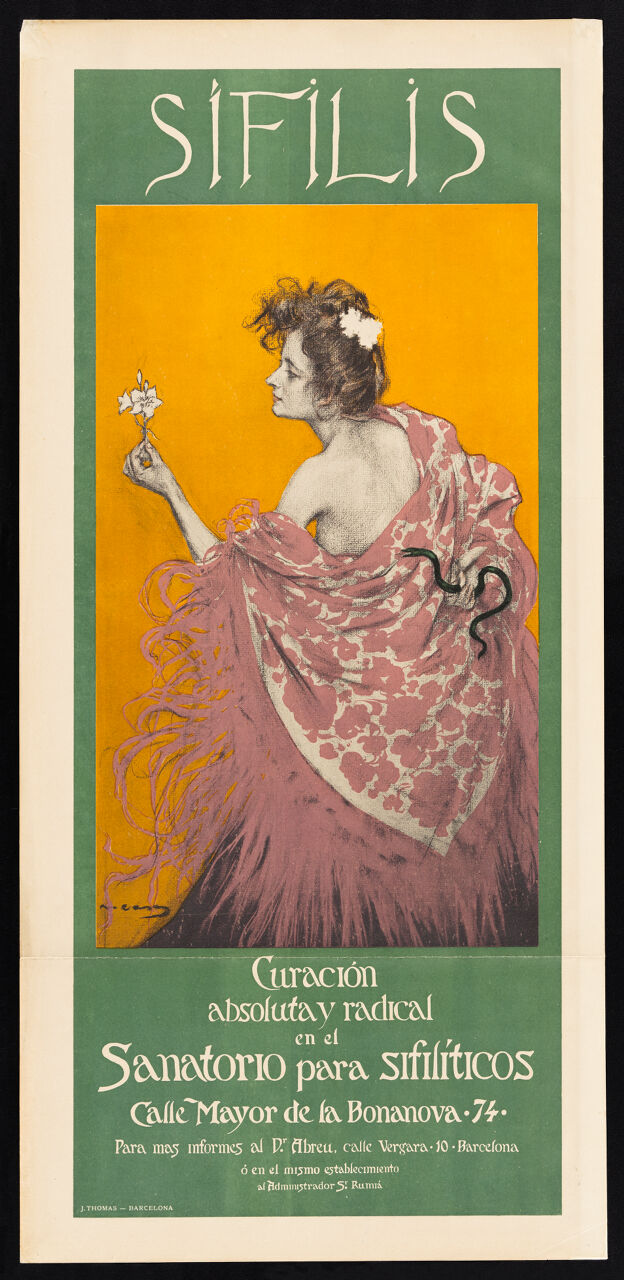
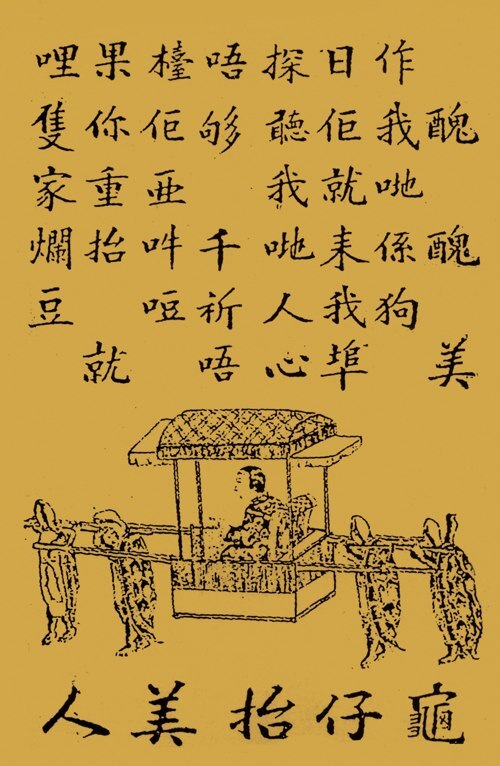
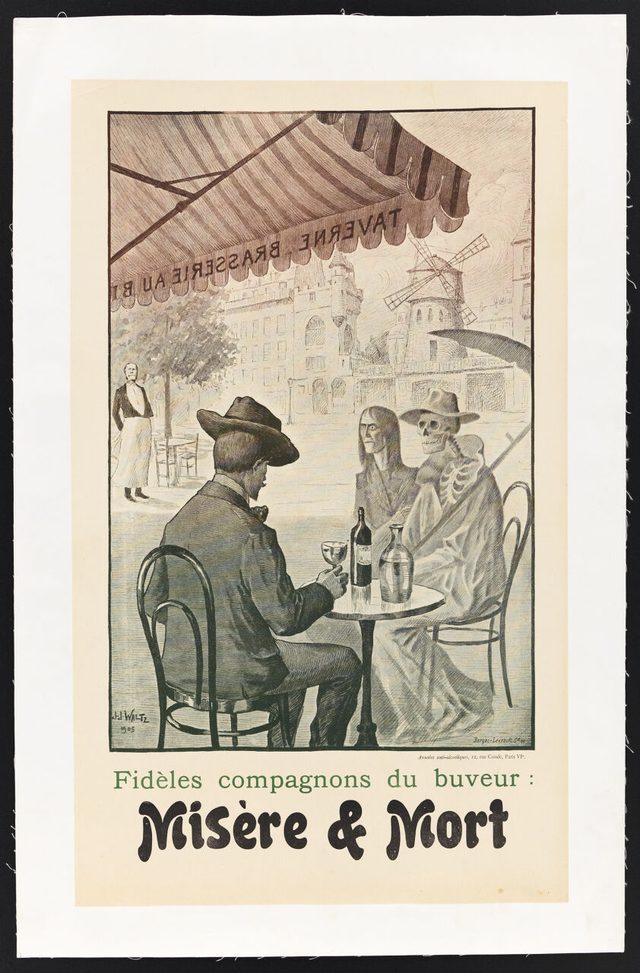
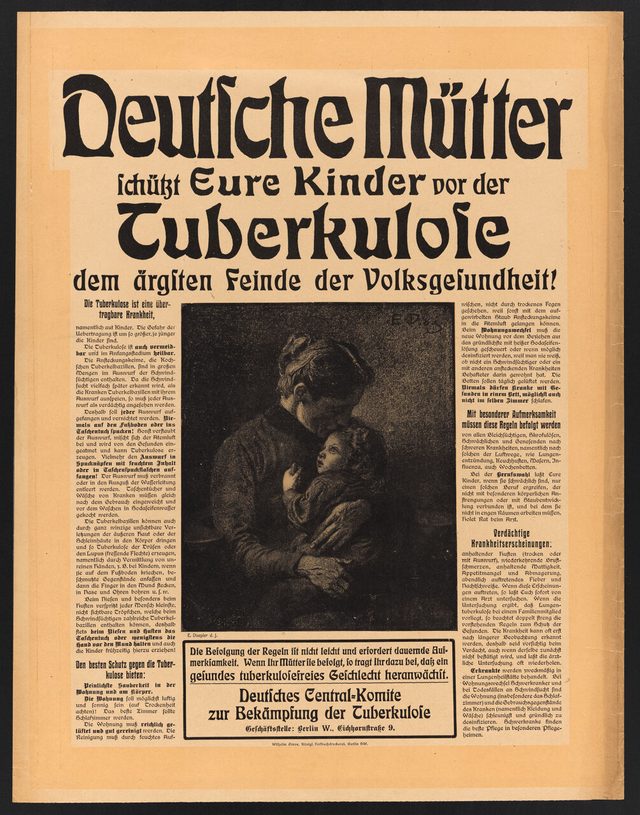
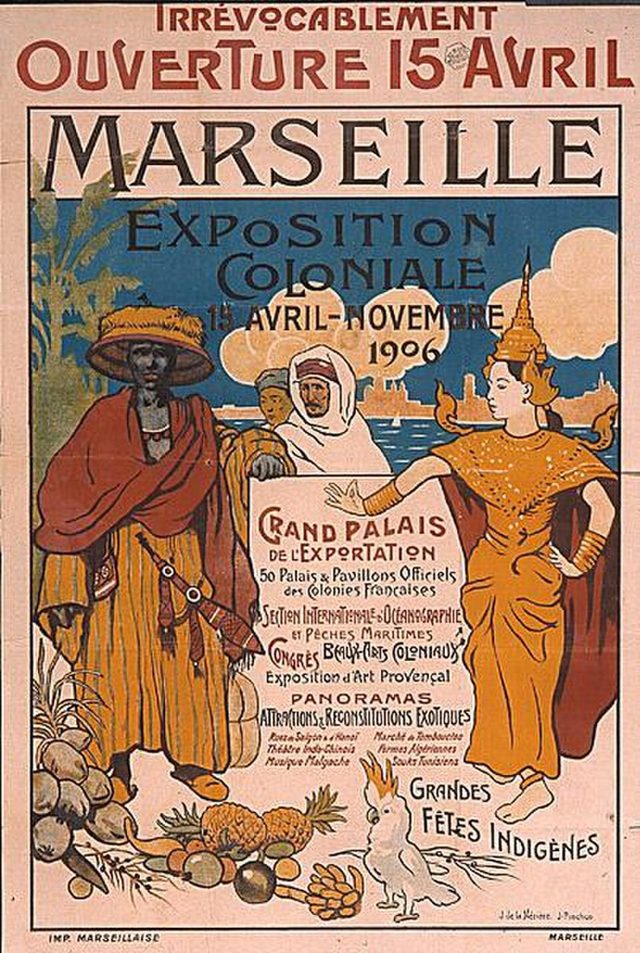
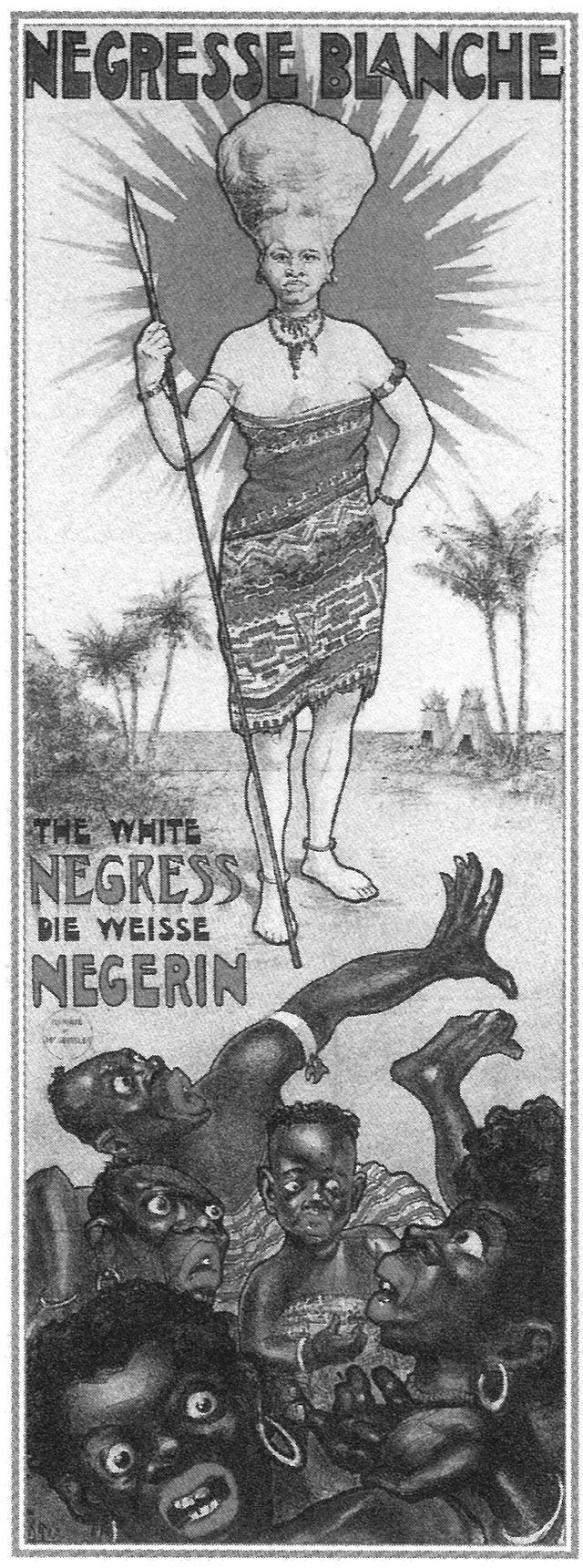
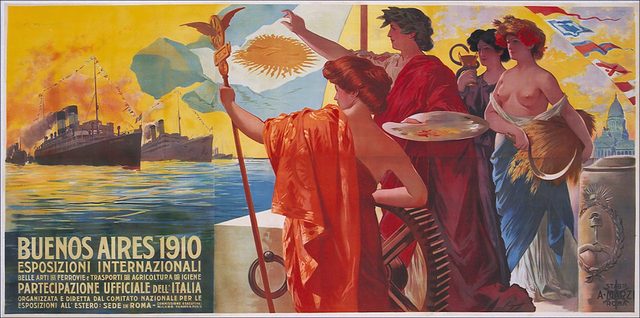
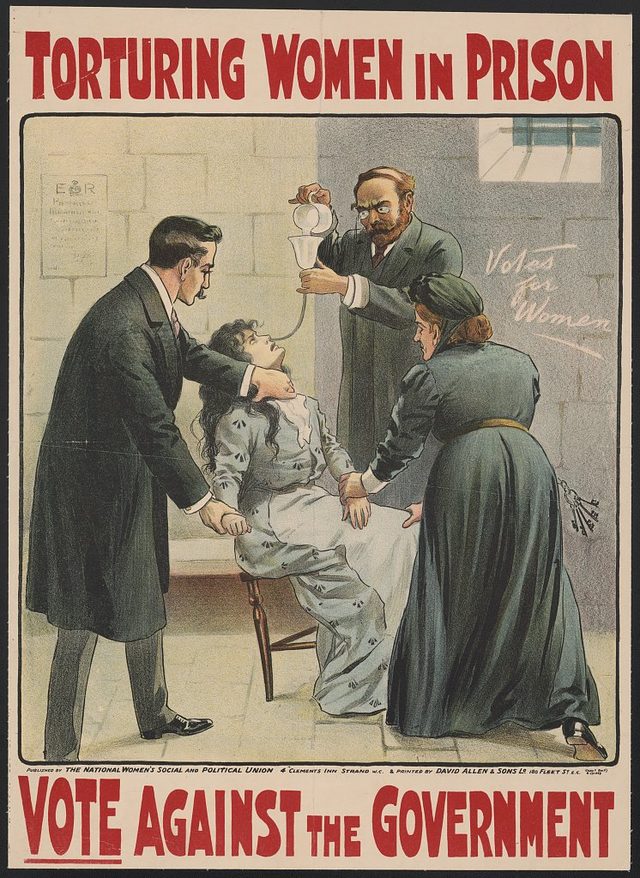
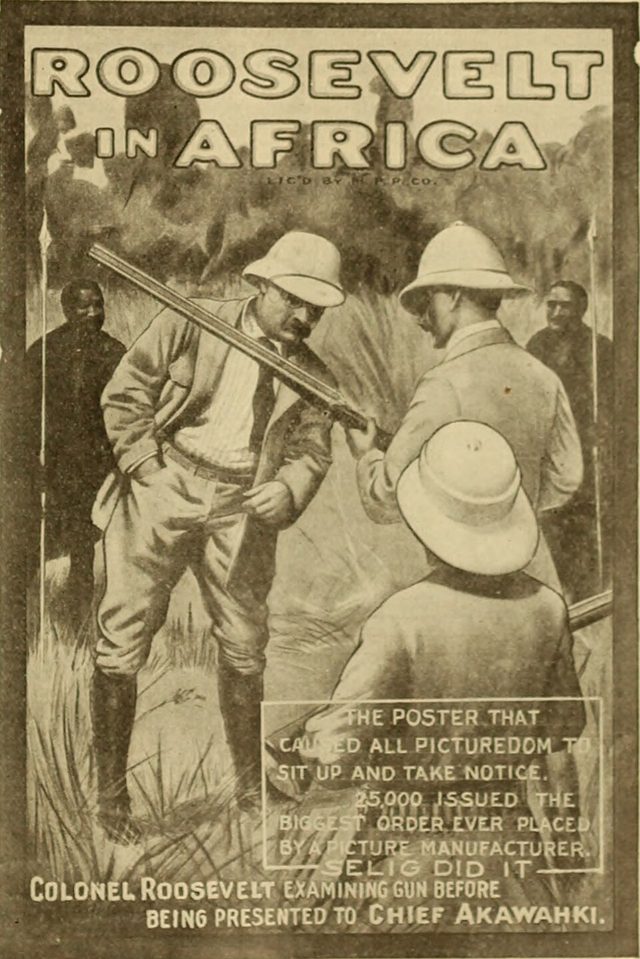
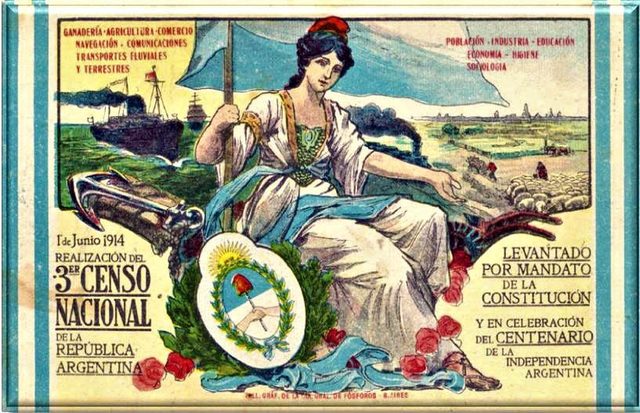
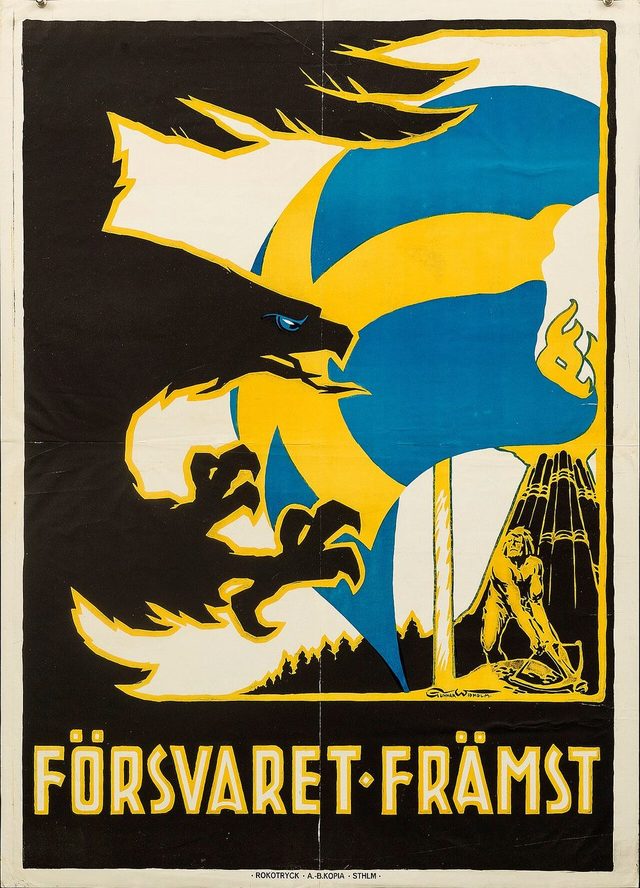
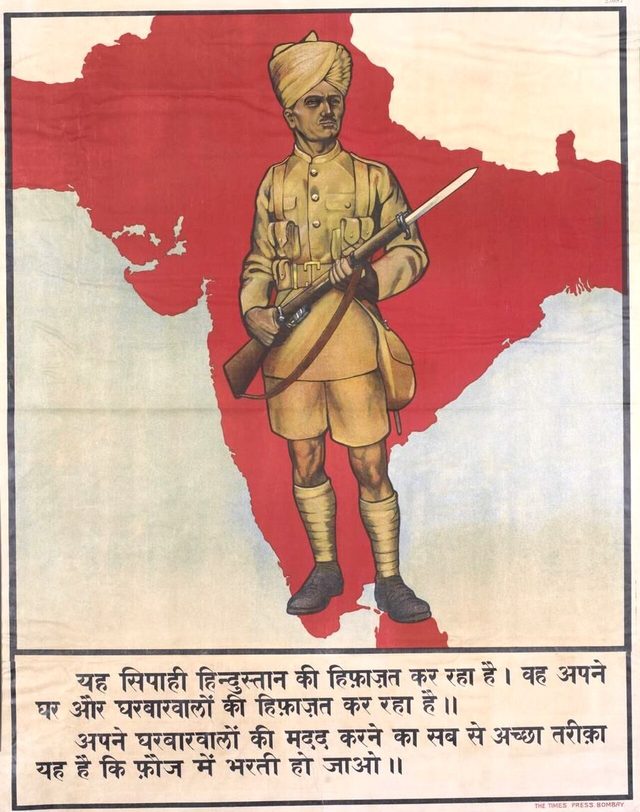
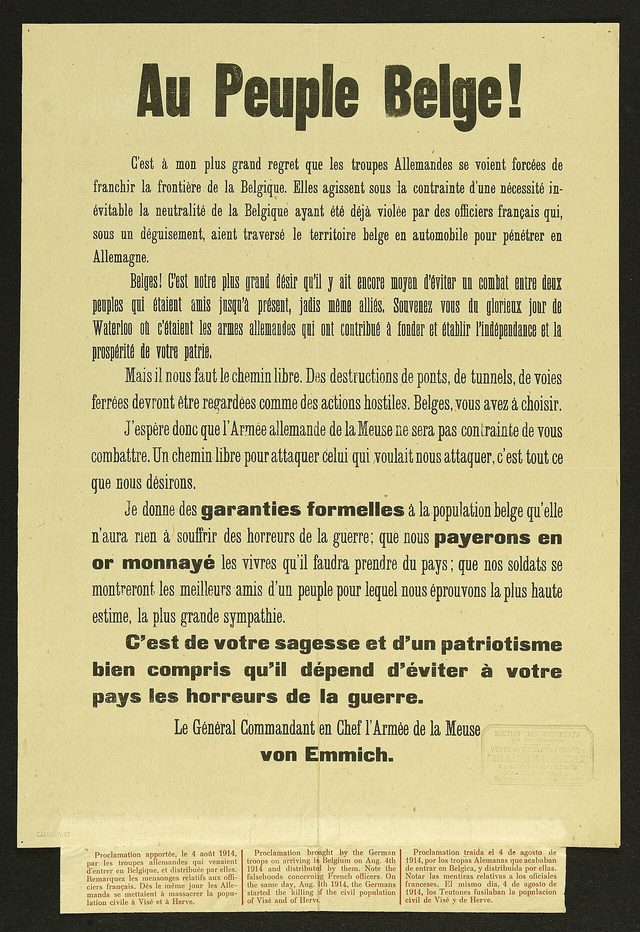
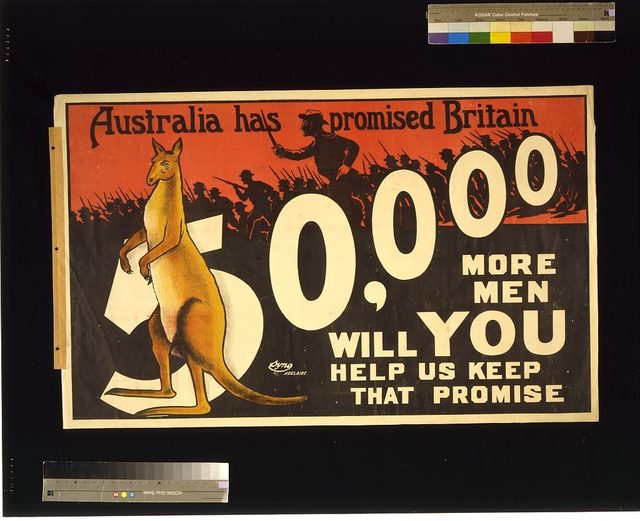
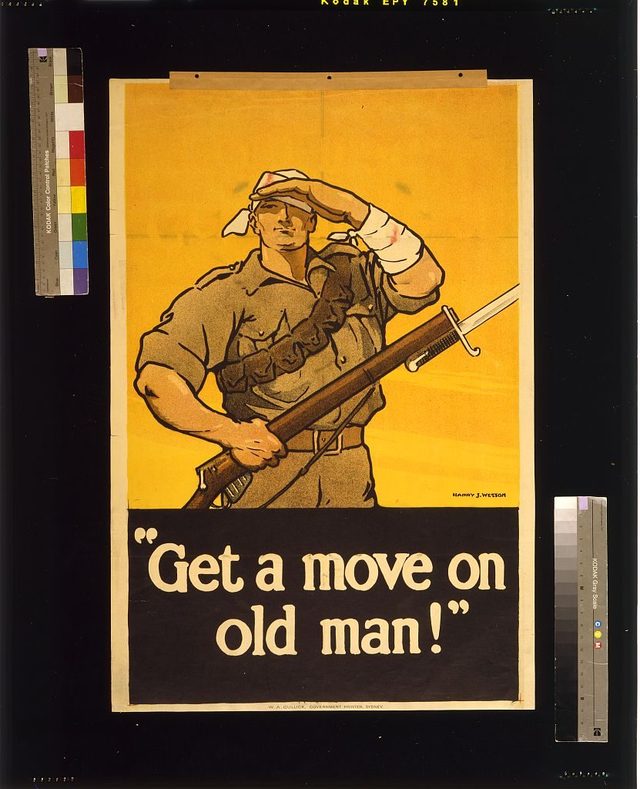
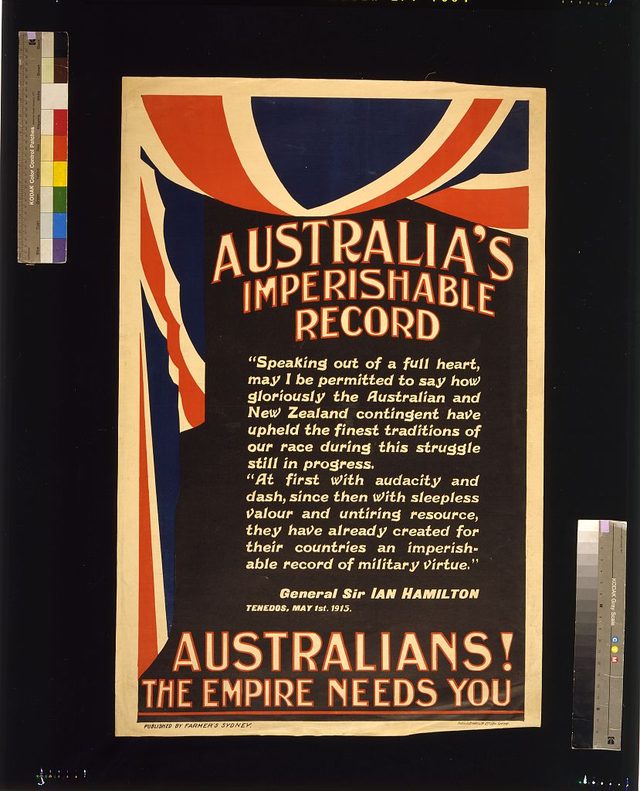
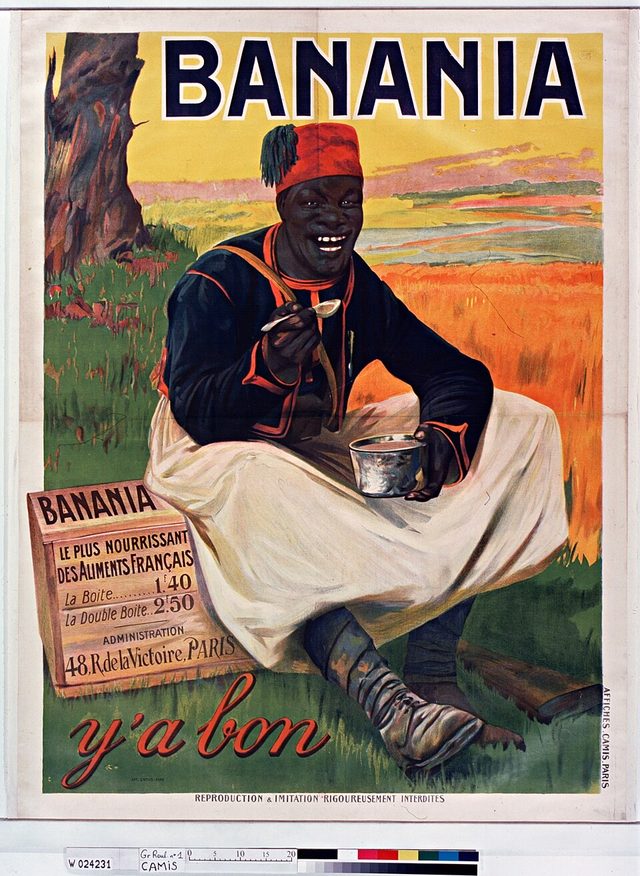
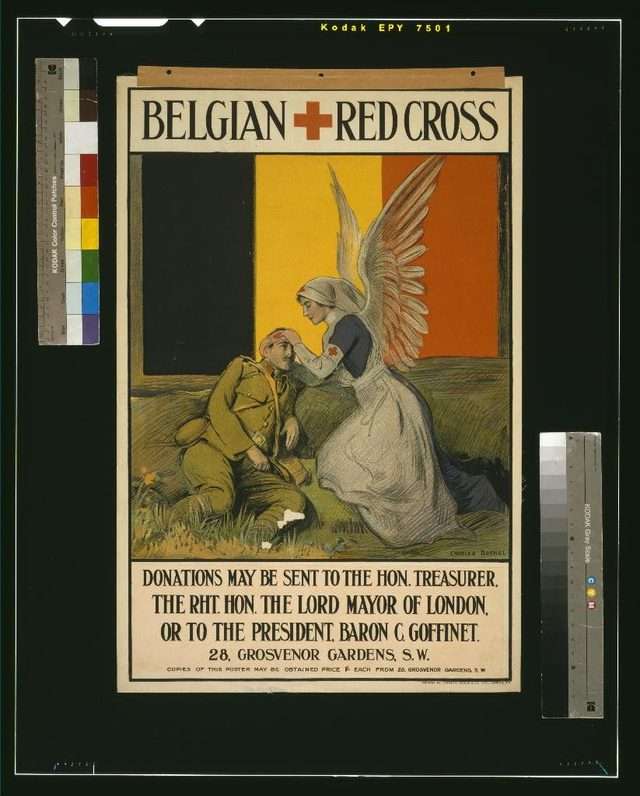
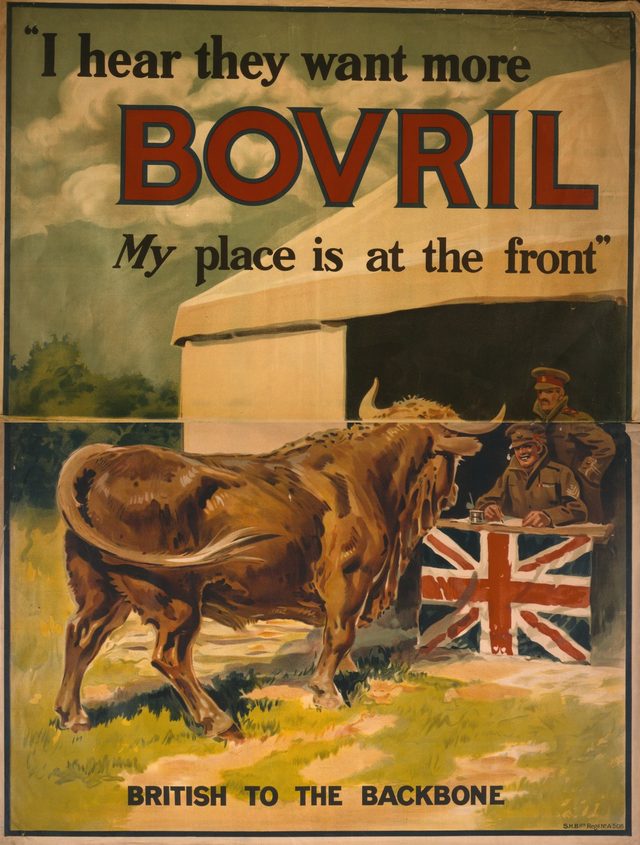
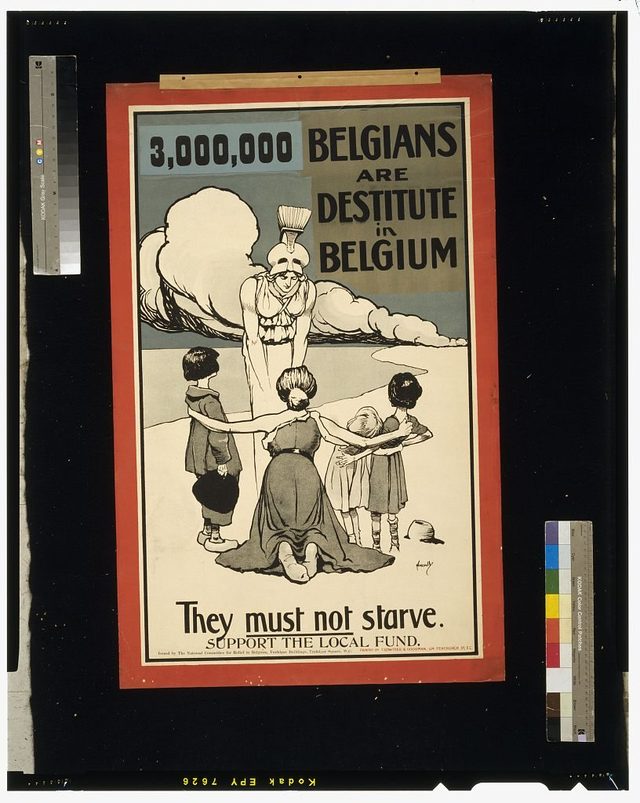
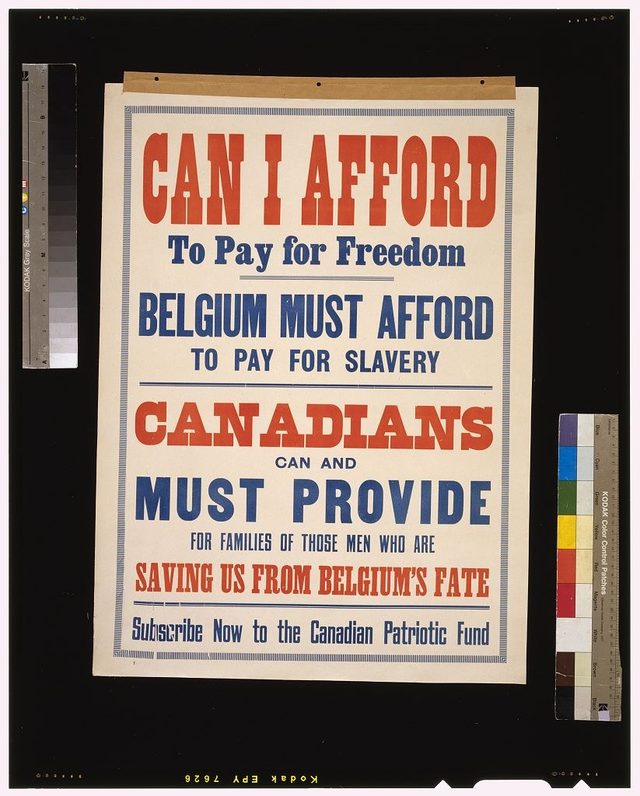
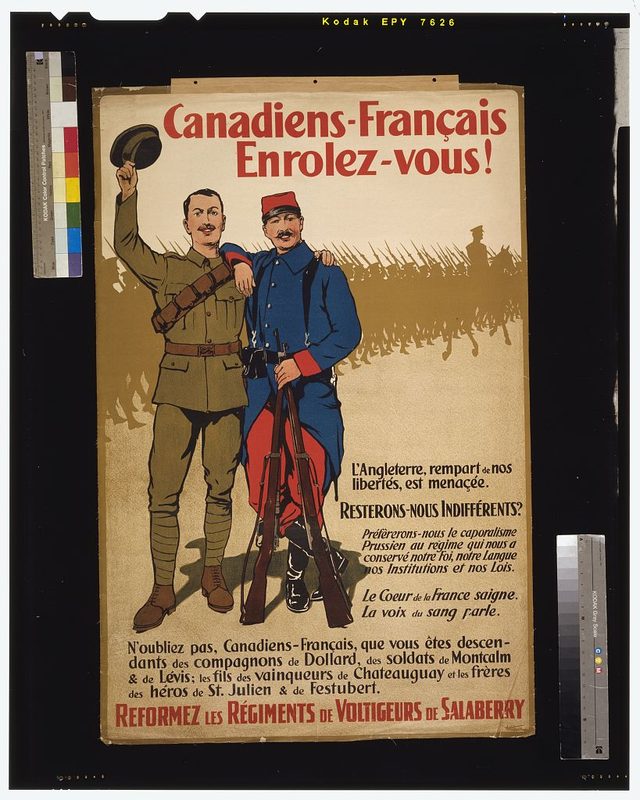
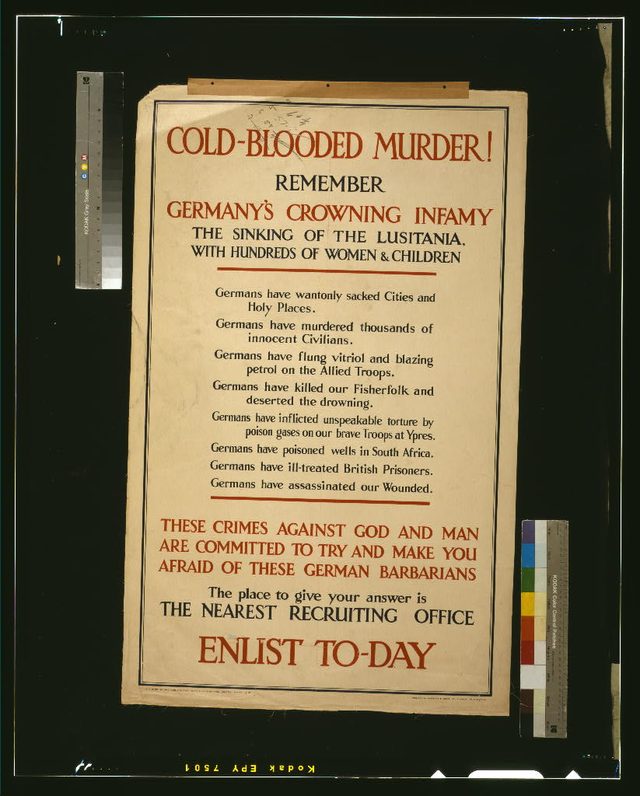
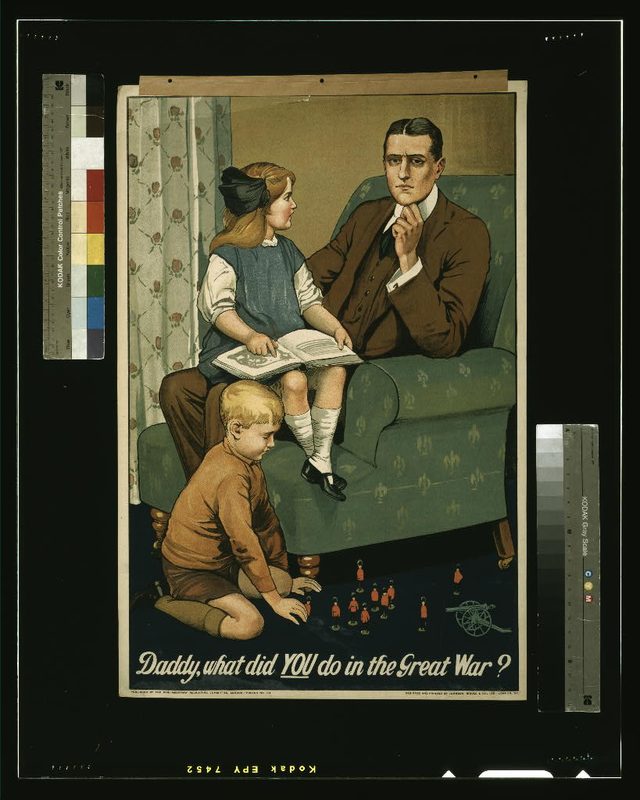
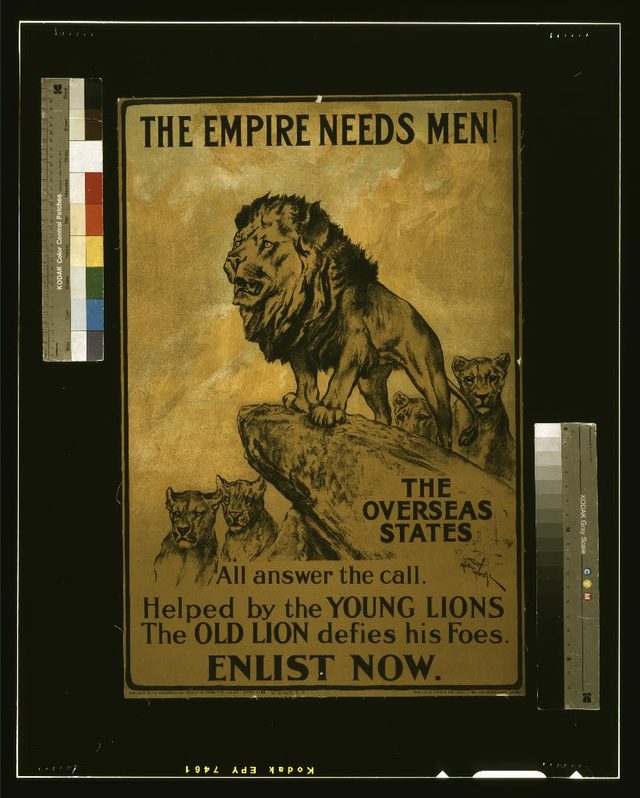
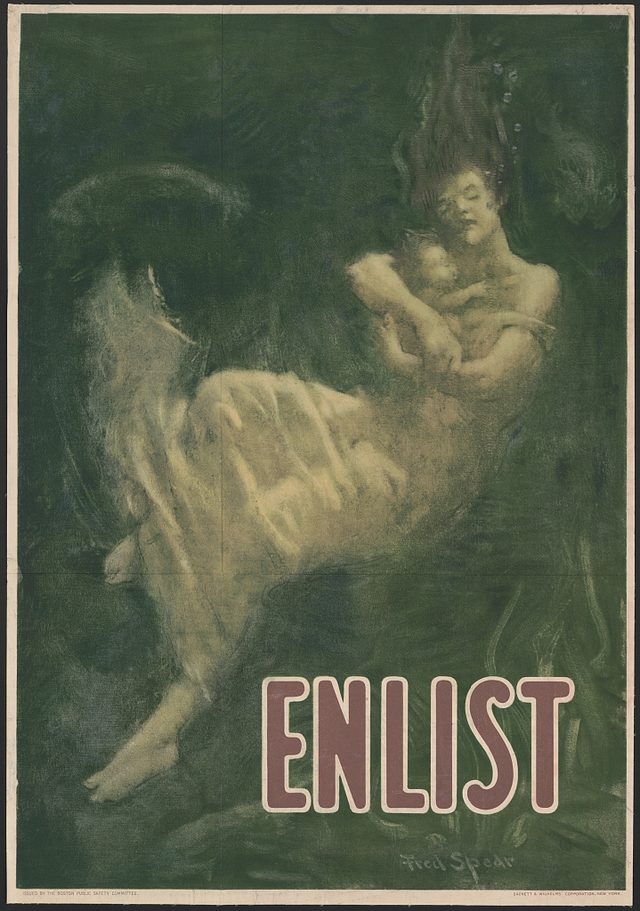
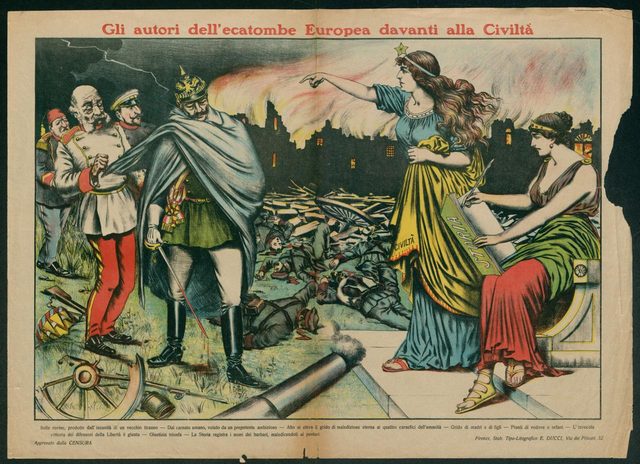
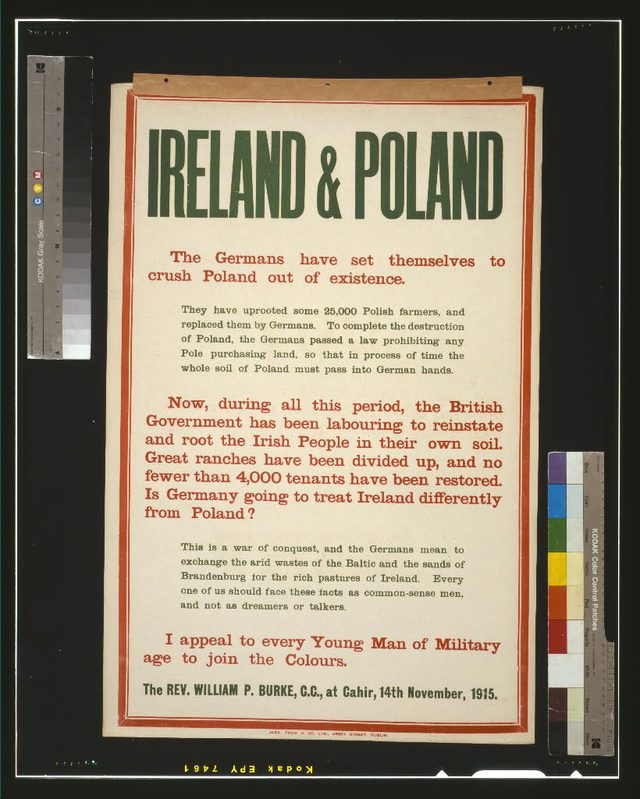
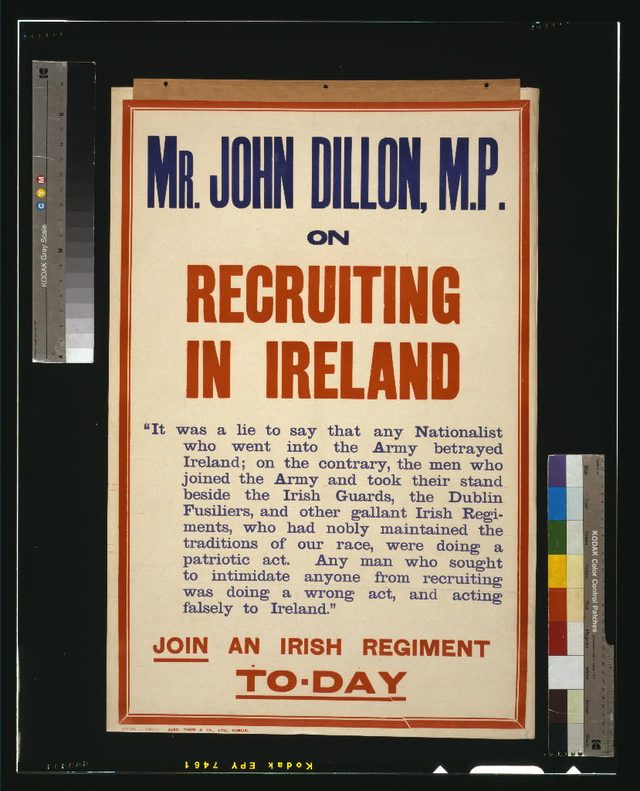
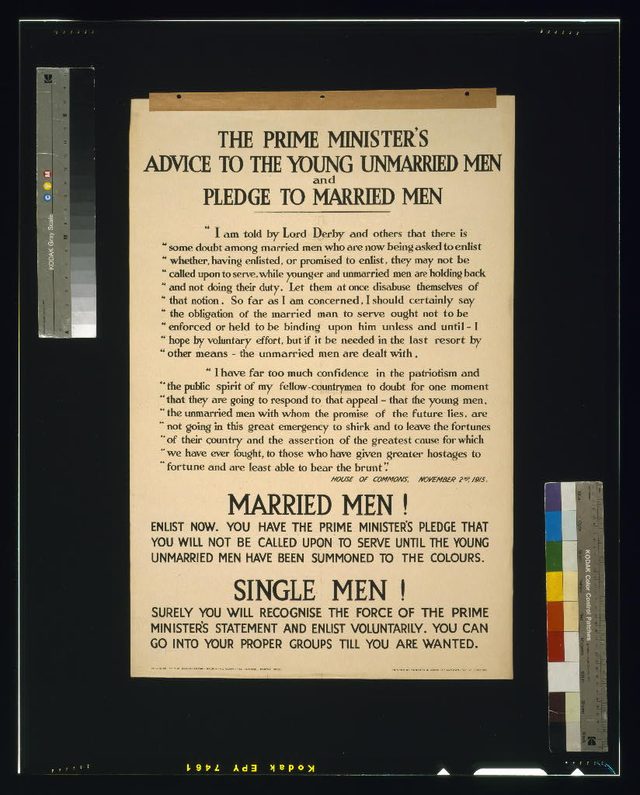
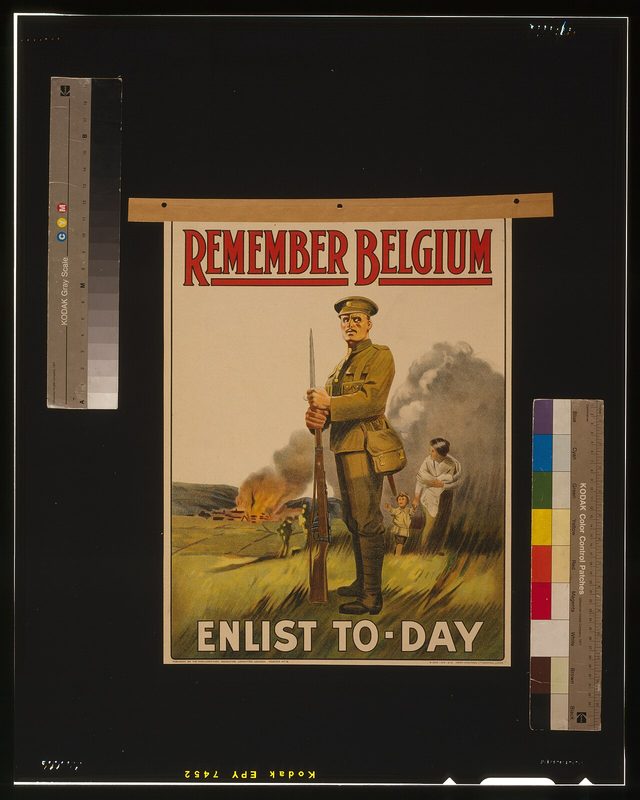
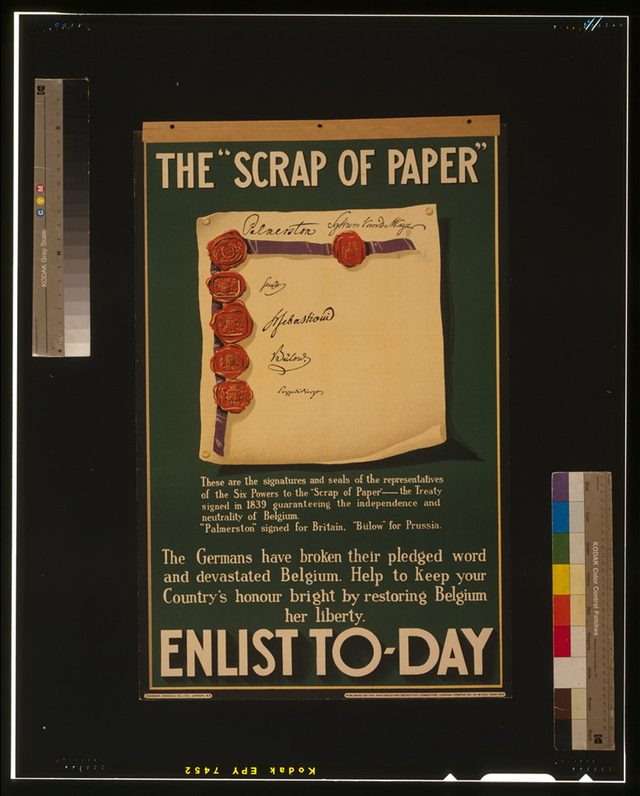
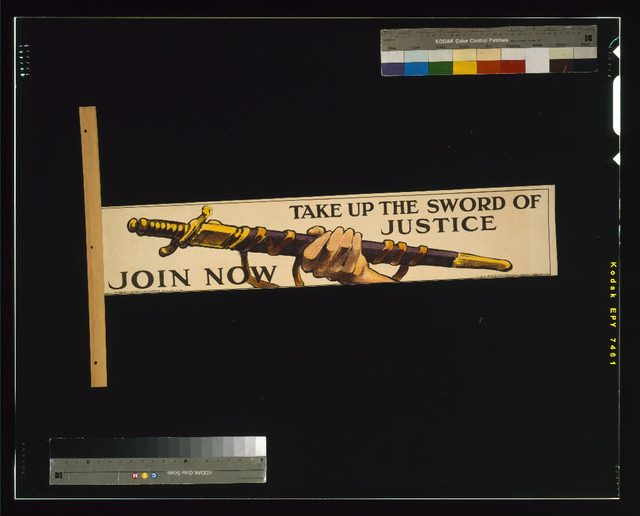
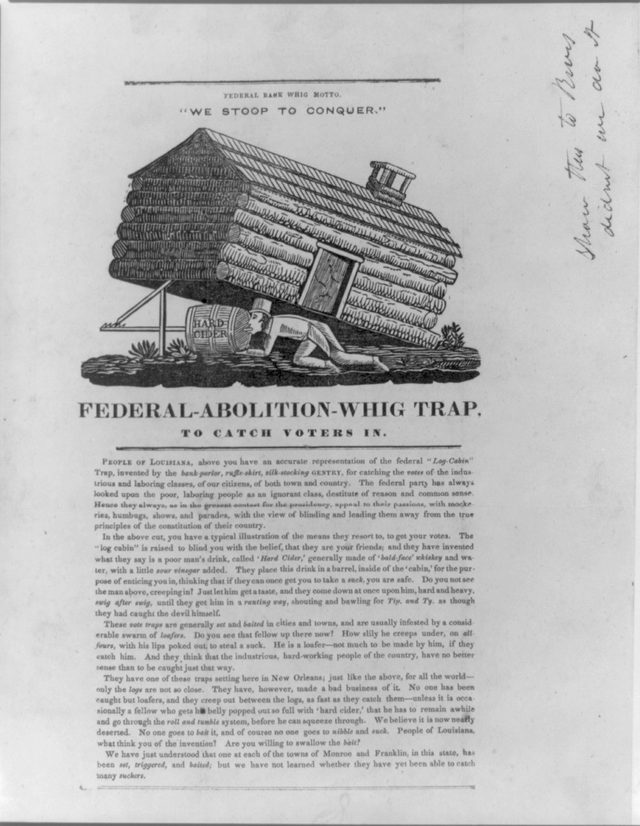
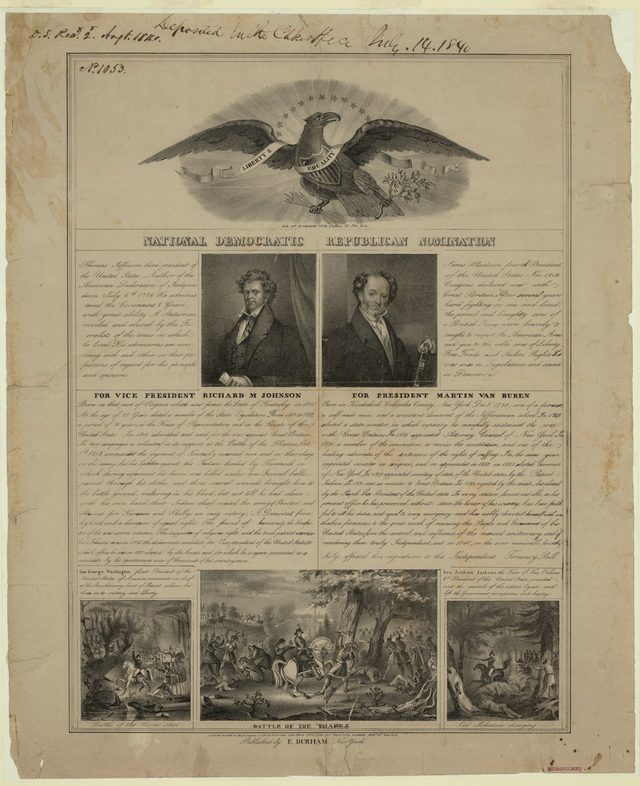
'Federal-Abolition-Whig Trap, to Catch Voters In', New Orleans broadside, 1840United States'Federal-Abolition-Whig Trap, to Catch Voters In', New Orleans broadside, 18401840 · Name-calling'National Democratic Republican Nomination' broadside for Van Buren and Johnson, 1840United States'National Democratic Republican Nomination' broadside for Van Buren and Johnson, 18401840 · Transfer, Glittering generalitiesContent note"The Champions of Freedom" Frémont and Dayton banner (Buffalo, 1856)United States"The Champions of Freedom" Frémont and Dayton banner (Buffalo, 1856)1856 · Glittering generalities, TransferJames Buchanan campaign banner (Baker & Godwin, 1856)United StatesJames Buchanan campaign banner (Baker & Godwin, 1856)Jun 1856 · TransferMillard Fillmore campaign banner (Baker & Godwin, 1856)United StatesMillard Fillmore campaign banner (Baker & Godwin, 1856)Jul 1856 · Transfer"Col. Fremont Planting the American Standard" (Baker & Godwin, 1856)United States"Col. Fremont Planting the American Standard" (Baker & Godwin, 1856)Jul 1856 · TransferBrolej Žemajčiaj! (Brothers Samogitians!): hand-painted broken-cross posterRussian EmpireBrolej Žemajčiaj! (Brothers Samogitians!): hand-painted broken-cross poster1862 · Fear appeal, TransferGod Grant Us Peace / We Shall See More Rads 'Bottled Up' in NovemberUnited StatesGod Grant Us Peace / We Shall See More Rads 'Bottled Up' in November1868 · Name-callingThe Republican chart. The nation's choice in war and peace Ulysses S. GrantUnited StatesThe Republican chart. The nation's choice in war and peace Ulysses S. Grant1872 · Glittering generalities, TransferThe banner that boosted Blaine and locked the Logan linkUnited StatesThe banner that boosted Blaine and locked the Logan link1884 · Bandwagon, Plain folksDe Vlamingen aan de Negers van den Congo (The Flemings to the Negroes of the Congo)BelgiumDe Vlamingen aan de Negers van den Congo (The Flemings to the Negroes of the Congo)1885 · ScapegoatingPublic office is a public trust: Democratic campaign banner no. 1United StatesPublic office is a public trust: Democratic campaign banner no. 11888 · Glittering generalities, TransferProtection to home industry 1888United StatesProtection to home industry 1888Aug 18, 1888 · Transfer, Plain folksTariff reform. Cleveland and ThurmanUnited StatesTariff reform. Cleveland and ThurmanSep 17, 1888 · Glittering generalities, TransferWakamba's: die größten Feinde Stanley's und Emin Pascha's (show poster, c. 1890)German EmpireWakamba's: die größten Feinde Stanley's und Emin Pascha's (show poster, c. 1890)1890 · TransferContent noteFor President Grover Cleveland, for Vice-President Adlai E. StevensonUnited StatesFor President Grover Cleveland, for Vice-President Adlai E. Stevenson1892 · Glittering generalities, Transfer劉永福懸賞抓拿日本奸細告示 (Liu Yongfu's notice offering rewards for capturing Japanese spies), TaiwanQing China劉永福懸賞抓拿日本奸細告示 (Liu Yongfu's notice offering rewards for capturing Japanese spies), Taiwan1895 · Name-calling, Fear appealKolonial-Ausstellung, Gruppe XXIII, Berliner Gewerbe-Ausstellung 1896German EmpireKolonial-Ausstellung, Gruppe XXIII, Berliner Gewerbe-Ausstellung 18961896 · TransferDemocratic nominees Bryan and Sewall broadsideUnited StatesDemocratic nominees Bryan and Sewall broadside1896 · Transfer'Protection and sound money' shield placardUnited States'Protection and sound money' shield placard1896 · TransferThe Issue - 1900. Liberty. Justice. Humanity. W. J. BryanUnited StatesThe Issue - 1900. Liberty. Justice. Humanity. W. J. Bryan1900 · Glittering generalities, Transfer, Fear appealWm. McKinley, ProsperityUnited StatesWm. McKinley, Prosperity1900 · Transfer, Glittering generalitiesThe Real Issue: McKinley Was Right in 1896United StatesThe Real Issue: McKinley Was Right in 18961900 · Card stackingMcKinley Was Right (poster: 1896 poverty, 1900 prosperity)United StatesMcKinley Was Right (poster: 1896 poverty, 1900 prosperity)1900 · Card stacking, Glittering generalitiesRing Again the Liberty Bell in 1900 (Bryan poster)United StatesRing Again the Liberty Bell in 1900 (Bryan poster)1900 · Transfer, Glittering generalitiesSífilis: Curación absoluta y radical en el Sanatorio para sifilíticos (Syphilis: Absolute and Radical Cure at the Sanatorium for Syphilitics)SpainSífilis: Curación absoluta y radical en el Sanatorio para sifilíticos (Syphilis: Absolute and Radical Cure at the Sanatorium for Syphilitics)1900 · Fear appealAnonymous Cantonese placard warning sedan-chair bearers not to carry Alice Roosevelt (Canton, 1905 boycott)Qing ChinaAnonymous Cantonese placard warning sedan-chair bearers not to carry Alice Roosevelt (Canton, 1905 boycott)1905 · Fear appealFidèles compagnons du buveur : Misère & Mort (The Drinker's Faithful Companions: Misery and Death)FranceFidèles compagnons du buveur : Misère & Mort (The Drinker's Faithful Companions: Misery and Death)1905 · Fear appealDeutsche Mütter, schützt Eure Kinder vor der Tuberkulose (German Mothers, Protect Your Children from Tuberculosis)German EmpireDeutsche Mütter, schützt Eure Kinder vor der Tuberkulose (German Mothers, Protect Your Children from Tuberculosis)1906 · Fear appealIrrévocablement. Ouverture 15 avril. Marseille. Exposition coloniale (1906)FranceIrrévocablement. Ouverture 15 avril. Marseille. Exposition coloniale (1906)1906 · Card stackingNegresse blanche / The white negress / Die weisse Negerin: Amanoua Kpapo (show poster, c. 1910)German EmpireNegresse blanche / The white negress / Die weisse Negerin: Amanoua Kpapo (show poster, c. 1910)1910 · Name-callingContent noteBuenos Aires 1910: Esposizioni Internazionali, Partecipazione ufficiale dell'Italia (Buenos Aires 1910: International Expositions, Official Participation of Italy)Kingdom of ItalyBuenos Aires 1910: Esposizioni Internazionali, Partecipazione ufficiale dell'Italia (Buenos Aires 1910: International Expositions, Official Participation of Italy)1910 · TransferContent noteTorturing Women in Prison. Vote Against the GovernmentUnited KingdomTorturing Women in Prison. Vote Against the Government1910 · Name-callingRoosevelt in Africa (Selig film advertisement, The Moving Picture World, 30 April 1910)United StatesRoosevelt in Africa (Selig film advertisement, The Moving Picture World, 30 April 1910)Apr 30, 1910 · Transfer, BandwagonTercer censo nacional de la República Argentina, 1 June 1914 (allegorical census poster)ArgentinaTercer censo nacional de la República Argentina, 1 June 1914 (allegorical census poster)Jun 1, 1914 · TransferFörsvaret främst (Defence first), Swedish election poster by Gunnar Widholm, 1914SwedenFörsvaret främst (Defence first), Swedish election poster by Gunnar Widholm, 19141914 · Fear appeal, Transferयह सिपाही हिन्दुस्तान की हिफ़ाज़त कर रहा है (This Soldier Is Defending India), Indian Army recruiting poster, BombayBritish Indiaयह सिपाही हिन्दुस्तान की हिफ़ाज़त कर रहा है (This Soldier Is Defending India), Indian Army recruiting poster, Bombay1914 · TransferAu Peuple Belge! (von Emmich proclamation, with Allied caption strip)German EmpireAu Peuple Belge! (von Emmich proclamation, with Allied caption strip)Aug 4, 1914 · Fear appeal, TransferAux Femmes Françaises (To French Women) — government appeal, 6 August 1914FranceAux Femmes Françaises (To French Women) — government appeal, 6 August 1914Aug 6, 1914 · Glittering generalities, Card stackingAustralia has promised Britain 50,000 more men; will you help us keep that promiseAustraliaAustralia has promised Britain 50,000 more men; will you help us keep that promise1915 · Bandwagon, Transfer'Get a move on old man!' (Harry J. Weston, Sydney)Australia'Get a move on old man!' (Harry J. Weston, Sydney)1915 · Plain folksAustralia's imperishable record. Australians! The empire needs you (Farmer's, Sydney)AustraliaAustralia's imperishable record. Australians! The empire needs you (Farmer's, Sydney)1915 · Testimonial, Glittering generalitiesBanania "y'a bon" (advertising poster, Paris, 1915)FranceBanania "y'a bon" (advertising poster, Paris, 1915)1915 · TransferContent noteBelgian Red Cross (donations poster, London)BelgiumBelgian Red Cross (donations poster, London)1915 · Transfer"I hear they want more Bovril. My place is at the front" (Bovril poster, 1915)United Kingdom"I hear they want more Bovril. My place is at the front" (Bovril poster, 1915)1915 · Transfer3,000,000 Belgians are destitute in Belgium (Hassall)United Kingdom3,000,000 Belgians are destitute in Belgium (Hassall)1915 · TransferCan I Afford to Pay for Freedom (Canadian Patriotic Fund)CanadaCan I Afford to Pay for Freedom (Canadian Patriotic Fund)1915 · Fear appeal, Glittering generalitiesCanadiens-Français, enrolez-vous! Reformez les régiments de Voltigeurs de Salaberry (Canada)CanadaCanadiens-Français, enrolez-vous! Reformez les régiments de Voltigeurs de Salaberry (Canada)1915 · Transfer, Fear appealCold-Blooded Murder! Remember Germany's Crowning InfamyUnited KingdomCold-Blooded Murder! Remember Germany's Crowning Infamy1915 · Card stacking, Name-calling, Fear appealDaddy, what did YOU do in the Great War?United KingdomDaddy, what did YOU do in the Great War?1915 · Fear appealThe Empire Needs Men! The Overseas States All Answer the CallUnited KingdomThe Empire Needs Men! The Overseas States All Answer the Call1915 · Bandwagon, TransferEnlistUnited StatesEnlist1915 · Fear appealContent noteGli autori dell'ecatombe Europea davanti alla Civiltà (The authors of the European hecatomb before Civilisation)Kingdom of ItalyGli autori dell'ecatombe Europea davanti alla Civiltà (The authors of the European hecatomb before Civilisation)1915 · Name-calling, Glittering generalitiesContent noteIreland & Poland (recruiting appeal quoting the Rev. William P. Burke)United KingdomIreland & Poland (recruiting appeal quoting the Rev. William P. Burke)1915 · Fear appeal, TestimonialMr. John Dillon, M.P., on recruiting in Ireland. Join an Irish regiment to-dayUnited KingdomMr. John Dillon, M.P., on recruiting in Ireland. Join an Irish regiment to-day1915 · Testimonial, Semantic hijackingThe Prime Minister's Advice to the Young Unmarried Men and Pledge to Married MenUnited KingdomThe Prime Minister's Advice to the Young Unmarried Men and Pledge to Married Men1915 · TestimonialRemember Belgium — Enlist To-DayUnited KingdomRemember Belgium — Enlist To-Day1915 · Fear appeal, Scapegoating, TransferThe "Scrap of Paper": Signatures and Seals of the 1839 Treaty, Enlist To-DayUnited KingdomThe "Scrap of Paper": Signatures and Seals of the 1839 Treaty, Enlist To-Day1915 · Transfer, Glittering generalitiesTake Up the Sword of Justice. Join NowUnited KingdomTake Up the Sword of Justice. Join Now1915 · Transfer, Glittering generalitiesWe will uphold the priceless gem of liberty. Shall we help to crush tyranny? (Canadian recruiting poster)CanadaWe will uphold the priceless gem of liberty. Shall we help to crush tyranny? (Canadian recruiting poster)1915 · Glittering generalities, Transfer