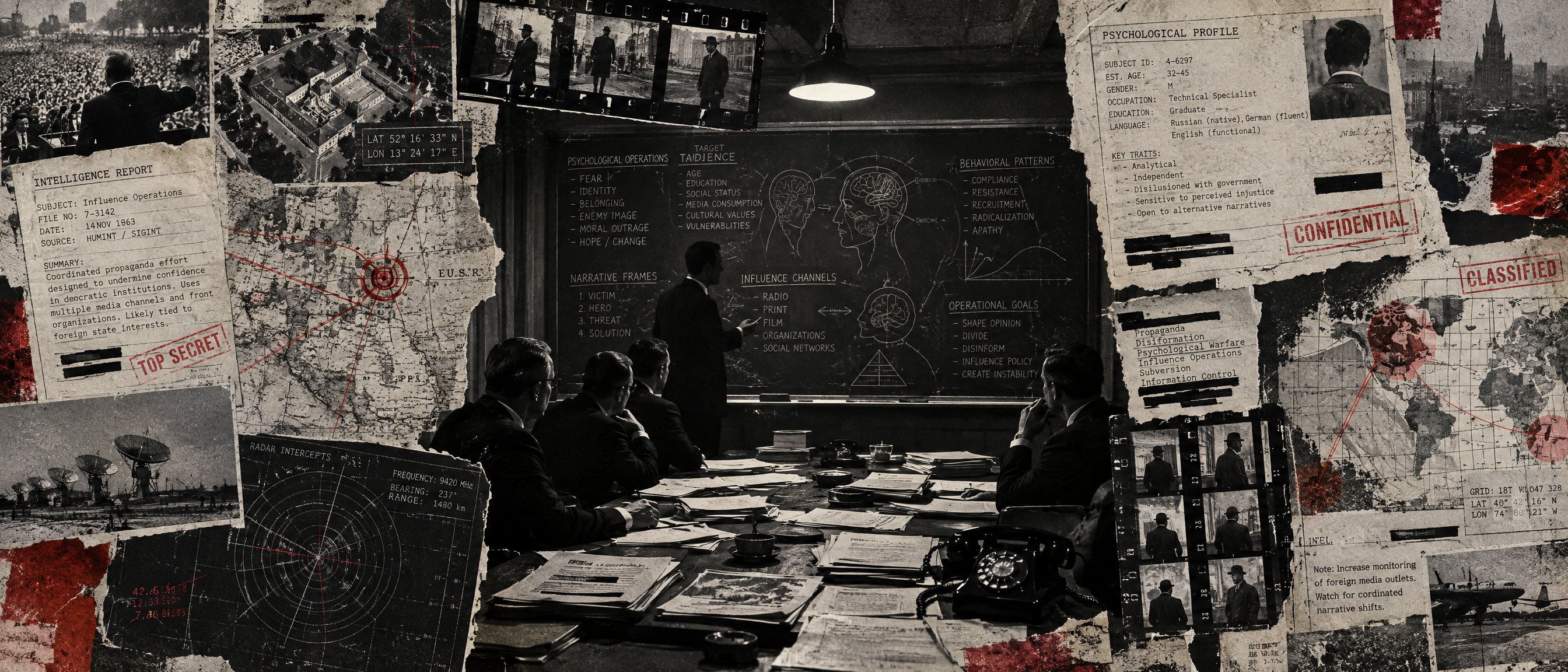
Content note. A few sheets show wartime fear imagery, including a drowning mother and child and a caricatured enemy. They are shown as issued, as evidence of method, from several countries and eras.
How do ethos, pathos and logos show up in propaganda?
Ethos persuades through the speaker's credibility, pathos through the audience's feelings, and logos through the appearance of reason. In propaganda each can be imitated: borrowed authority stands in for ethos, staged fear or pity for pathos, and charts, counts or a forced choice for logos. This page sorts real archive posters by the appeal they lean on.
What are the three appeals?
Aristotle's Rhetoric names three means of persuasion: the character of the speaker (ethos), the emotional state of the audience (pathos) and the argument itself (logos). Ordinary persuasion uses all three. A sound appeal can be checked: the speaker's standing is relevant, the feeling fits the facts, the argument is supported.
Explain moreShow less
Propaganda, as the archive defines it, uses the form of an appeal without the check. The archive's own taxonomy links two techniques to Aristotle by name, fear appeal and appeal to emotion, both filed under pathos. Every other mapping on this page is FRAME's own reading, offered as a teaching aid, not as part of the taxonomy. Posters often mix appeals, and a technique can be read more than one way. Each mapping below says why.
The groupings count entries from the 6,705 entry files in examples/entries/, made by script. Of those, 3,650 carry at least one technique read here as ethos, 1,997 as pathos and 1,881 as logos; 1,399 carry techniques from two or more groups. The collection is weighted to the United States, so the counts show what the archive holds and can host, not who relied on an appeal more. The same mapping is applied to every side. See also types of propaganda and the full technique list.
Ethos: borrowed credibility
Mapping and reason. Testimonial (671 entries) is ethos by definition: a named person vouches. Transfer (2,519) borrows standing from a flag or symbol, a stand-in for the speaker's credibility. Cult of personality (12) builds the speaker's authority until it replaces argument. Plain folks (852) performs the speaker's likeness to the audience, which bears on the goodwill Aristotle listed among ethos. Narrative laundering (9) borrows a trusted surface. The tests are on the technique pages: does the vouch carry data, and is the affiliation relevant?
Explain moreShow less
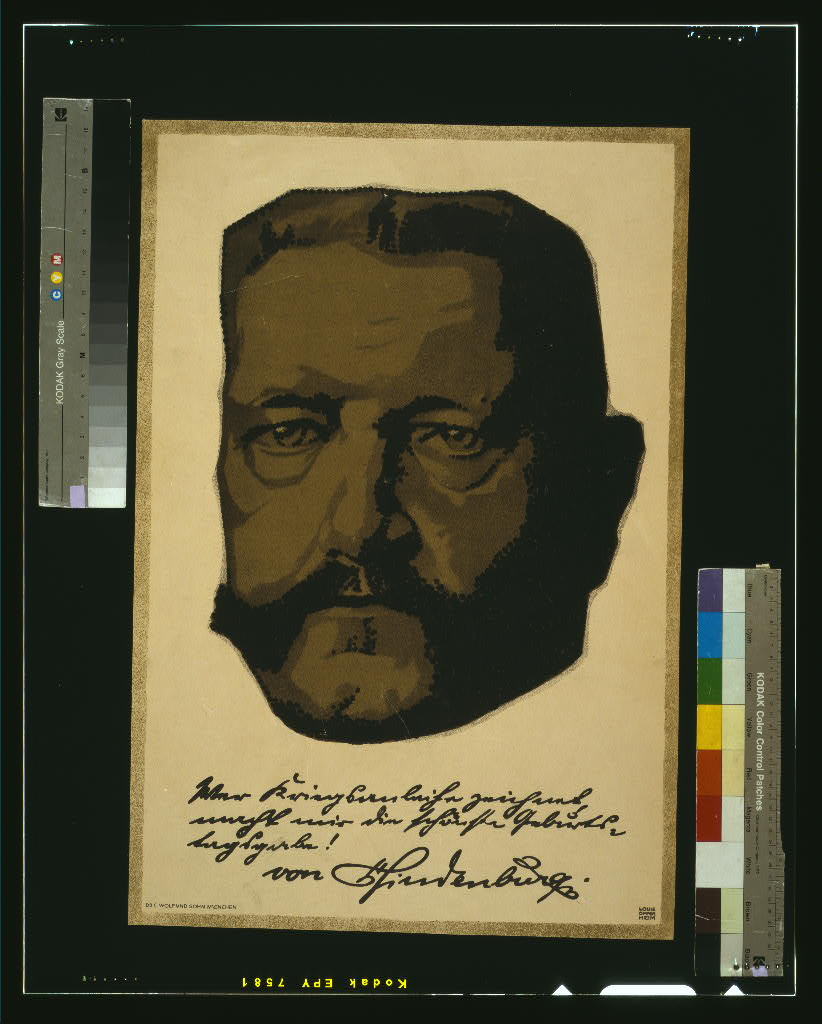
Louis Oppenheim's 1917 poster shows Field Marshal Hindenburg above a facsimile of his handwriting saying that whoever subscribes to the war loan gives him the finest birthday present. The entry notes that the ask rests on his personal vouch and signature, with no figures about the loan.
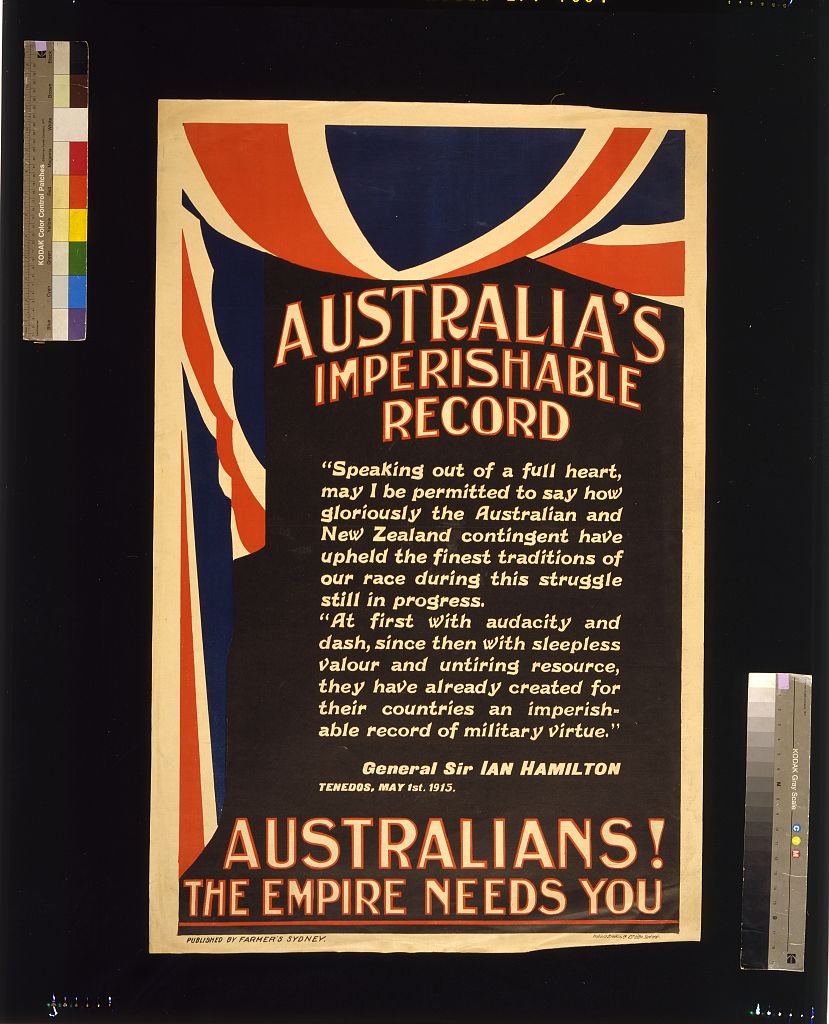
A Sydney department store's 1915 recruiting sheet quotes General Sir Ian Hamilton on the troops at Gallipoli and closes "Australians! The empire needs you". The entry tags testimonial and glittering generalities.
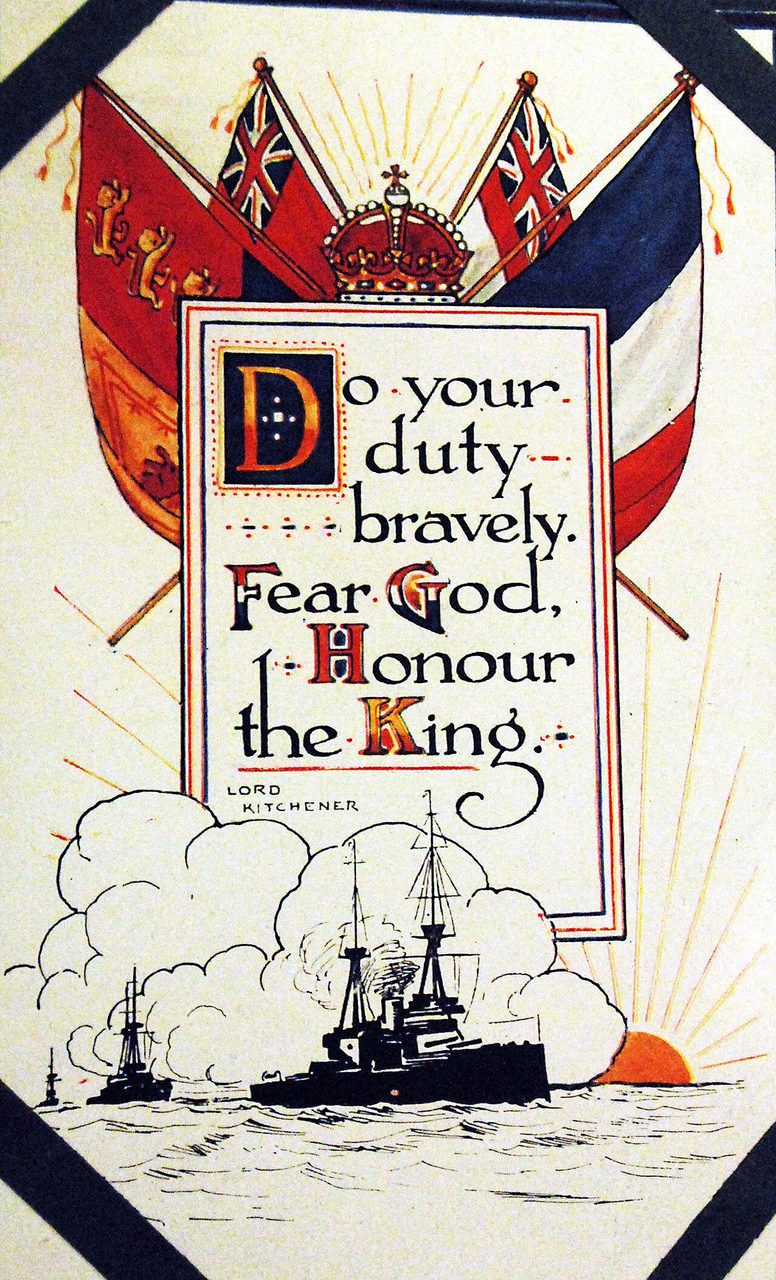
A postcard prints Kitchener's instruction "Do your duty bravely. Fear God, Honour the King." under a crown, flags and warships. The entry says the named authority's vouch is the message. Compare the recruiting posters page.
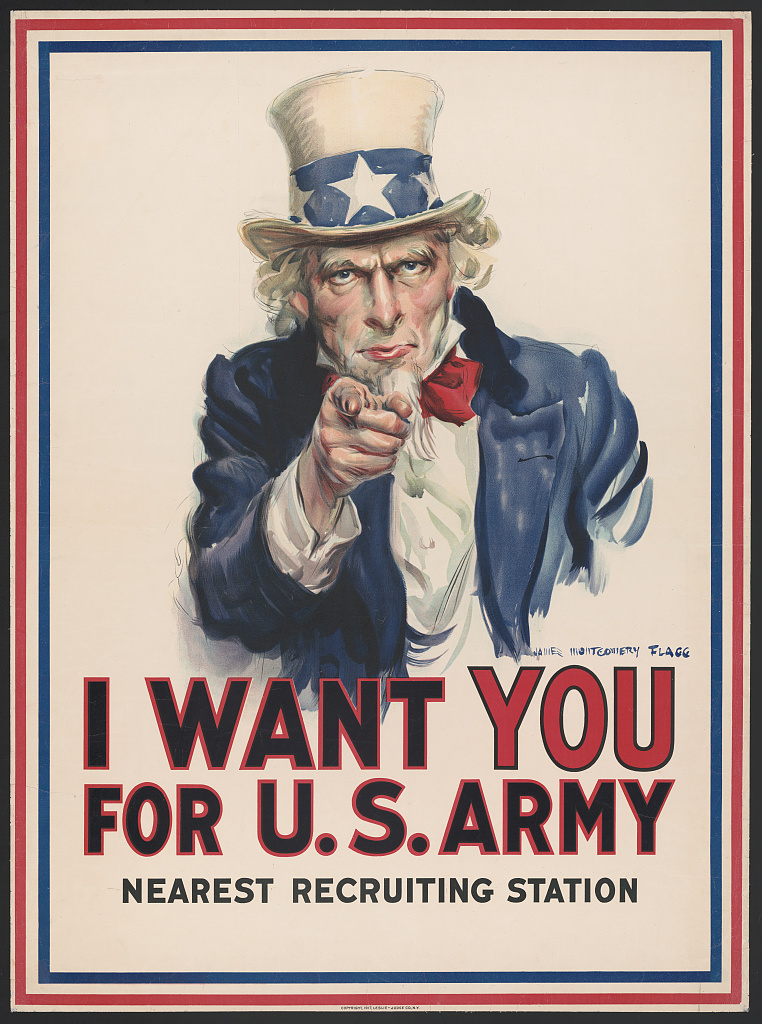
Flagg's Uncle Sam makes the request in the nation's own person, so, the entry says, the standing of the nation stands in for any case about why this viewer should enlist. That is the tell of transfer.
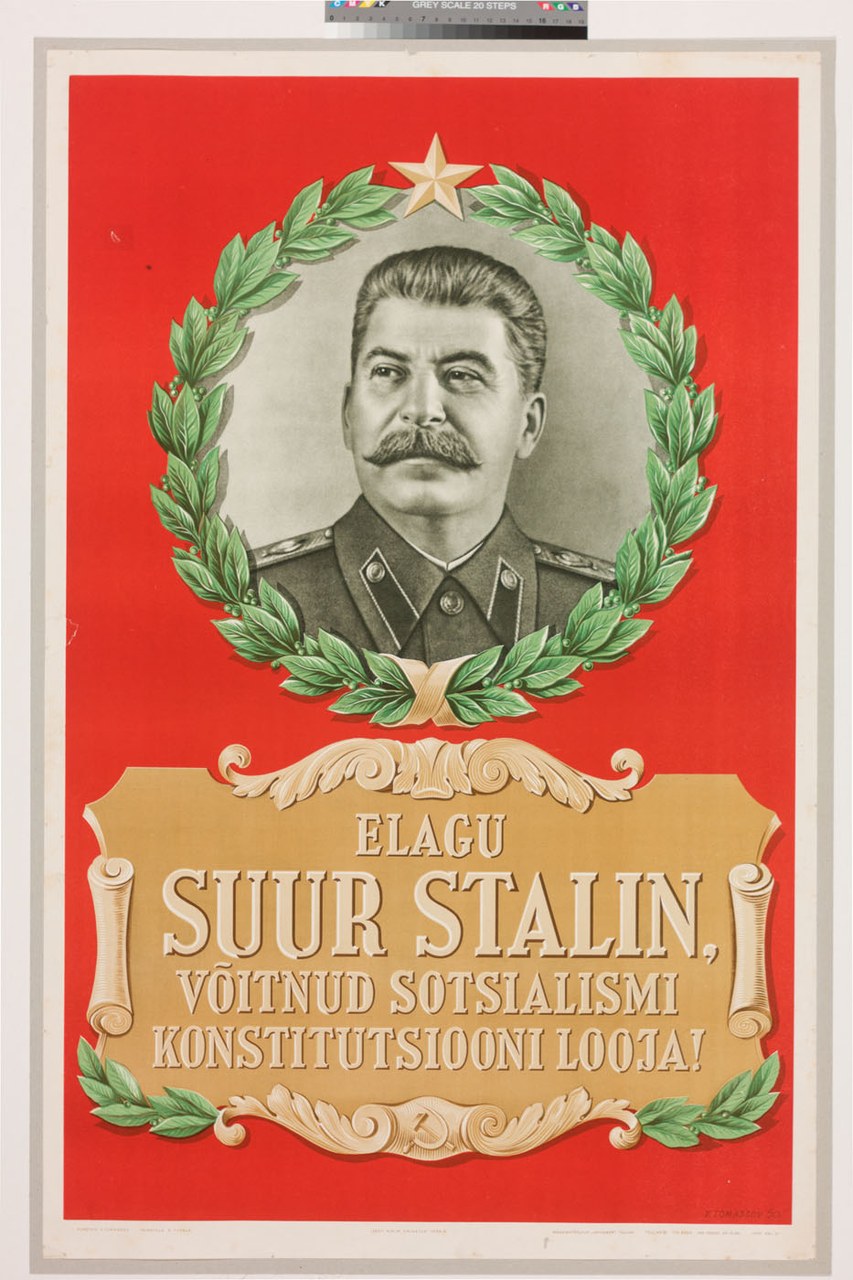
A 1950 Estonian-language portrait of Stalin in a laurel wreath uses ceremonial prestige and the words "great" and "victorious" in place of a claim. The entry tags it cult of personality alongside transfer.
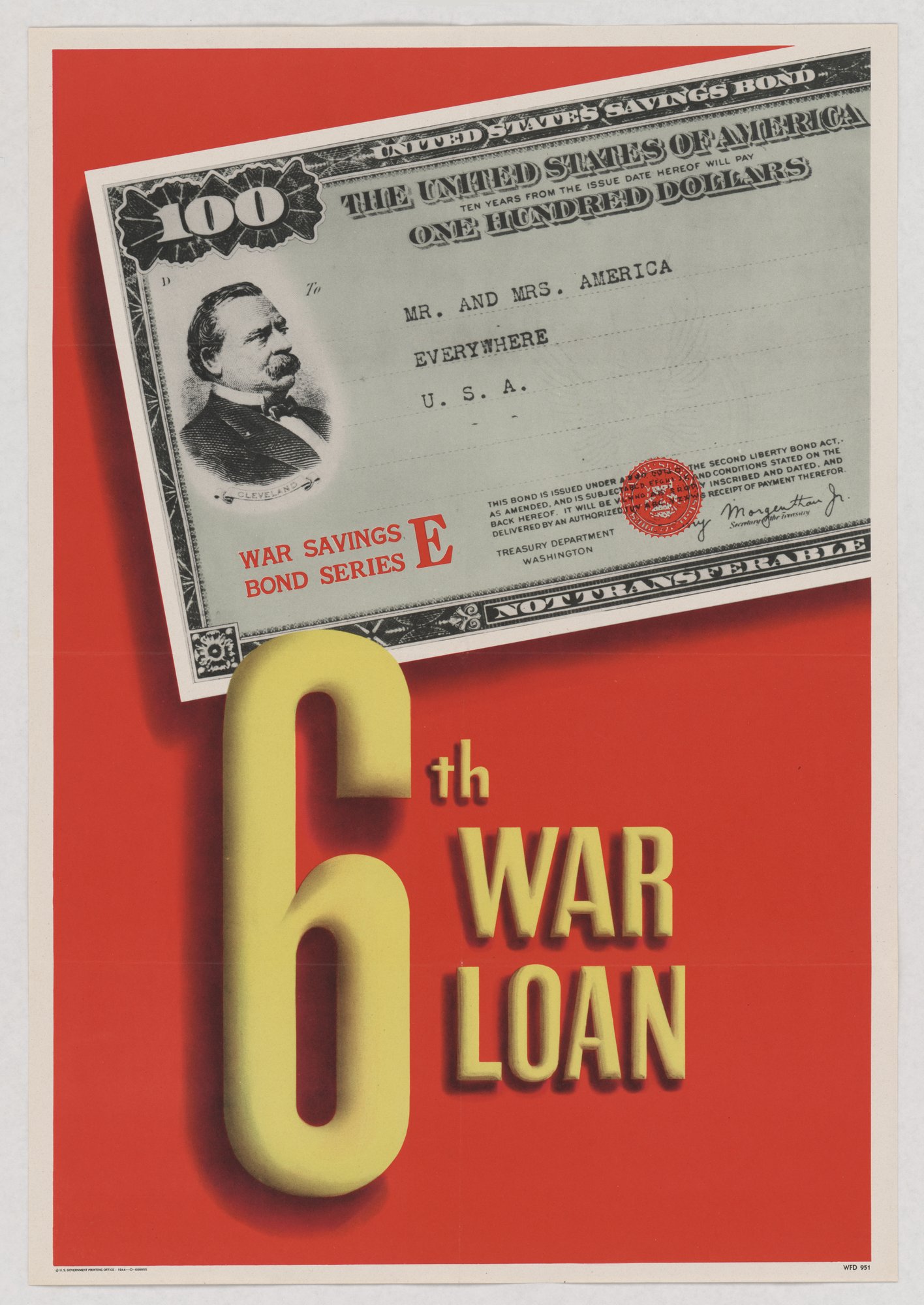
A 1944 US Treasury poster shows a bond made out to "Mr. and Mrs. America, Everywhere, U.S.A." The entry tags plain folks: purchase is treated as the ordinary act of an average family.
Pathos: staged feeling
Mapping and reason. Fear appeal (1,285 entries) and appeal to emotion (9) are the archive's own pathos entries. FRAME also reads outrage bait (13), dehumanization (10) and name-calling (939) as pathos, since each works through anger, disgust or contempt. The test in each case is whether a base rate, a magnitude or an alternative is given. Aristotle's Rhetoric (Book II) treated emotions as legitimate means; the archive's concern is the missing comparison. See the fear appeal lesson.


Explain moreShow less
The Johnson campaign's 1964 advertisement cuts from a girl counting daisy petals to a nuclear explosion. Goldwater is never named, the harm is implied and one remedy is offered: a vote.
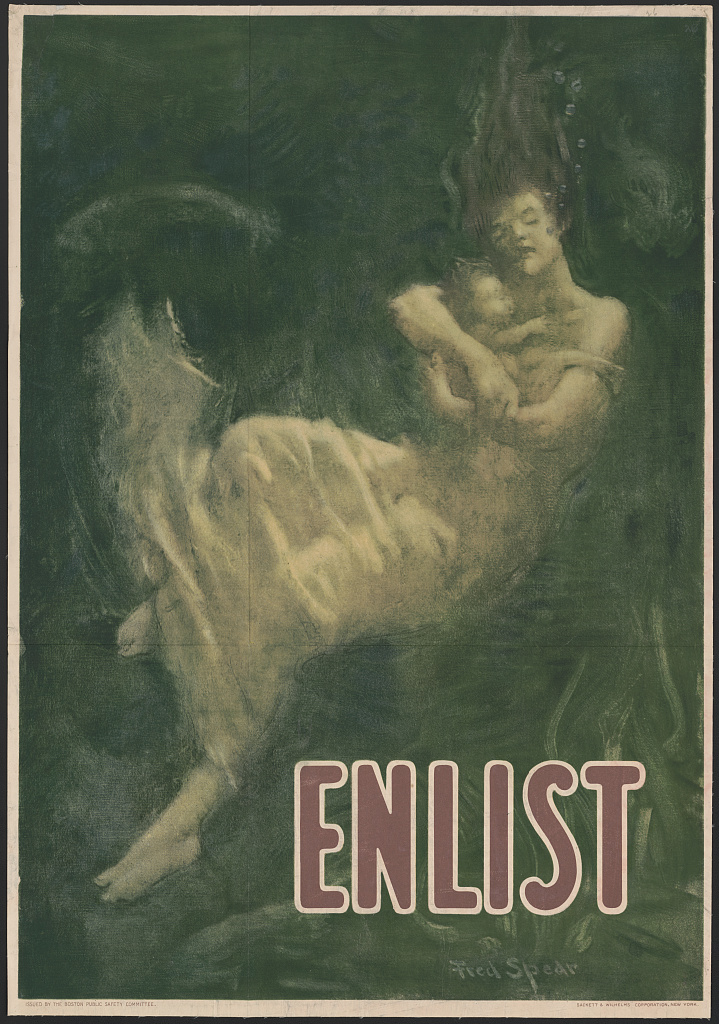
Fred Spear's 1915 poster for the Boston Public Safety Committee shows a mother and infant sinking under the single word "Enlist", recalling the Lusitania. The entry notes the pairing: drowning of the defenceless, one remedy, no terms.
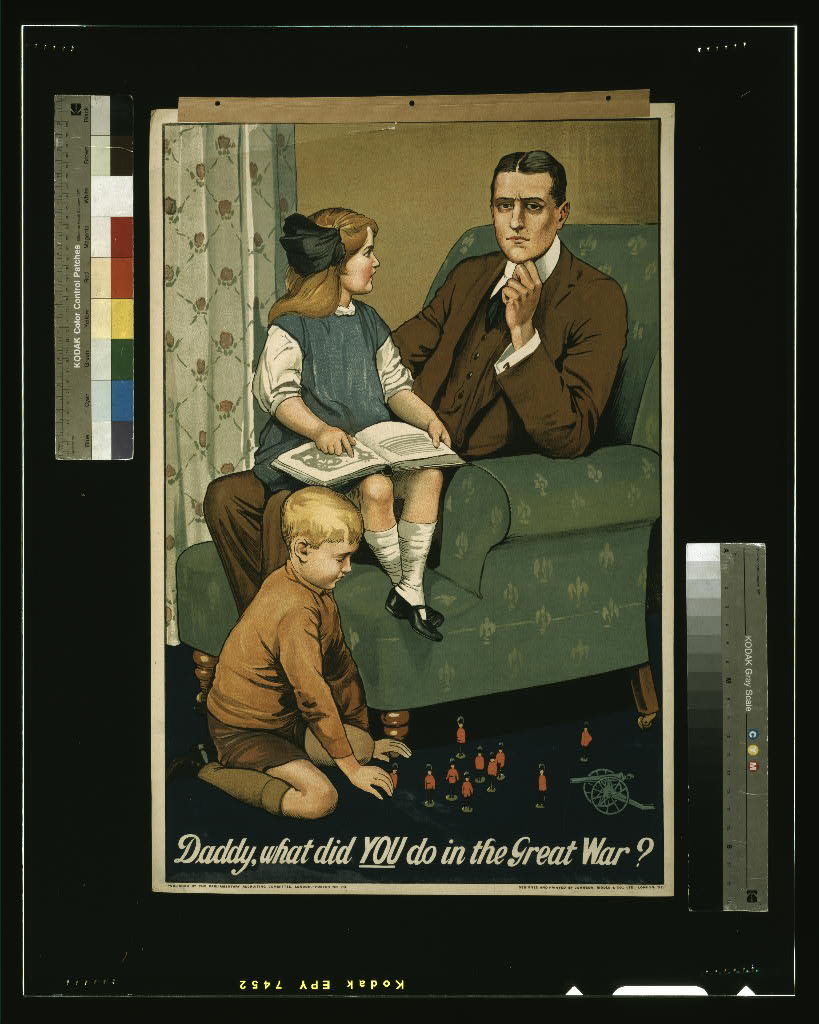
Savile Lumley's 1915 British poster stages future shame before one's own children. The entry observes that the harm shown is not the enemy but the family's opinion.
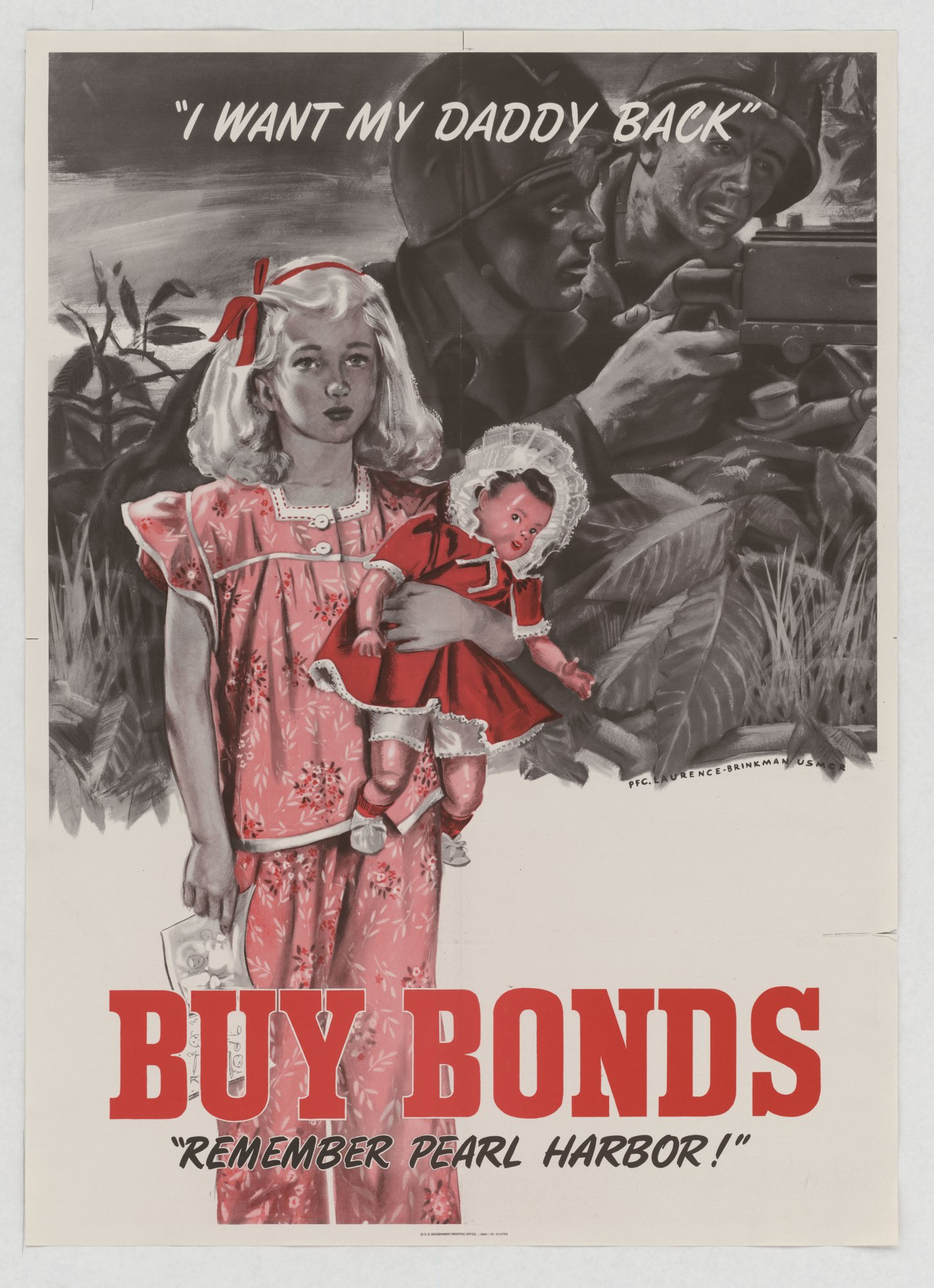
A US 1944 bond poster puts a girl in pajamas with a doll before a Marine firing a machine gun, under "I want my daddy back". The entry tags fear appeal and appeal to emotion.
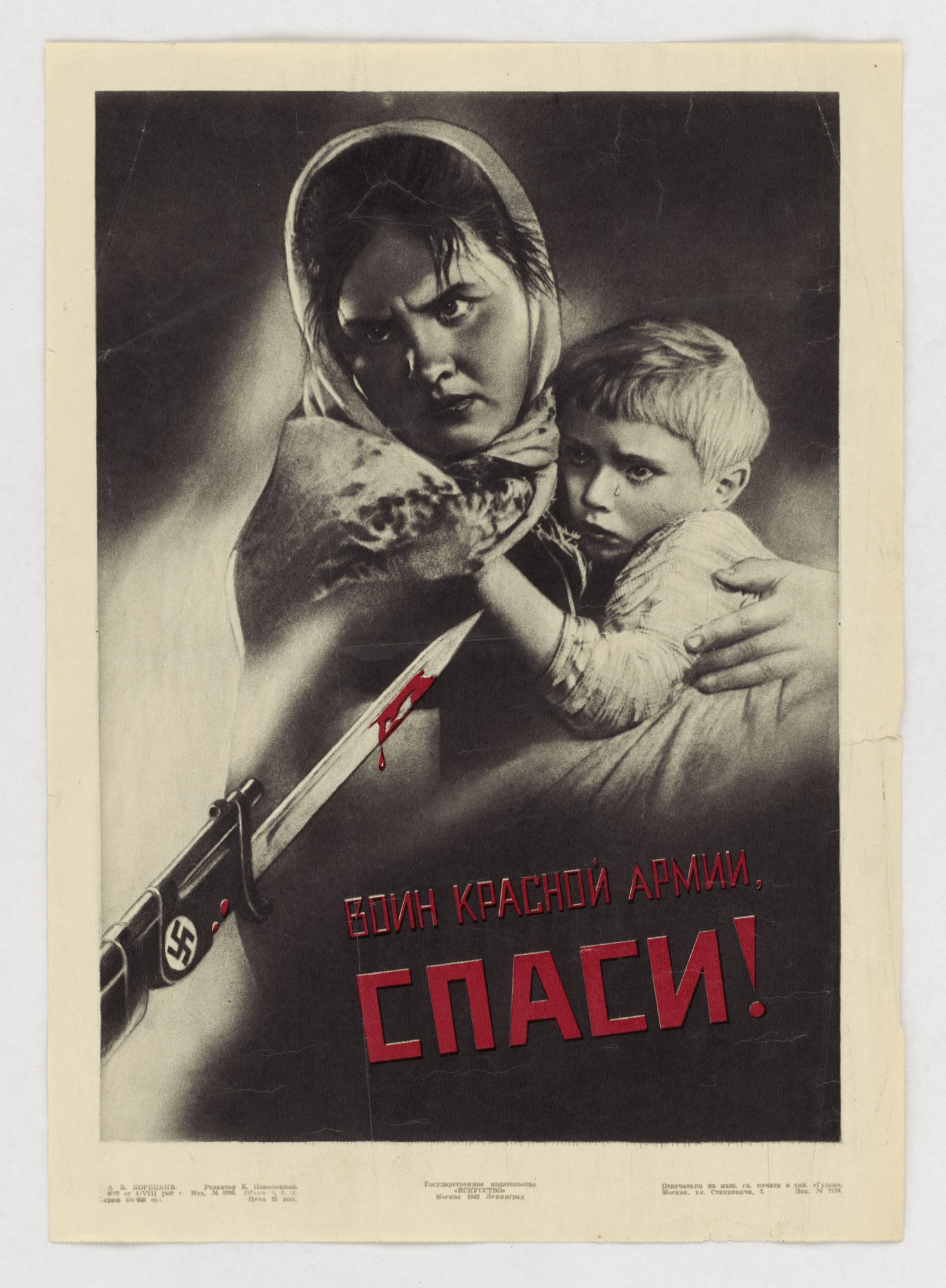
V. Koretsky's 1942 photomontage sets a woman and weeping child against a blood-dripping, swastika-marked bayonet and addresses the soldier directly. The entry tags fear appeal and outrage bait.
The 2014 FDA anti-smoking spot shows a teenager's skin peeling away to dramatize premature skin ageing. The entry records that the underlying health claim is well documented, so this is a pathos example with a sound factual base; the archive's test is the staging of the harm, not the topic.
Logos: the look of reason
Mapping and reason. The archive has no "logos" technique. FRAME reads the following as pseudo-logos because each borrows the form of evidence: card stacking (1,379 entries) selects facts, bandwagon (541) offers a count as proof, manufactured consensus (13) offers an agreement that was arranged, false dilemma (10) offers a forced choice, whataboutism (7), straw man (2) and red herring (2) replace the question asked. A real logos appeal would show the denominator, the source and the counterexample. See the card stacking lesson and bandwagon lesson.

Explain moreShow less
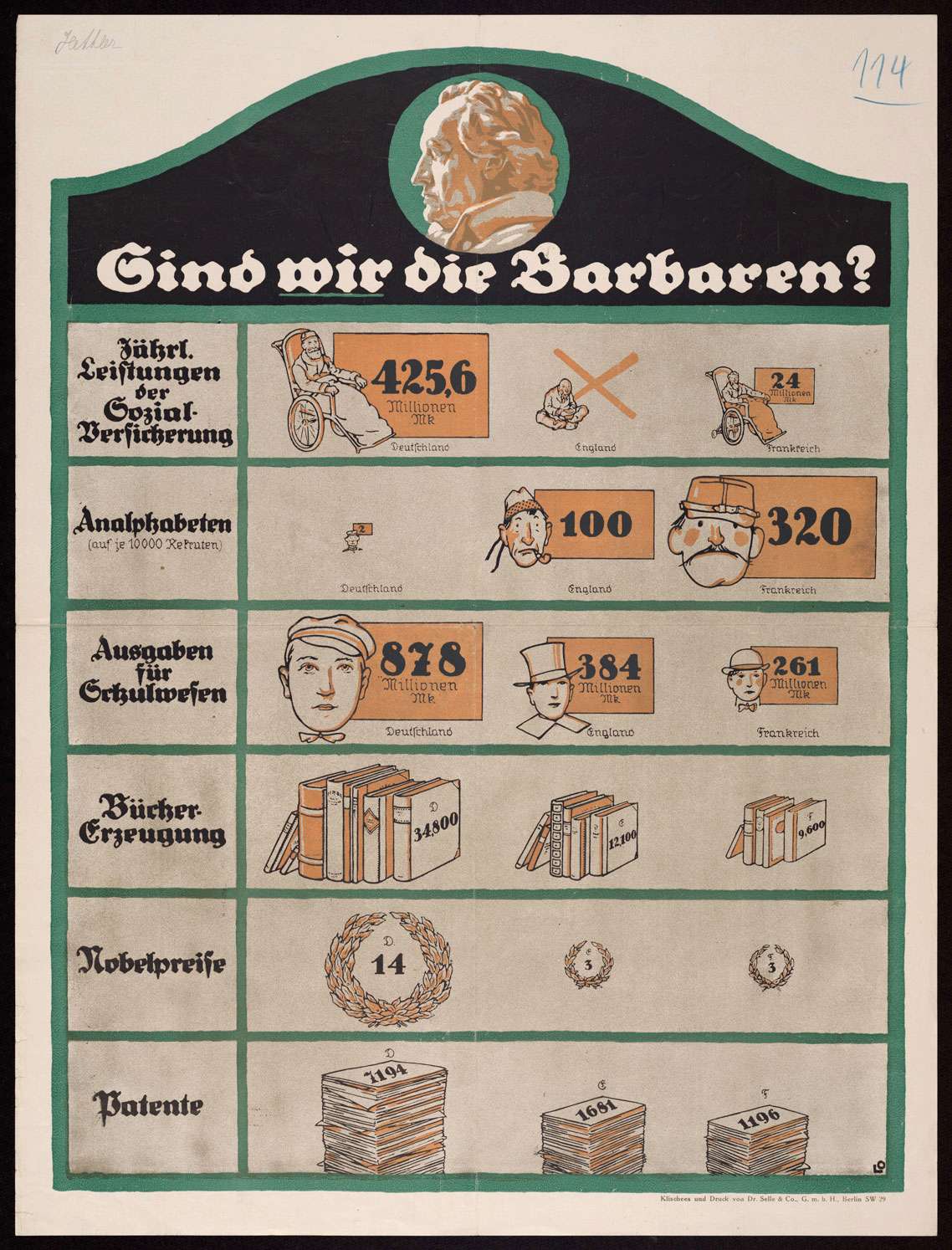
The Imperial German government's 1916 statistical chart compares Germany, England and France to rebut Allied "barbarism" claims. The entry says it answers a specific accusation with a different, selectively framed comparison and tags whataboutism and card stacking.
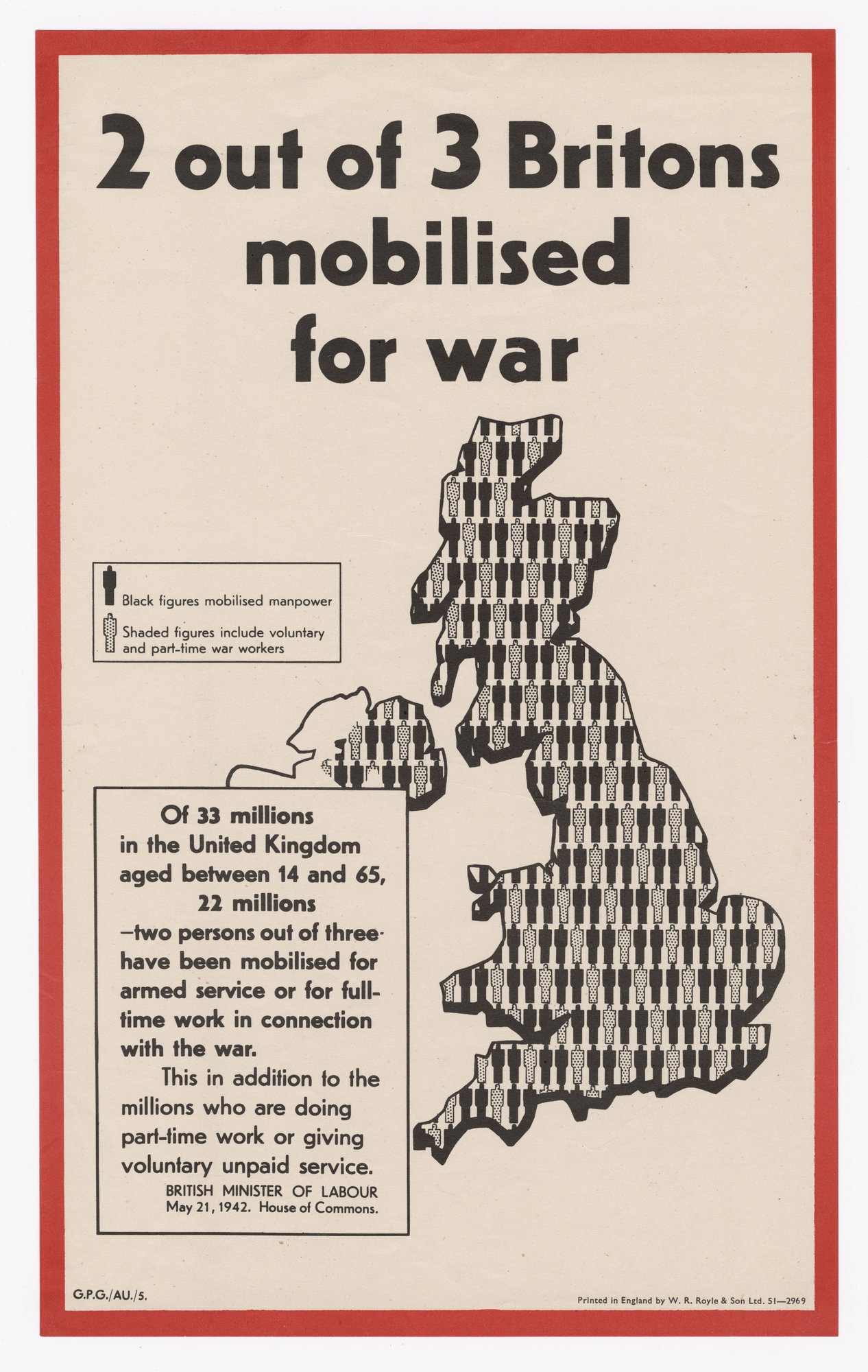
A 1942 British map filled with figures quotes the Minister of Labour that 22 of 33 million aged 14 to 65 were mobilised. The entry tags bandwagon: mobilisation is presented as what most people have already done.
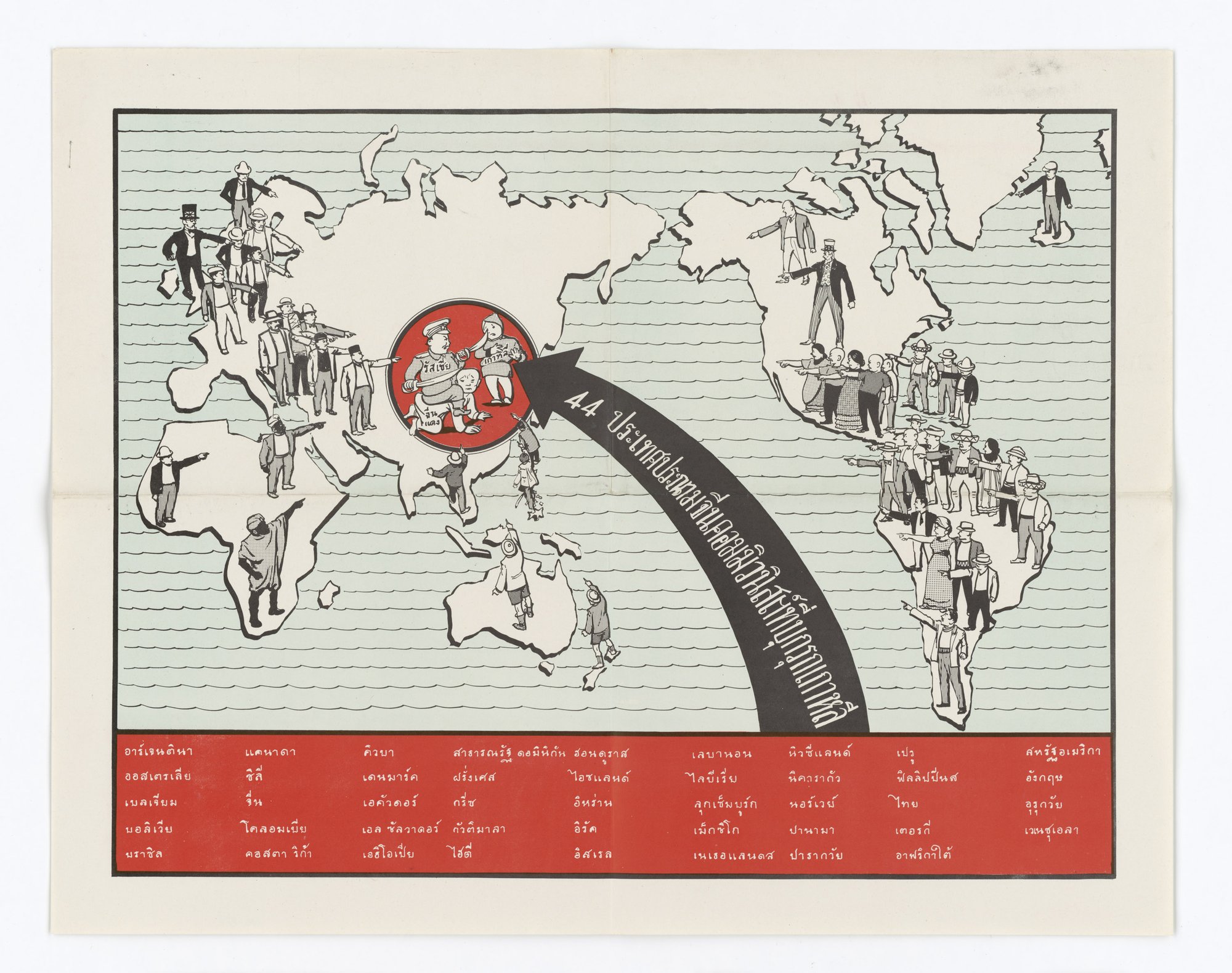
A 1951 Thai-language poster issued by the US Information Agency lists 44 countries pointing at a figure labelled for Red China. The entry says the number of pointing nations is offered as the argument.
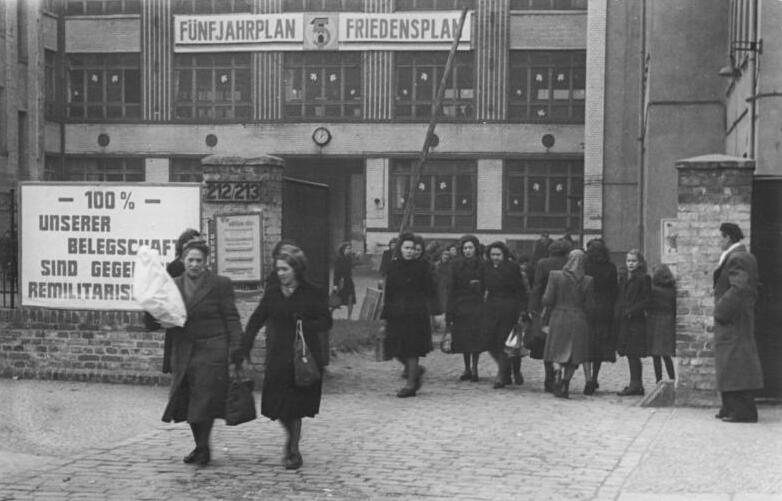
A factory gate board states that "100% of our workforce are against remilitarisation". The entry notes that a unanimous figure is displayed as if counted, and that the record does not say how it was produced.
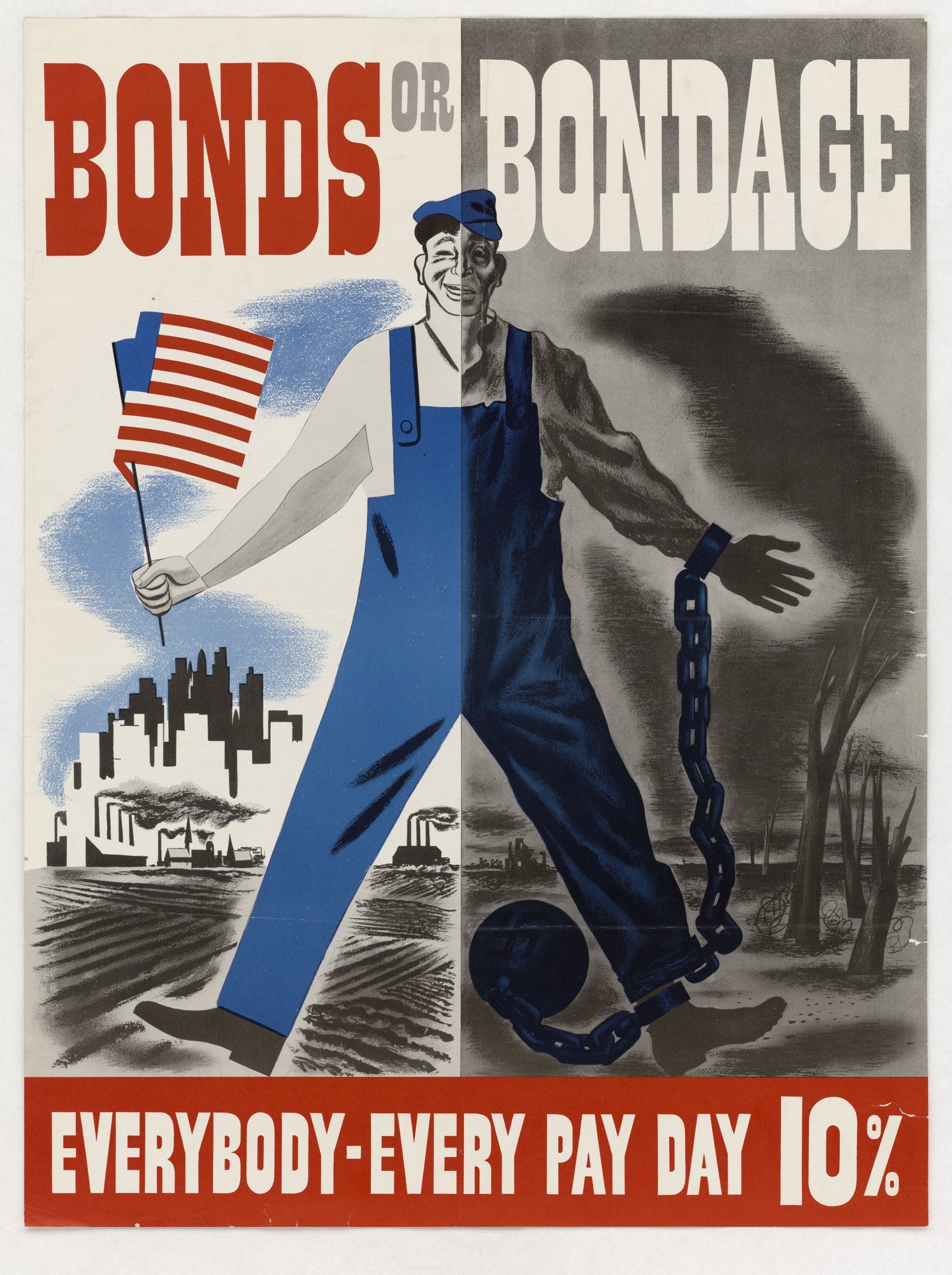
A US war-bond poster splits a worker down the middle: free and smiling on one side, chained on the other. The entry tags it fear appeal, bandwagon and false dilemma, an example of mixed appeals.
A 2018 DHS sheet places fifteen icons of "terrorism-related suspicious activity" in ordinary settings. The entry notes that nothing says how rare the activity is or what reports lead to.
How to use this in class
- Ask which appeal leads, then which supports it.
- Ask what each would need to be sound: a relevant source, a proportionate feeling, a shown denominator.
- Check the mapping against the technique page, since the taxonomy, not this page, defines the terms.
The ten course lessons give the exercise in eight-minute steps, and Animal Farm and propaganda applies the same sorting to a novel.