What were victory garden posters?
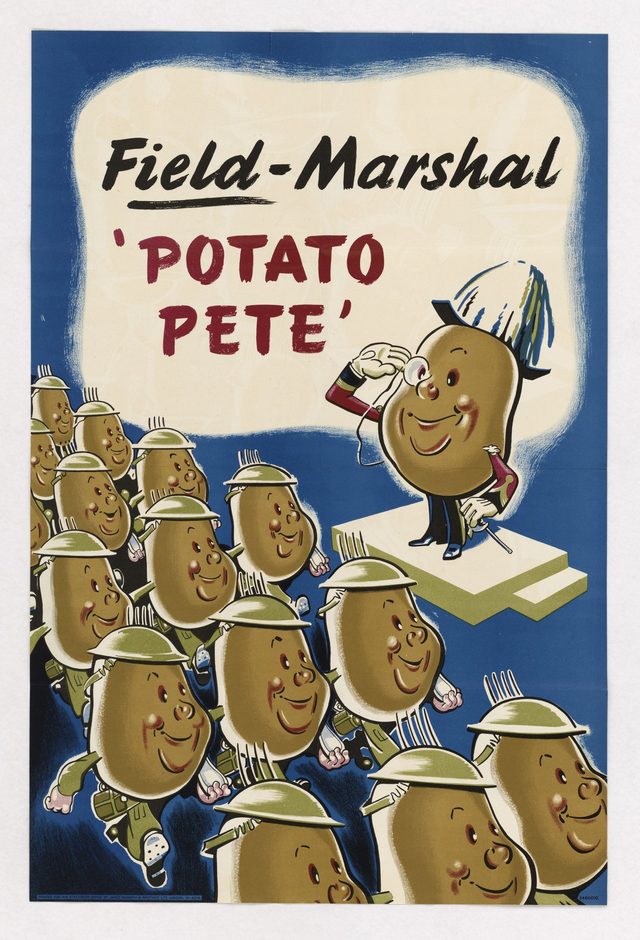
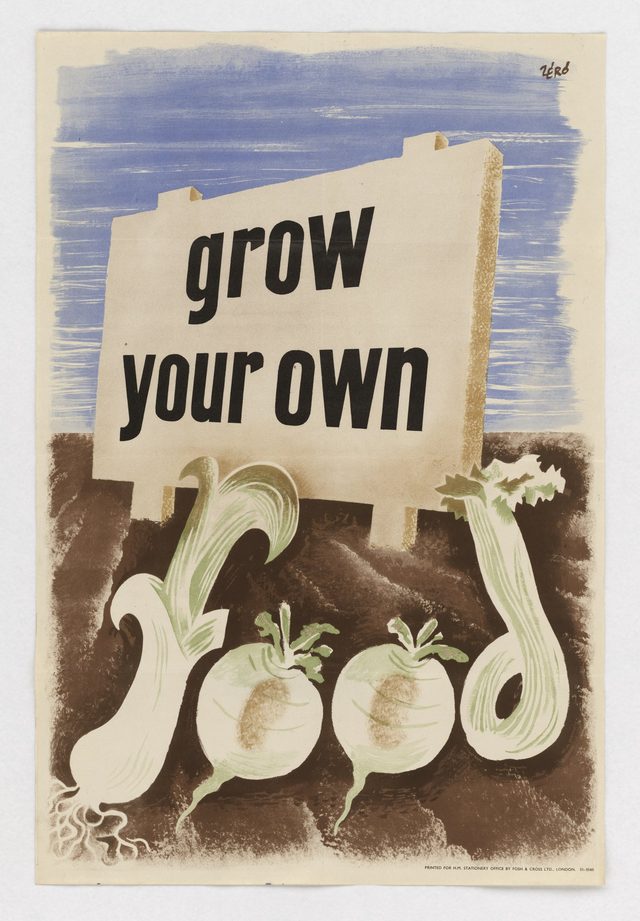
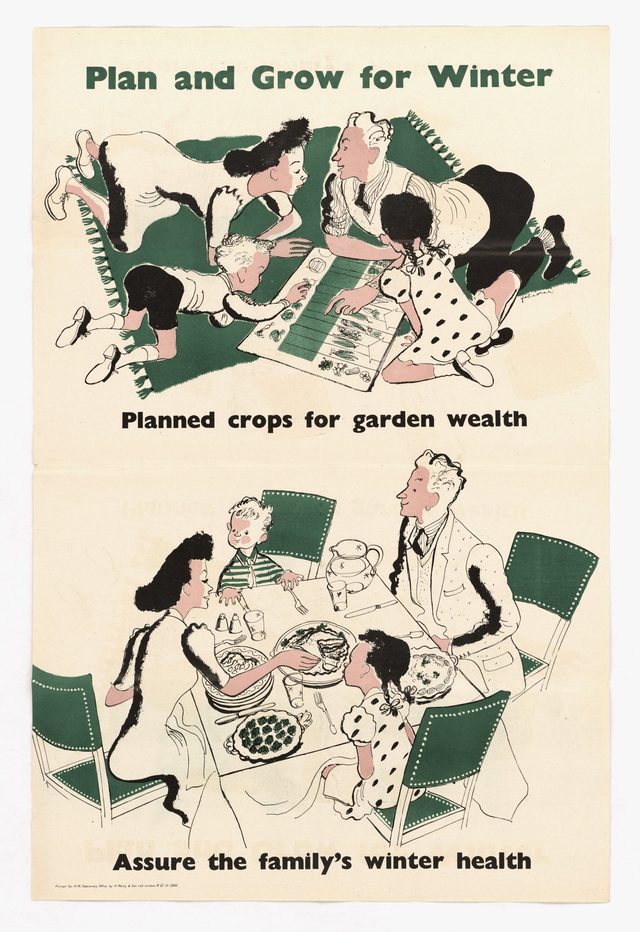
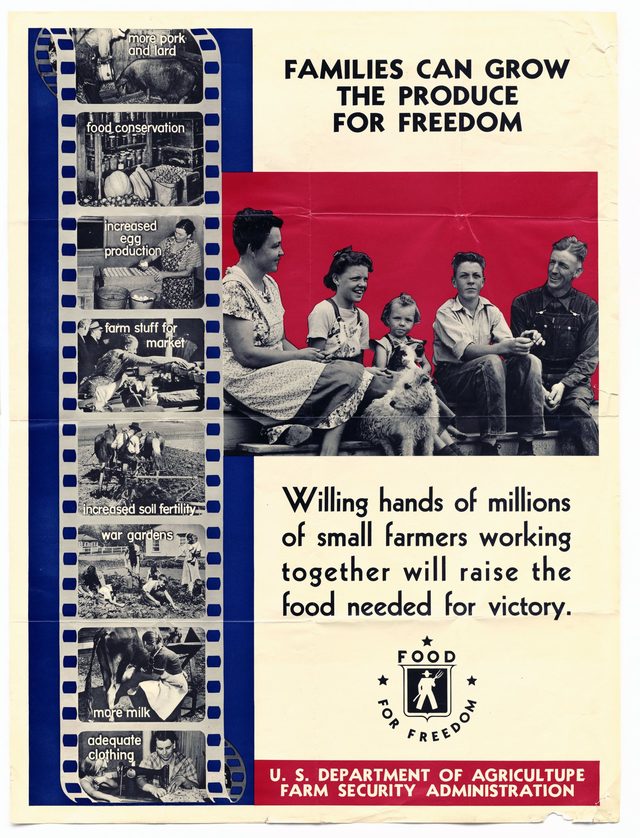
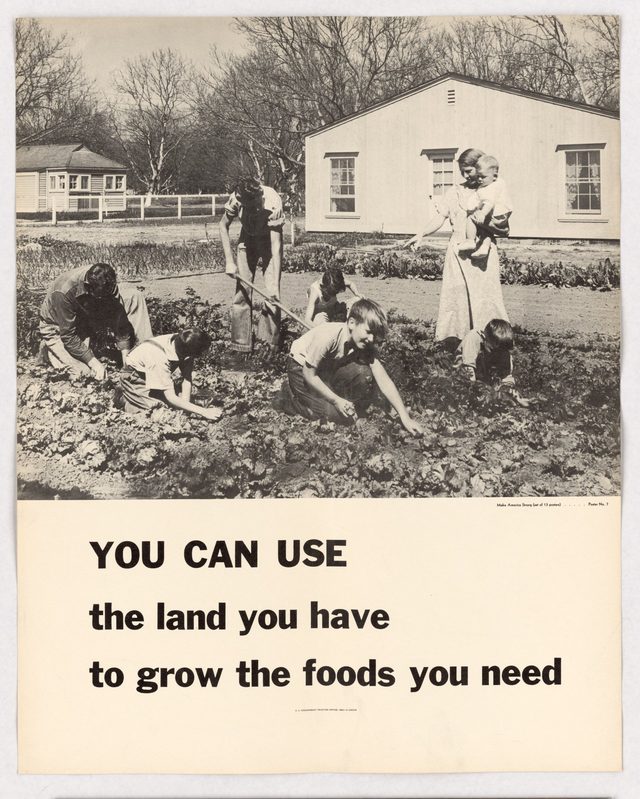
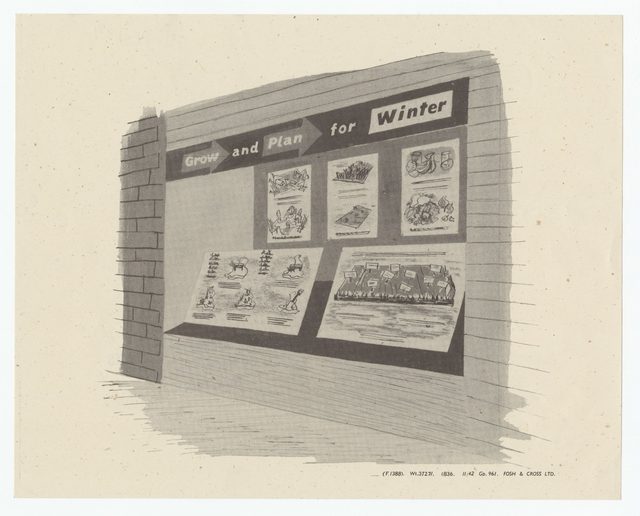
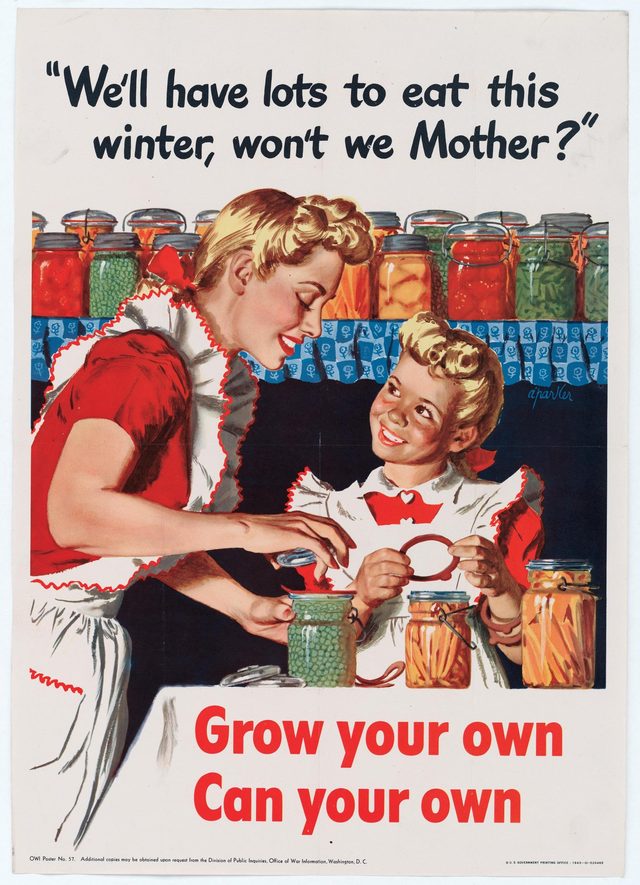
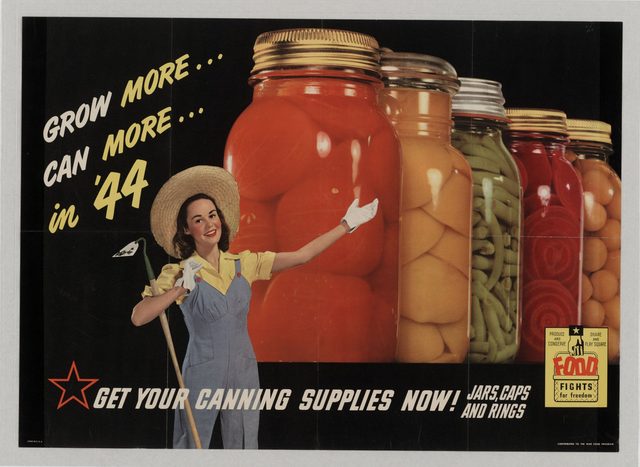
Victory garden posters were government and private-committee posters that asked civilians to grow their own vegetables in wartime. The United States issued war garden posters in 1917 and 1918 and victory garden posters from 1941 to 1945. Britain's "Dig for Victory" campaign began in autumn 1939. Each tied a household task to the war effort.
World War I: war garden posters
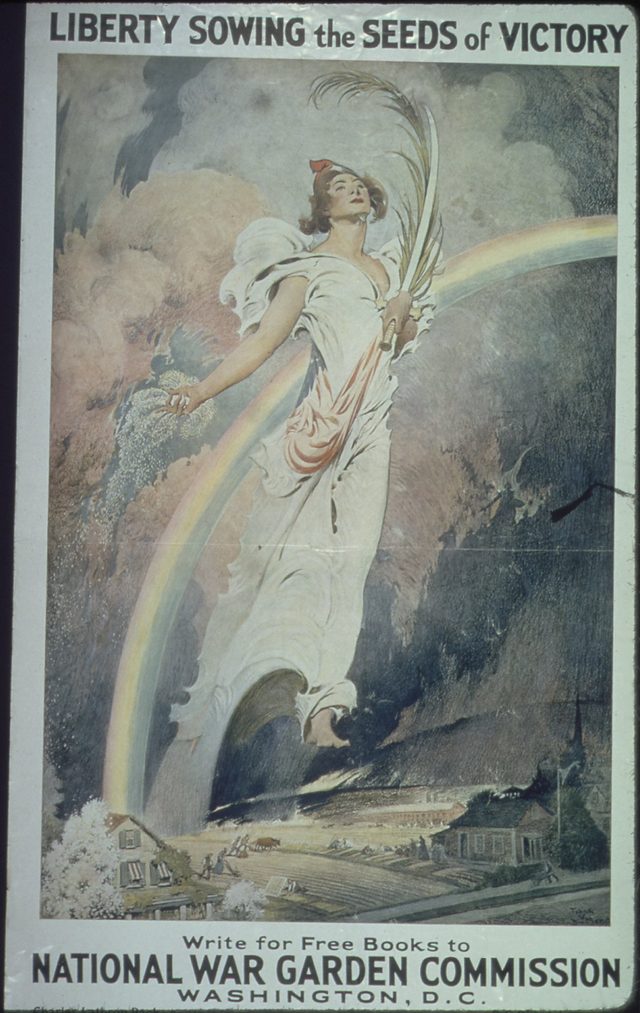
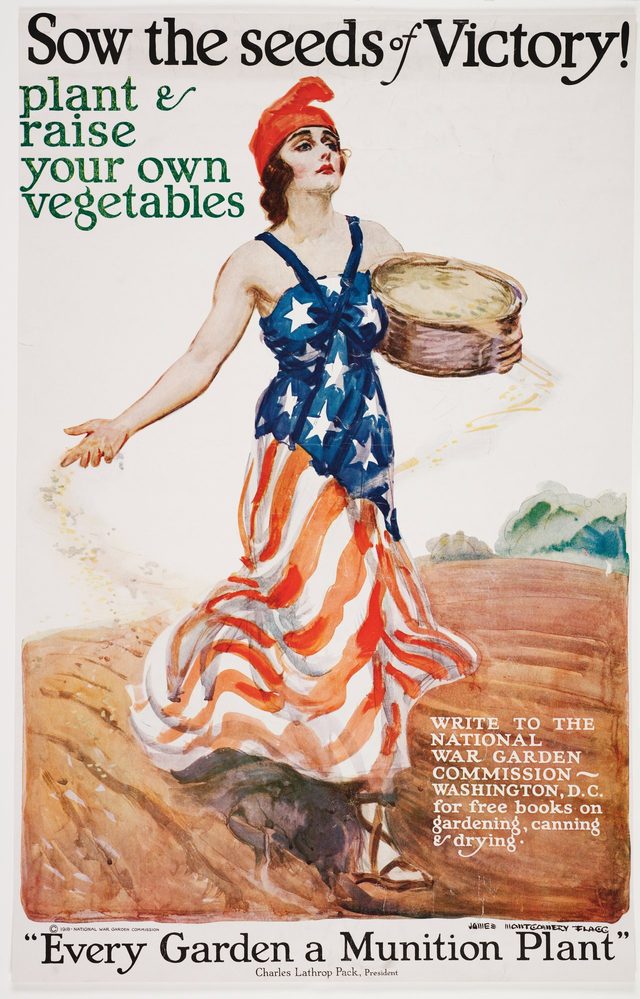
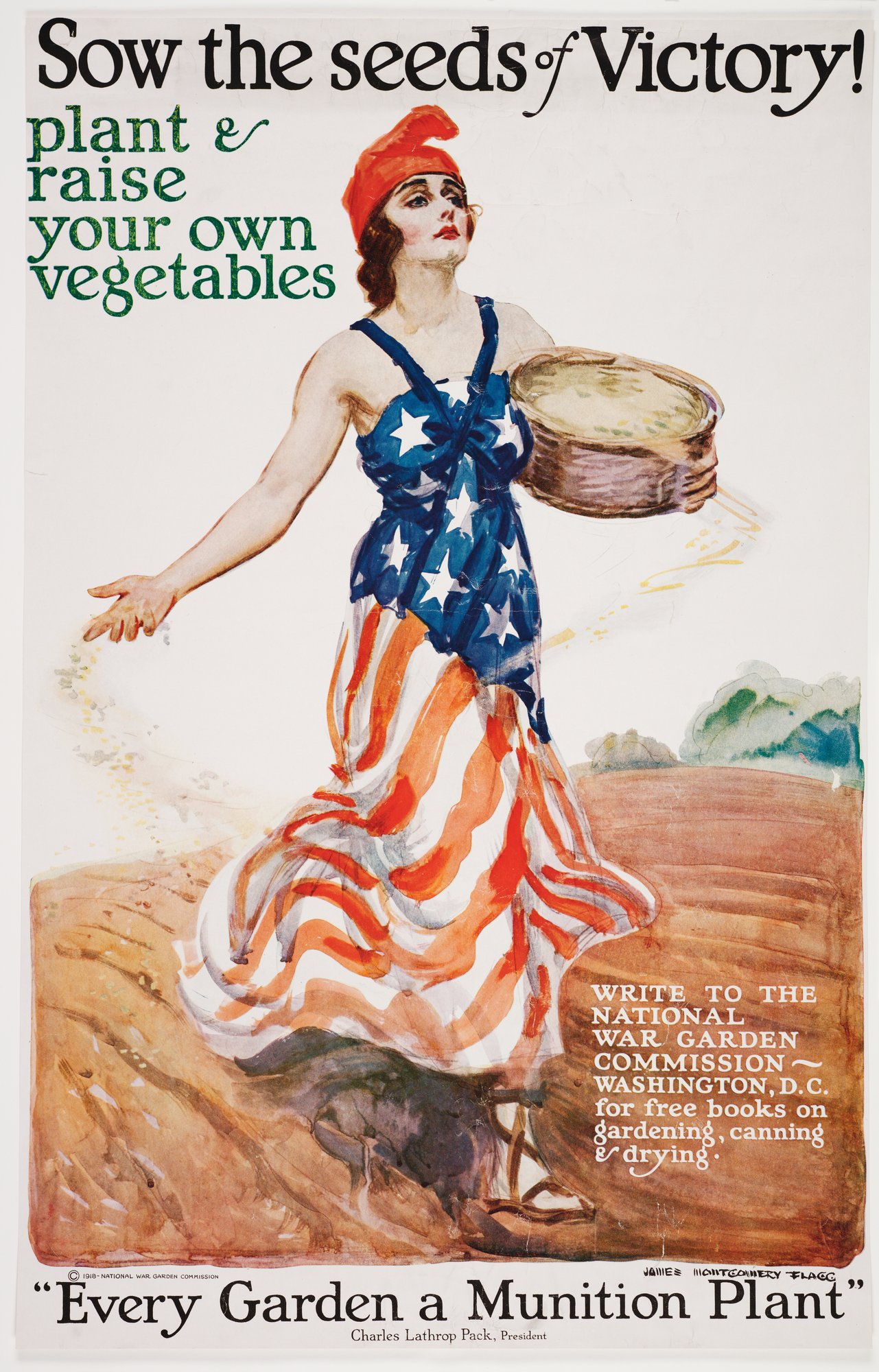
The best-known US war garden posters came from the National War Garden Commission, a privately funded body headed by Charles Lathrop Pack. "Sow the Seeds of Victory!" (1918, signed James Montgomery Flagg) dresses Liberty in the flag and prints "Every Garden a Munition Plant", a case of Transfer. It also makes a concrete offer: free books on gardening, canning and drying.
Explain moreShow less
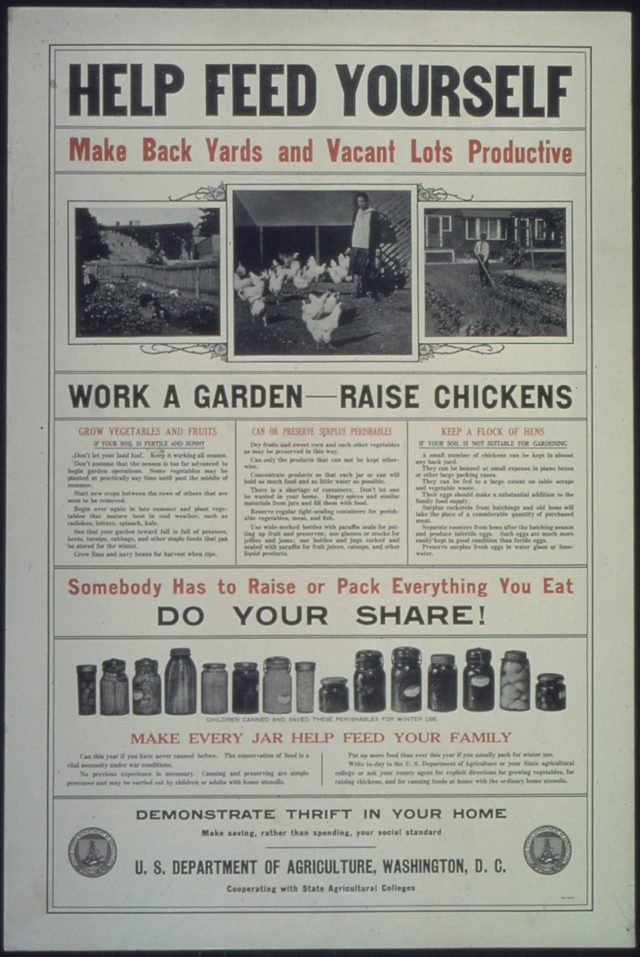
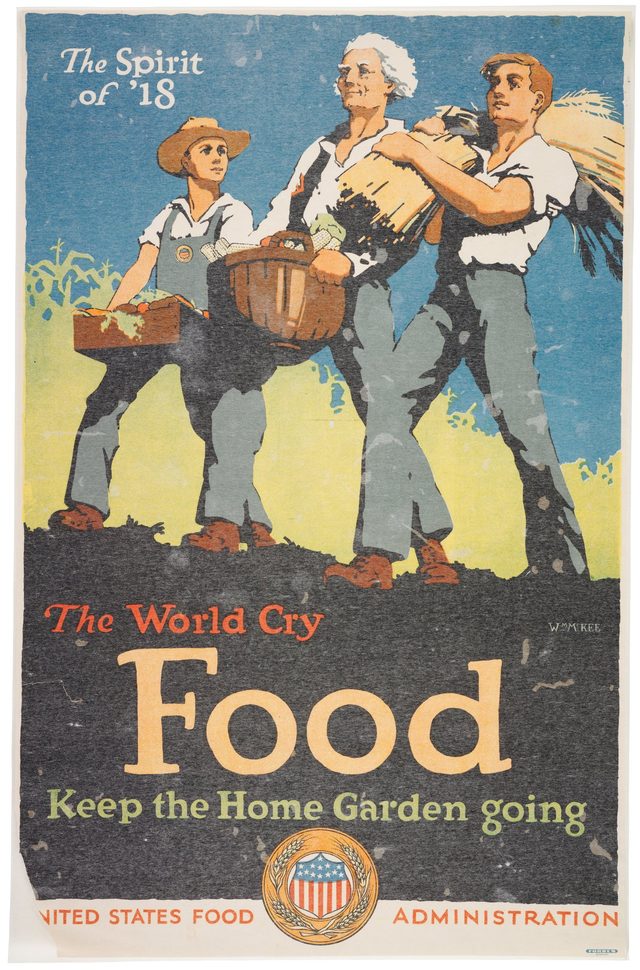
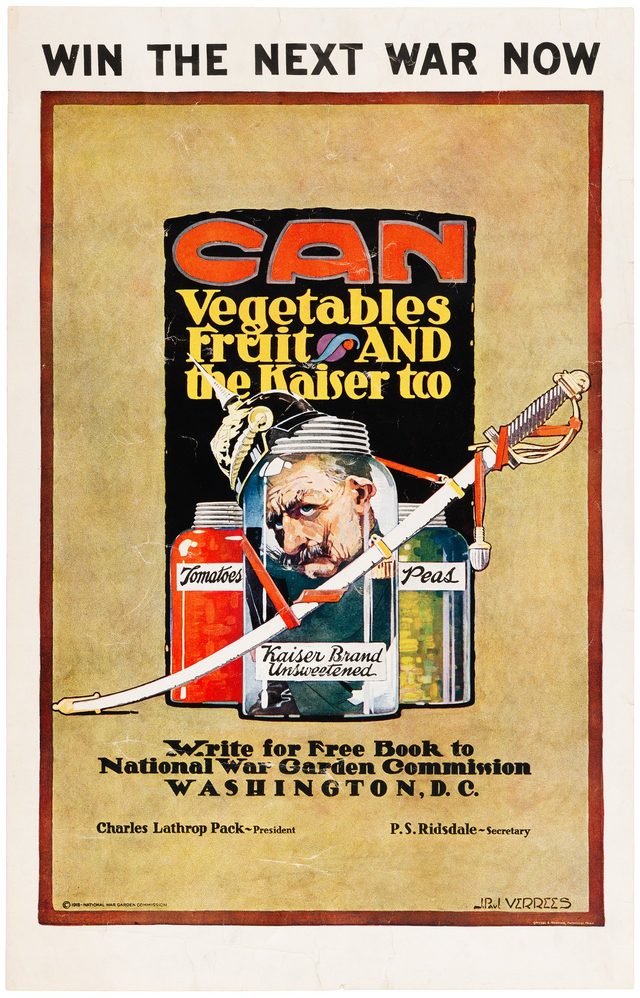
The Commission's "Can Vegetables, Fruit and the Kaiser, Too" puts a spiked-helmet head in a canning jar, which mixes the garden message with Name-calling. The Department of Agriculture's "Help Feed Yourself" is a plain instruction sheet with photographs and columns of advice, and the Food Administration's "The Spirit of '18" asks households to keep the home garden going.
World War II: US victory gardens
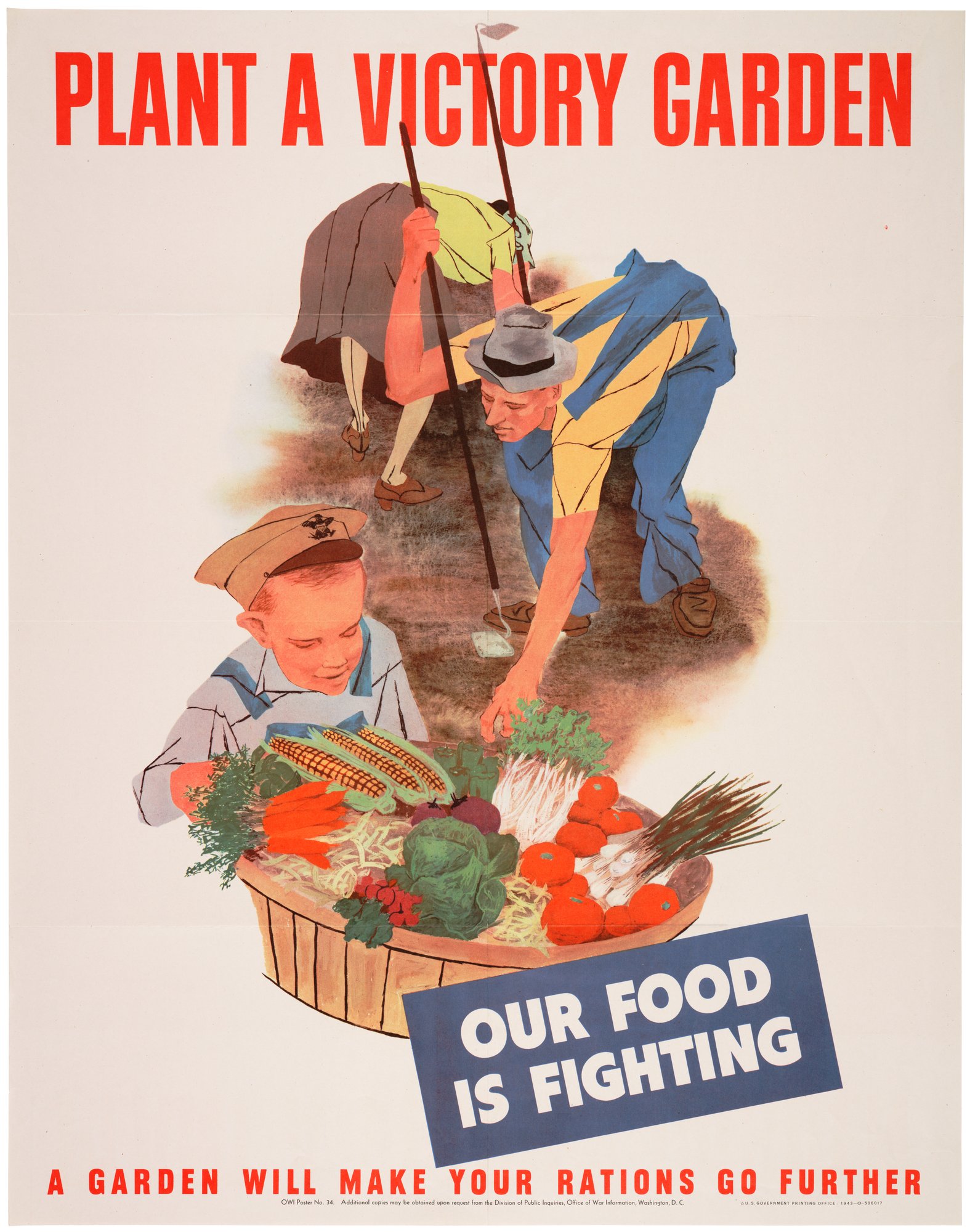
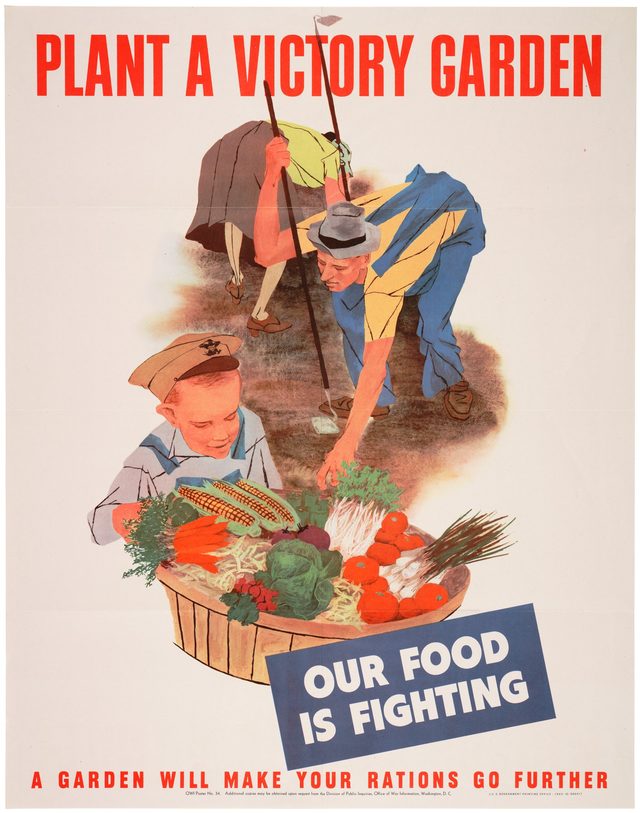
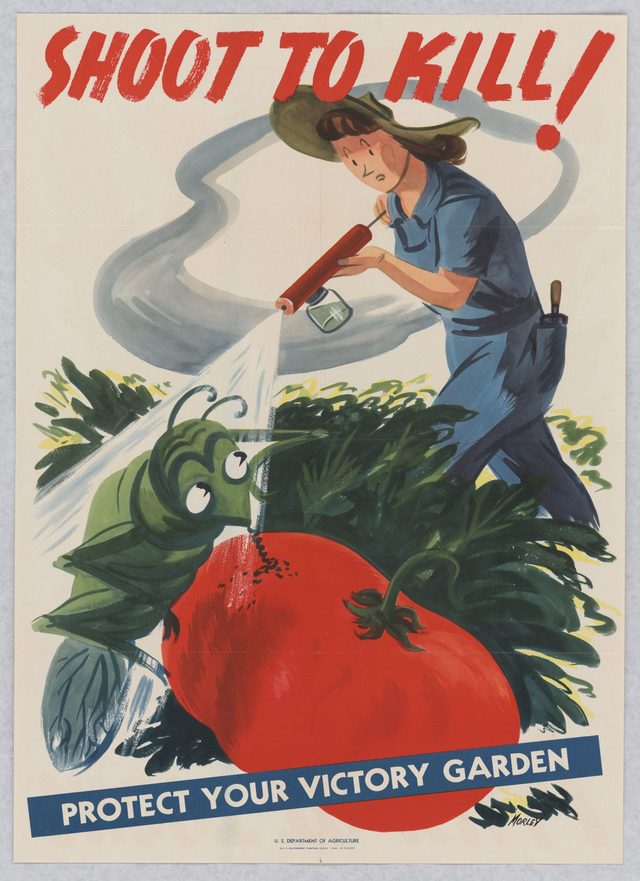
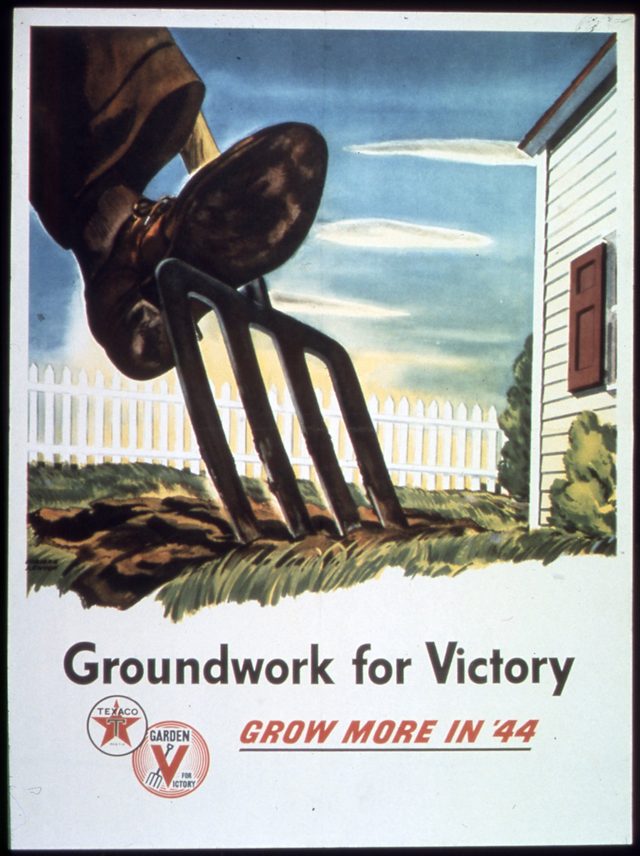
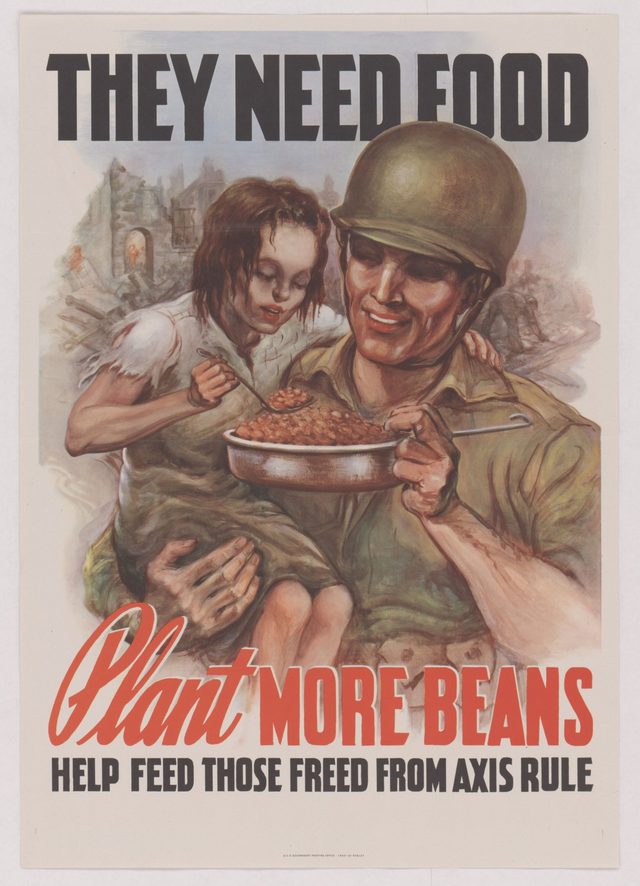
The Office of War Information's "Plant a Victory Garden: Our food is fighting" (1943) says a garden "will make your rations go further". Another Department of Agriculture sheet, "Shoot to kill! Protect your Victory Garden", borrows combat words for pest control; the target is an insect. Company sponsors joined in, as Texaco's "Groundwork for Victory" shows. A 1944 poster, "They need food. Plant more beans", uses a hungry child in liberated territory (Fear appeal) to widen the appeal beyond rations.
Britain: Dig for Victory
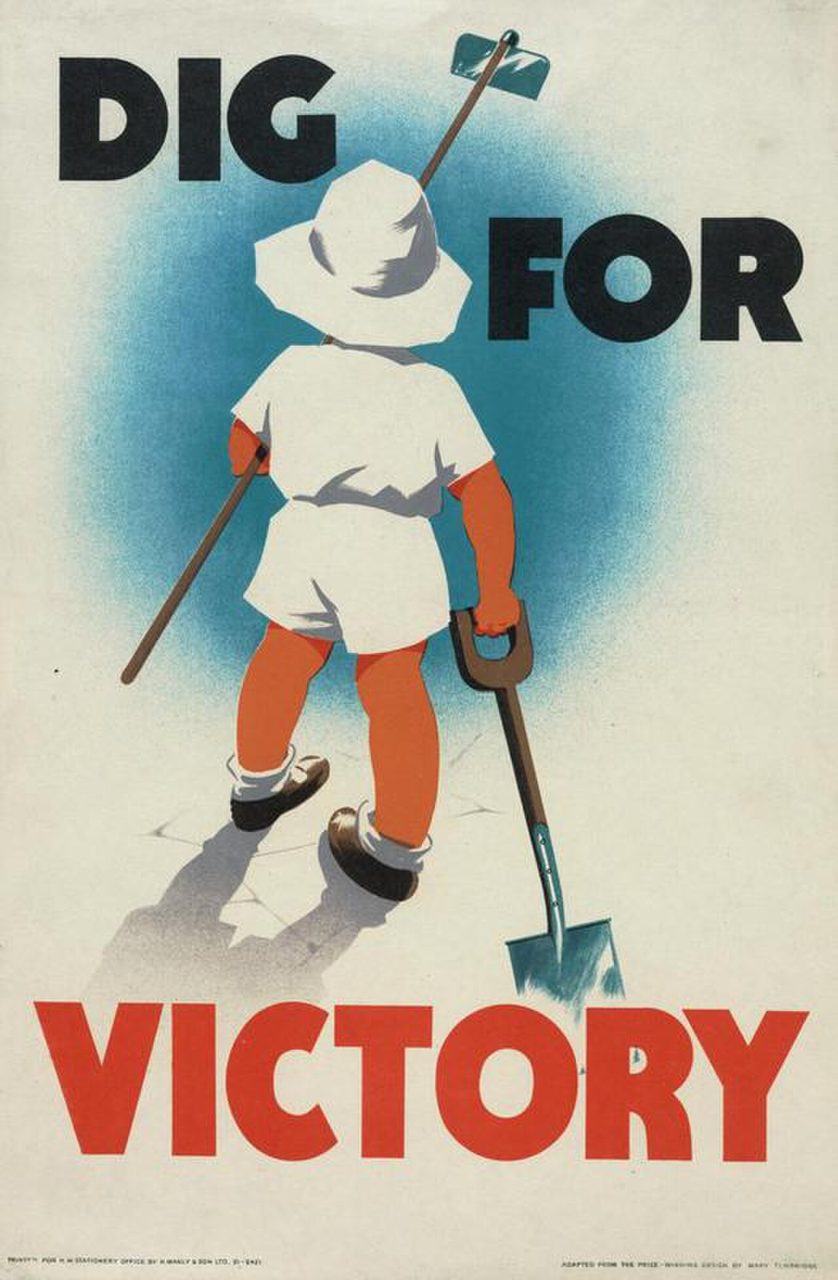
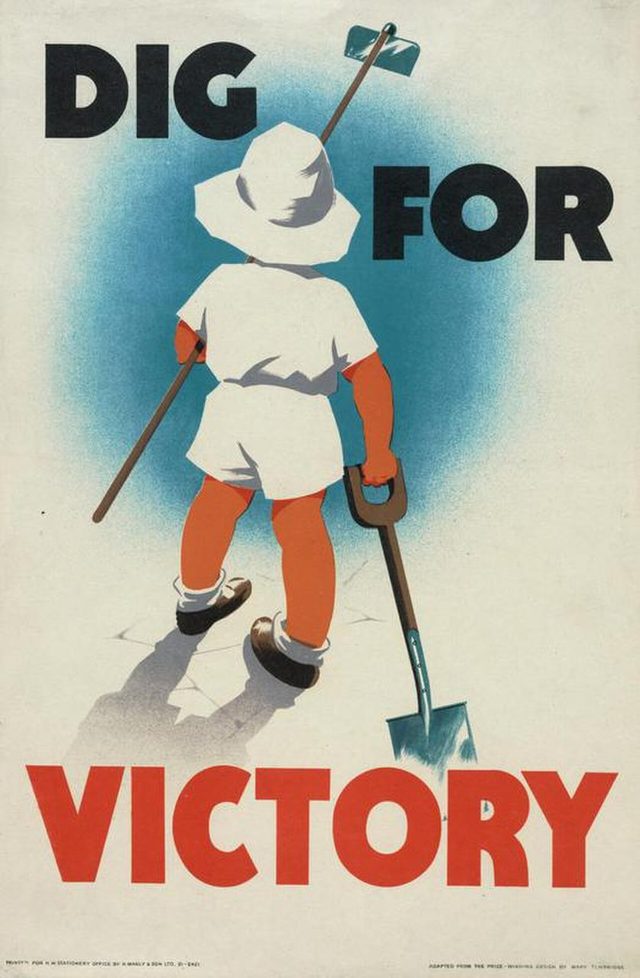
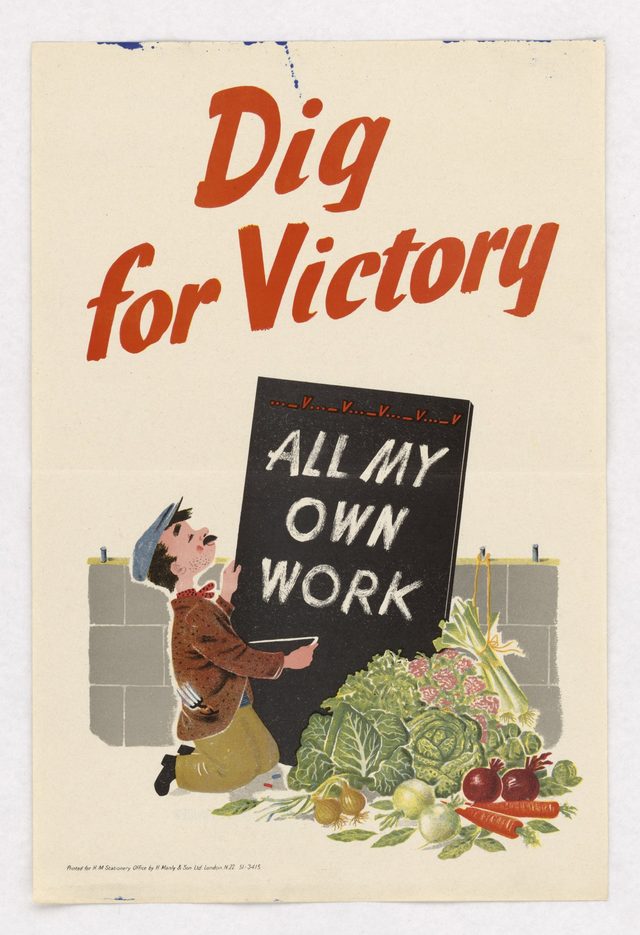
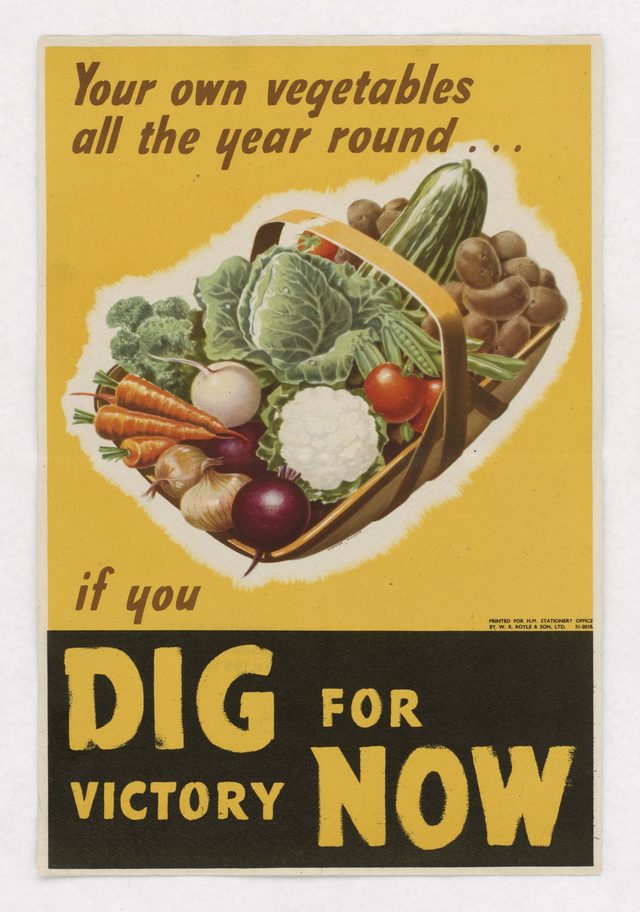
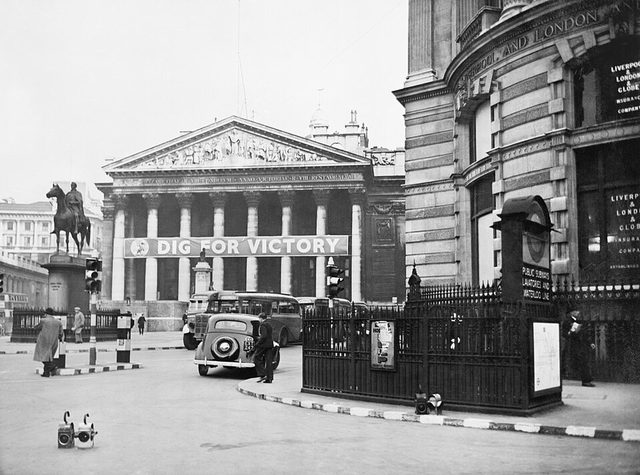
The Ministry of Agriculture launched "Dig for Victory" in autumn 1939. Its posters show a child with a spade, a trug of vegetables, and a boy beside a heap of crops under the words "All my own work". The slogan carries a Glittering generalities word, "Victory", which stands in for a plain claim about food supply. The Ministry of Information also hung the slogan as a banner across the Royal Exchange in London in 1940. Many sheets carry only a range of 1939 to 1945, not a printed date.
Similarities and differences
All of these posters attach a war aim to a household chore. The US First World War sheets name the Kaiser; the British and US Second World War sheets rarely name an enemy at all. The sponsors differ too: a private commission and a government department in the US, a government ministry in the UK, and an oil company in one US case.
What the collection does not hold
- Not here: Canadian and Australian victory garden or war garden posters; none are in the collection yet.
- Not here: Allotment, community garden and school garden posters outside the US and UK.
- Not here: German, Soviet or Japanese home-growing campaigns.
- Not here: counts of how many gardens were planted or how much food they yielded.
Sources and further reading
Sources
National Archives and Records Administration (US) World War I and World War II poster series; Imperial War Museums (UK) poster…
National Archives and Records Administration (US) World War I and World War II poster series; Imperial War Museums (UK) poster and Ministry of Information photograph collections. Each item in the grid carries its own source and rights note.