Content note. This page shows a Vichy poster that caricatures a gunman, colonial-exhibition and advertising posters that pose African and Asian people as costumed hosts or in mock dialect, and a 1942 Paris exhibition panel that presents Jews as the hidden source of all of Europe's enemies. They are shown as issued. Showing an item is not endorsing it.
What were French propaganda posters?
French propaganda posters are the loan appeals, recruiting and fundraising sheets, colonial advertisements, party posters and wartime state posters issued in France, its empire and its exile movements between 1906 and 1943. Their makers differ sharply: the Third Republic, banks, the Communist Party, the Vichy State and the Free French each used the same tools for opposed ends.
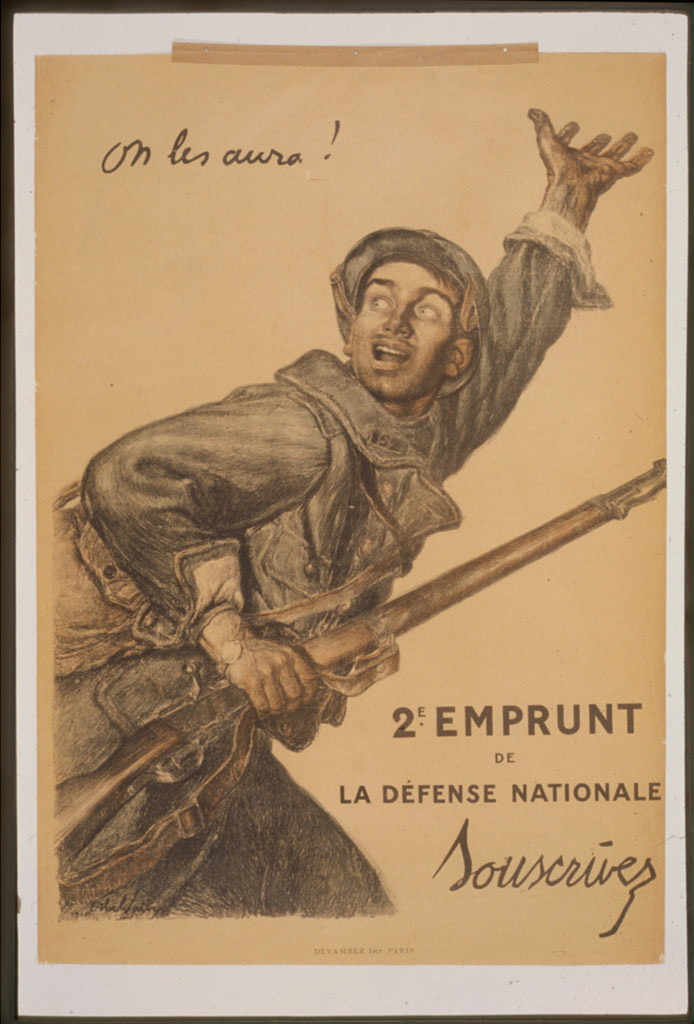
The First World War: loans, flags and the empire
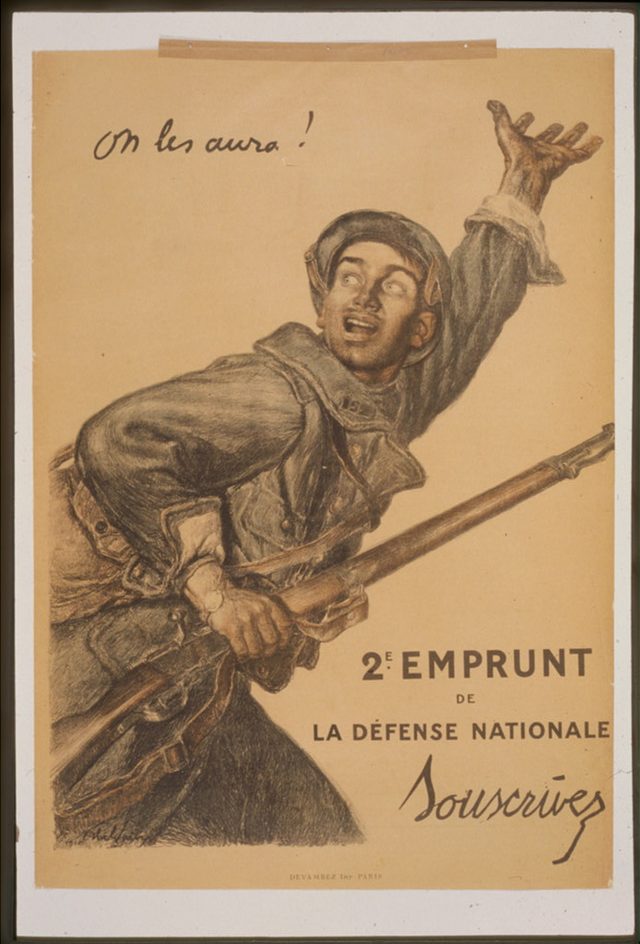
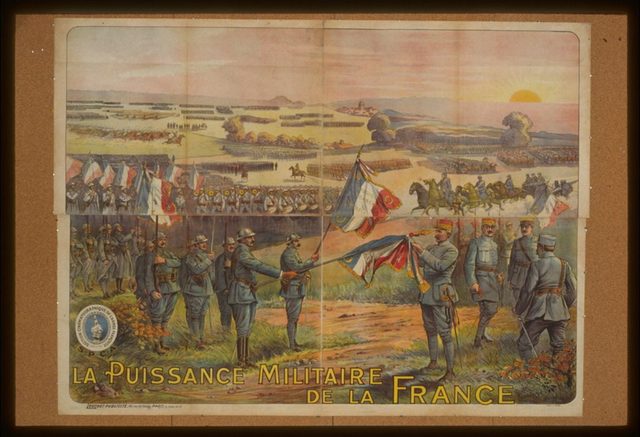
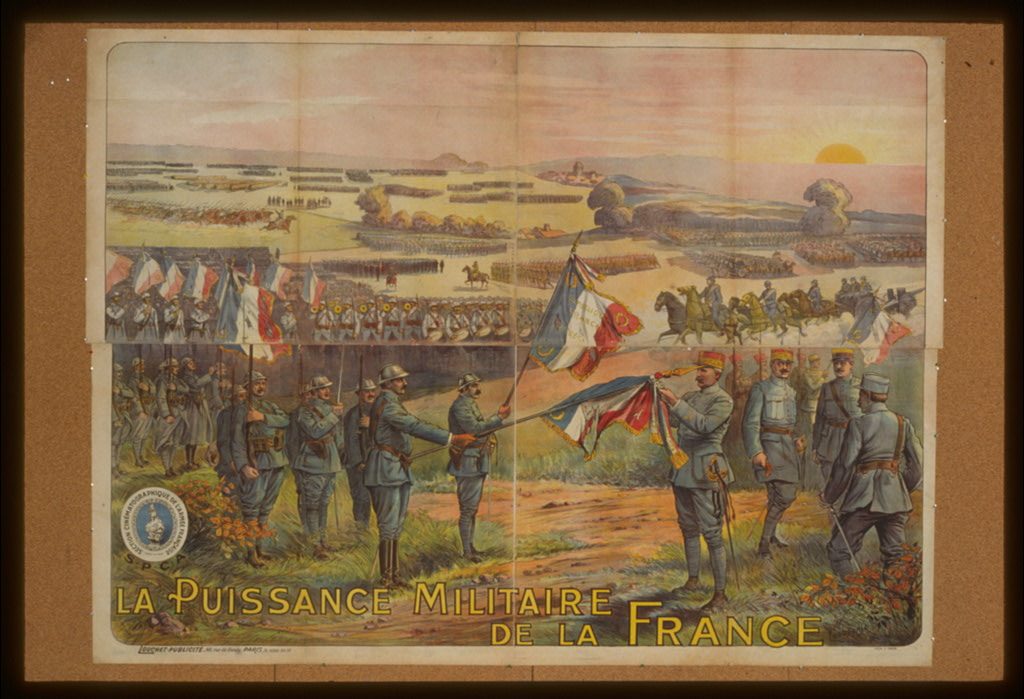
Abel Faivre's 1916 loan poster puts a charging soldier above the words "On les aura!"; his courage is moved onto the act of buying a bond (Transfer). The Army's film section issued "La puissance militaire de la France" (1917), where massed ranks and regimental flags stand in for any figures about strength (Glittering generalities).
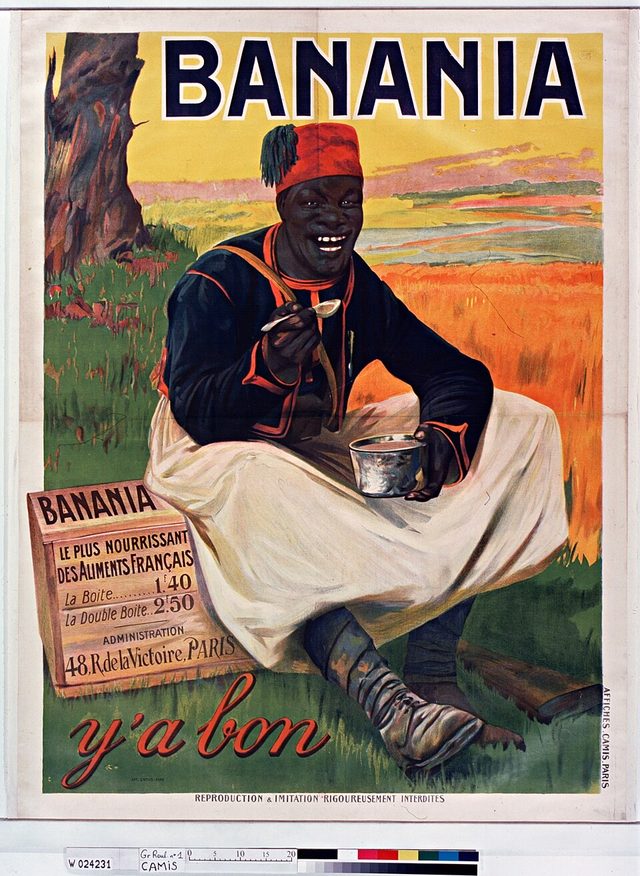
Content note: Advertising poster showing a grinning colonial soldier with a mock-pidgin caption ('y'a bon'). This object is shown as it was published. Why 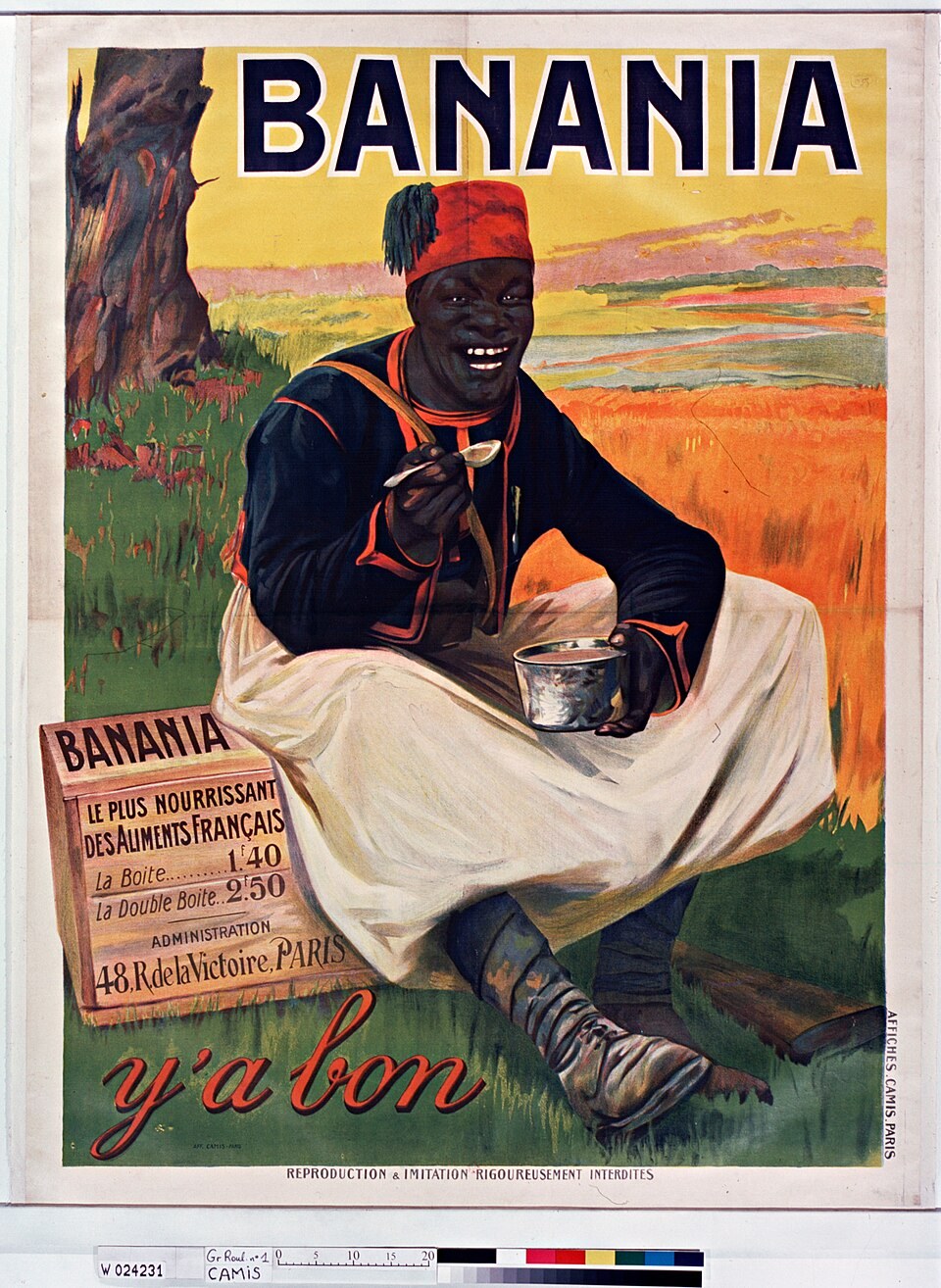
Explain moreShow less
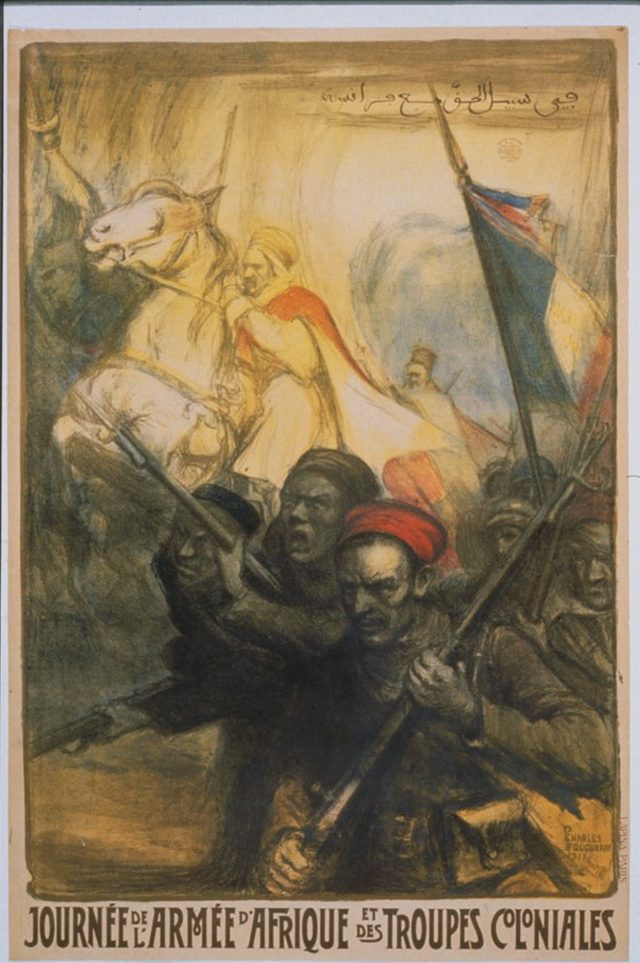
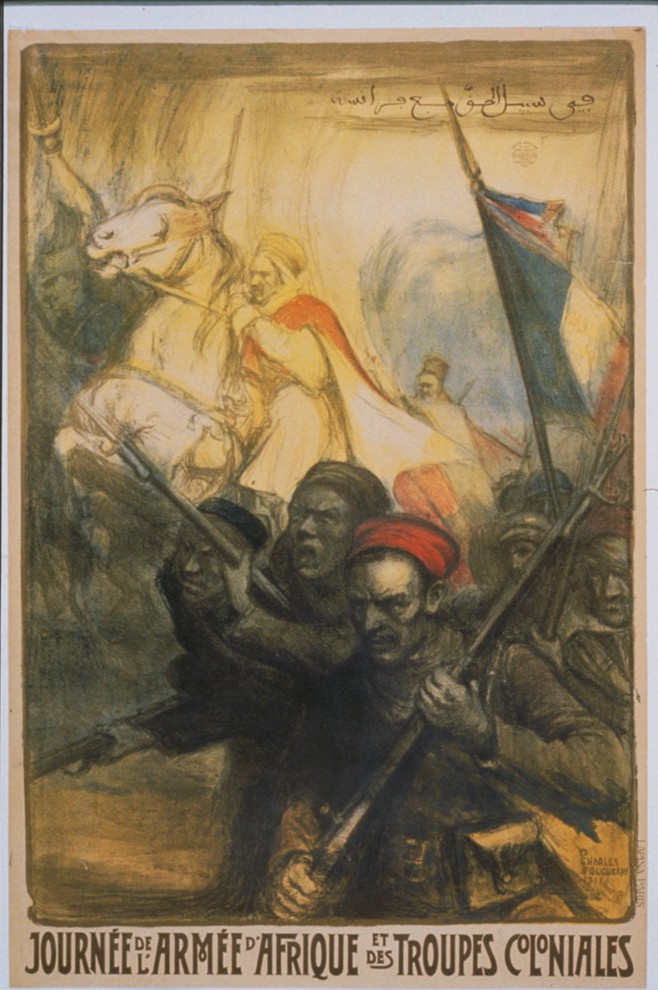
Charles Fouqueray's 1917 fundraising-day poster attaches colonial infantry to the French cause with a flag, cavalry and an Arabic phrase (Transfer). Banania's 1915 advertisement uses a grinning tirailleur and the mock-dialect "y'a bon" to sell a breakfast food (Transfer); its sponsor was a company, not the state.
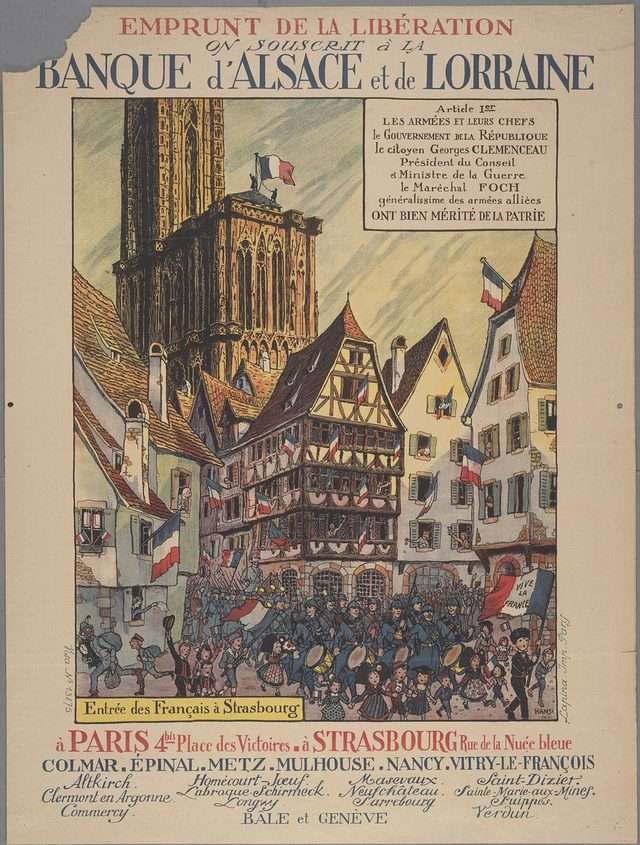
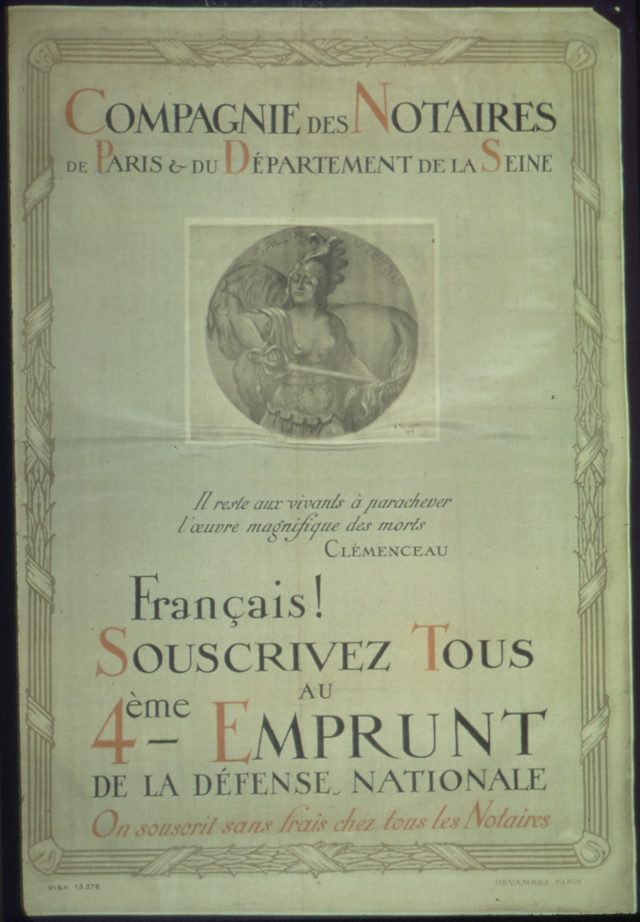
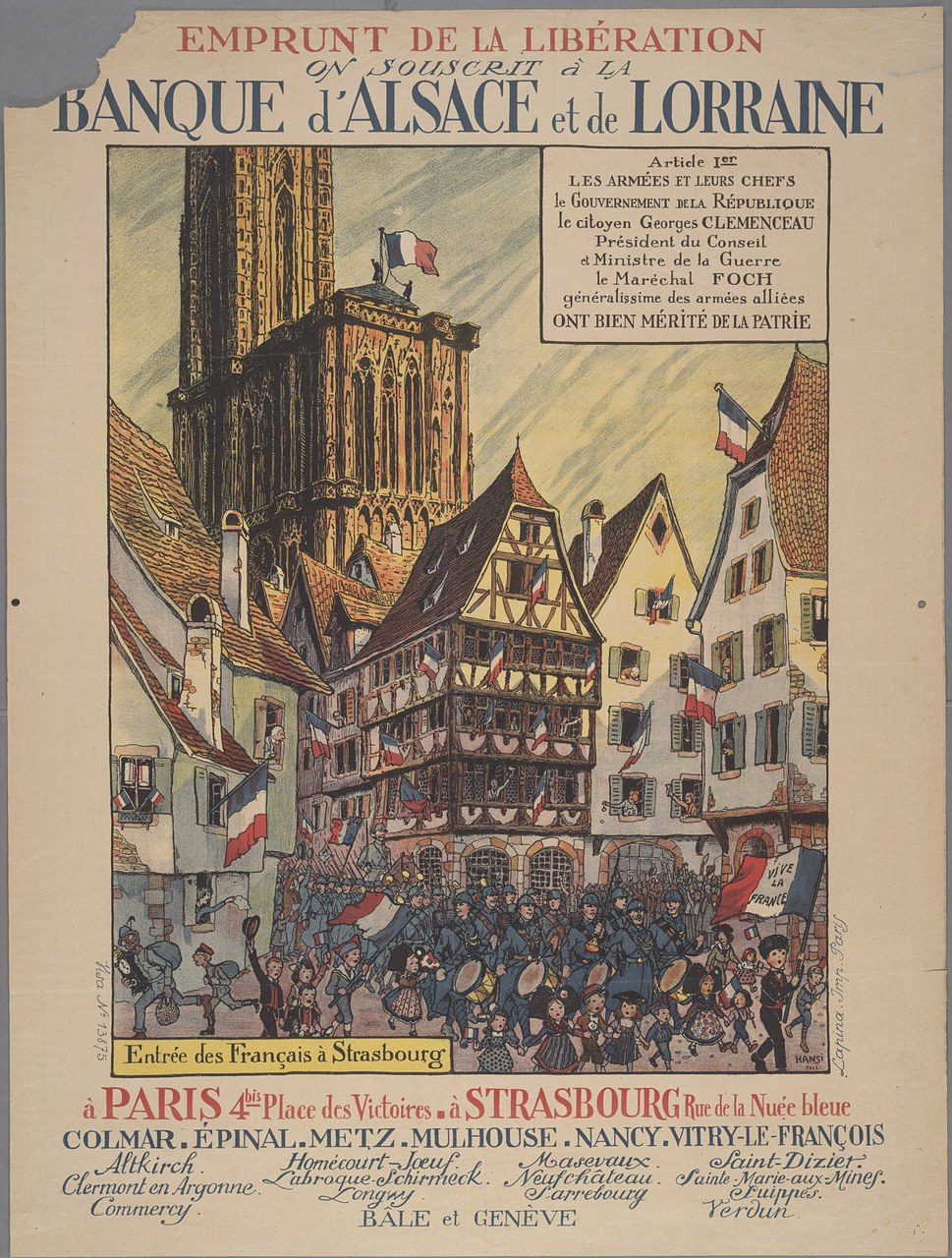
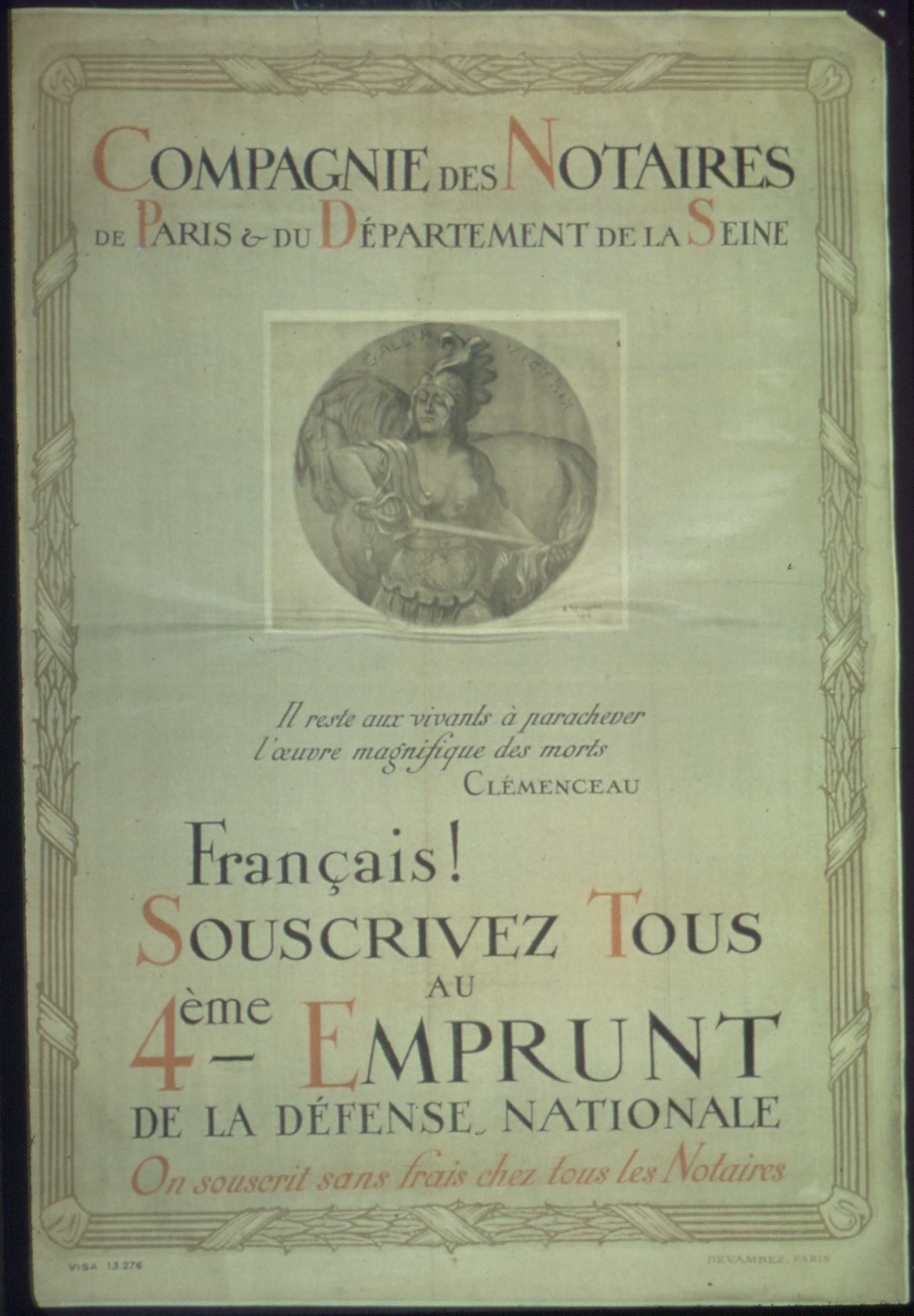
In 1918 the Banque d'Alsace et de Lorraine used Hansi's Strasbourg scene to sell the Loan of Liberation (Transfer), while the Paris notaries quoted Clemenceau on "the magnificent work of the dead" to make a subscription a duty (Testimonial).
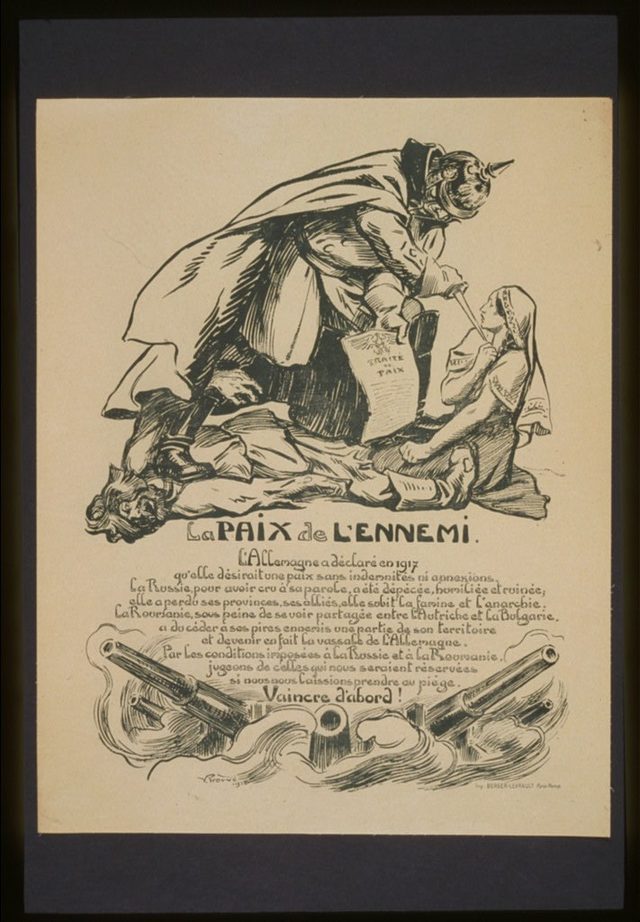
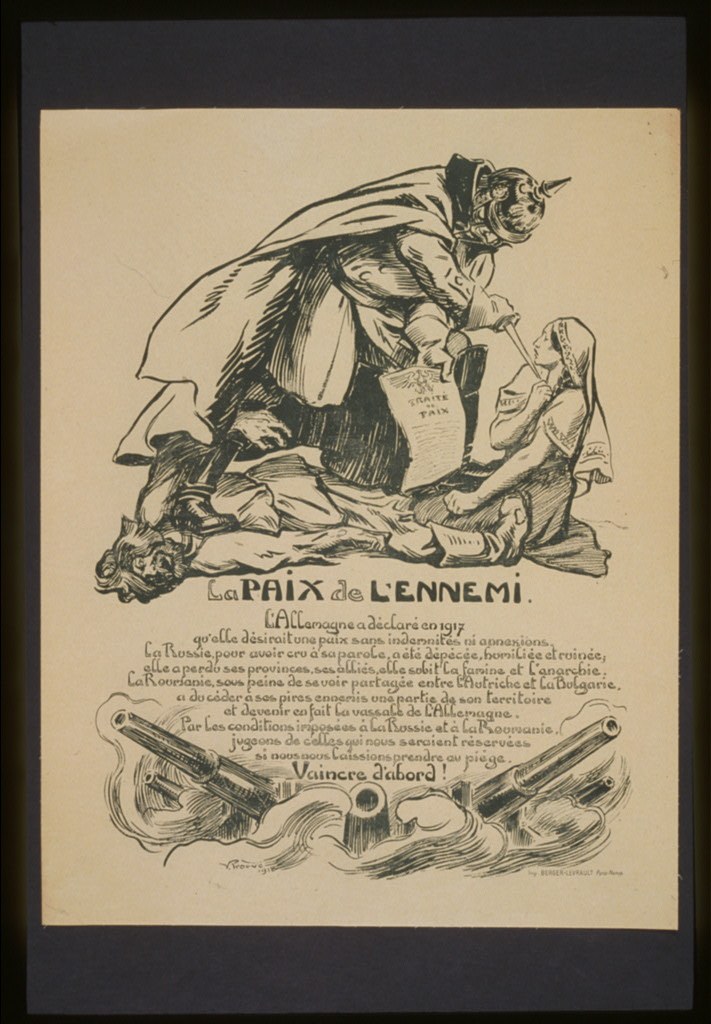
V. Prouvé's "La paix de l'ennemi" (1918) argues from two hand-picked cases, Russia and Romania, to one predicted fate for France (Card stacking). For other nations' sheets see WW1 posters by country.
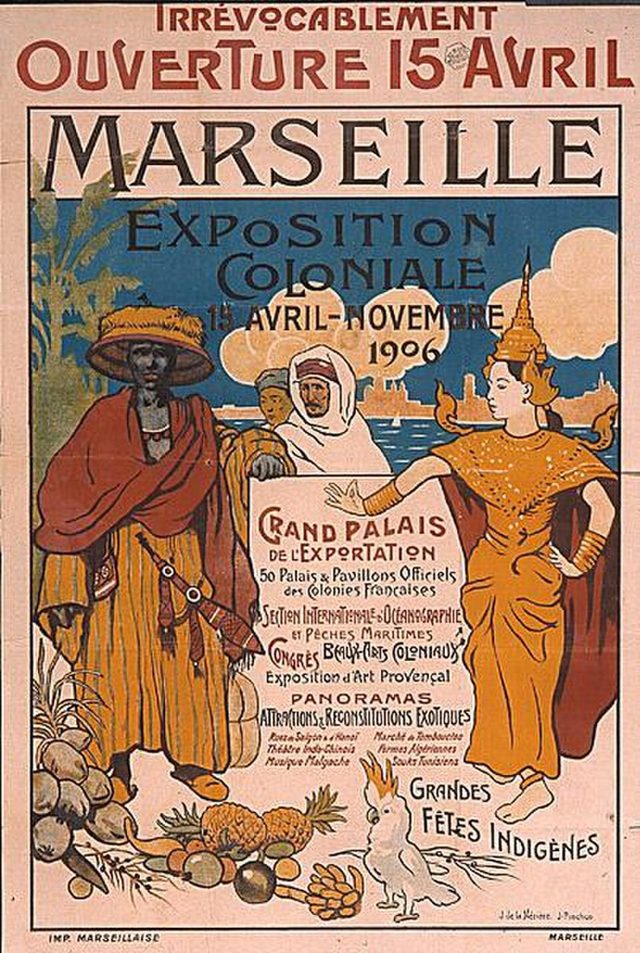
Content note: Colour poster in which colonised peoples are drawn as costumed exhibition hosts, including a West African man with a dark, stylised face; advertises staged displays of colonial life. This object is shown as it was published. Why 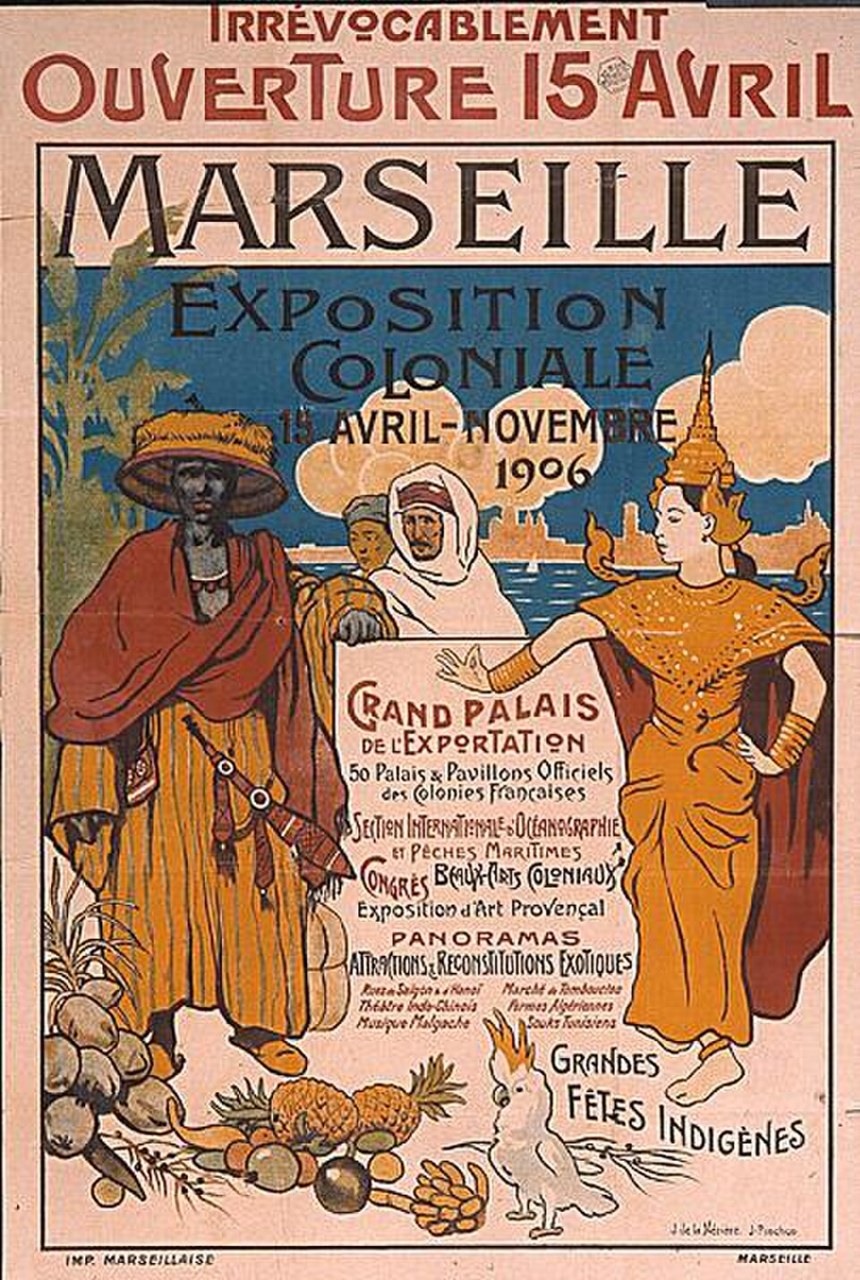
Colonial exhibitions and the interwar left
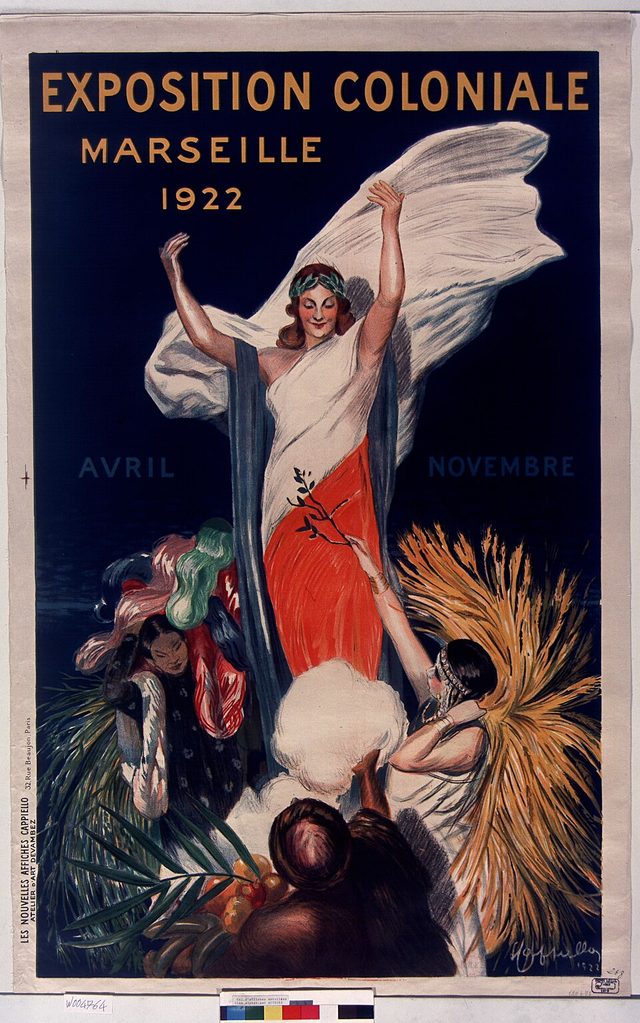
The 1906 Marseille exhibition poster offers the empire as pavilions, produce and spectacle (Card stacking); Cappiello's 1922 poster for the next Marseille exhibition shows the Republic receiving tribute of wheat and cotton (Transfer).
Content note: Colonial-exhibition poster depicting colonised peoples as costumed types offering produce to a personified France This object is shown as it was published. Why 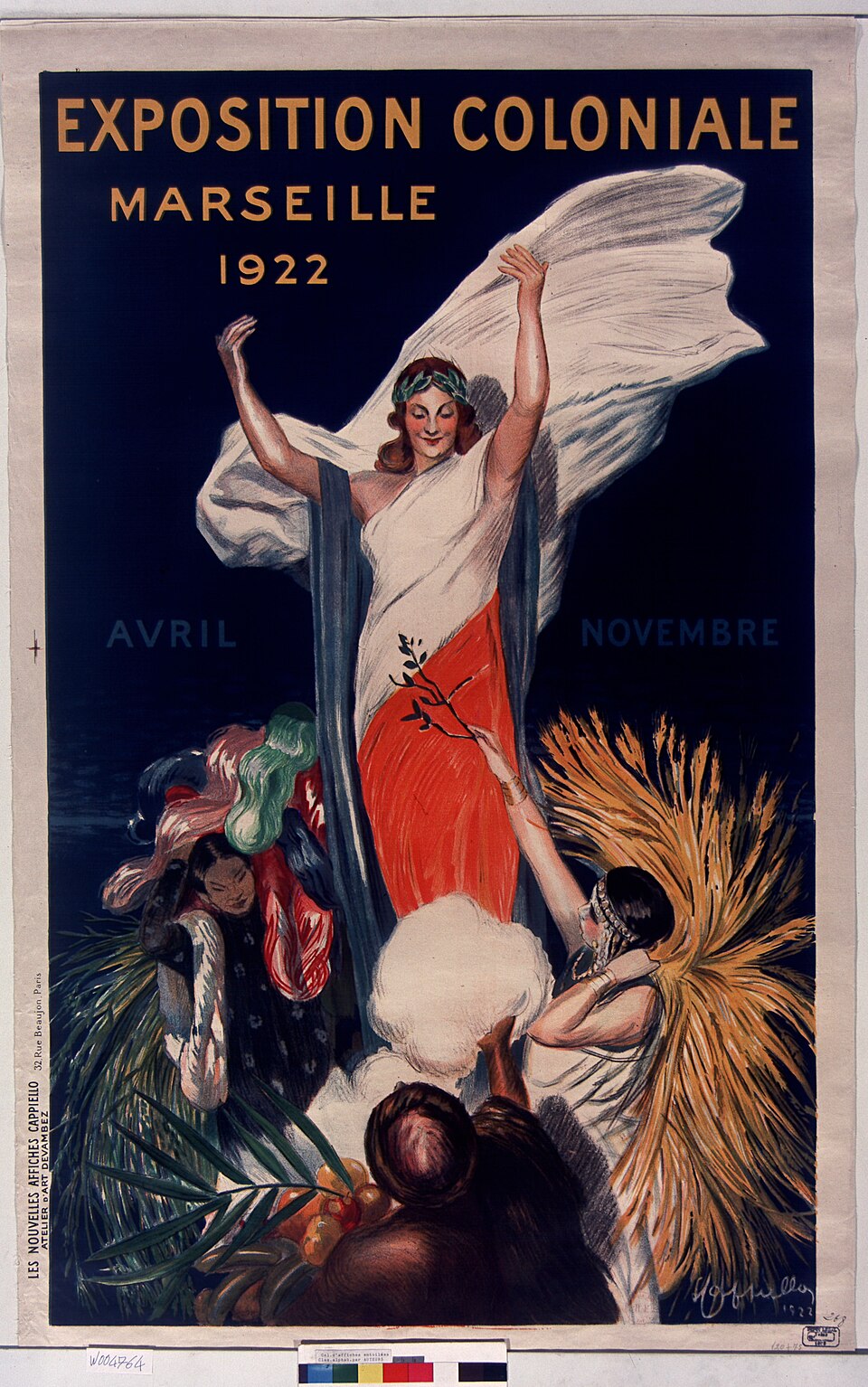
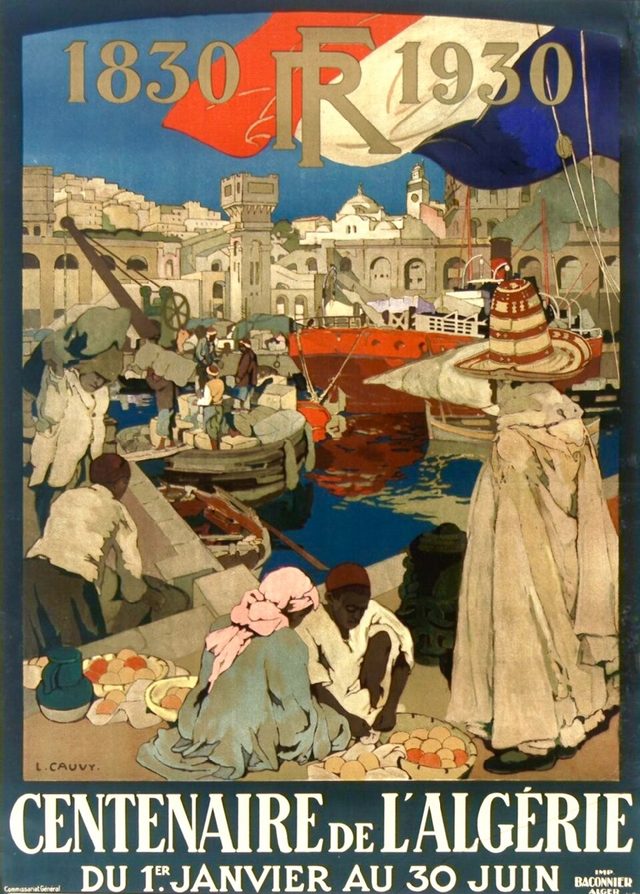
Content note: Colonial-era poster showing Algerian dockers and fruit-sellers under the French tricolour, issued to celebrate the centenary of the 1830 French conquest. This object is shown as it was published. Why 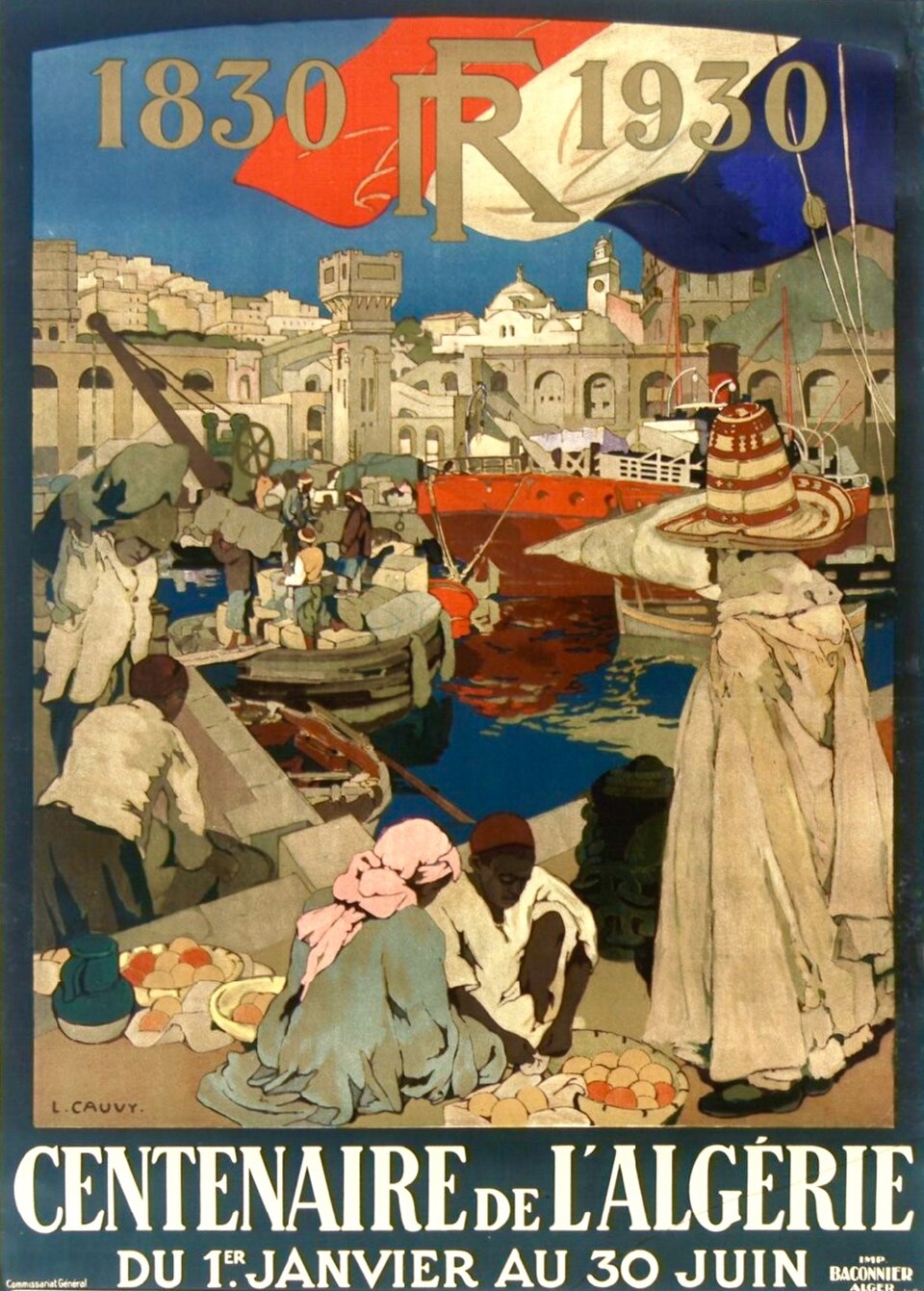
Explain moreShow less
The Algiers administration's 1929 centenary poster sets a tricolour over a harbour of Algerian dockers (Transfer).
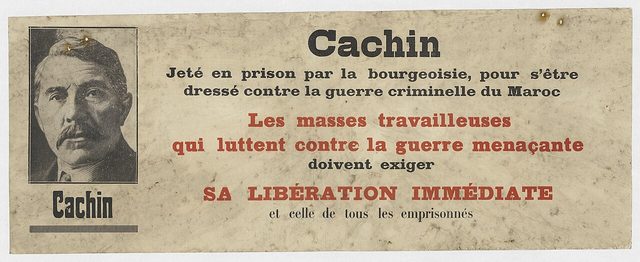
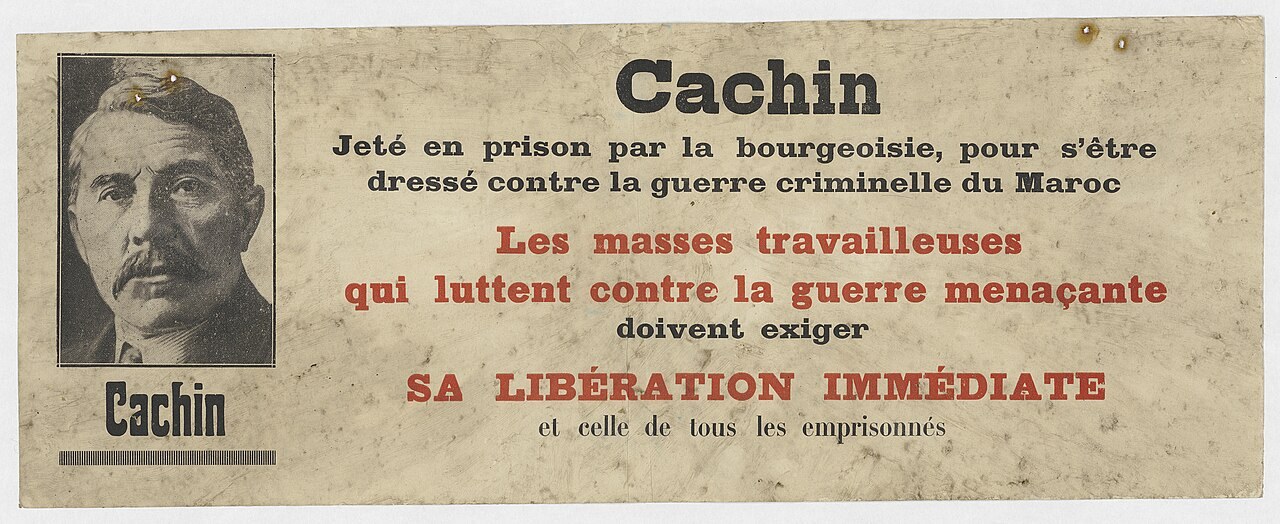
The opposition used the same medium. The Communist Party's 1927 strip poster says Marcel Cachin was jailed by "the bourgeoisie" for opposing "the criminal war of Morocco", labels stated as fact (Name-calling).
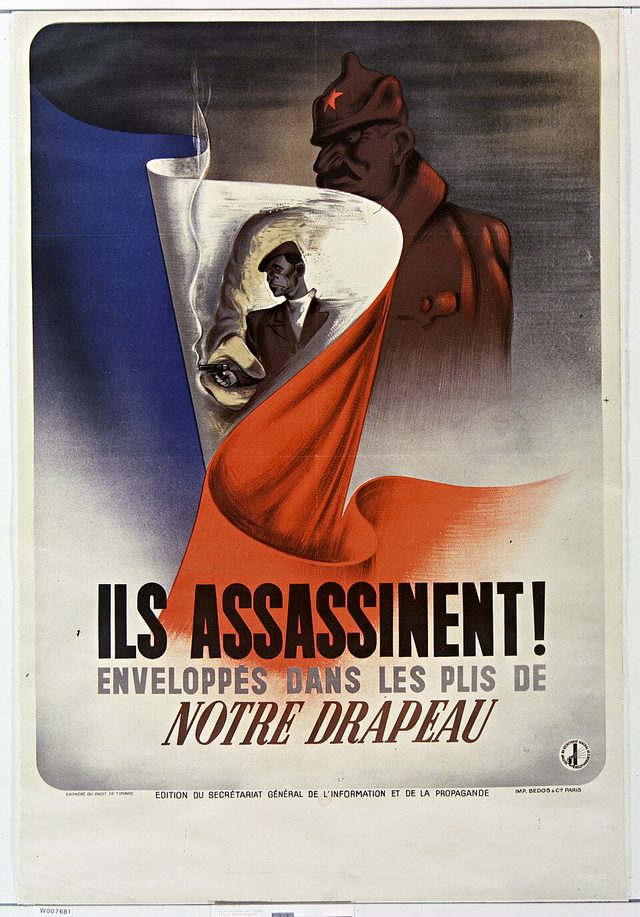
Content note: Vichy anti-communist poster: caricatured gunman firing from the folds of a tricolour, red-star-capped figure behind. This object is shown as it was published. Why 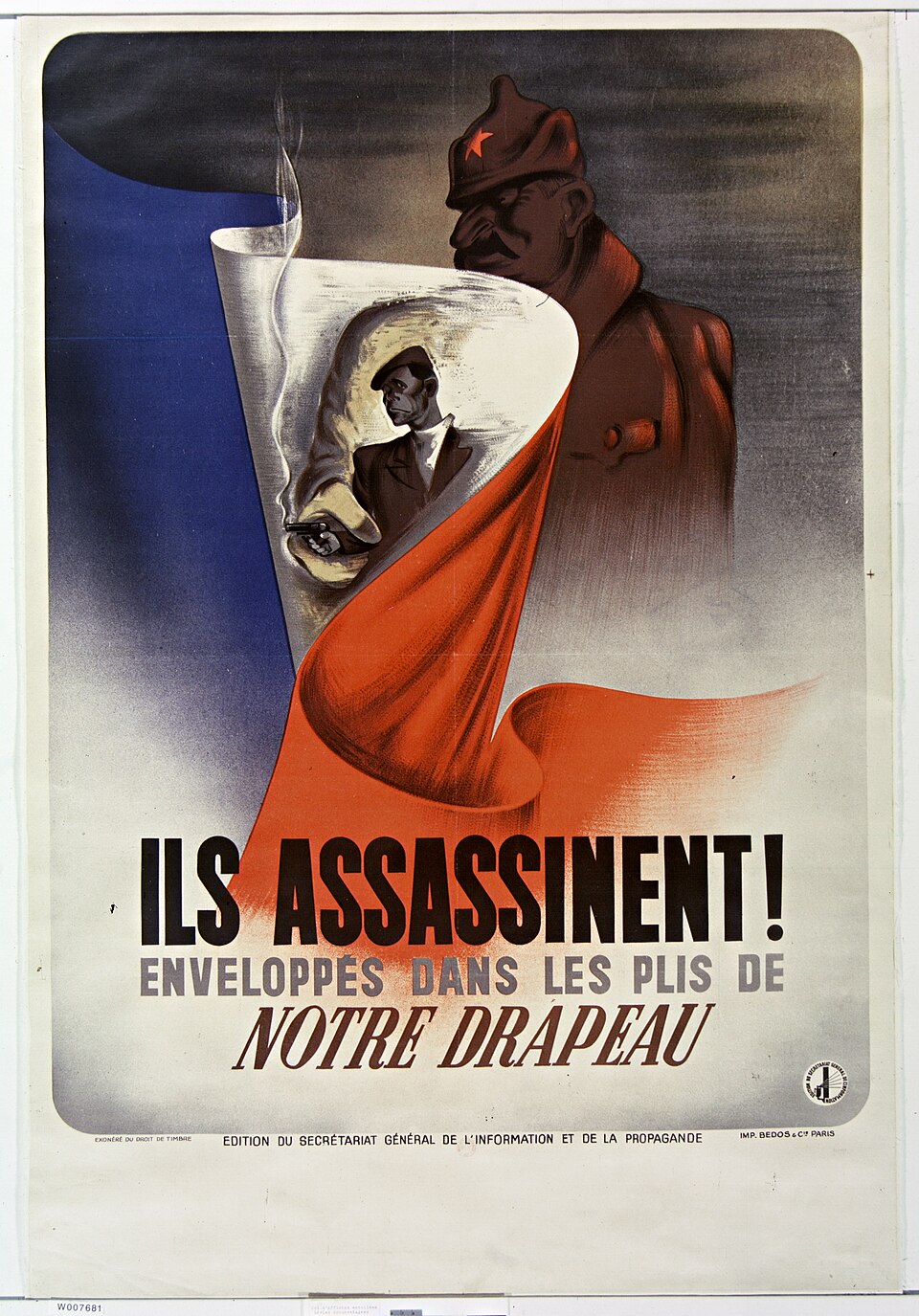
1940 to 1943: Vichy and Free France
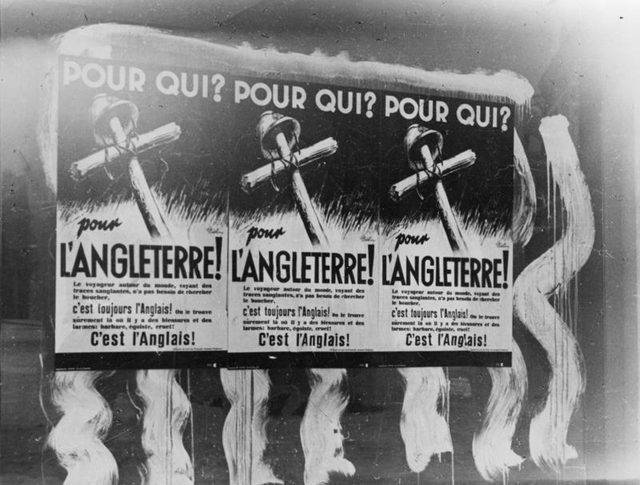
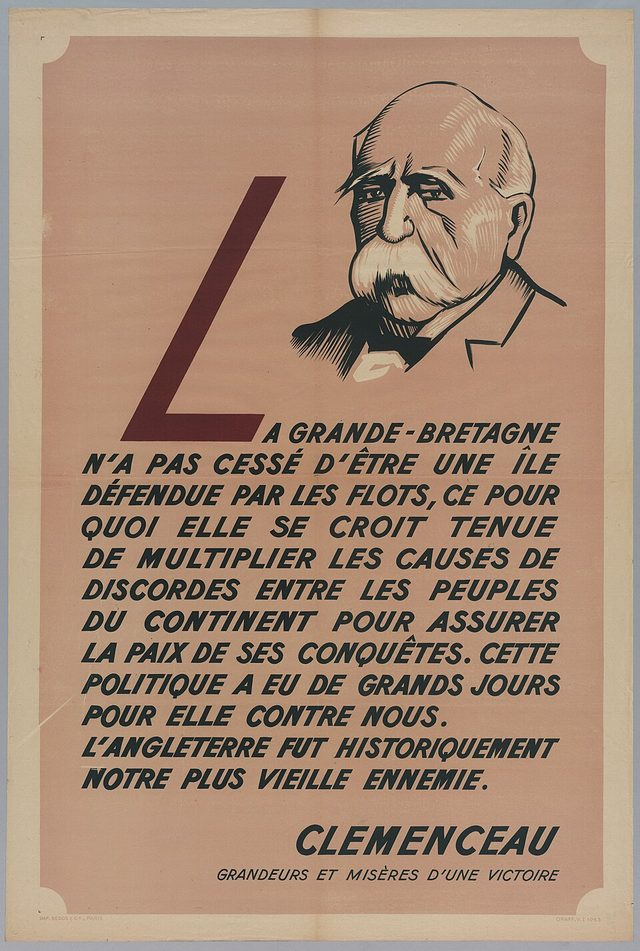
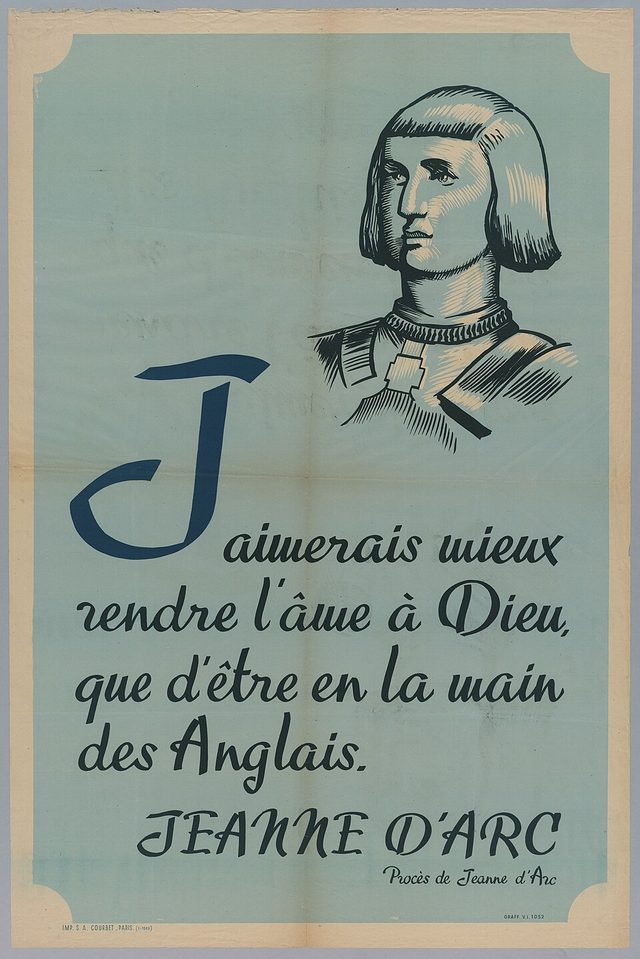
The Vichy State's Secretariat-General for Information and Propaganda issued "Ils assassinent!" (1941): the accused are never named, but the red star assigns the shooting to a political enemy (Scapegoating). Its ORAFF posters of 1943 borrow Clemenceau and Joan of Arc to carry an anti-British message (Testimonial).
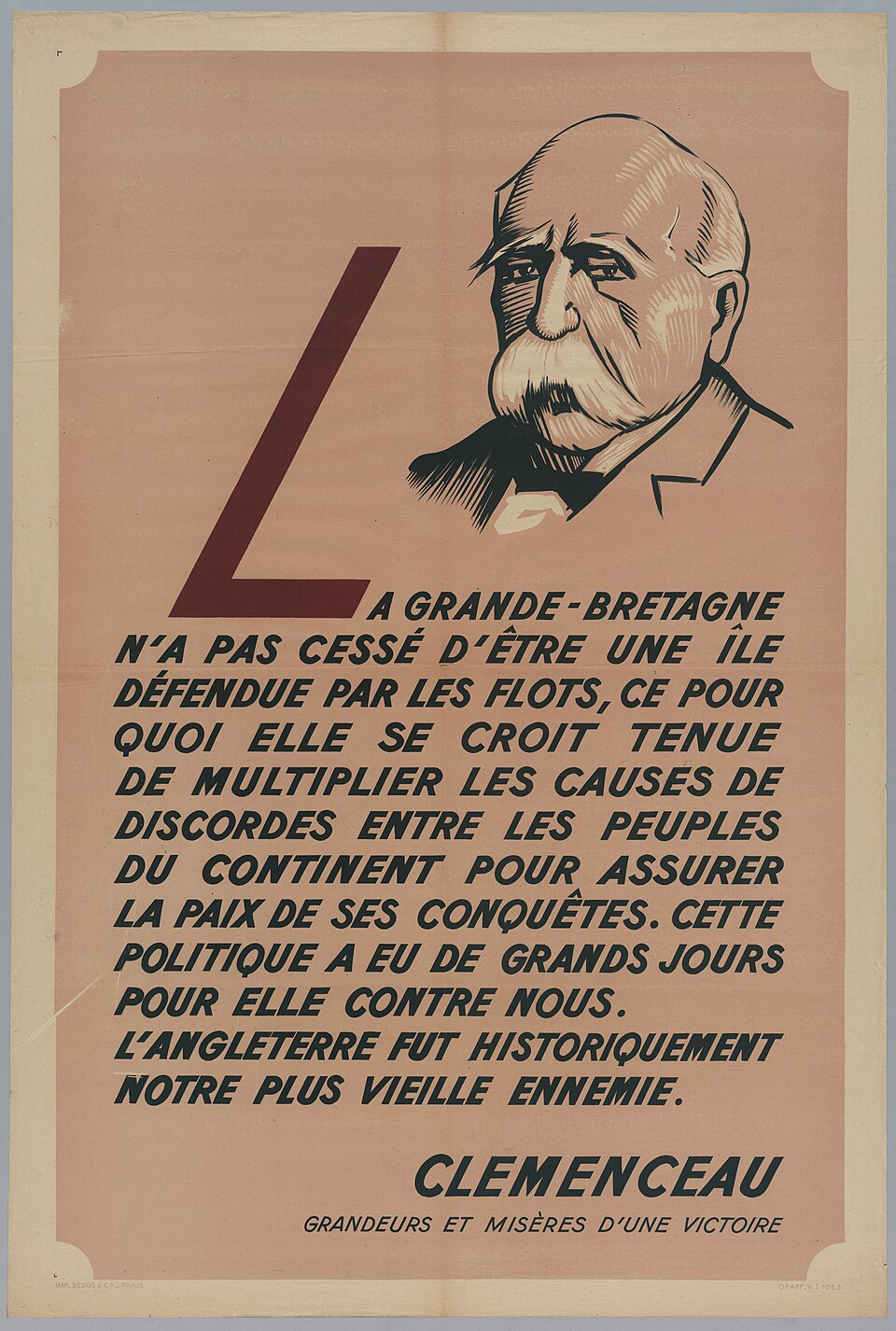
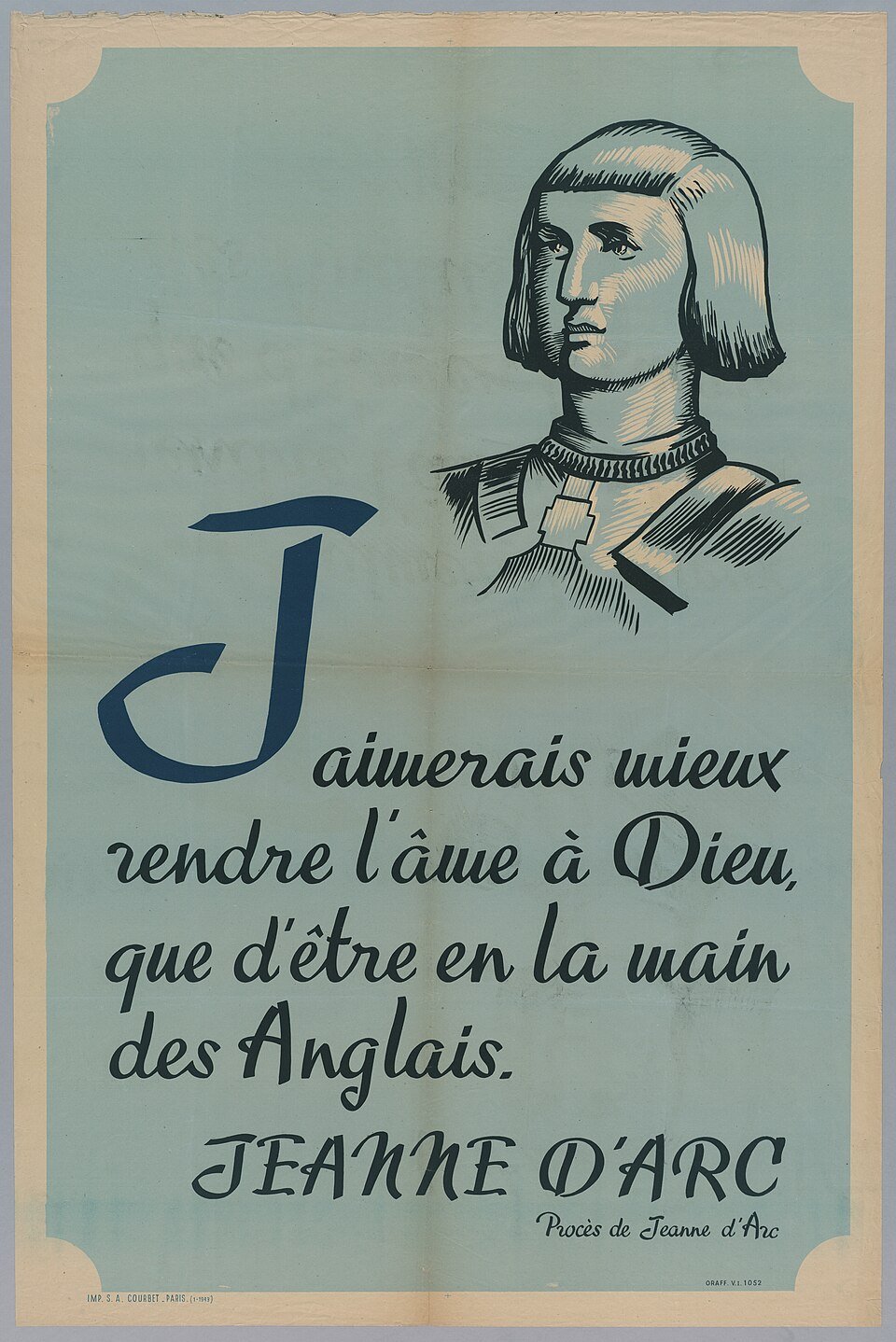
Explain moreShow less
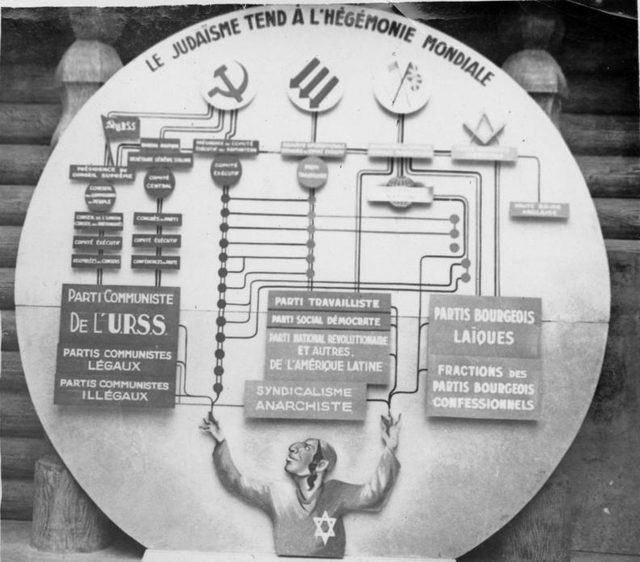
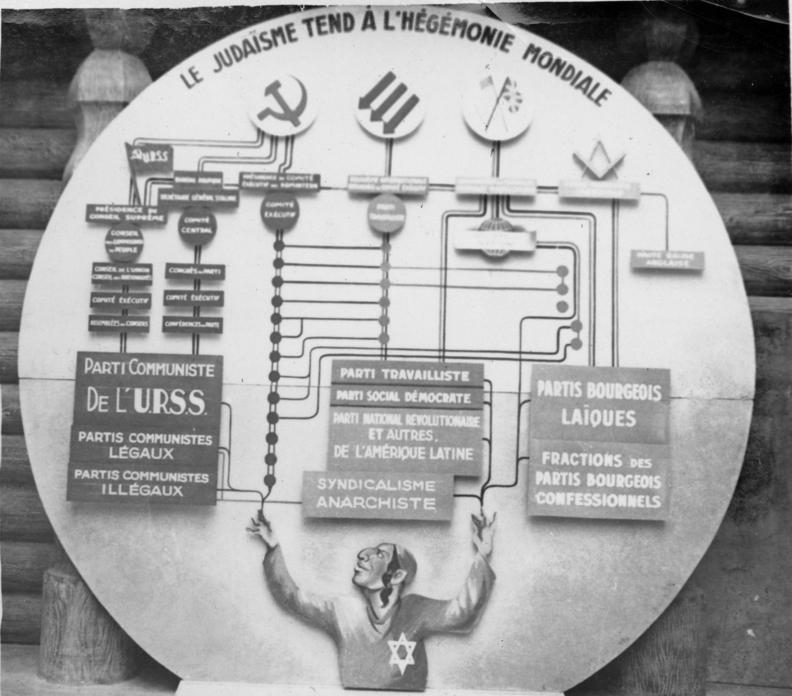
The 1942 Paris panel "Le judaïsme tend à l'hégémonie mondiale" was shown at an exhibition organised by French collaborationist bodies with German support; one group is made the hidden source of all others (Big lie).
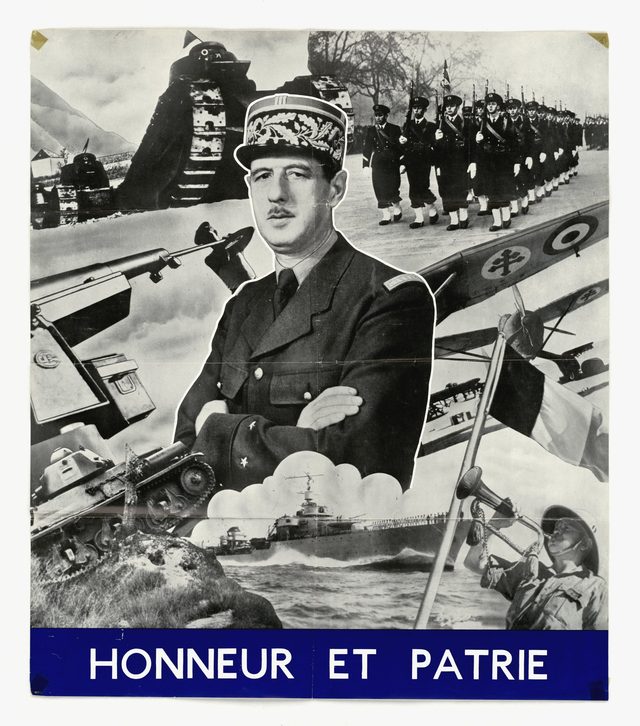
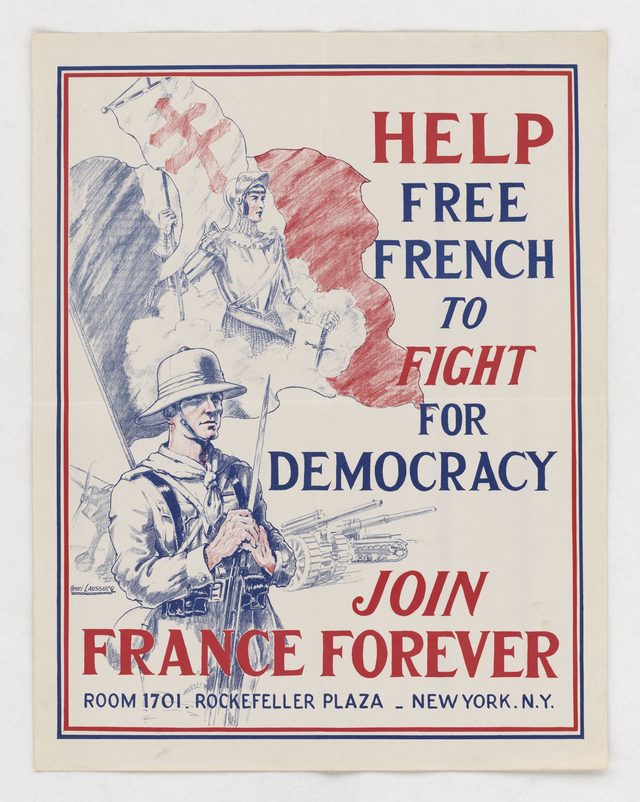
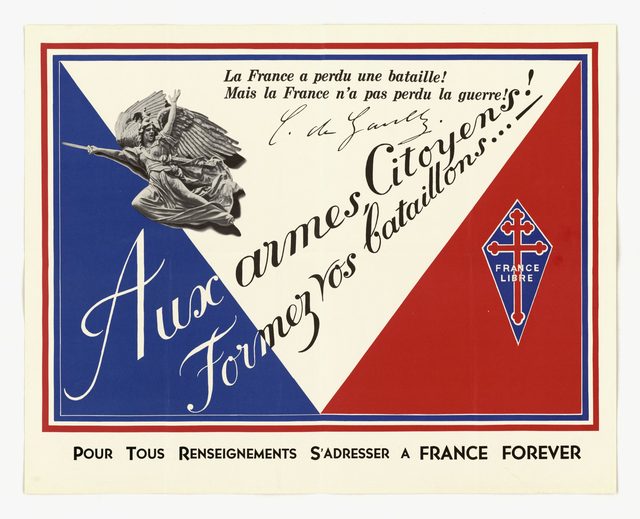
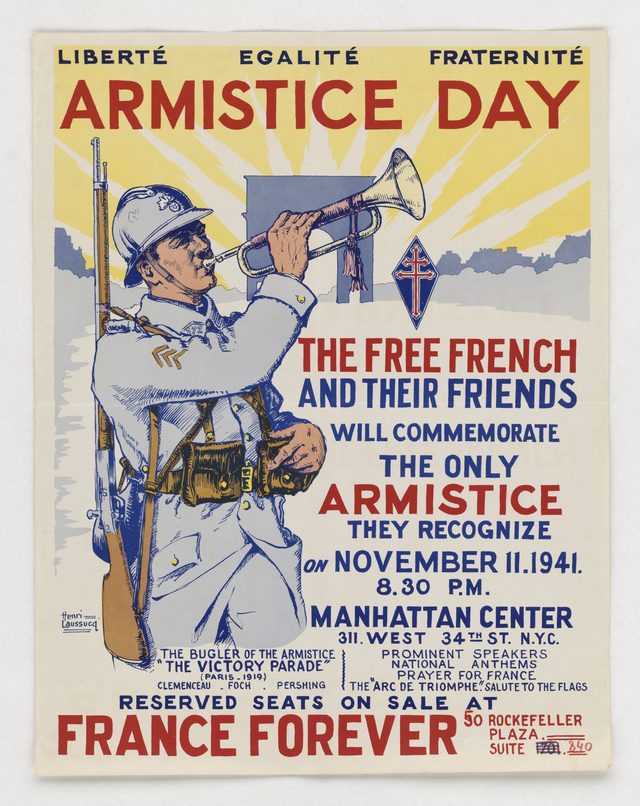
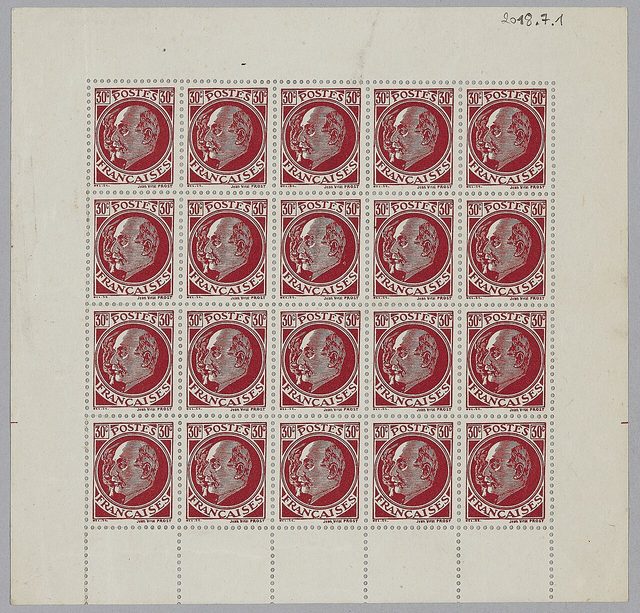
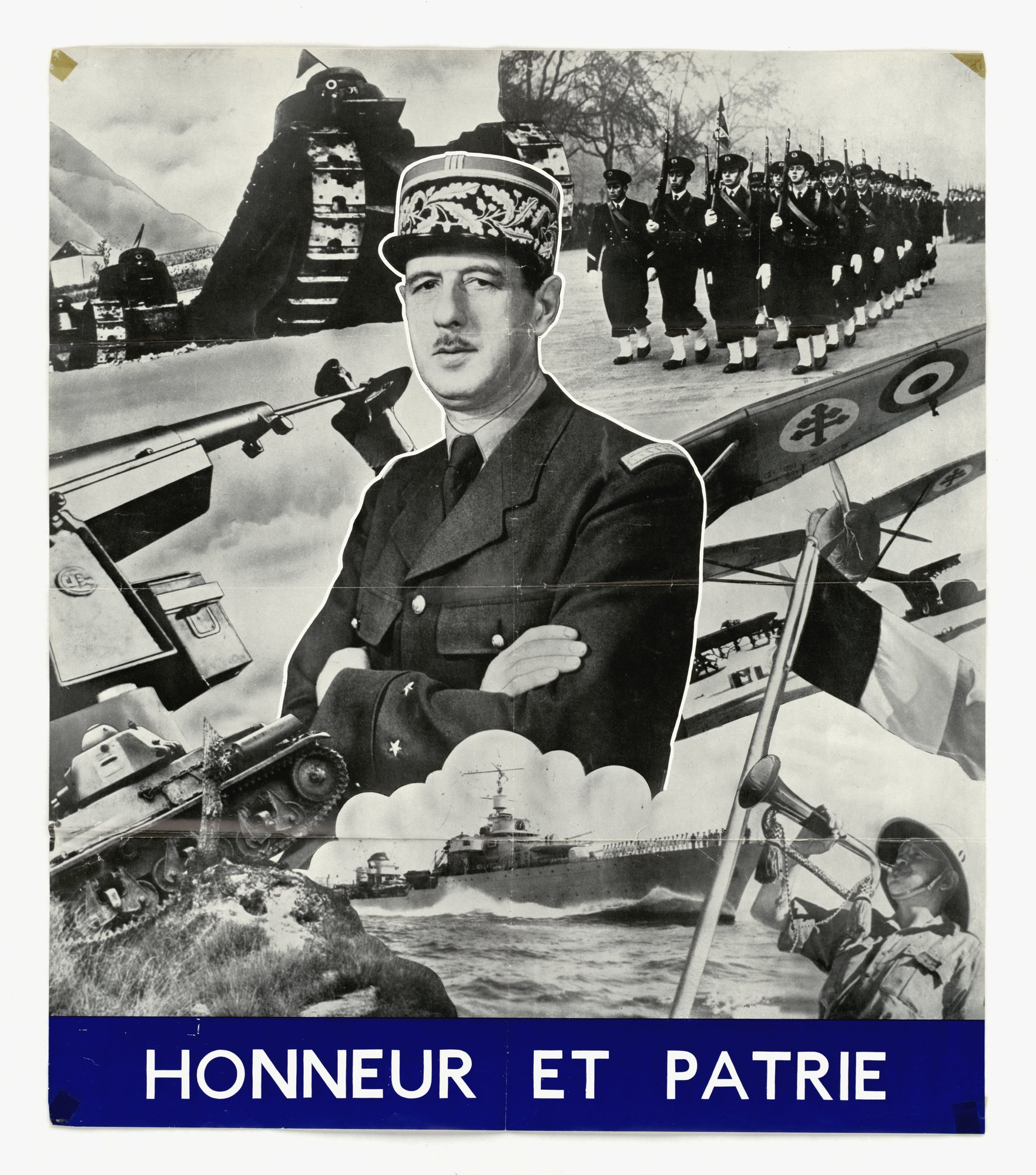
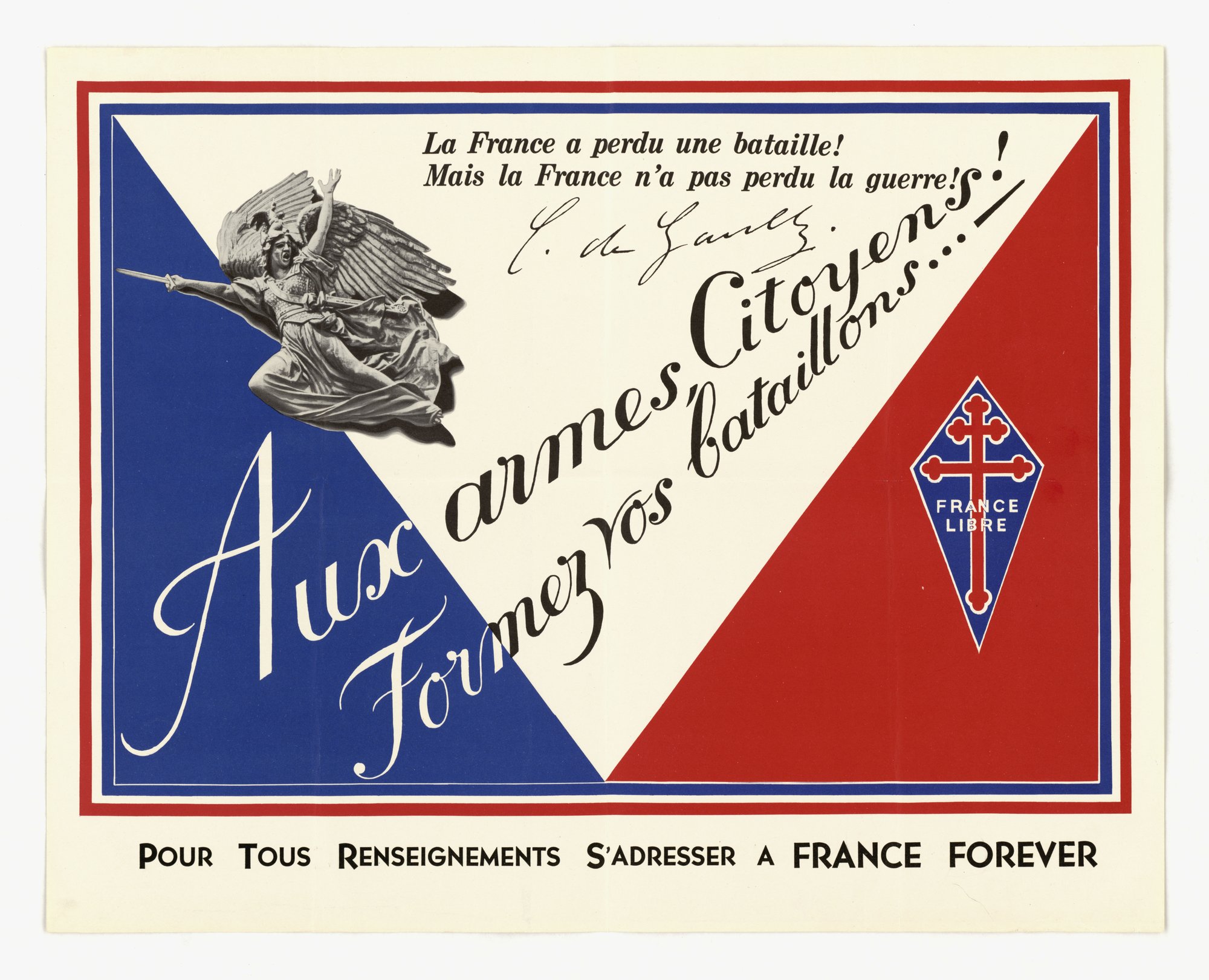
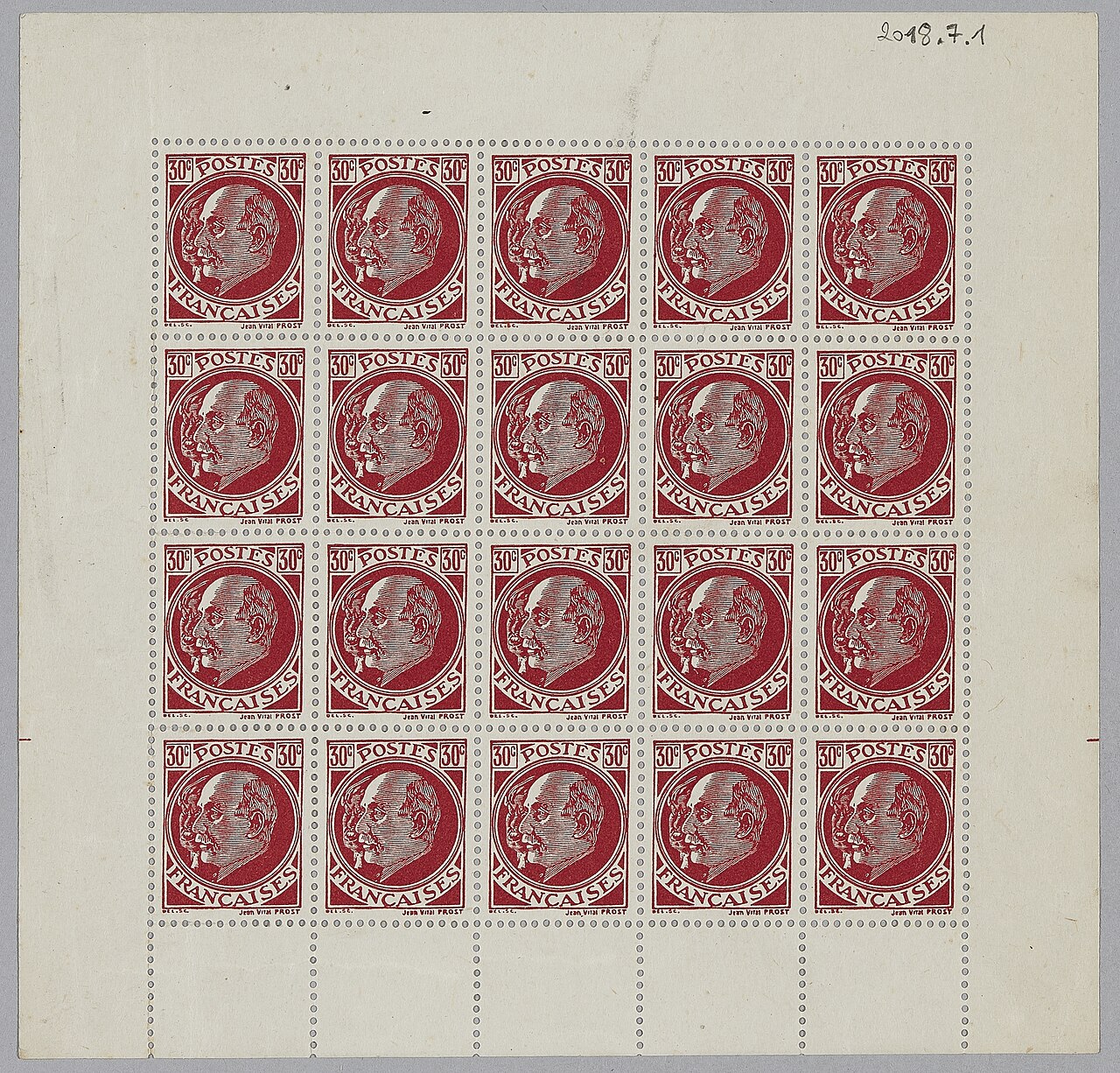
The Free French answered in kind. "Honneur et Patrie" lays army, navy and air imagery on a general's figure (Transfer), and France Forever, a New York committee, printed de Gaulle's "France has lost a battle" text over the Arc de Triomphe figure and a Cross of Lorraine. In 1943 the Free French intelligence service forged a Vichy stamp fusing Pétain's profile with Laval's (False flag).
The scale and intent differ: Vichy and Free France each issued material to win a divided public, one with a state apparatus, the other from exile.
What the collection does not hold
- Not here: French posters of 1945 to 1991 (the Fourth Republic's Indochina and Algeria wars, Cold War party and state posters); the collection holds a Viet Minh leaflet but no French-issued posters of those years.
- Not here: Vichy's Milice and Légion des volontaires recruiting posters, and Resistance clandestine press.
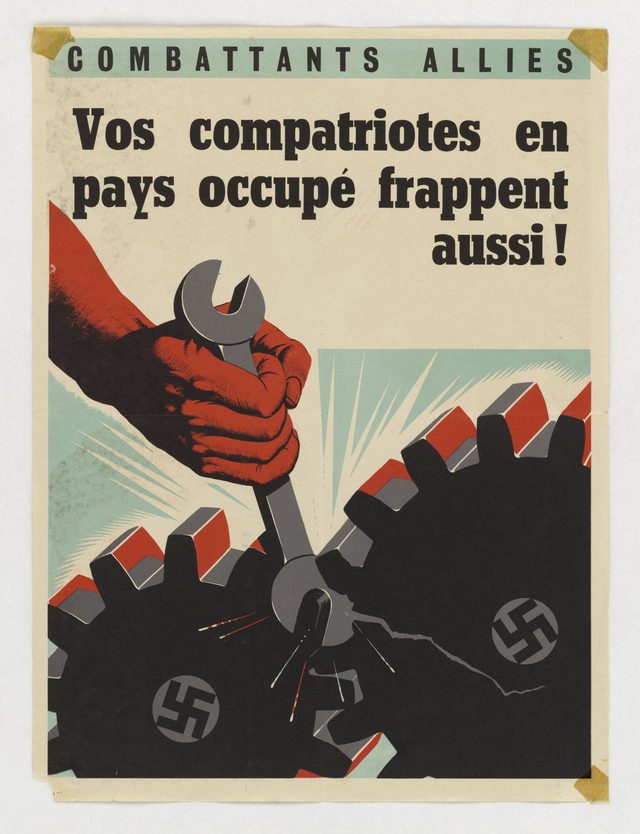
- Not here: a 1939 to 1940 Third Republic poster set; the French-language war-savings poster in the grid is Canadian by subject, and the Allied-side "Combattants Allies" sheet has no named issuer.
Sources and further reading
Sources
Library of Congress Prints and Photographs Division (World War I posters); Bibliothèque nationale de France, Gallica; Musée…
Library of Congress Prints and Photographs Division (World War I posters); Bibliothèque nationale de France, Gallica; Musée Carnavalet and Musée de la Libération de Paris (Paris Musées Collections); Archives nationales d'outre-mer; National Archives and Records Administration. Each item in the grid carries its own source and rights note.