What are glittering generalities, with examples?
Glittering generalities are virtue words such as freedom, honour, progress or peace, used in place of a claim that could be tested. The tell is that if you swap the word for a concrete measure (a date, a figure, a named right, a stated term), the sentence has nothing left to say. Read the technique: glittering generalities.
Explain moreShow less
This page holds fifteen dated examples from France in 1792 to Eritrea in 2017, issued by governments, armies, a newspaper, a political movement, a party and a campaign. Each gives the issuer, date, audience, virtue words and the testable claim that is missing.
What counts as a glittering generality (and what does not)?
A value statement is not the technique by itself. A text that says "freedom of the press" and then lists what the press may print and what penalty applies is a defined principle applied to a named case. A glittering generality is the version where the word is the whole message: it asks for approval and supplies nothing the audience could check.
Explain moreShow less
The line, applied the same way to every issuer here, is whether a reader could ask "meaning what?" and find an answer on the same sheet. Some items below make specific claims elsewhere in the text they excerpt; they are chosen for the part where the virtue word carries the appeal.
Freedom and liberty examples
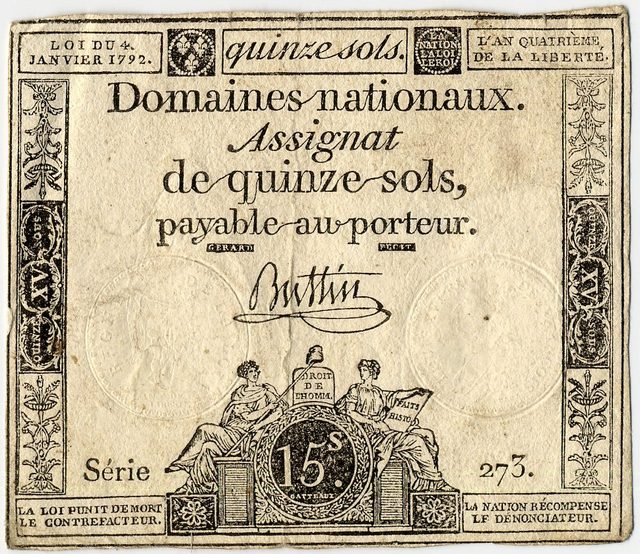
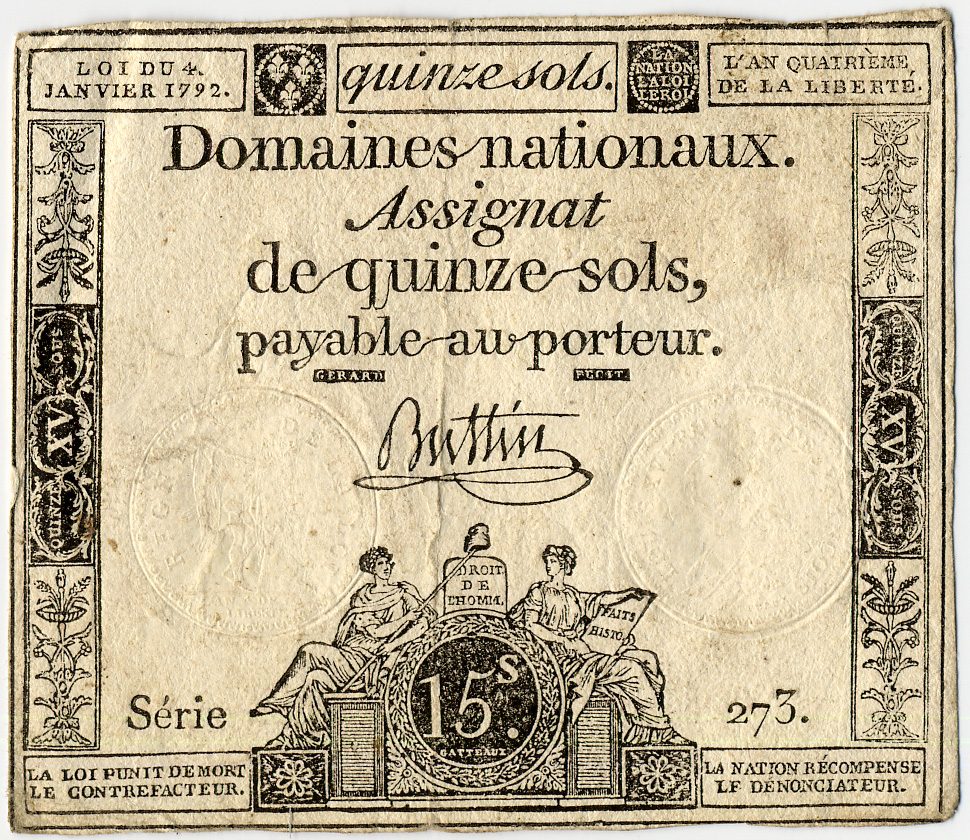
France, 1792. A fifteen-sol assignat issued under the law of 4 January 1792 by the French state, for use as money by the domestic public. It is dated "L'AN QUATRIÈME DE LA LIBERTÉ" (the fourth year of Liberty), carries a stele marked "DROIT DE L'HOMME" and a seal reading "LA NATION LA LOI LE ROI". Liberty and rights are printed beside the face value, and the note does not say what the rights are. The same sheet carries a specific line: "LA LOI PUNIT DE MORT LE CONTREFACTEUR" (the law punishes the counterfeiter with death).
Explain moreShow less
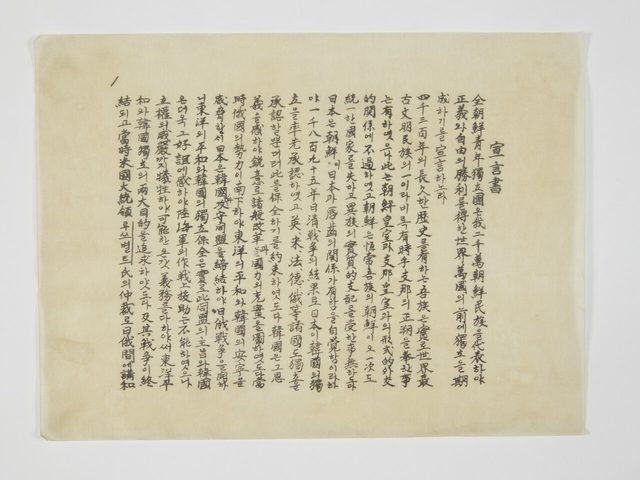
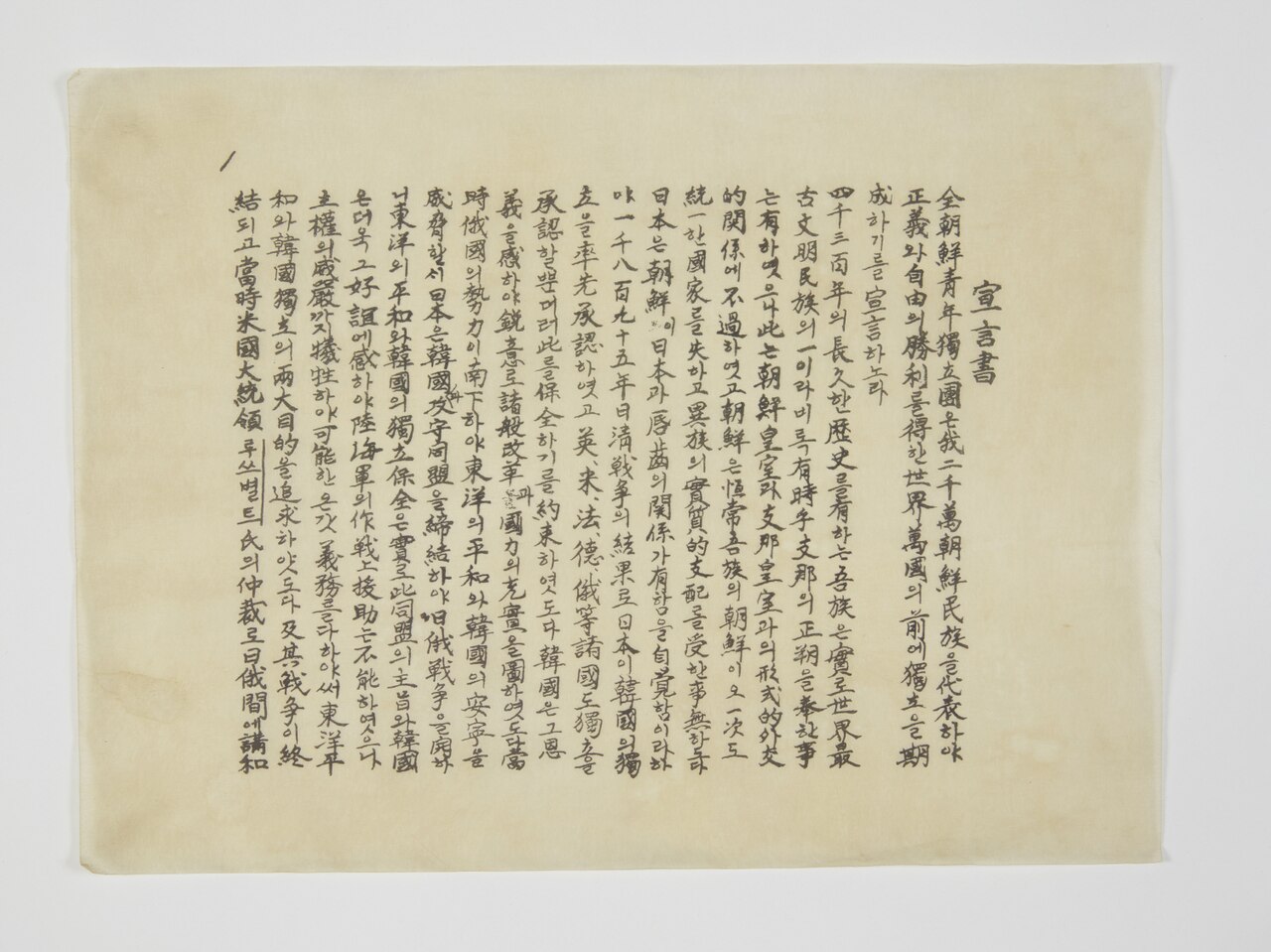
Tokyo, 8 February 1919. The Korean Young People's Independence Corps, a student movement in Japan, issued a declaration addressed to the world. The first sheet opens by addressing "all the nations of the world that have won the victory of justice and freedom" (the archive's translation). Justice and freedom are borrowed from the Allied victory and left undefined. This is a mixed case: the text goes on to make specific historical claims, which are the declarers' own account.
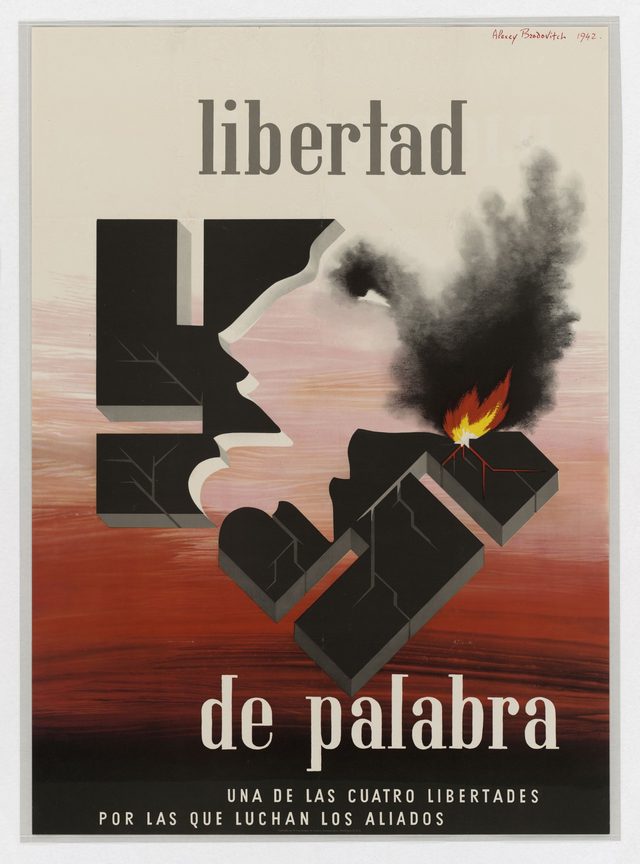
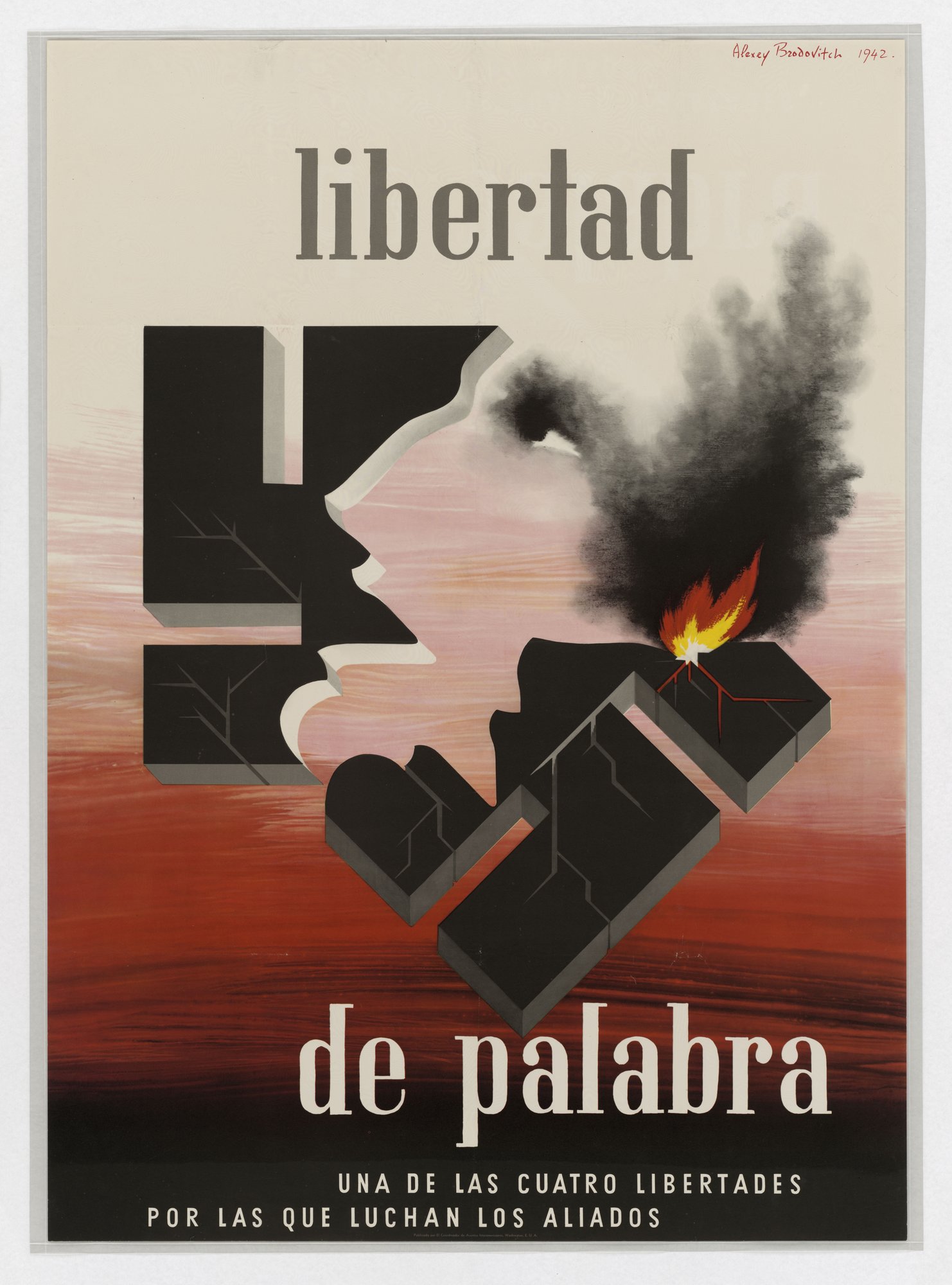
United States, 1942. The Office of the Coordinator of Inter-American Affairs in Washington published this poster, designed by Alexey Brodovitch, for Spanish-speaking Latin America. It reads "libertad de palabra", "one of the four freedoms for which the Allies are fighting" (the archive's translation). A broken swastika supplies the opponent. The poster says nothing about what the freedom would protect or for whom.
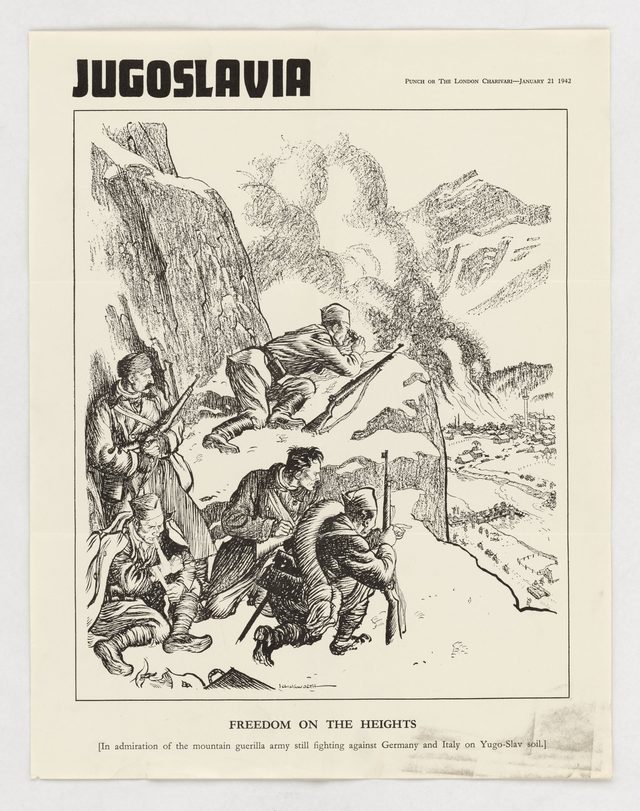
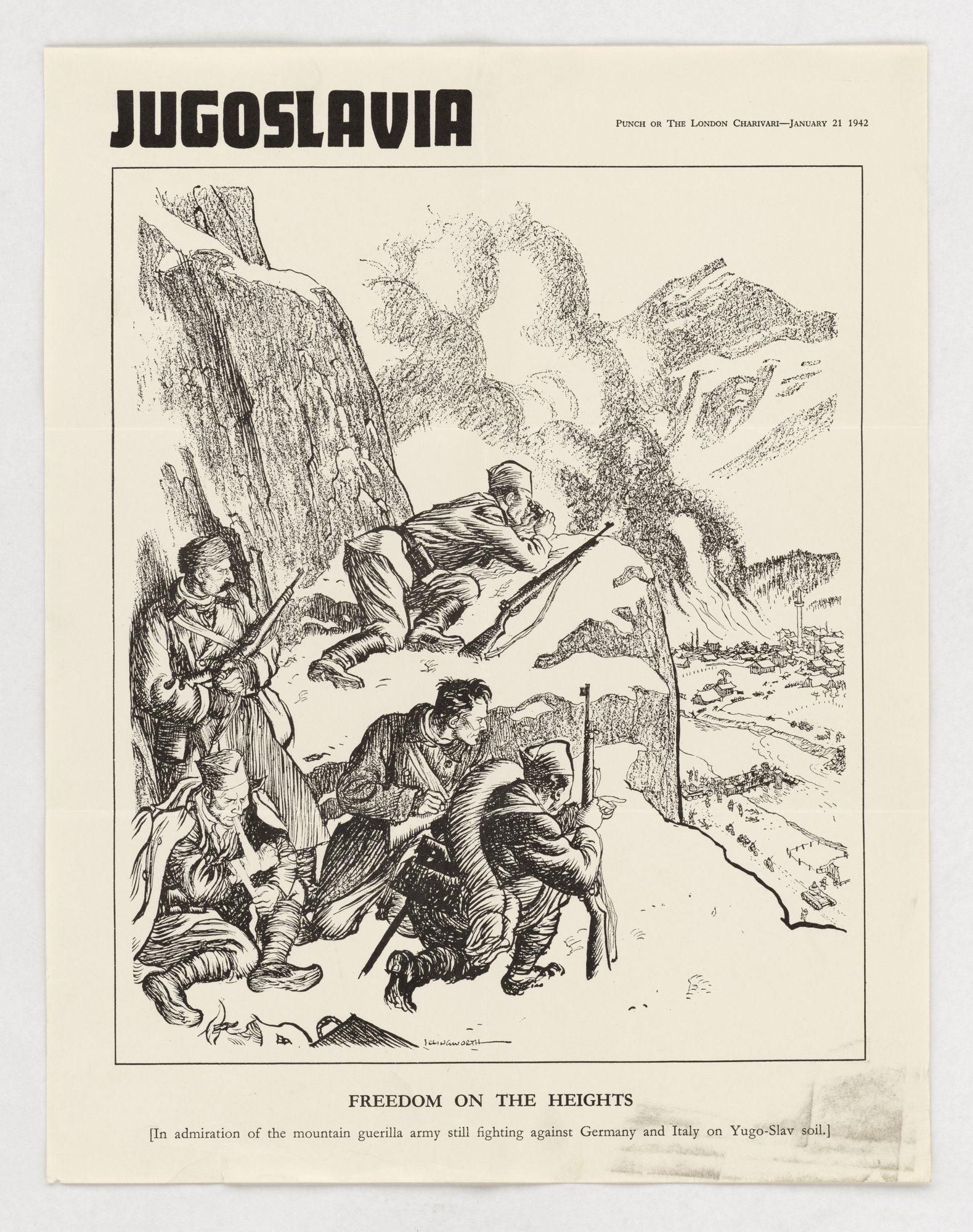
United Kingdom, 21 January 1942. A cartoon by Leslie Illingworth in the magazine Punch, headed "Jugoslavia" and titled "FREEDOM ON THE HEIGHTS", with a bracketed line of admiration for the mountain guerrilla army. The copy shown is a reproduction sheet, held in the U.S. National Archives, whose issuer is not named. The title offers freedom as the subject, while the image shows armed men and gives no account of the fighting.
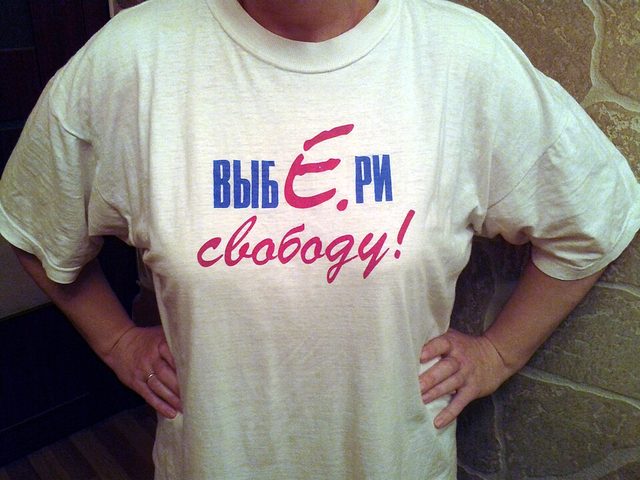
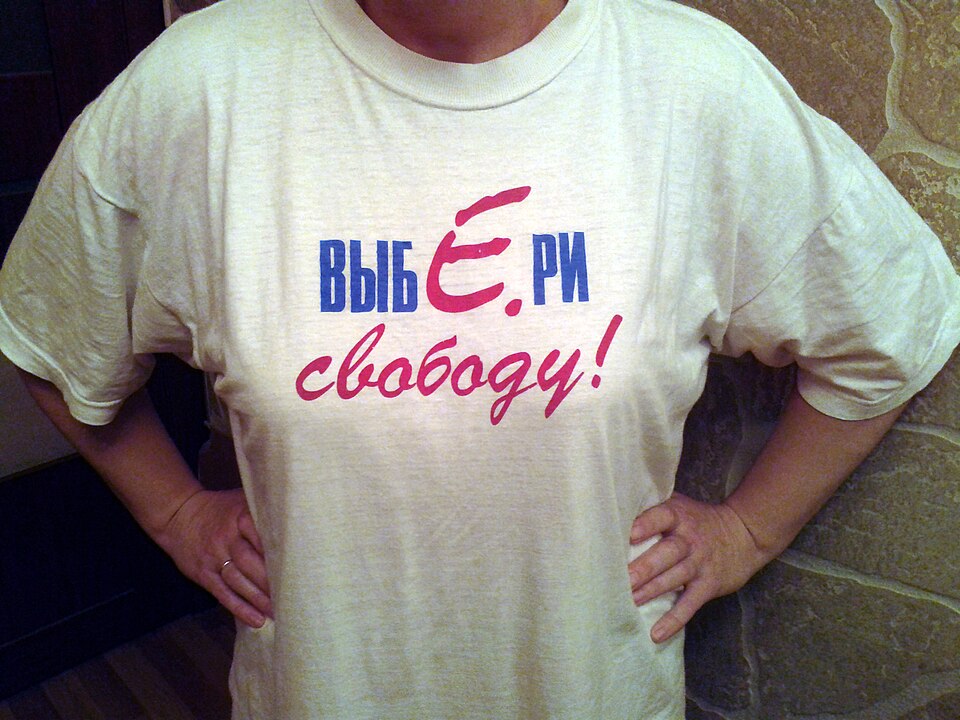
Russia, 1996. A T-shirt printed "ВЫБЕ.РИ свободу!" ("Choose freedom!"), described by the photographer as a garment of Boris Yeltsin's "Vote or Lose" re-election campaign (first round 16 June, run-off 3 July 1996). The shirt names no sponsor, so the link rests on that description. The word "freedom" is the whole message, with no policy or promise attached. The same test applies to any candidate's virtue-word slogan.
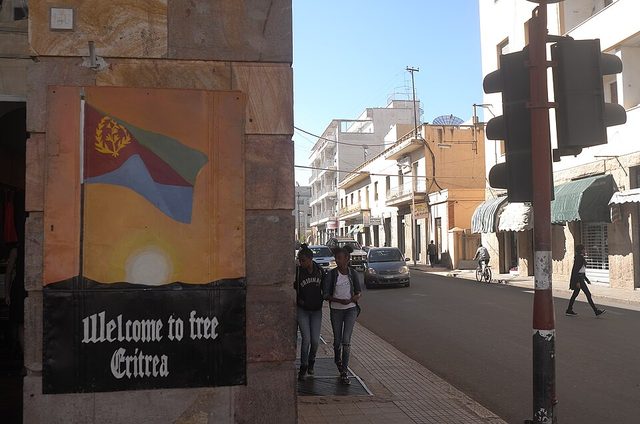
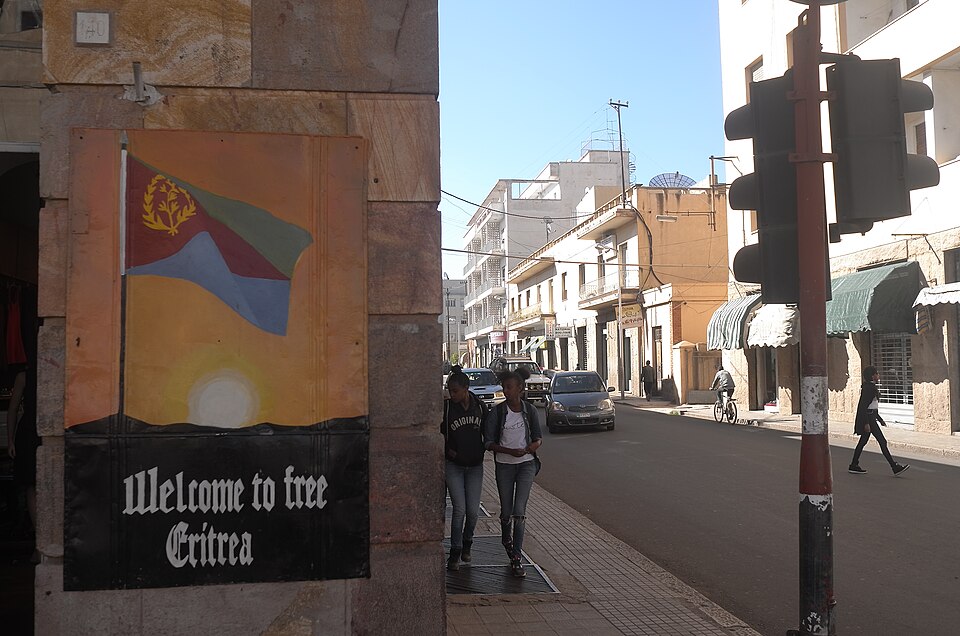
Eritrea, 2017. A painted panel on a wall in central Asmara, photographed on 13 November 2017 by Martin Schibbye, reads "Welcome to free Eritrea" beneath a flag and a rising sun. Who painted it is not recorded, so it is not attributed to the state or a party. "Free" attaches to the country's name without saying free of what.
Honour, dignity and the nation
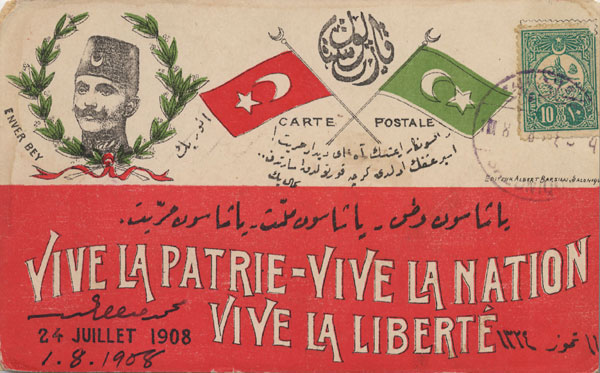
Ottoman Empire, 24 July 1908. A postcard marking the restoration of the 1876 constitution, associated with the Young Turk movement and the Committee of Union and Progress and published by Albert Barsamian of Salonica. It pictures Enver Bey and prints a chant in two languages, translated here as "Long live the fatherland, long live the nation, long live liberty." The chant sets three virtue nouns side by side and cites no clause of the constitution and no change in law.
Explain moreShow less
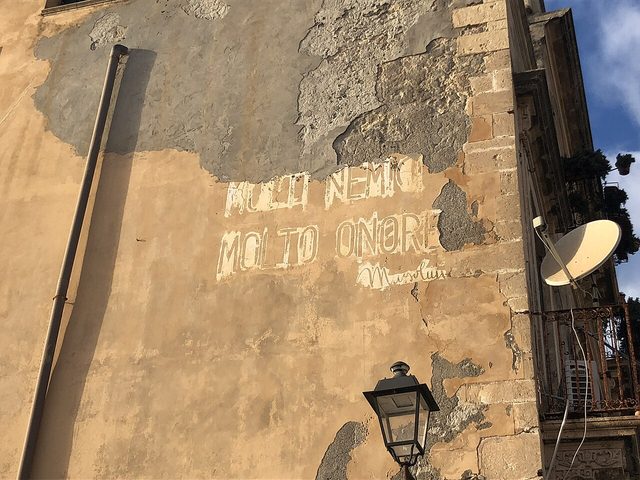
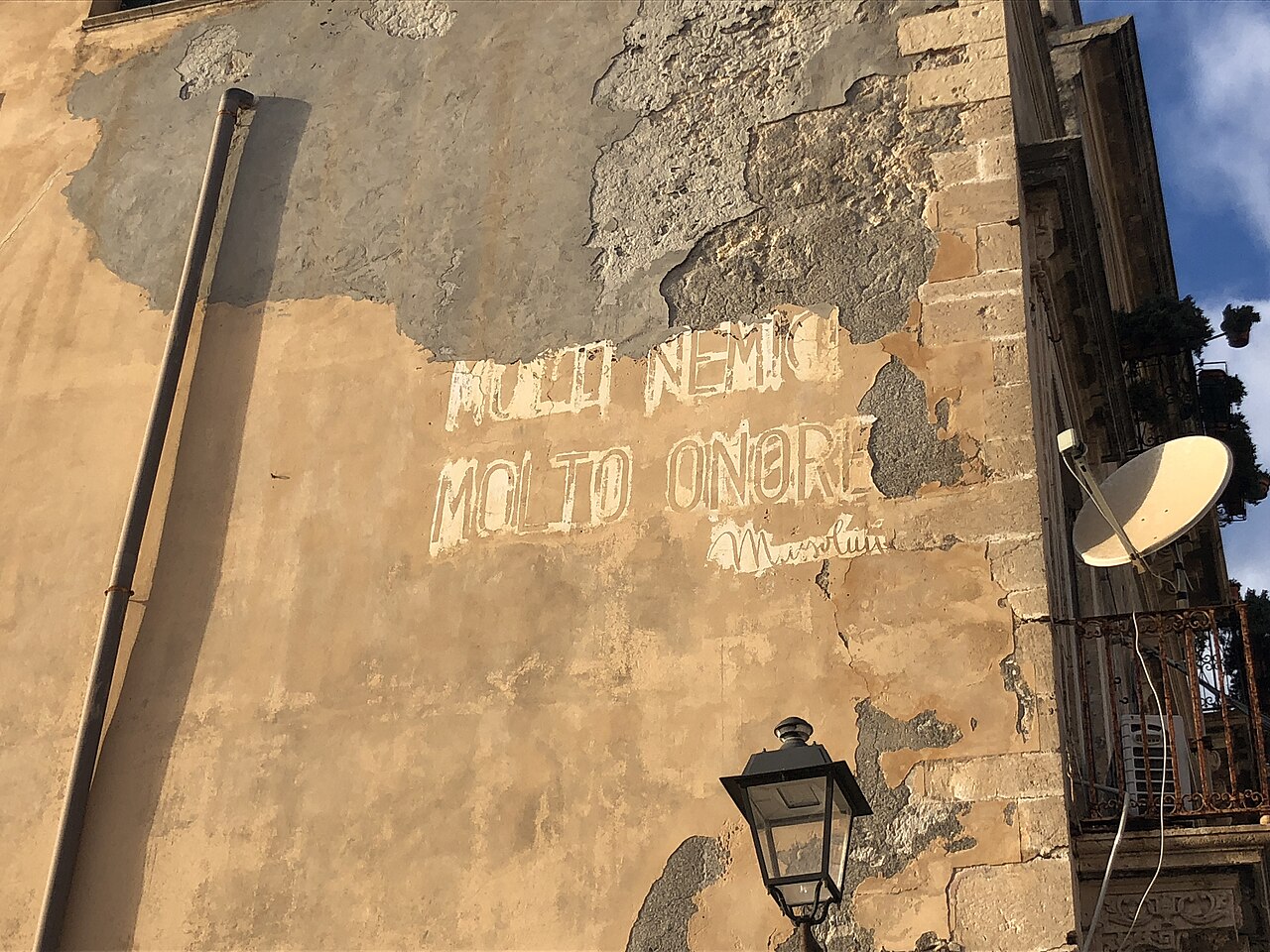
Italy, Fascist period. "MOLTI NEMICI / MOLTO ONORE" ("many enemies, much honour"), hand-painted on a wall in Ortygia, Syracuse, above a facsimile of Mussolini's signature. The motto was widely painted in the Fascist period and is often linked to the League of Nations sanctions of 1935 and 1936, but this wall is undated. The slogan turns hostility into a credential: honour in proportion to enemies, with no account of who they were or what they did.
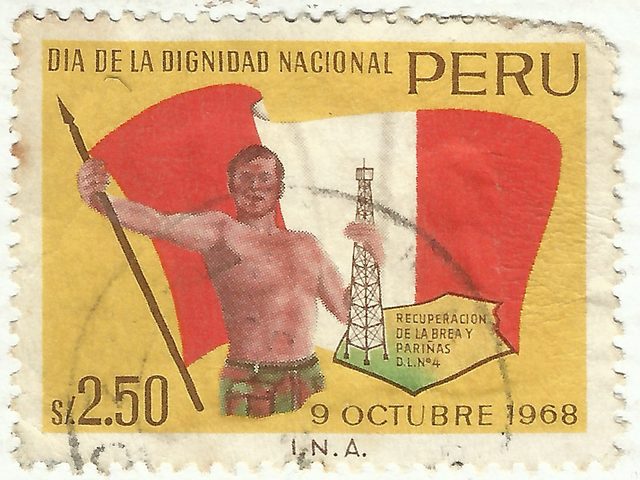
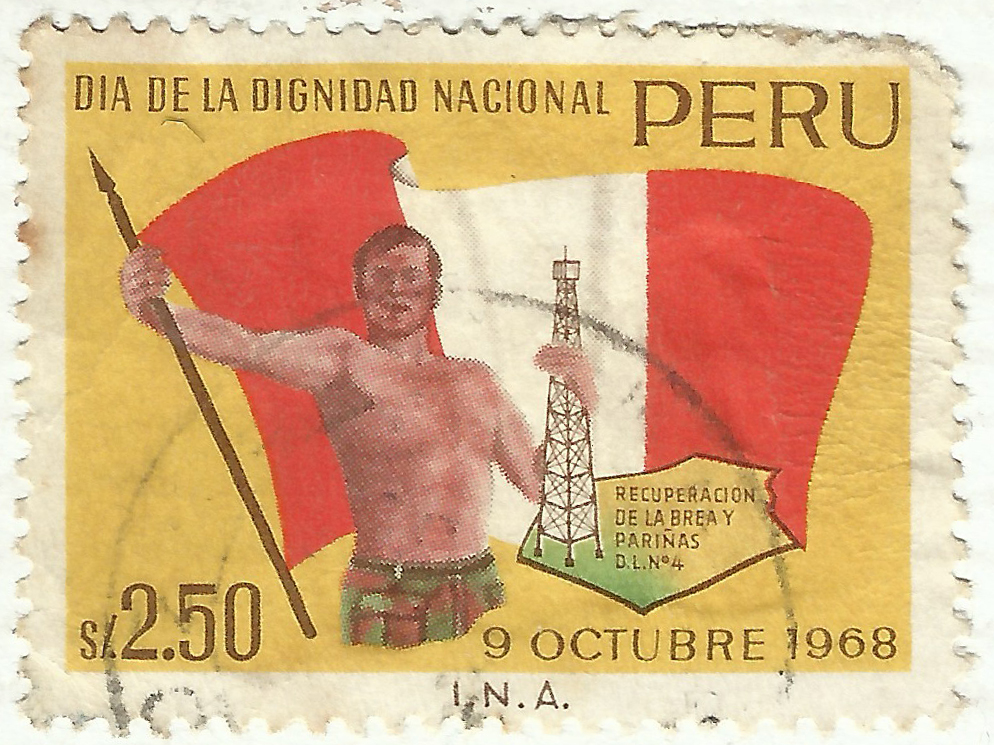
Peru, 1969. The Peruvian postal service, under the Revolutionary Government of the Armed Forces, issued a 2.50-sol stamp headed "DIA DE LA DIGNIDAD NACIONAL" for the recovery of the La Brea and Pariñas oilfield on 9 October 1968. On that date the armed forces occupied the field, then held by the International Petroleum Company, and Decree-Law No. 4 declared it state property; the company and the U.S. government disputed the expropriation and the compensation. The stamp states none of those terms and pairs a flag with the word "dignity".
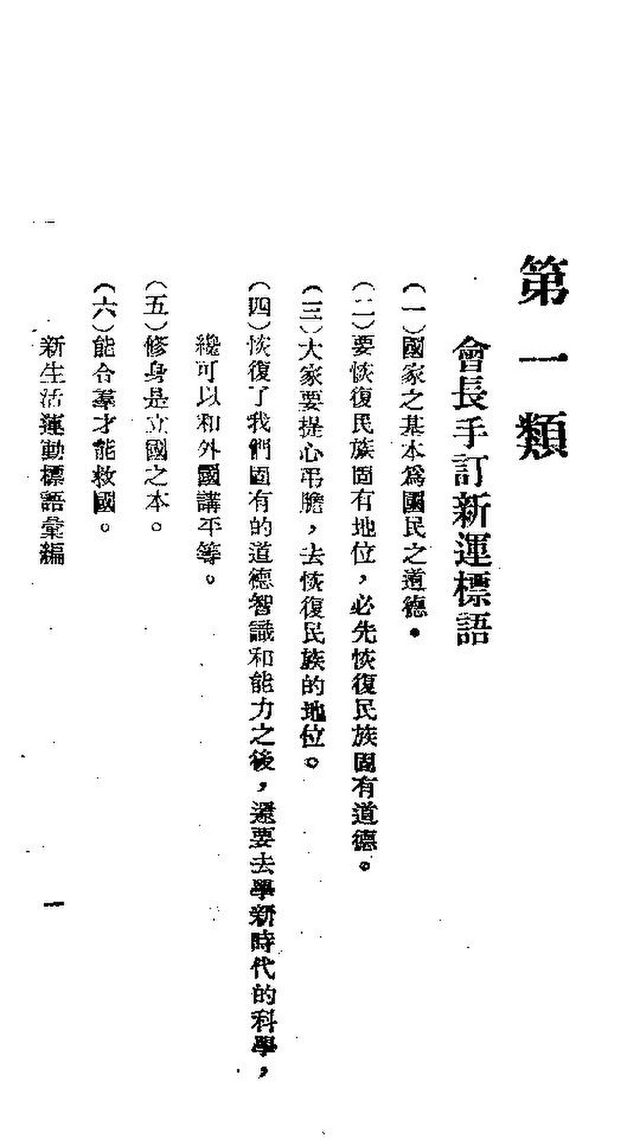
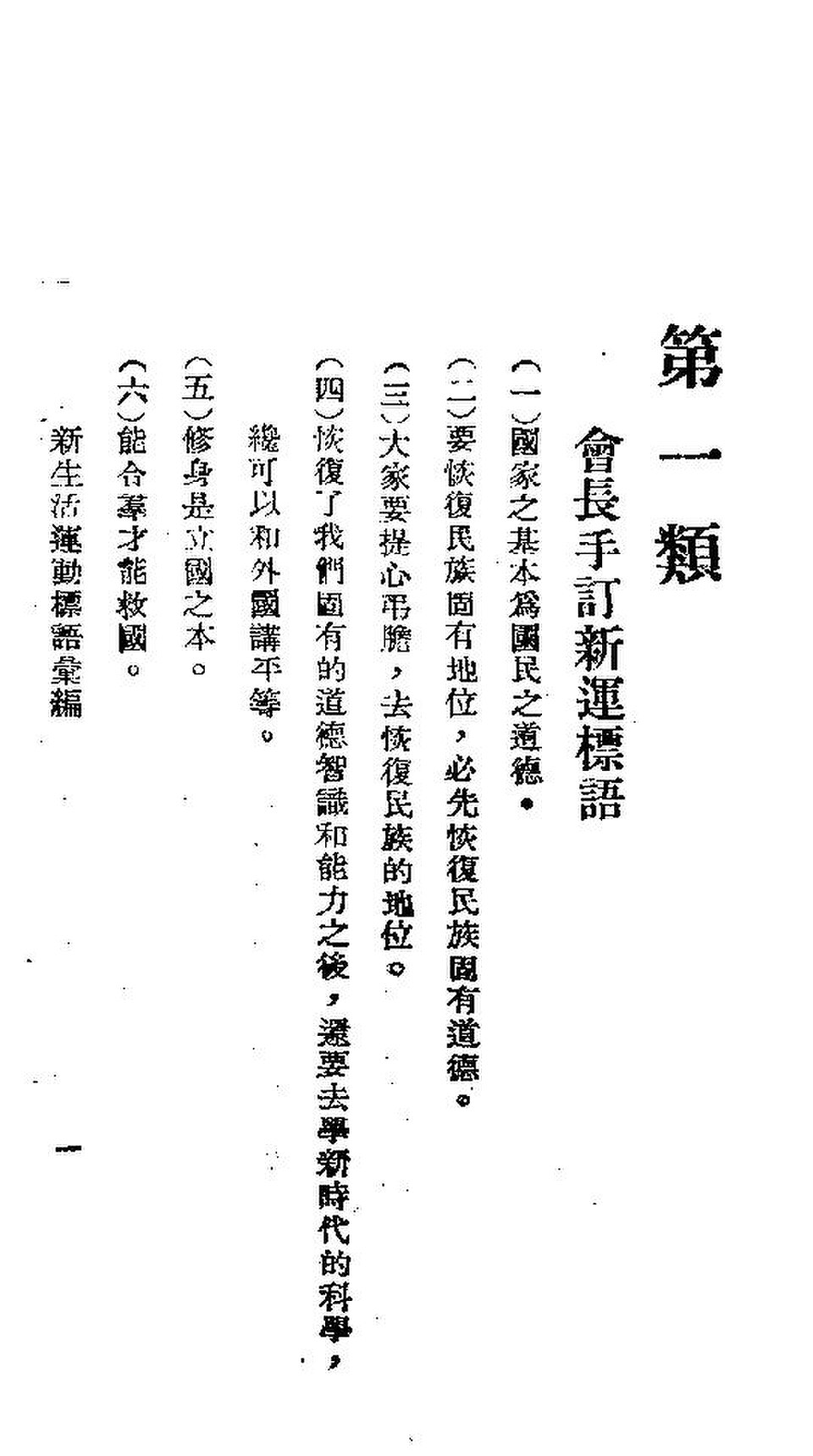
China, February 1937. The New Life Movement Promotion Association, backed by the Nationalist government, published a manual of slogans for posting. This page lists six slogans under the heading "slogans set by the president's own hand", including "The foundation of the nation is the morality of its citizens" and "Self-cultivation is the foundation of founding a nation" (the archive's literal translation). The page does not name the president; the archive identifies him as Chiang Kai-shek. The slogans tie national salvation to morality and self-cultivation with no measure or step.
Peace, victory and liberation
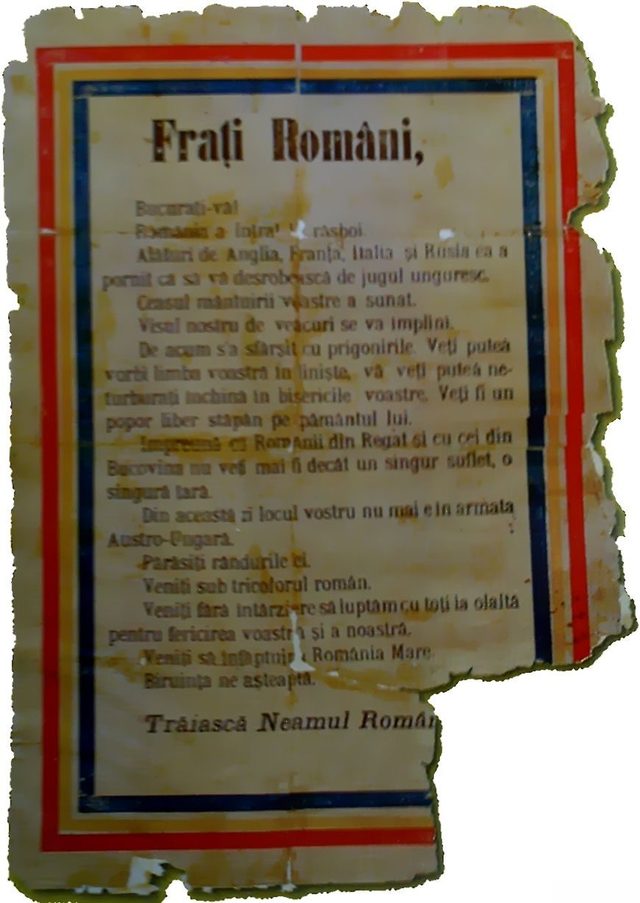
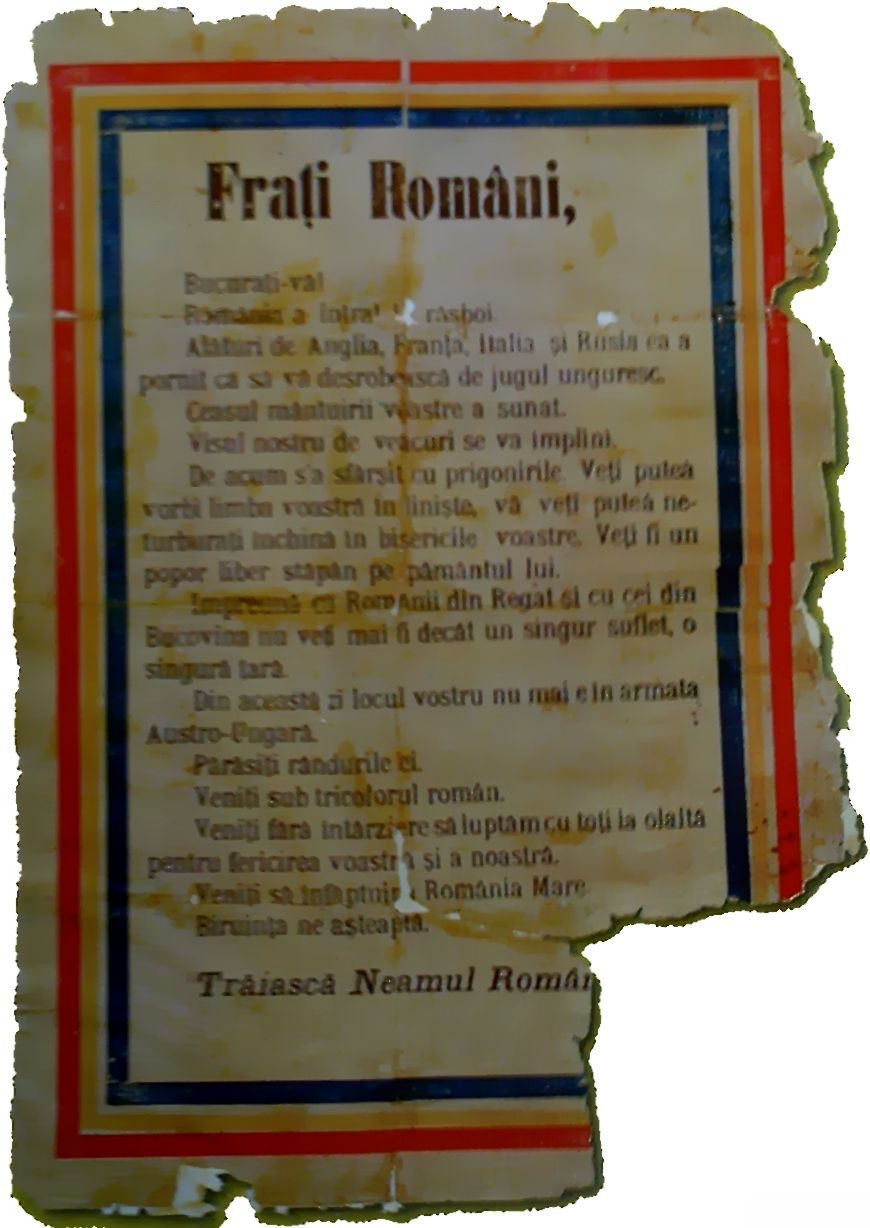
Romania, August 1916. A leaflet attributed to the Romanian Army, dropped over Brașov according to the Commons description, and addressed to Romanians living under Hungarian rule after Romania entered the war. The archive has not checked that attribution. In translation it tells readers that "The hour of your deliverance has struck", promises "a free people, master of its own land" and ends with "Greater Romania" and "Victory awaits us". The leaflet calls Hungarian rule a "yoke"; the archive records what the sheet says, not whether that is accurate, and Hungarian accounts frame the period differently. The sheet gives no terms.
Explain moreShow less
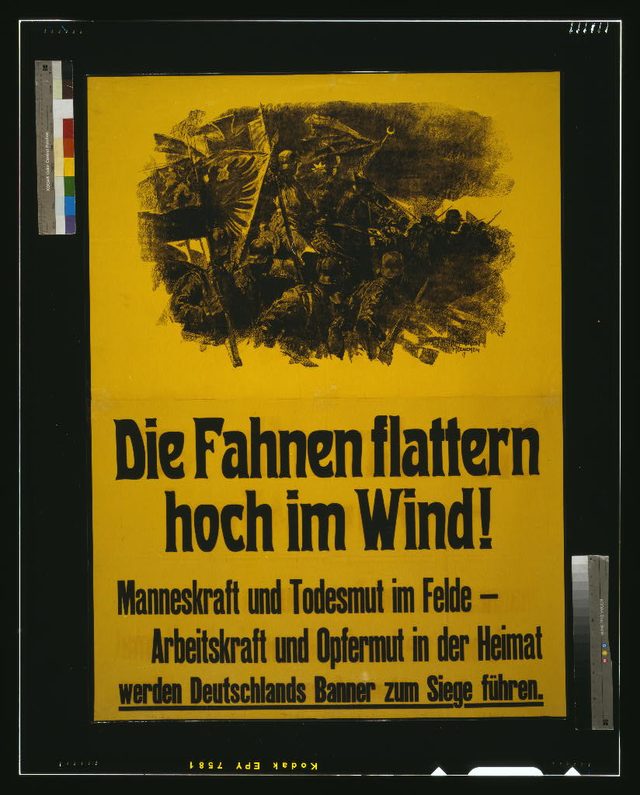
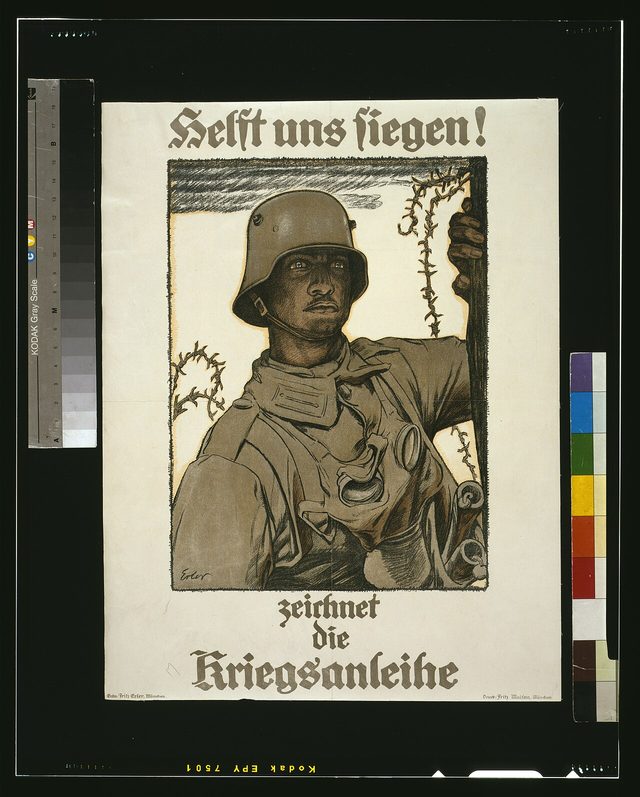
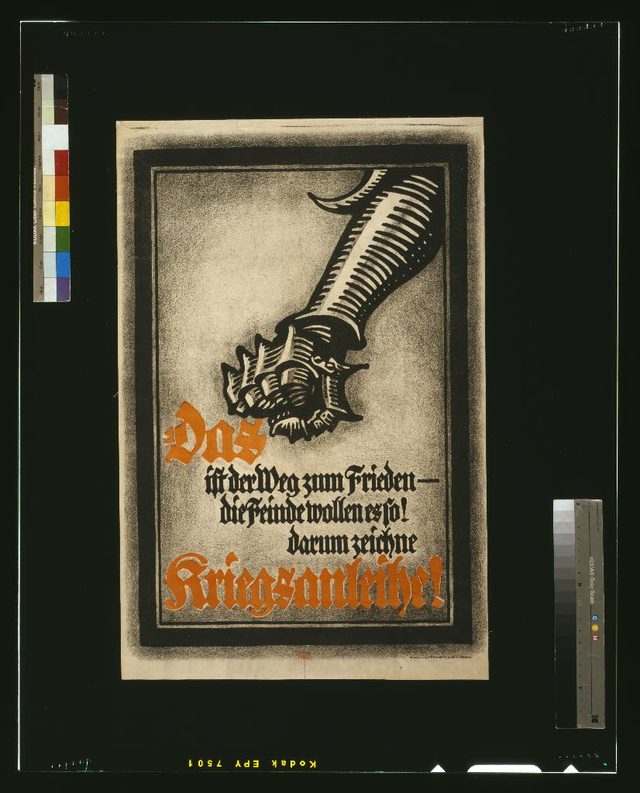
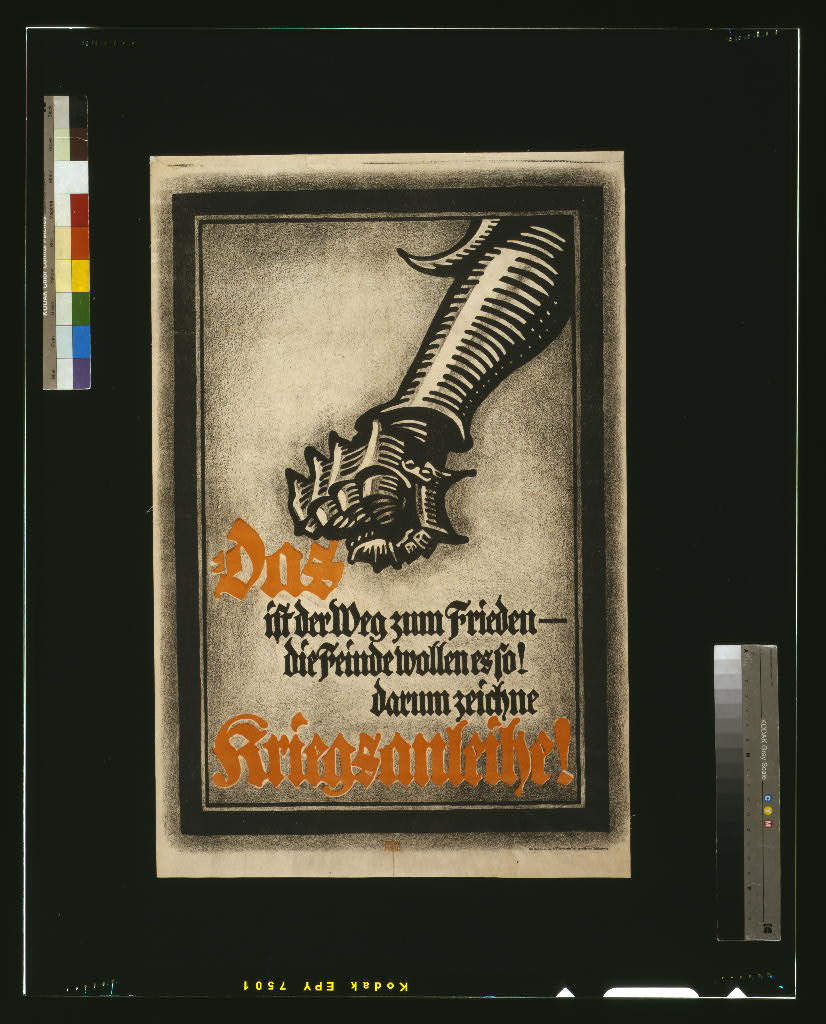
Germany, about 1917. A war-loan poster by Lucian Bernhard from the Imperial German campaign, printed in blackletter. In translation: "That is the way to peace, the enemies want it so! Therefore subscribe to the war loan!" The Library of Congress dates it only to 1914 to 1918. Peace is offered with no terms attached, and the second clause places the continuation of the war wholly on the other side. Allied loan posters also framed their loans as the road to a lasting peace, and the same test applies to them.
Goodwill, democracy and "the people"
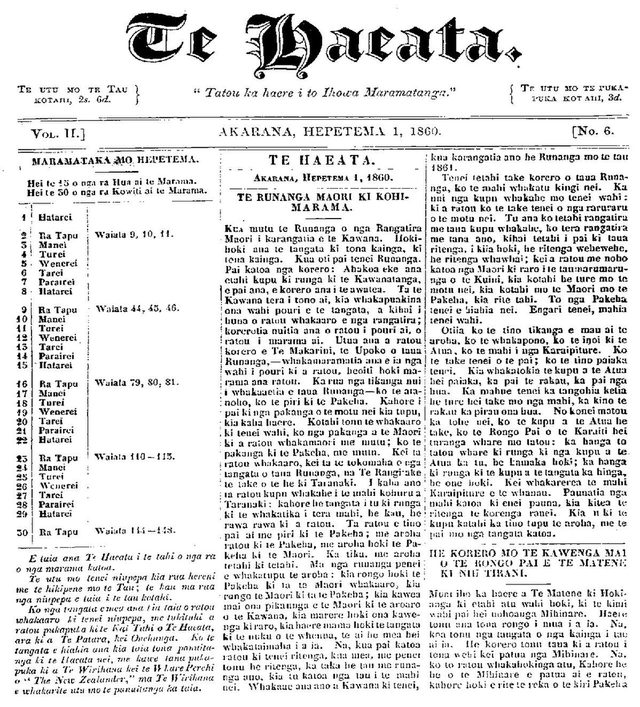
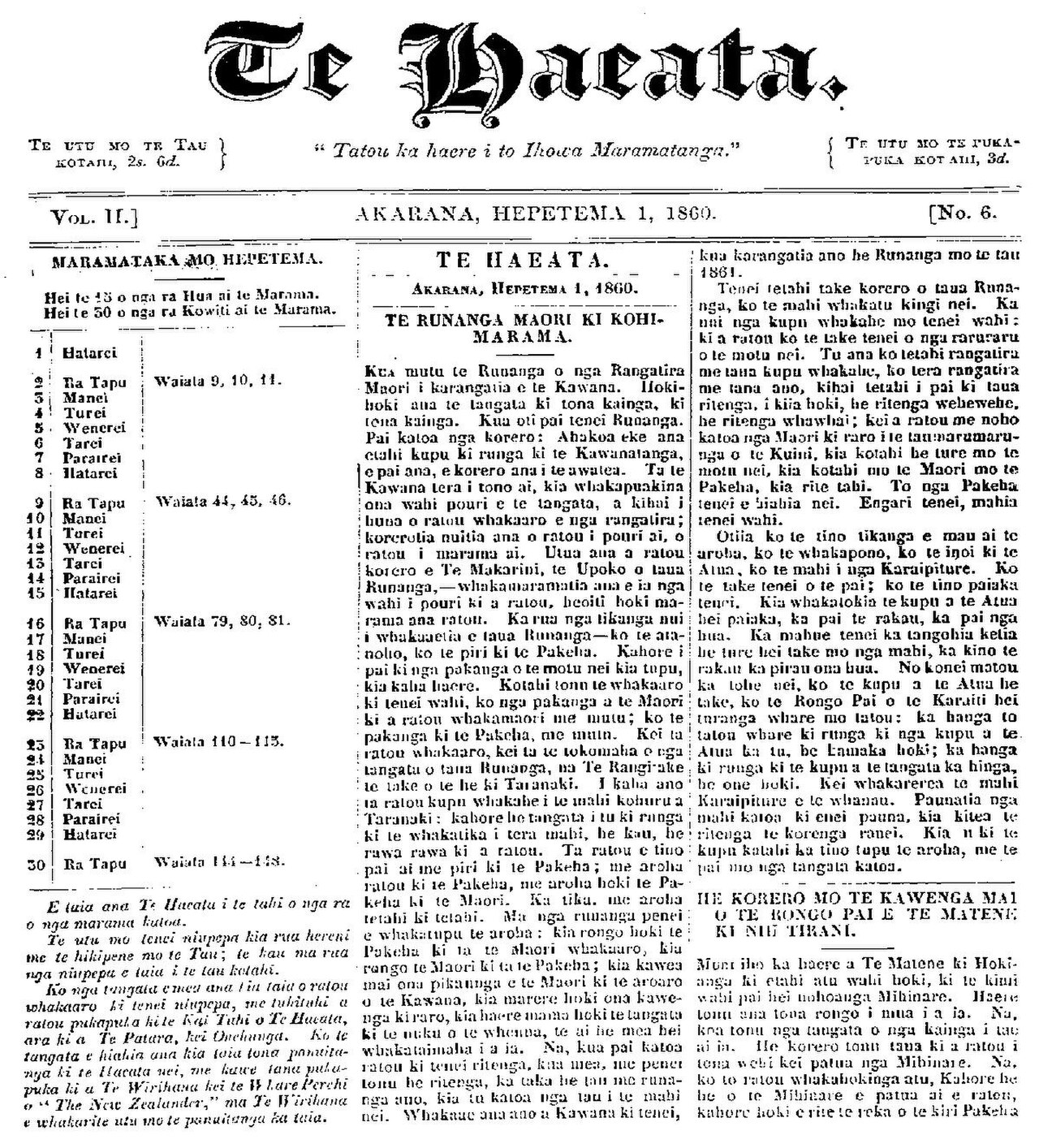
New Zealand, 1 September 1860. Te Haeata, a Maori-language Wesleyan newspaper edited by Thomas Buddle in Auckland, reported the Kohimarama conference, which Governor Thomas Gore Browne convened while fighting continued in Taranaki. The report, written for Maori readers, treats the speeches as good and rests on goodwill (aroha) and "one law for Maori and Pakeha" (the archive's rendering). It gives no count of speakers or of votes. Kingitanga leaders did not attend, and the archive holds only this side of the Maori-language press, so no comparison of reach is implied.
Explain moreShow less
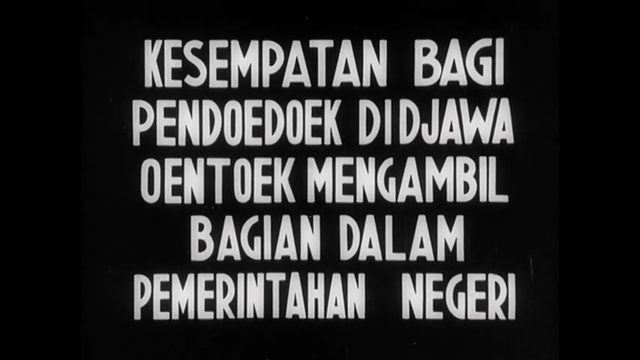
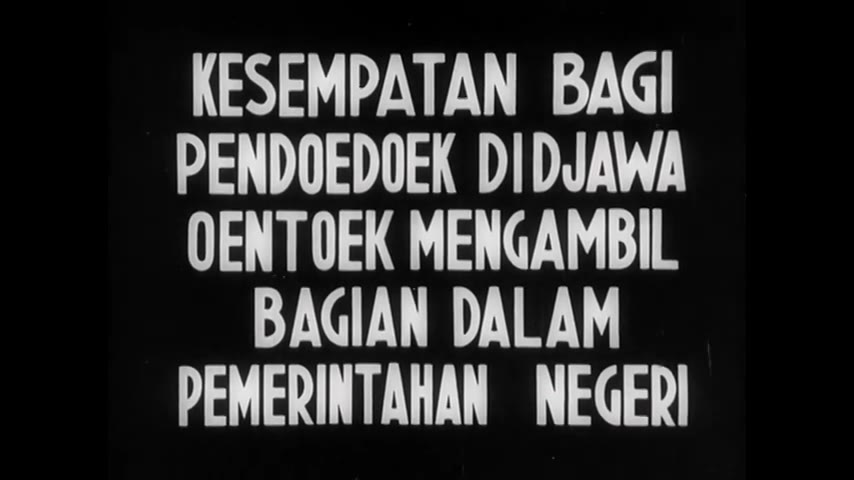
Java, 1943. A newsreel intertitle from Nippon Eigasha, made for the Japanese military administration in Java and shown to an Indonesian-language public. The card reads, in the archive's literal translation, "An opportunity for the inhabitants of Java to take part in the government of the country". The film goes on to show Prime Minister Hideki Tojo and the opening of a Central Advisory Council. The Netherlands Institute for Sound and Vision catalogues the body as advisory, and the card does not say what it could decide.
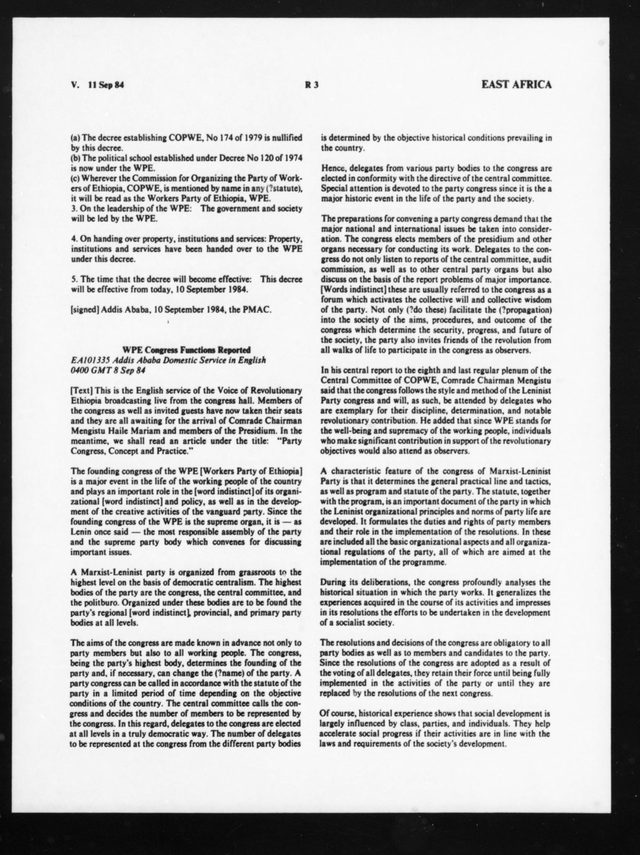
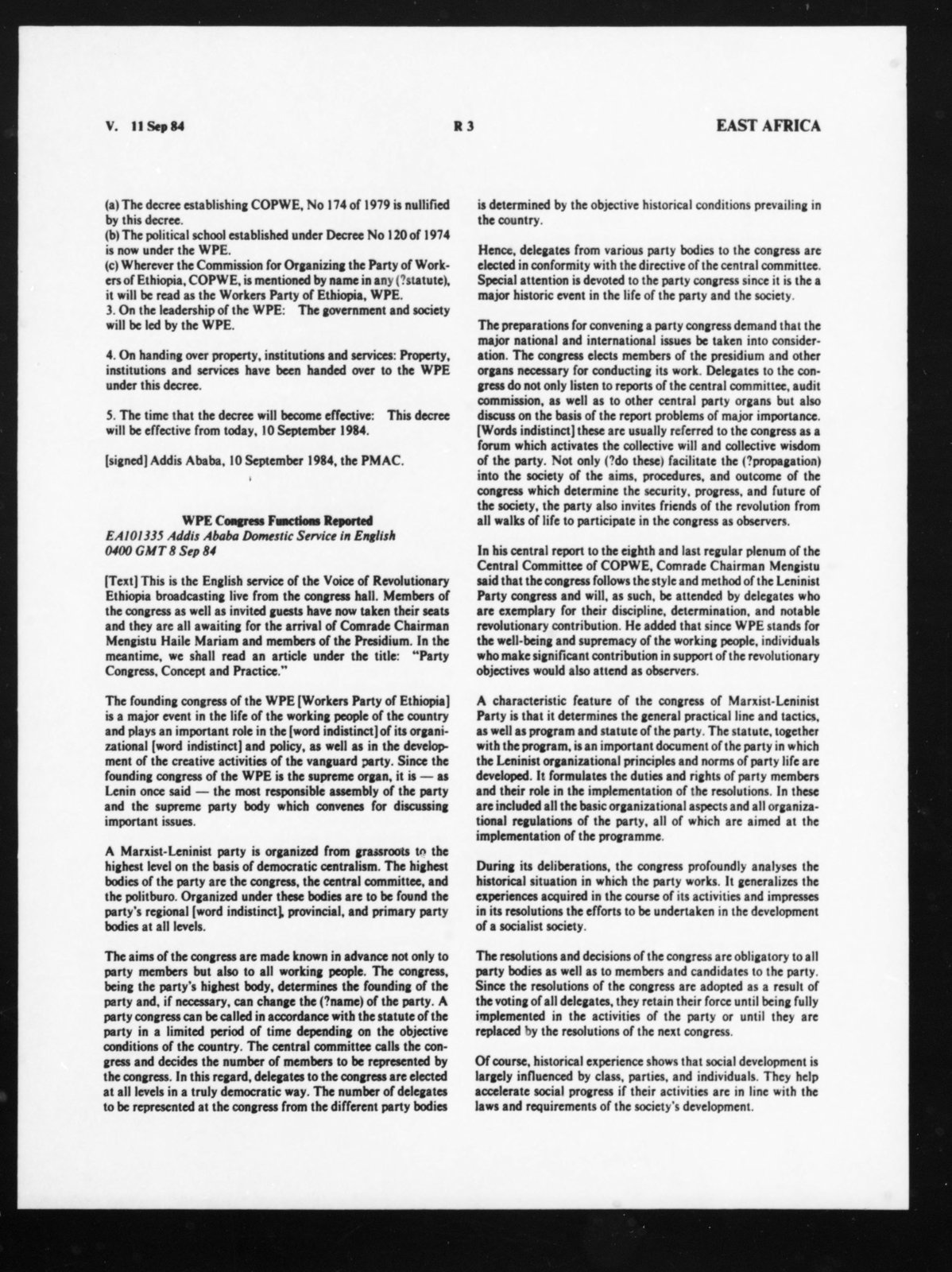
Ethiopia, September 1984. The U.S. Foreign Broadcast Information Service recorded Addis Ababa state radio on the founding congress of the Workers Party of Ethiopia. An English-service article on "Party Congress, Concept and Practice" says that "delegates to the congress are elected at all levels in a truly democratic way". It does not say who voted, how candidates were chosen or how many delegates were elected.
How does the same technique look on different sides?
The issuers range from governments at war and at peace to an army, a missionary newspaper, a student movement, a party, an election campaign and an unidentified sign painter. The scale is not the same: a state note, stamp or radio service reaches a population, while a shirt or a painted panel reaches a street. Intent and context differ too. The Java card was made by a military administration for the population it governed, the 1919 declaration by students without state power for a foreign audience, and the Yeltsin shirt for a contested election. What is the same is the construction on each sheet: an approved word stands where a defined commitment could have been. Whether an issuer later kept its word is a separate question that this page does not address.
How can you spot glittering generalities?
- Look for a value noun (freedom, honour, peace, dignity, democracy) with no object: freedom from what, peace on what terms.
- Replace the word with a measurable one (a date, a figure, a named right) and see whether the sentence still says anything.
- Ask who benefits if the word is left undefined, and who could disagree with a specific version of it.
Show all 5Show fewer
- Notice what the word implies about opponents: if the cause is peace or freedom, critics are made to sound as though they oppose it.
- Check whether the same sheet, or the text it excerpts, does define its terms. If it does, the word is a defined principle and not a glittering generality.
Browse more glittering generalities examples
The collection holds many more objects tagged with this technique, listed in the grid below. The technique page gives the definition, the psychology and more examples. For the other classic techniques see propaganda examples, for the wider taxonomy see types of propaganda, and for print and wall art see propaganda posters.
Sources and further reading
Sources and rights
Objects come from the U.S.
Objects come from the U.S. National Archives, the Library of Congress, the National Library of New Zealand, the National Library of China, the Netherlands Institute for Sound and Vision via the Internet Archive, the Foreign Broadcast Information Service microfiche collection, and Wikimedia Commons. Each entry page gives its own source link, rights statement and date basis.
The rights basis varies by object: U.S. government works, items published before 1931 or whose copyright term has expired, and photographs of modern signs and shirts under Creative Commons licences credited to their photographers. Transcriptions are verbatim; translations quoted here are the archive's own renderings and are marked as such.