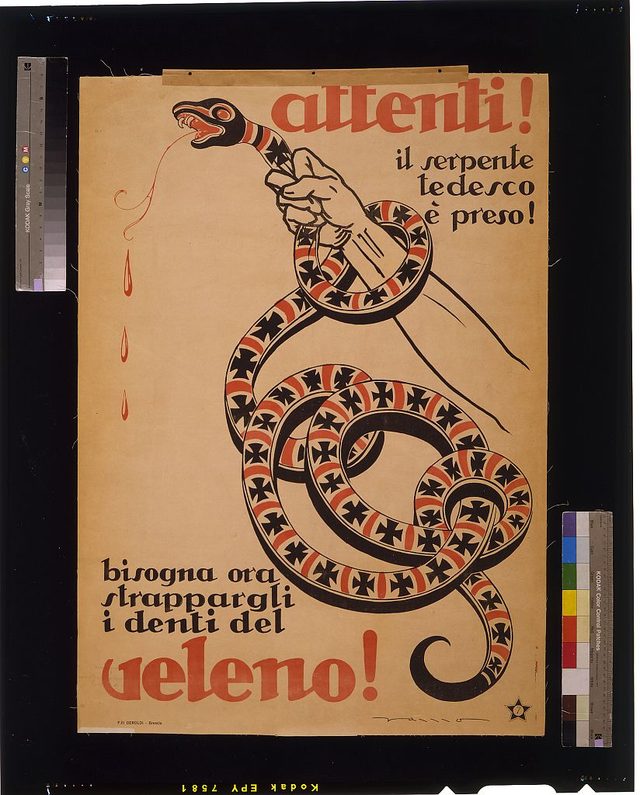
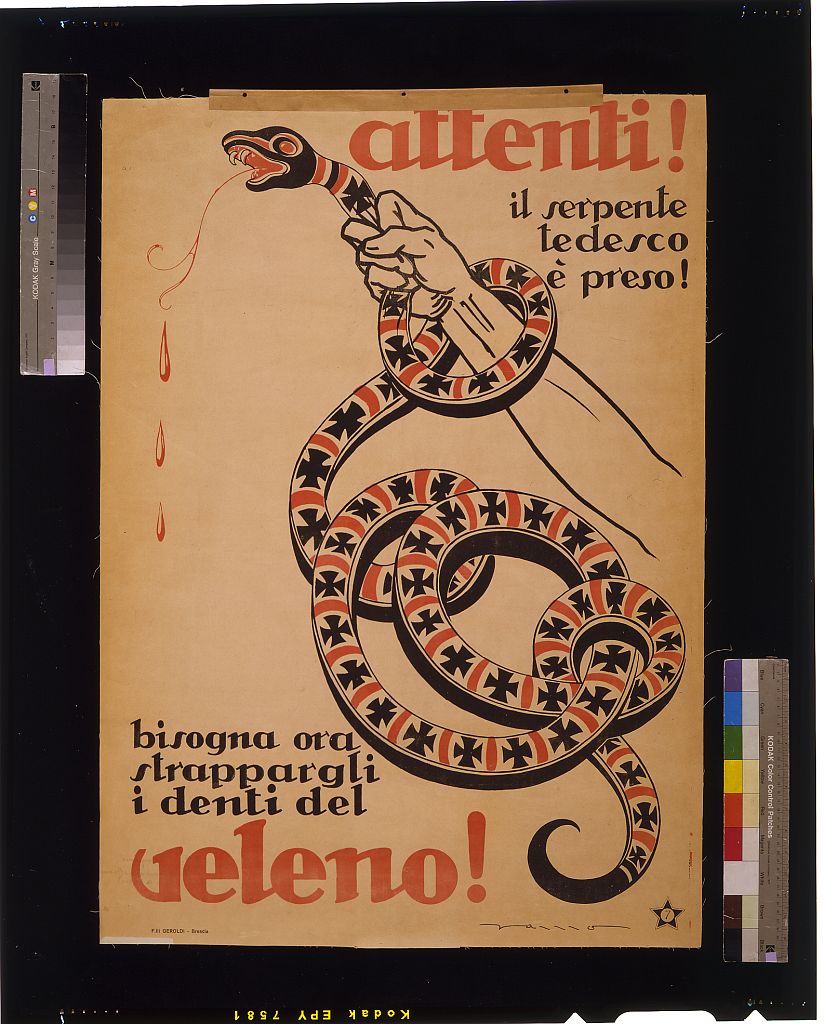
Content note. The 1919 poster of a clenched hand strangling a serpent covered in Iron Crosses, and the 1918 field-grey "hypocrite thieves" caricature, depict the enemy as an animal or a grotesque, as the Italian state's printers issued them. The 1941 and 1942 Allied items mock named living leaders. They are shown as issued. Showing an item is not endorsing it.
What did Italian fascist propaganda posters look like?
Italian fascist posters used the national flag, the Roman eagle, the fasces and the leader's name. Some are National Fascist Party (PNF) sheets, but the style predates the party: the Kingdom of Italy's 1915 to 1920 war-loan posters set the visual habits, and the Allies answered the regime with their own leaflets and posters.
Before the Fascists: the Kingdom's war posters, 1915 to 1920
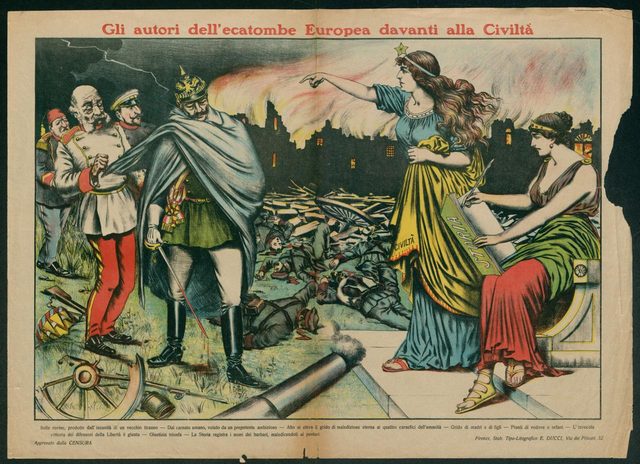
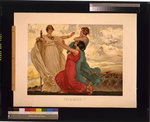
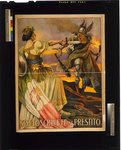
Leopoldo Metlicovitz's "Finalmente!!" (1918) personifies Italia as a crowned, sword-bearing woman receiving two women, so that a territorial claim reads as a rescue (Transfer). E. Ducci's 1915 sheet, approved by the censor, names the enemy rulers "executioners of humanity" while Civilisation points at them (Name-calling).
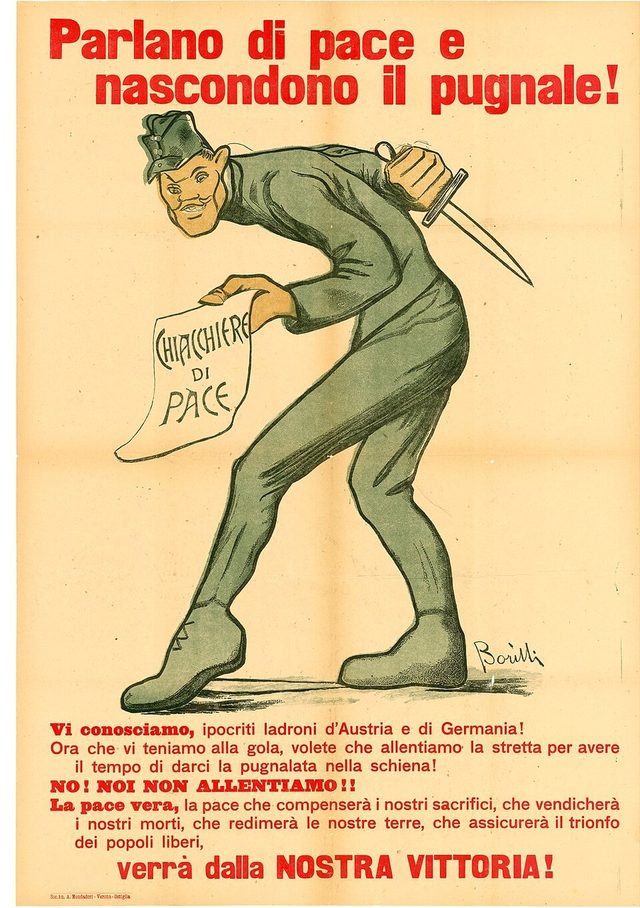
Content note: Caricature of an Austro-German soldier as a hypocrite with a hidden dagger; text calls the enemy 'hypocritical thieves'. This object is shown as it was published. Why 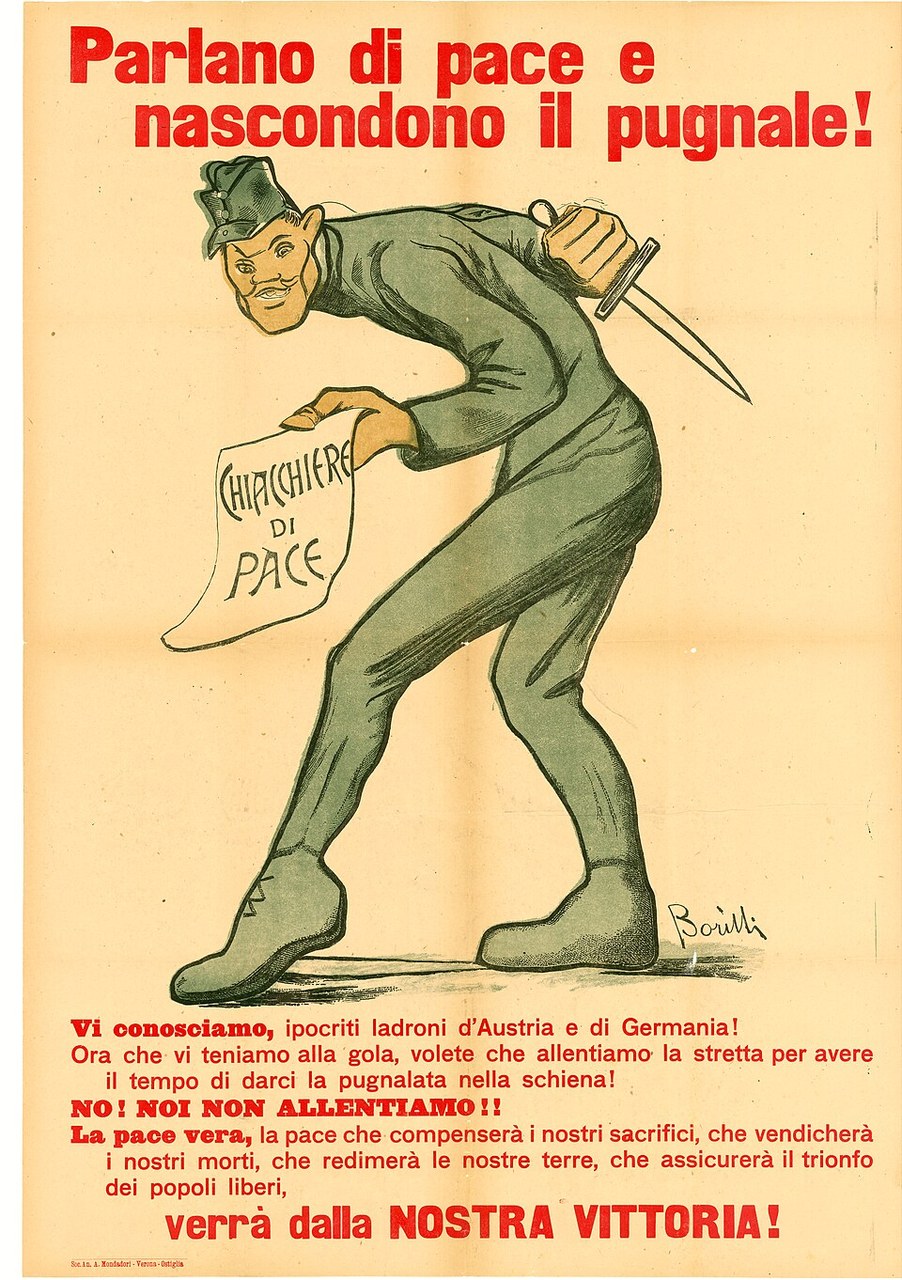
Explain moreShow less
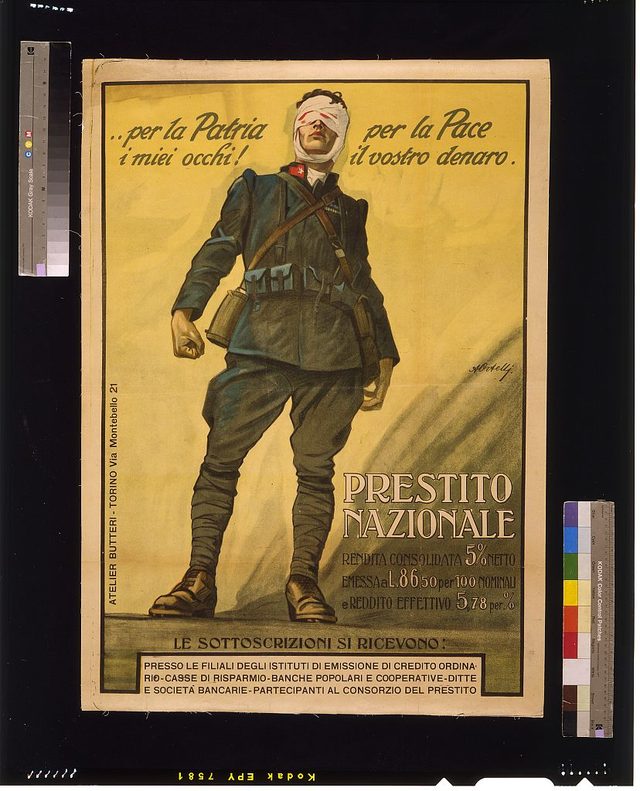
Gino Capranesi's 1917 loan poster casts the unnamed enemy as an archaic barbarian (Name-calling). Alfredo Ortelli's 1918 soldier with bandaged eyes, issued by the National Loan banking consortium, pairs his sacrifice with the buyer's money (Transfer).
Borilli's "They Talk of Peace and Hide the Dagger!" labels Austrian and German negotiators "hypocrite thieves" (Name-calling). The 1919 serpent poster collapses a whole nation into one animal (Name-calling).
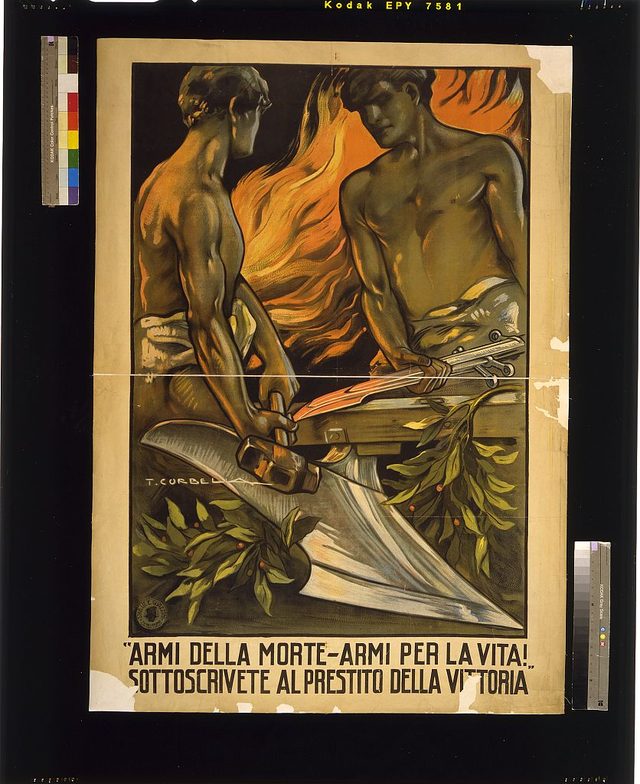
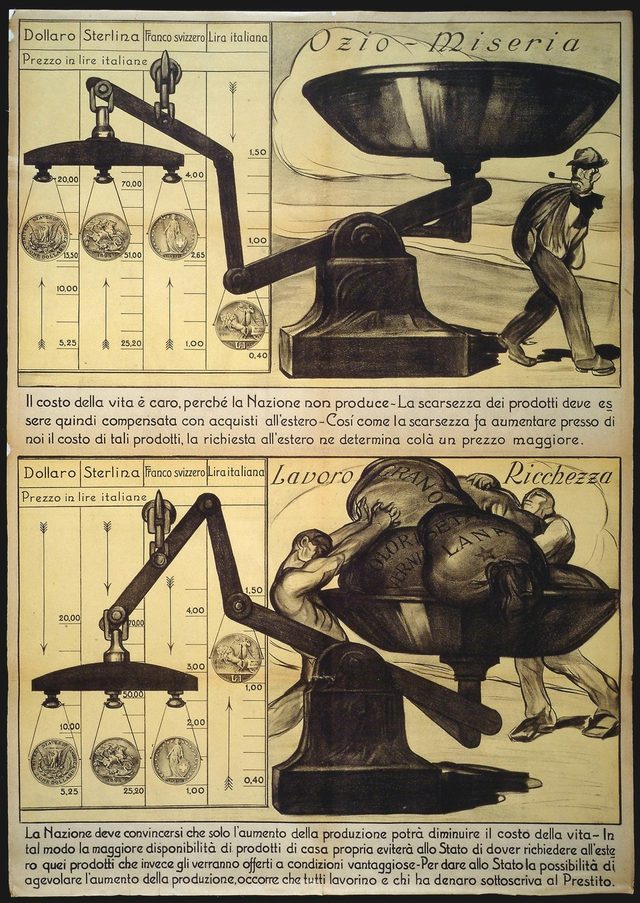
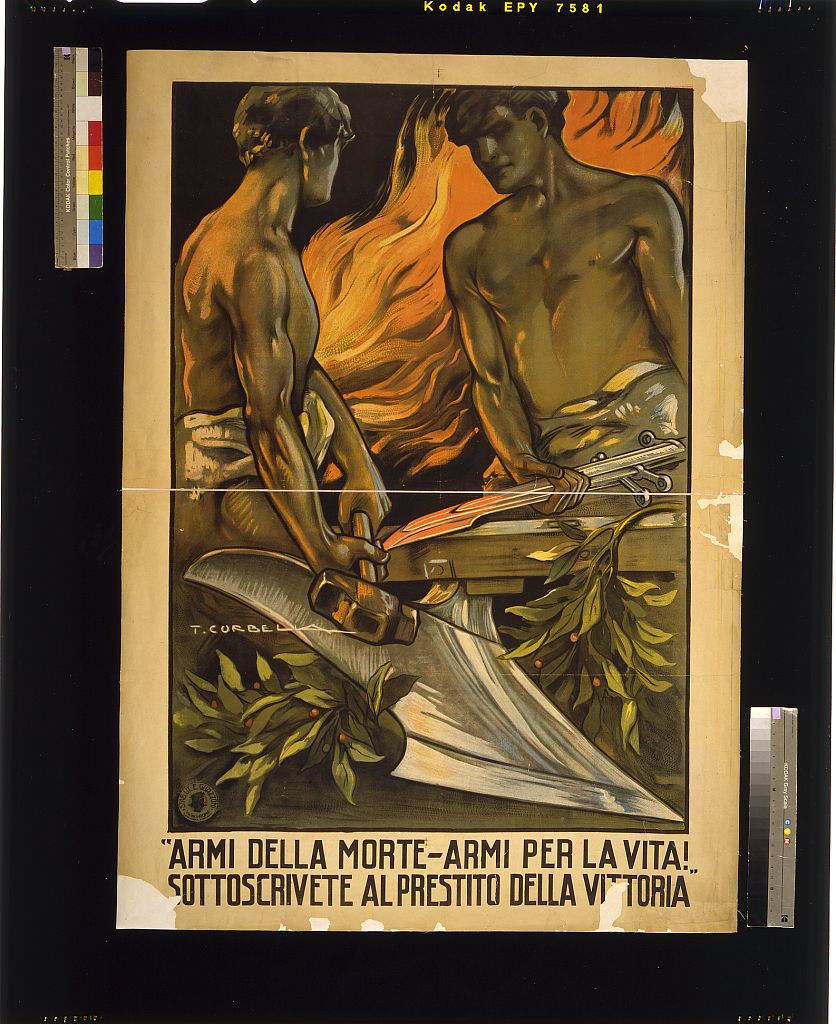
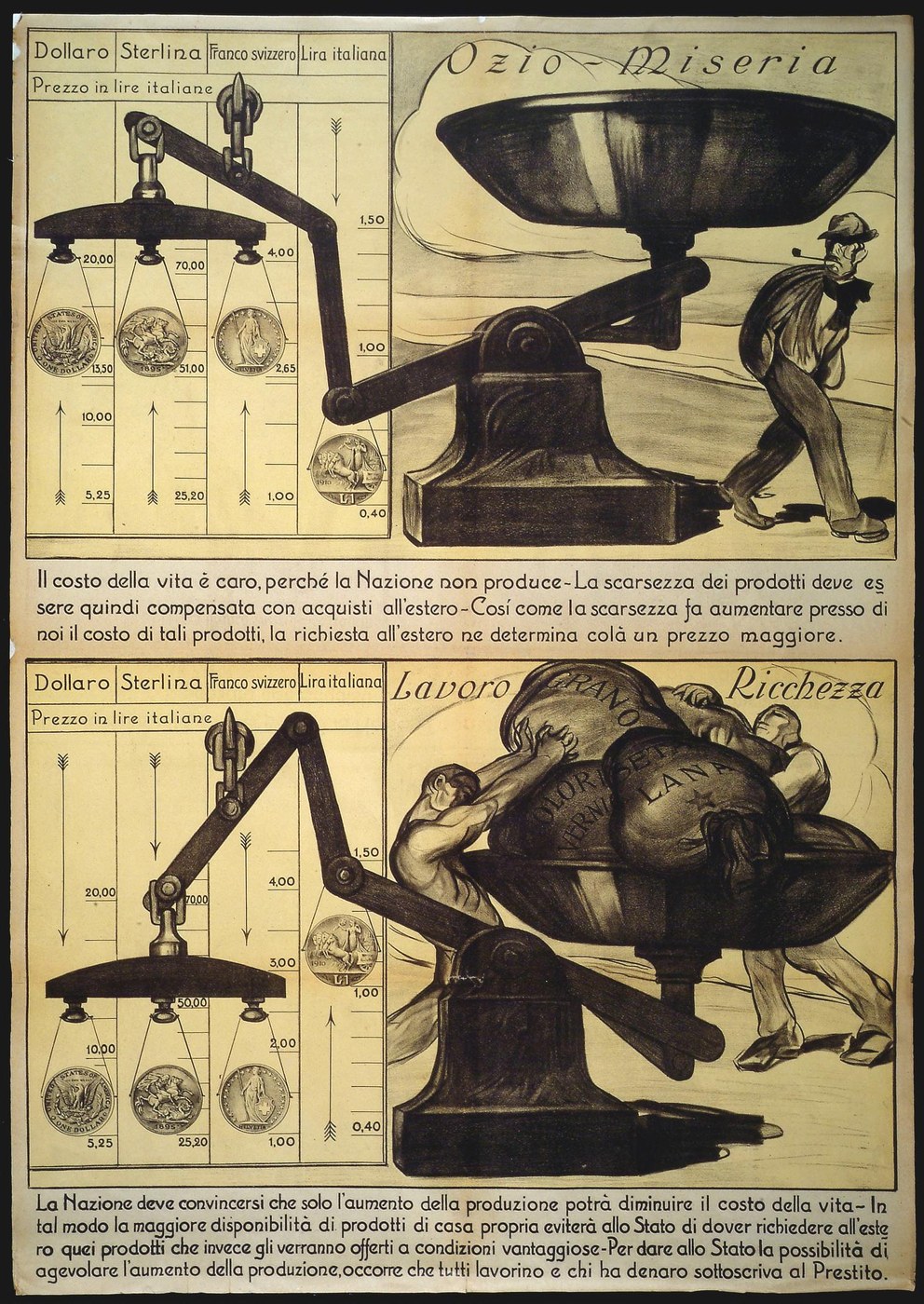
T. Corbella's smiths use abstractions in place of any rate or maturity (Glittering generalities). The 1920 "Idleness - Misery, Work - Wealth" poster reduces the exchange rate to a two-way choice (Card stacking).
The Fascist period, 1924 to 1943
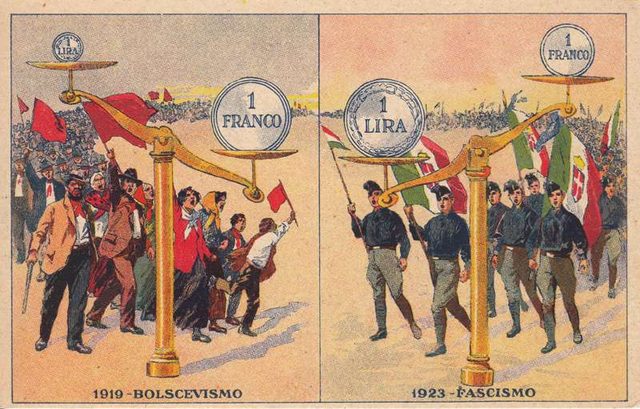
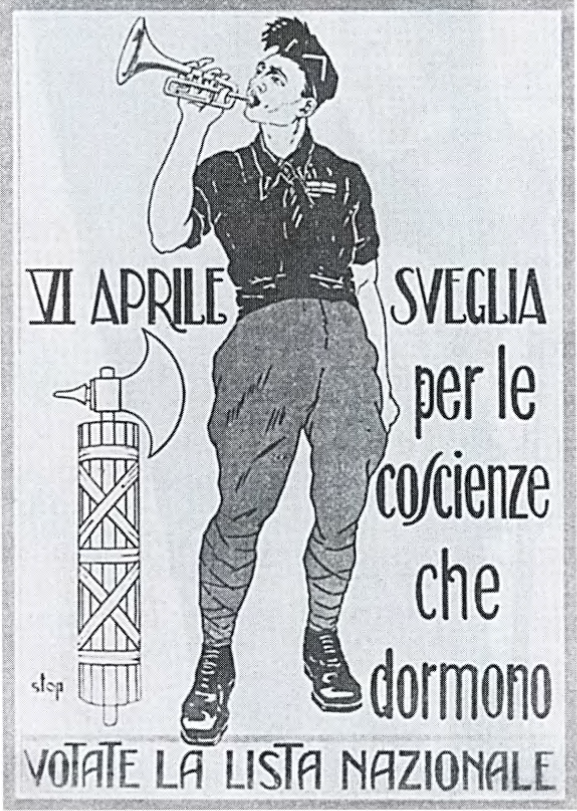
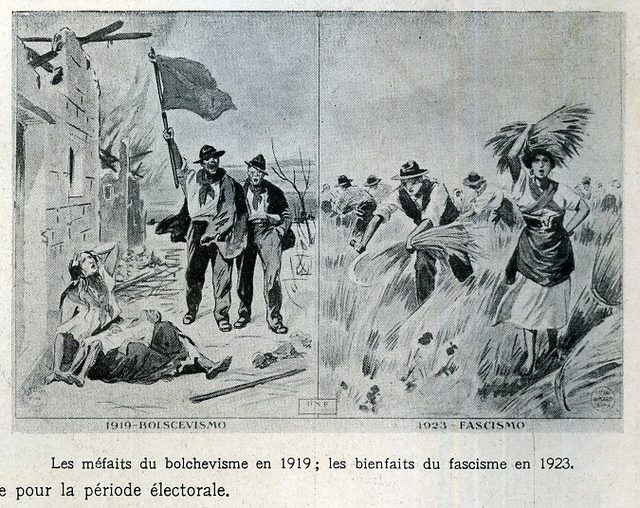
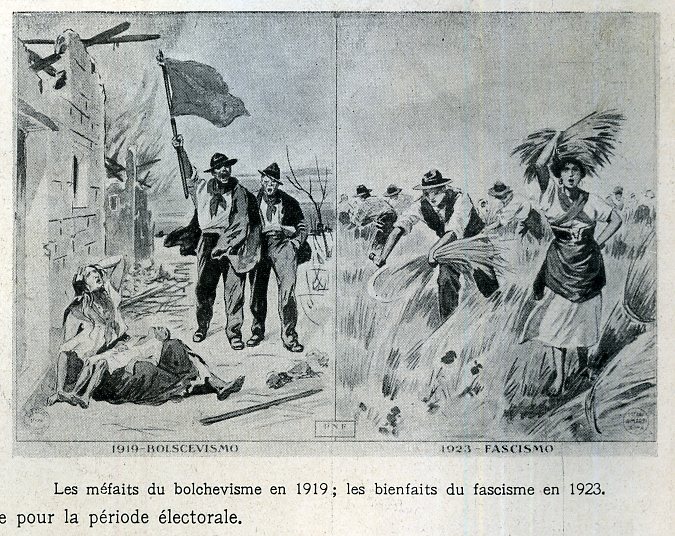
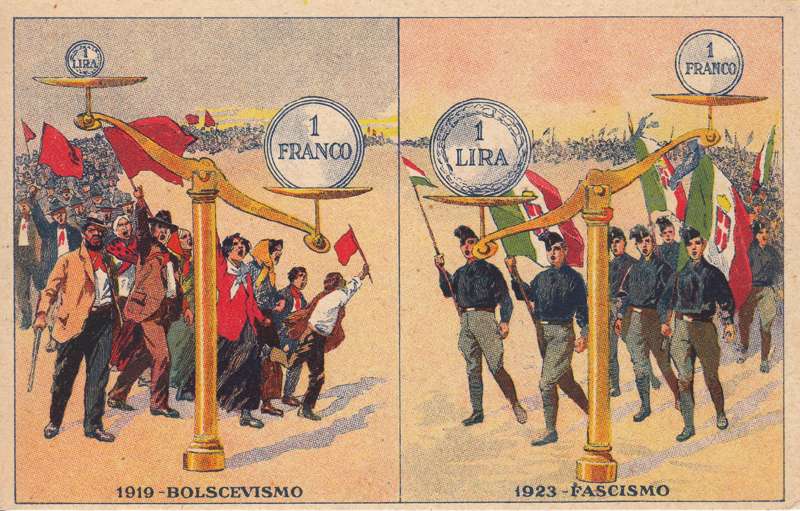
The PNF's 1924 election poster sets "1919 - Bolscevismo" beside "1923 - Fascismo": chosen scenes of disorder against chosen scenes of order, with the difference credited to ideology (Card stacking, Scapegoating). A postcard version weighs lira against franc (Card stacking).
Explain moreShow less
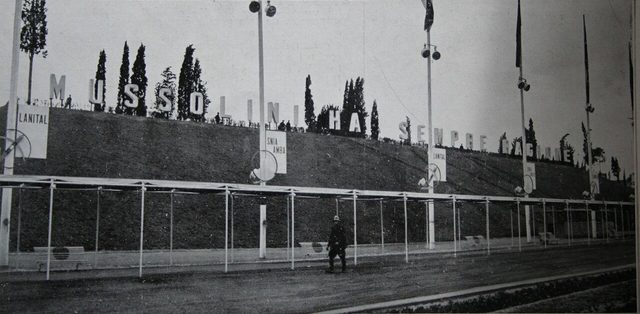
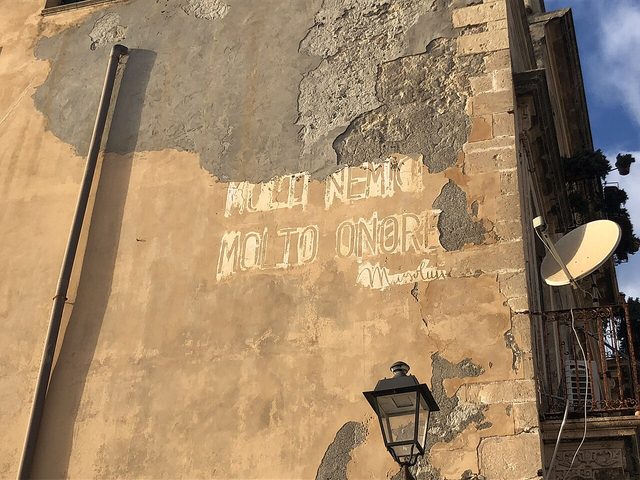
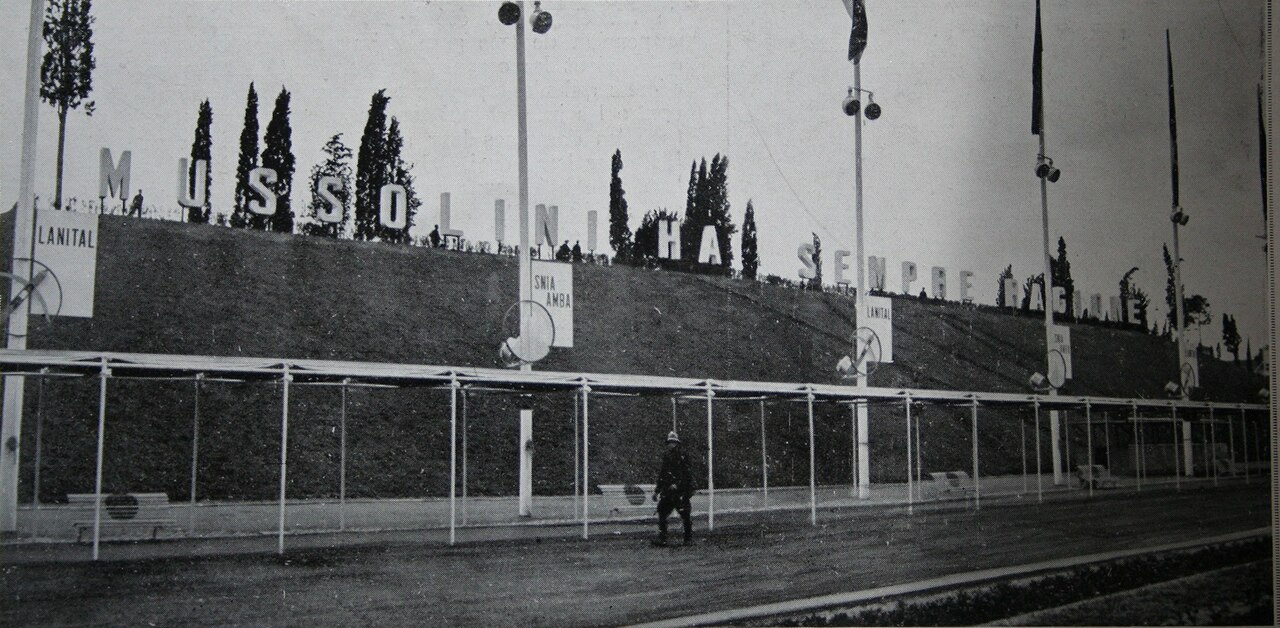
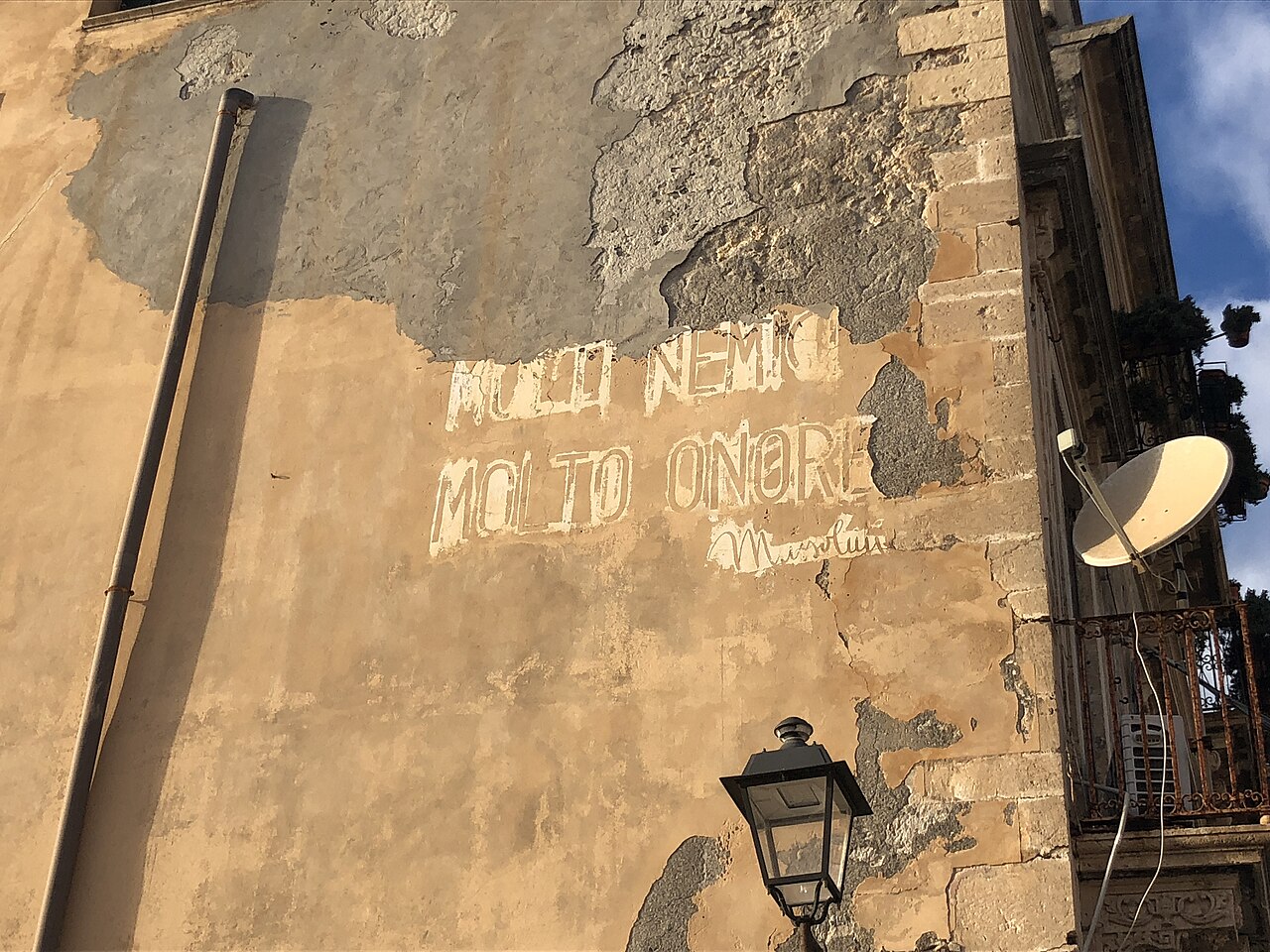
The slogans went onto walls. A giant "MUSSOLINI HA SEMPRE RAGIONE" on an embankment, printed in L'Illustration in 1935, puts the leader beyond testing (Cult of personality); "Molti nemici molto onore" in Syracuse recasts foreign hostility as a mark of honour (Glittering generalities).
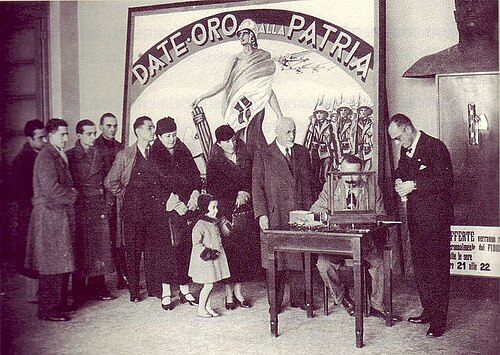
In Milan in December 1935, during the Ethiopian war, the PNF's "Oro alla Patria" drive had people queue under a poster of a helmeted Italia to hand in gold rings (Identity fusion, Bandwagon).
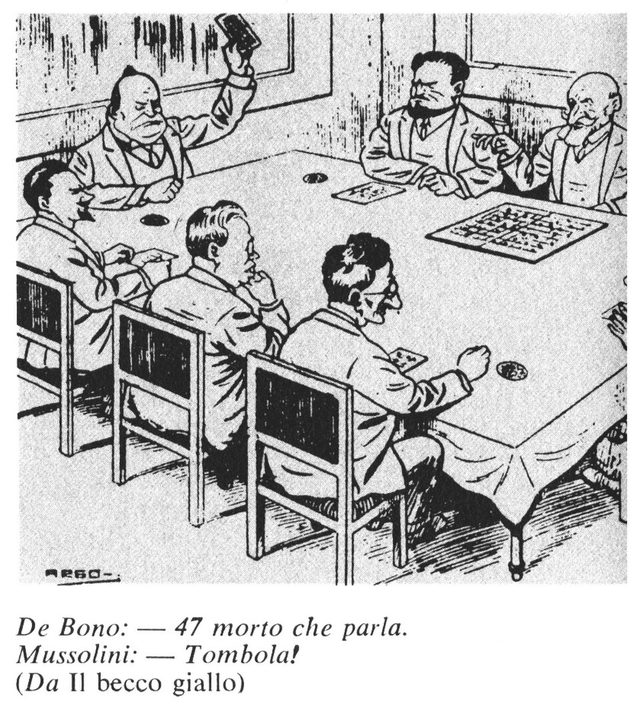
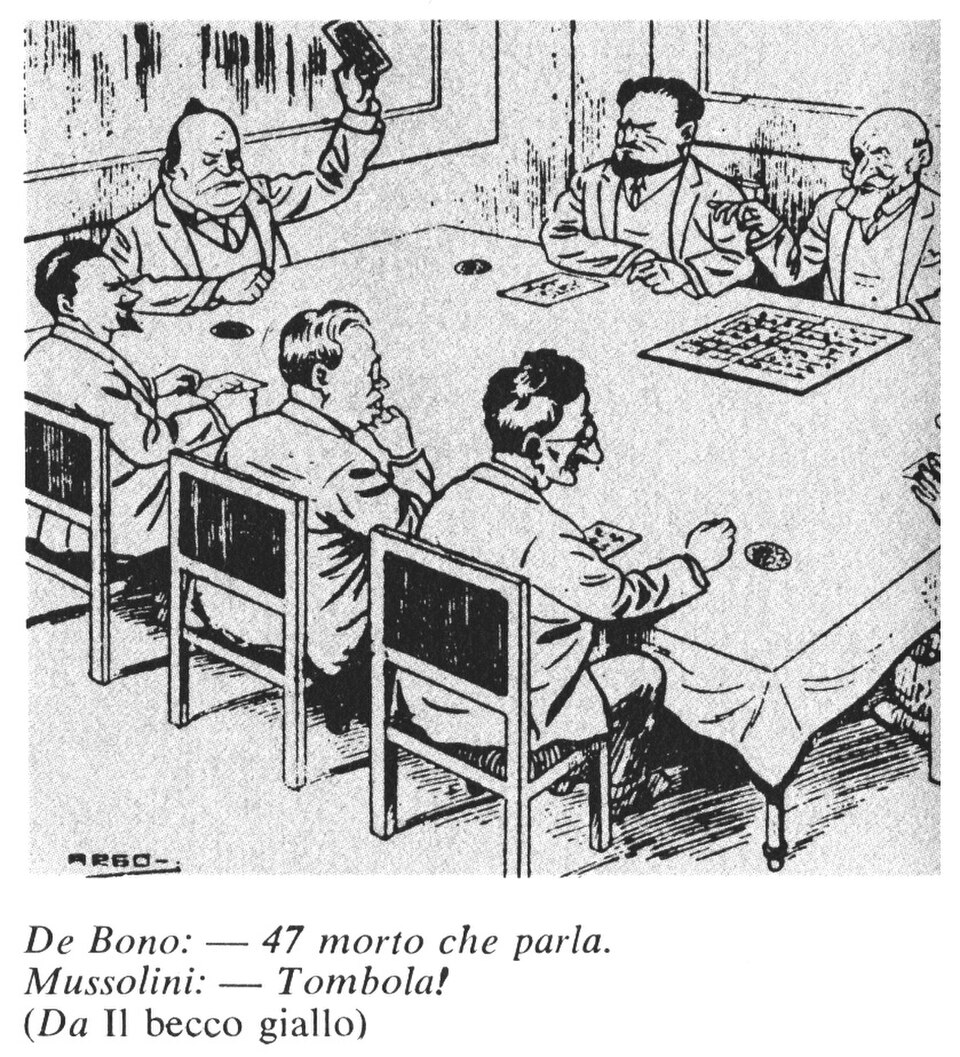
Not everything was official. The Rome satirical weekly Il Becco Giallo drew De Bono and Mussolini as players of "Tombola!" after the Matteotti murder in 1925, accusing by insinuation (Name-calling).
The Allied answer, 1940 to 1942
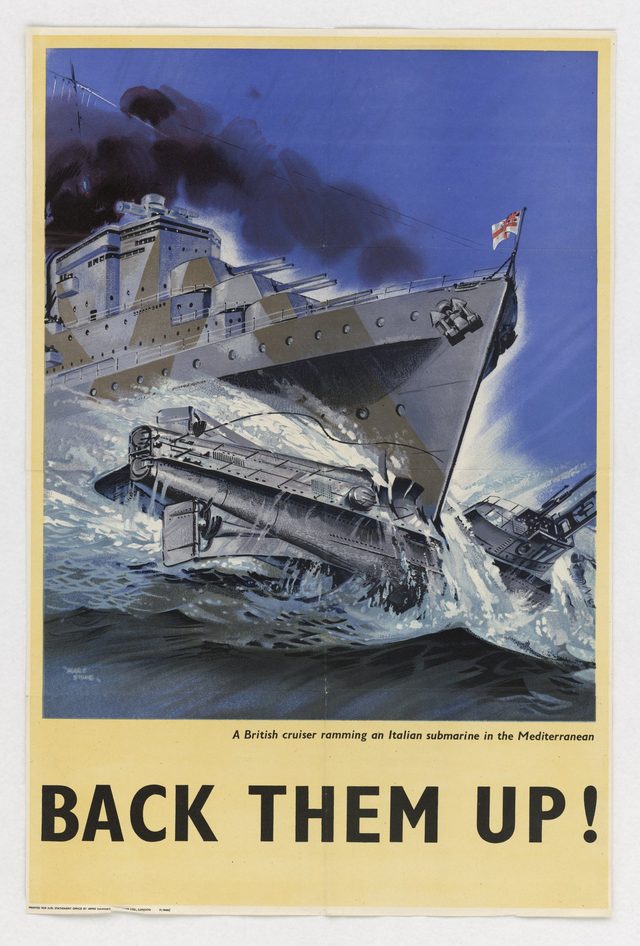
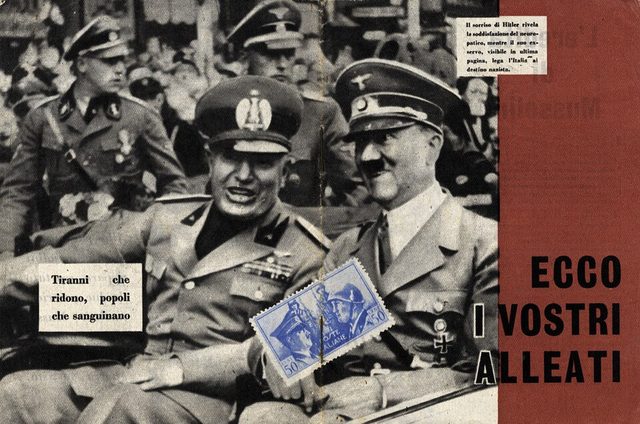
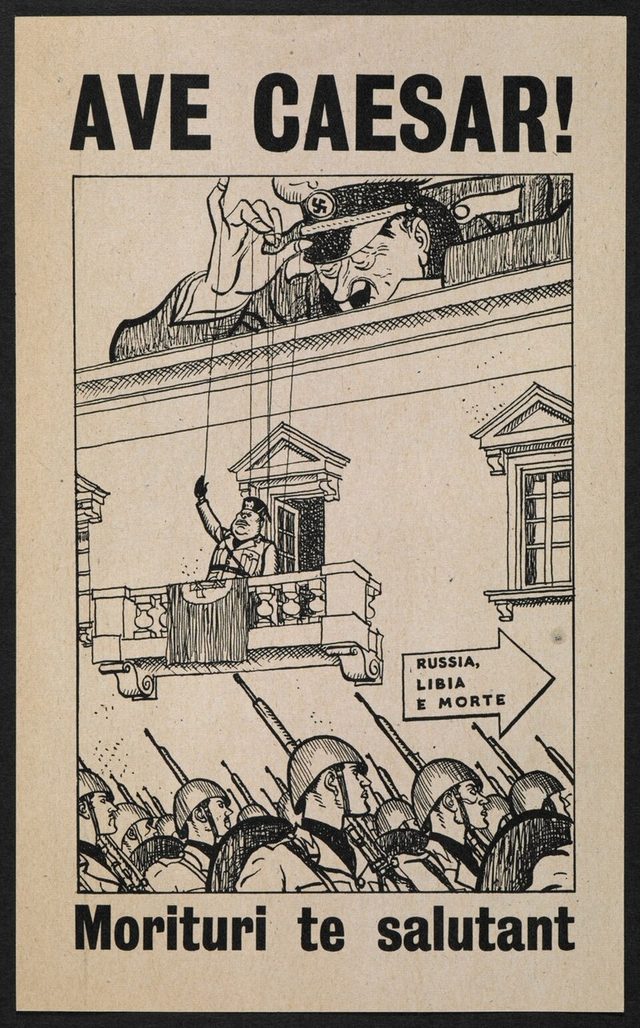
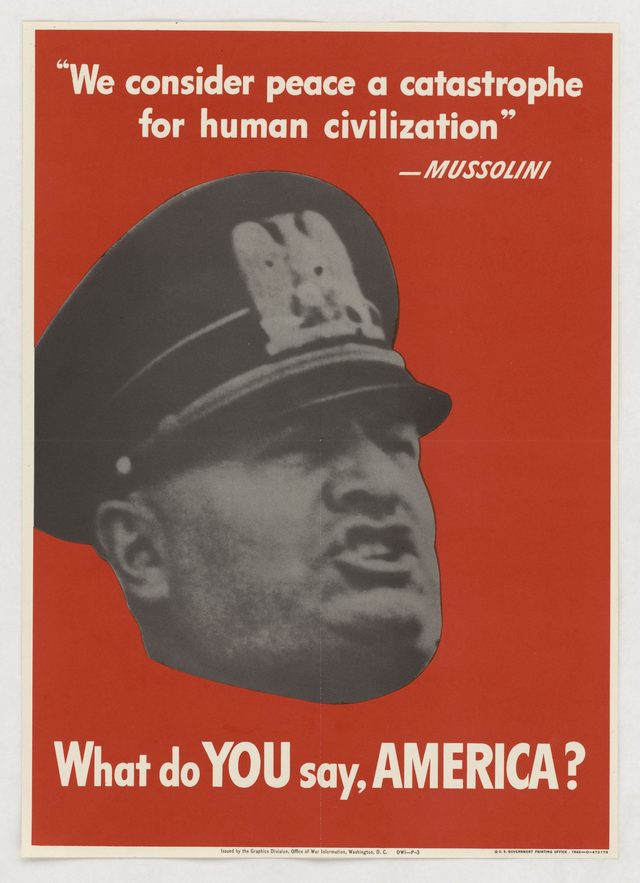
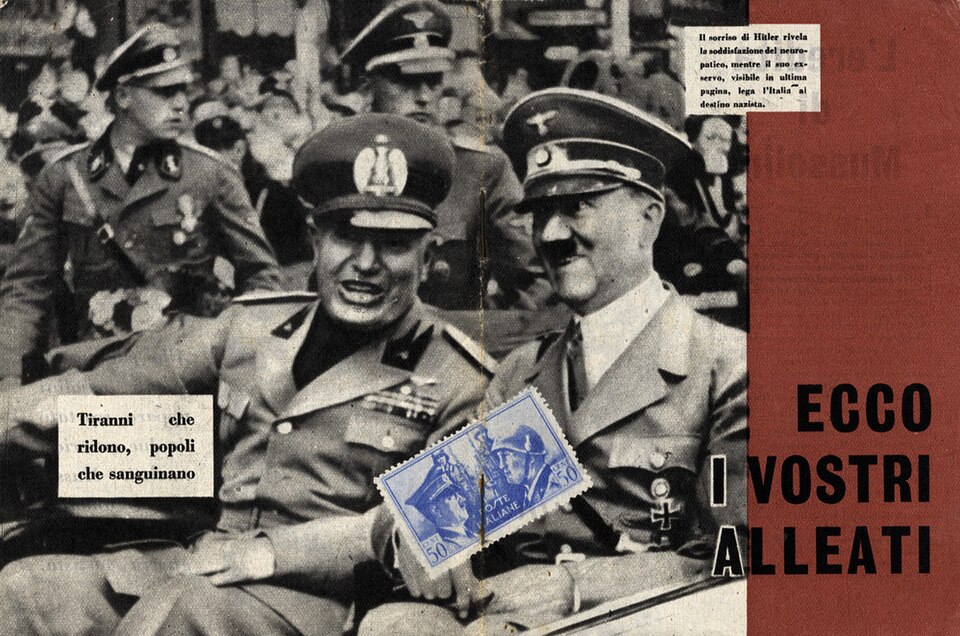
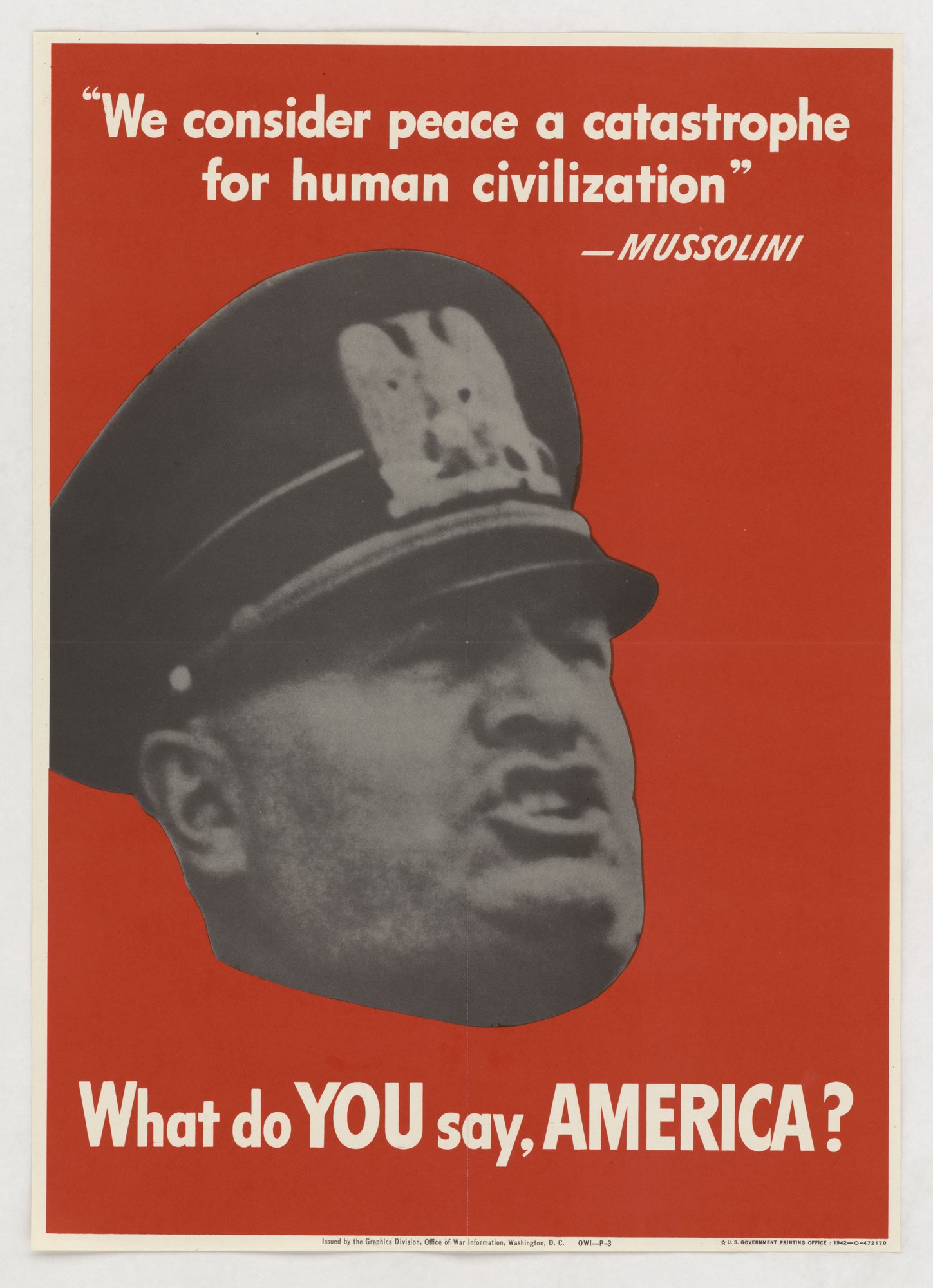
Britain's Political Warfare Executive (attributed) produced "Ecco i vostri alleati" (1941), pasting an Italian stamp image over a photograph of the two leaders (Name-calling, Transfer), and the 1942 leaflet "Ave Caesar!", which draws Mussolini as Hitler's puppet (Name-calling, Fear appeal). The US Office of War Information used Mussolini's own quoted words on a red field to alarm American readers (Fear appeal).
Explain moreShow less
Each side here used the same tools: personification, epithet, selected evidence and the leader's name. They differed in sponsor and audience: a monarchy's loan offices, a one-party state's slogans on walls, and foreign governments addressing Italians or their own citizens.
Earlier colonial postcards
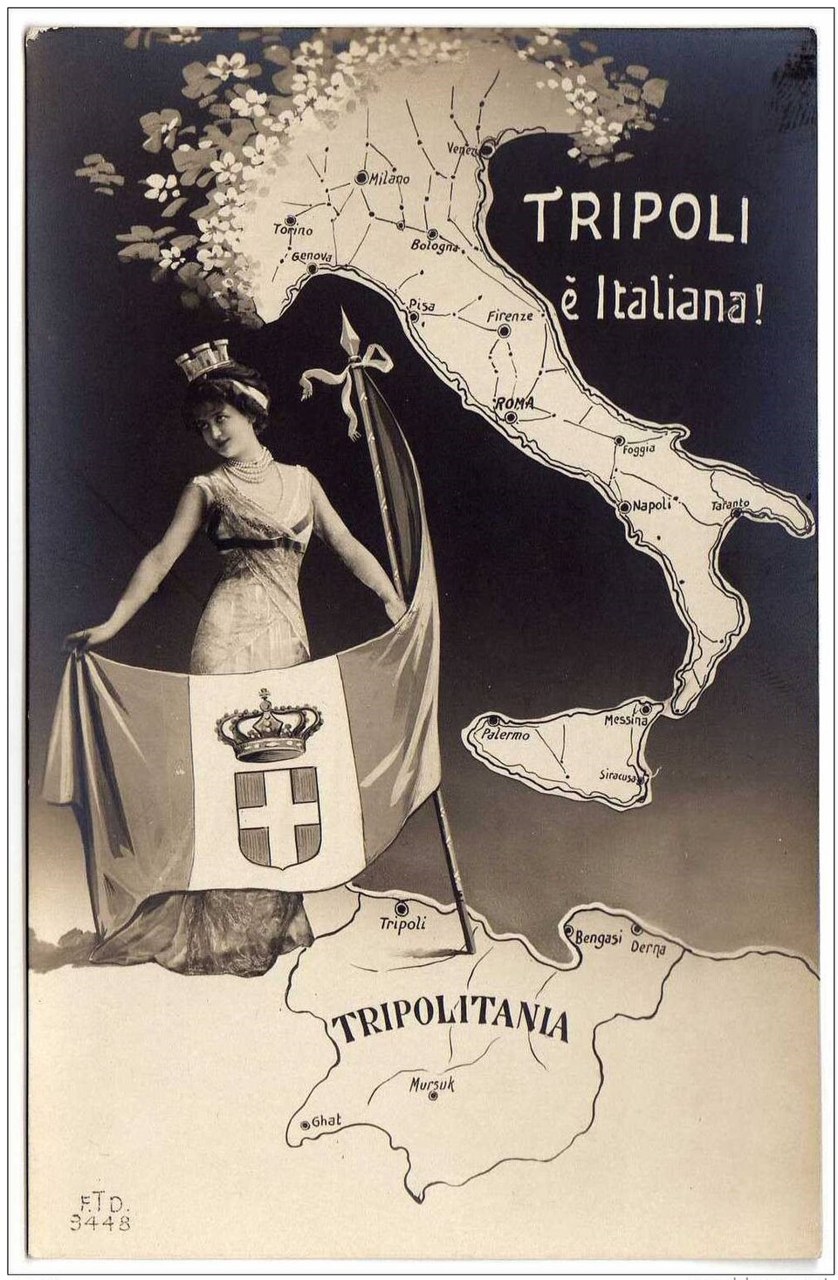
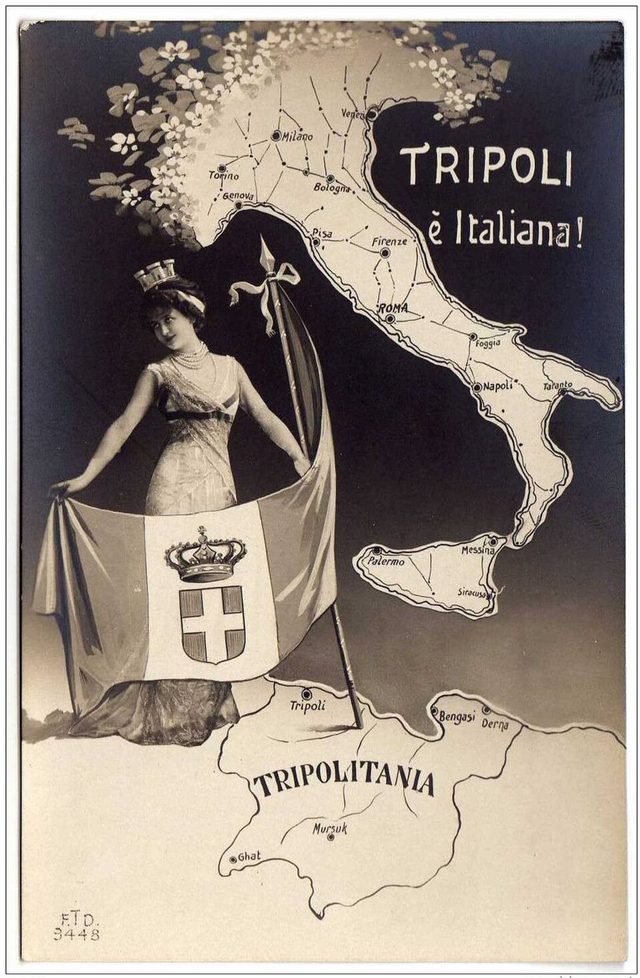
A commercial postcard of the Italo-Turkish War, "Tripoli è italiana!" (1912), sets a personified nation before a map that joins the two shores (Transfer).
What the collection does not hold
- Not here: the Fascist Ministry of Popular Culture's own poster stock, Italian Social Republic (1943 to 1945) posters, and Italian Communist or Resistance posters of 1943 to 1945.
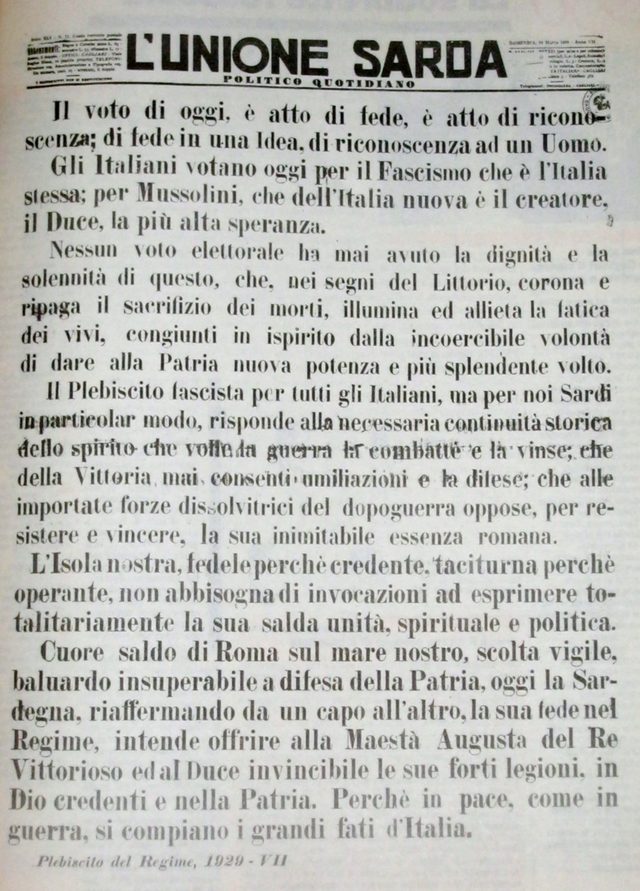
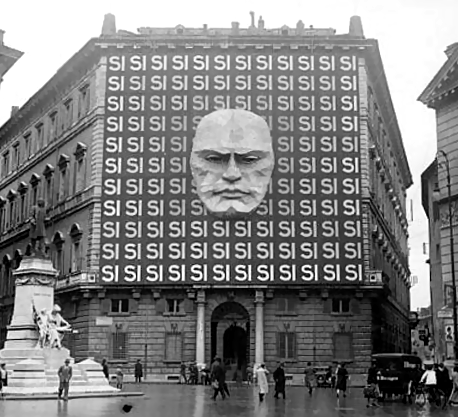
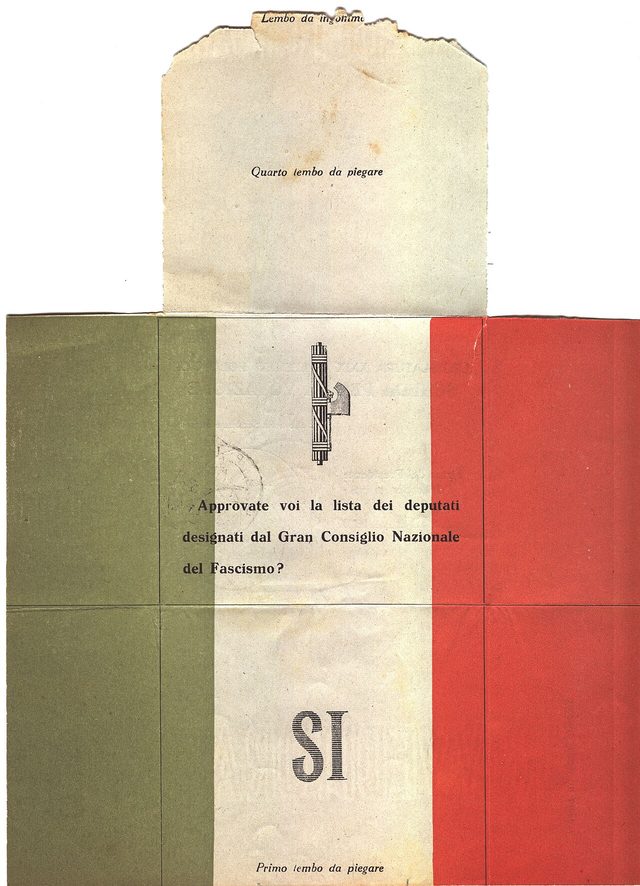
- The 1924 and 1934 PNF sheets held are two election sheets and a plebiscite photograph, not a complete record of the regime's output.
- Few sponsors are printed on the sheets themselves; where a caption names none, none is claimed here.
Sources and further reading
Sources
Library of Congress, Prints and Photographs Division and World Digital Library (Italian war-loan posters, 1915 to 1920).
Library of Congress, Prints and Photographs Division and World Digital Library (Italian war-loan posters, 1915 to 1920). Wikimedia Commons scans of L'Illustration (1924, 1935), Il Becco Giallo (1925) and the Collezione Salce. U.S. National Archives (OWI posters). Psywar.org for the Political Warfare Executive items. Each item in the grid carries its own source and rights note. Related pages: Fascist propaganda, Fascist Italy, Ministry of Popular Culture.