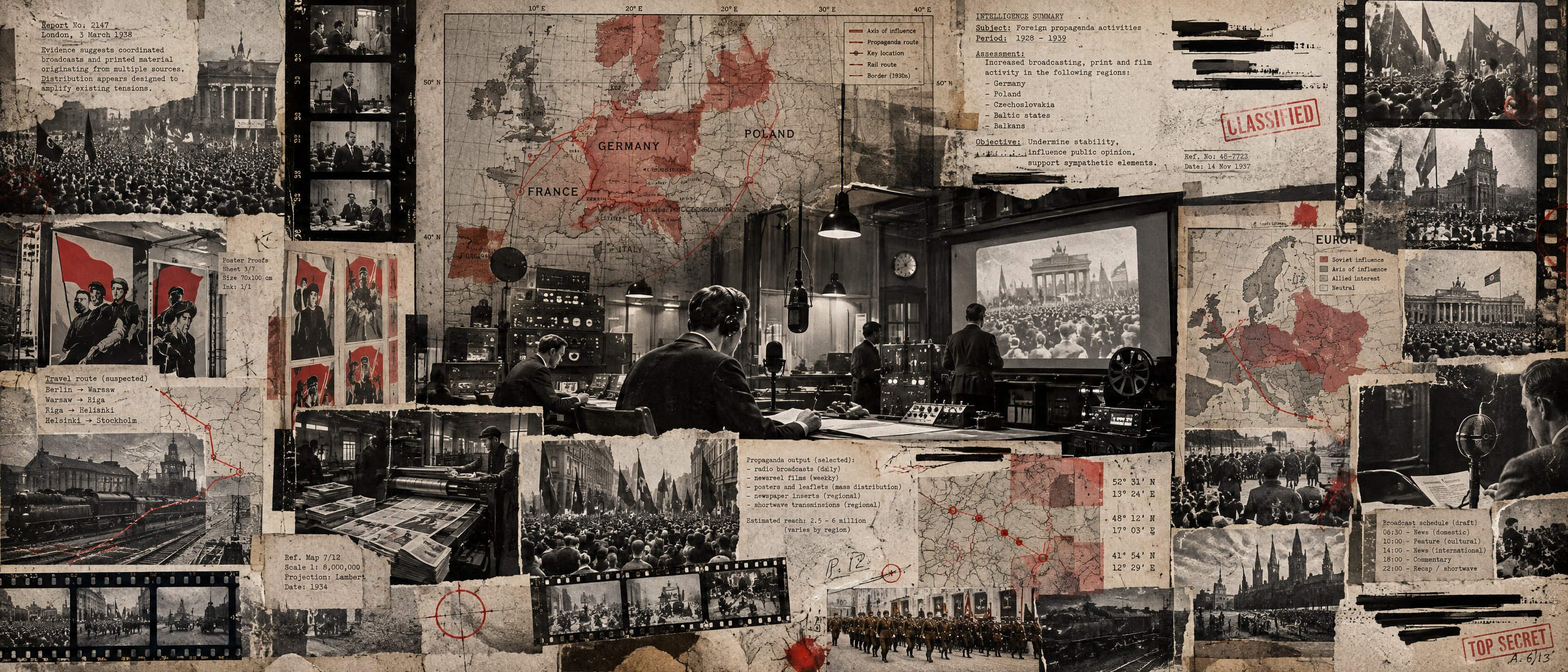
In one line: From 31 October 1922 to 25 July 1943 Benito Mussolini and the National Fascist Party (PNF) governed Italy under the monarchy, first in coalition and then, from 1925 to 1926, as a one-party state with a special tribunal, a secret police and a directed press, and that state used violence against opponents, conquered Ethiopia with poison gas in 1935 to 1936, issued racial laws against Jews in 1938 and entered the Second World War in 1940.
The leader and the people under the leader
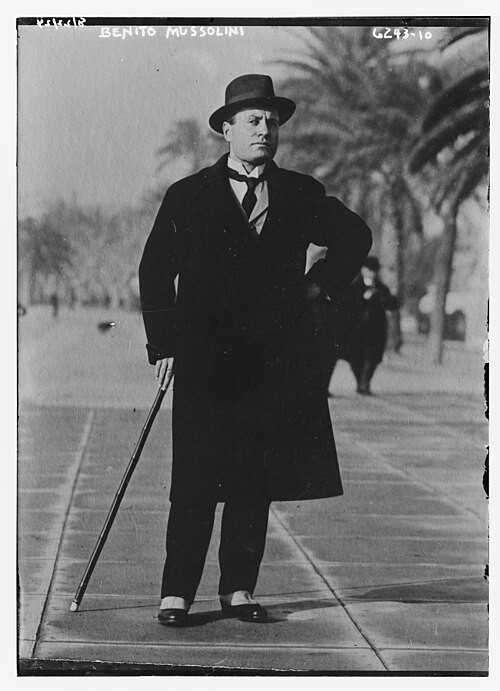
Photo: Bain News Service, publisher, Public domain (Library of Congress, no known restrictions) Benito Mussolini
Prime Minister (Head of Government) and Duce of Fascism · 1922 to 1943
Head of government from 31 October 1922 to 25 July 1943 and, under the laws of 1925 and 1926, answerable to the King alone; led the PNF as Duce and held the interior ministry for most of the period and the three service ministries from 1933.
In their words
“Fascism conceives of the State as an absolute, in comparison with which all individuals or groups are relative, only to be conceived of in their relation to the State.”
“Every speech made to the crowd has a twofold object, to clarify the situation and to suggest something to the masses. That is why speeches made to the people are essential to the arousing of enthusiasm for a war.”
“No exceptional laws were passed, [...] and the regulation of the Press is not an exceptional law.”
In the archive: Fascist Italy's propaganda machine: from the Duce's Press Office to the Ministry of Popular Culture

Leader and monarchy
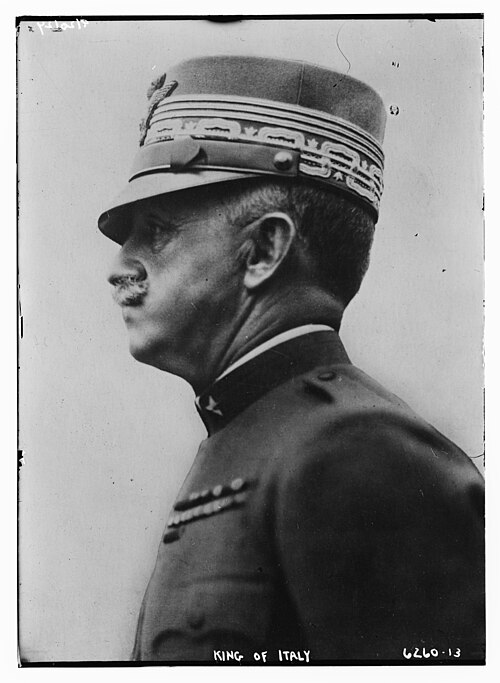
Photo: Bain News Service, publisher, Public domain (Library of Congress, no known restrictions) Victor Emmanuel III
King of Italy · 1900 to 1946
Head of state and nominal commander of the armed forces; asked Mussolini to form a government on 29 October 1922, took the title Emperor of Ethiopia in 1936 and King of Albania in 1939, dismissed Mussolini on 25 July 1943 and abdicated on 9 May 1946.

Party
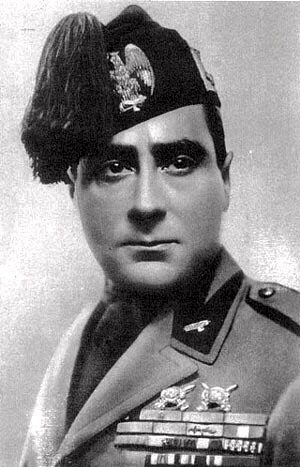
Photo: Camera dei Fasci e delle Corporazioni (as credited on Commons), Public domain (PD-Italy) Achille Starace
Secretary of the National Fascist Party (PNF) · 1931 to 1939
Ran the party organisation from December 1931 to October 1939, a period in which PNF membership became required for public employment and the party ran youth, leisure and Saturday-training programmes.
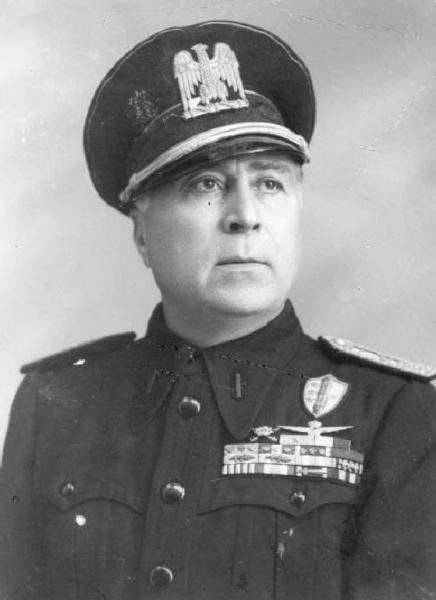
Photo: Ernesto Fazioli, Public domain (PD-Italy) Roberto Farinacci
Secretary of the National Fascist Party (PNF) · 1925 to 1926
Led the Fascist squads of Cremona, ran the party from 12 February 1925 to 30 March 1926 while the laws of 1925 and 1926 were passed, edited the newspaper Il Regime Fascista, and was shot by partisans on 28 April 1945.


State
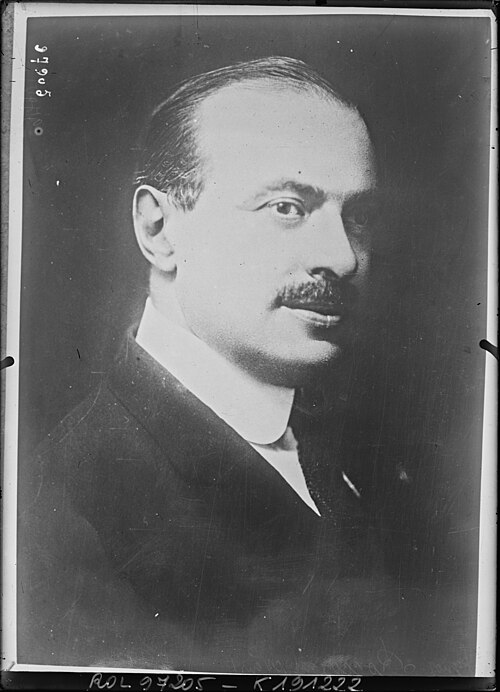
Photo: Agence Rol (Bibliotheque nationale de France), Public domain (Public Domain Mark 1.0, as marked by Europeana and the BnF) Alfredo Rocco
Minister of Justice · 1925 to 1932
Nationalist jurist who drafted the law of 3 April 1926 recognising only Fascist unions, the state-defence law of 25 November 1926 and the Penal Code of 1930, and held the ministry from 5 January 1925 to 20 July 1932.
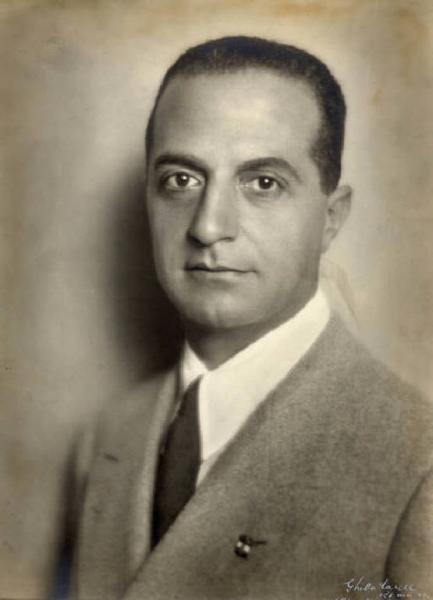
Photo: Ghitta Carell, Public domain (PD-Italy) Giuseppe Bottai
Minister of National Education · 1936 to 1943
Held the education ministry from 15 November 1936 to 6 February 1943 and issued the School Charter of 15 February 1939; earlier Minister of Corporations (1929 to 1932) and Governor of Rome, and one of the 19 who voted for the Grandi motion on 25 July 1943.
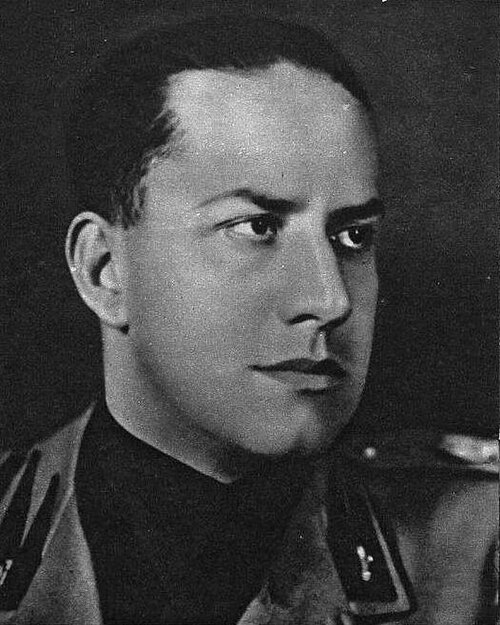
Photo: Unknown (published in Swiatowid, 9/1939), Public domain (PD-Poland, PD-1996-text) Galeazzo Ciano
Minister of Foreign Affairs · 1936 to 1943
Mussolini's son-in-law; ran the Press Office from 1933, became Undersecretary and then Minister for Press and Propaganda, and was Foreign Minister from 9 June 1936 to 6 February 1943; voted for the Grandi motion and was executed at Verona on 11 January 1944.
In the archive: Fascist Italy's propaganda machine: from the Duce's Press Office to the Ministry of Popular Culture
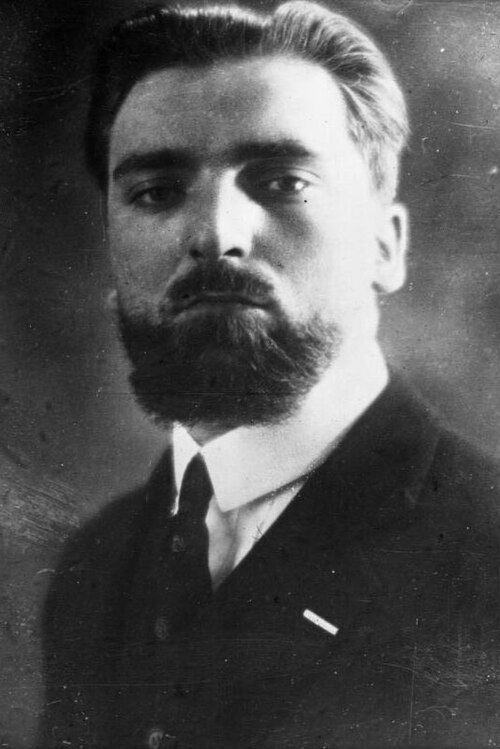
Photo: Unknown (Bundesarchiv), CC BY-SA 3.0 de Dino Grandi
Minister of Justice; President of the Chamber of Fasci and Corporations · 1939 to 1943
Foreign Minister from 1929 to 1932 and ambassador in London to 1939; from 1939 Justice Minister and Chamber president, and on 24 to 25 July 1943 the author of the Grand Council motion that led to Mussolini's dismissal.


.jpg)

Armed forces
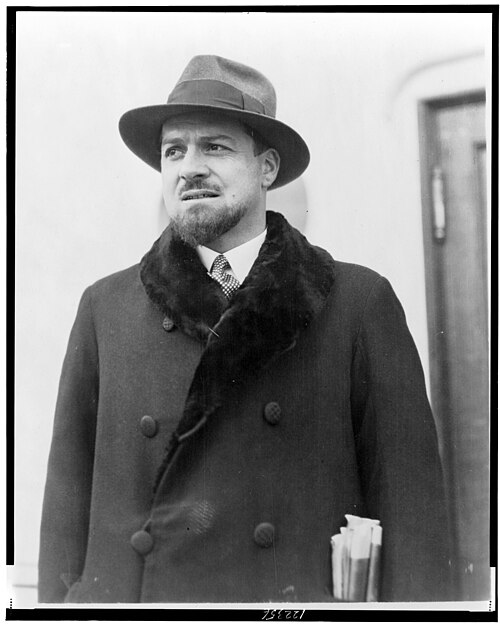
Photo: George Grantham Bain Collection, Public domain (Library of Congress, no known restrictions) Italo Balbo
Minister of Aeronautics (Air Minister) · 1929 to 1933
Former head of the Ferrara squads and of the Fascist Militia, Air Minister from 1929 and Air Marshal from 1933, organised the mass transatlantic flights of 1930 to 1931 and 1933, was Governor-General of Libya from 1934, and died on 28 June 1940 when Italian anti-aircraft fire shot down his aircraft over Tobruk.
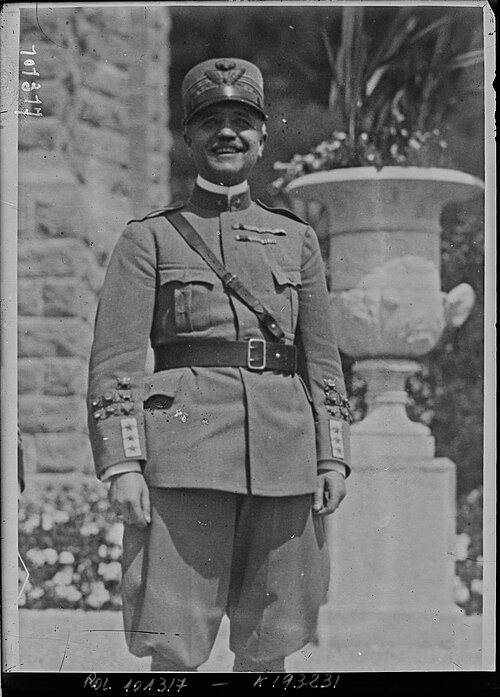
Photo: Agence Rol (Bibliotheque nationale de France), Public domain (PD-old, BnF Agence Rol) Pietro Badoglio
Chief of the Supreme General Staff · 1925 to 1940
Senior officer of the armed forces from 4 June 1925 to 4 December 1940, Governor of Libya from 1929 to 1933, commander in Ethiopia from November 1935 (Addis Ababa fell on 5 May 1936), and prime minister from 25 July 1943 to June 1944.
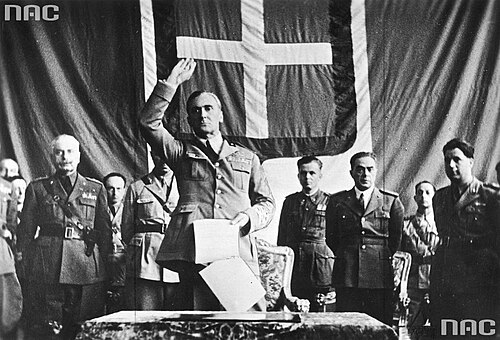
Photo: Unknown (National Digital Archives of Poland, NAC), Public domain (PD-anon-70-EU) Rodolfo Graziani
Viceroy of Italian East Africa (Marshal of Italy) · 1936 to 1937
Vice-Governor of Cyrenaica from 1930 to 1934, commander of the southern front in Ethiopia in 1935 to 1936, Viceroy from 11 June 1936 to 21 December 1937 (the attempt on his life on 19 February 1937 was followed by reprisals in Addis Ababa), and army chief of staff from 1939 to 1941.

_-_btv1b53147592n.jpg)

Propaganda and culture
No public-domain or openly licensed portrait found. Nearest: source, tagged PD-Italy on Commons but described there as a Corbis press print of about the 1940s, so not cleared. Dino Alfieri
Minister of Popular Culture (from 1936 Minister for Press and Propaganda) · 1936 to 1939
Undersecretary in Ciano's press office, Minister for Press and Propaganda from June 1936 and of Popular Culture from 27 May 1937 until October 1939, then ambassador to the Holy See and, from 1940, to Germany.
In the archive: Fascist Italy's propaganda machine: from the Duce's Press Office to the Ministry of Popular Culture
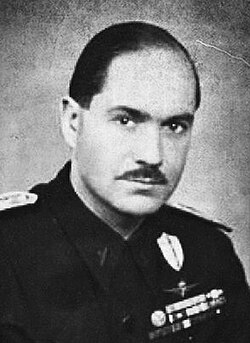
Photo: Unknown (Commons), Public domain (PD-Italy) Alessandro Pavolini
Minister of Popular Culture · 1939 to 1943
Ran the ministry's press, radio and film directorates from October 1939 to February 1943; after 23 September 1943 he was secretary of the Republican Fascist Party of the Italian Social Republic, and he was shot at Dongo on 28 April 1945.
In the archive: Fascist Italy's propaganda machine: from the Duce's Press Office to the Ministry of Popular Culture
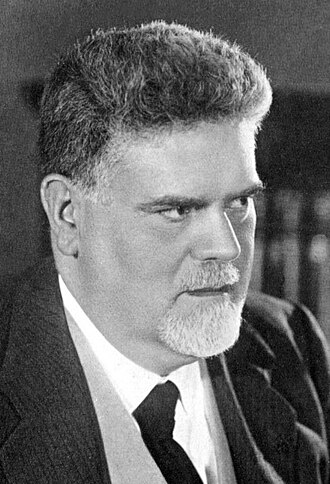
Photo: Unknown (Commons), Public domain (PD-old) Giovanni Gentile
Minister of Public Instruction; philosopher and director of the Enciclopedia Italiana · 1922 to 1924
Education minister from 31 October 1922 to July 1924 and author of the school reform of 1923; wrote the Manifesto of the Fascist Intellectuals of 21 April 1925 and the first part of the entry La dottrina del fascismo (1932); killed by partisans in Florence on 15 April 1944.
In their words
“For Fascism, on the other hand, the State and the individual are one, or better, perhaps, “State” and “individual” are terms that are inseparable in a necessary synthesis.”
“Fascism is a party, a political doctrine. But Fascism—in so far as it is a party, a political doctrine—is before all else a total conception of life. That is its force...its great merit, and the secret of the prestige it exercises over all those who are not victims of the malign and interminable maunderings of certain newspapers.”
No public-domain or openly licensed portrait found. Nearest: none; a Commons search for the name returned no photograph of him. Luigi Freddi
Director General for Cinema · 1934 to 1939
Headed the state film directorate created in September 1934 under the press and propaganda undersecretariat and ministry, and oversaw the building of the Cinecittà studios, opened on 28 April 1937.

.jpg)

Background and rise to power
Italy had been a constitutional monarchy since unification in 1861, governed under the Statuto Albertino of 1848. It joined the First World War in 1915; nationalists spoke of a vittoria mutilata ("mutilated victory") and the postwar years brought inflation and strikes. Mussolini, a Socialist journalist expelled from the party in 1914 for backing intervention, founded the Fasci italiani di combattimento in Milan on 23 March 1919. From 1920 armed Fascist squads (squadre d'azione) attacked Socialist unions, newspapers and leagues, above all in the Po valley, often with the tolerance of local officials and army officers (Paxton). The movement became the PNF in November 1921.
After the "March on Rome" of 27 to 29 October 1922, King Victor Emmanuel III declined to sign a decree of martial law and asked Mussolini to form a government. He took office on 31 October at the head of a coalition in which Fascists held a minority of posts, and parliament gave him full powers for a year. The Acerbo Law of 18 November 1923 gave two-thirds of the seats to any list that won at least 25 per cent of the vote. In the election of 6 April 1924 the government list took about 65 per cent amid reports of violence. On 30 May the Socialist deputy Giacomo Matteotti told the Chamber that violence had distorted the vote; a Fascist squad abducted and killed him on 10 June. On 3 January 1925 Mussolini told the Chamber: "io assumo, io solo, la responsabilità politica, morale, storica di tutto quanto è avvenuto" ("I assume, I alone, the political, moral, historical responsibility for all that has happened").
How power was organized
The laws of 1925 and 1926 (the leggi fascistissime) made the head of government answerable to the King alone and let the executive issue laws. A press law of 31 December 1925 subjected editors to government approval. After attempts on Mussolini's life in 1925 and 1926, the state-defence law of 25 November 1926 dissolved the opposition parties, restored the death penalty for some political offences, created a Special Tribunal for the Defence of the State and provided for internal exile (confino). A secret police, the OVRA, operated from about 1927. Thousands were tried or sent to confino; Antonio Gramsci, arrested on 8 November 1926, died in 1937. A law of 3 April 1926 recognised only Fascist unions and banned strikes, and the Labour Charter of 21 April 1927 declared the nation "una unità morale, politica ed economica, che si realizza integralmente nello Stato Fascista". Mussolini's formula of 28 October 1925 was "tutto nello Stato, niente al di fuori dello Stato, nulla contro lo Stato".
Under the electoral law of 1928 voters could only accept or reject a single list drawn up by the Fascist Grand Council; the plebiscite of 24 March 1929 reported over 98 per cent in favour. The monarchy and the army stayed in place beside the party, and the Lateran Pacts of 11 February 1929 with the Holy See created Vatican City and confirmed Catholicism as "la sola religione dello Stato". Mussolini held the interior ministry for most of the period and, from 1933, the three service ministries. Under Starace (secretary from 1931) the party ran youth and leisure organisations; PNF membership became required for public employment in 1933.
The state also used force outside Italy proper. In Libya, Badoglio and Graziani put down the Senussi rebellion in 1929 to 1932 with internment camps and executions, including that of Omar al-Mukhtar on 16 September 1931; estimates of the dead run to tens of thousands. Italy invaded Ethiopia on 3 October 1935 and took Addis Ababa on 5 May 1936, using mustard gas despite the 1925 Geneva Protocol. After an attempt on Graziani's life on 19 February 1937, reprisals in Addis Ababa killed thousands; estimates vary widely. Italy sent troops to Spain from 1936 and annexed Albania in 1939. The racial laws of 1938 expelled Jews from schools and public jobs and, by the decree of 17 November 1938, barred marriage between "Aryans" and Jews (Sarfatti). On 25 July 1943 the Grand Council voted against Mussolini and the King dismissed him.
The propaganda apparatus
Galeazzo Ciano headed the Press Office from 1933. It became an Undersecretariat in 1934, a Ministry for Press and Propaganda in 1935 (under Dino Alfieri from 1936) and by royal decree of 27 May 1937 the Ministry of Popular Culture (MinCulPop), later run by Alessandro Pavolini. It sent editors daily written instructions (veline) and ran film policy through Luigi Freddi (the ministry). Decree no. 1000 of 3 April 1926 required every cinema to show the propaganda films of the Istituto Nazionale L.U.C.E., whose newsreel began in 1927; EIAR held the radio monopoly from 1927 to 1928.
Giovanni Gentile wrote the Manifesto of the Fascist Intellectuals (21 April 1925), directed the Enciclopedia Italiana and wrote the first part of its 1932 entry "La dottrina del fascismo". Schools, the Opera Nazionale Balilla (1926), the Gioventù Italiana del Littorio (1937) and the Dopolavoro leisure organisation carried the message to children and workers. Content included the cult of the Duce (the 1934 Palazzo Braschi plebiscite façade; Credere, obbedire, combattere, Mirandola 1938), the campaign against League sanctions and the gold collection of December 1935 (Oro alla Patria), the Manifesto degli scienziati razzisti of 14 July 1938 ("Gli ebrei non appartengono alla razza italiana") and the war slogan "Vincere! E vinceremo!". The Italian press printed nothing about gas in Ethiopia.
The archive's definitions fit most clearly: identity fusion (the Duce, "Mussolini ha sempre ragione"), manufactured consensus (single-list plebiscites), card stacking (the veline, the silence on gas), scapegoating (the race campaign), whataboutism (charges of Ethiopian dum-dum bullets set against the gas charges at the League) and euphemism ("propaganda" renamed "popular culture").
Timeline
- 23 March 1919: Mussolini founds the Fasci italiani di combattimento in Milan.
- 27 to 31 October 1922: the March on Rome; Mussolini becomes prime minister.
- 10 June 1924: Matteotti is abducted and killed; 3 January 1925, Mussolini accepts responsibility in the Chamber.
- 1925 to 1926: press law, powers of the head of government, state-defence law and Special Tribunal.
- 11 February 1929: the Lateran Pacts.
- 3 October 1935: Italy invades Ethiopia; 9 May 1936, the Empire is proclaimed.
- 14 July and 17 November 1938: the racial manifesto and main racial decree.
- 10 June 1940: Italy enters the Second World War.
- 25 July 1943: Mussolini is dismissed and arrested after the Grand Council vote.
- 8 September 1943: the armistice is announced; on 23 September the German-backed Italian Social Republic is set up in the north, and deportations of Jews from Italy begin.
- 28 April 1945: partisans kill Mussolini.
- 2 June 1946: a referendum ends the monarchy.
Same-standard note
This page uses the same structure and definitions as every other regime page: a technique is listed only where the archive's working definition and a documented example fit, the same technique ids are applied to every regime, and offices and dates are stated without judging the people who held them. The scale and purpose of what this state did are set out as history, not ranked: a one-party state that ruled beside a monarchy, used chemical weapons in colonial wars, and persecuted opponents, minorities and, from 1938, Jews; most deportations of Jews from Italy came after 1943. Other regime pages record other systems, each with its own scale, intent and context.
Sources
- Law no. 2444 of 18 November 1923 (Acerbo Law); laws of 24 and 31 December 1925 and 31 January 1926; law no. 563 of 3 April 1926; law no. 2008 of 25 November 1926; Carta del Lavoro, 21 April 1927; Lateran Pacts, 11 February 1929; Royal Decree no. 752 of 27 May 1937; Royal Decree-Law no. 1728 of 17 November 1938.
- Benito Mussolini, speeches of 3 January and 28 October 1925, Opera omnia, ed. E. and D. Susmel (1951 to 1963).
- R. J. B. Bosworth, Mussolini (2002) and Mussolini's Italy (2005); Robert O. Paxton, The Anatomy of Fascism (2004); Ruth Ben-Ghiat, Fascist Modernities: Italy, 1922 to 1945 (2001).
- Philip V. Cannistraro, La fabbrica del consenso (1975); Nicola Tranfaglia and Bruno Maida, La stampa del regime 1932 to 1943 (2005); Michele Sarfatti, The Jews in Mussolini's Italy (2006); Angelo Del Boca (ed.), I gas di Mussolini (1996); SIPRI, The Use of Chemical Weapons in the 1935 to 1936 Italo-Ethiopian War (2009).
In the archive
Collection objects (4)
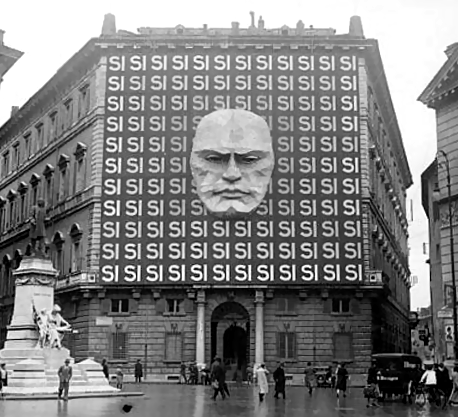 Palazzo Braschi dressed for the 1934 plebiscite: rows of "SI" around the Duce
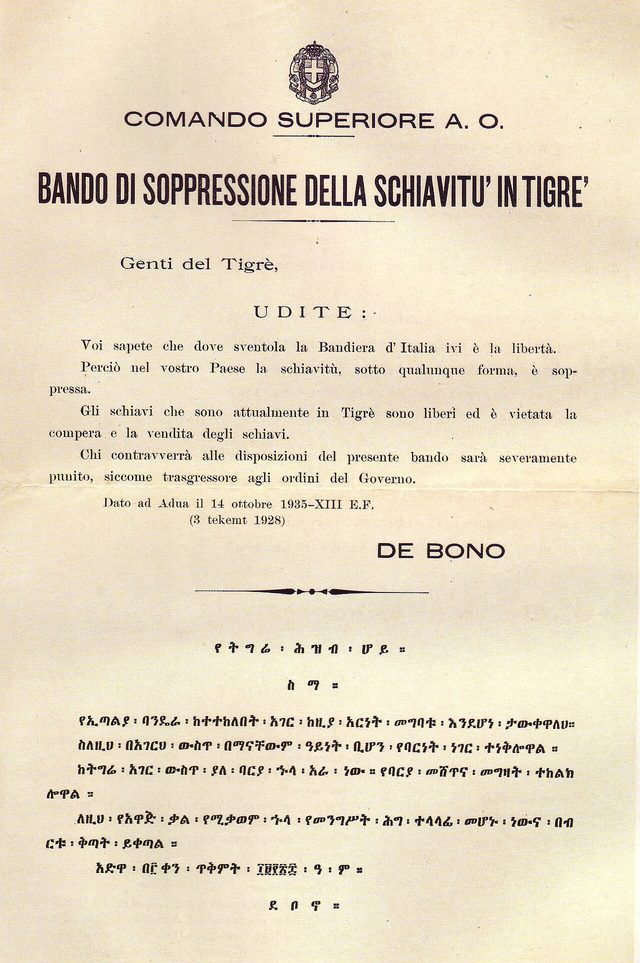 Proclamation Suppressing Slavery in Tigray (Adwa, 1935)
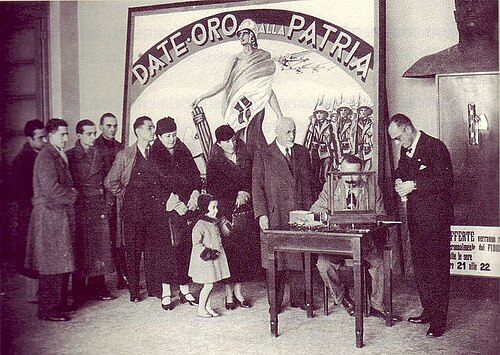 Oro alla Patria: handing in gold wedding rings in Milan, 1935
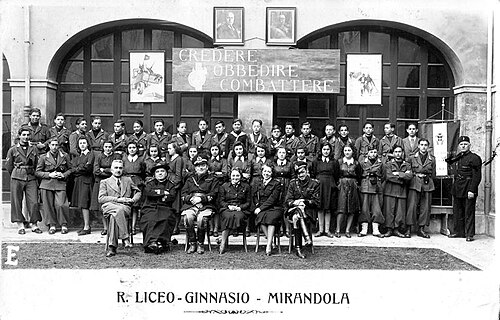 "Credere Obbedire Combattere": a school group photograph, Mirandola, 1938