Content note. Some material on this page is wartime propaganda from both sides, including obscene wording on one Ukrainian billboard and the "Z" emblem of the Russian military. All of it appears as issued, as evidence of what each issuer told its audience. Showing an item is not endorsing it.
What is propaganda in the war in Ukraine?
Propaganda in the war in Ukraine is the organised persuasion that Ukraine, Russia and their supporters have issued since the Crimea referendum of March 2014: posters, billboards, stamps, official addresses and online personas. The collection holds 20 objects from 2014 to 2023, each tagged by issuer, audience and technique, with the same definitions applied to every side.
Explain moreShow less
The page uses the working definition that FRAME applies to every country (how FRAME defines propaganda). Russian material is on Russian propaganda and the regime page Russian Federation under Vladimir Putin. Related landings: disinformation, psychological operations and fake news. For the Soviet background, see Soviet propaganda posters and the case study Holodomor and denial.
The sections run in date order. Each object is described from its catalogue entry: issuer, audience, the ask and the technique.
What did propaganda look like around Crimea in 2014?
The 2014 items come from a referendum campaign in Crimea, a UK ministry, Ukrainian activists and a Ukrainian party, and the Russian Defence Ministry. The Ukrainian items of 2014 are from a political party and a civic group, not the state.
Explain moreShow less
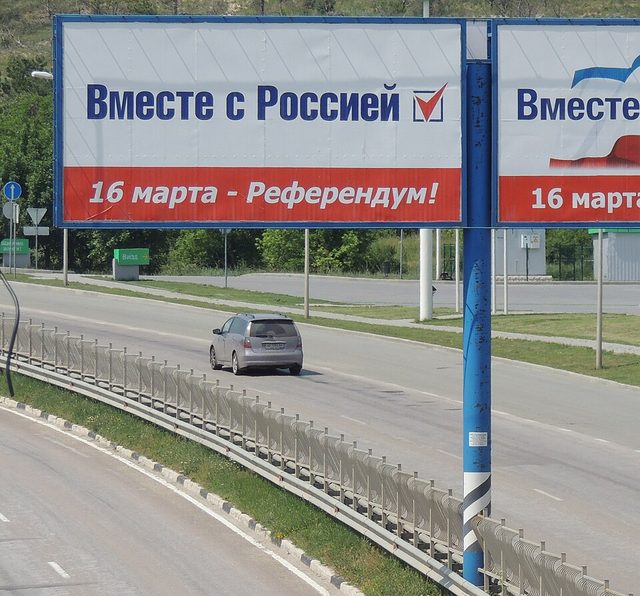
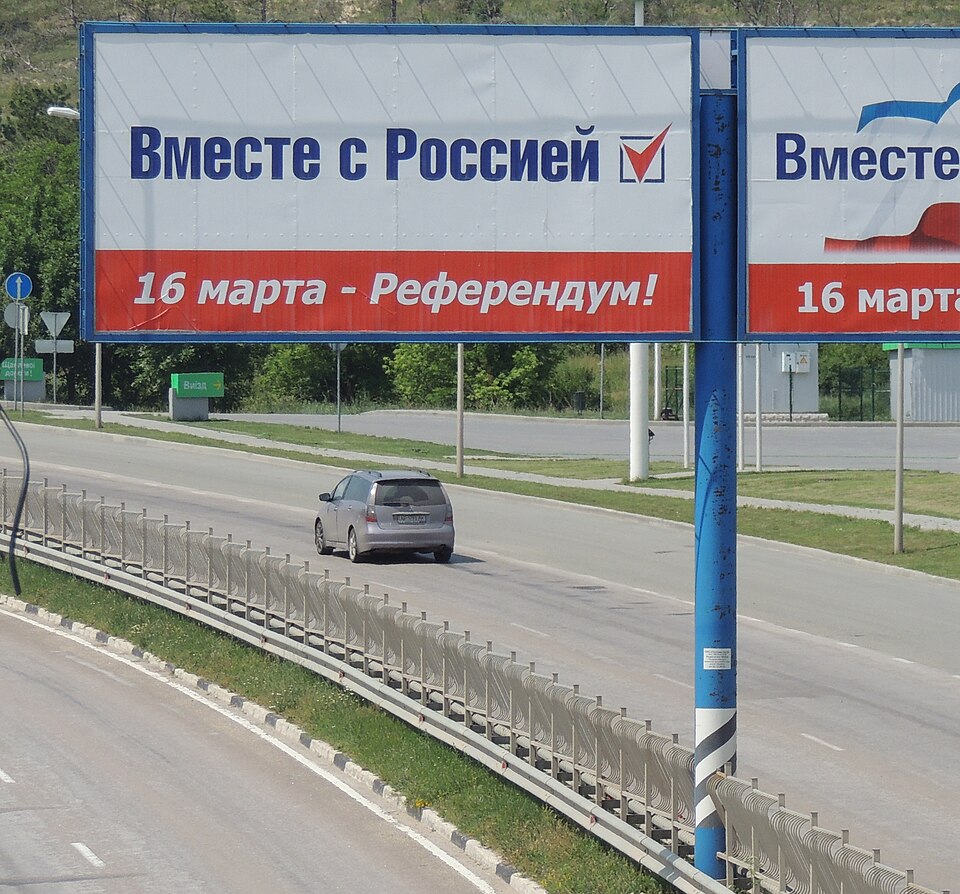
Two billboards in Simferopol carry the headline "Together with Russia", a check-box and a band reading "16 March: Referendum!". The design repeats the colours of the Russian tricolour, so the national colours and the voting mark attach to one answer. The entry tags it transfer. The photograph is dated 29 May 2014, after the vote. Read the technique: transfer.
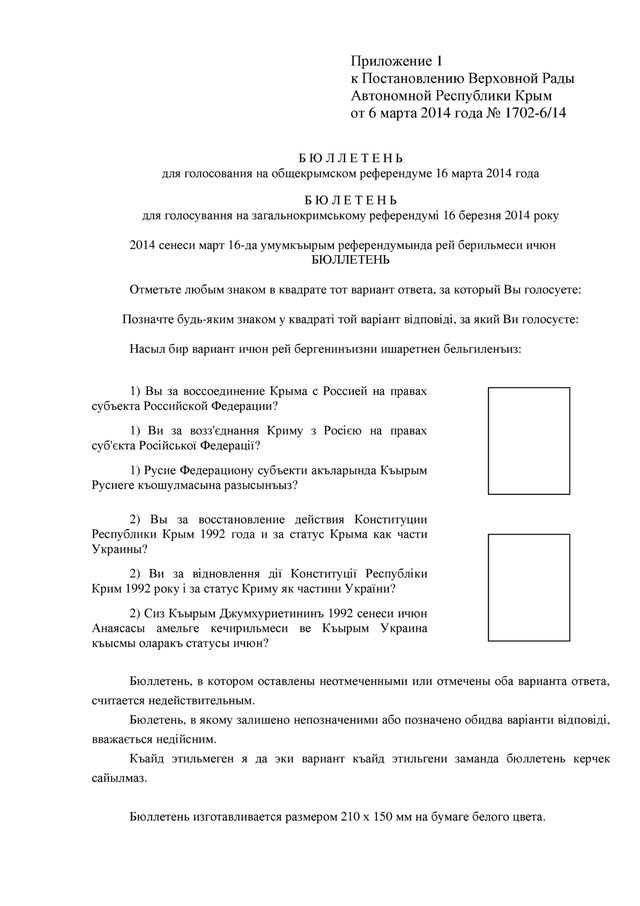
The full sequence is in the case study The Crimea referendum of 16 March 2014. The ballot for that vote offered two options, joining Russia or restoring the 1992 Crimean constitution, and no option to keep the arrangement then in force. The entry for the official sample ballot tags it card stacking and false dilemma.
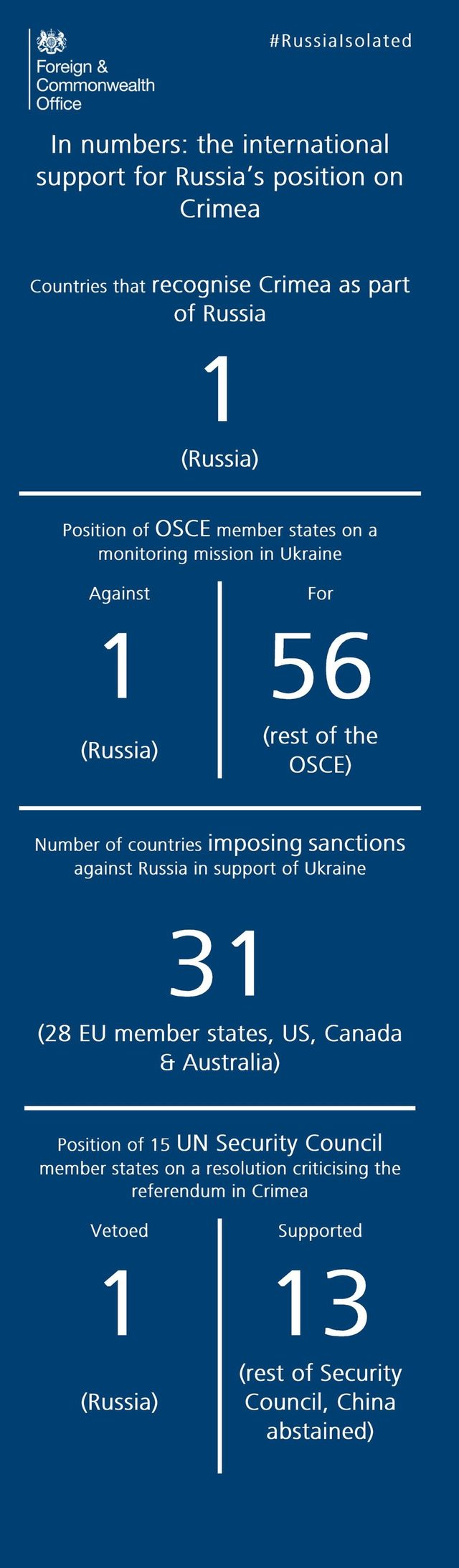
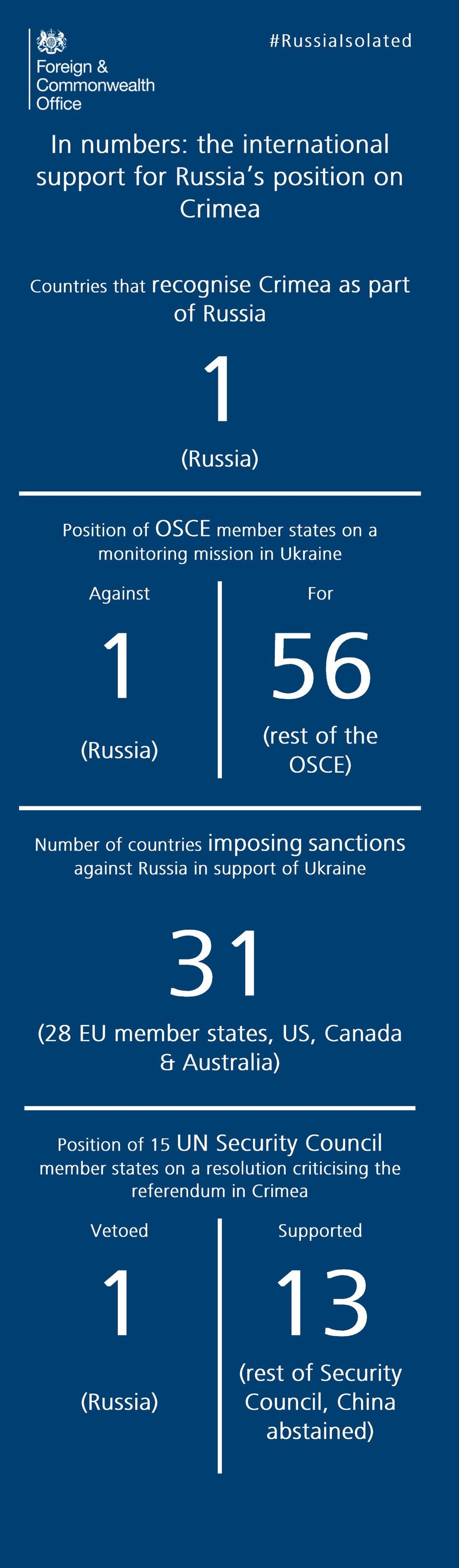
The UK Foreign and Commonwealth Office published this infographic on 21 March 2014, five days after the referendum. It tallies one country recognising Crimea as Russian against 56 states on an OSCE decision, 31 sanctioning states and a 13 to 1 Security Council vote. The entry tags it bandwagon and card stacking: numbers of states stand in for the merits, and abstentions are not tallied. Read the technique: bandwagon.
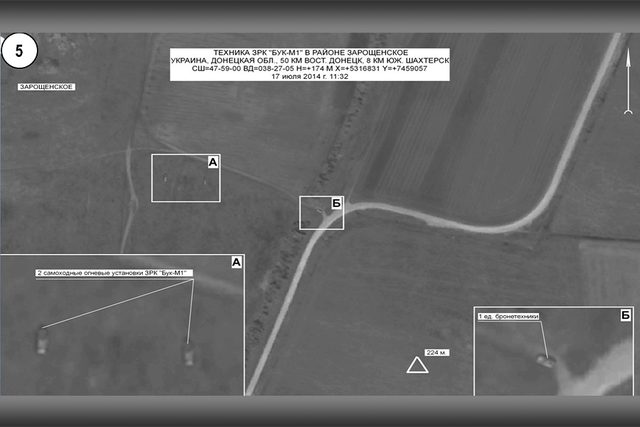
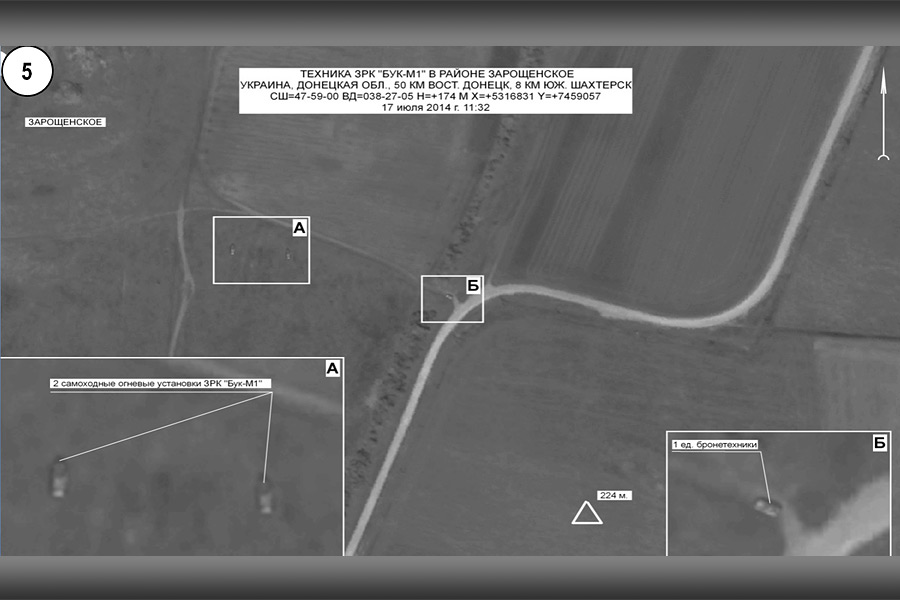
The Russian Defence Ministry showed this image on 21 July 2014, four days after Malaysia Airlines Flight 17 was shot down over eastern Ukraine. The Dutch-led Joint Investigation Team later concluded the missile came from a launcher of the Russian army's 53rd Anti-Aircraft Missile Brigade, and Russia rejects the findings. The entry tags firehosing for the volume and inconsistency of the official accounts taken together, not for this image alone. Read the technique: firehosing.
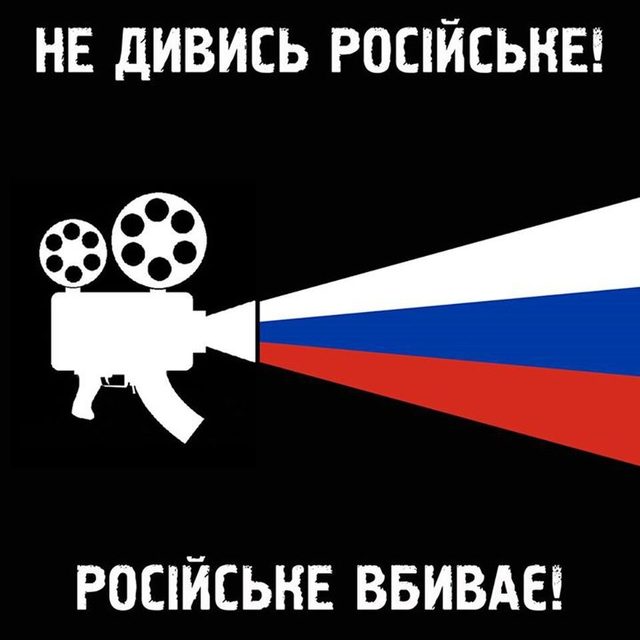
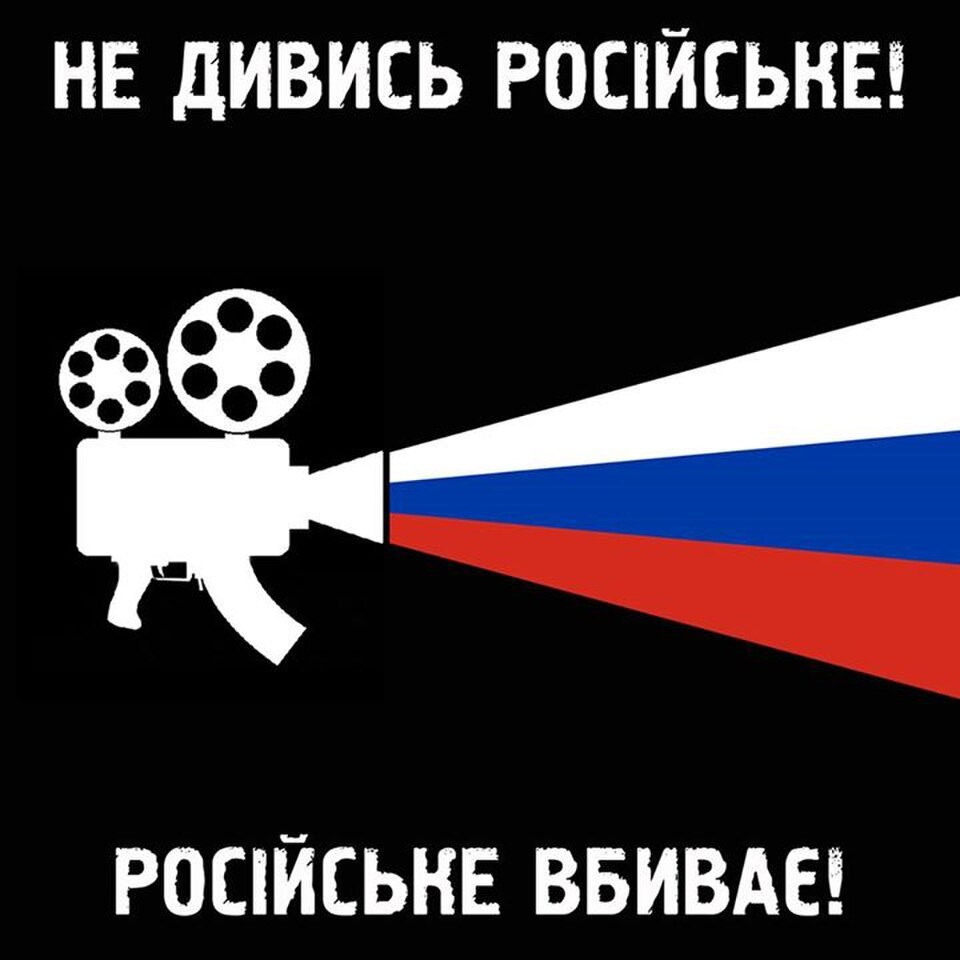
The civic group Vidsich circulated this poster in August 2014, during the war in Donbas. A film projector with a rifle grip throws a beam in the Russian tricolour under the words "Don't watch Russian! Russian kills!". The entry notes it is a civil-society poster and not a state one, and tags transfer and name-calling for the label applied to a whole category of films. Read the technique: name-calling.
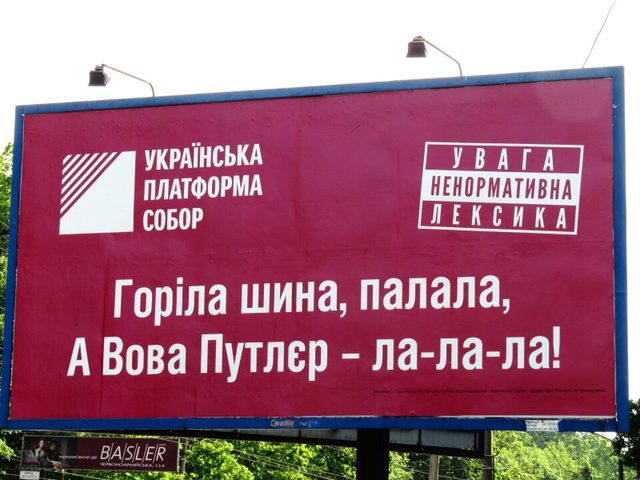
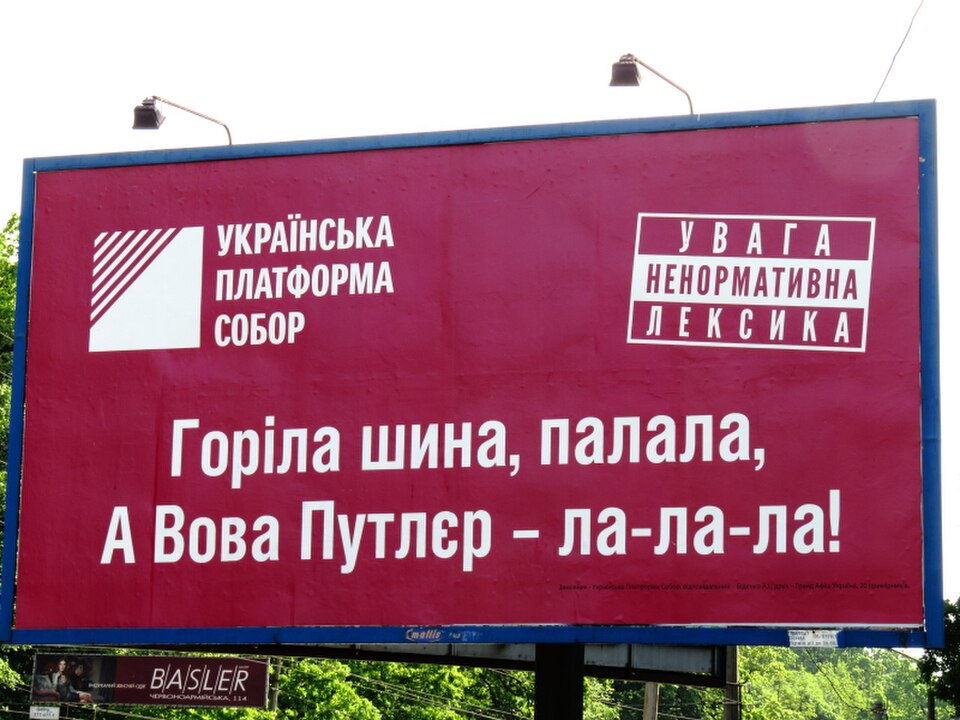
The party Ukrainian Platform "Sobor" put this billboard up in Kyiv on 17 May 2014, eight days before the presidential election. A boxed warning about obscene vocabulary sits above a rhyme using the coined name "Putler". The entry tags name-calling: a pet-name and a coinage ridicule a named foreign leader instead of making a claim.
How did Russia describe the full-scale invasion from 2022?
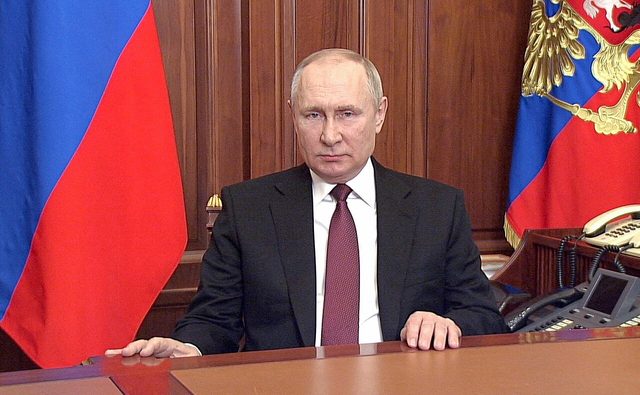
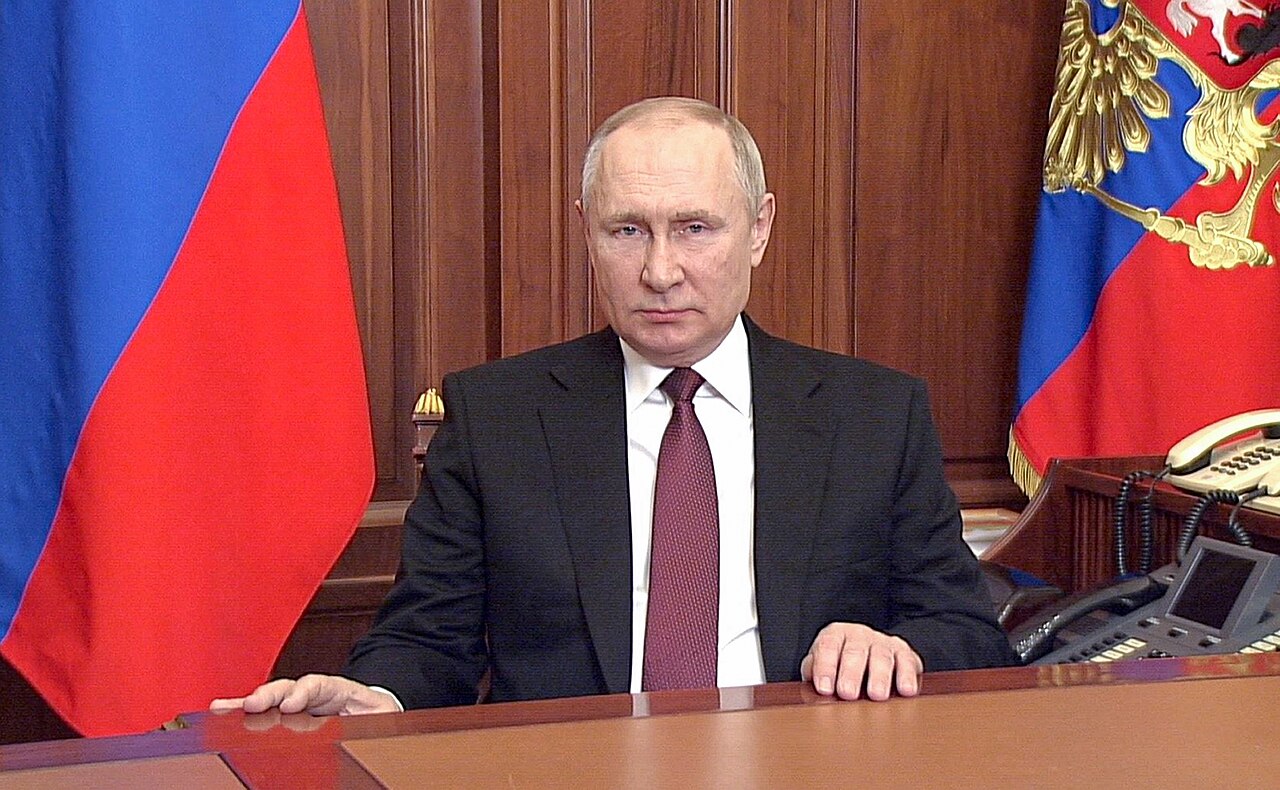
On 24 February 2022 Russian President Vladimir Putin announced a "special military operation" aimed at the "demilitarisation and denazification" of Ukraine. The address also alleged "genocide" in the Donbas; the International Court of Justice said on 16 March 2022 that it had no evidence substantiating that allegation. The entry tags euphemism and semantic hijack. Read the technique: euphemism.
Explain moreShow less
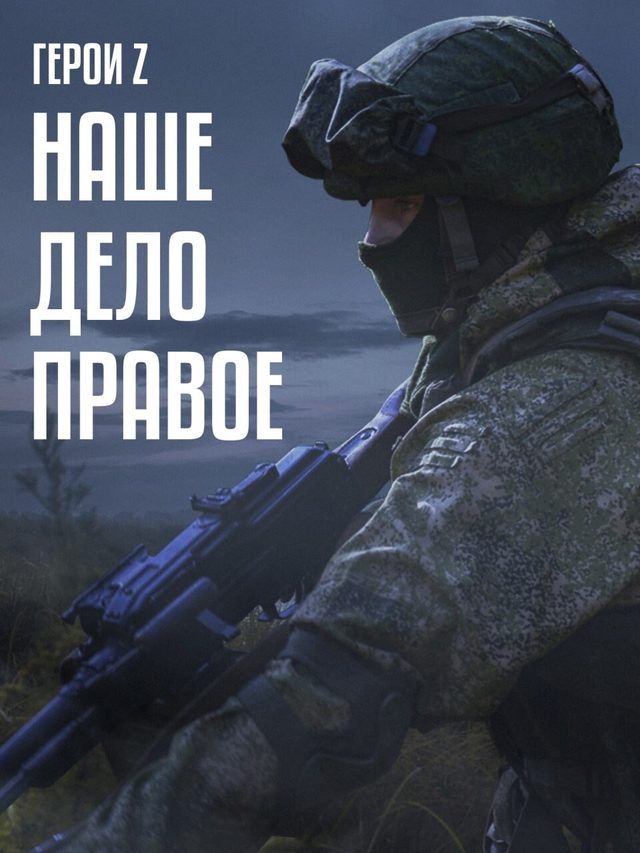
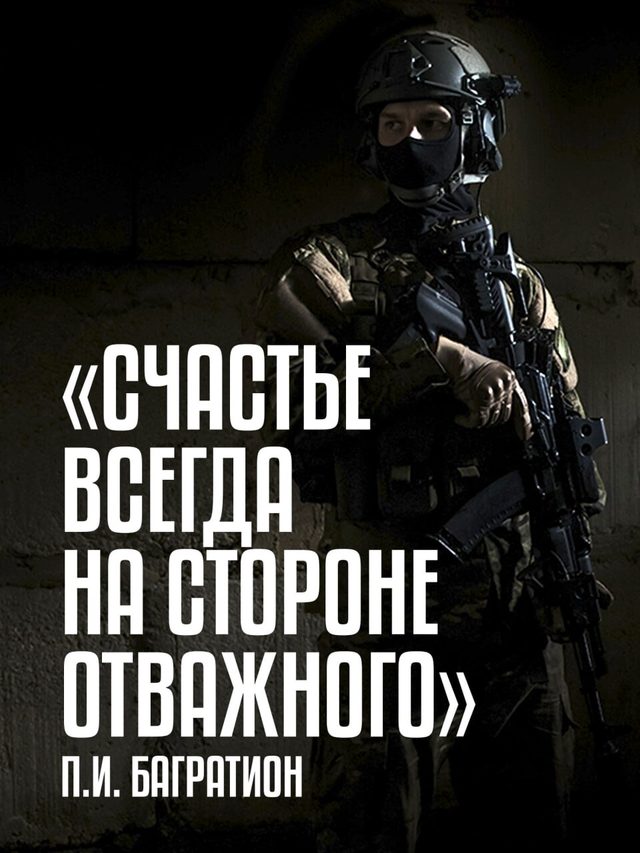
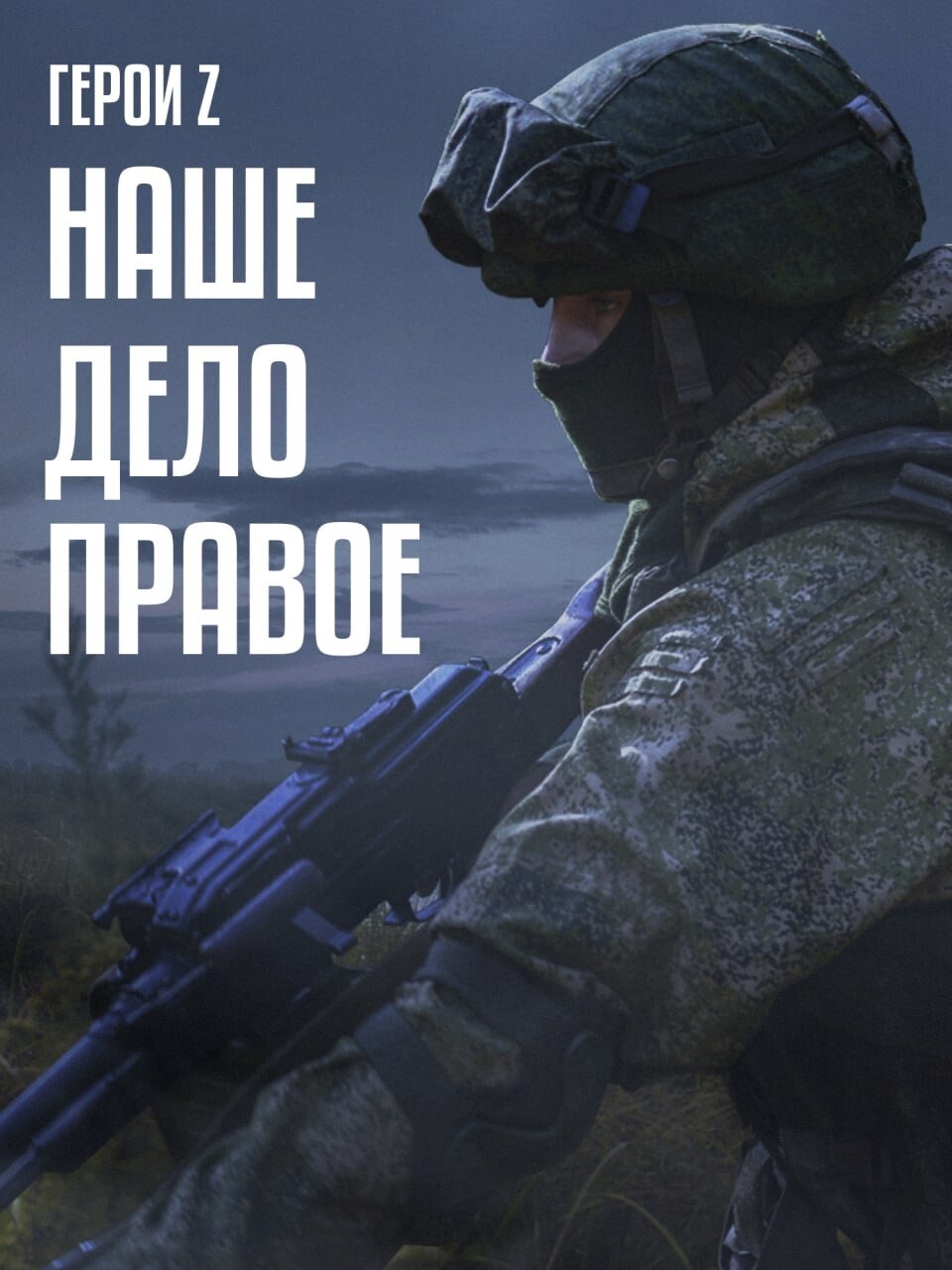
The Ministry of Defence published this poster in a numbered series of "agitation posters" under its own name. "Our cause is just" opens a sentence from Molotov's radio address of 22 June 1941. The entry tags transfer and glittering generalities.
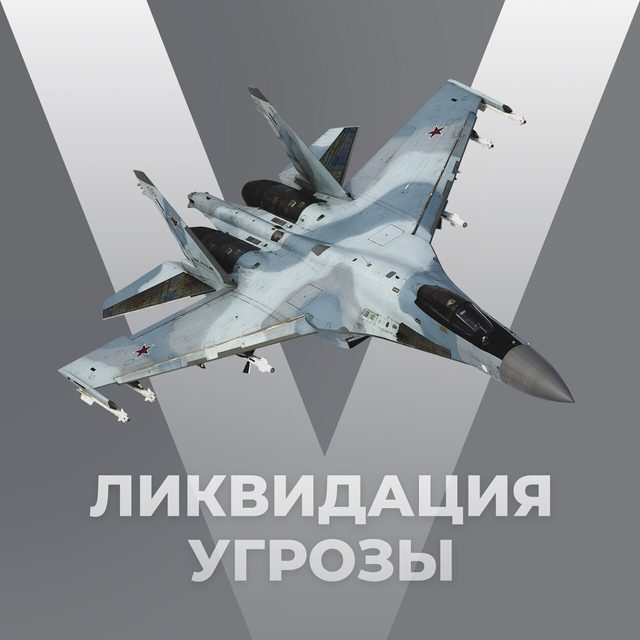
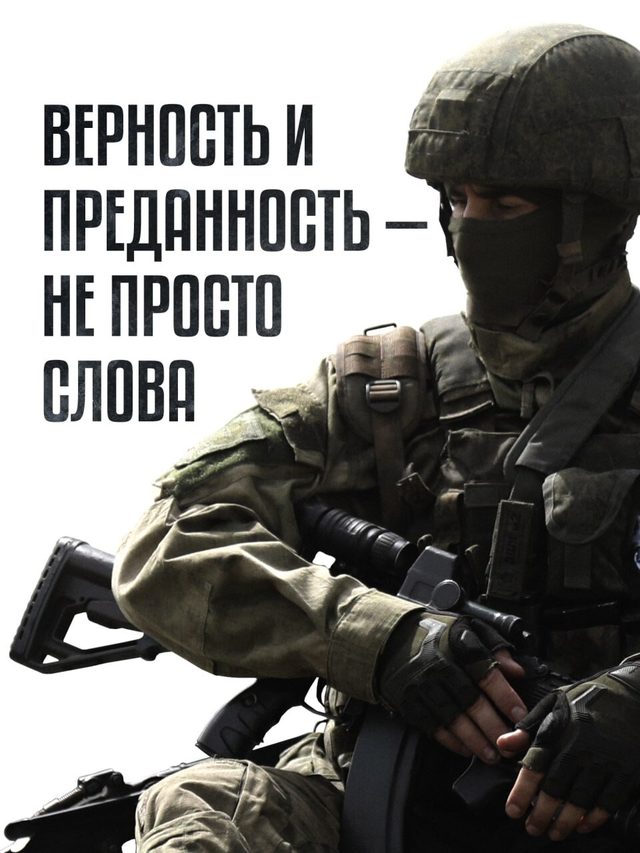
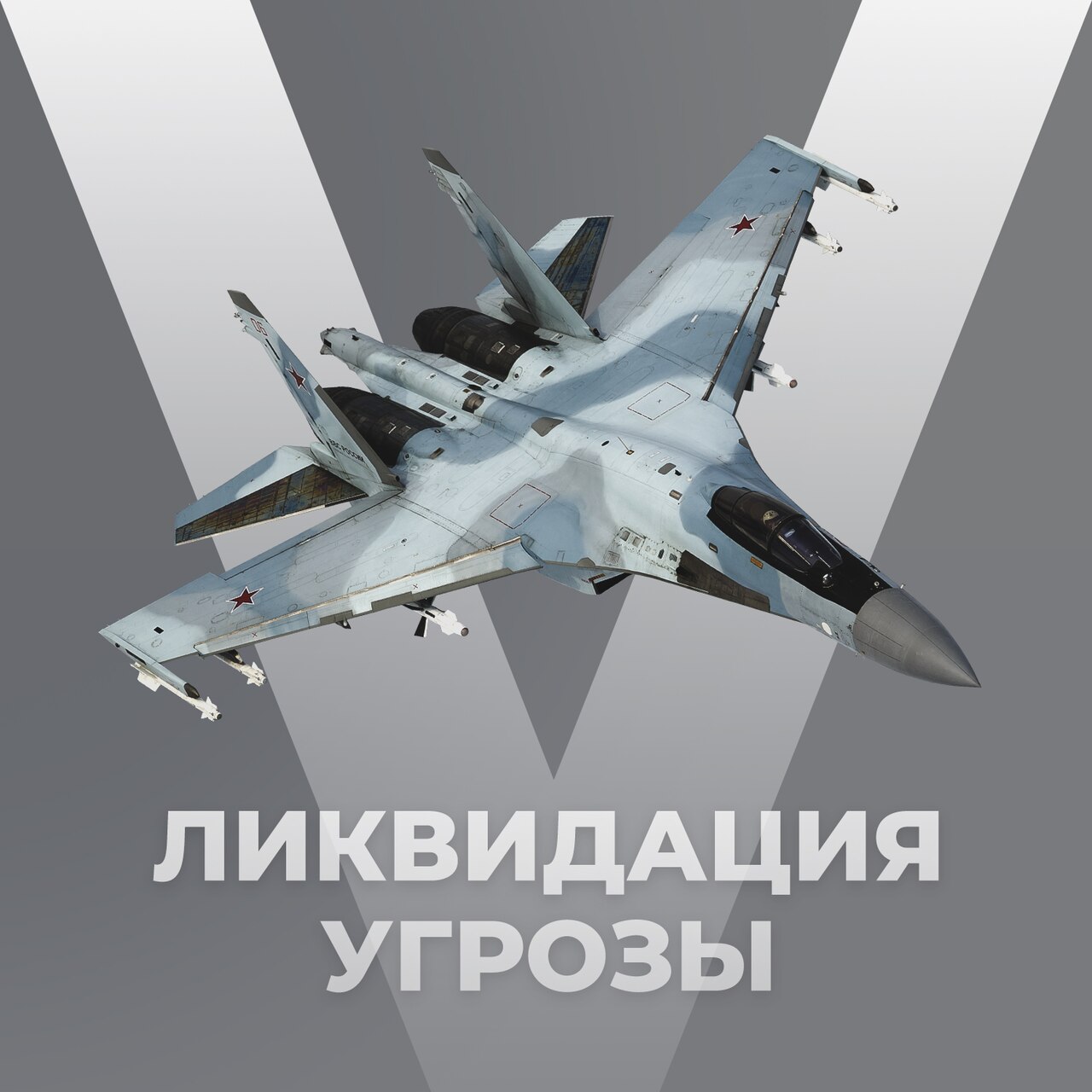
Another poster in the same series shows a Su-35 fighter under the words "Liquidation of the threat". The entry tags euphemism: "liquidation" and "threat" stand in for air strikes and for whoever is struck, with no target, act or casualty named.
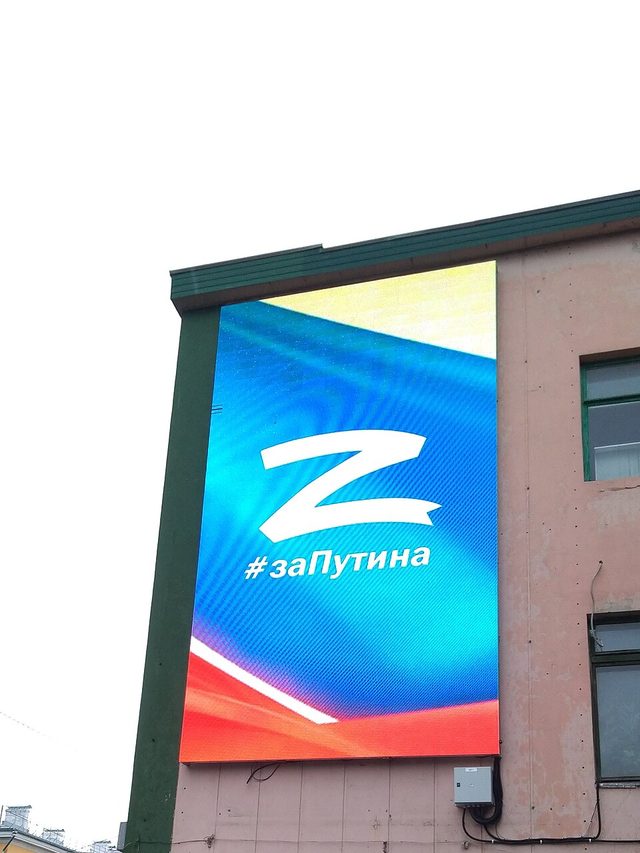
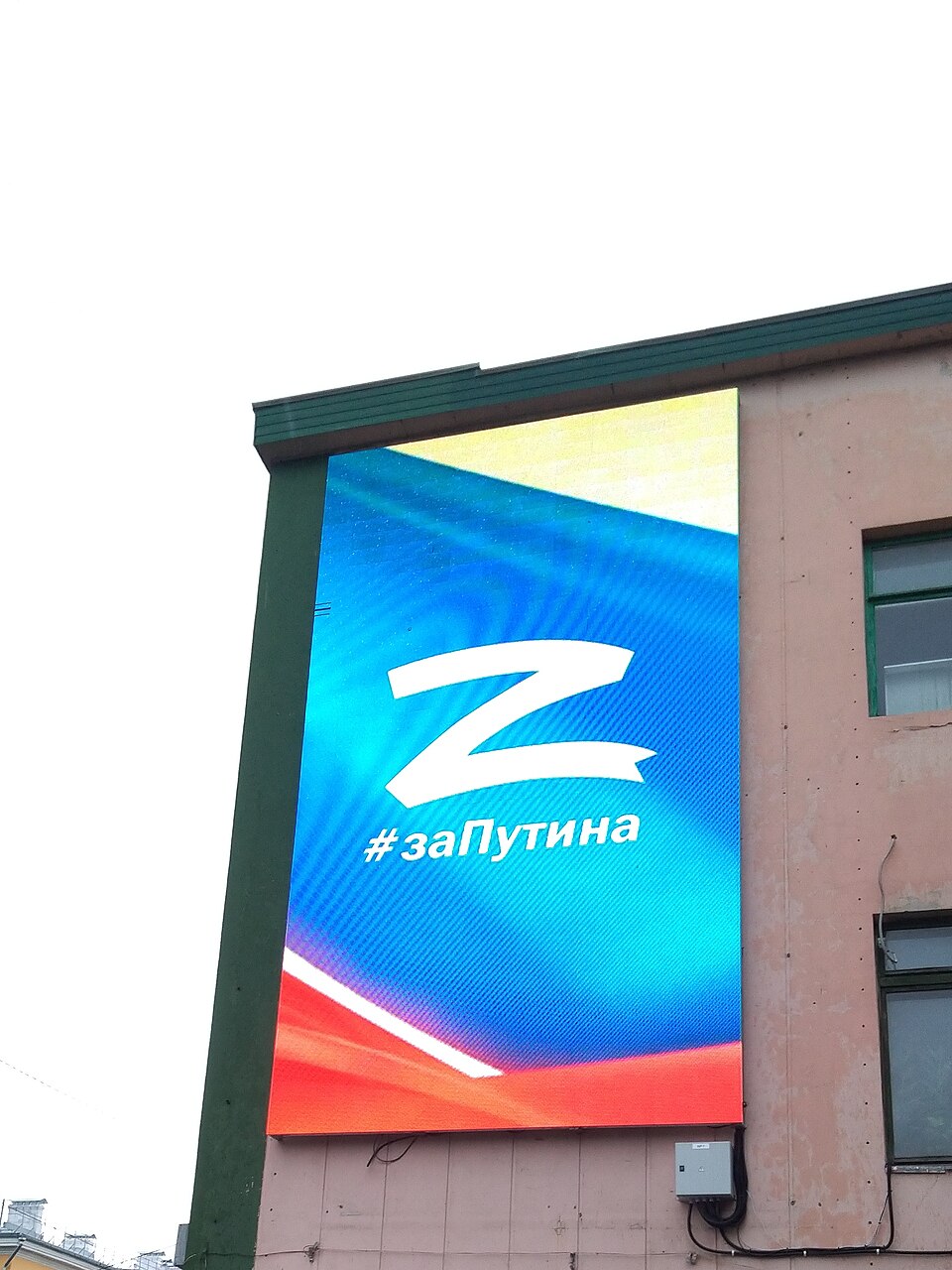
A photograph of 24 September 2022 shows an LED screen with a large Z over the tricolour and the hashtag #заПутина ("for Putin"). The entry tags identity fusion: a war symbol, the national colours and the leader's name are joined so that backing the operation and backing the man read as one act. No sponsor is named on the display, and the entry classes it gray. Read the technique: identity fusion.
Content note: Head-of-state wartime address whose text labels enemy soldiers 'slaves' and 'occupiers'; the photograph itself has no text or graphic content. This object is shown as it was published. Why 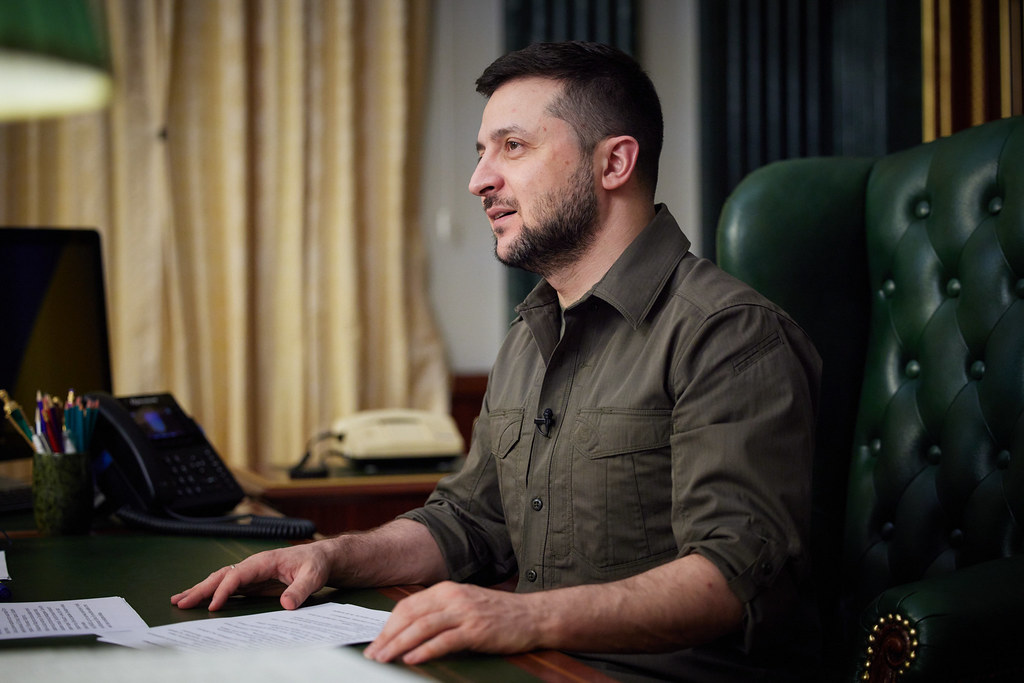
How did Ukraine's government and public describe the war?
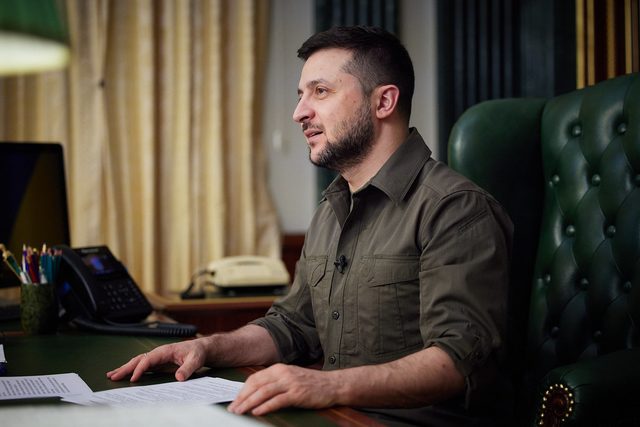
President Volodymyr Zelenskyy's office published this photograph with his video address of 21 March 2022 to residents of cities under Russian control, including Kherson, Berdyansk and Melitopol. The address calls Russian troops "occupiers" and repeatedly "slaves". The entry tags name-calling and applies the same test it applies to Putin's address. The two speakers hold opposite positions, one as head of the invaded state and one as head of the invading state, and the definitions used are identical.
Explain moreShow less
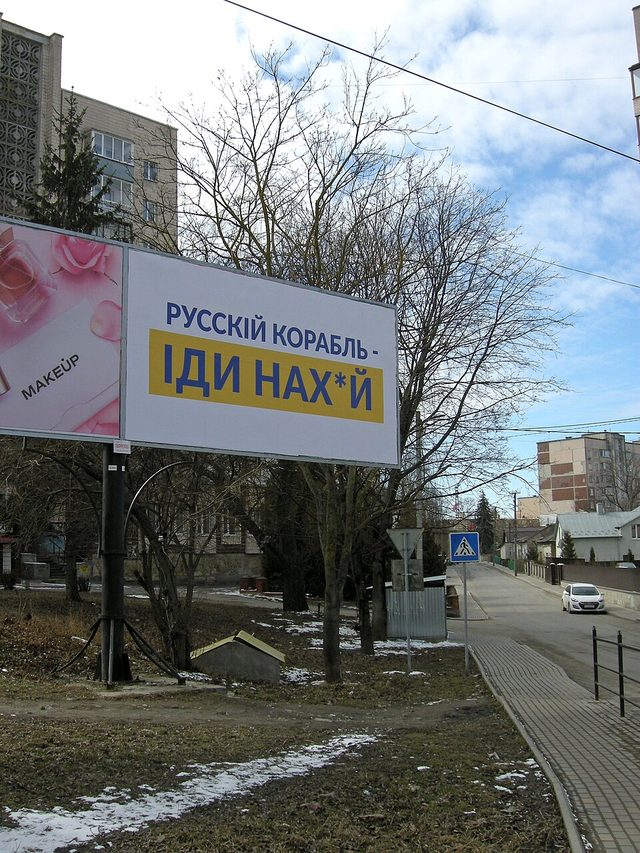
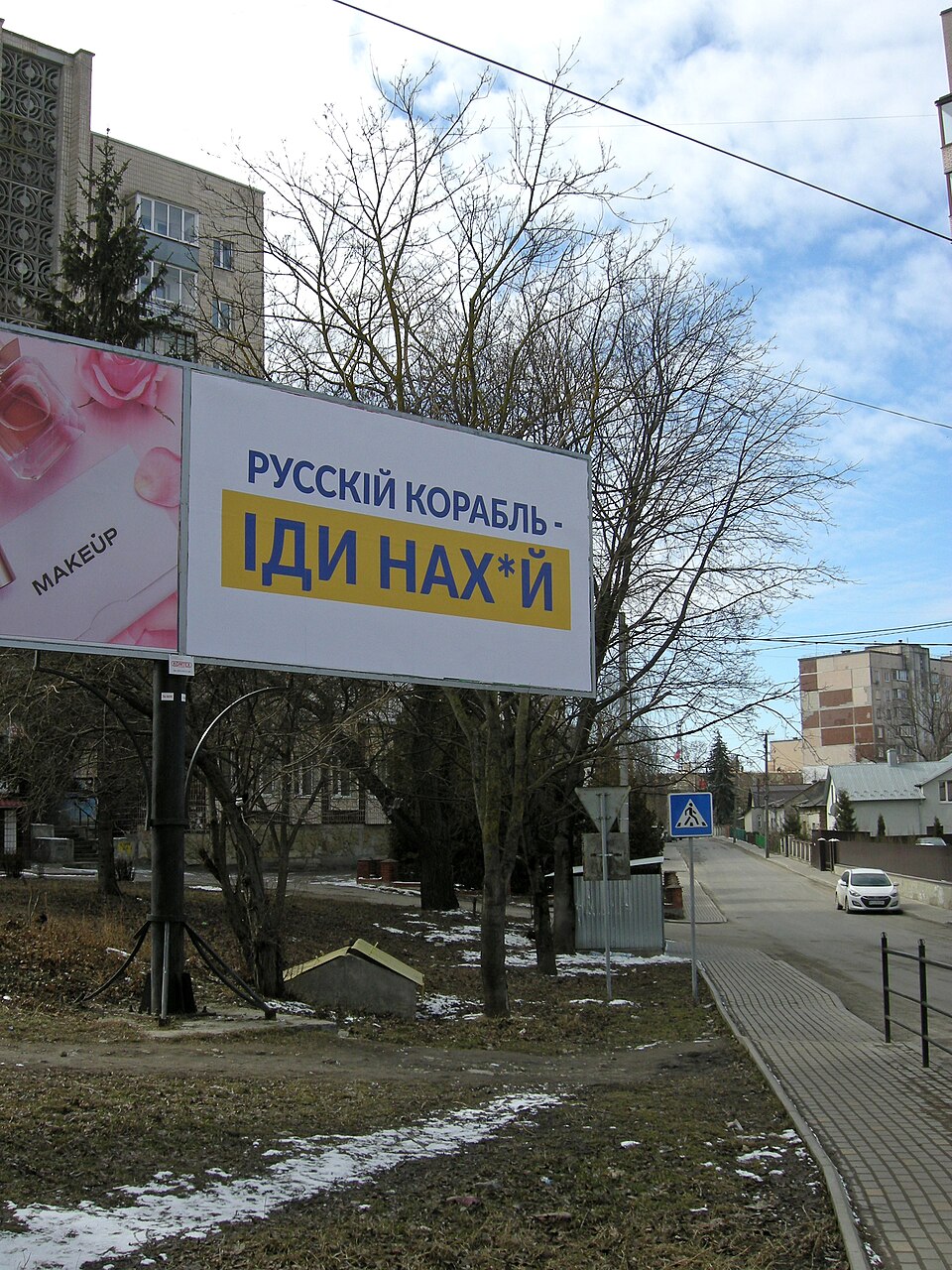
A photograph of 9 March 2022 shows a billboard in Ternopil with the phrase from a radio exchange at Snake Island on 24 February 2022. Ukrainian officials first said the garrison had died; the soldiers were later reported alive as prisoners and were released in an exchange in March 2022. The entry tags name-calling and records that the sponsor is not shown. The case study Snake Island follows the phrase from radio to stamp.
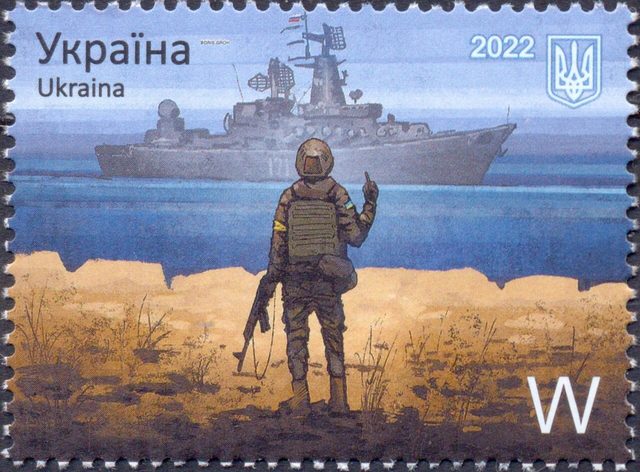
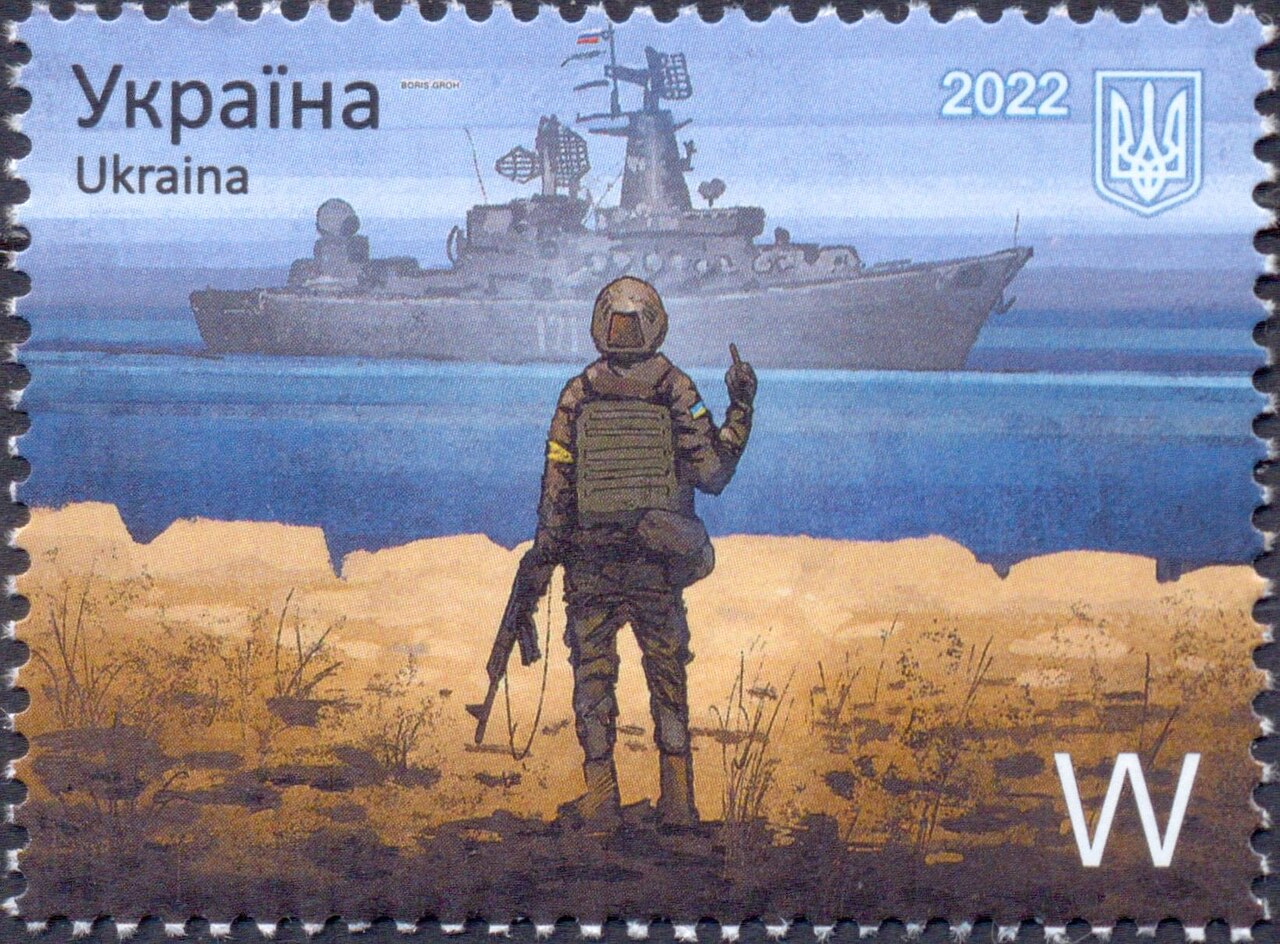
Ukraine's postal service, Ukrposhta, issued this stamp on 12 April 2022, seven weeks after the exchange. The state trident, the year and a face-value letter turn a front-line moment into a state postal issue. The entry tags transfer and records a run of 500,000 at denomination W. Read the technique: transfer.
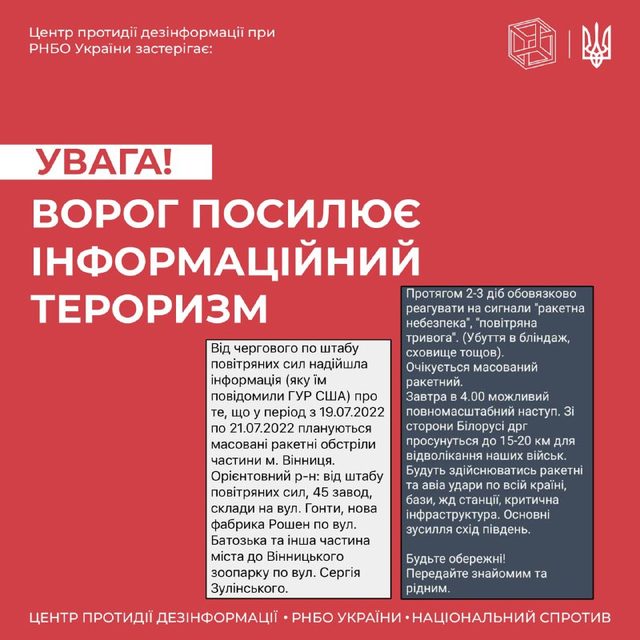
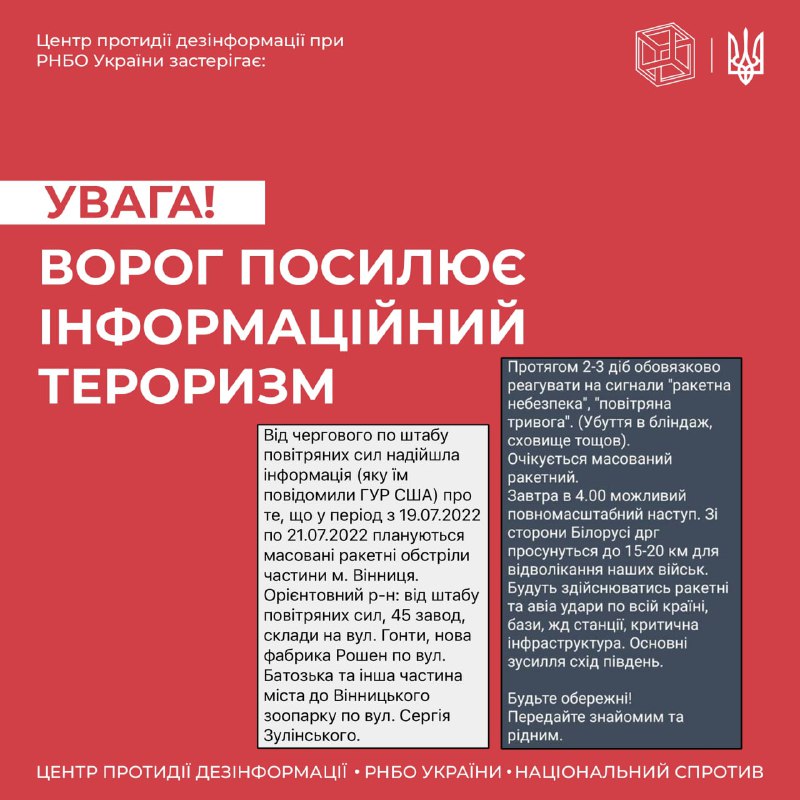
Ukraine's Centre for Countering Disinformation, part of the National Security and Defense Council, published this card on 19 July 2022. It reproduces two anonymous chain messages predicting missile strikes and an offensive from Belarus. The entry tags fear appeal and name-calling: the headline label "information terrorism" is applied to messages whose sender the card does not show, and the attribution to Russia rests on the Centre's assertion. The card is a state counter-disinformation product issued in the sponsor's name. For comparable bodies in other states, see government fact-check units.
What did Ukrainian recruiting and image campaigns look like in 2023?
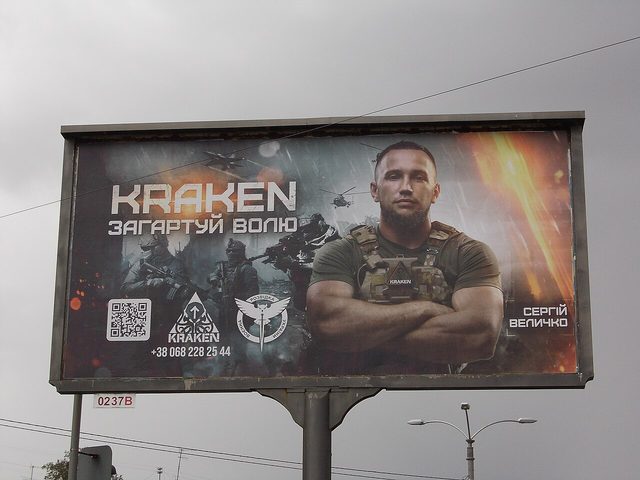
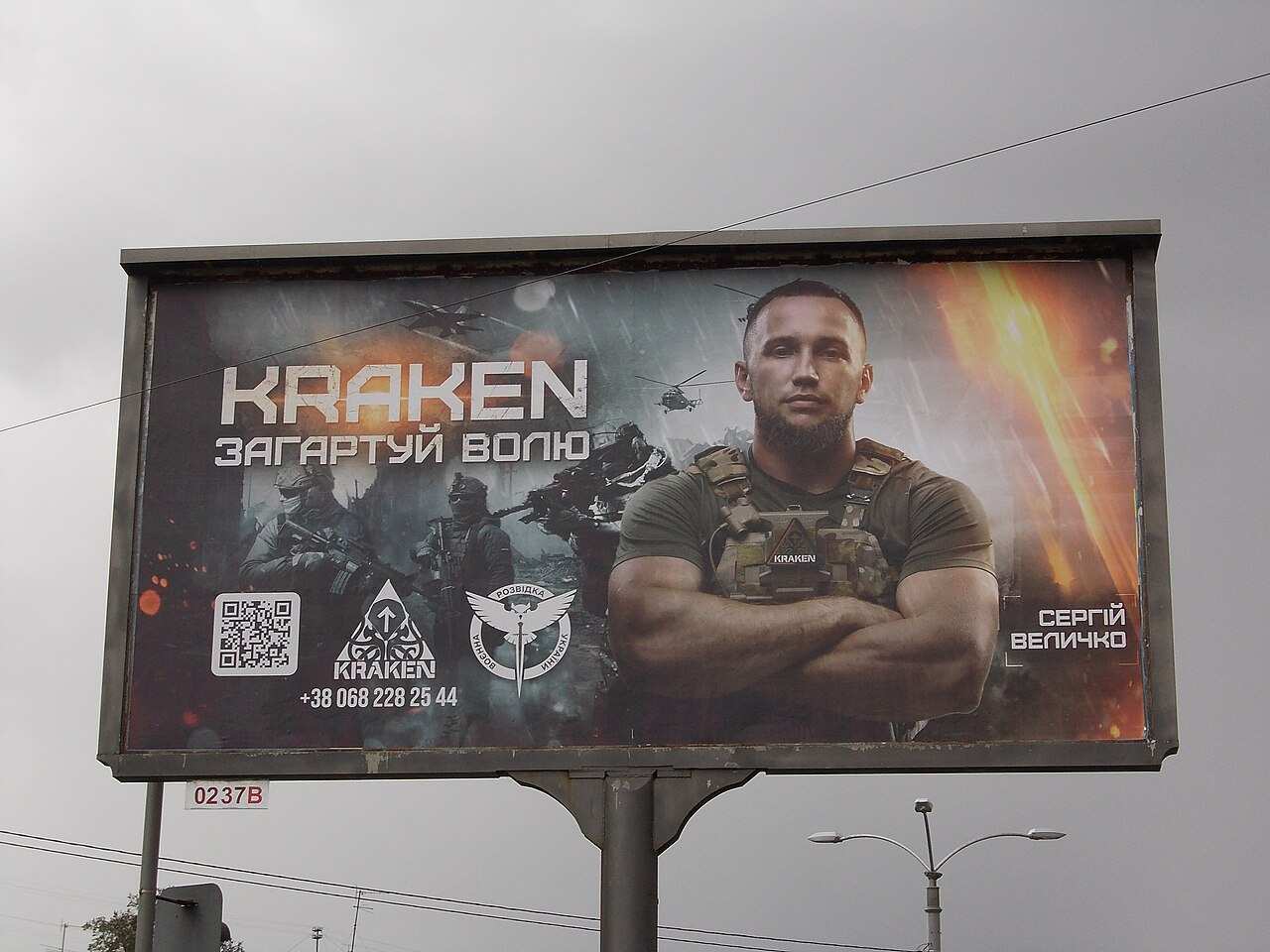
A photograph of 10 October 2023 shows a billboard for the Kraken special-purpose unit, with a named, unit-badged man posed as the proof of what joining makes of a person, a QR code and a phone number. The entry tags testimonial. Read the technique: testimonial.
Explain moreShow less
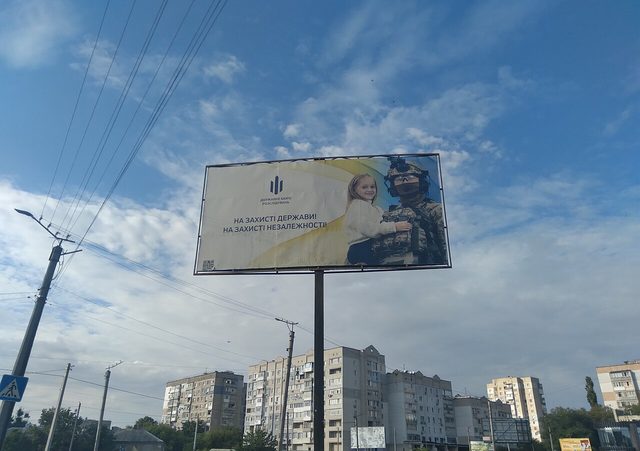
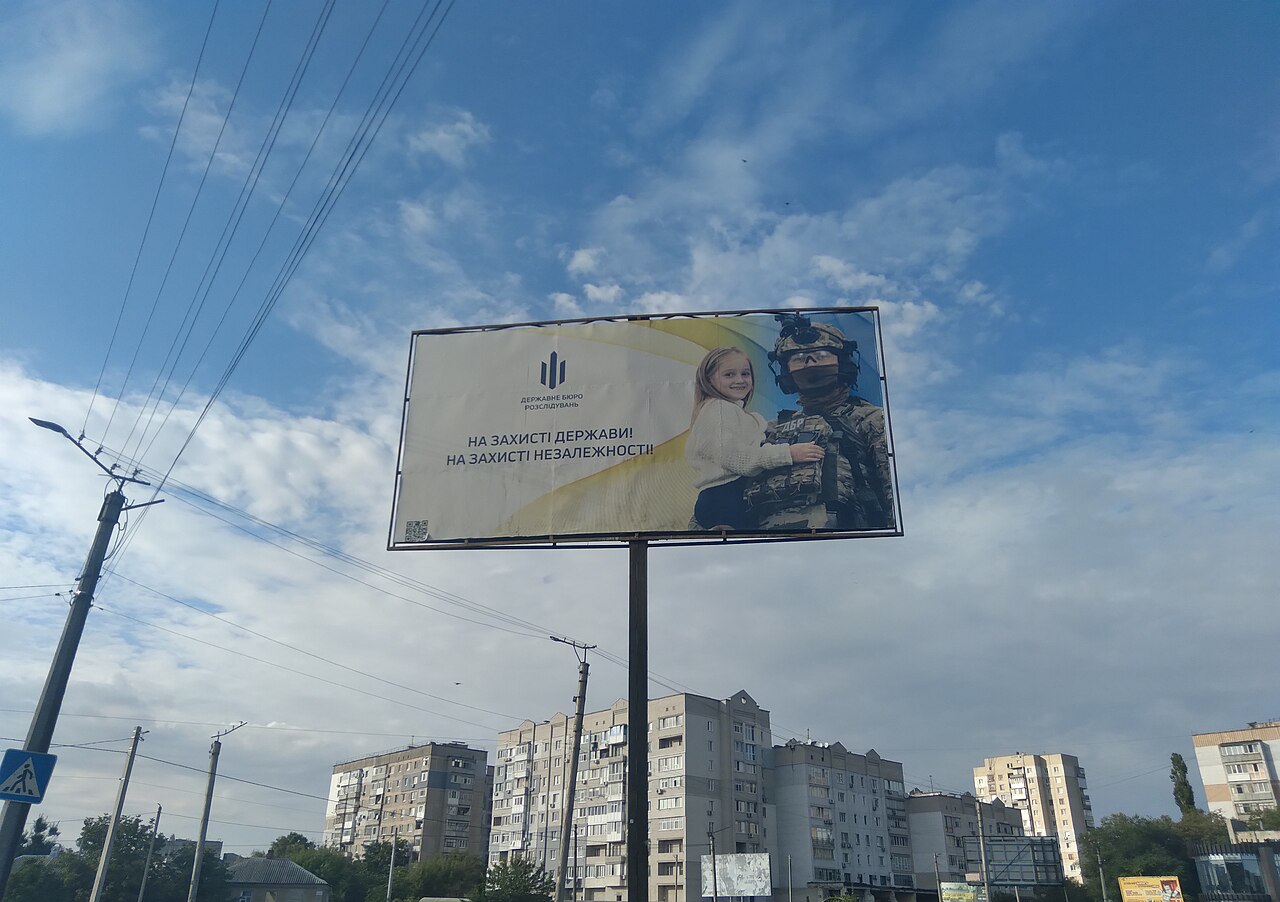
The State Bureau of Investigation, a law-enforcement agency that began operating in 2018, put this billboard up in Kropyvnytskyi, photographed on 20 September 2023. Soldier-protector imagery sits beside the bureau's logo. The entry tags transfer and glittering generalities and does not state a purpose such as recruitment.
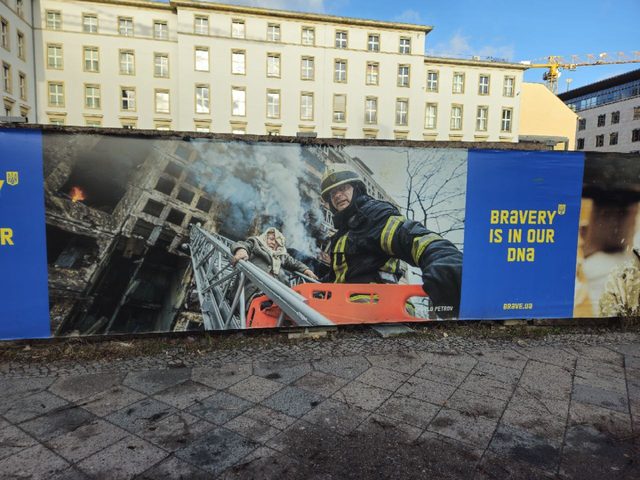
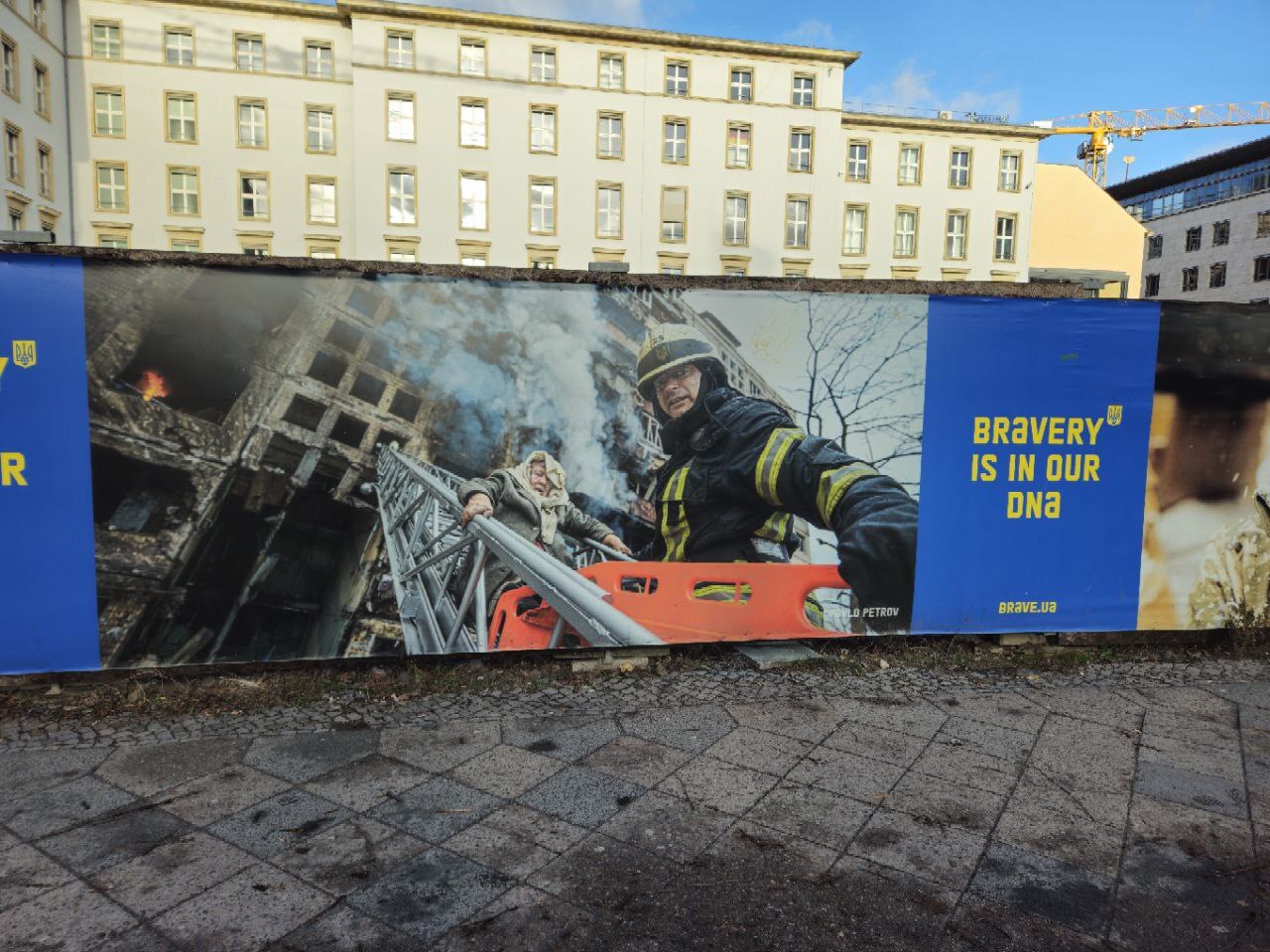
The Brave.ua campaign of the President's Office, the Cabinet of Ministers and the Ministry of Culture and Information Policy appears on a construction fence on Unter den Linden, photographed on 22 December 2023. The panel fixes a virtue, bravery, to a whole nation as an inborn trait. The entry tags glittering generalities. Read the technique: glittering generalities.
Which techniques recur in the Ukraine war record?
The same technique definitions apply to every issuer. These recur:
Explain moreShow less
- Name-calling. "Putler", "Russian kills", "slaves", "Russian ship", "information terrorism". Ukrainian items attach the label to a leader, a film industry, an army or a ship, and the Russian items attach "Nazi" to a state. Name-calling; scapegoating.
- Transfer. Flags, stamps, Molotov's 1941 sentence, a soldier beside a law-enforcement logo. Transfer.
- Euphemism. "Special military operation" and "liquidation of the threat" replace the plain word for an act. Euphemism.
- Card stacking and bandwagon. A tally of states or a two-option ballot selects what a viewer sees. Card stacking.
- Identity fusion. The Z, the colours and a leader's name fused. Identity fusion.
- Firehosing. A stream of inconsistent accounts. Firehosing.
Scale, intent and context differ. The Russian items include state posters, an address by the head of state and a law, signed on 4 March 2022, that made spreading "false information" about the armed forces a criminal offence. The Ukrainian items include state stamps, billboards, a counter-disinformation centre and a campaign by the President's Office, issued by a state under martial law since the invasion, alongside party and civil-society items. The Russian items were issued by the state that began the full-scale invasion, which describes its own aims in the terms quoted above. The collection does not yet hold an object on Ukrainian wartime information controls, such as the joint national news broadcast that replaced separate channel schedules after the invasion, and that is a gap on this page. The page does not treat these as equivalent. It shows what each issuer told its audience.
What to look for in Ukraine war propaganda
- Who is speaking. A ministry, a unit, a party, a civic group or an unnamed display. The entries say when the sponsor is not shown.
- The date against the event. The Snake Island story was told within hours and corrected within weeks.
- What is left out. The 2014 ballot omitted the arrangement then in force, and the 2014 infographic did not tally abstentions.
Show all 5Show fewer
- Borrowed words and symbols. Molotov's 1941 sentence, a tricolour on a ballot box, a national trident on a stamp.
- Where the claim can be checked. Court orders, investigators' findings and later reports are cited in the entries.
Explain moreShow less
See also types of propaganda, propaganda examples and the quotes index.
Browse Ukraine war propaganda
The grid below shows objects from the collection tagged to Ukraine and to the war that began in 2014. Each opens an object page with the holding institution, a link to the original record, a transcription of any text and the rights basis for hosting.
Sources and further reading
Sources and rights
Objects on this page come from the Presidential Executive Office of Russia, the Russian Ministry of Defence, the Office of the…
Objects on this page come from the Presidential Executive Office of Russia, the Russian Ministry of Defence, the Office of the President of Ukraine, Ukraine's Centre for Countering Disinformation, the UK Foreign and Commonwealth Office, Ukrposhta, the Supreme Council of Crimea and Wikimedia Commons. Each object page gives its own rights basis. Transcriptions are verbatim. Counts were made from the entry files in examples/entries/.