Content note. Some material on this page shows enemies as demons or caricatures, including a 1919 White Army cartoon with an antisemitic caricature of Leon Trotsky and a 1942 Soviet poster with a dead woman and a noose. Pro-war material from 2022 is also shown. All of it appears as issued, as evidence of what each side told its public. Showing a poster is not endorsing it.
What is Russian propaganda?
Russian propaganda is organised persuasion issued by the state and political movements of Russia in three eras: the Empire to 1917, the Soviet Union from 1917 to 1991, and the Russian Federation since. The collection holds 108 objects from them, from a 1914 satirical print to a 2023 fake poet profile, each tagged by issuer, audience and technique.
Explain moreShow less
The count covers entries tagged Russian Empire (11), Russia (19), Soviet Russia (8), Soviet Union (66) and the White movement (4). The page uses the working definition applied to every country (how FRAME defines propaganda) and the same technique definitions used for American, British, German or Chinese material. Poster-only views are on Soviet and Russian propaganda posters; the party system is on communist propaganda and agitprop. Wider topics: disinformation and psychological operations.
The sections run in date order. Each object is described from its catalogue entry: issuer, audience, the ask and the technique.
What did Russian war propaganda look like before 1917?
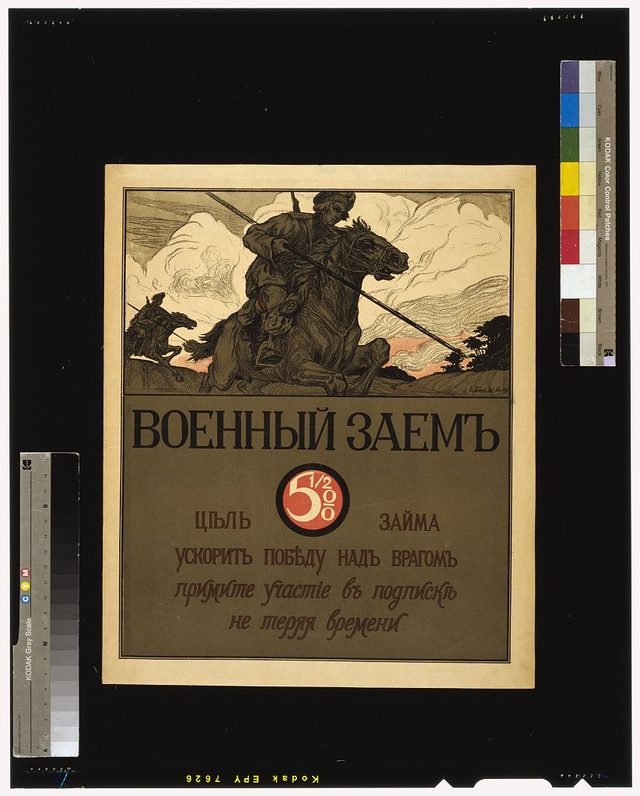
The collection holds 11 objects tagged Russian Empire, mostly war loans and satirical prints of 1914 to 1916; one is shown here. For the wider period, see the case study Russia's war of words.
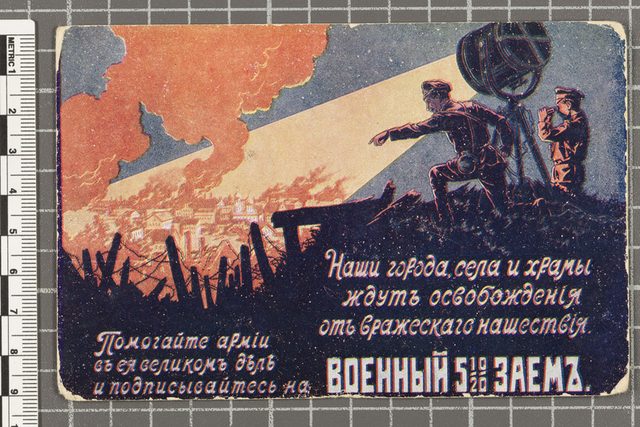
Content note: Russian war-loan postcard of 1916 showing a burning town and an invasion threat; no offensive imagery beyond the war theme. This object is shown as it was published. Why 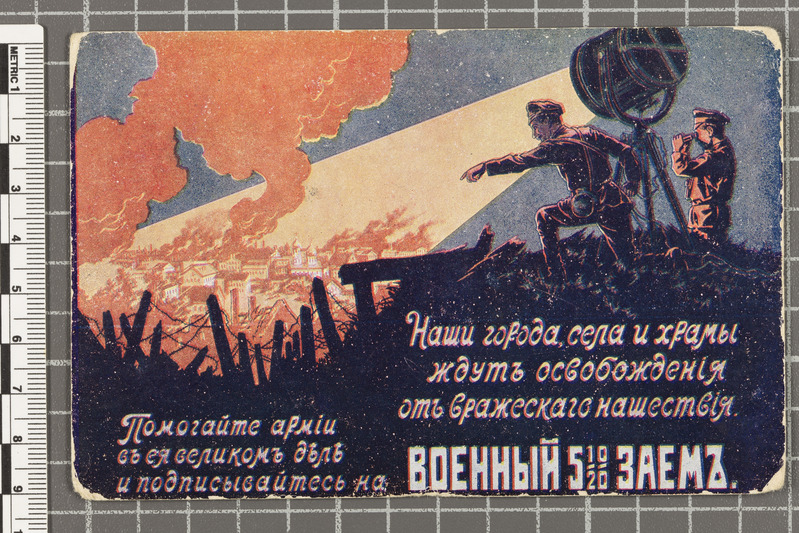
Explain moreShow less
The Estonian War Museum holds this 1916 card for the 5.5 per cent war loan: "Our cities, villages and churches await liberation from the enemy's invasion". The card names no publisher or artist. The entry tags it fear appeal and notes that war-loan appeals of this kind came from every major combatant. Read the technique: fear appeal.
How did the Provisional Government and the Russian Civil War sides appeal to the public?
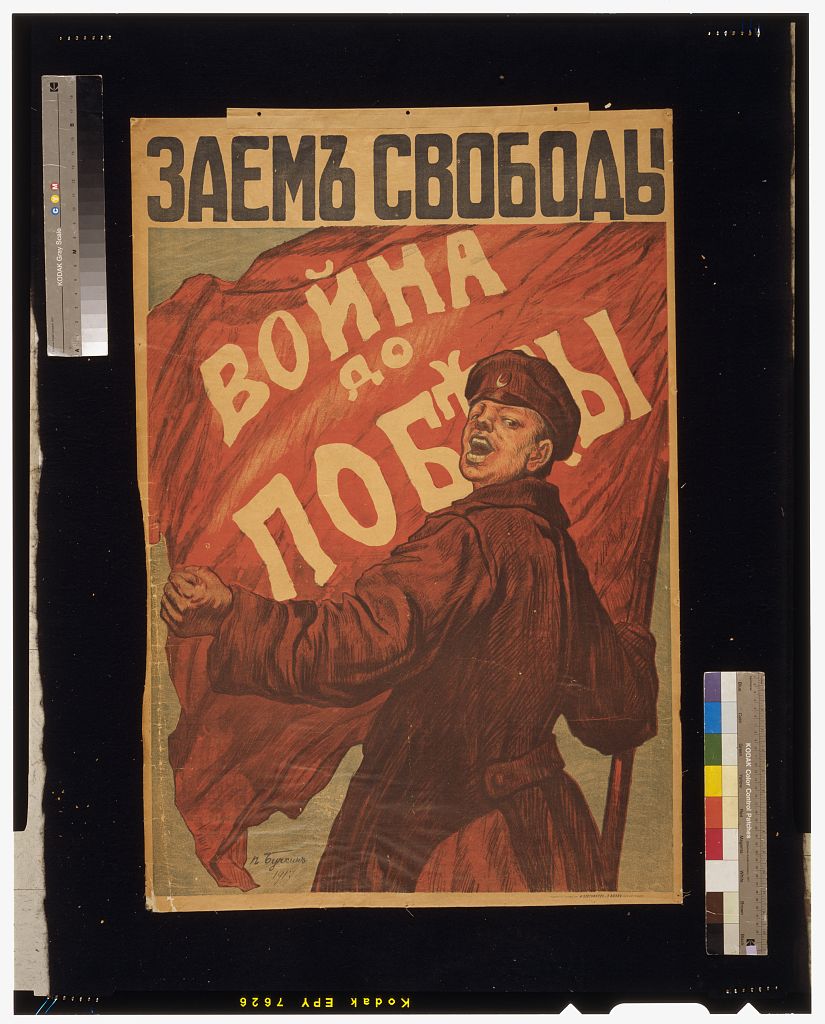
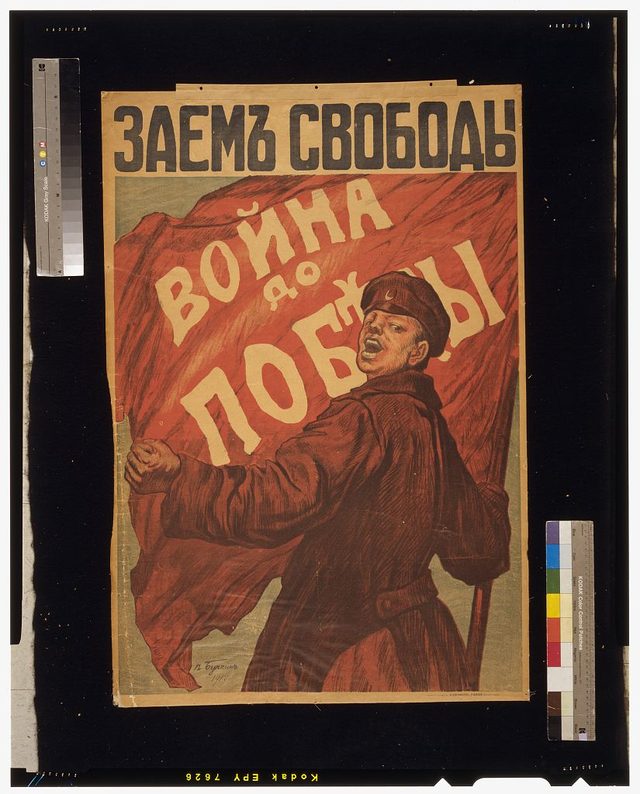
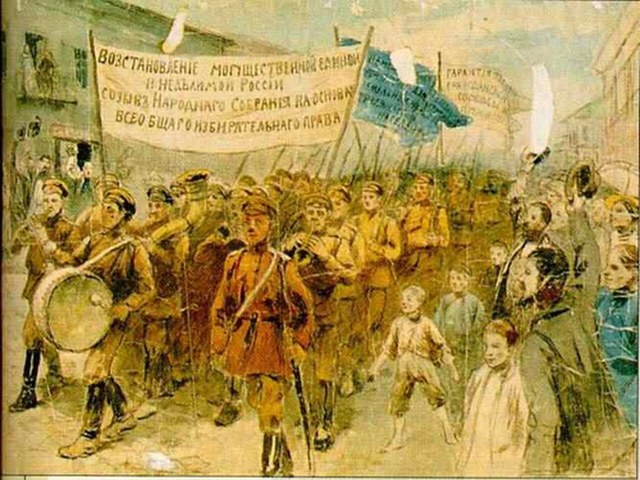
The Provisional Government launched the Liberty Loan after the February Revolution of 1917, printed this sheet in Petrograd (signed P. Buchkin) and recast war finance in the language of the revolution. The entry notes that "War until victory" was the government's position, which the Bolsheviks opposed. It is tagged glittering generalities and transfer. Read the technique: glittering generalities.
Explain moreShow less
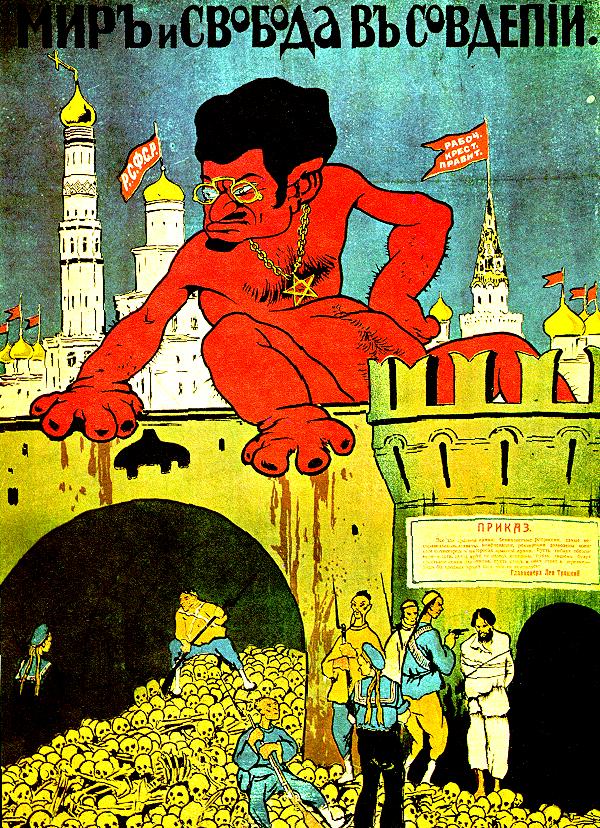
The White movement issued this 1919 cartoon against Soviet rule; the artist is unidentified. The entry calls the Trotsky figure a demonic caricature marked as Jewish, drawing on the antisemitic "Jewish Bolshevism" trope. It is tagged name-calling, scapegoating and fear appeal. Read the technique: scapegoating.
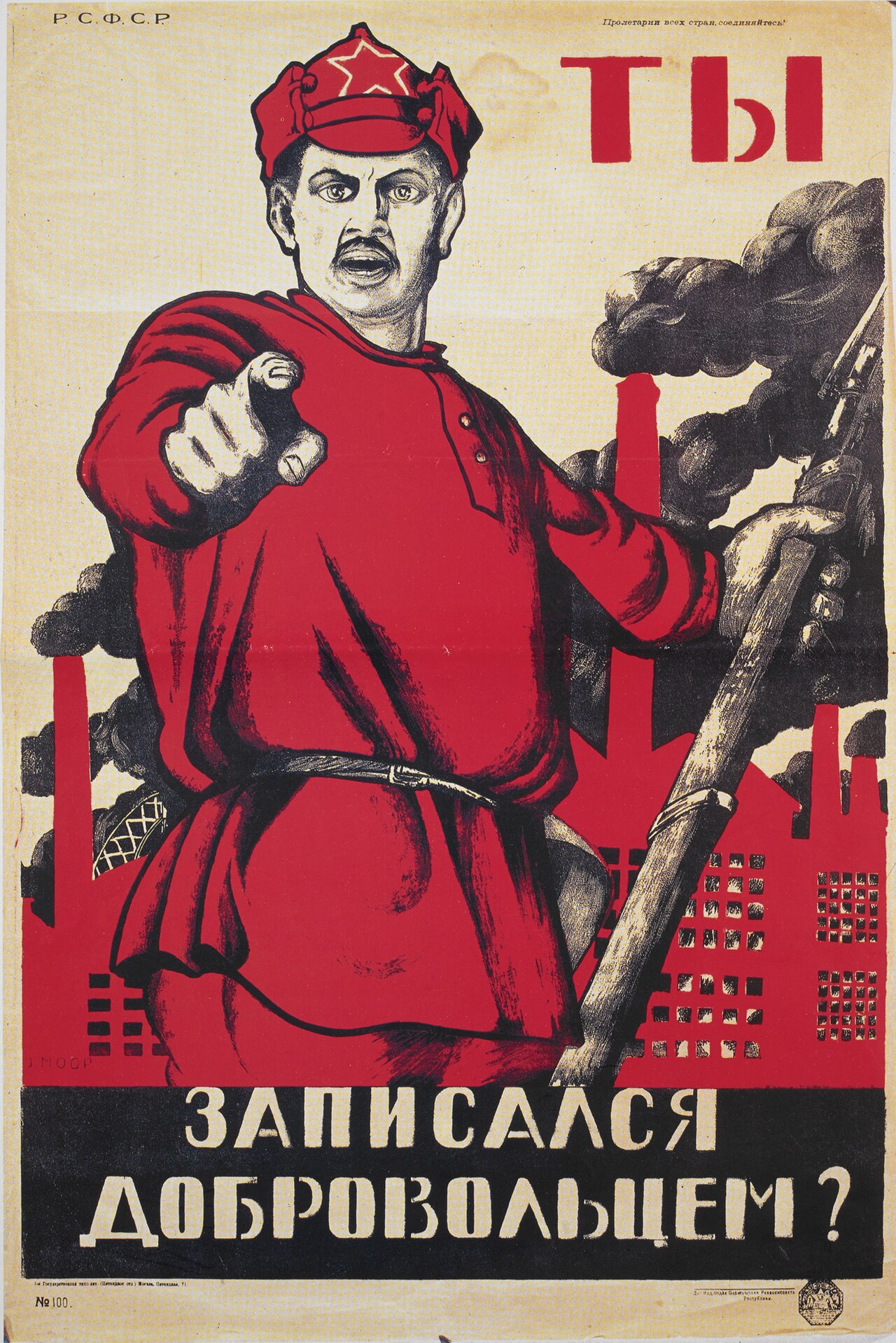
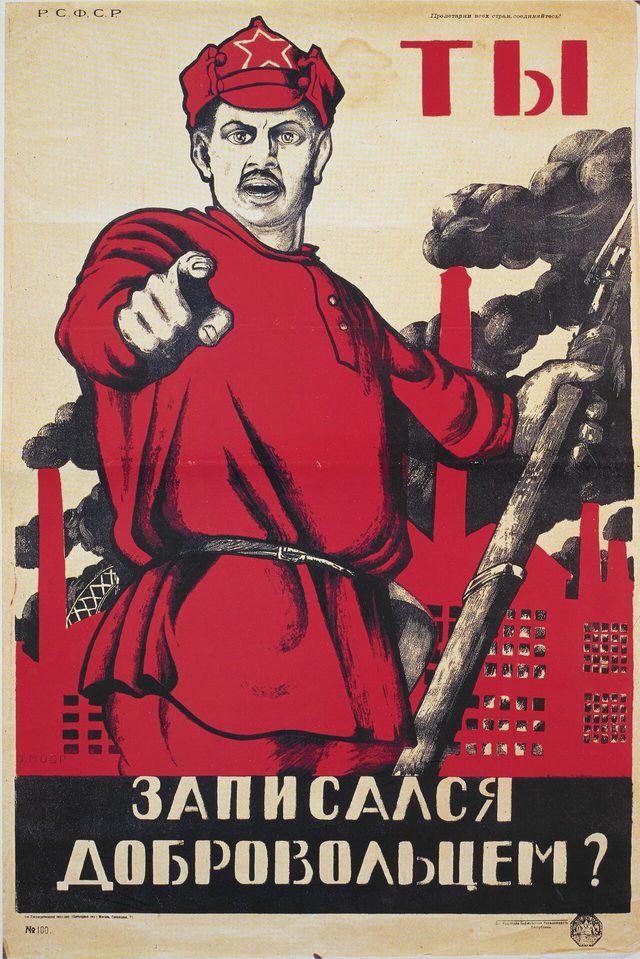
Dmitry Moor's June 1920 poster was issued by the Russian Soviet Federative Socialist Republic for Red Army recruitment. The soldier's accusing gaze puts the burden of proof on the viewer, a device the entry compares to direct-address recruiting posters of other combatants. See recruiting posters. Read the technique: transfer.
How did Soviet propaganda treat internal enemies and leaders?
The collection holds 66 objects tagged Soviet Union. The Soviet Union regime page lists its offices, press institutions and the techniques that the archive's definitions fit.
Explain moreShow less
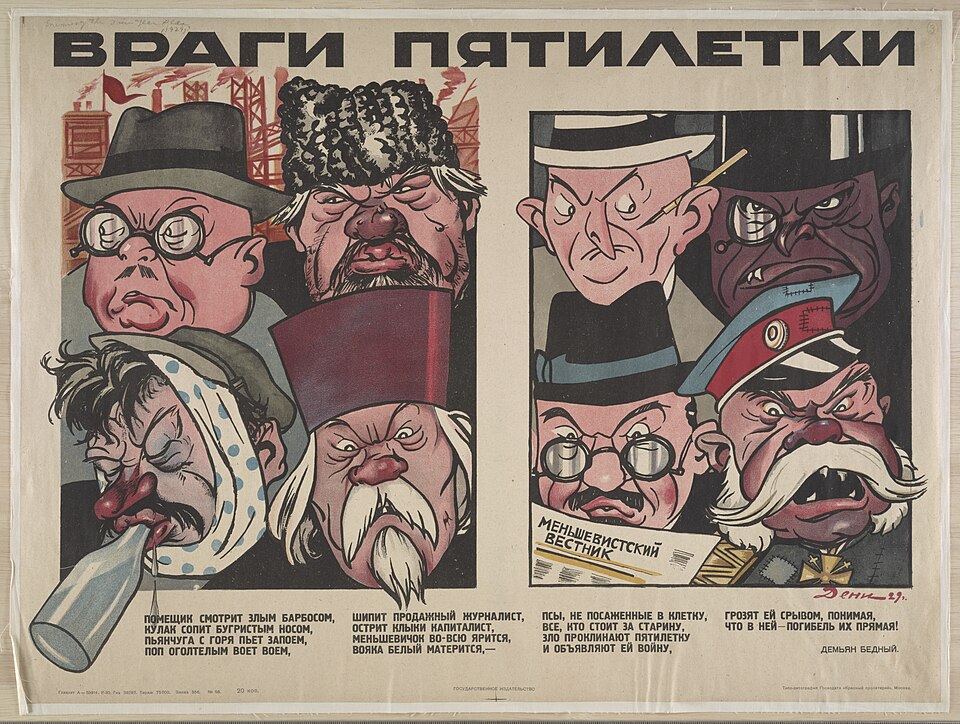
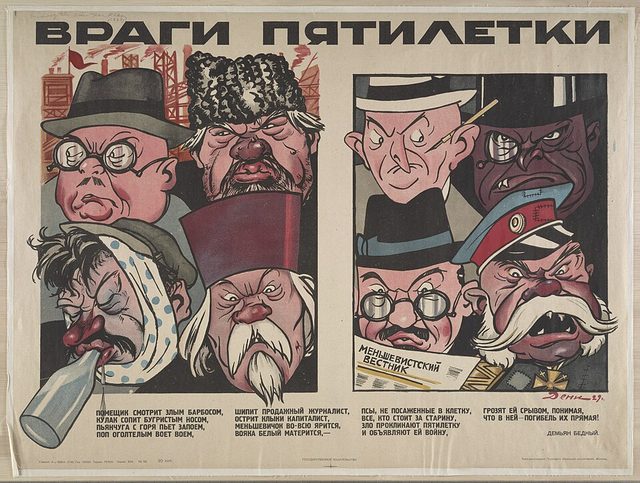
Viktor Deni drew and Demyan Bedny wrote the verse for this 1929 State Publishing House poster. Eight heads are named as one pack, and the rhymed caption calls them "dogs not yet put in a cage". The entry tags name-calling and scapegoating. Read the technique: name-calling.
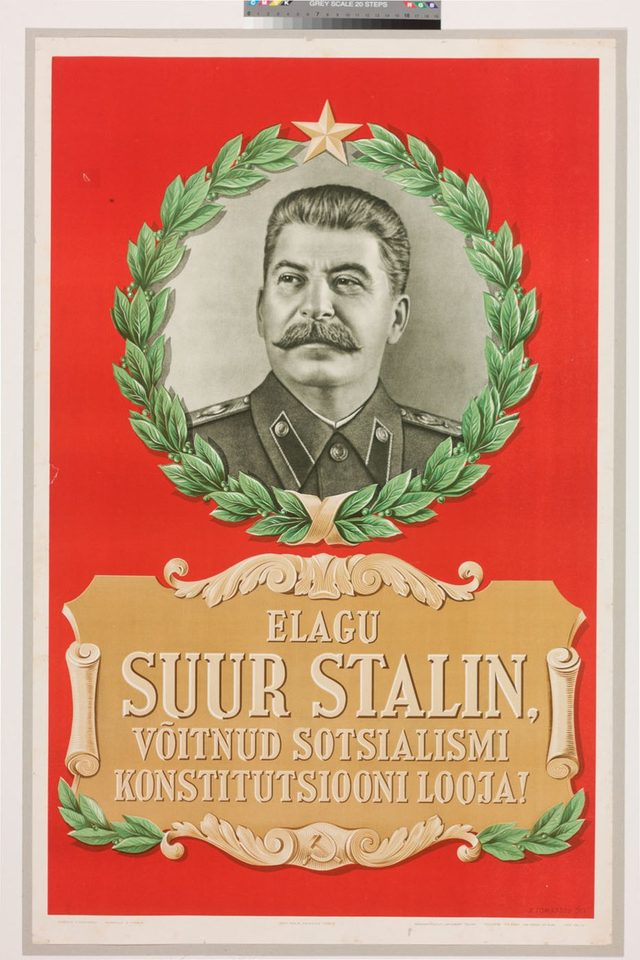
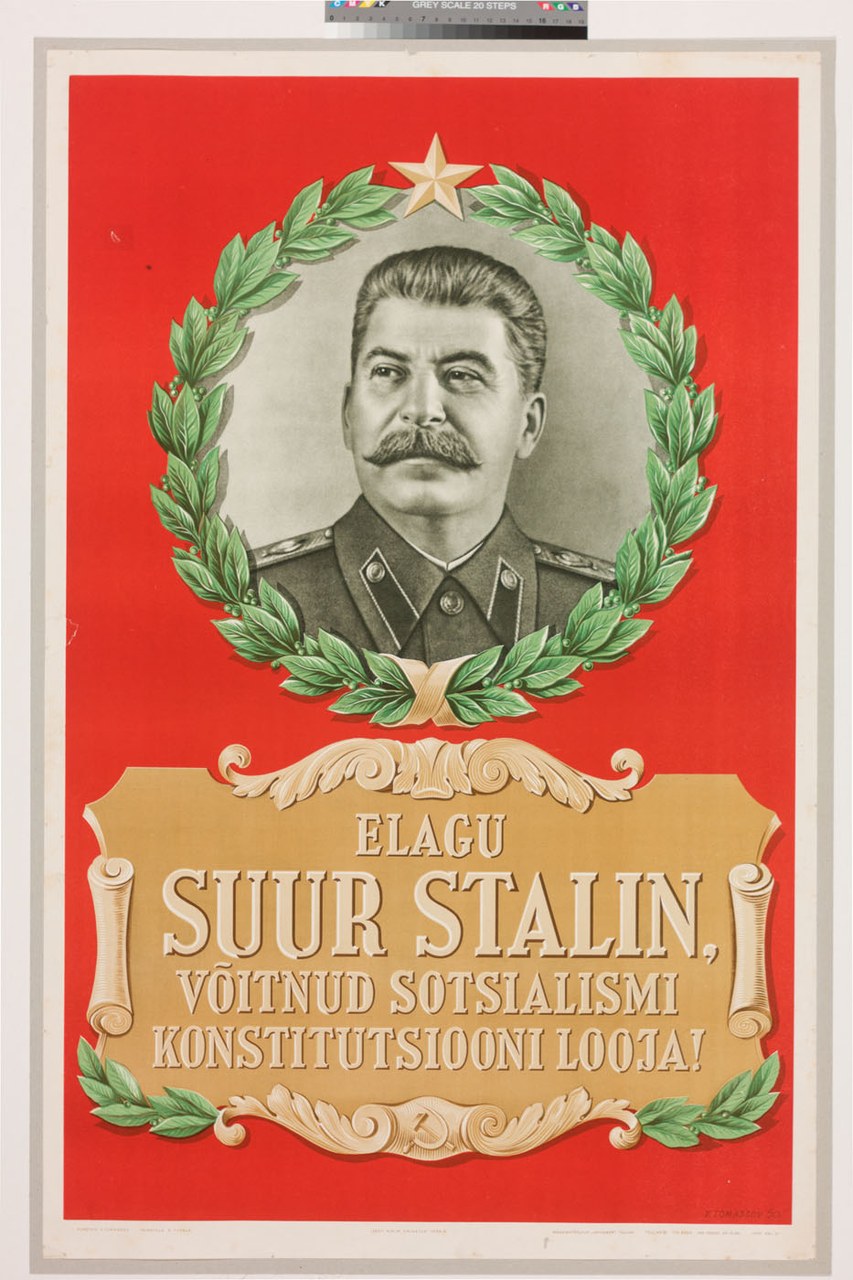
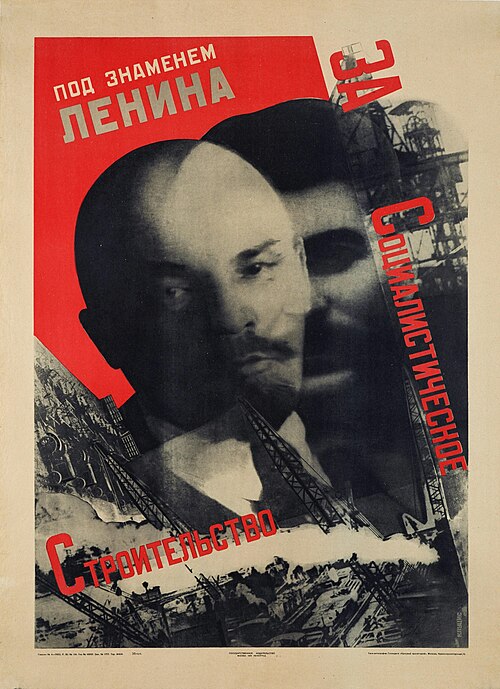
The Tartu Art Museum credits this Estonian-language poster of 1950 to Voldemar Tomassov. The entry points to the virtue words "great" and "victorious" standing in for any testable claim. It is tagged glittering generalities, transfer and cult of personality. Read the technique: cult of personality.
How did the Soviet Union address the Second World War?
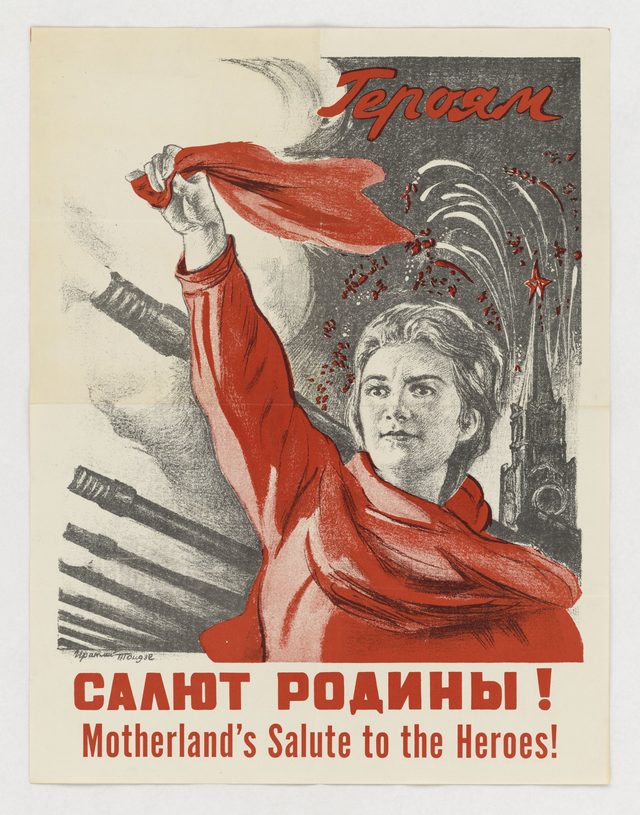
For the institutions and output of the war years, see Soviet wartime propaganda.
Content note: Caricature of Hitler with a swastika. This object is shown as it was published. Why 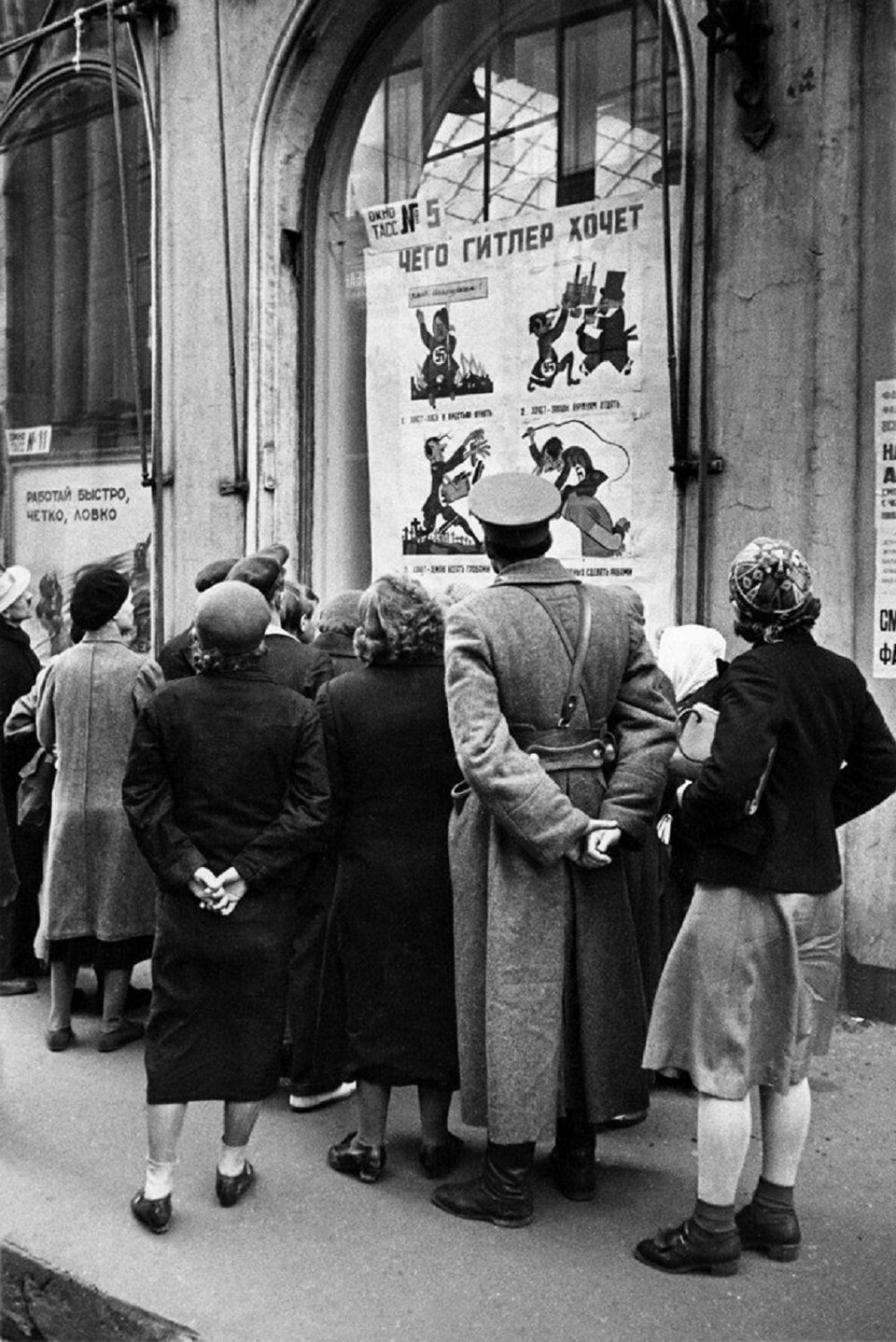
Explain moreShow less
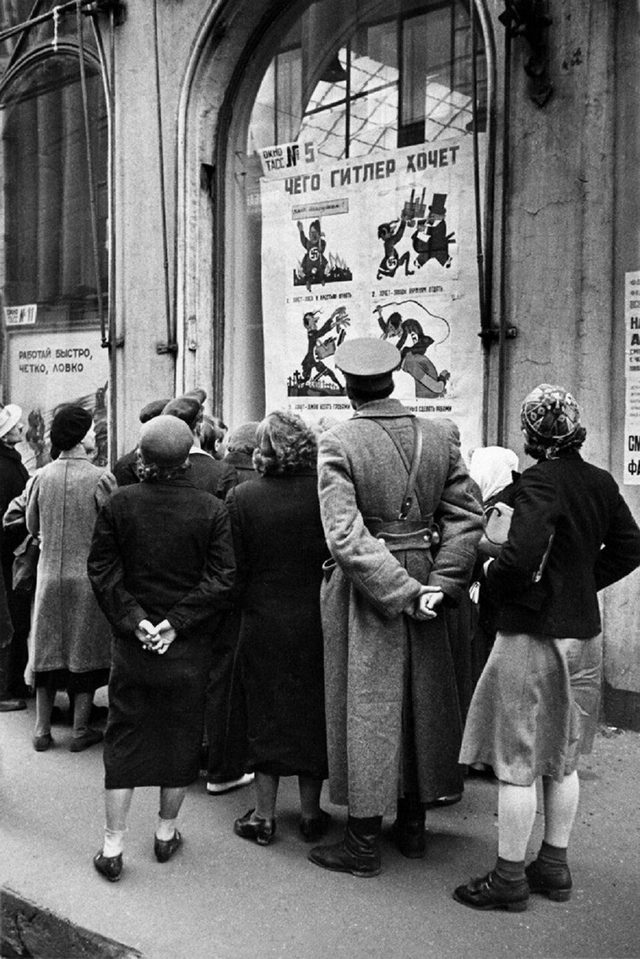
A. V. Ustinov photographed this window in July 1941, weeks after the German invasion. The poster, by Mikhail Cheremnykh for the TASS Window studio, sets out in four cartoon panels what a German victory would bring. The entry tags it fear appeal.
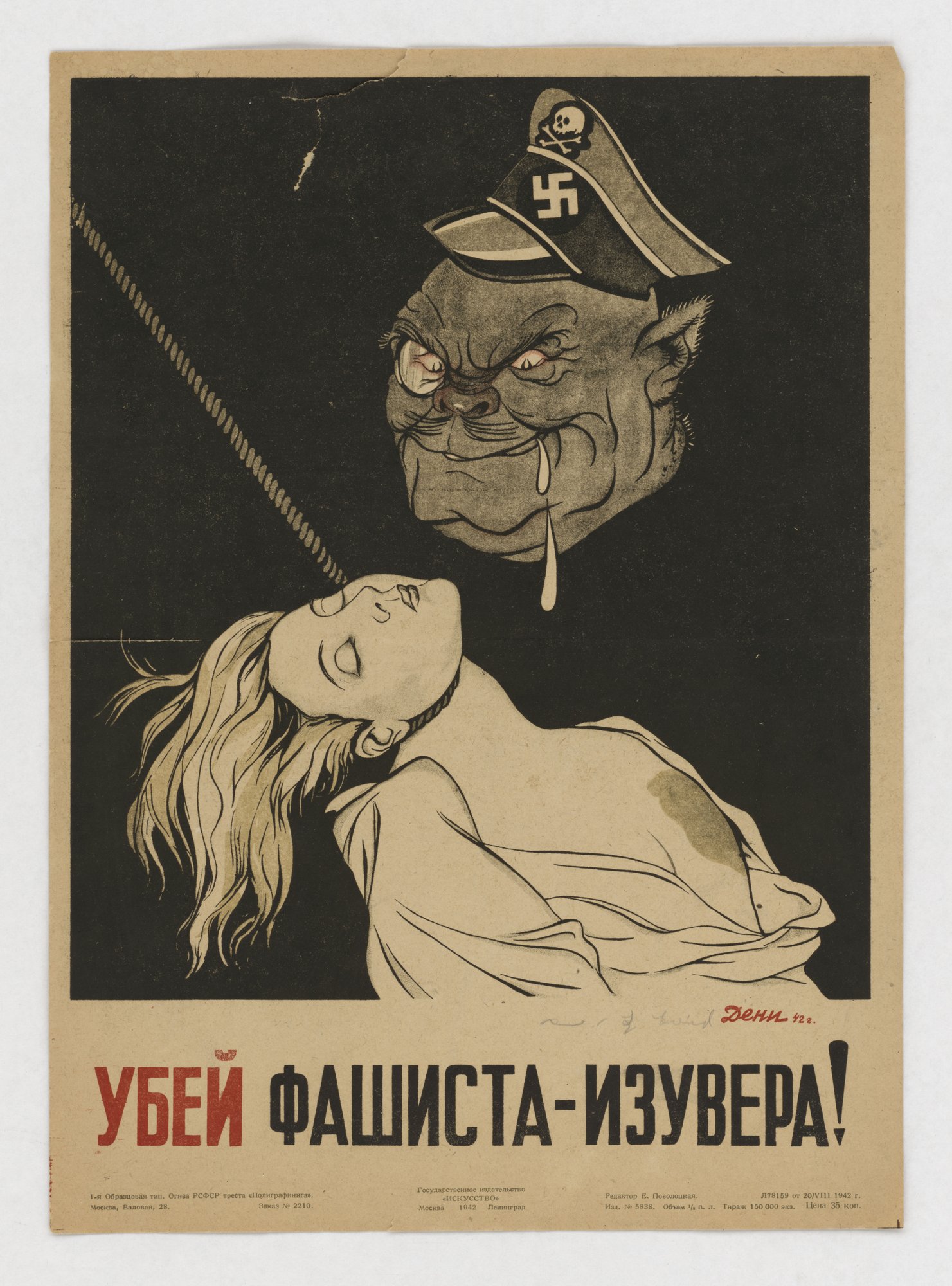
Deni's 1942 poster, with a print run of 150,000, orders the viewer to kill the "fascist brute". The entry tags name-calling and fear appeal, and notes that the label and staged atrocity stand in for evidence about any particular event. The U.S. National Archives holds it. Read the technique: fear appeal.
How did the Soviet state respond to events during the Cold War?
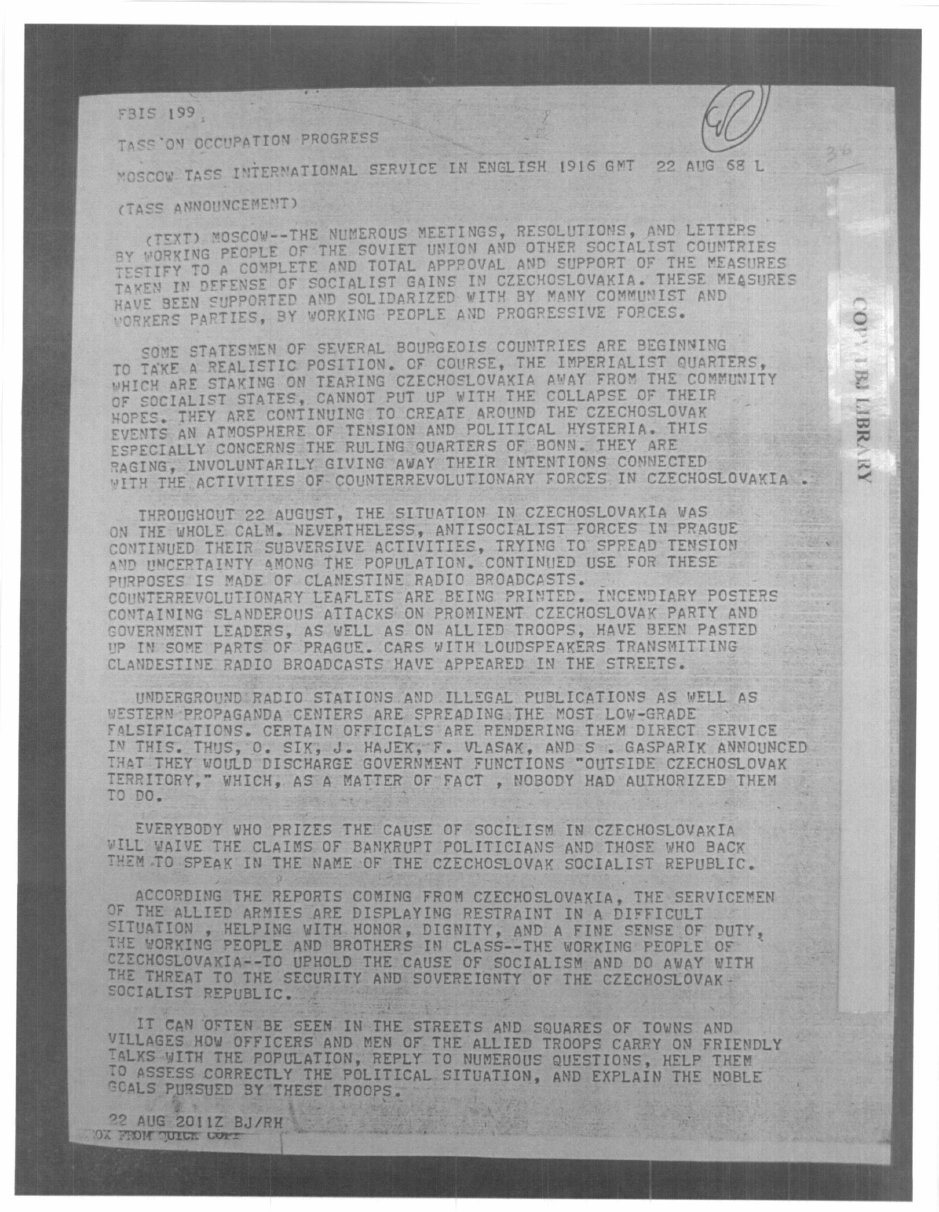
Three texts below were monitored and translated by the U.S. Foreign Broadcast Information Service (FBIS), which recorded foreign radio.
Explain moreShow less
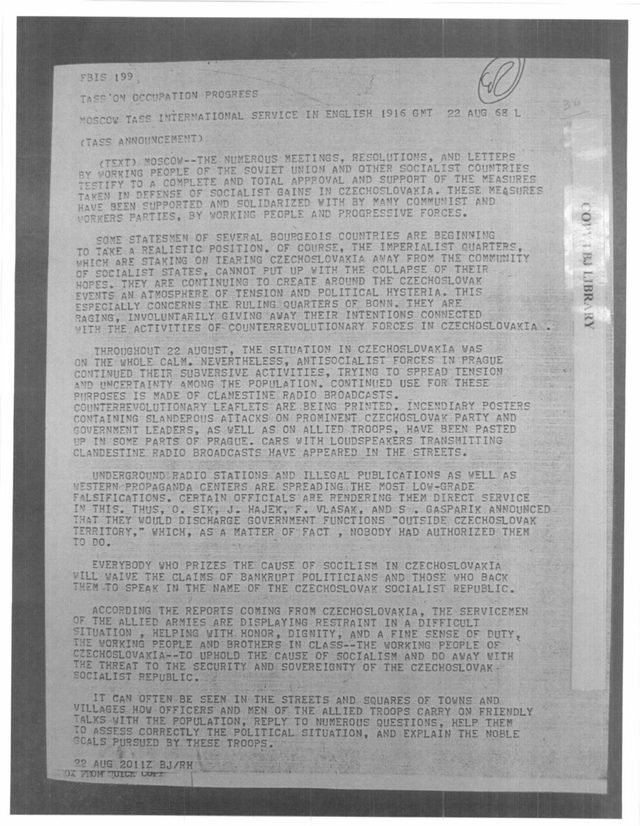
On the second day of the Warsaw Pact invasion of Czechoslovakia, TASS called the troops "allied" and their entry "measures taken in defense of socialist gains", and labelled opponents "counterrevolutionary". The entry tags it name-calling, bandwagon and euphemism, and records that Czechoslovak broadcasts of the same days called the occupation a violation of international law. Read the technique: euphemism.
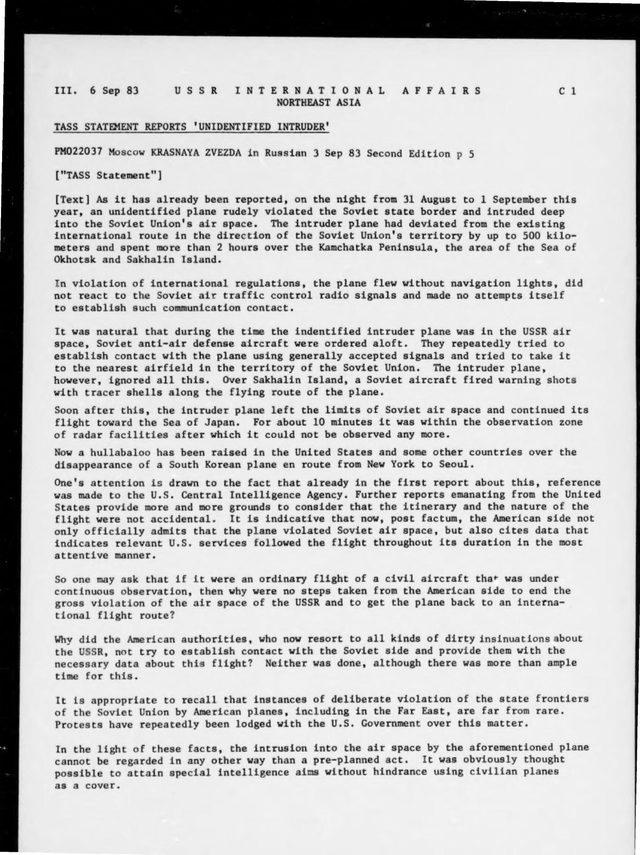
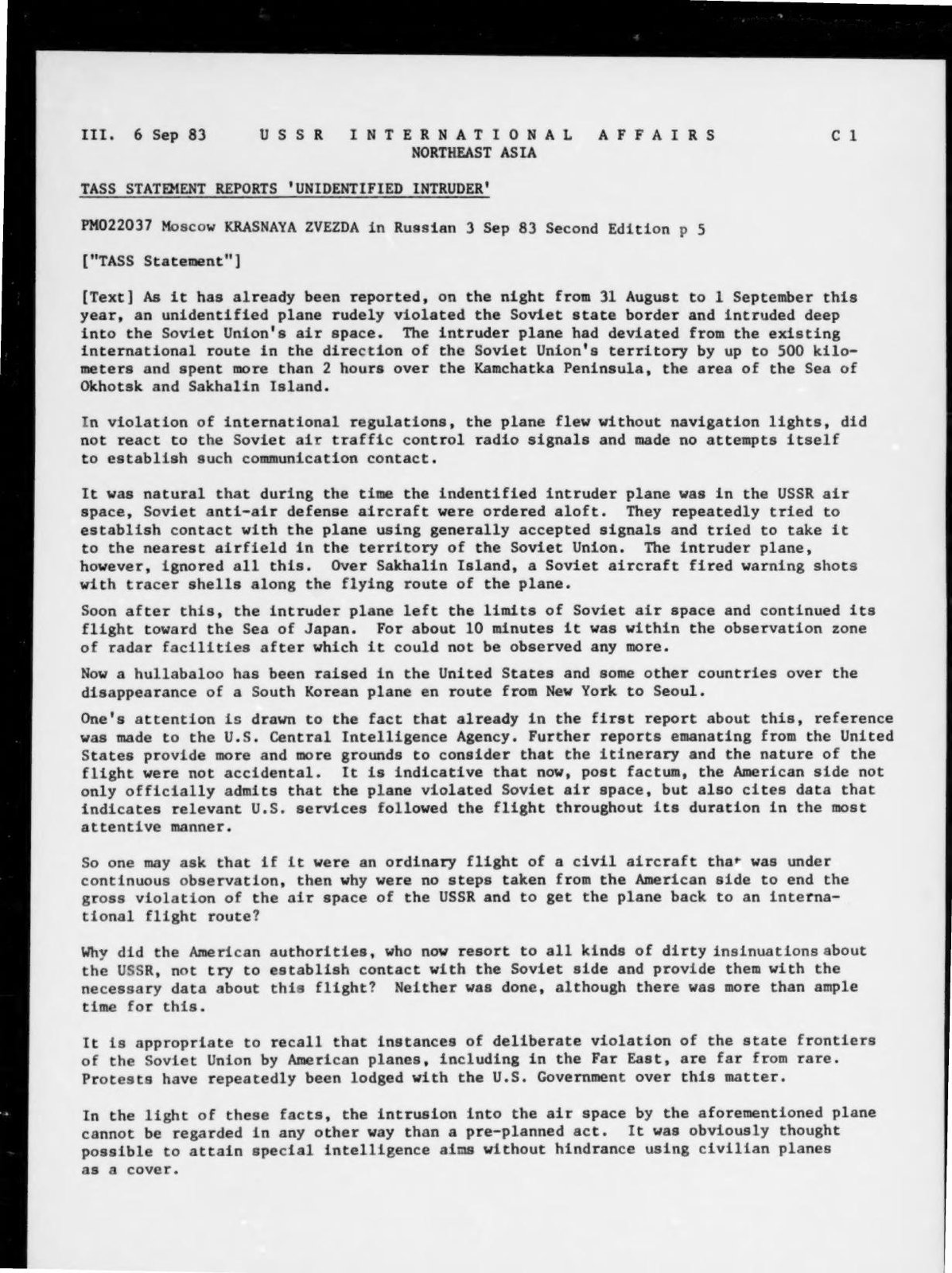
This statement, printed in Krasnaya Zvezda on 3 September 1983, came two days after Soviet interceptors shot down Korean Air Lines Flight 007, killing 269 people. It speaks of an "unidentified plane", omits the destruction, then cites past U.S. overflights. The entry records that Soviet officials acknowledged the attack in the following days. It is tagged card stacking, whataboutism, red herring and gaslighting. Read the technique: whataboutism.
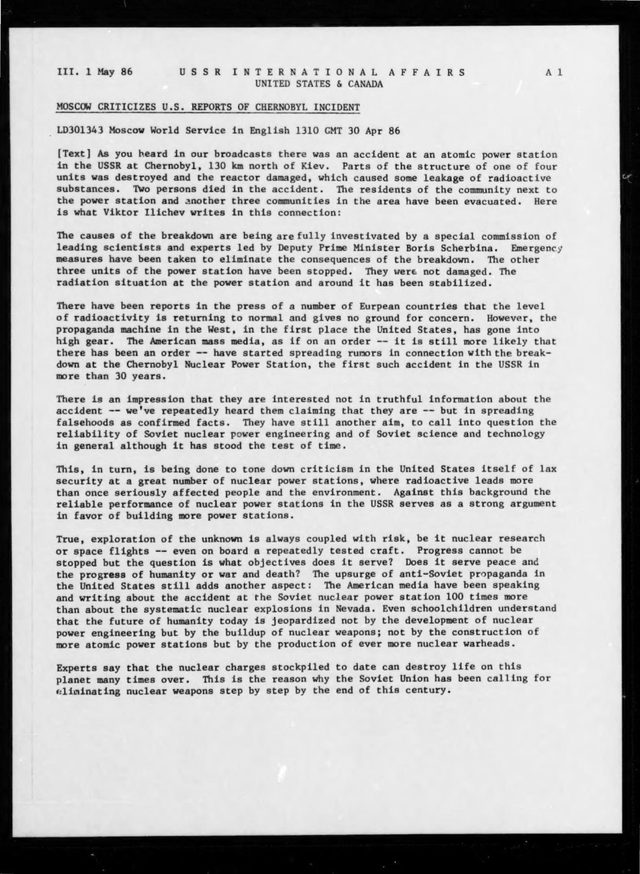
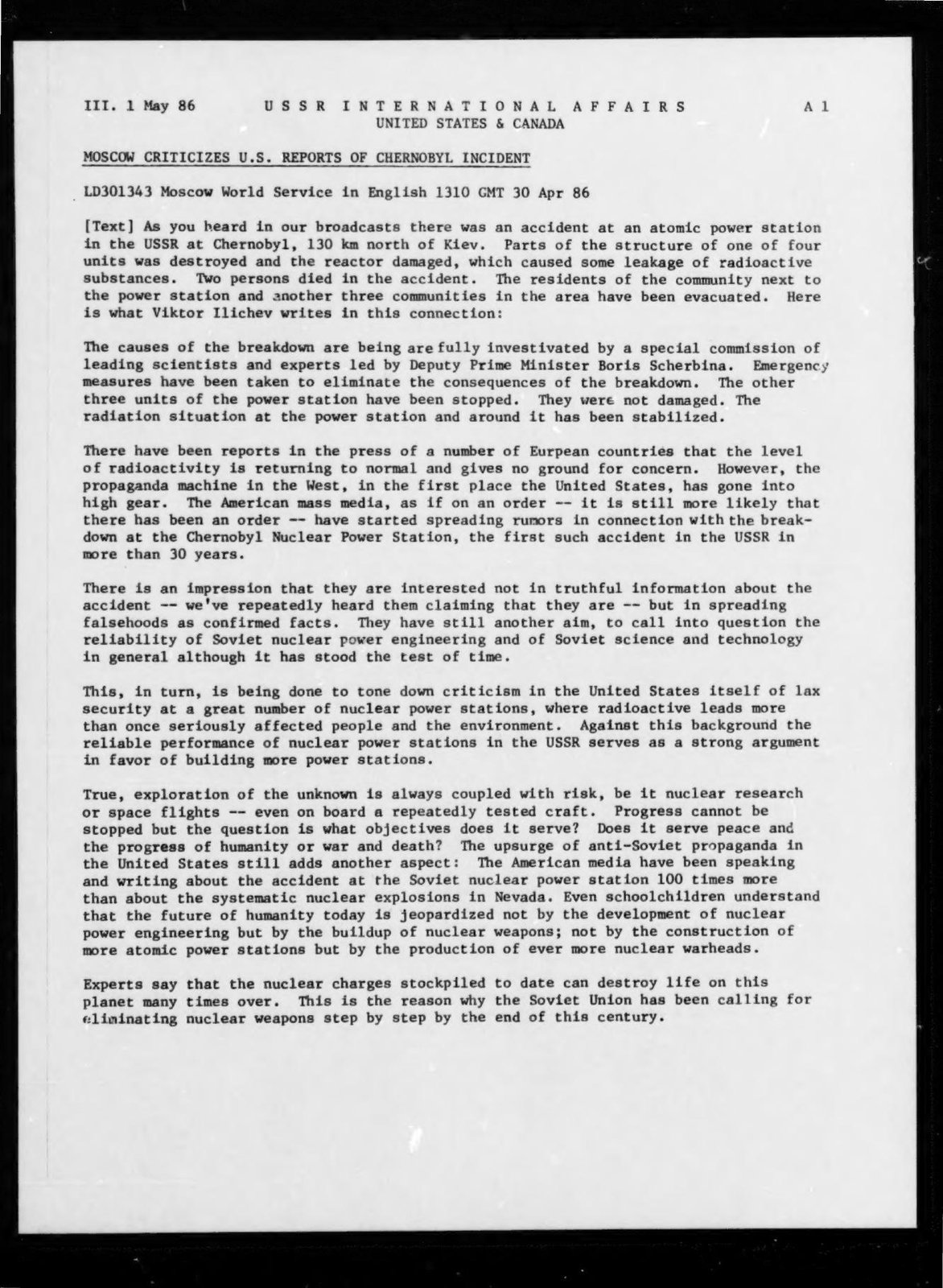
This 30 April 1986 commentary came four days after the reactor explosion. It reported "two persons died", then accused the U.S. press of spreading rumours. The entry says later assessments recorded 28 deaths from acute radiation syndrome within months, and that unconfirmed claims of thousands of deaths in some Western media were not borne out. It is tagged limited hangout, whataboutism, red herring and gaslighting. Read the technique: limited hangout.
The end of this system is covered in Glasnost and the end of Soviet information control.
What did Russian propaganda look like after 1991?
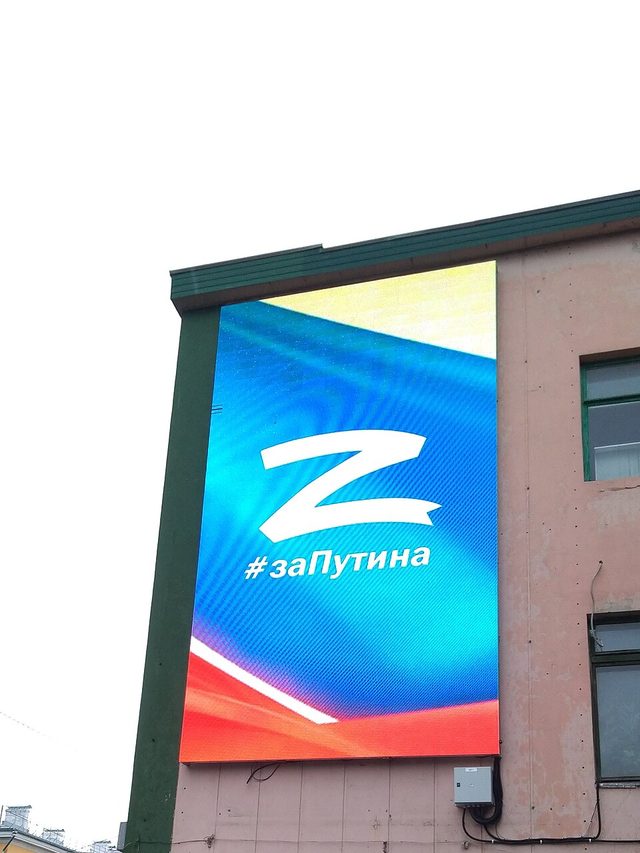
The collection holds 19 objects tagged Russia. The regime page Russian Federation under Vladimir Putin lists its offices, state media, laws and operations abroad, and the techniques the archive's definitions fit: euphemism, semantic hijack, astroturf, identity fusion, whataboutism and firehosing.
Explain moreShow less
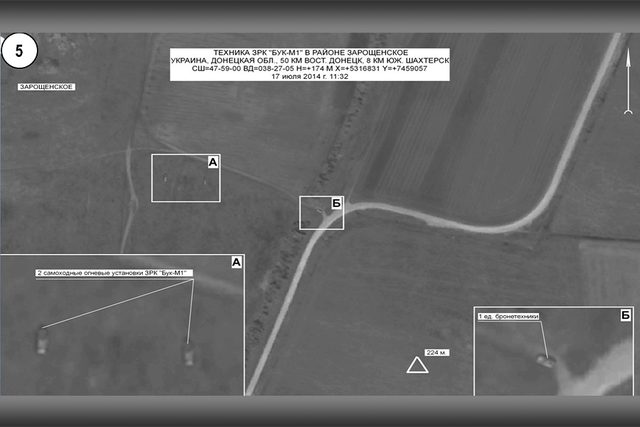
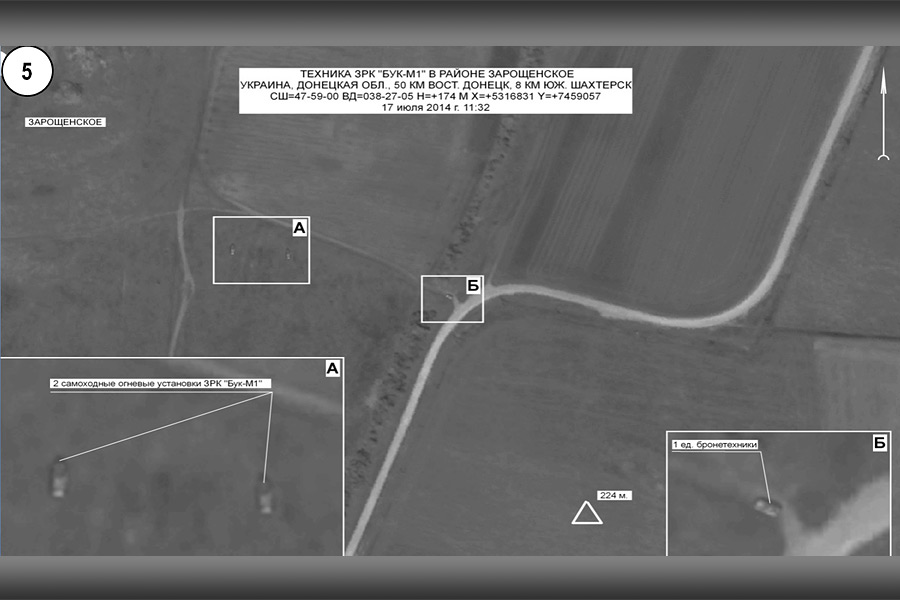
The Defence Ministry showed this image on 21 July 2014, four days after Malaysia Airlines Flight 17 was shot down over eastern Ukraine, killing 298 people. It marked two Buk launchers as Ukrainian. The Dutch-led Joint Investigation Team concluded in 2016 and 2018 that the missile came from a launcher of the Russian army's 53rd Anti-Aircraft Missile Brigade, and a Dutch court convicted three men in absentia in 2022. Russia rejects these findings. The entry tags firehosing for the inconsistency of official accounts taken together, not for this image alone. Read the technique: firehosing.
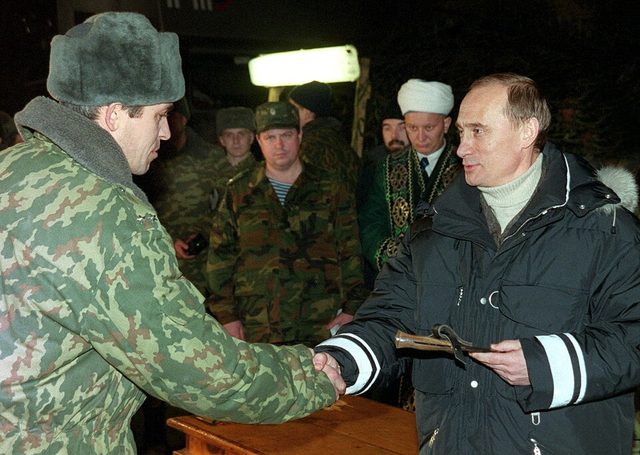
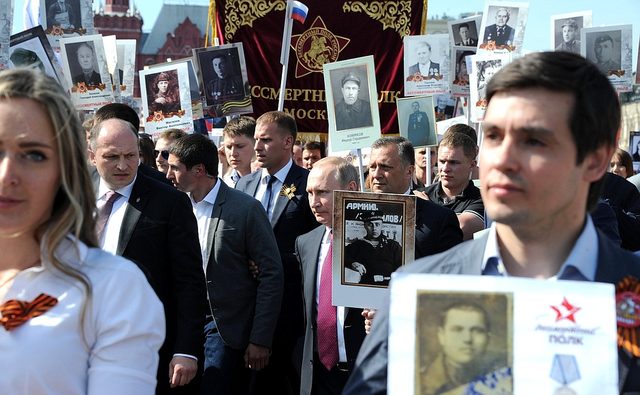
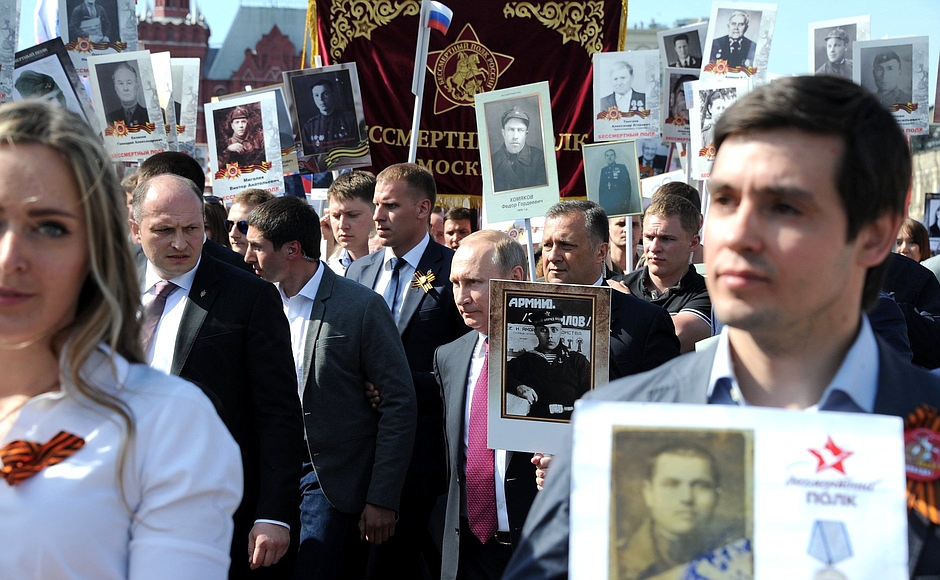
The Kremlin's caption for 9 May 2016 says Putin joined the column with a portrait of his frontline-veteran father. The entry says the Immortal Regiment began in Tomsk in 2012 as a local initiative and was a national Victory Day event by 2016; both the family-memory and the state-endorsed element are visible in the frame. It is tagged plain folks and transfer. Read the technique: plain folks.
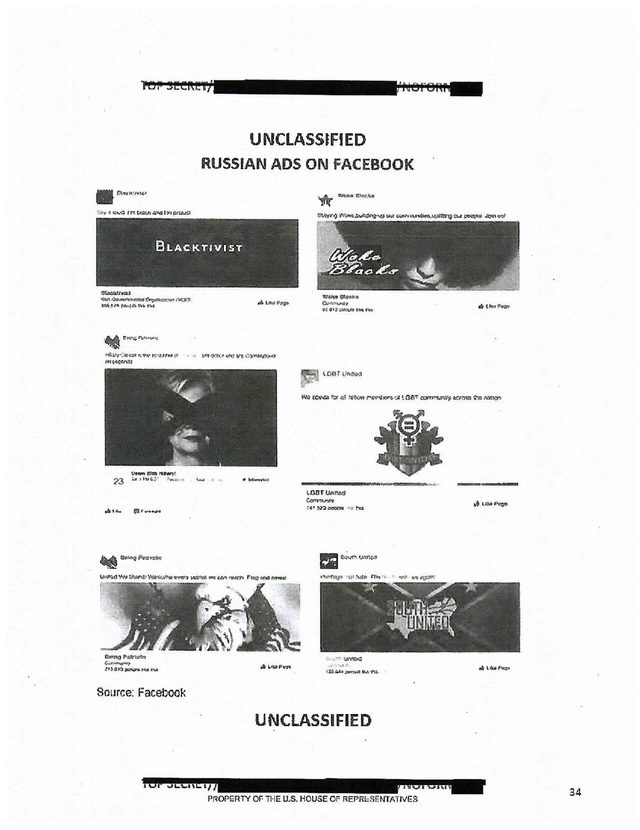
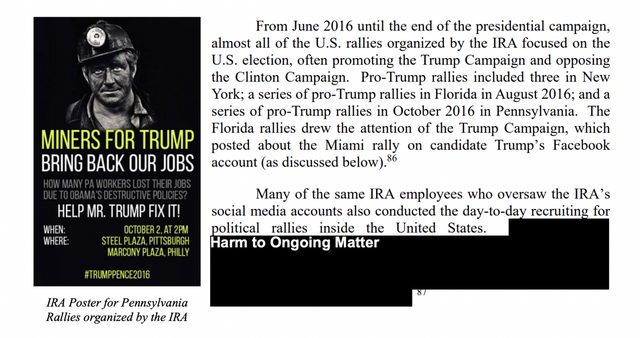
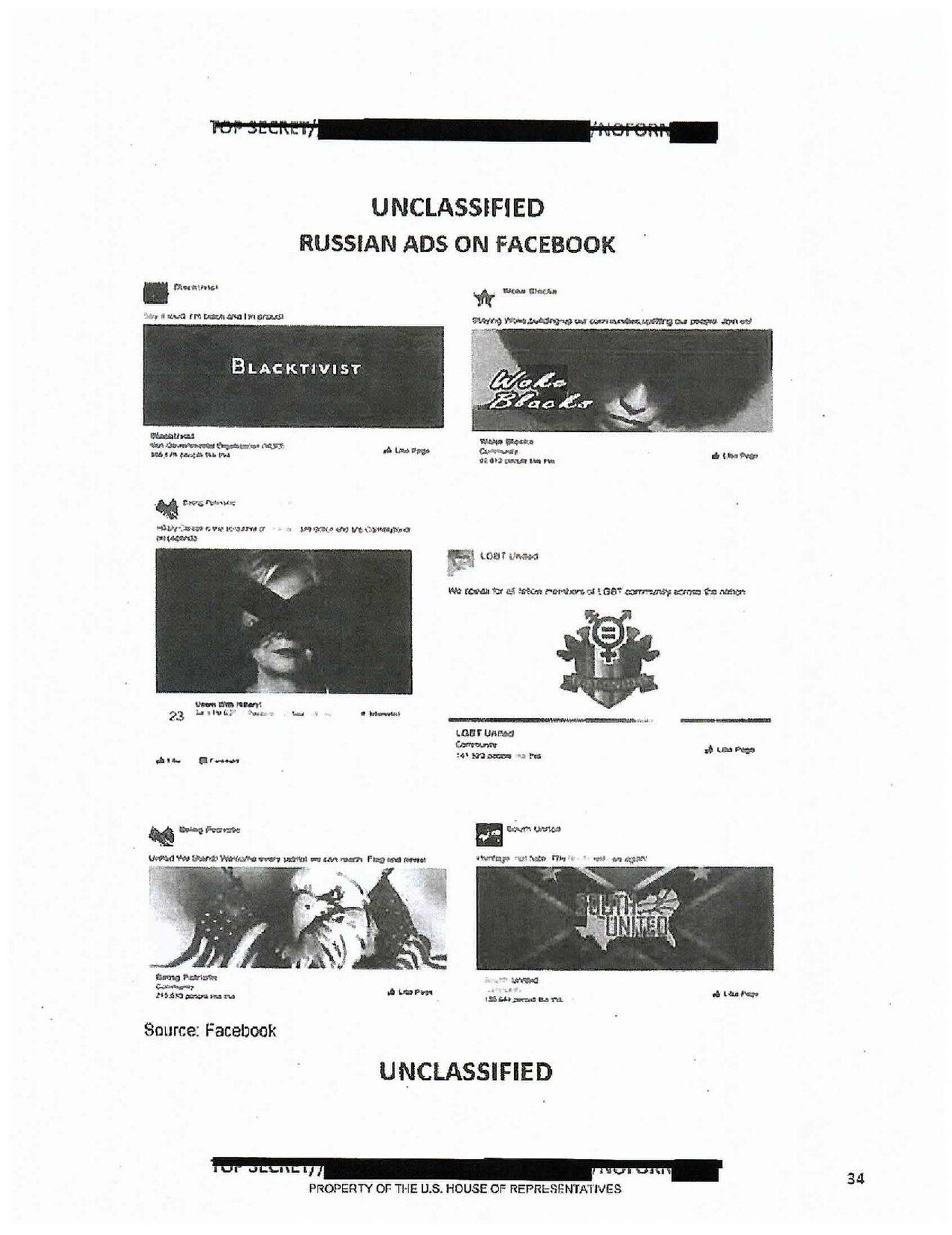
The Internet Research Agency of St Petersburg ran Facebook pages posing as American communities, among them "Blacktivist", "Being Patriotic" and "LGBT United". The entry cites the House Intelligence Committee's report of 22 March 2018 and Facebook's 2017 statement that about 126 million U.S. users may have been served IRA content. It is tagged astroturf. See Internet Research Agency, 2014 to 2018. Read the technique: astroturf.
How did Russian propaganda describe the war in Ukraine from 2022?
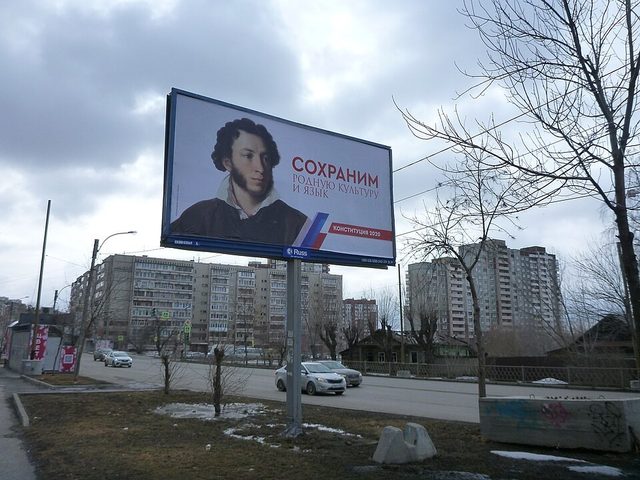
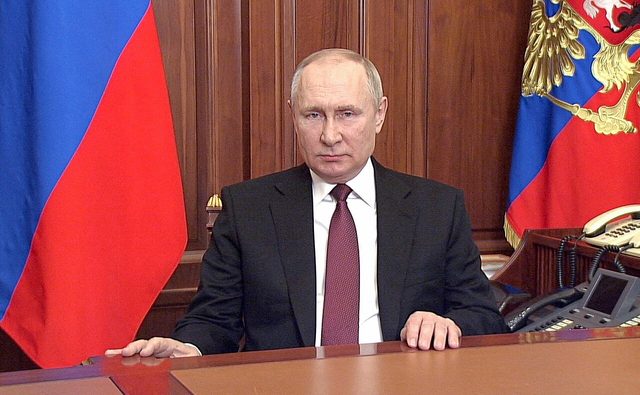
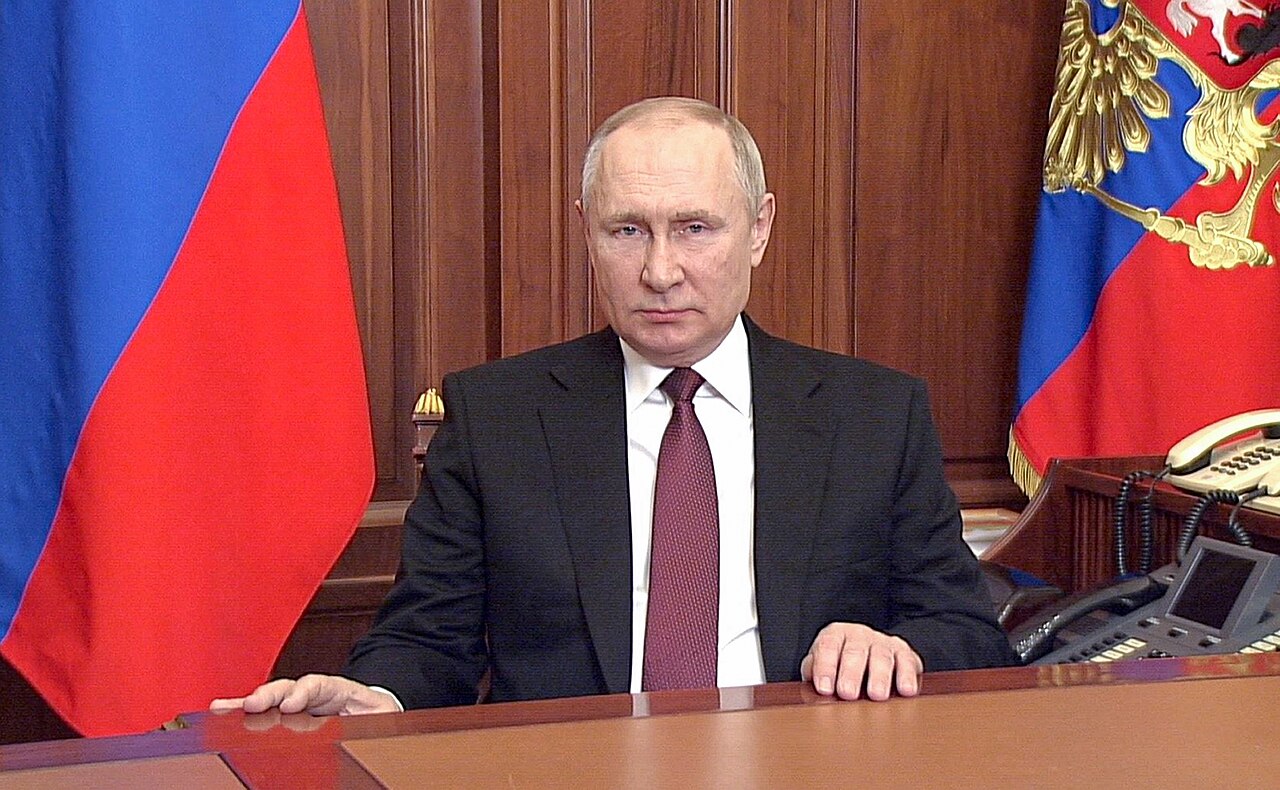
On 24 February 2022 President Putin announced a "special military operation" aimed at the "demilitarisation and denazification of Ukraine". The entry tags euphemism and semantic hijack. It records that a law signed on 4 March 2022 made spreading "false information" about the armed forces a criminal offence, and that the International Court of Justice's order of 16 March 2022 said it had no evidence of the alleged "genocide" in the Donbas. Read the technique: euphemism.

Explain moreShow less
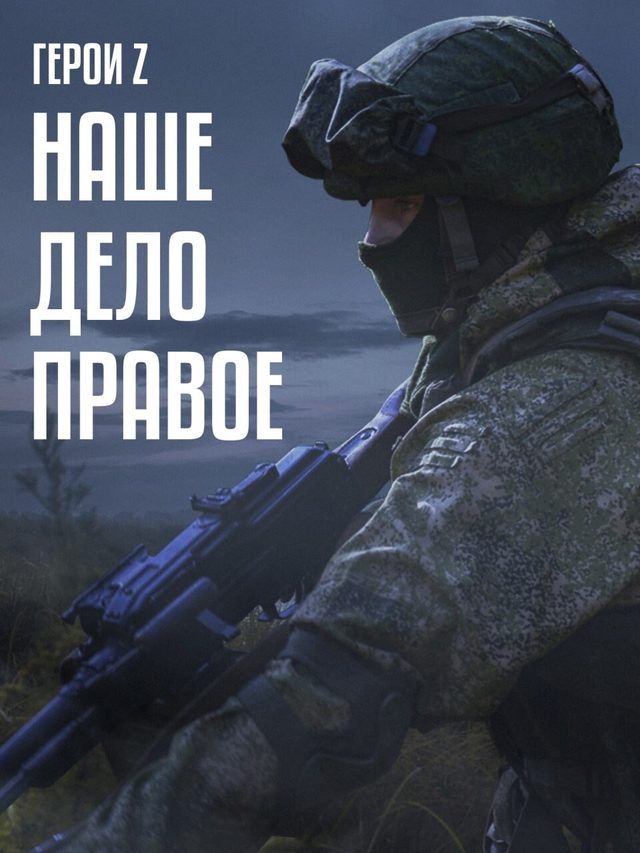
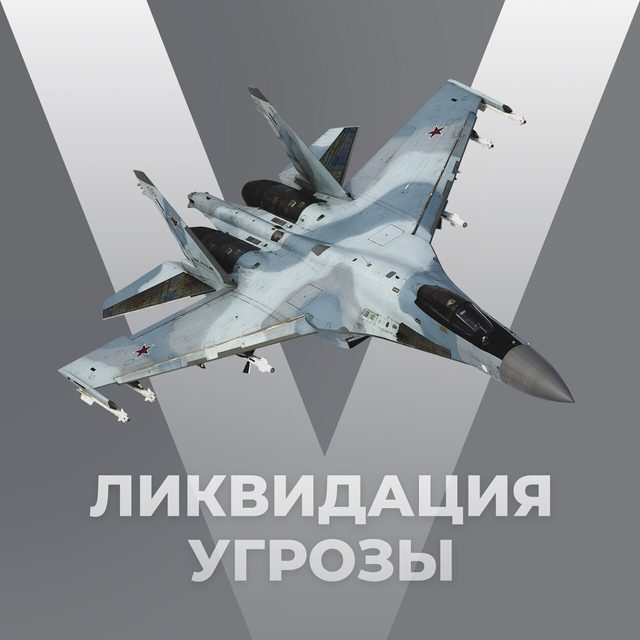
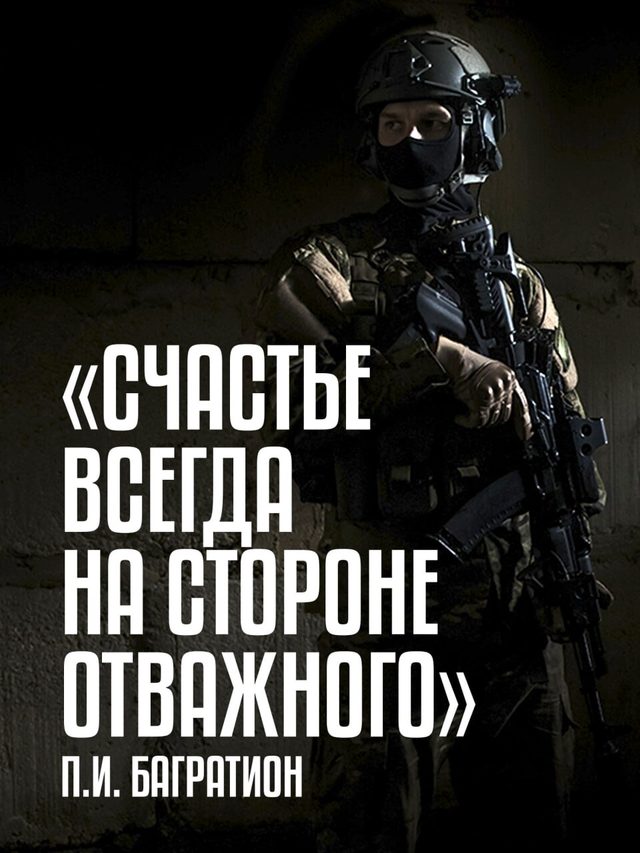
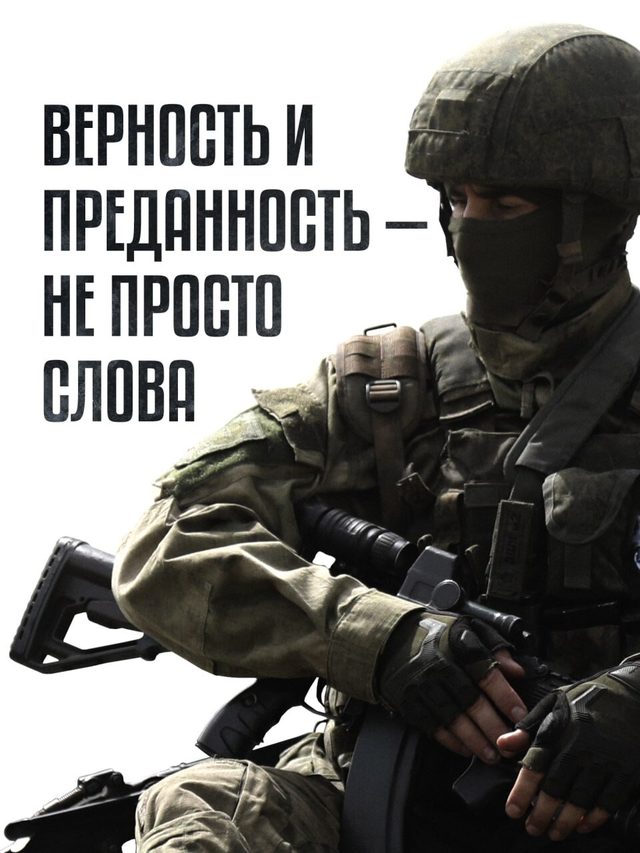
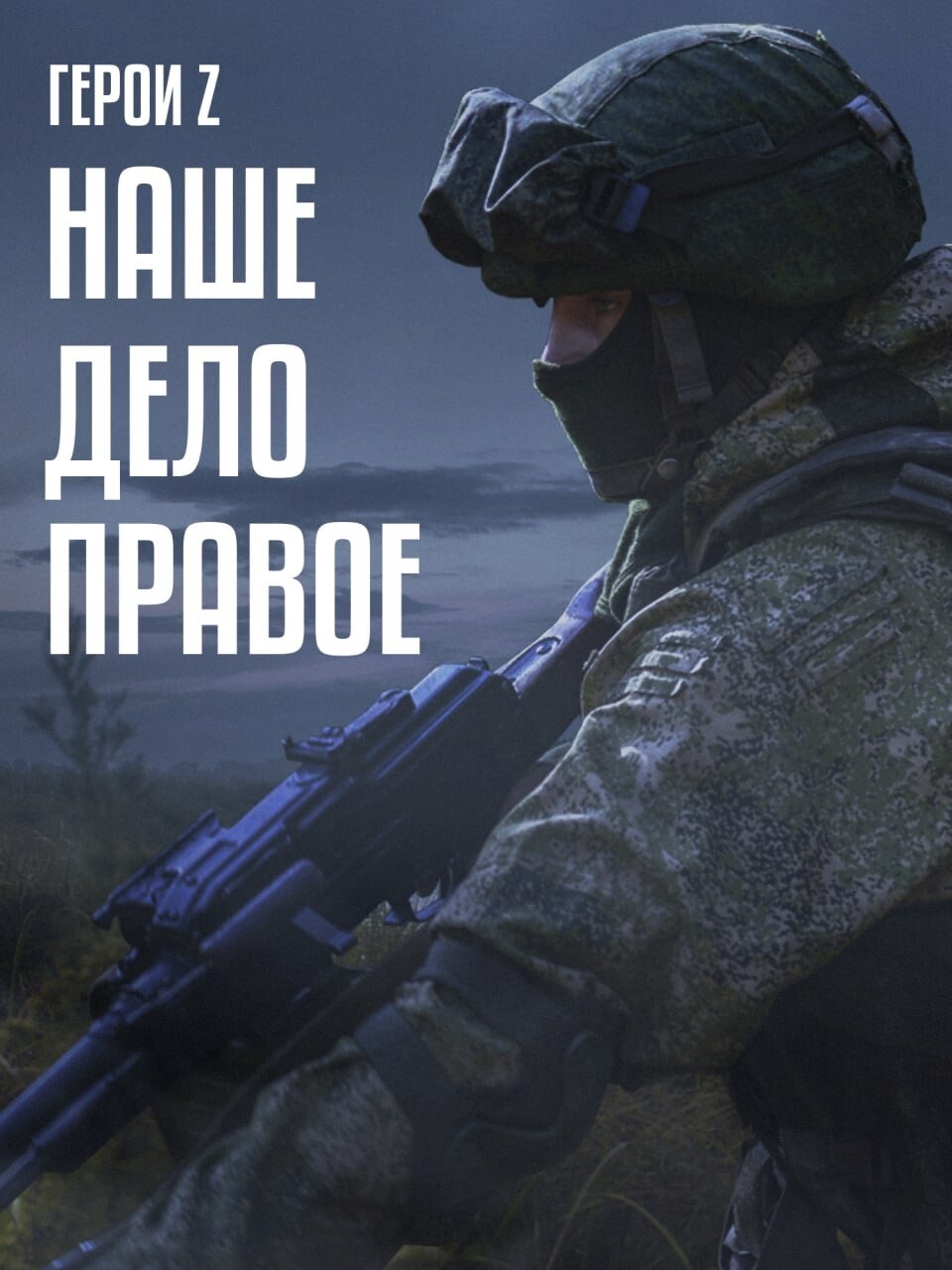
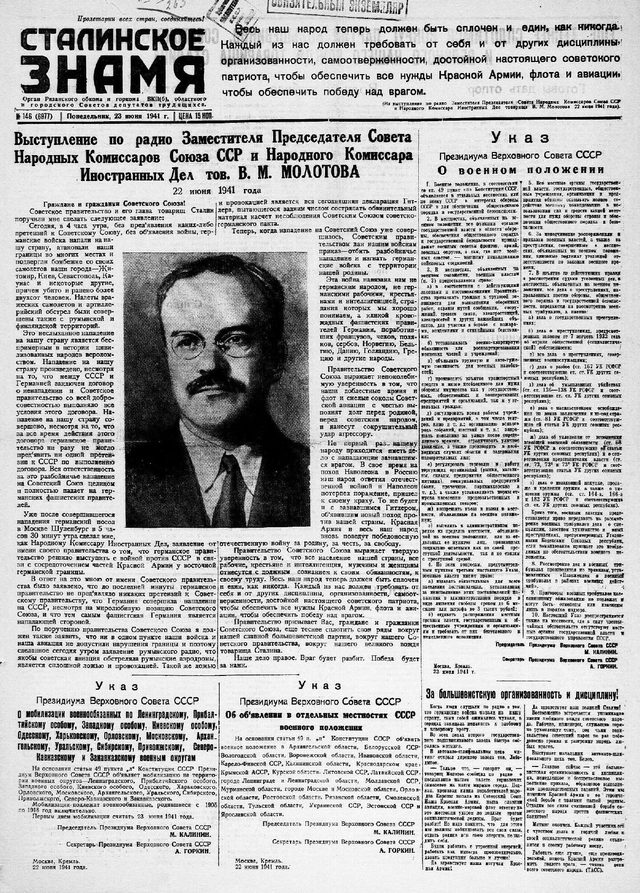
The Ministry of Defence published this 2022 poster in a numbered series of "agitation posters" under its own name. "Our cause is just" opens a sentence in Molotov's radio address of 22 June 1941; the entry tags the reuse transfer and the virtue claim glittering generalities. Read the technique: transfer.
Anti-war Russian exiles created this persona on VKontakte in mid-2023 and revealed it in June 2024. His poems were lightly edited translations of 1930s and 1940s Nazi verse, and Russian officials, State Duma deputies and poetry prizes took up the account. The entry includes it because the method, a fabricated face presented as a grassroots voice, is the same whoever uses it. It is tagged synthetic media and astroturf. Read the technique: synthetic media.
Which techniques recur in Russian propaganda?
The same technique definitions apply to every country. These recur in the Russian items, across the three eras:
Explain moreShow less
- Name-calling and scapegoating. A group or leader is reduced to a label: the 1919 Trotsky, the 1929 "dogs not yet put in a cage", the 1942 "fascist brute". Name-calling; scapegoating.
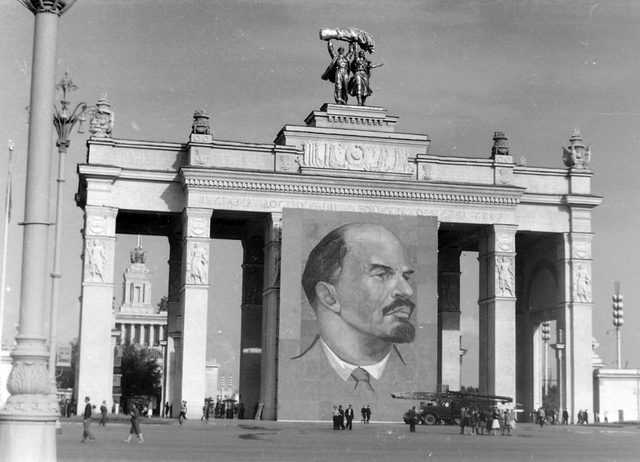
- Transfer and glittering generalities. Banners, wreaths, portraits and borrowed wording lend prestige to a request. Transfer; glittering generalities.
- Euphemism. "Allied" troops, "measures in defense of socialist gains" and a "special military operation" replace the plain word for an act. Euphemism.
- Whataboutism. A charge is answered with a charge about the accuser. The technique page records the Soviet Cold War form, a post-2014 Russian form and a 2017 US form on equal terms. Whataboutism; see also Then and now: whataboutism.
- Firehosing. High volume and contradictory accounts, from RAND's 2016 model. Firehosing. The Soviet and Russian doctrine behind it is in reflexive control.
- Accusation in a mirror. One's own conduct is charged to the other side. The technique page documents Soviet-era and other cases. Accusation in a mirror.
Scale, intent and context differ across the eras. The Imperial and Provisional Government items are wartime loan and recruiting appeals of the kind every combatant issued. The Soviet items come from a one-party state whose offices set the line and whose censorship office vetted print and images. The post-Soviet items include state posters and statements and operations run through fake personas. The collection does not rule on which items worked.
Counterparts from other states are on American and British propaganda posters.
What to look for in Russian propaganda
- Who is speaking. A ministry, party, news agency, campaign or anonymous account. Some items name no issuer, and the entries say so.
- The date against the event. A statement days after KAL 007 or Chernobyl shows what the issuer said first, not what was later established.
- What is left out. The 1983 and 1986 texts omit or shrink the event.
Show all 5Show fewer
- Borrowed words and symbols. Molotov's 1941 sentence on a 2022 poster, red banners on a 1917 war bond.
- Where the claim can be checked. Court findings and later assessments are cited in the entries.
Explain moreShow less
See also types of propaganda, propaganda posters and the quotes index.
Browse Russian propaganda
The grid below shows objects from the collection drawn from the Russian Empire, the Soviet Union and the Russian Federation. Each opens an object page with the holding institution, a link to the original record, a transcription of any text and the rights basis for hosting.
Sources and further reading
Sources and rights
Objects on this page come from the Library of Congress, the U.S.
Objects on this page come from the Library of Congress, the U.S. National Archives, the Estonian War Museum, the Tartu Art Museum, the Internet Archive's copies of U.S. FBIS reports, Wikimedia Commons and the House Intelligence Committee report. Each object page gives its own rights basis. Transcriptions are verbatim. Counts were made from the entry files in examples/entries/.
![Убей фашиста-изувера! [Kill the fascist brute!]](../collection/images/soviet-kill-the-fascist-brute-deni-1942-640.jpg)
![Во имя Родины вперед богатыри! [For the Motherland's Sake, Go Forward, Heroes!]](../collection/images/soviet-for-the-motherlands-sake-go-forward-heroes-toidze-1943-640.jpg)