Short answer
Cold War propaganda was the persuasion and disinformation that the United States and the Soviet Union, with their allies and clients, aimed at foreign publics, at each other's populations and at their own from about 1947 to 1991. Both sides used radio, print, posters, leaflets, films, cultural programmes and covert operations. They differed in scale, in who controlled domestic information, and in what was concealed and how it later came to light. This archive applies one definition to all of them (What is propaganda? Definition, history and examples).
The United States side
Open institutions. The Voice of America began broadcasting in February 1942, and the Smith-Mundt Act of 1948 barred the government from distributing its foreign-audience material at home [1][2]. President Eisenhower's Reorganization Plan No. 8 created the U.S. Information Agency (USIA) on 1 August 1953, combining the government's overseas information programmes, including the Voice of America; it was abolished on 1 October 1999 [1]. Military psychological operations doctrine is described in U.S. Army and Joint Staff, Psychological Operations doctrine (1987-2013).
Concealed funding. Radio Free Europe (broadcasting from 1950) and Radio Liberty (from 1953) were presented as the work of private citizens' committees, and the Crusade for Freedom asked Americans to give "Truth Dollars" to support them. Most of the money came from the CIA. Senator Clifford Case put this on the Senate record on 25 January 1971, and open congressional funding replaced it in 1973 [3]. The full story is in The Crusade for Freedom: Truth Dollars for a CIA-funded radio, 1950-1971. This is gray propaganda in the working definition's colours: the message is public, the sponsor is blurred. The CIA also ran Radio Swan for Cuba under a cover company (The Cuba-United States radio war: Radio Swan's cover story and Havana's 'gusanos'), and the FBI placed material about U.S. political groups in the press and mailed items that did not name it as the source between 1956 and 1971 (COINTELPRO: the FBI's covert media and information operations against U.S. groups, 1956-1971). A domestic Cold War case is Senator McCarthy's 1950 loyalty charges, whose numbers shifted between speeches (McCarthy's numbers: 205, 57, 81 and the move from 'card-carrying Communists' to 'security risks' (1950-54)).
Leaflets and defection appeals. In Vietnam the Chieu Hoi ("Open Arms") programme, begun in 1963 at U.S. initiative, printed posters and safe-conduct leaflets urging Viet Cong and North Vietnamese fighters to rally to the Saigon government. RAND's 1973 history counted over 194,000 defections [4]. North Vietnam ran its own appeals to U.S. soldiers on Radio Hanoi. See Chieu Hoi and Radio Hanoi: both sides' propaganda aimed at the other side's soldiers in Vietnam.
The 1952 rebuttal poster. In 1952 North Korea and China accused the United States of using germ weapons in Korea. The State Department answered with a poster, "The Communists caught in the act of lying", issued in nine languages, that set the Soviet delegate's charge beside U.S. and UN denials (Les communistes pris en flagrant délit de mensonge (The Communists Caught in the Act of Lying)). Its photographs of UN medical work do not bear on whether germ weapons were used; the appeal is to the Red Cross and UN symbols. A 1953 Soviet Presidium resolution, published from Russian archive copies in 1998, states that the accusations "were fictitious"; some historians question the copies' provenance [5][6]. The case is in The Korean War germ-warfare charges: commissions, confessions and the 1953 recall.
The Soviet side
Standing party machinery. The Communist Party's Agitation and Propaganda Department (Agitprop), under various names from 1920 to 1991, set the message for the press, schools and workplace agitators (The Agitprop Department: the Communist Party's standing propaganda apparatus, 1920-1991, Lenin and the Communist Party of the Soviet Union, the agitprop model (1902-1991)). TASS, founded in 1925 as the central wire service, supplied newsrooms, and the censor Glavlit read every page before publication (Pravda, Izvestia and TASS: the institutional structure of the Soviet press monopoly, 1912-1991). There was no independent domestic press to contradict the line, until the controlled opening of glasnost (Glasnost: the controlled opening that outran the Soviet state (1985-1989)).
Radio. Radio Moscow began foreign-language broadcasting in 1929 [7]. The Soviet Union and several allies also jammed Western broadcasts from 1948 until the last jamming stopped in November 1988 (Cold War radio jamming (1948 to 1988)). Jamming targets the audience's access to other sources rather than answering a message.
Active measures. The KGB's term aktivnye meropriyatiya covered forgeries, planted stories and front organisations. In 1984 forged letters on Ku Klux Klan letterhead threatened athletes from African and Asian countries planning to attend the Los Angeles Olympics. A CIA assessment and the U.S. Attorney General attributed them to the KGB, Moscow denied it, and the archive of the defector Vasili Mitrokhin later described a Soviet active measure [8][9]. See 'For whites only': the forged Klan letters sent to Olympic committees in 1984.
Operation INFEKTION. In 1983 an Indian newspaper, Patriot, printed a claim that AIDS was created in a U.S. military laboratory. Soviet media repeated it in 1985, and an East German biophysicist co-wrote a 1986 pamphlet that gave it a scientific gloss. Historians call the campaign INFEKTION (Boghardt) and note that the East German Stasi's code name was "Denver" (Selvage) [10][11]. The State Department's Active Measures Working Group (1981 to 1992) publicised the evidence against it; after Gorbachev protested to Shultz in 1987, the Soviet side backed away, and in 1992 Russia's foreign-intelligence chief acknowledged the KGB's role (The Active Measures Working Group (1981 to 1992)).
China and other actors
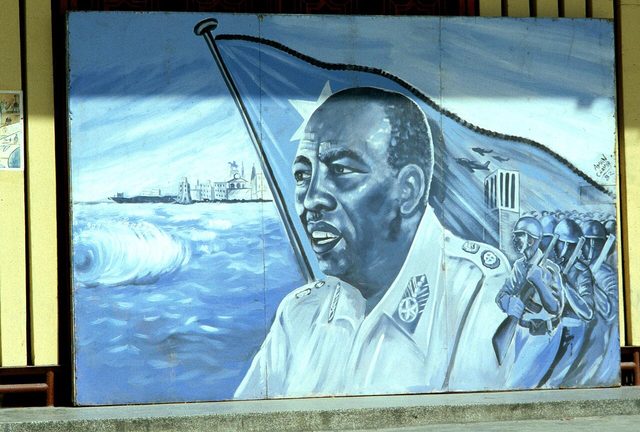
China's Central Propaganda Department ran a parallel domestic system (Zhongxuanbu: the Central Propaganda Department as the ruling party's standing ministry of message, 1949-2026), and its 1976 state mourning for Mao Zedong is recorded in Grief on schedule: Mao's death, Hua Guofeng's succession and the 'two whatevers', 1976-1978. Cuba's state media and the Tricontinental network addressed Latin America and the developing world (The peoples of three continents: OSPAAAL, a Havana secretariat, and Tricontinental), while Egypt and Britain fought a radio war over Suez (Voice of the Arabs and the Voice of Britain: the Arab radio war, 1953-1967). In Somalia, the Barre government's 1976 mural merged the leader's portrait into the flag (below).
Recurring techniques
Both sides drew on the same handful of methods, each defined in the archive's taxonomy:
- Narrative laundering: a message passes through a seemingly independent sponsor, such as a citizens' committee or a scientific commission.
- Testimonial: defectors, prisoners and eminent scientists vouch for a claim.
- Transfer: the prestige of a bell, an emblem or a flag is moved onto a cause.
- Card stacking: evidence is selected, or checking is refused.
- Fear appeal and Bandwagon: death warnings and running counts of defectors appear on the same leaflet.
- Astroturfing: forged grassroots or extremist voices.
- Identity fusion and Manufactured consensus: a leader or party fused with the nation, in a media system without independent rivals.
Featured images
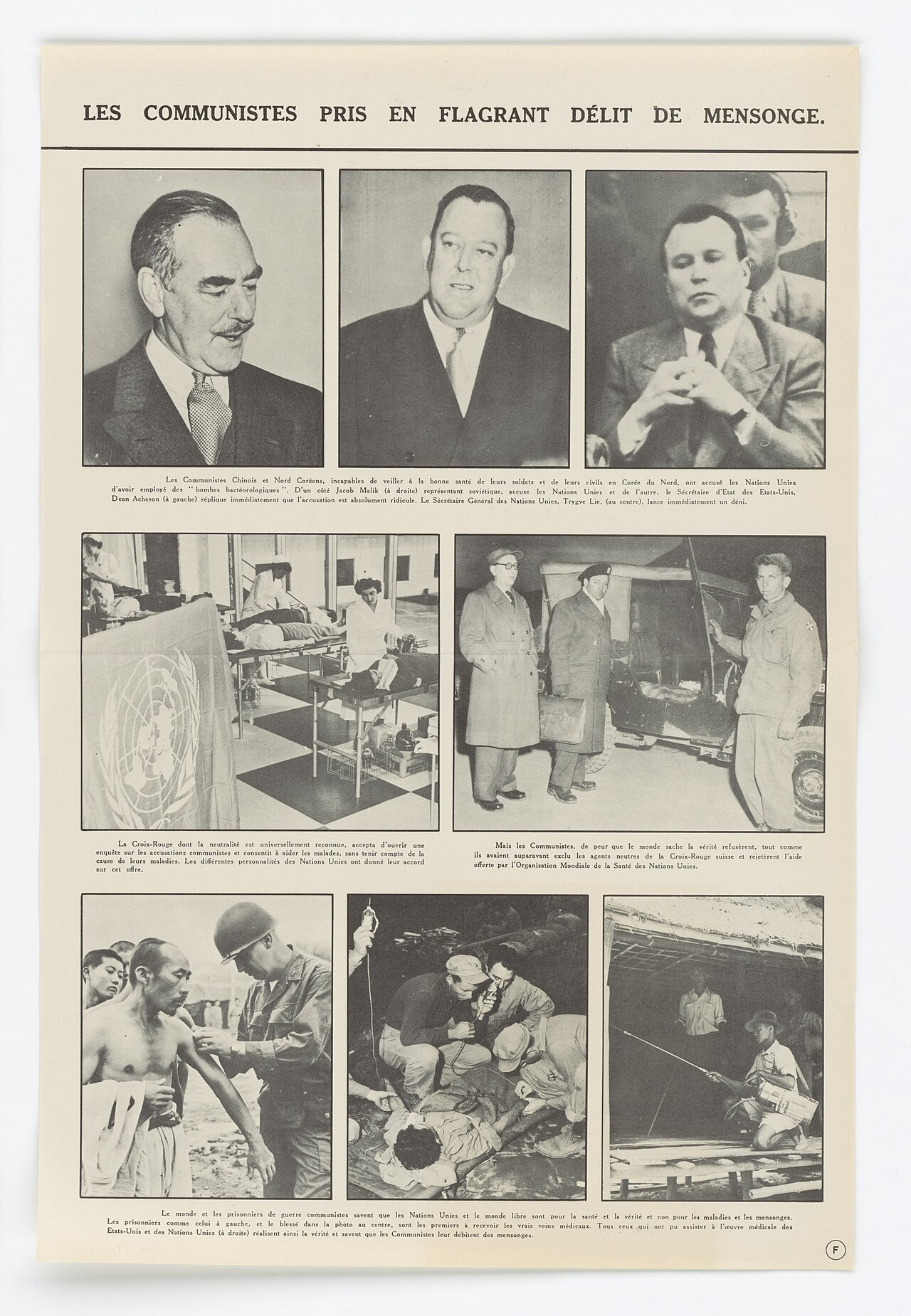
United States, 1952. Public domain (U.S. government work).
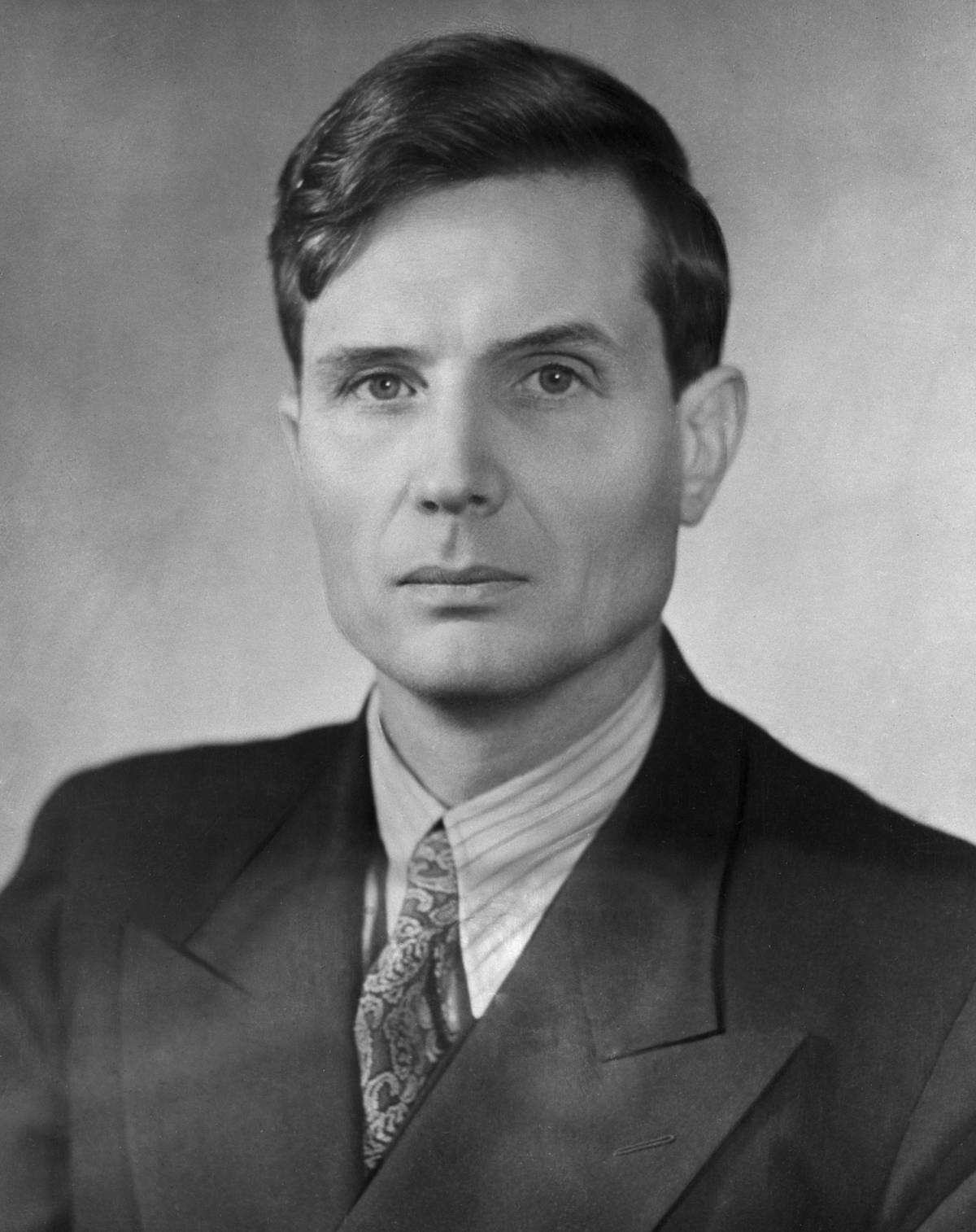
Soviet Union, 1948. Portrait of the Communist Party's ideology secretary, from the TASS archive; public domain (PD-Russia and PD-US-no-notice).
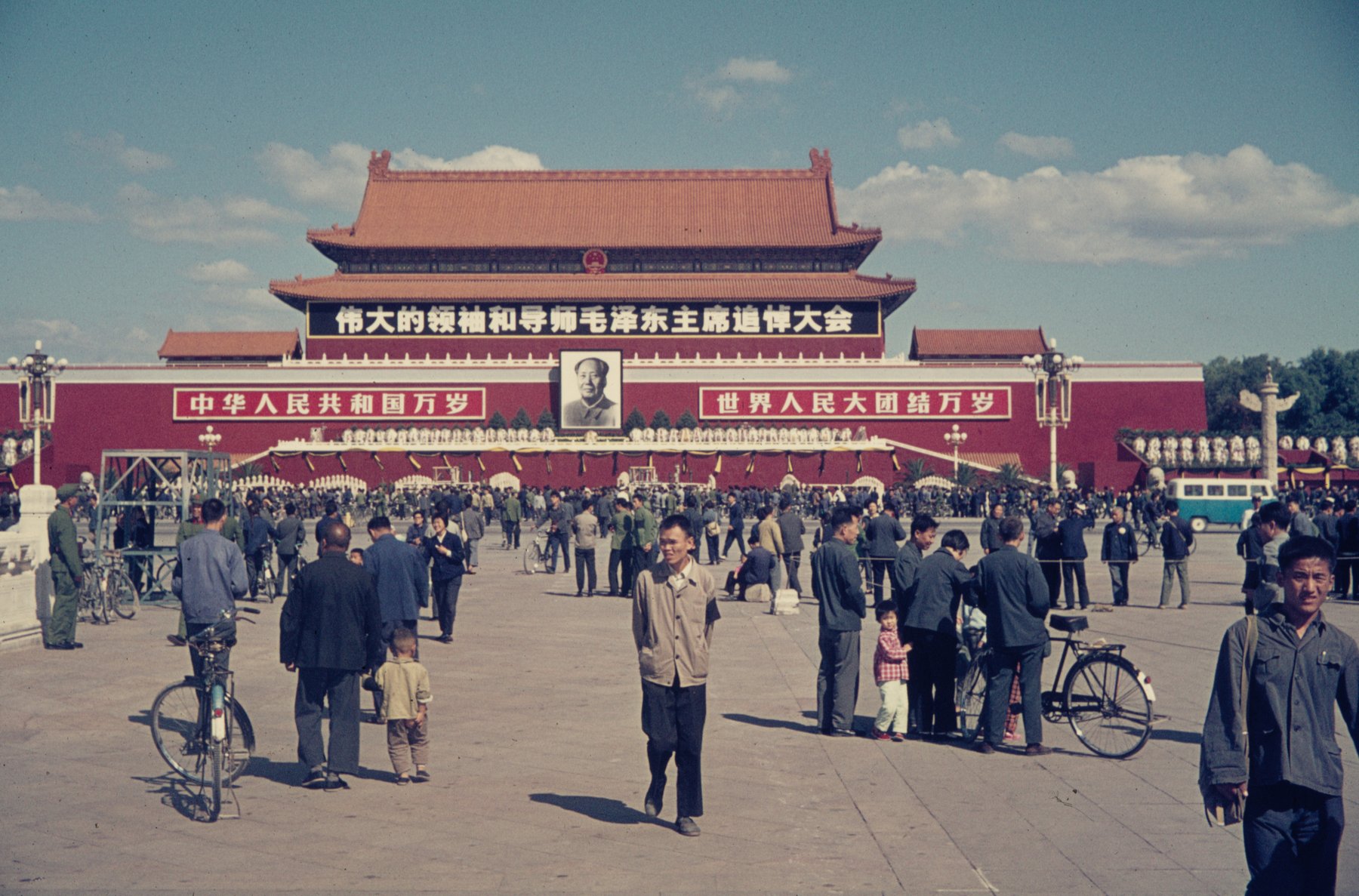
China, 1976. Photograph by Karl-Heinz Wellmann, CC BY-SA 4.0.
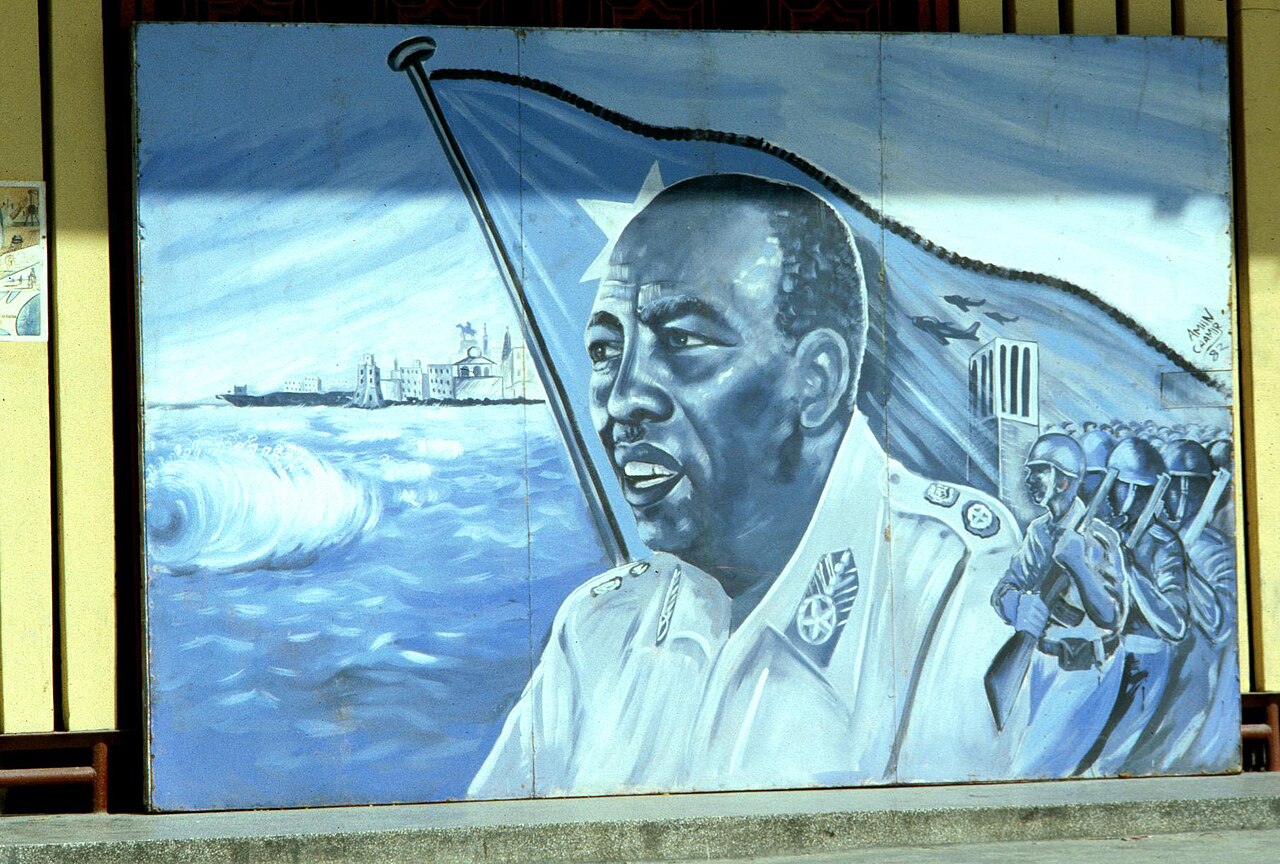
Somalia, 1976. CC0, University of Wisconsin Libraries.
The collection
The collection section below is generated from the archive's records and grows as objects are added. Only public-domain or openly licensed images are hosted, and most Soviet-era posters are still in copyright, so the images shown here reflect licensing, not the historical record. The Soviet side is covered in the case studies linked above.
From the collection: Cold War
65 objects, listed by issuing country: United States 34, East Germany 4, Netherlands 3, China 2, Hungary 2, Iran 2, Belgium 1, Czechoslovakia 1, Democratic Republic of Vietnam 1, Iraq 1, Kenya Colony 1, Korea Under Us Military Government 1, New Zealand 1, North Korea 1, Peoples Republic of The Congo 1, Portugal 1, Republic of Indonesia 1, Romania 1, Somalia 1, South Korea 1, South Vietnam 1, Soviet Union 1, West Germany 1, Yugoslavia 1. This list is generated from the collection records, so it changes as objects are added.
United States (34)
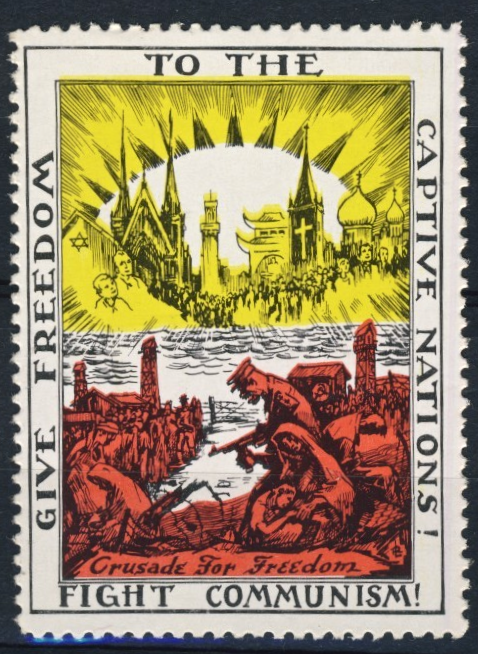 Give Freedom to the Captive Nations! Fight Communism!
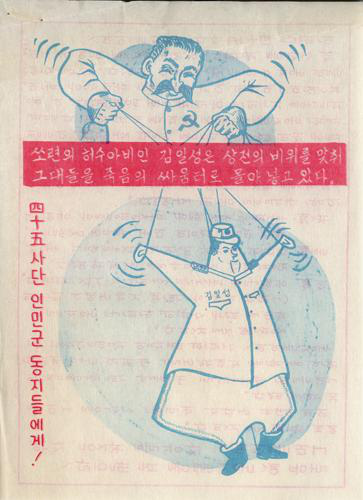 Message to the 45th North Korean Division: Kim Il Sung as a marionetteContent note
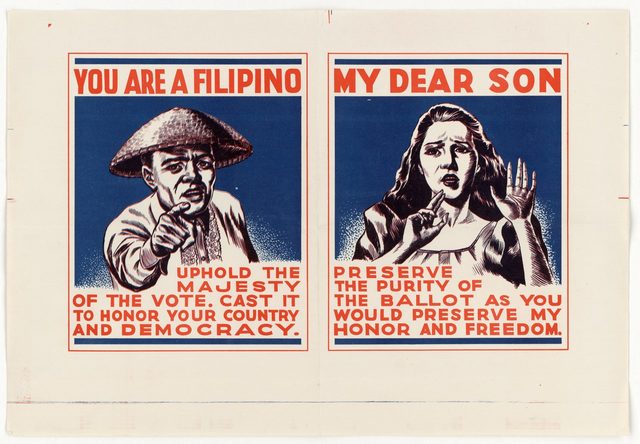 You Are a Filipino / My Dear Son (voting poster sheet for the Philippines)
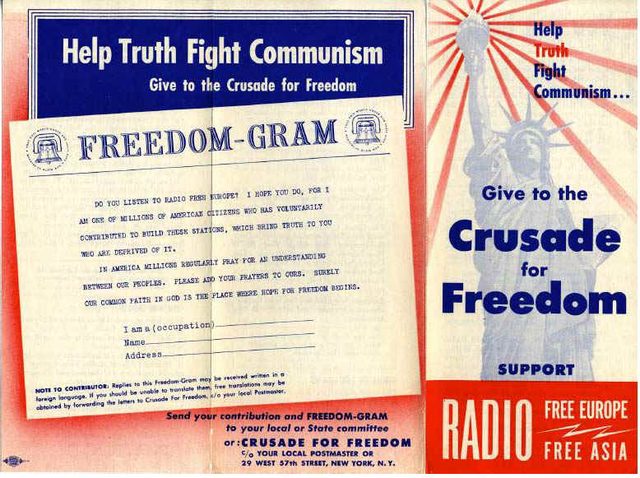 Freedom-Gram: Help Truth Fight Communism
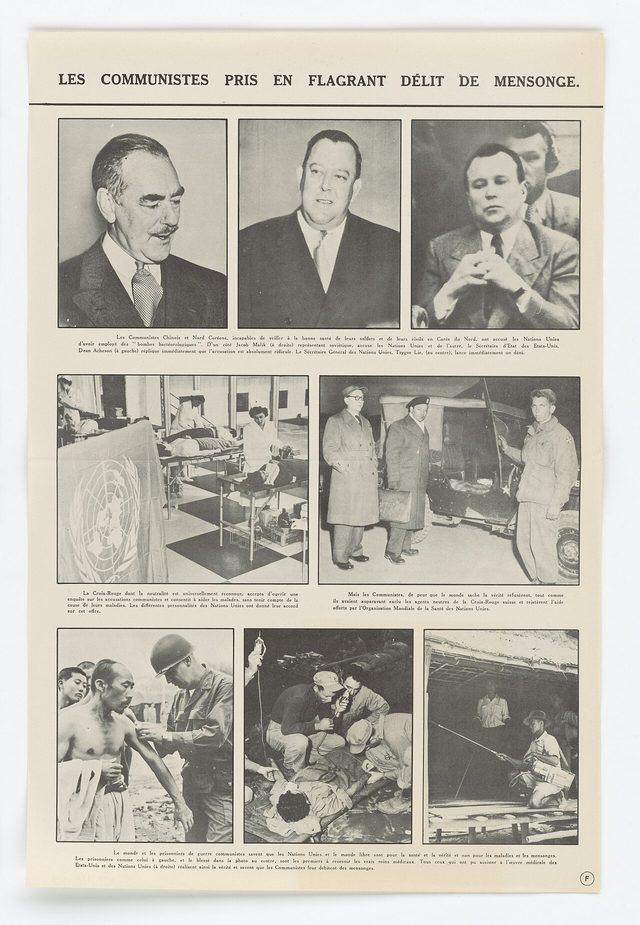 Les communistes pris en flagrant délit de mensonge (The Communists Caught in the Act of Lying)
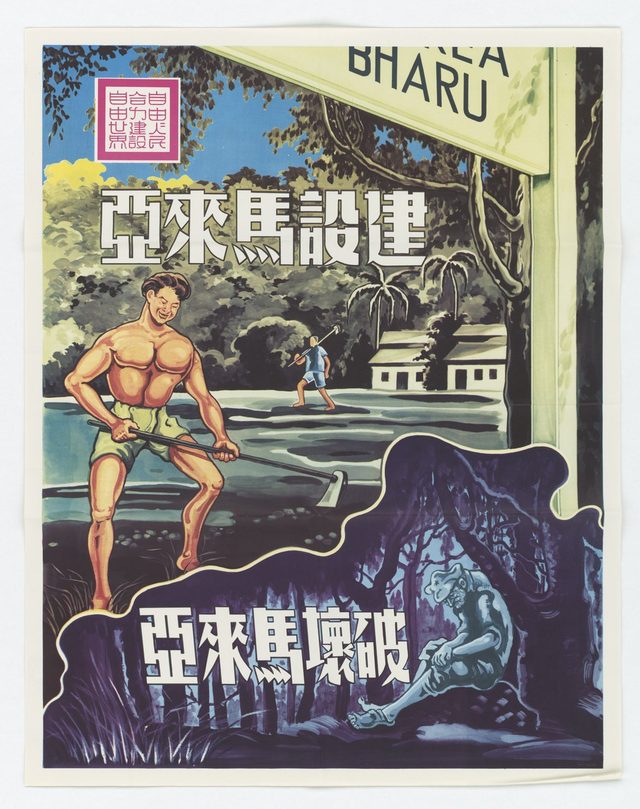 建設馬來亞 / 破壞馬來亞 (Building Malaya / Destroying Malaya)
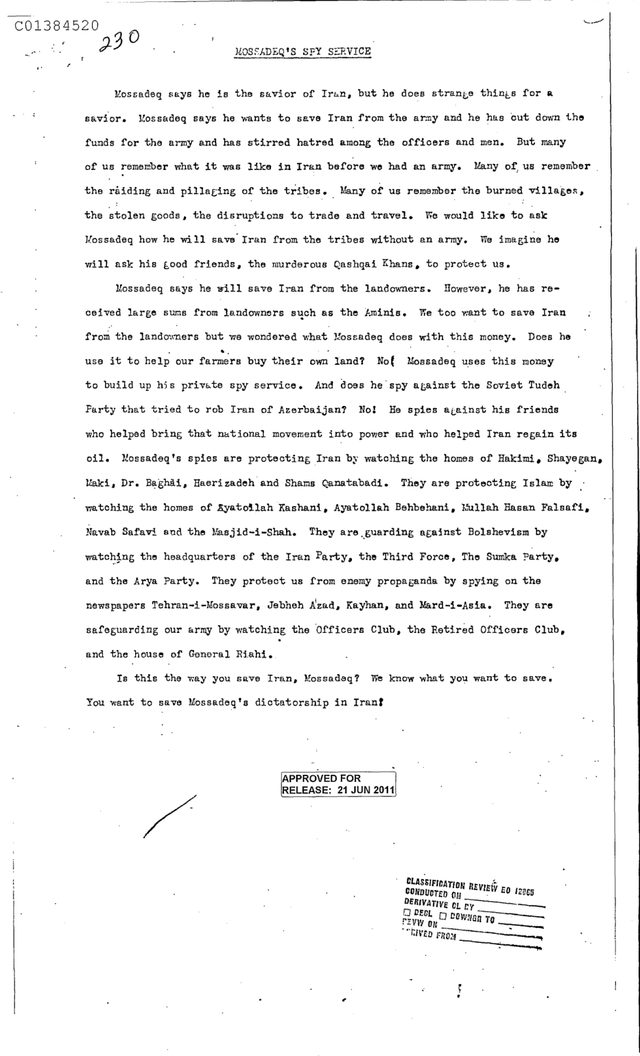 'Mossadeq's Spy Service' (CIA-prepared propaganda text, Iran, 1953)
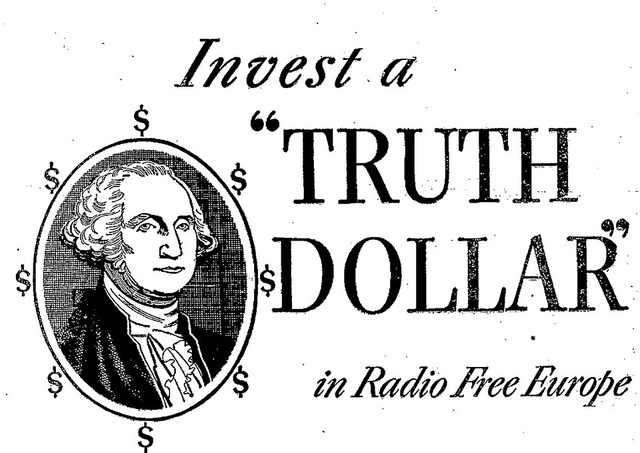 Invest a "Truth Dollar" in Radio Free Europe
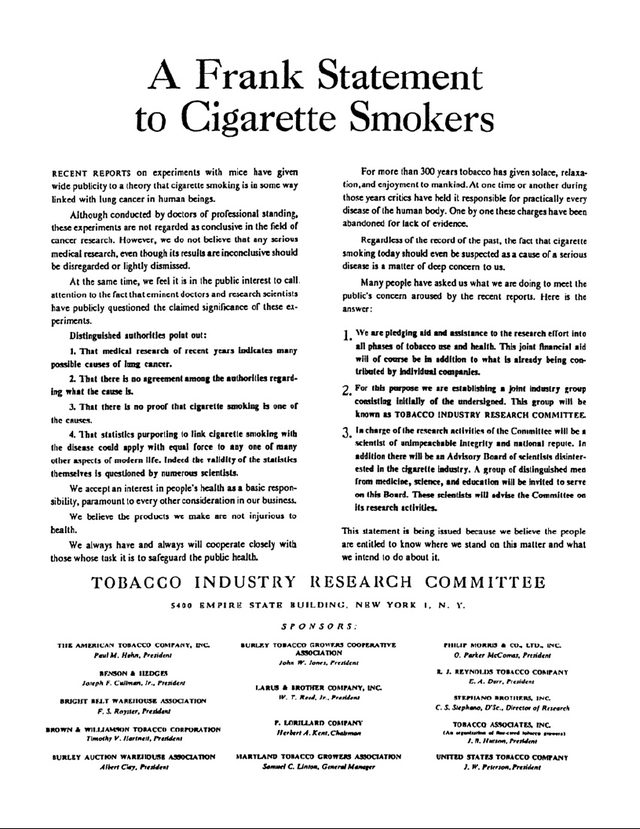 A Frank Statement to Cigarette Smokers
 Crowd at the Arkansas State Capitol protesting school integration, with signs reading "Race mixing is Communism," Little Rock, Arkansas
 Civil rights March on Washington, D.C.
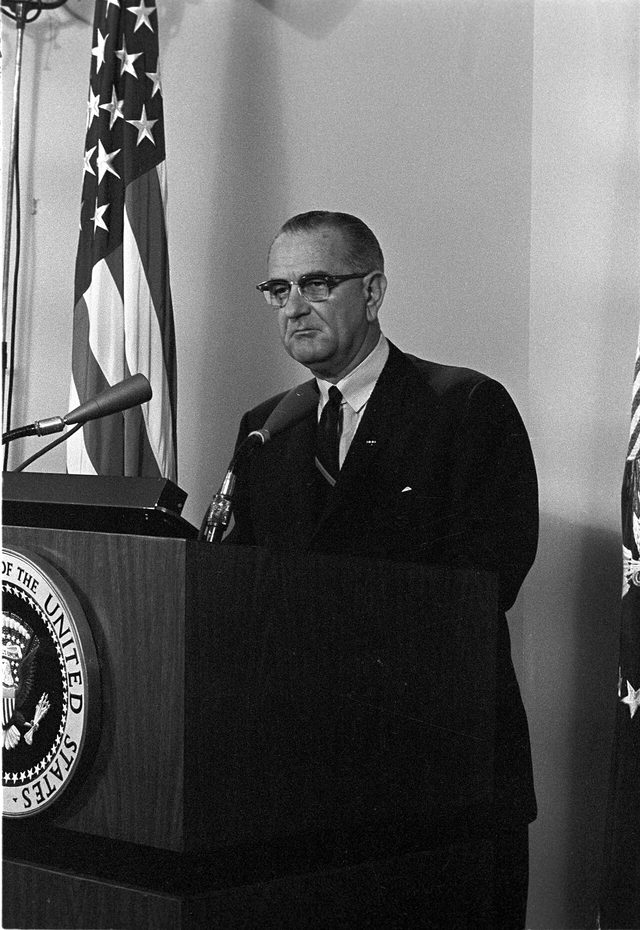 President Johnson's Gulf of Tonkin 'Midnight Address'
 Peace, Little Girl ("Daisy")
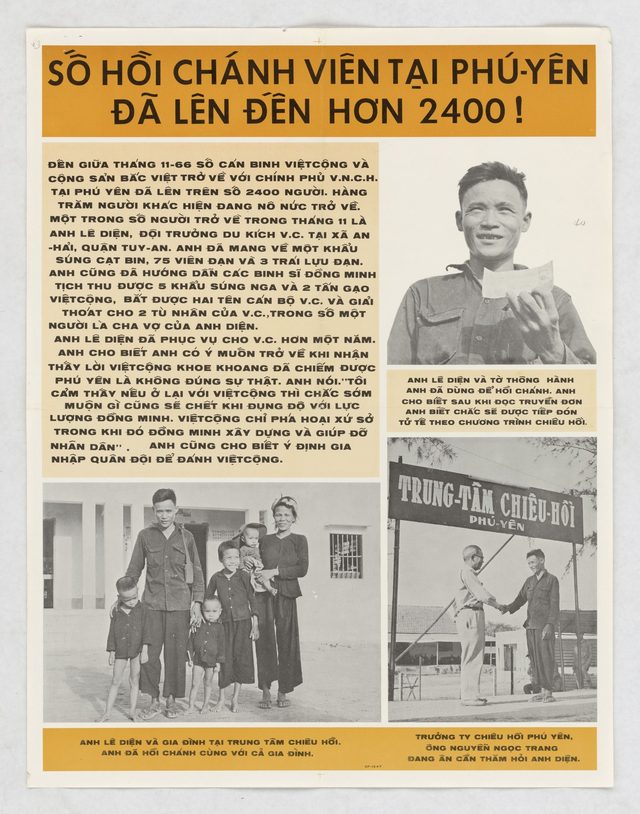 Số hồi chánh viên tại Phú-Yên đã lên đến hơn 2400! (Ralliers in Phu Yen Have Risen to Over 2,400!)
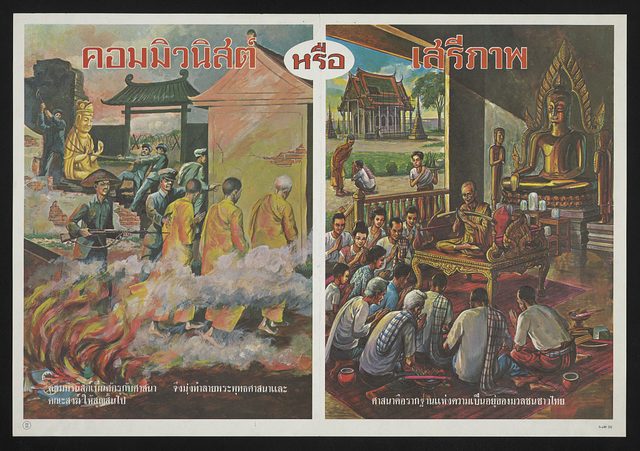 คอมมิวนิสต์ หรือ เสรีภาพ (Communism or Freedom), Thai-language poster no. II, religion panel
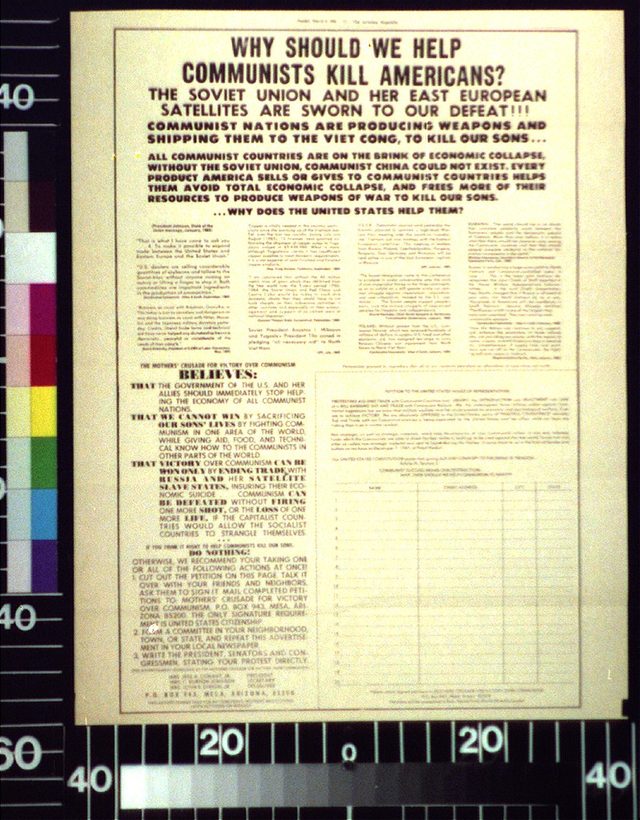 Why should we help communists kill Americans?
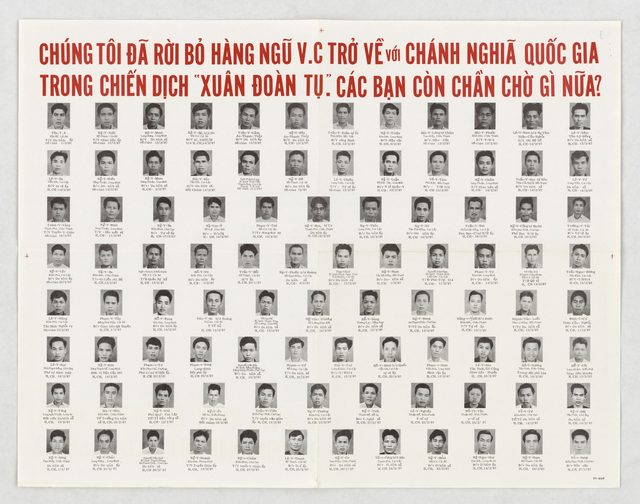 Chúng tôi đã rời bỏ hàng ngũ V.C... Các bạn còn chần chờ gì nữa? (We Left the VC Ranks... What Are You Still Waiting For?)
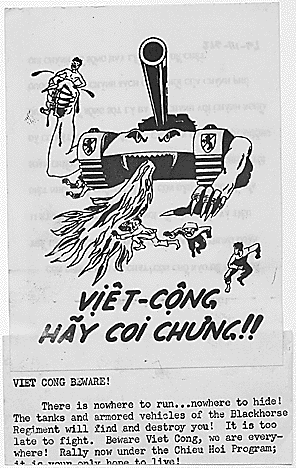 Việt-Cộng hãy coi chừng!! (Viet Cong Beware!)
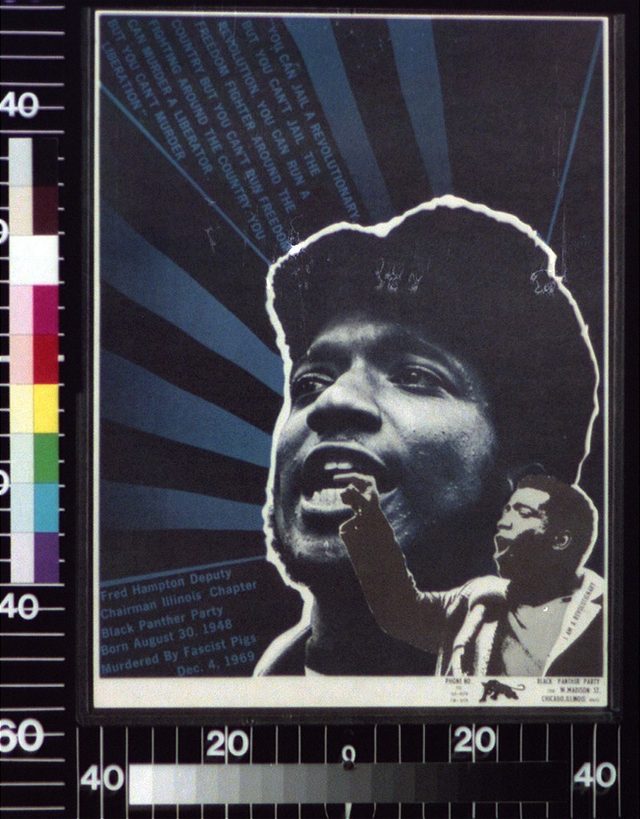 You can jail a revolutionary, but you can't jail the revolution ...
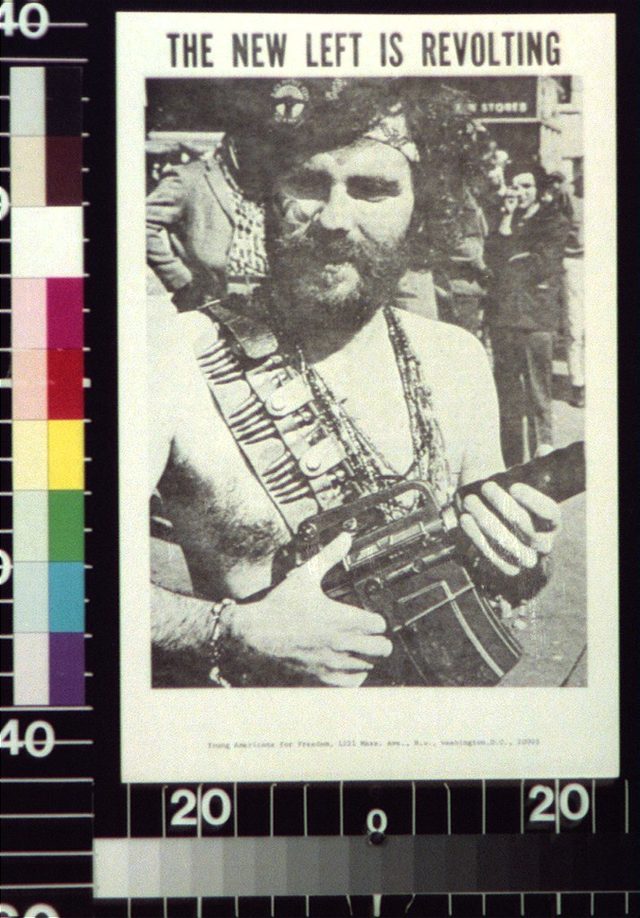 The New Left is revolting
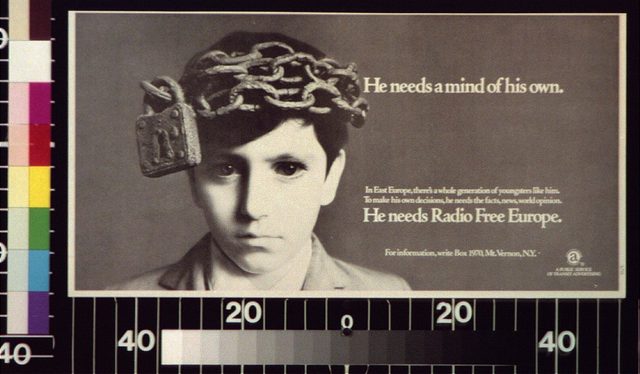 He needs a mind of his own ... he needs Radio Free Europe
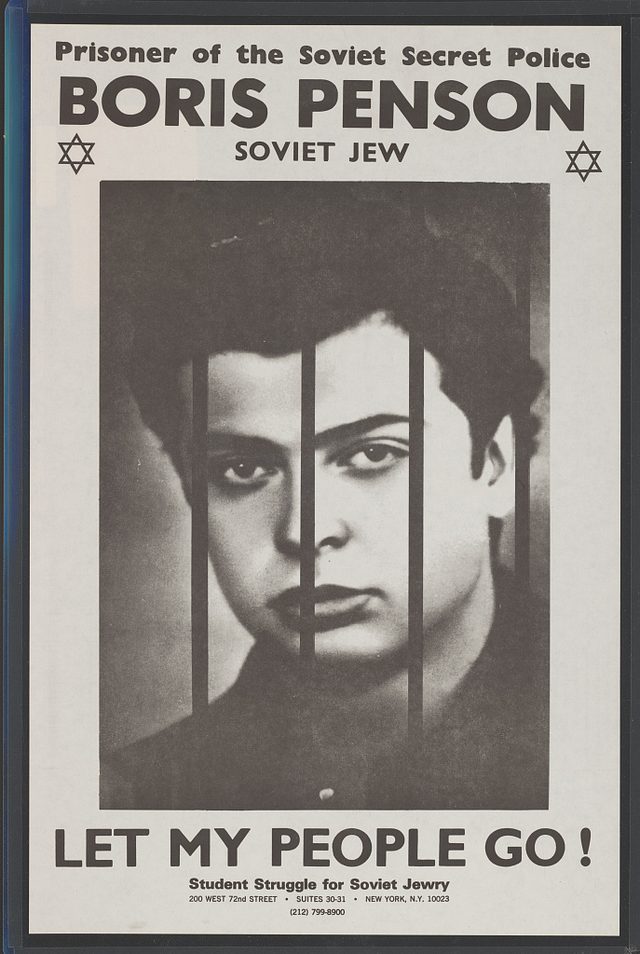 Prisoner of the Soviet secret police: Boris Penson, Soviet Jew: let my people go!
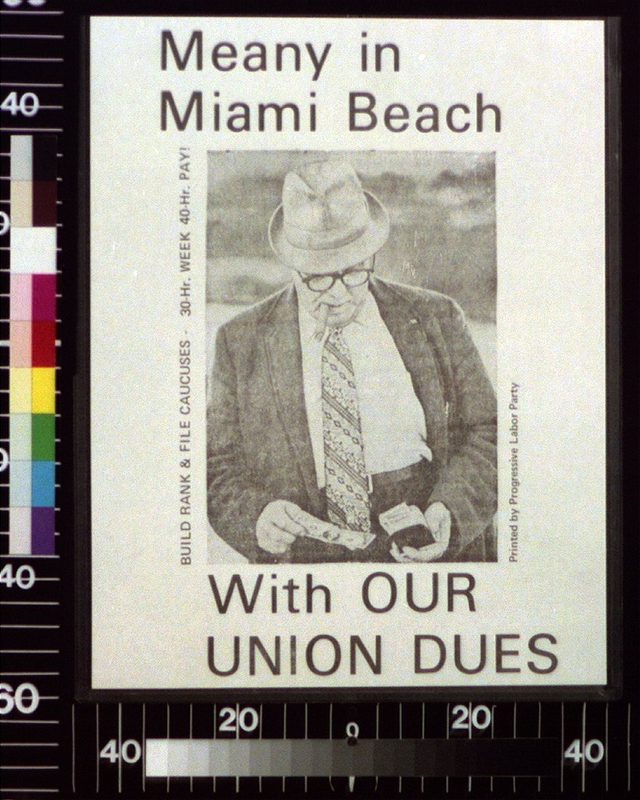 Meany in Miami Beach with our union dues
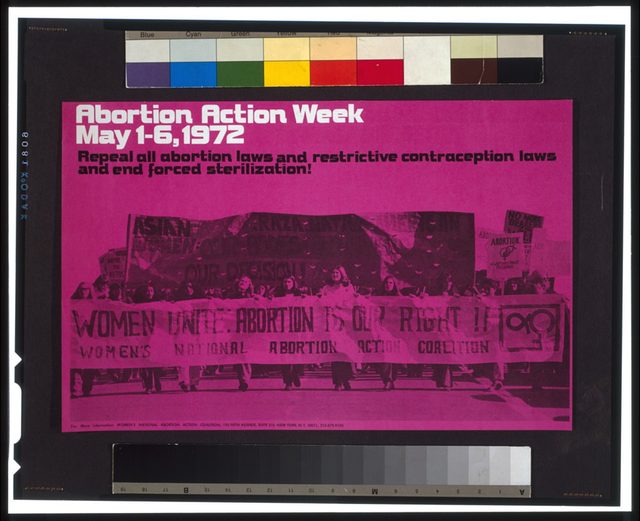 Abortion Action Week, May 1-6, 1972
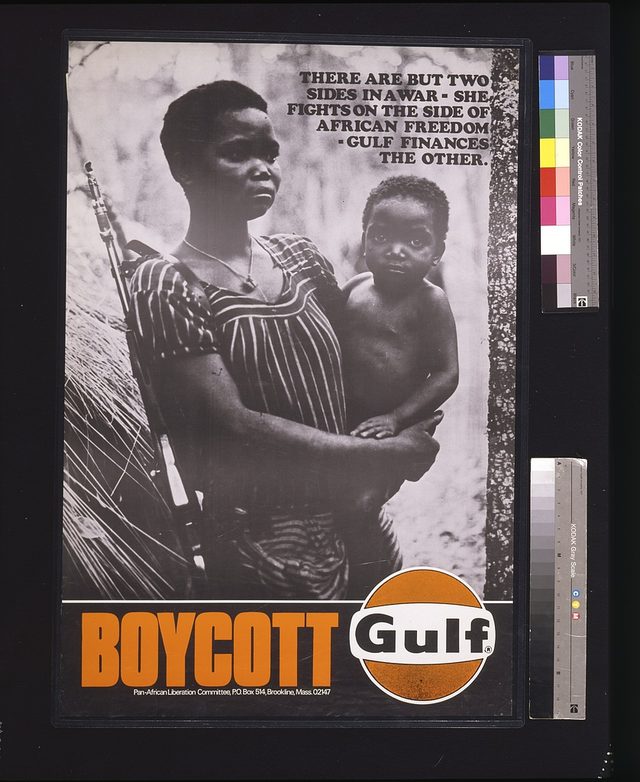 There are but two sides in a war: she fights on the side of African freedom, Gulf finances the other: Boycott Gulf
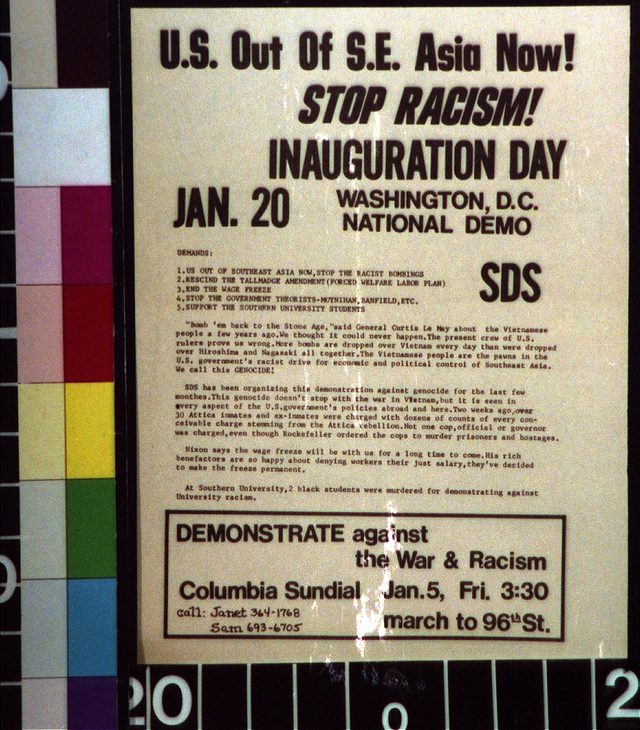 U.S. out of S.E. Asia now! Stop racism! Inauguration Day, Jan. 20, Washington, D.C.
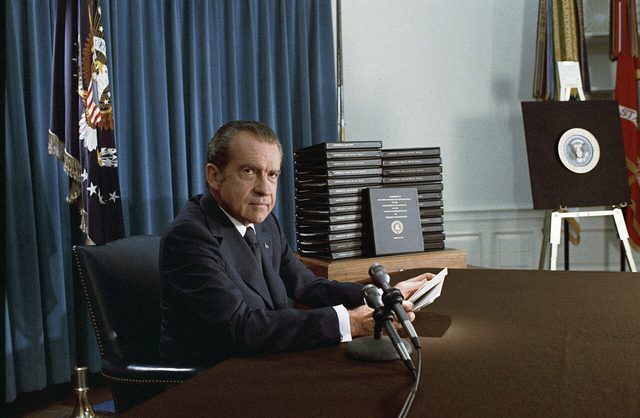 Nixon with the edited White House tape transcripts
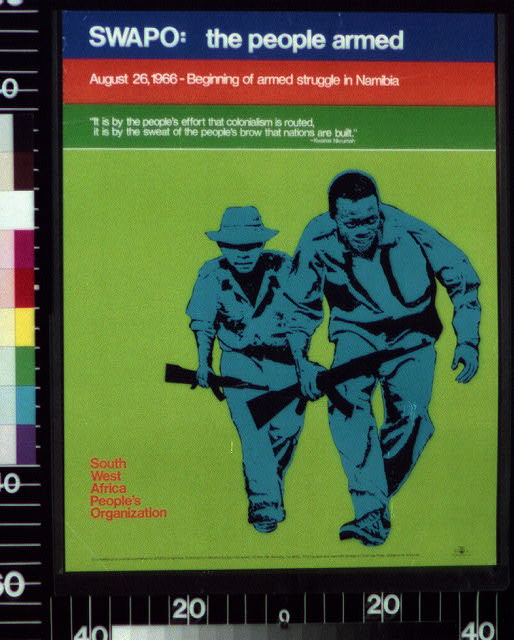 SWAPO: The People Armed (c. 1976 solidarity poster)
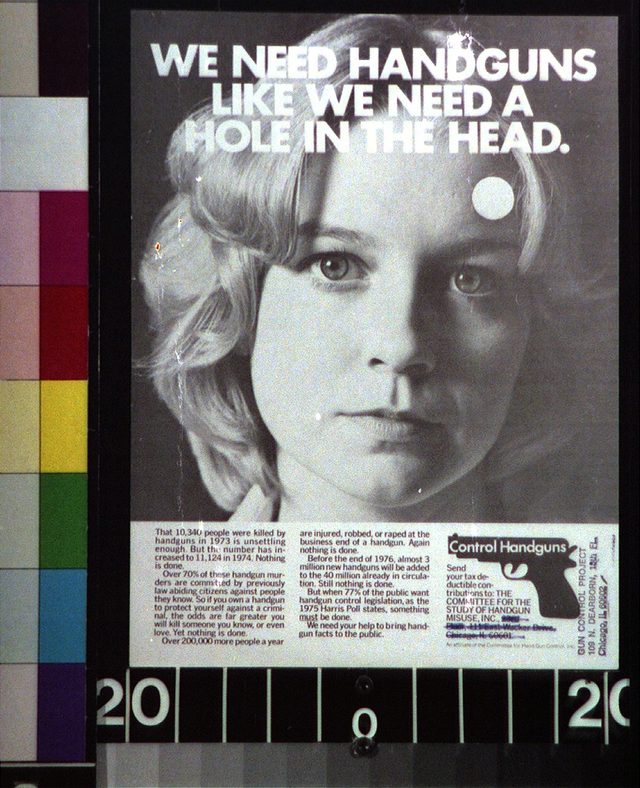 We need handguns like we need a hole in the head
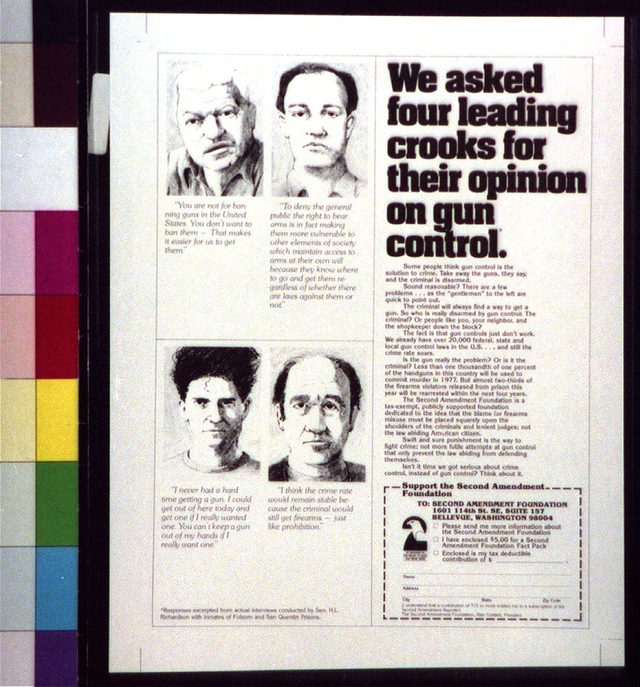 We asked four leading crooks for their opinion on gun control
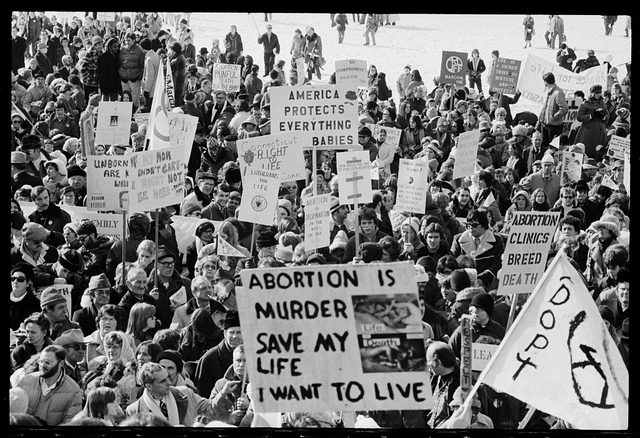 "Right to Life" demonstration, at White House and Capitol
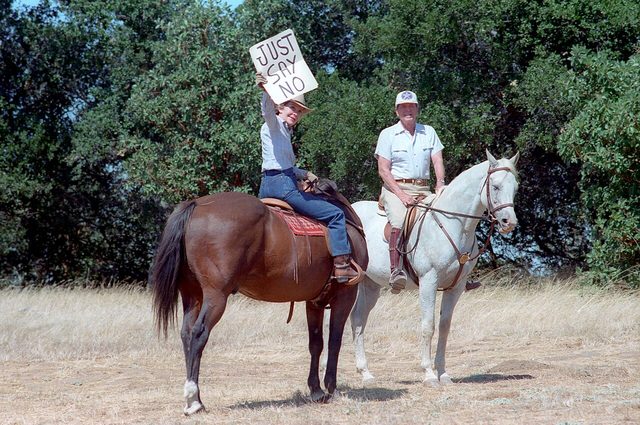 Nancy Reagan holds up a 'Just Say No' sign for press photographers
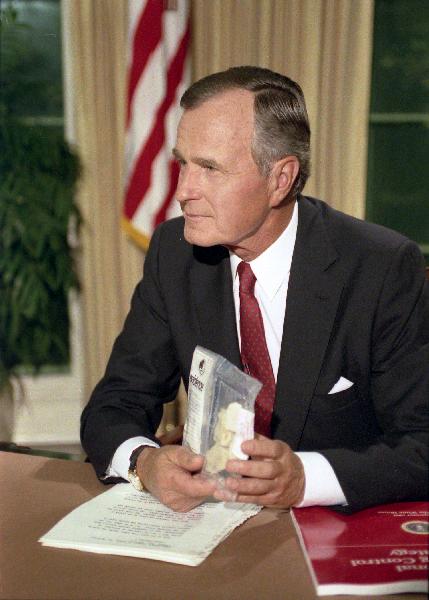 President Bush holds up a bag of crack in the Oval Office
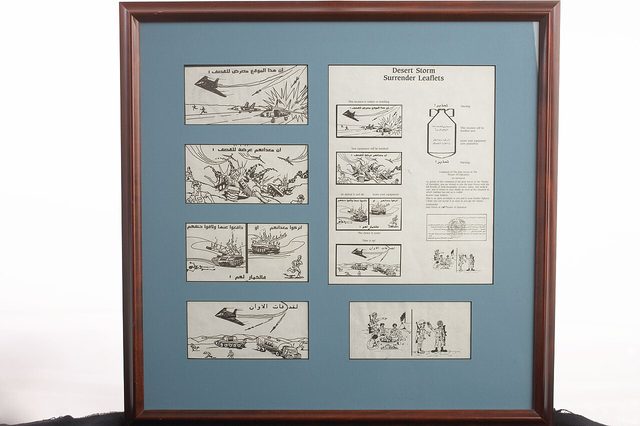 Desert Storm surrender leaflets (CIA museum display)
East Germany (4)
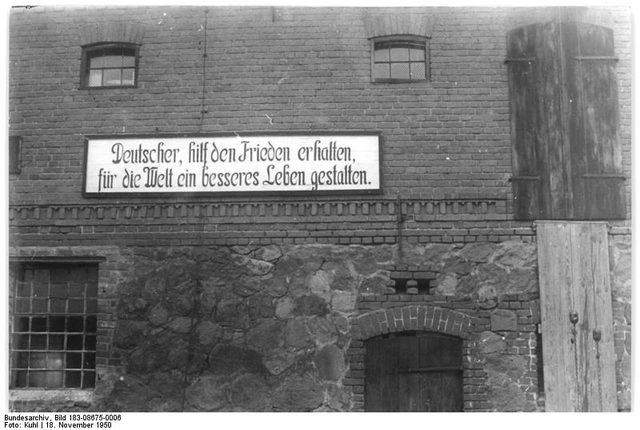 'Deutscher, hilf den Frieden erhalten' (German, help preserve peace): banner on a state farm, Petkus, East Germany
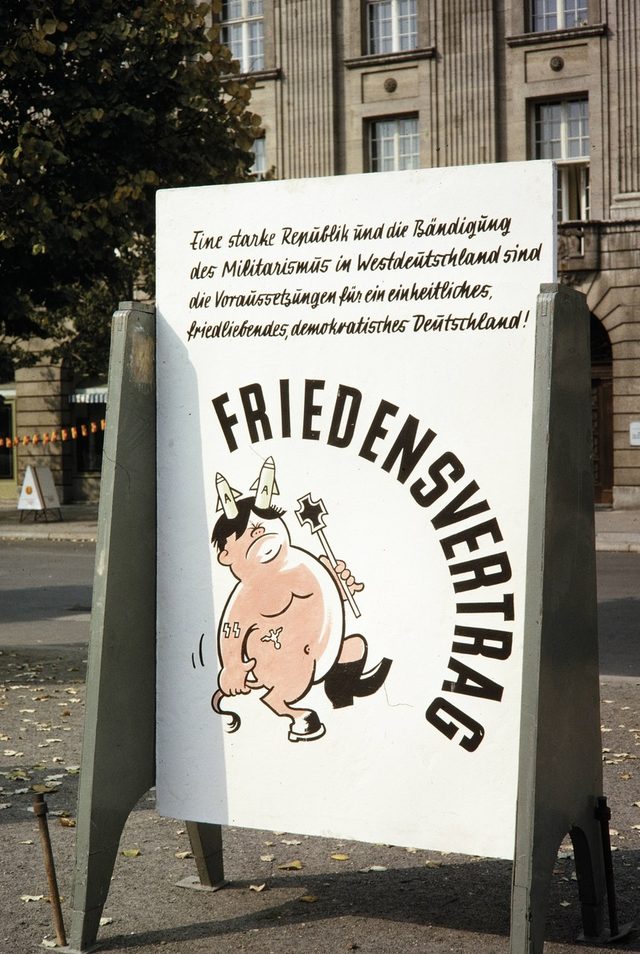 FRIEDENSVERTRAG: East Berlin street board on a German peace treatyContent note
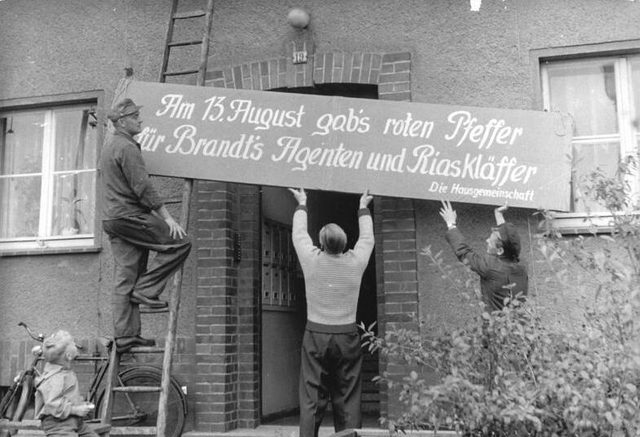 "Am 13. August gab's roten Pfeffer": house-community banner, BitterfeldContent note
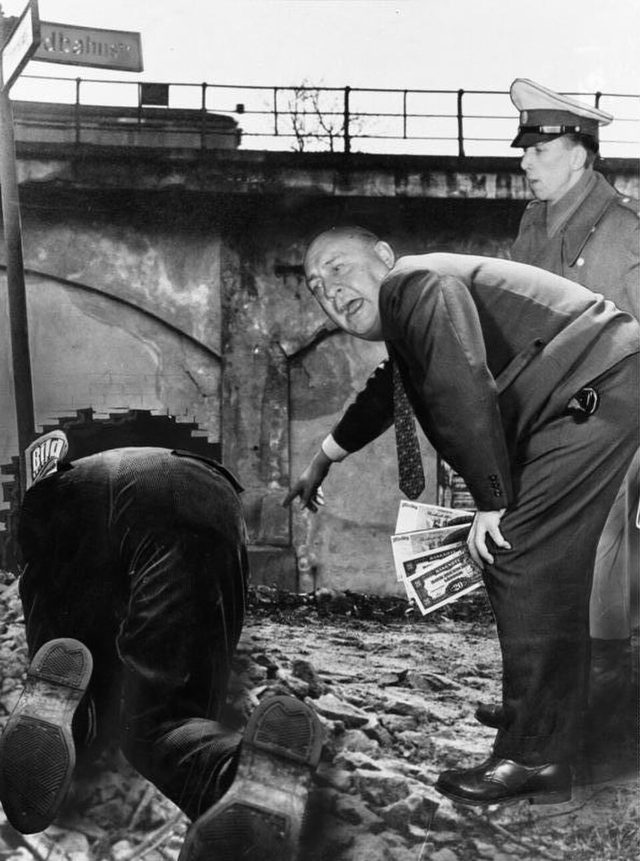 "Der Schutzpatron der Westberliner Spionageorganisation Lemmer": ADN photomontage
Netherlands (3)
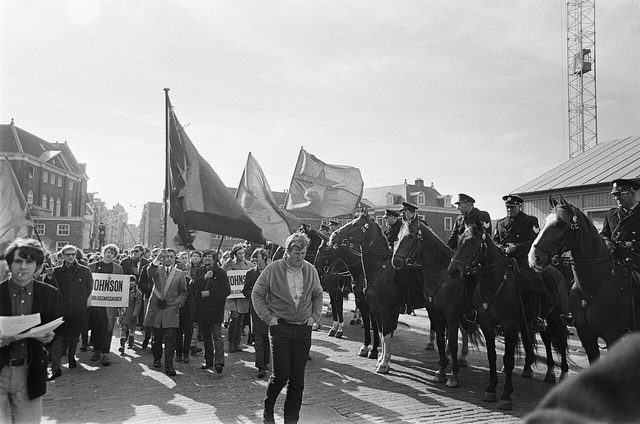 'Johnson Oorlogsmisdadiger' (Johnson, war criminal): placard at an anti-American demonstration, Amsterdam
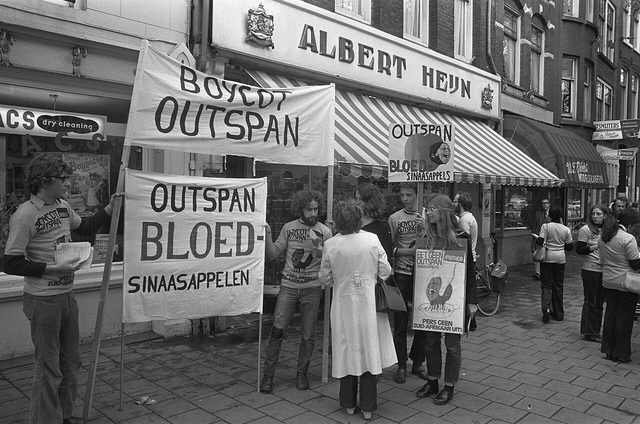 "Boycot Outspan" Protest Outside Albert Heijn, Amsterdam (1973)
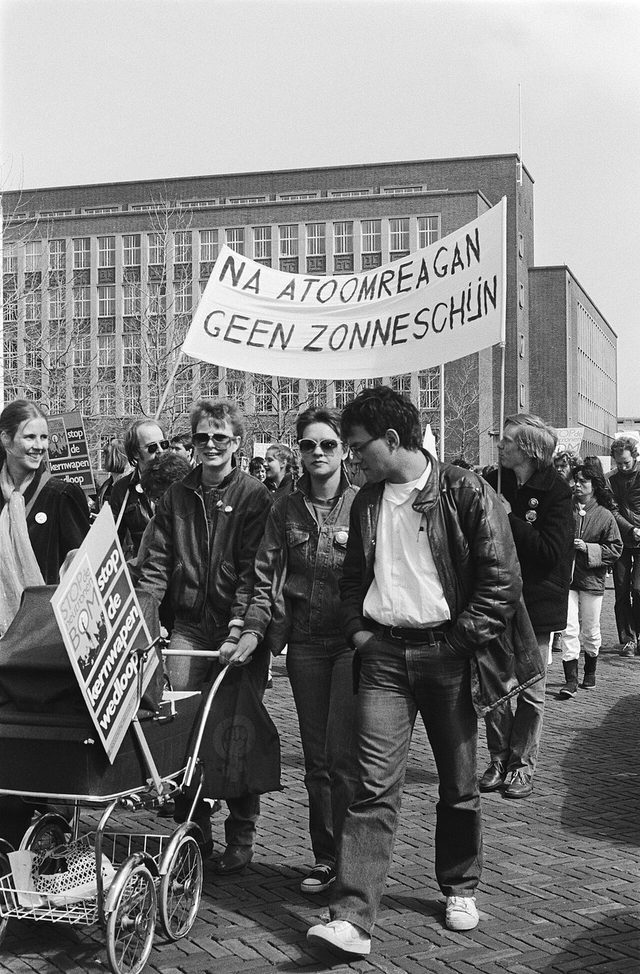 "Na atoomreagan geen zonneschijn": banner at a Dutch anti-nuclear demonstration
China (2)
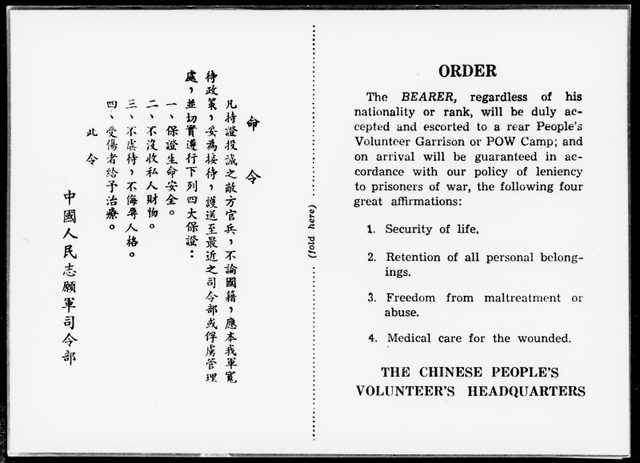 ORDER: safe-conduct pass of the Chinese People's Volunteers' Headquarters
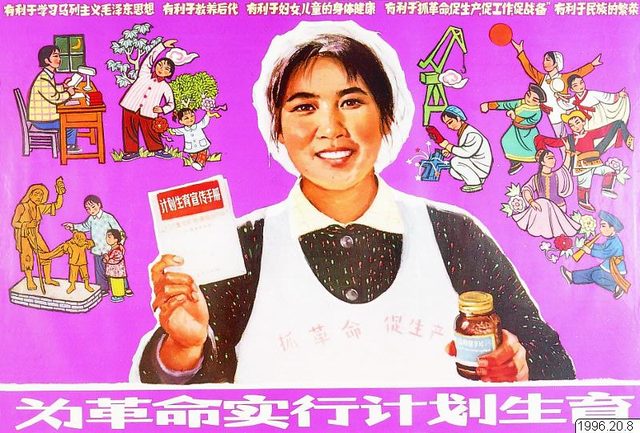 "为革命实行计划生育" (Practise family planning for the revolution), Shanghai poster
Hungary (2)
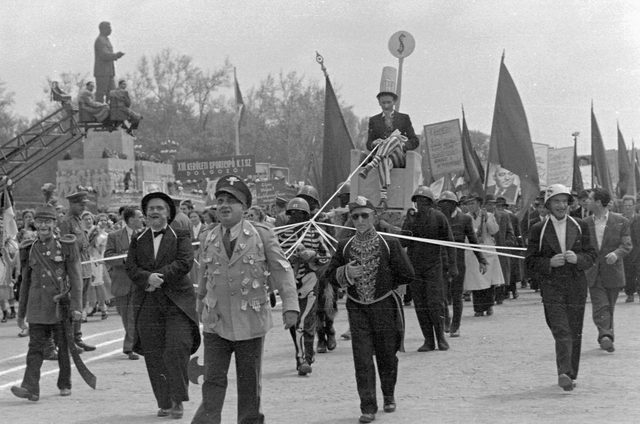 May Day parade satire: dollar-throne figure and 'US'-helmeted puppets, BudapestContent note
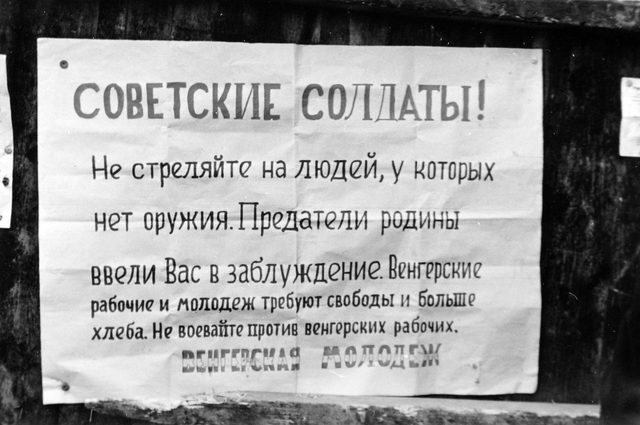 Sovetskie soldaty! Russian-language appeal to Soviet troops, Budapest 1956
Iran (2)
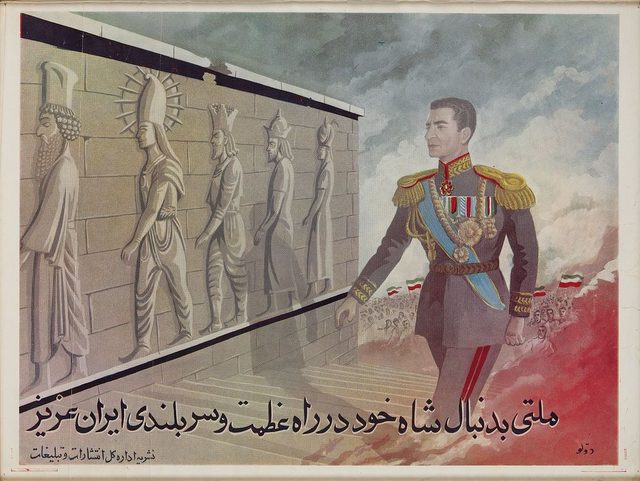 Melati bedonbal-e shah-e khod (A Nation Following Its Shah): Pahlavi government poster
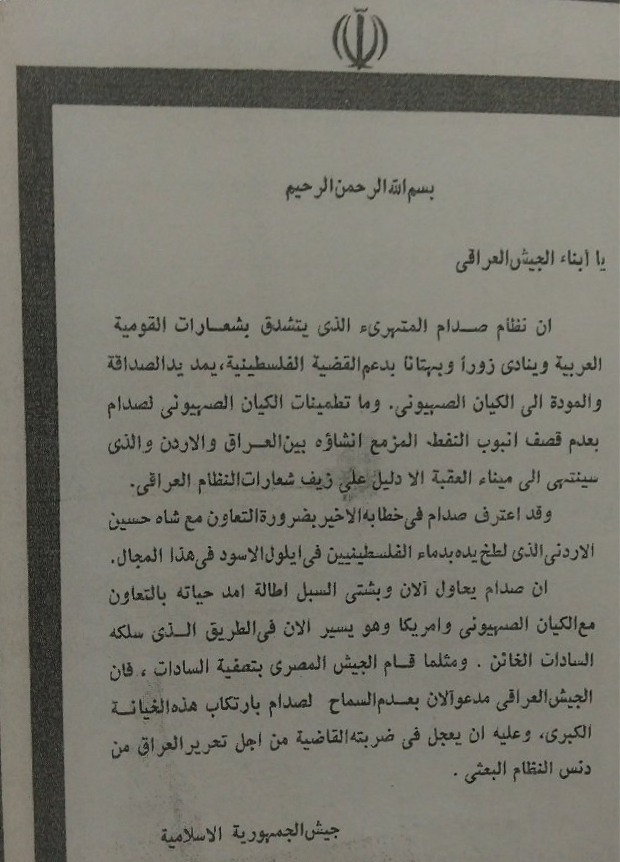 Ya abna' al-jaysh al-'iraqi (O Sons of the Iraqi Army): Iranian Army leaflet
Belgium (1)
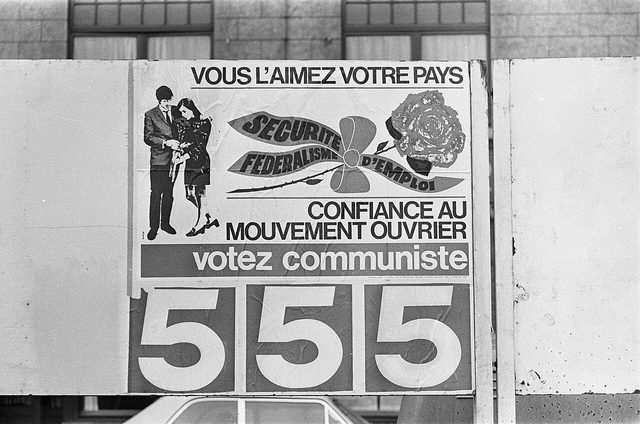
Czechoslovakia (1)
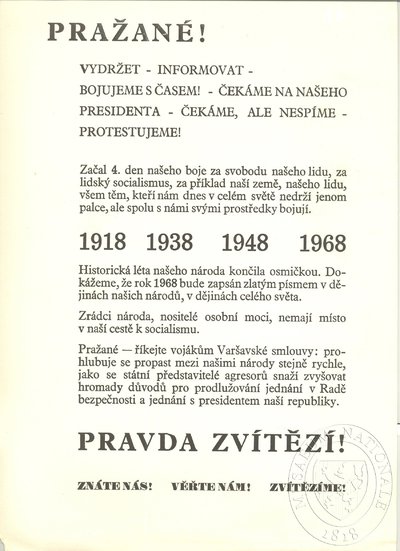
Democratic Republic of Vietnam (1)
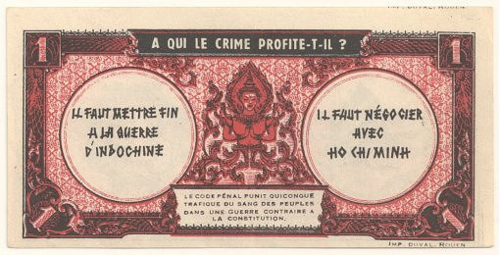
Iraq (1)
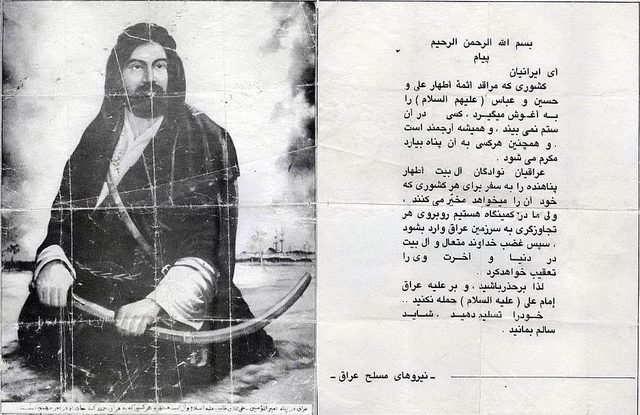
Kenya Colony (1)
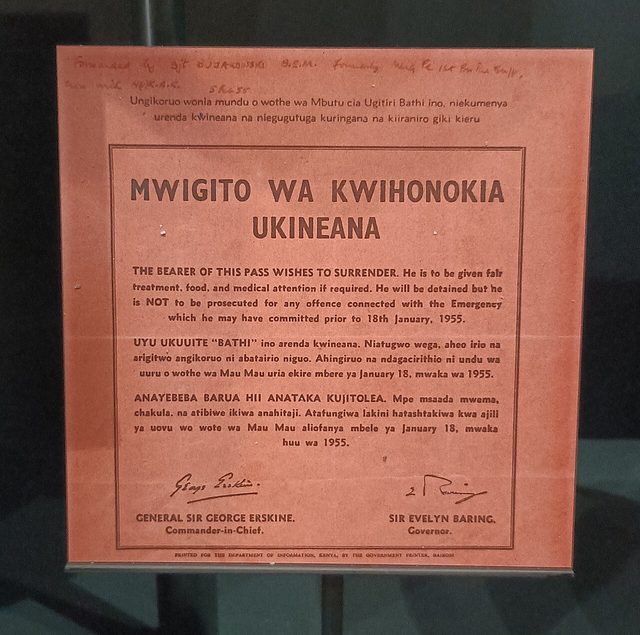
Korea Under Us Military Government (1)
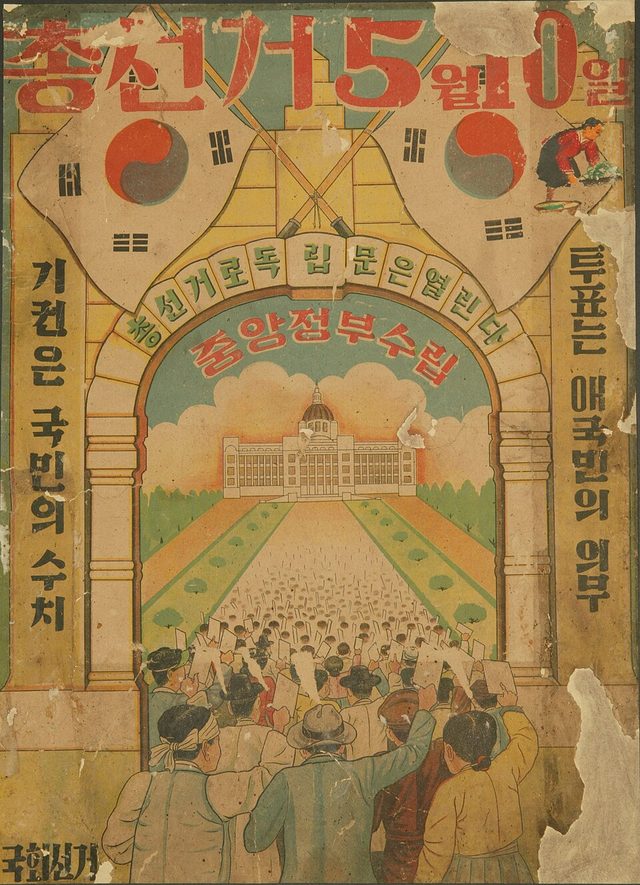
New Zealand (1)
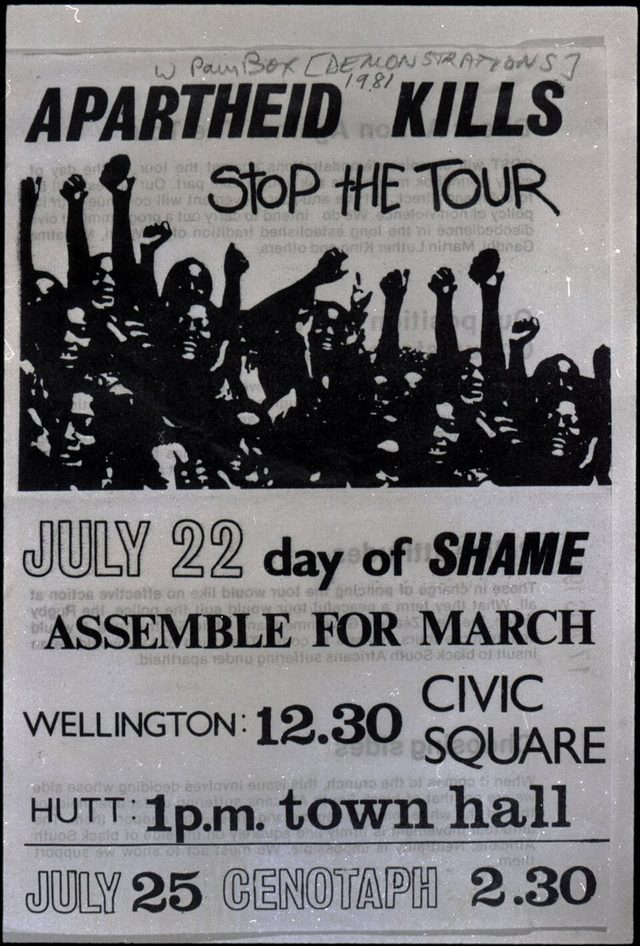
North Korea (1)
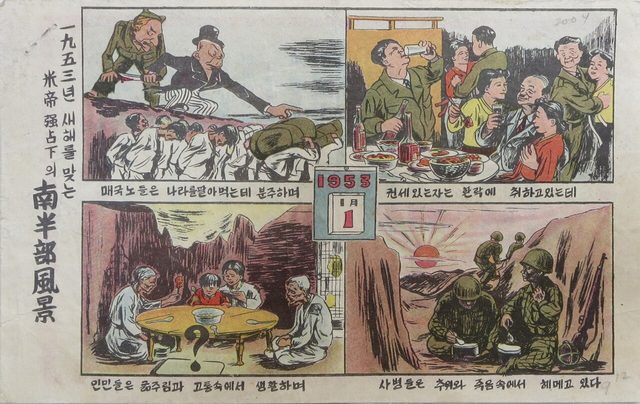
Peoples Republic of The Congo (1)
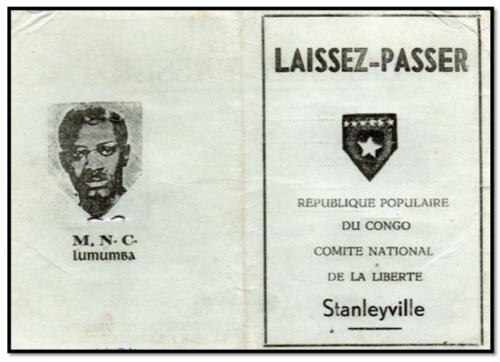
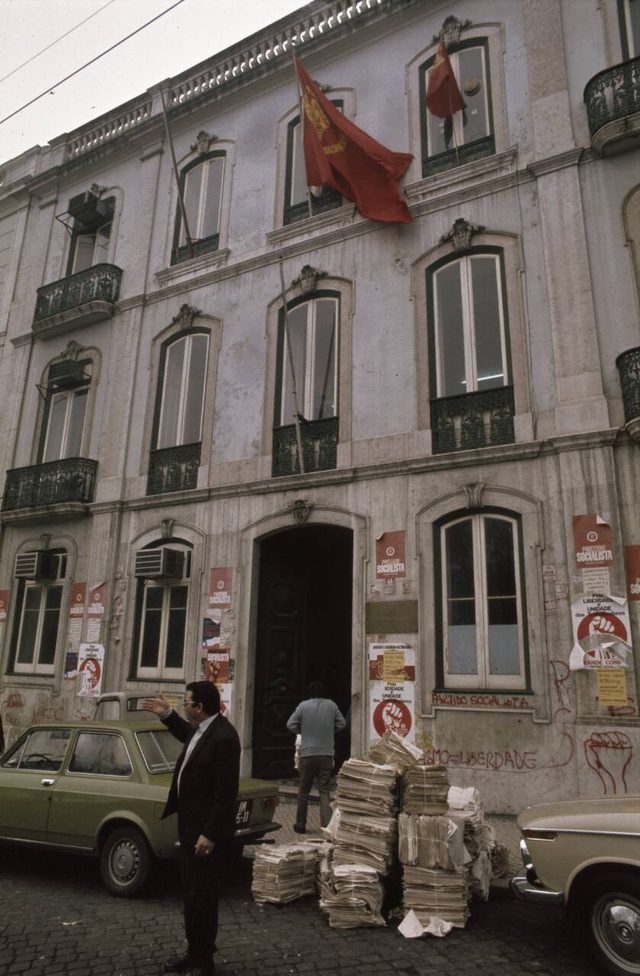
Portugal (1)
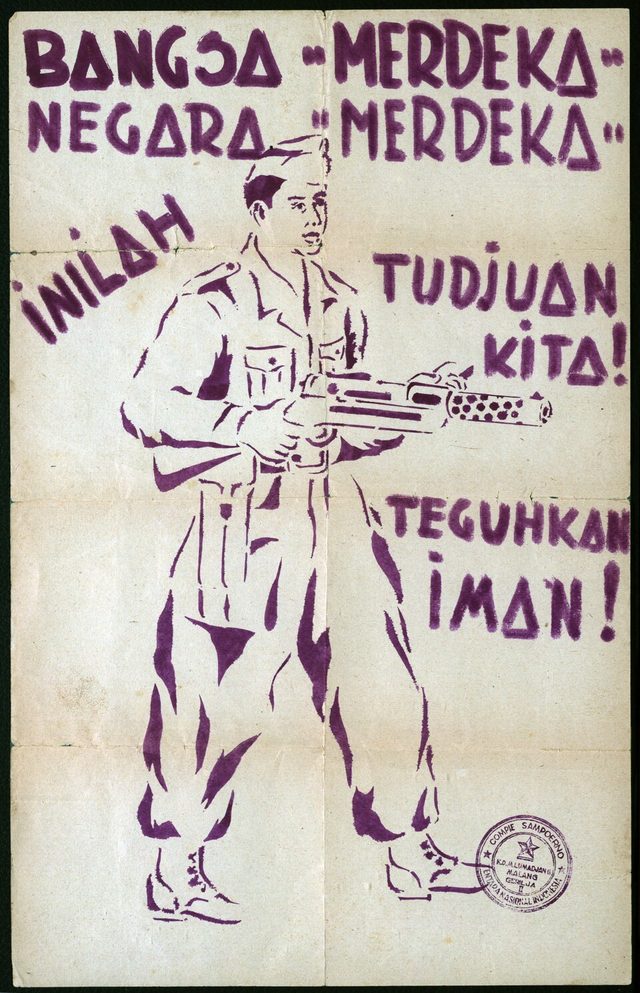
Republic of Indonesia (1)
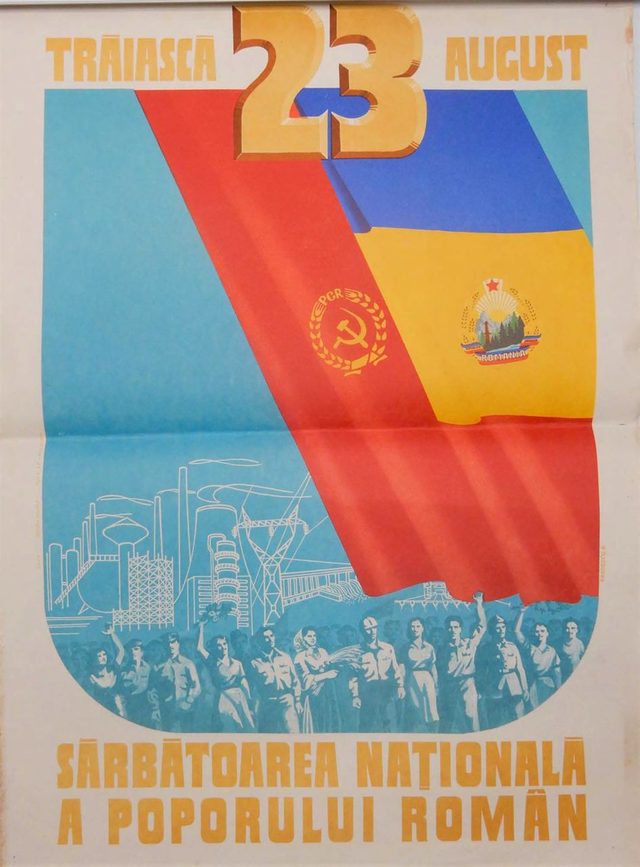
Romania (1)
Somalia (1)
South Korea (1)
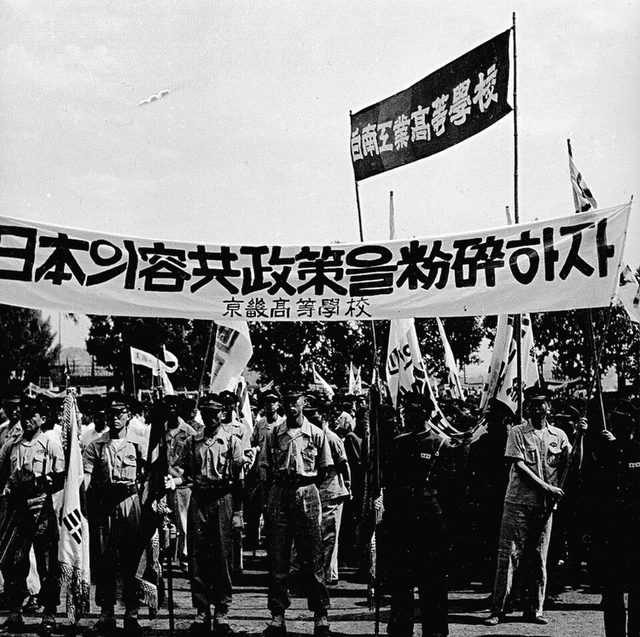
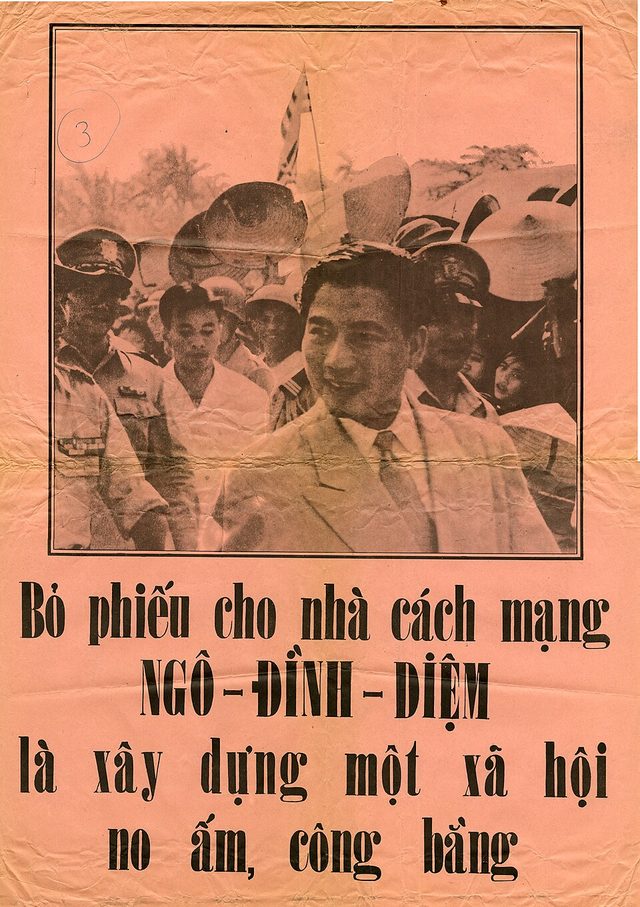
South Vietnam (1)
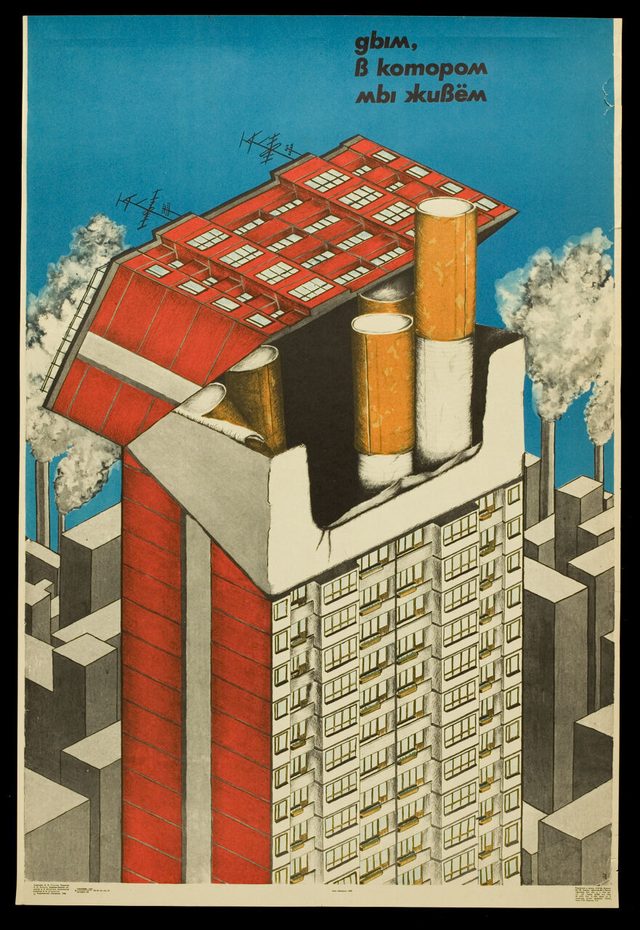
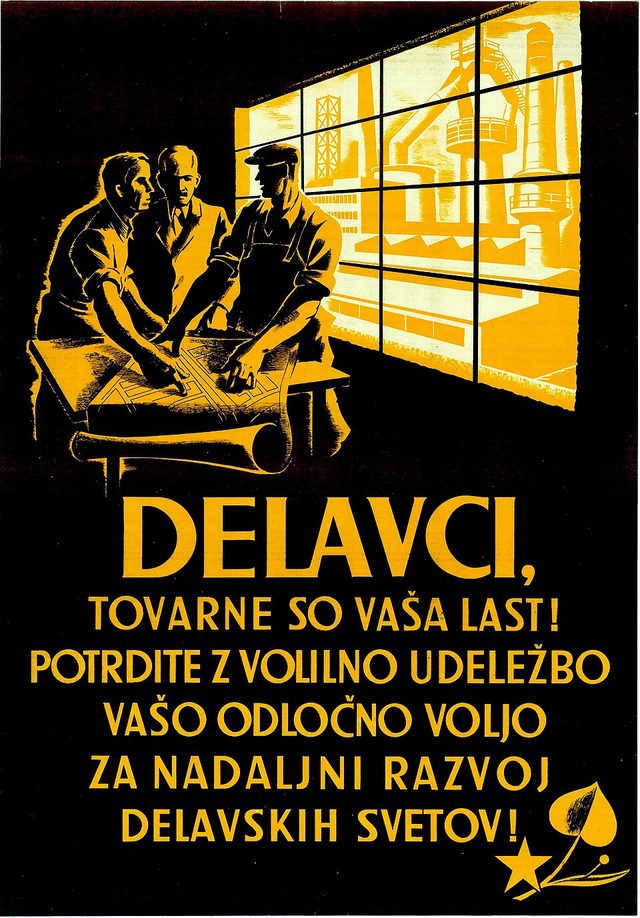
Soviet Union (1)
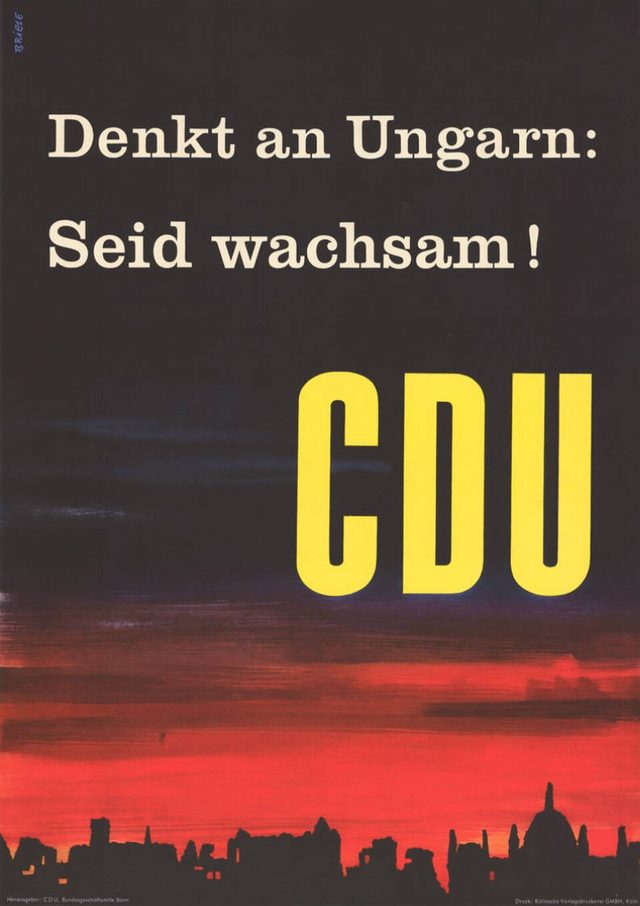
West Germany (1)
Yugoslavia (1)
How the sides differed
The methods overlap, but the settings differ. In the Soviet Union one party controlled the press, broadcasting and schooling, and it jammed foreign radio; in the United States a press outside government also operated, and Congress and journalists exposed the RFE funding and the FBI's press placements. Forged or falsely attributed material is documented on both sides: the KGB's Klan letters, and FBI mailings written as if from members of the groups it targeted (COINTELPRO: the FBI's covert media and information operations against U.S. groups, 1956-1971). The U.S. cases above also involve concealed sponsorship, selective evidence and, in Radio Swan, a covert broadcast under a cover company. Neither side's conduct excuses the other's: each case is judged by its own method.
Sources
- U.S. Department of State. "USIA's History at a Glance." State Magazine, September 1999. https://1997-2001.state.gov/publications/statemag/statemag_sept99/featxt1a.html ; National Archives. "Records of the United States Information Agency (RG 306)." https://www.archives.gov/research/foreign-policy/related-records/rg-306 ; Reorganization Plan No. 8 of 1953. https://uscode.house.gov/view.xhtml?req=granuleid:USC-prelim-title5a-node35-leaf92&num=0&edition=prelim
- Britannica. "Voice of America (VOA)." https://www.britannica.com/topic/Voice-of-America ; Smith-Mundt Act (1948): Congressional Research Service. U.S. Public Diplomacy: Legislative Proposals to Amend Prohibitions on Disseminating Materials to Domestic Audiences, R42754. https://www.everycrsreport.com/reports/R42754.html
- Johnson, A. R. (2010). Radio Free Europe and Radio Liberty: The CIA Years and Beyond. Woodrow Wilson Center Press / Stanford University Press. https://gbv.wilsoncenter.org/book/radio-free-europe-and-radio-liberty-the-cia-years-and-beyond ; Cummings, R. H. (2010). Radio Free Europe's "Crusade for Freedom". McFarland.
- Koch, J. A. (1973). The Chieu Hoi Program in South Vietnam, 1963-1971. RAND R-1172-ARPA. https://www.rand.org/pubs/reports/R1172.html
- Weathersby, K., & Leitenberg, M. (1998). New evidence on the Korean War. Cold War International History Project Bulletin, 11. https://www.wilsoncenter.org/publication/cwihp-bulletin-11
- Endicott, S., & Hagerman, E. (2001). Twelve newly released Soviet-era "documents" and allegations of U.S. germ warfare during the Korean War. Asian Perspective, 25(1), 249-257. https://muse.jhu.edu/article/784903
- Britannica. "Radio: broadcasting in continental Europe." https://www.britannica.com/topic/radio/Continental-Europe
- Central Intelligence Agency (1984, 17 July). Alleged KKK Death Threats to Third World Olympic Athletes: A Soviet Active Measure. https://www.cia.gov/readingroom/document/cia-rdp85t00287r001400750001-6
- Andrew, C., & Mitrokhin, V. (1999). The Sword and the Shield. New York: Basic Books.
- Boghardt, T. (2009). Soviet Bloc intelligence and its AIDS disinformation campaign. Studies in Intelligence, 53(4). https://www.cia.gov/resources/csi/studies-in-intelligence/volume-53-no-4/soviet-bloc-intelligence-and-its-aids-disinformation-campaign
- Selvage, D. (2019). Operation "Denver": The East German Ministry of State Security and the KGB's AIDS disinformation campaign, 1985-1986 (Part 1). Journal of Cold War Studies, 21(4), 71-123. https://direct.mit.edu/jcws/article/21/4/71/13815/Operation-Denver-The-East-German-Ministry-of-State
Related
- What is propaganda? Definition, history and examples
- Propaganda, misinformation and disinformation: the differences
- Doctrine (working definition)
- U.S. Army and Joint Staff, Psychological Operations doctrine (1987-2013)
- Lenin and the Communist Party of the Soviet Union, the agitprop model (1902-1991)
- The Crusade for Freedom: Truth Dollars for a CIA-funded radio, 1950-1971
- Chieu Hoi and Radio Hanoi: both sides' propaganda aimed at the other side's soldiers in Vietnam
- The Korean War germ-warfare charges: commissions, confessions and the 1953 recall
- Les communistes pris en flagrant délit de mensonge (The Communists Caught in the Act of Lying)
- Cold War radio jamming (1948 to 1988)
- The Active Measures Working Group (1981 to 1992)
- 'For whites only': the forged Klan letters sent to Olympic committees in 1984
- The Agitprop Department: the Communist Party's standing propaganda apparatus, 1920-1991
- Pravda, Izvestia and TASS: the institutional structure of the Soviet press monopoly, 1912-1991
- Glasnost: the controlled opening that outran the Soviet state (1985-1989)
- Zhongxuanbu: the Central Propaganda Department as the ruling party's standing ministry of message, 1949-2026
- Grief on schedule: Mao's death, Hua Guofeng's succession and the 'two whatevers', 1976-1978
- The Cuba-United States radio war: Radio Swan's cover story and Havana's 'gusanos'
- The peoples of three continents: OSPAAAL, a Havana secretariat, and Tricontinental
- Voice of the Arabs and the Voice of Britain: the Arab radio war, 1953-1967
- Barre Cult of Personality Mural
- COINTELPRO: the FBI's covert media and information operations against U.S. groups, 1956-1971
- McCarthy's numbers: 205, 57, 81 and the move from 'card-carrying Communists' to 'security risks' (1950-54)
- Narrative laundering
- Testimonial
- Transfer
- Card stacking
- Astroturfing
- Fear appeal
- Bandwagon
- Identity fusion
- Manufactured consensus