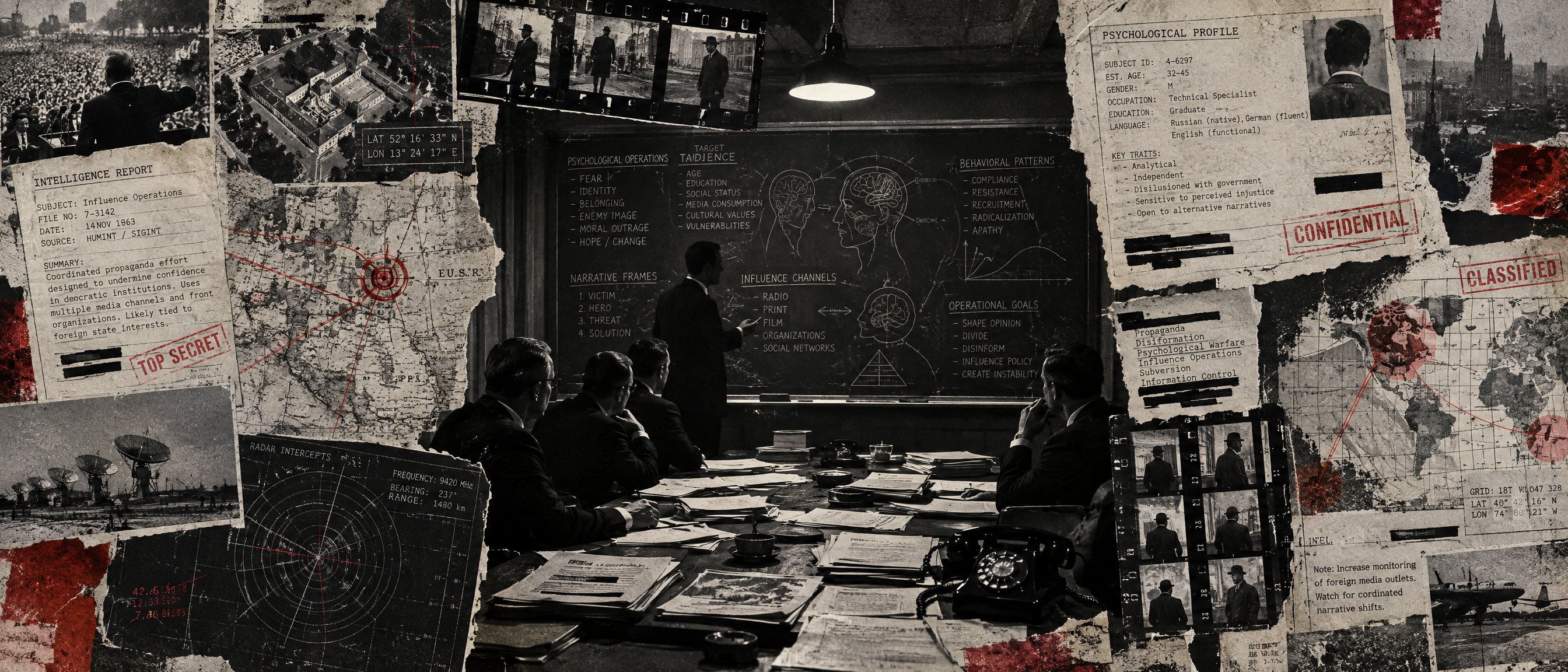
Content note. This page discusses First World War atrocity claims, some later confirmed and some not, and shows posters that use the epithets of the period. They are shown as they were issued, as the evidence under study.
Short answer
Every major belligerent used posters in the First World War, mostly for three jobs: recruiting soldiers, selling war bonds, and shaping conduct on the home front. The institutions differed. The United States ran a single federal agency, Britain divided the work between a party-led recruiting committee and a secret bureau aimed abroad, and Germany, Austria-Hungary, France and Russia leaned heavily on war-loan campaigns. The same few techniques appear on every side. Posters were one channel among several, and no source used here measures how many enlistments or subscriptions a particular poster produced.
How each belligerent ran it
United States. Executive Order 2594 created the Committee on Public Information (CPI) on 13 April 1917, a week after the declaration of war. Its chair George Creel wrote that the committee did not call its work propaganda, "for that word, in German hands, had come to be associated with deceit and corruption" [1]. Volunteer artists supplied posters for government departments and patriotic societies, with 1,438 drawings used, and 75,000 Four Minute Men gave 755,190 speeches, by the CPI's own count [1]. The Espionage and Sedition Acts were enforced against dissent in the same period. See The Committee on Public Information: how the U.S. government sold the First World War at home (1917-1919) and Wartime censorship in the First World War: Britain, Germany, France and the United States.
United Kingdom. Recruiting posters came from the Parliamentary Recruiting Committee, whose presidents were the Prime Minister and the Conservative and Labour leaders, Bonar Law and Arthur Henderson [2]. Britain had no peacetime conscription, so it relied on volunteers until the Military Service Act of January 1916. Separately, Charles Masterman's War Propaganda Bureau at Wellington House worked from September 1914, mostly abroad and largely unannounced, placing books and pamphlets with commercial publishers [3]. The first body was open about its sponsor. The second was not. See Wellington House and the Bryce Report: atrocity evidence, confirmed and unconfirmed (1914-1915).
Germany. War-loan campaigns carried most of the poster effort. The Reich issued nine war bonds between 1915 and 1918, raising 98 billion marks, and the sixth loan in spring 1917 was backed by more than 1.4 million posters [4]. Abroad, the Foreign Office answered Allied charges with pamphlets and statements, including the scholars' manifesto of 1914 (Germany answers back: the Manifesto of the 93 and the Lusitania medal (1914-1916)).
Austria-Hungary. War loans were sold in the languages of the monarchy, as with the German and Czech issues of the 1917 seventh loan, while the army's press office managed news and correspondents (Managing the news: France's 'bourrage de crâne' and Austria-Hungary's War Press Office (1914-1918)).
France. The government censored the press and sold the Second National Defence Loan of 1916 on Abel Faivre's "On les aura!" (On les aura! 2e Emprunt de la Défense Nationale. Souscrivez (We'll get them! Second National Defence Loan. Subscribe)). Soldiers named the resulting optimism bourrage de crâne, "skull-stuffing".
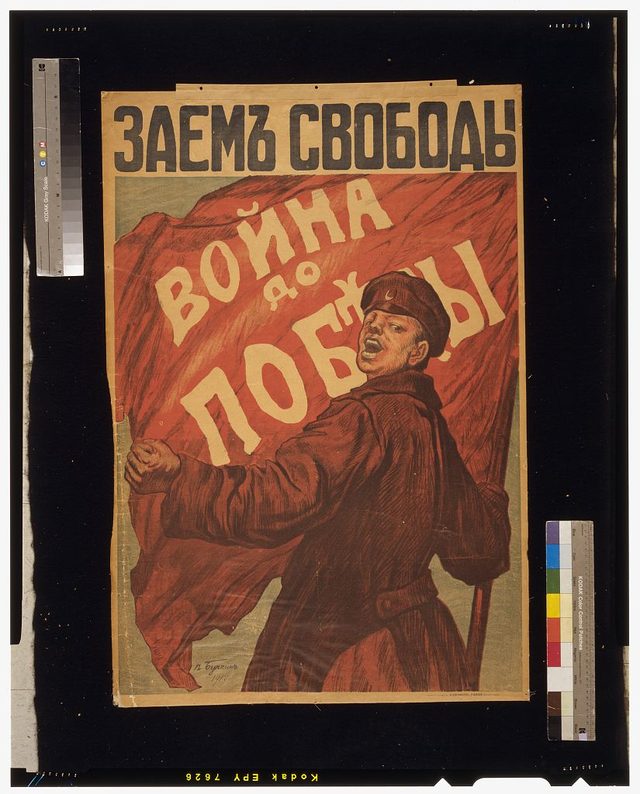
Russia. In 1914 Moscow's Segodniashnii Lubok issued satirical prints by Malevich and Lentulov with verses by Mayakovsky (Подошёл колбасник к Лодзи (A Sausage-Maker Came to Łódź)); after the February Revolution of 1917 the Provisional Government sold a "Liberty Loan" (Заём свободы. Война до победы (Liberty Loan. War until Victory)). Norris traces the lubok tradition through Russia's wars [5]. See Russia's war of words: tsarist lubki, the Liberty Loan and the fight over 'German agents' (1914-1918).
Scale and setting differ. The American agency was one federal body created in 1917, when the European powers had been at war for more than two years. Britain's effort was split between a party committee and a bureau, and the German figures above cover only the war-loan campaigns. This page does not rank them.
The recurring techniques
In each row an emotion or a symbol is offered where a checkable claim could have been. Lasswell compared four governments' output in 1927 and found the same devices across them [6]. One poster can carry several techniques at once.
Atrocity claims, as issued
The largest recurring subject was enemy atrocity, and it needs the record stated carefully. German troops killed about 6,500 Belgian and French civilians between August and October 1914, in mass shootings and burnings such as Dinant and Leuven, according to Horne and Kramer's study of German, Belgian, French, British and Italian archives; the same study found no documented case for stories such as children's severed hands [7]. The Bryce Report of May 1915 mixed the confirmed with the unconfirmed (Wellington House and the Bryce Report: atrocity evidence, confirmed and unconfirmed (1914-1915)), and the British poster below lists both kinds of item together without distinguishing them. A poster's method is judged separately from the underlying event, as the archive does for every side.
Some claims were false. In April 1917 British newspapers reprinted a report that Germany rendered its dead soldiers for fat; the German government denied it, and in December 1925 the Foreign Secretary told the Commons the government accepted there had been no foundation for it [8]. Neander and Marlin trace how a German word for animal carcasses, Kadaver, was reread as a charge about human bodies [9]. See The German 'corpse factory': a false atrocity story and its long afterlife (1917-1925).
The German side answered too, denying the Belgian charges in 1914 and issuing the statistical chart below in 1916, which replies to accusations by comparing Germany, England and France on categories the chart itself selects. Both exchanges are covered in Germany answers back: the Manifesto of the 93 and the Lusitania medal (1914-1916). Ponsonby collected stories he judged false from several countries in 1928 [10].
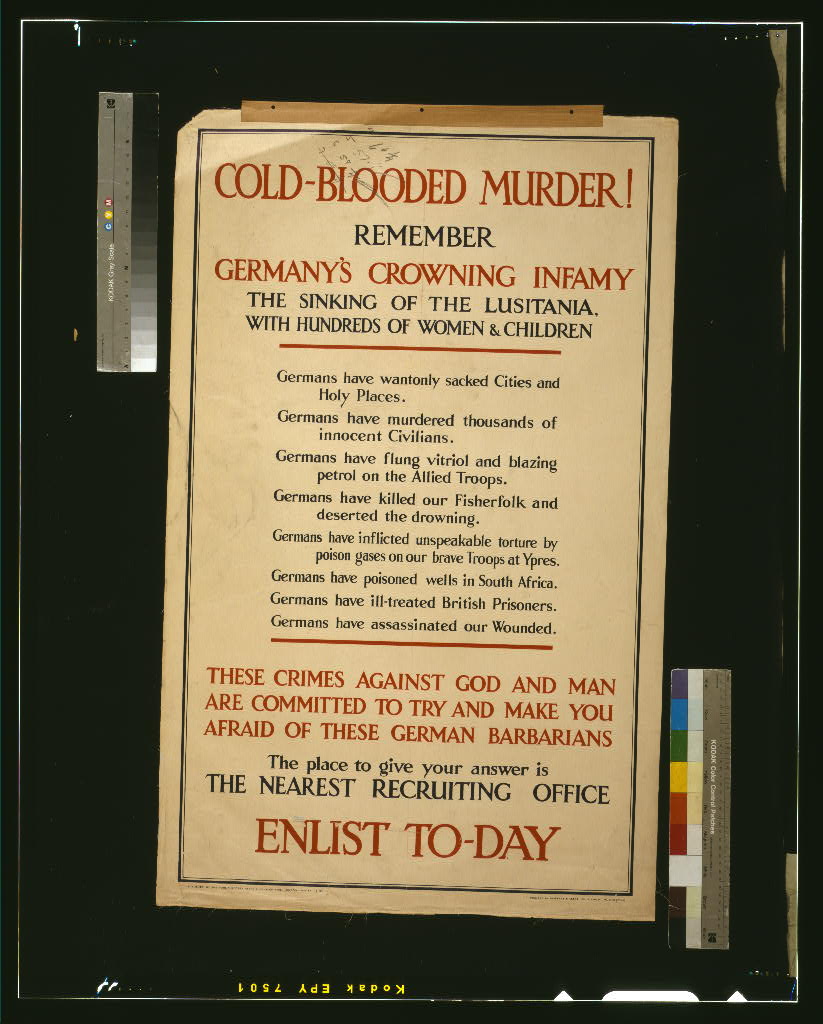
Cold-Blooded Murder! Remember Germany's Crowning Infamy. United Kingdom, 1915, Parliamentary Recruiting Committee poster no. 97.
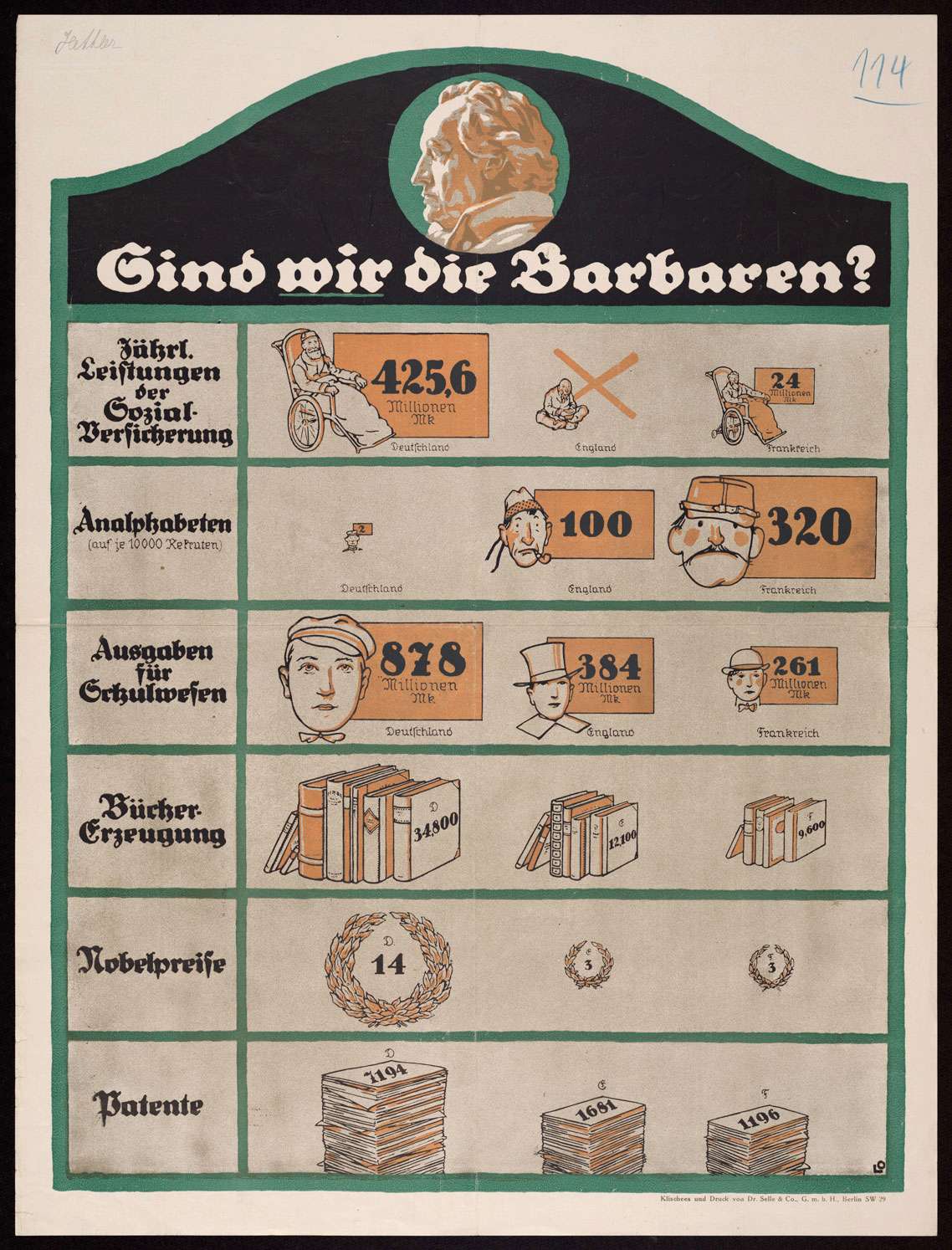
Sind wir die Barbaren? (Are We the Barbarians?). German Empire, 1916, Imperial German government counter-propaganda, artist Louis Oppenheim.
Other sides at a glance
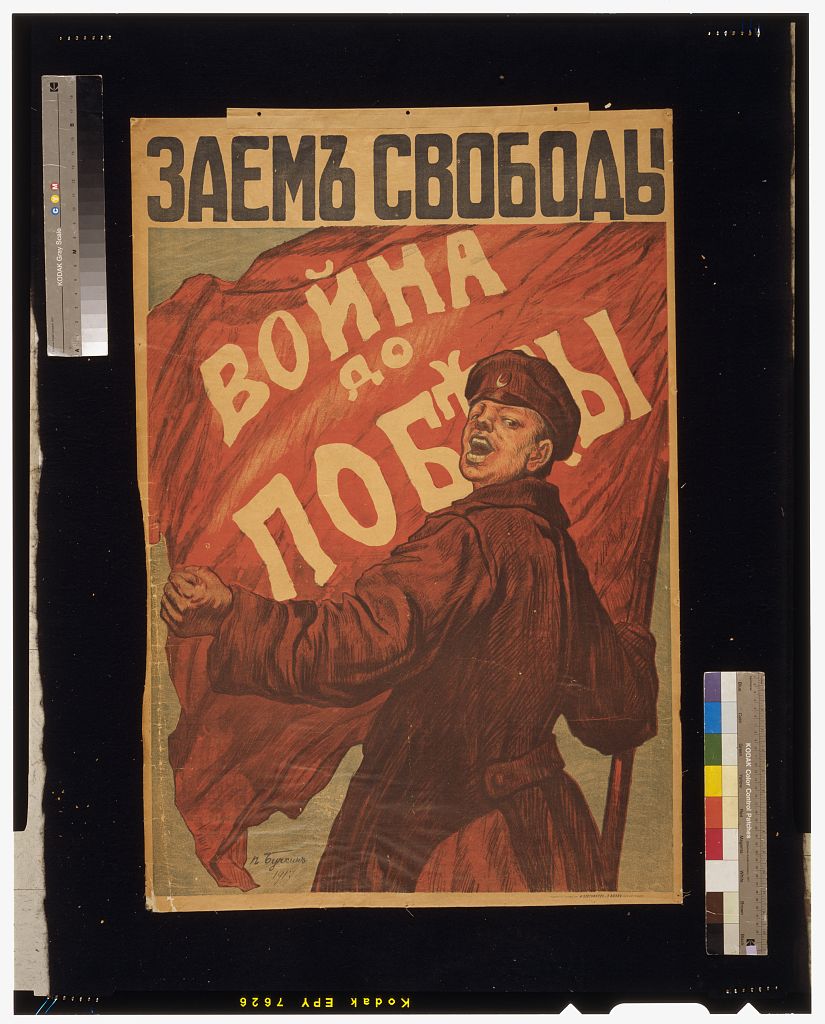
Заём свободы. Война до победы (Liberty Loan. War until Victory). Russia, 1917, Provisional Government Liberty Loan campaign.
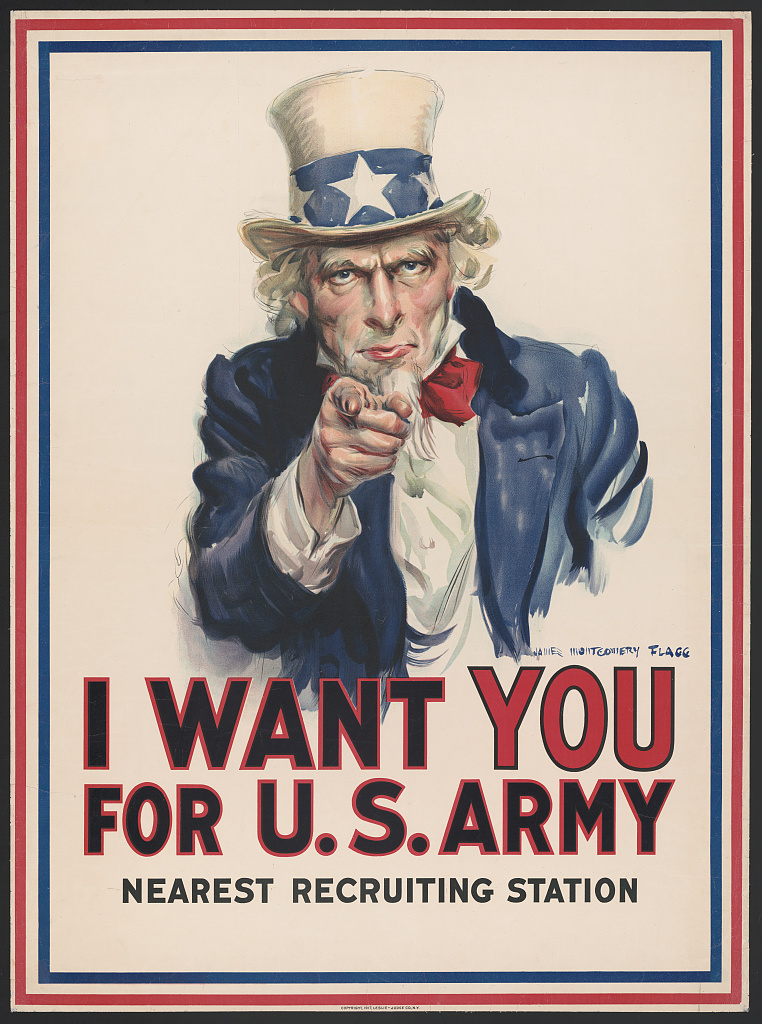
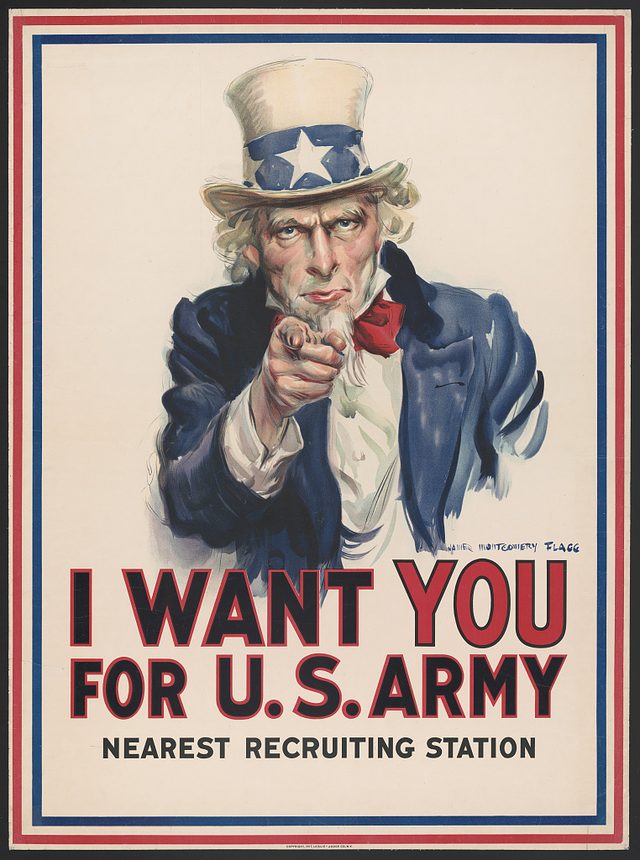
I Want You for U.S. Army. United States, 1917, U.S. Army recruiting, artist James Montgomery Flagg.
The collection
Every object in the collection with a First World War date appears below, listed by country. The list is generated from the archive's records and grows as objects are added. Only public-domain or openly licensed images are hosted, so the images shown here reflect what can be reproduced, not the full poster output of any country.
From the collection: First World War
102 objects, listed by issuing country: United States 26, German Empire 17, United Kingdom 12, Austria Hungary 7, France 5, Australia 4, Russian Empire 4, Canada 3, Kingdom of Italy 3, British India 2, Netherlands 2, Portuguese Republic 2, Switzerland 2, Transnational 2, Belgium 1, Bulgaria 1, Czechoslovak National Council 1, Emirate of Mecca 1, Empire of Japan 1, Finland 1, New Zealand 1, Ottoman Empire 1, Russia 1, Ukrainian People Republic 1, Ukrainian State 1. This list is generated from the collection records, so it changes as objects are added.
United States (26)
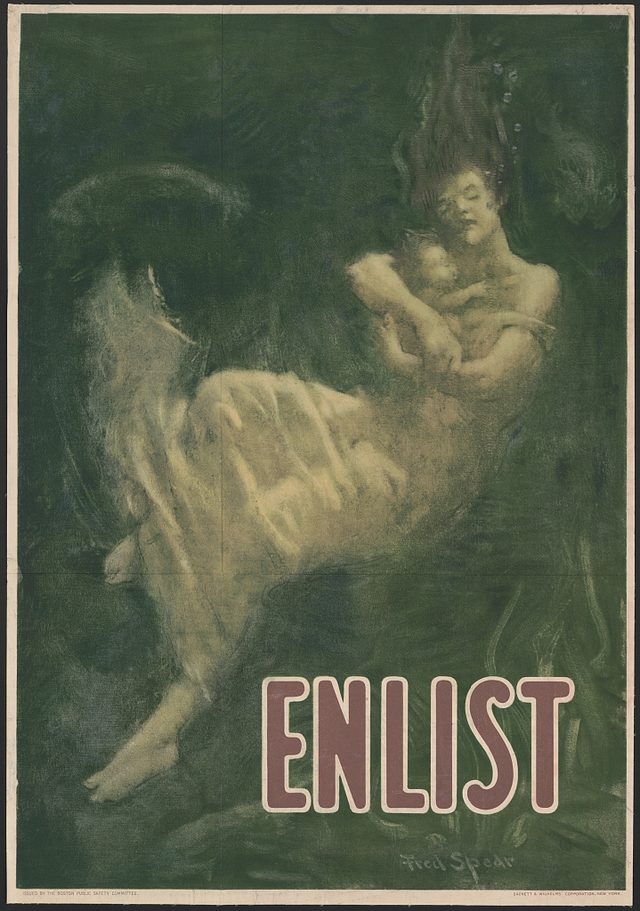 EnlistContent note
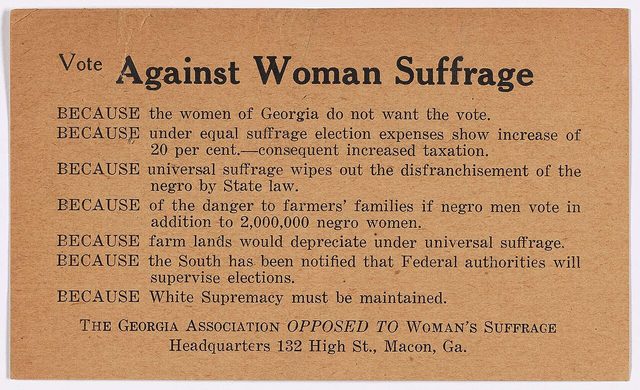 Vote Against Woman Suffrage
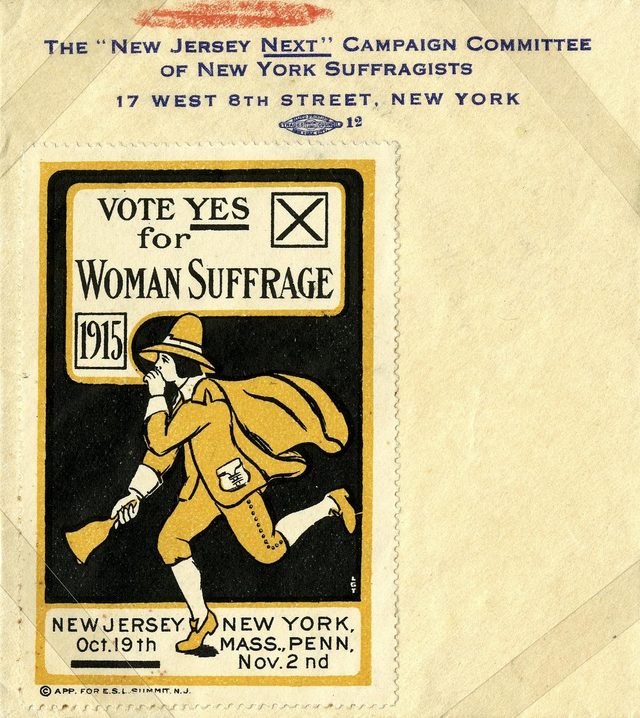 "Vote Yes for Woman Suffrage" poster stamp, New Jersey Next Campaign Committee (United States, 1915)
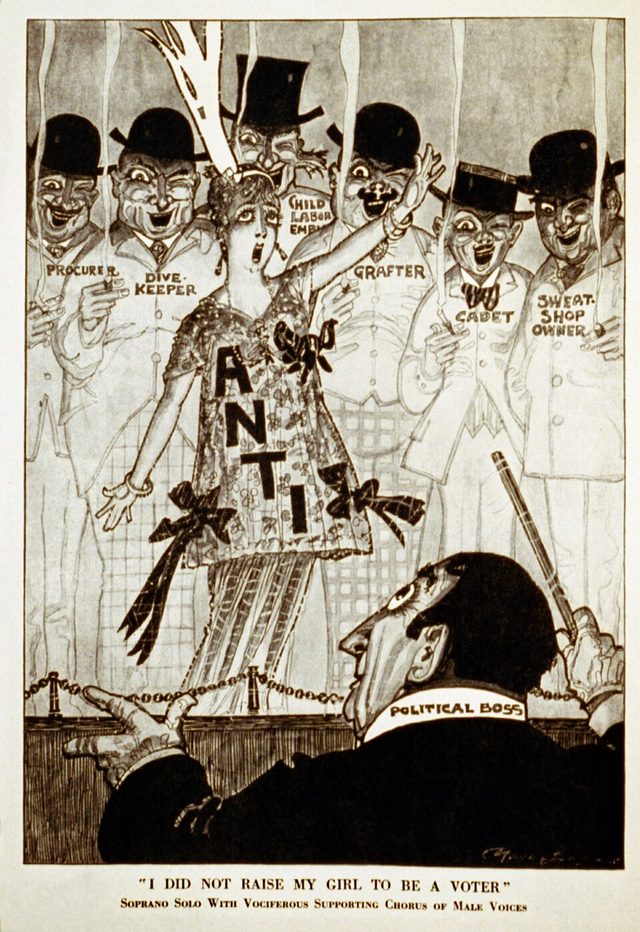 "I did not raise my girl to be a voter"
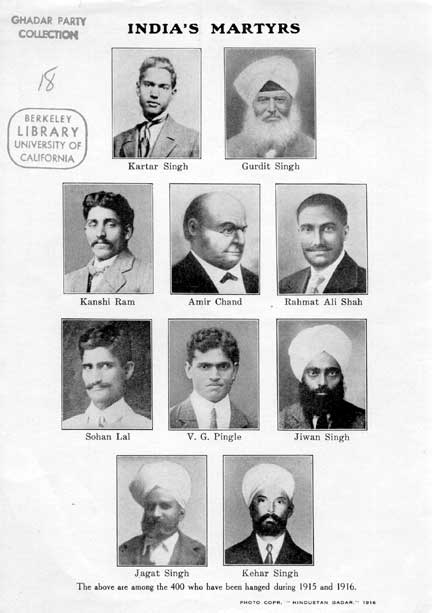 India's Martyrs (Ghadar Party handbill, San Francisco, 1916)
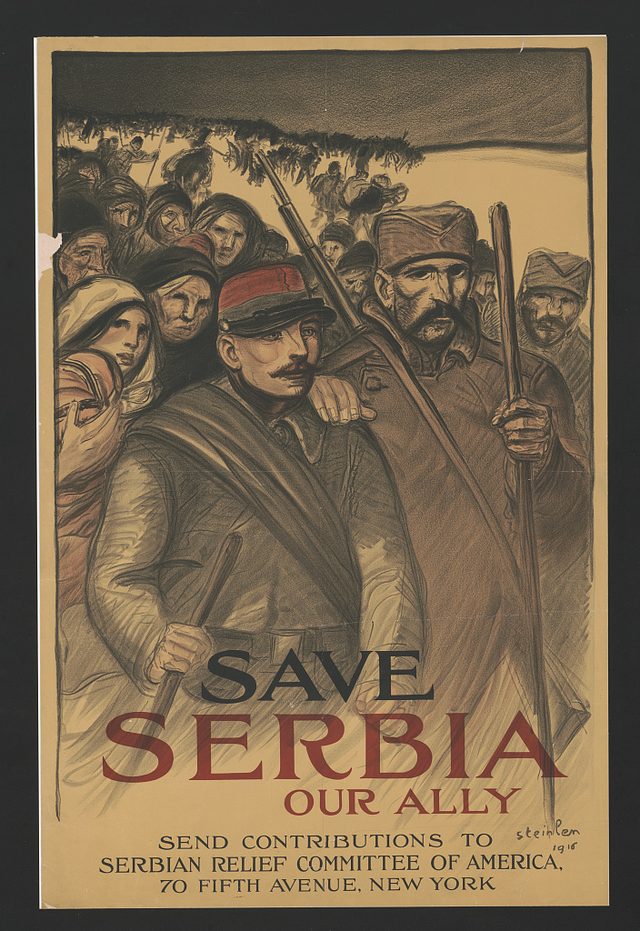 Save Serbia our ally: Serbian Relief Committee of America poster
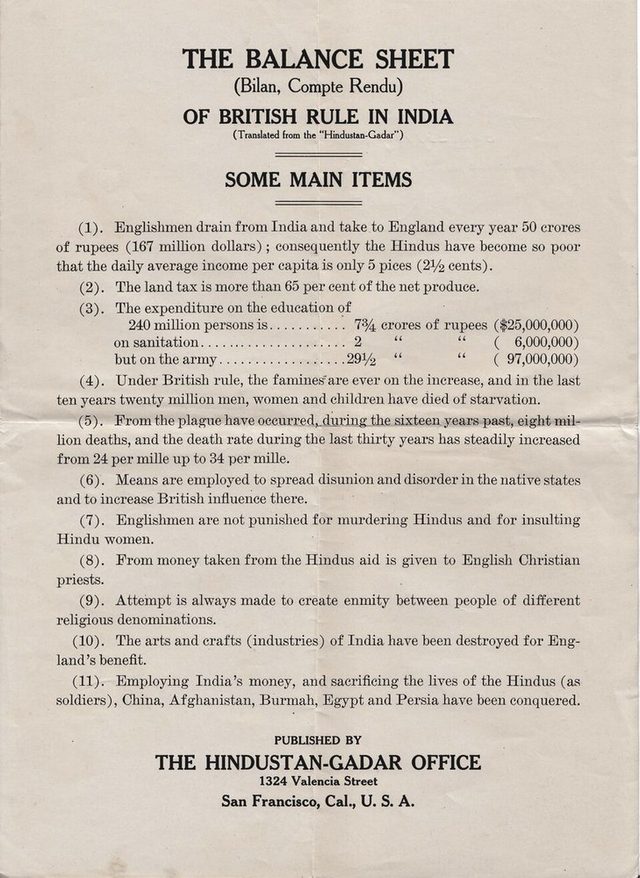 The Balance Sheet of British Rule in India (Hindustan-Gadar broadside)
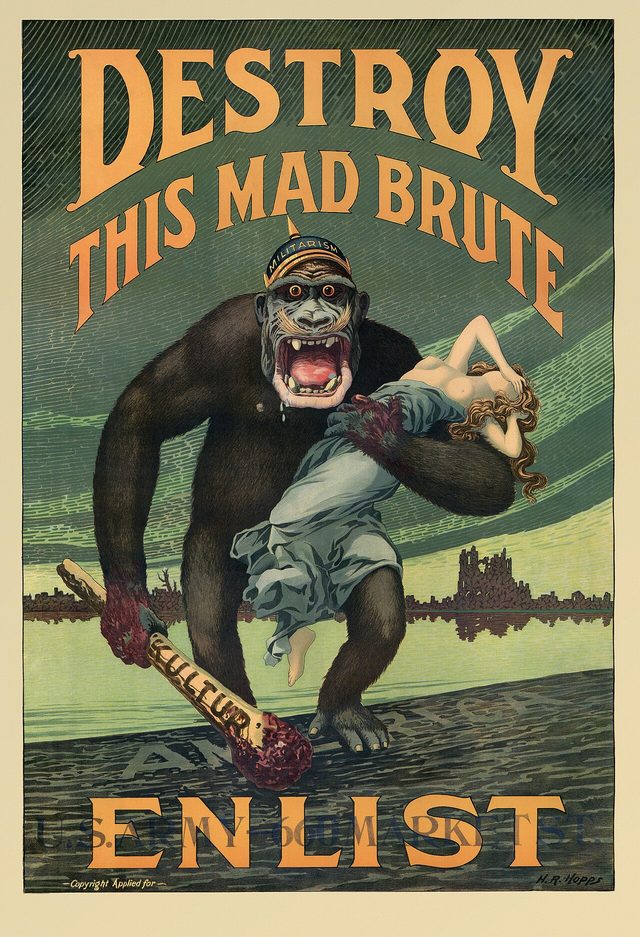 Destroy This Mad Brute — EnlistContent note
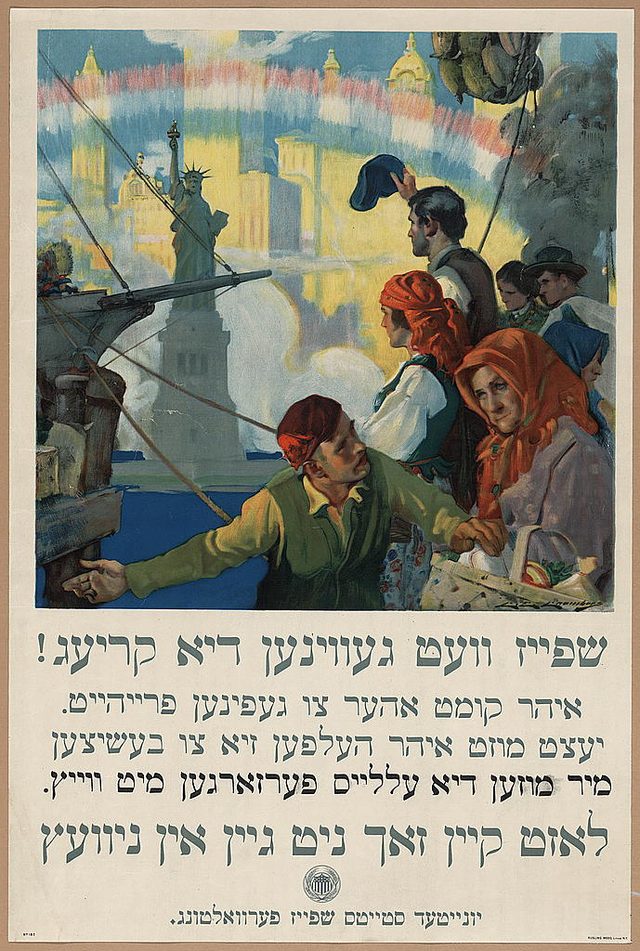 שפייז וועט געווינען דיא קריעג! (Food Will Win the War!), Yiddish edition
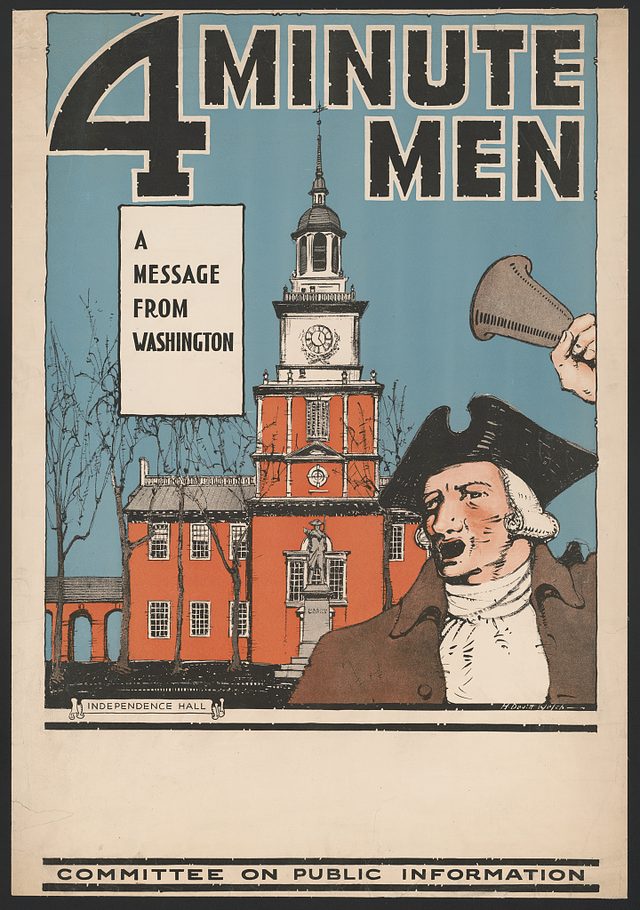 4 Minute Men: A Message from Washington
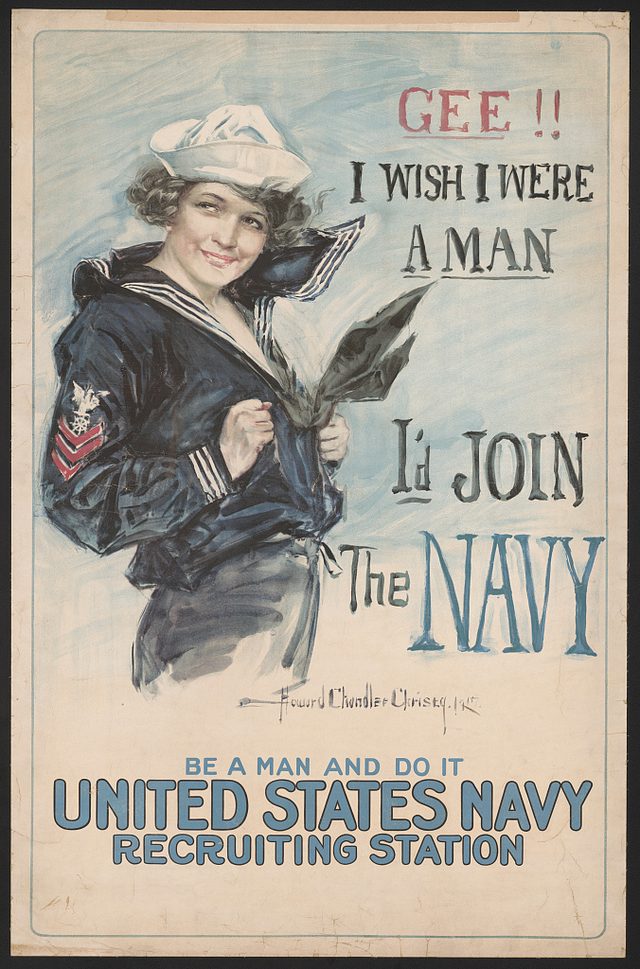 Gee!! I Wish I Were a Man, I'd Join the Navy
 He Can't Put It Out
 I Want You for U.S. Army
![Virginia Arnold [holding Kaiser Wilson banner]](../../collection/images/kaiser-wilson-banner-1917-640.jpg) Virginia Arnold [holding Kaiser Wilson banner]
Virginia Arnold [holding Kaiser Wilson banner] Putting the mortgage on the cradle
 The Black Stork (cinema advertisement)Content note
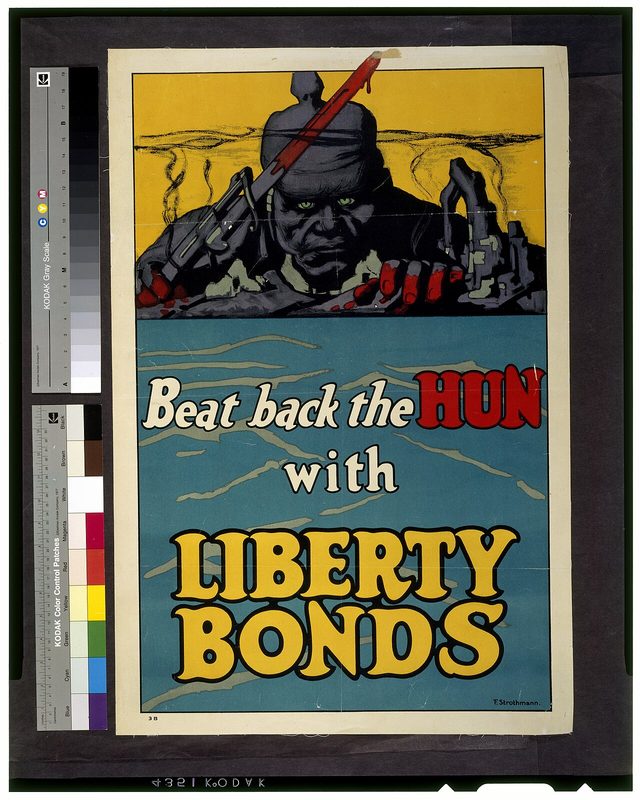 Beat Back the Hun with Liberty BondsContent note
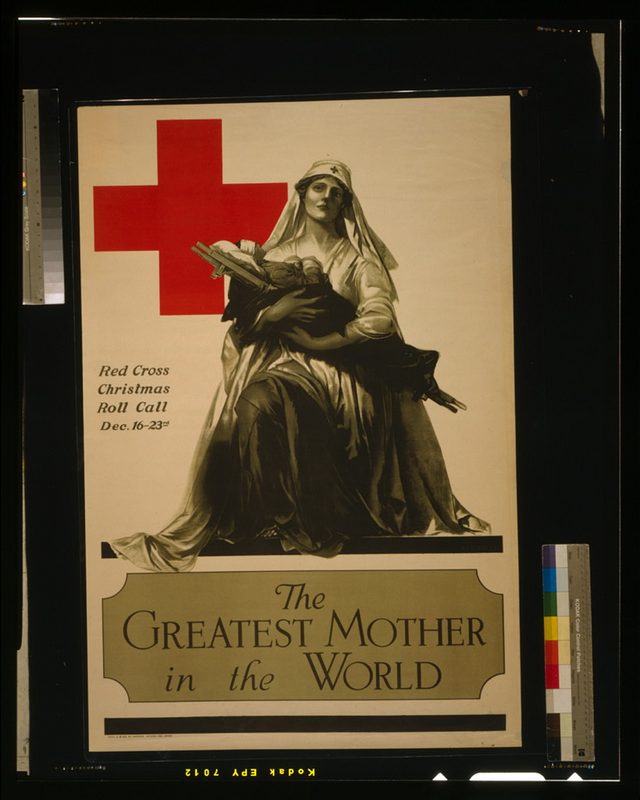 The Greatest Mother in the World: Red Cross Christmas Roll Call
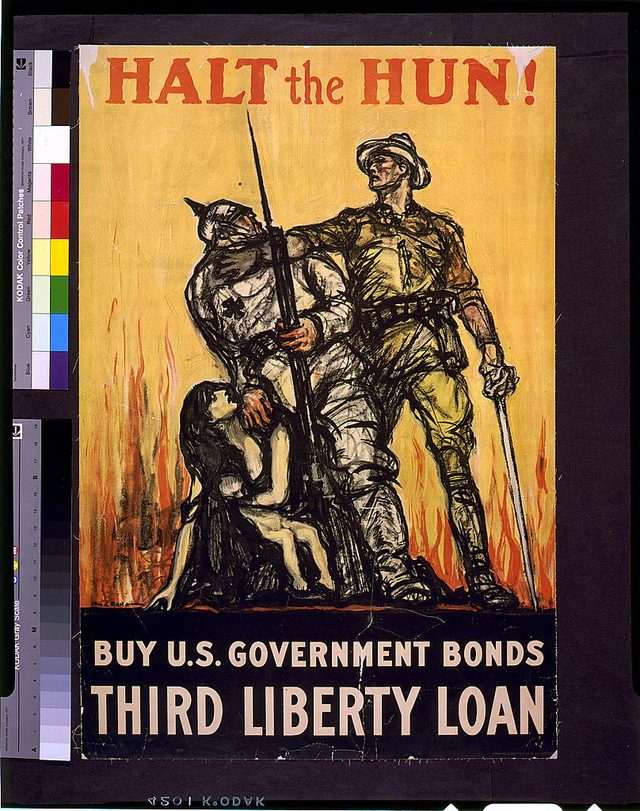 Halt the Hun! Buy U.S. Government Bonds, Third Liberty LoanContent note
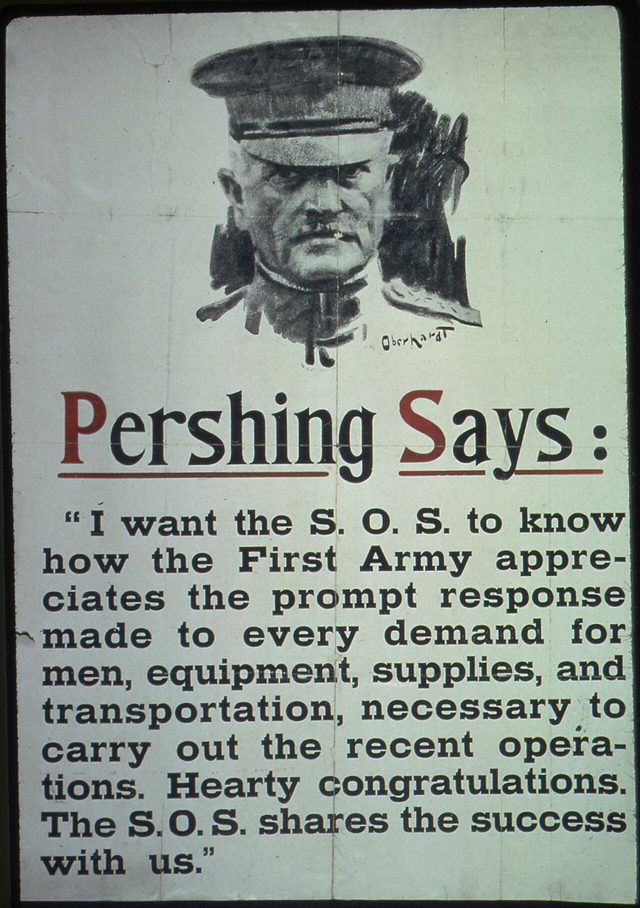 Pershing Says: The S.O.S. Shares the Success With Us
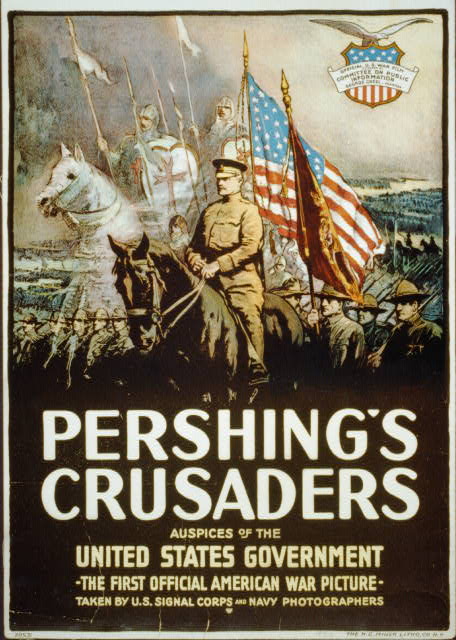 Pershing's Crusaders
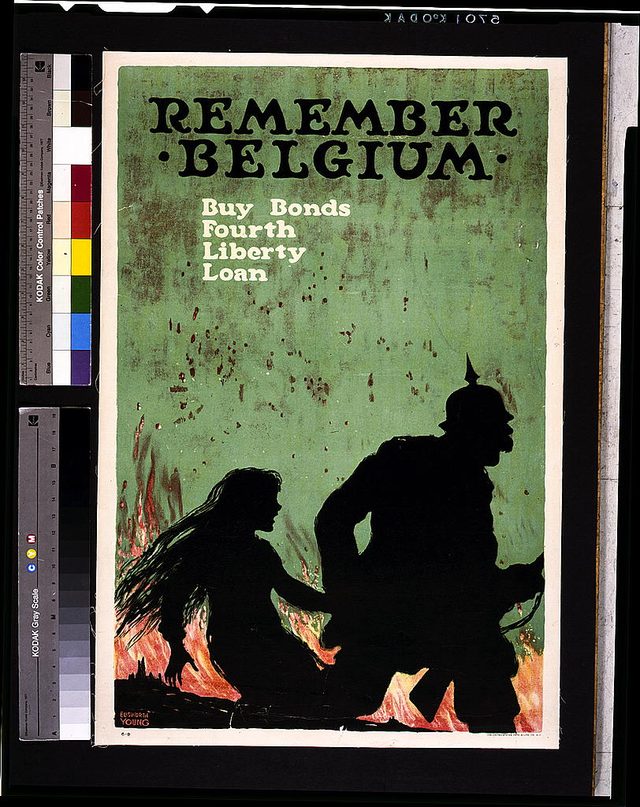 Remember Belgium. Buy Bonds. Fourth Liberty LoanContent note
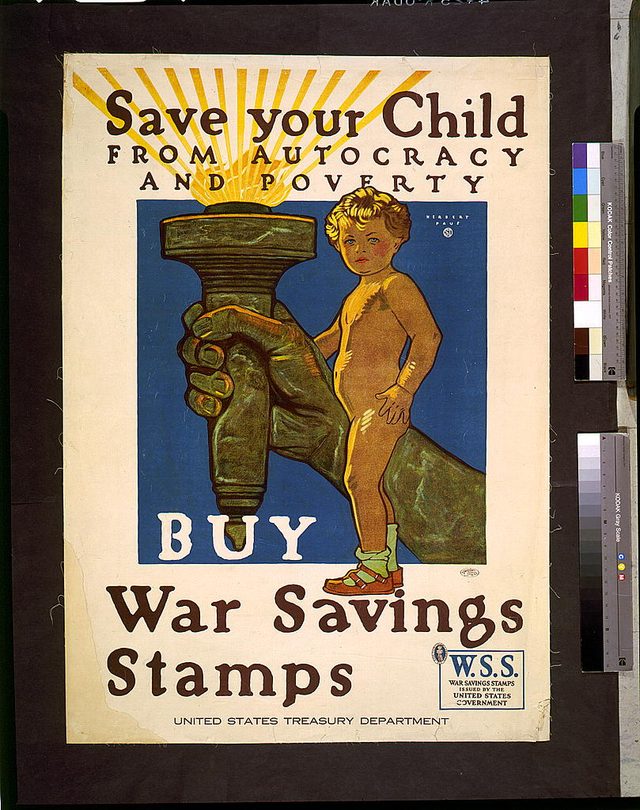 Save Your Child from Autocracy and Poverty: Buy War Savings Stamps
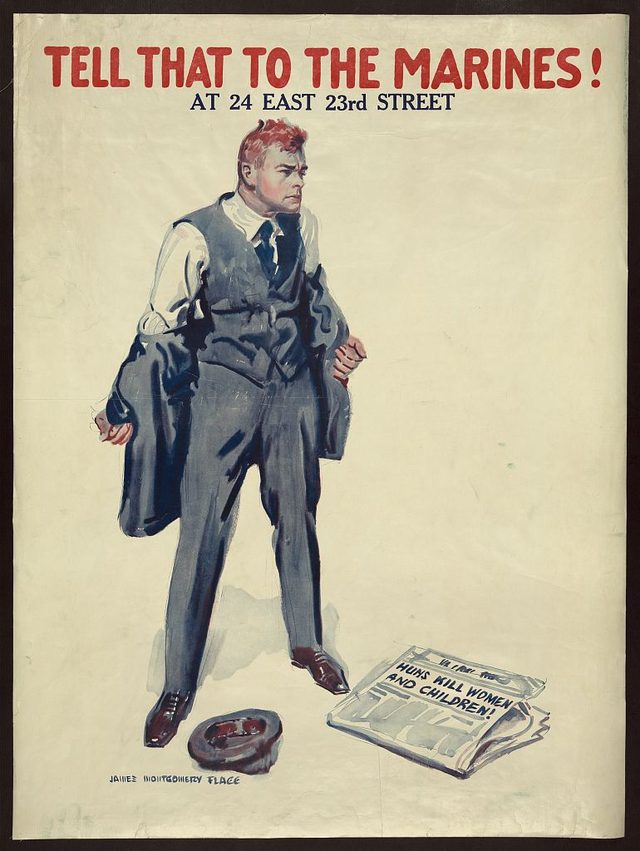 Tell That to the Marines!Content note
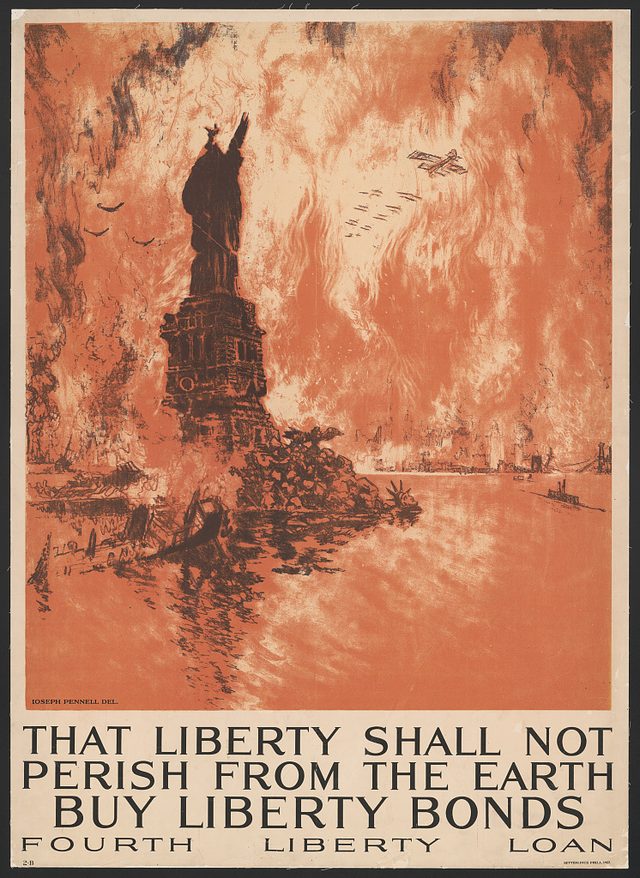 That Liberty Shall Not Perish from the Earth: Buy Liberty Bonds
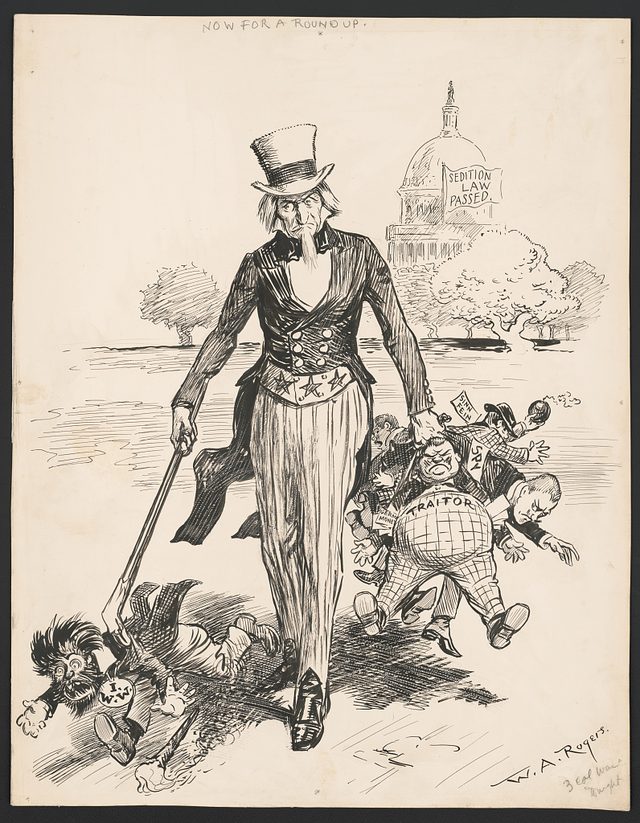 Now for a round-up
German Empire (17)
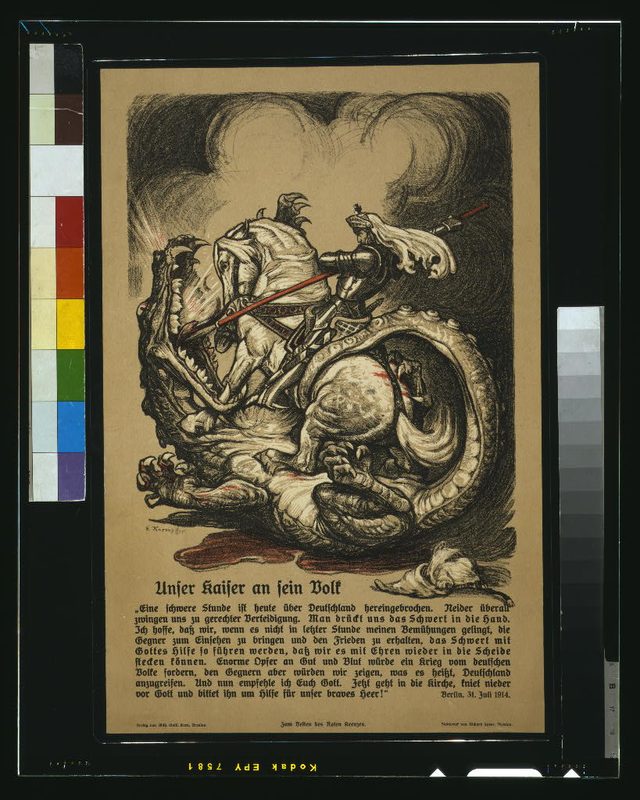 Unser Kaiser an sein Volk (Our Emperor to His People)
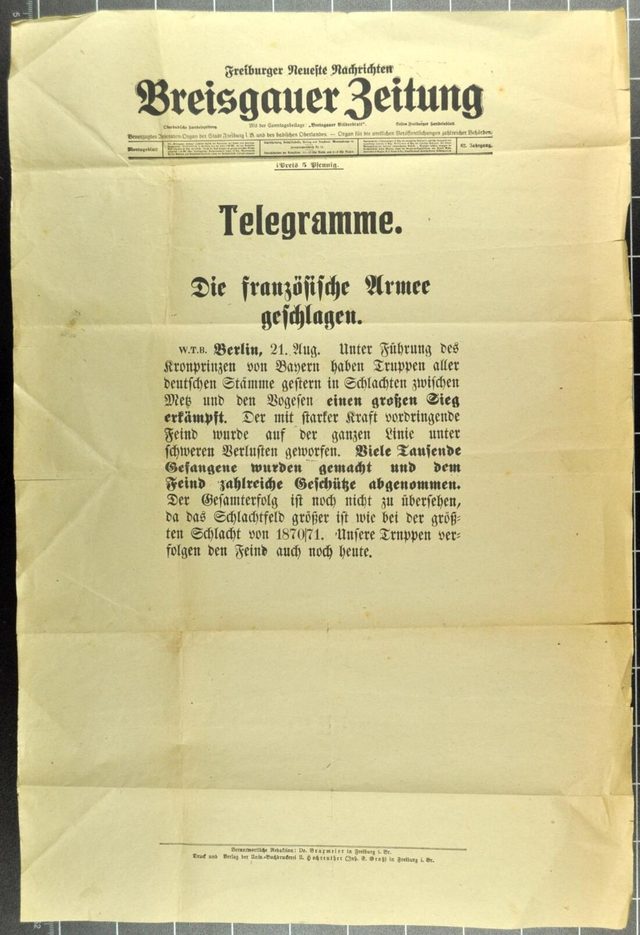 Breisgauer Zeitung, Telegramme: "Die französische Armee geschlagen" (The French army beaten), August 1914
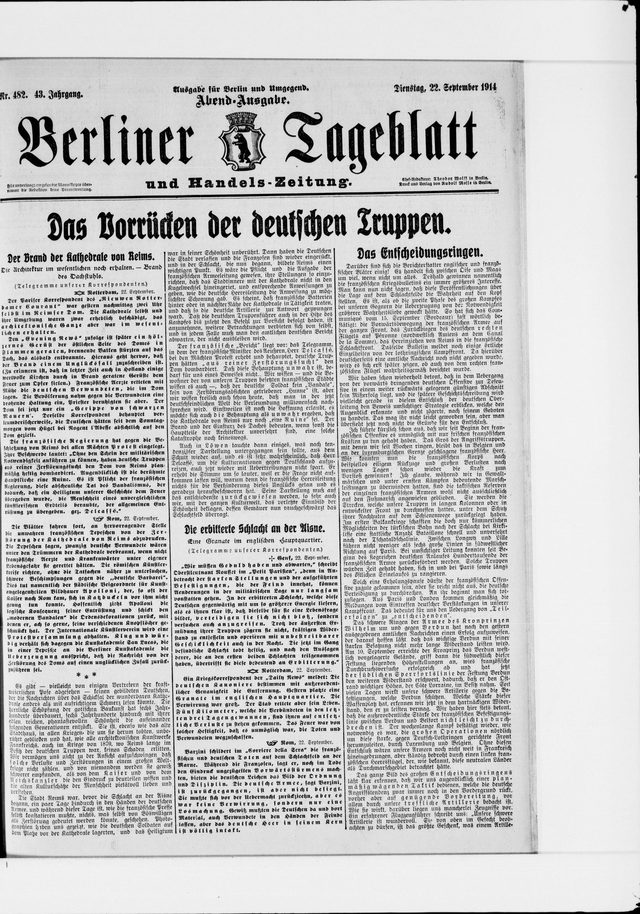 Berliner Tageblatt, evening edition, 22 September 1914: "Der Brand der Kathedrale von Reims"
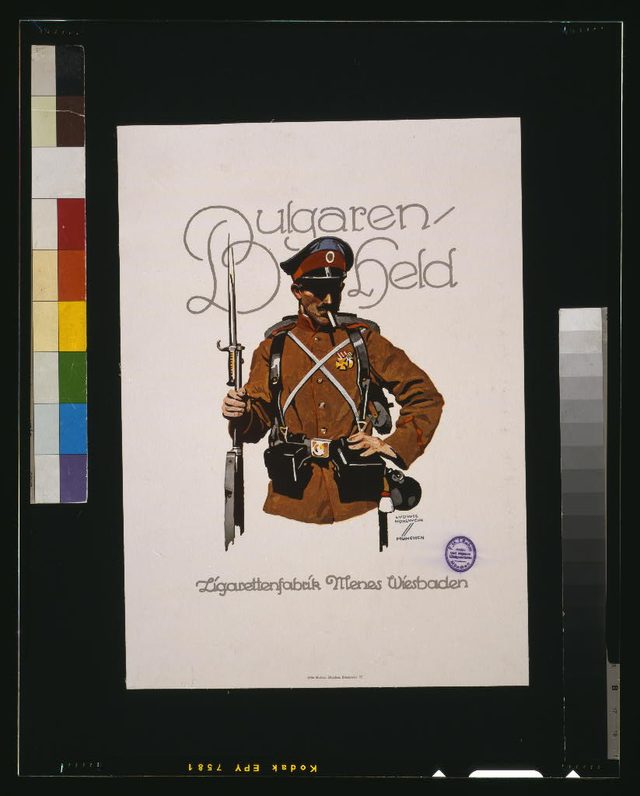 Bulgaren-Held (Bulgarian Hero)
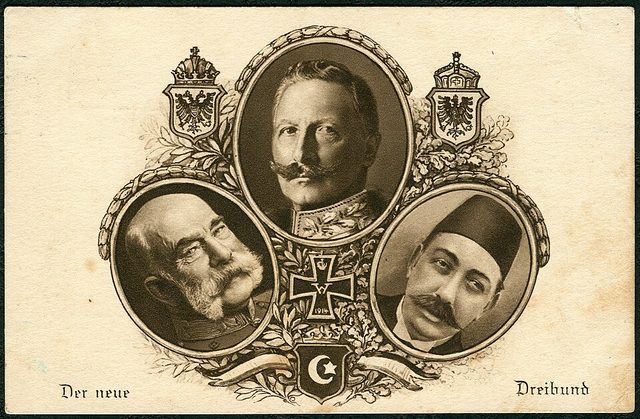 Der neue Dreibund (The New Triple Alliance): postcard
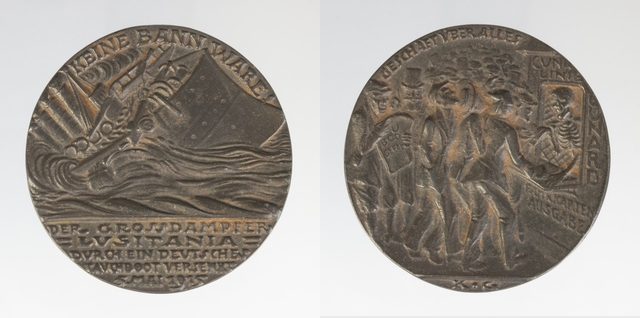 Karl Goetz "Lusitania" medal (Germany, 1915)Content note
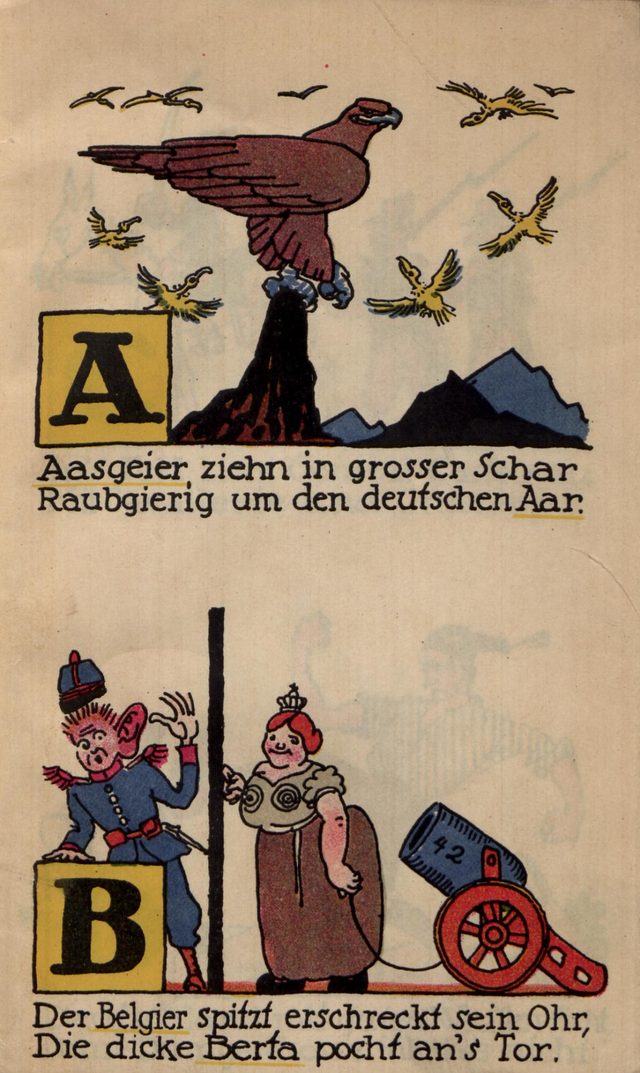 Kriegs-ABC (German children's war alphabet, letters A and B, 1915)
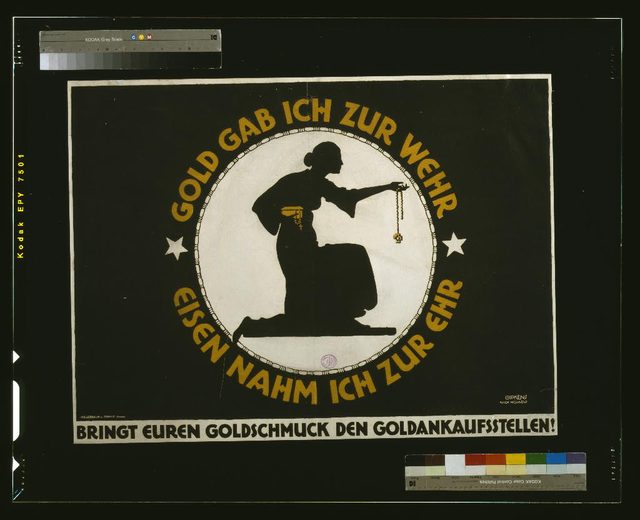 Gold gab ich zur Wehr, Eisen nahm ich zur Ehr (I Gave Gold for Defence, I Took Iron for Honour)
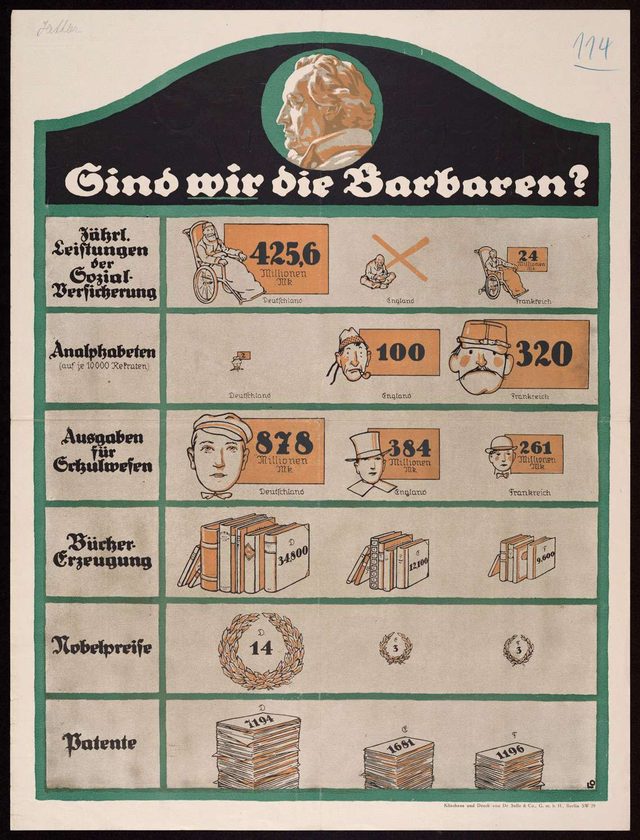 Sind wir die Barbaren? (Are We the Barbarians?)
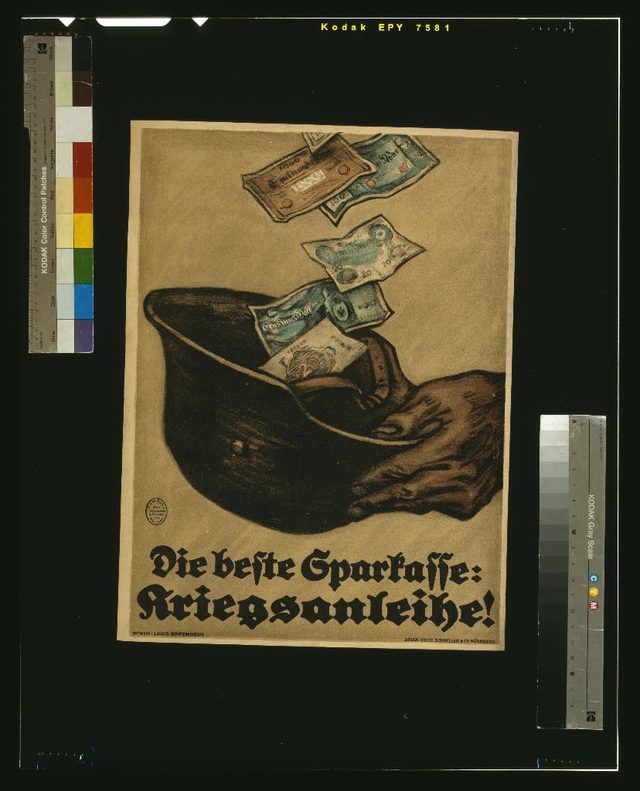 Die beste Sparkasse: Kriegsanleihe! (The Best Savings Bank: War Loan!)
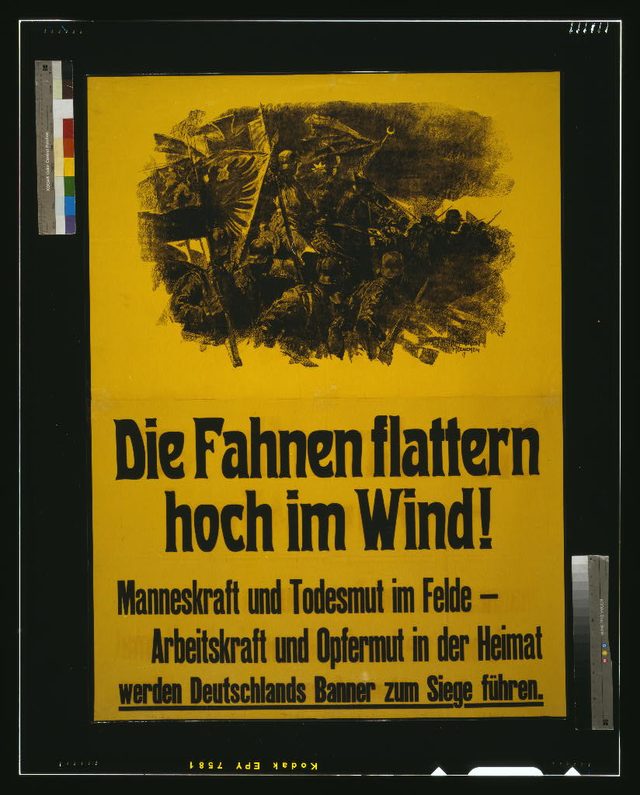 Die Fahnen flattern hoch im Wind! (The Flags Flutter High in the Wind!)
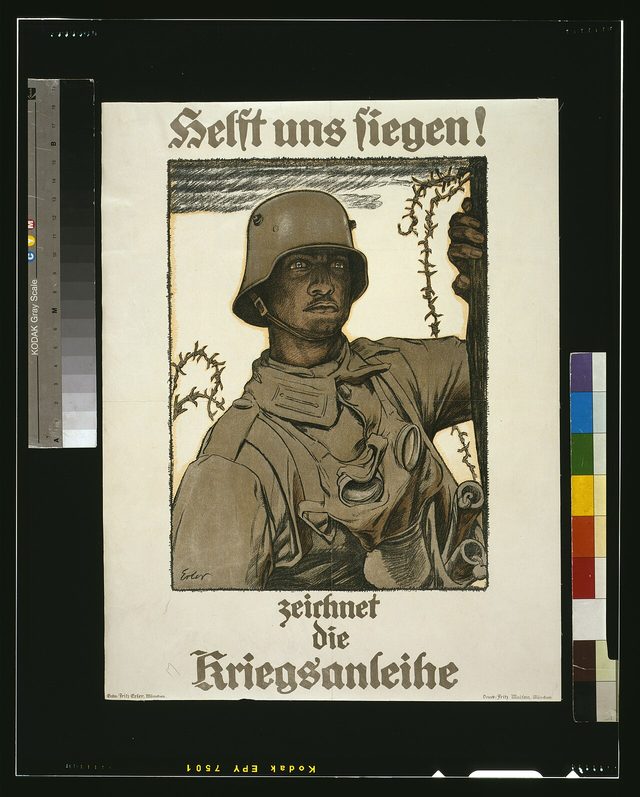 Helft uns siegen! Zeichnet die Kriegsanleihe (Help Us Win! Subscribe to the War Loan)
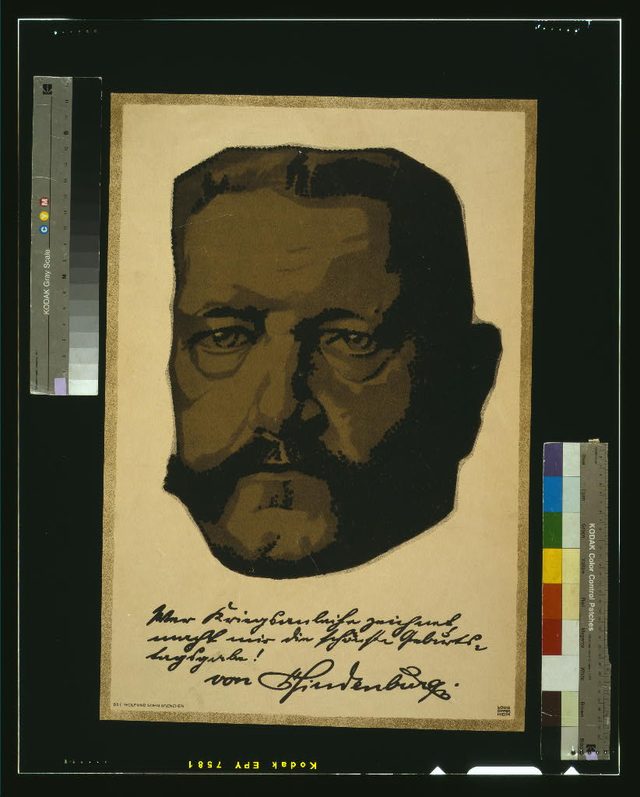 Wer Kriegsanleihe zeichnet, macht mir die schönste Geburtstagsgabe! (Whoever Subscribes to the War Loan Gives Me the Finest Birthday Present!)
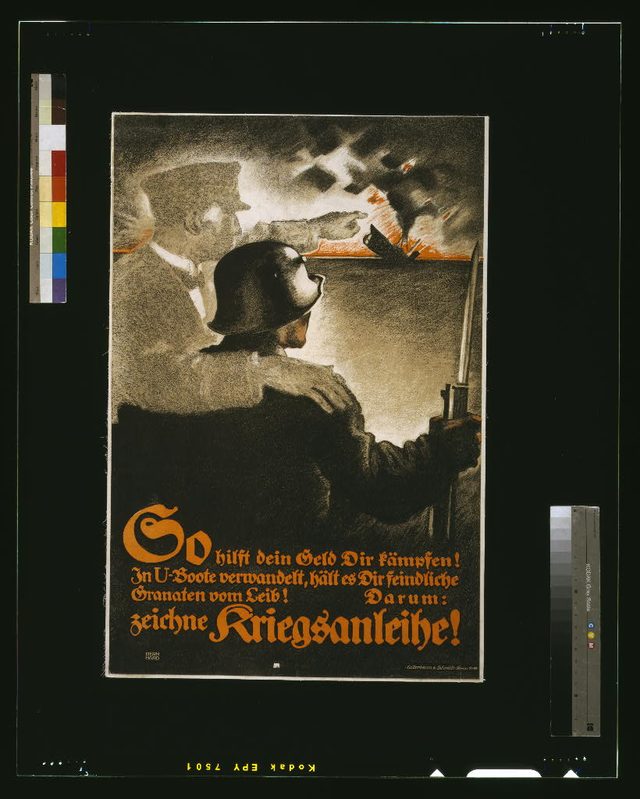 So hilft dein Geld Dir kämpfen! In U-Boote verwandelt, hält es Dir feindliche Granaten vom Leib! (This Is How Your Money Helps You Fight! Turned into U-boats, It Keeps Enemy Shells off Your Body!)
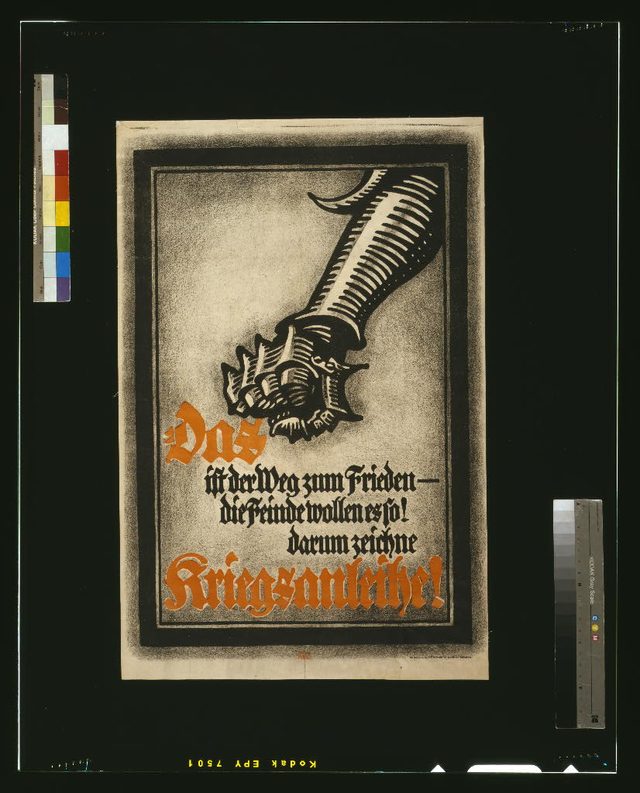 Das ist der Weg zum Frieden, die Feinde wollen es so! Darum zeichne Kriegsanleihe! (That Is the Way to Peace, the Enemies Want It So! Therefore Subscribe to the War Loan!)
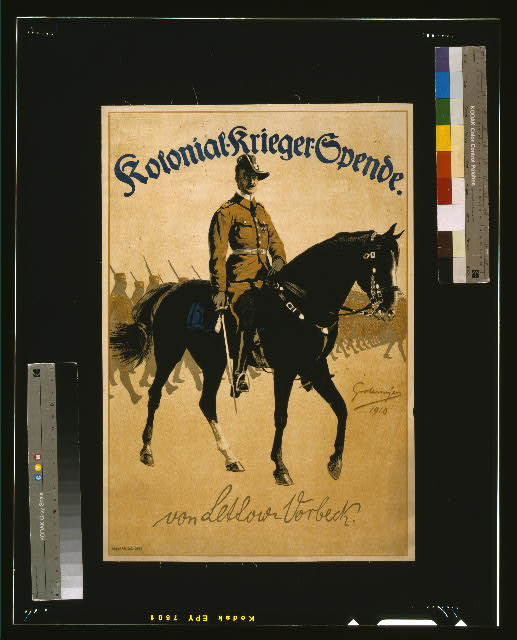 Kolonial-Krieger-Spende. von Lettow-Vorbeck (Colonial Servicemen's Fund)
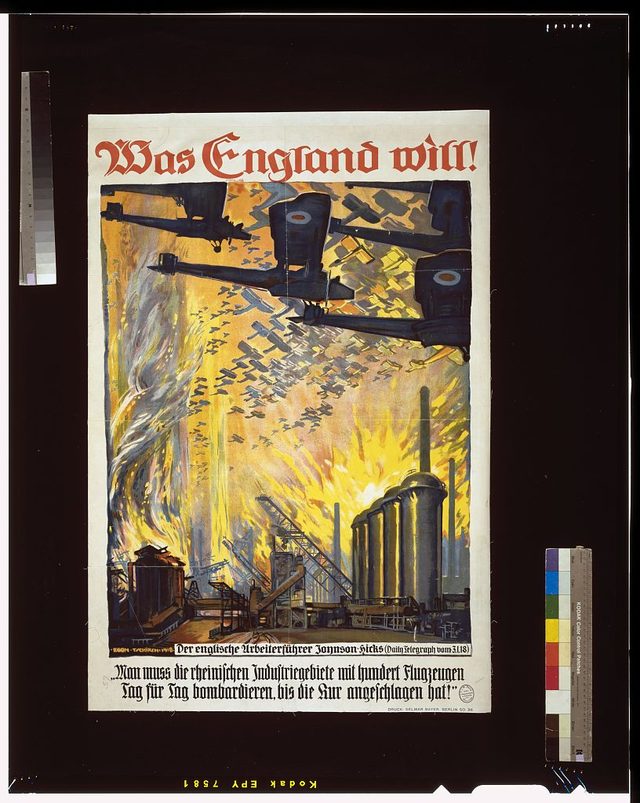 Was England will! (What England Wants!)
United Kingdom (12)
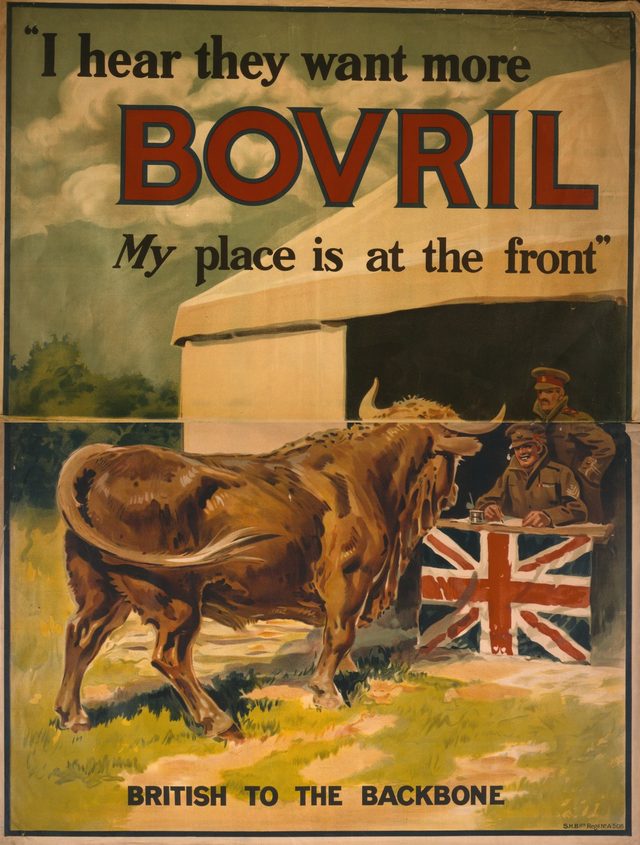 "I hear they want more Bovril. My place is at the front" (Bovril poster, 1915)
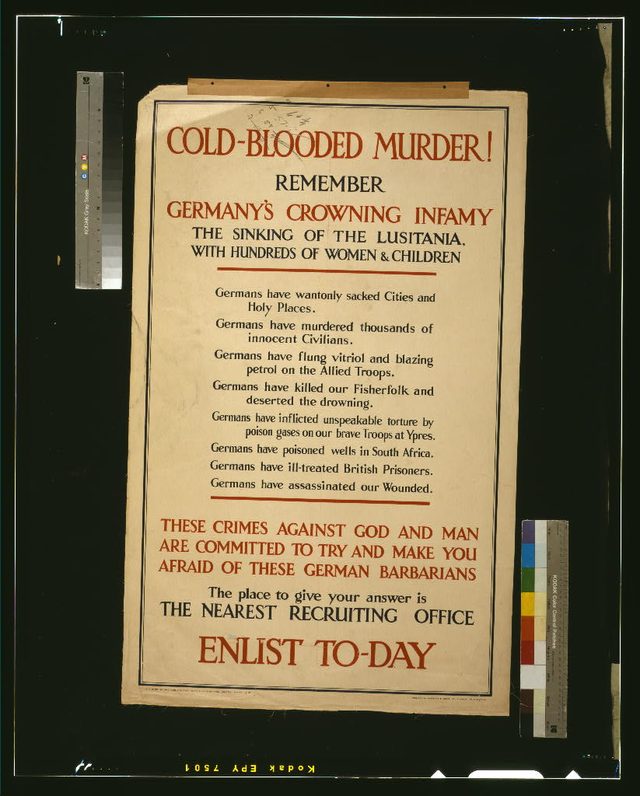 Cold-Blooded Murder! Remember Germany's Crowning Infamy
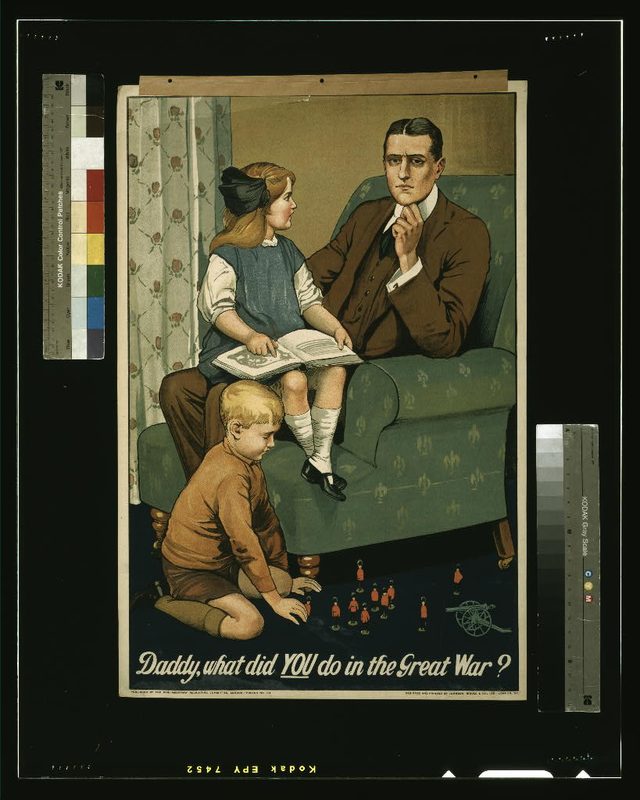 Daddy, what did YOU do in the Great War?
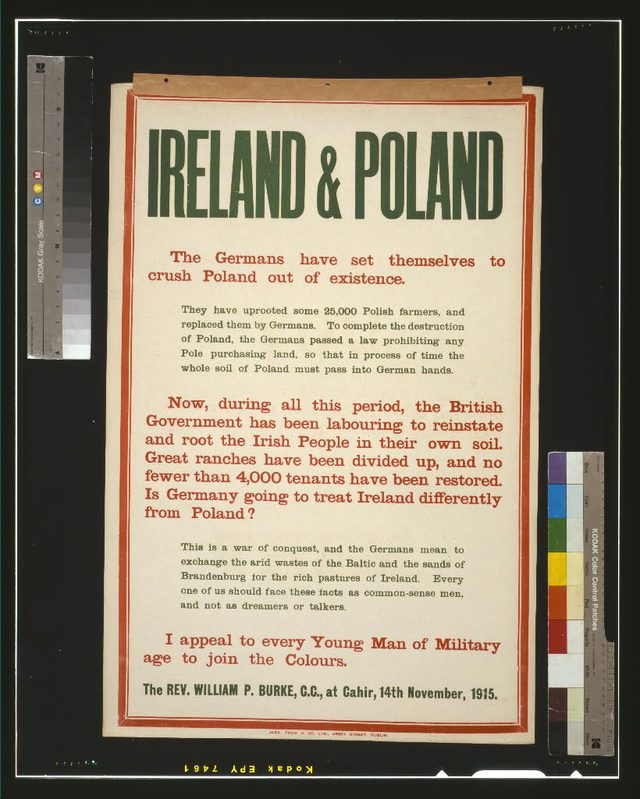 Ireland & Poland (recruiting appeal quoting the Rev. William P. Burke)
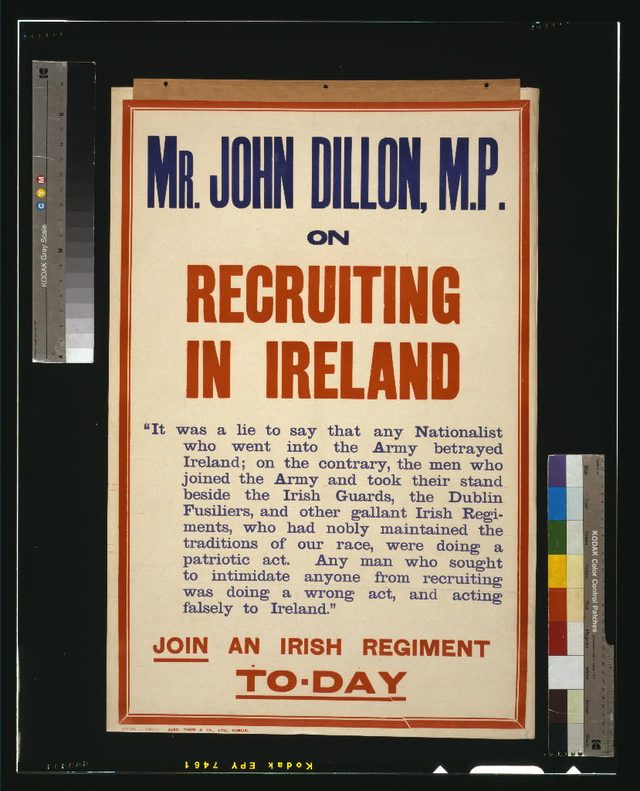 Mr. John Dillon, M.P., on recruiting in Ireland. Join an Irish regiment to-day
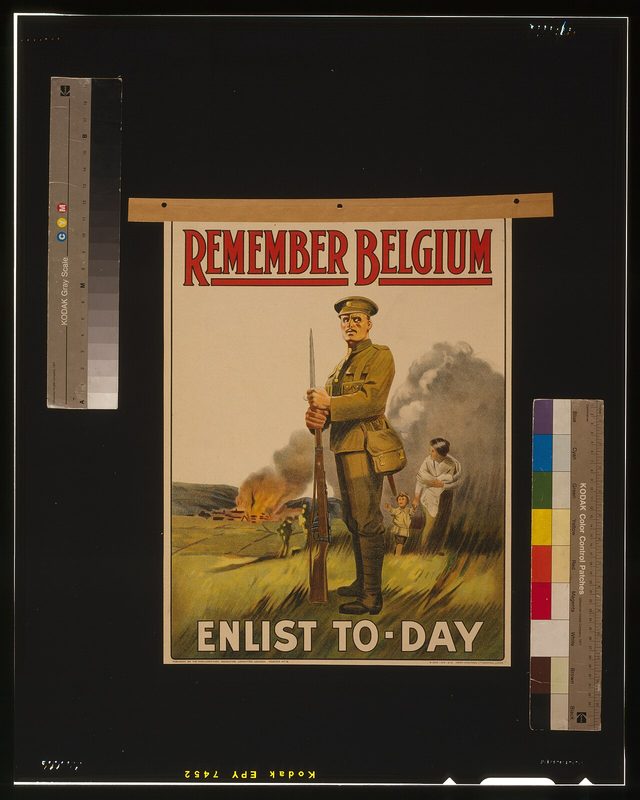 Remember Belgium — Enlist To-Day
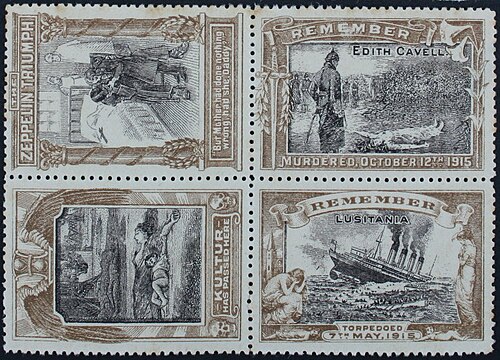 Winox anti-German poster stamps: Zeppelin, Edith Cavell, "Kultur", Lusitania (Britain, 1915)
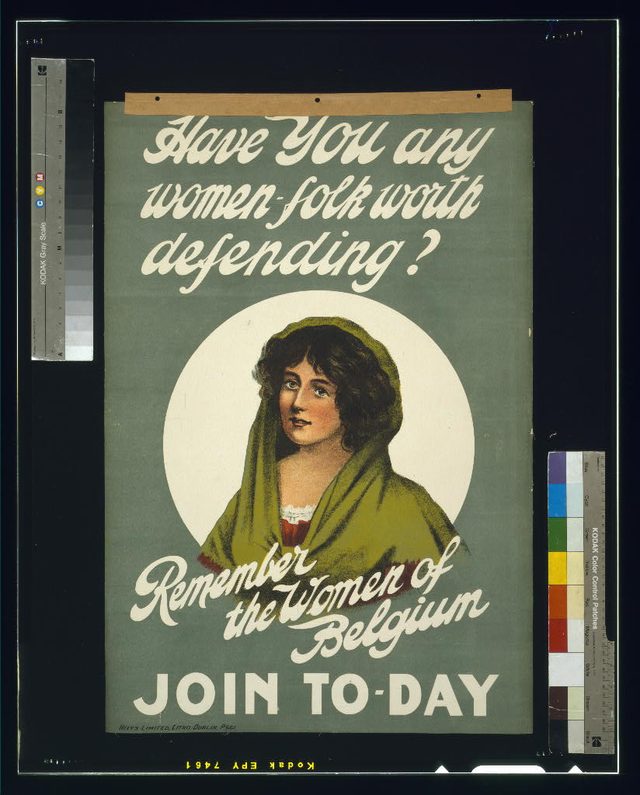 Have You Any Women-Folk Worth Defending? Remember the Women of Belgium. Join To-Day
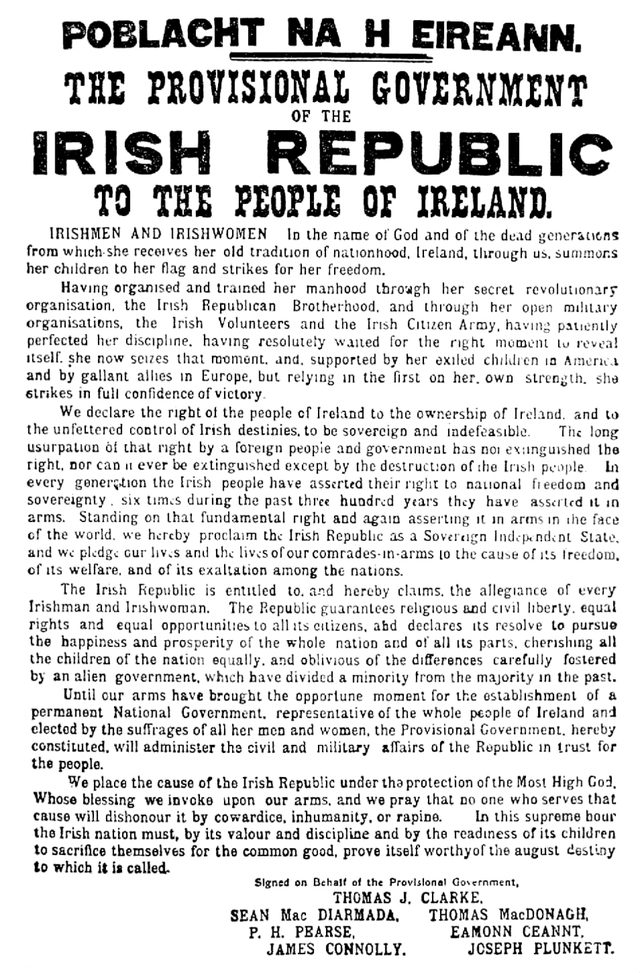 Proclamation of the Irish Republic (Poblacht na hÉireann), Easter Rising
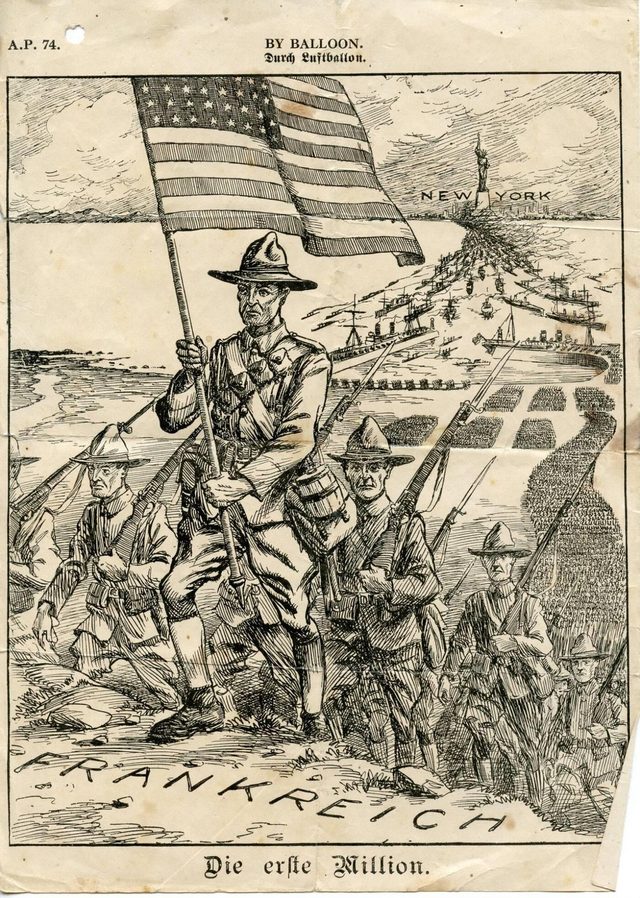 Die erste Million (The First Million), British balloon leaflet A.P. 74
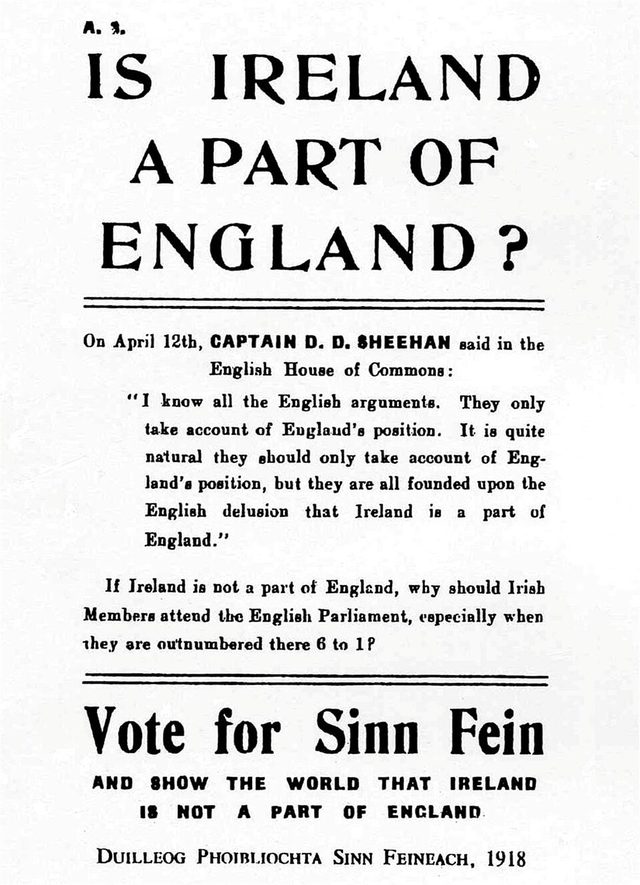 Is Ireland a part of England? Vote for Sinn Fein (Sinn Féin publicity sheet, 1918 general election)
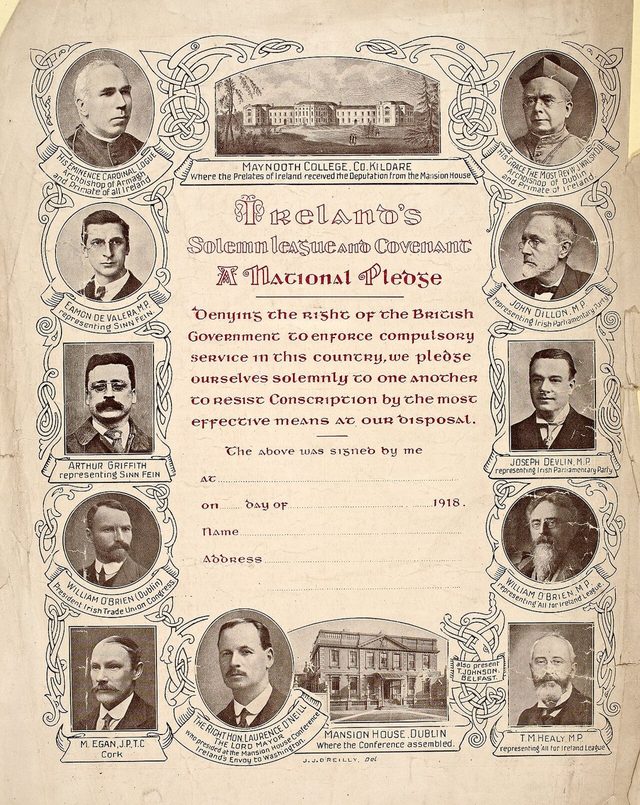 Ireland's Solemn League and Covenant: A National Pledge (anti-conscription, 1918)
Austria Hungary (7)
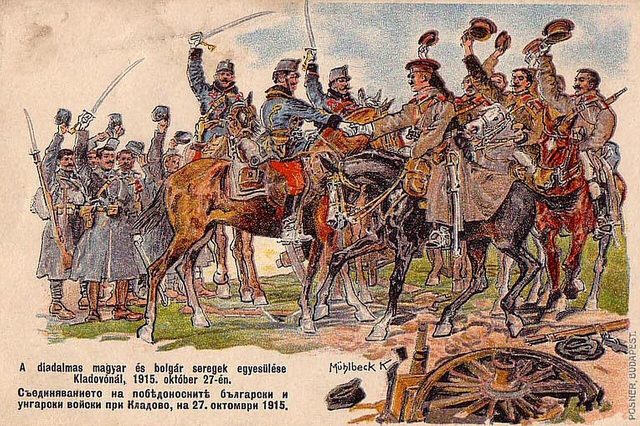 A diadalmas magyar és bolgár seregek egyesülése Kladovónál (The Union of the Victorious Hungarian and Bulgarian Armies at Kladovo), bilingual postcard
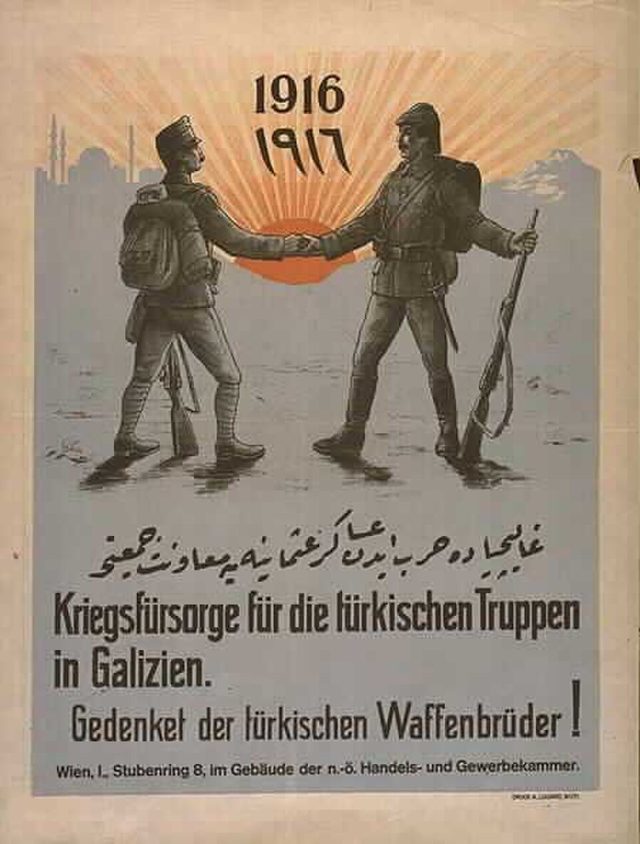 Kriegsfürsorge für die türkischen Truppen in Galizien (War Welfare for the Turkish Troops in Galicia)
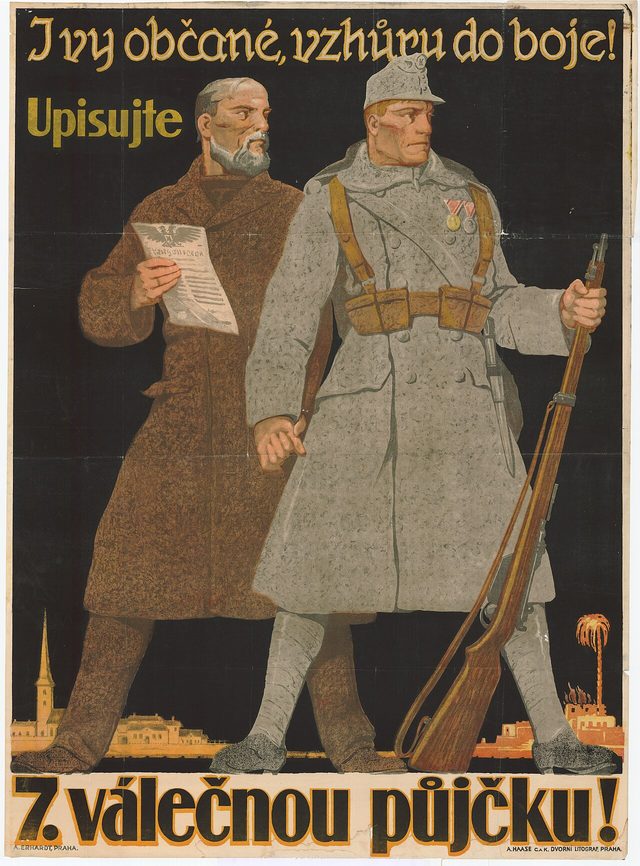 I vy občané, vzhůru do boje! Upisujte 7. válečnou půjčku! (You too, citizens, on to the fight! Subscribe to the 7th War Loan!)
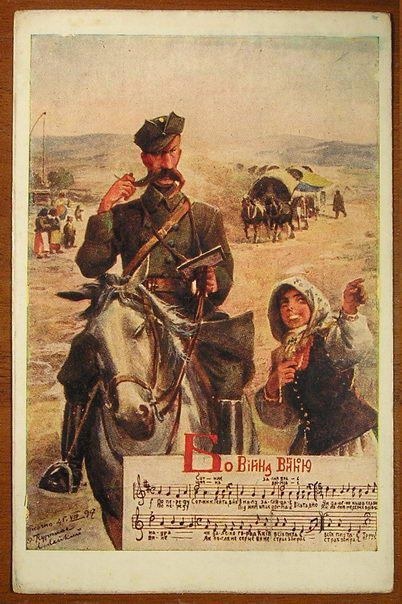 Бо війна війною (For War Is War), Sich Riflemen postcard series II
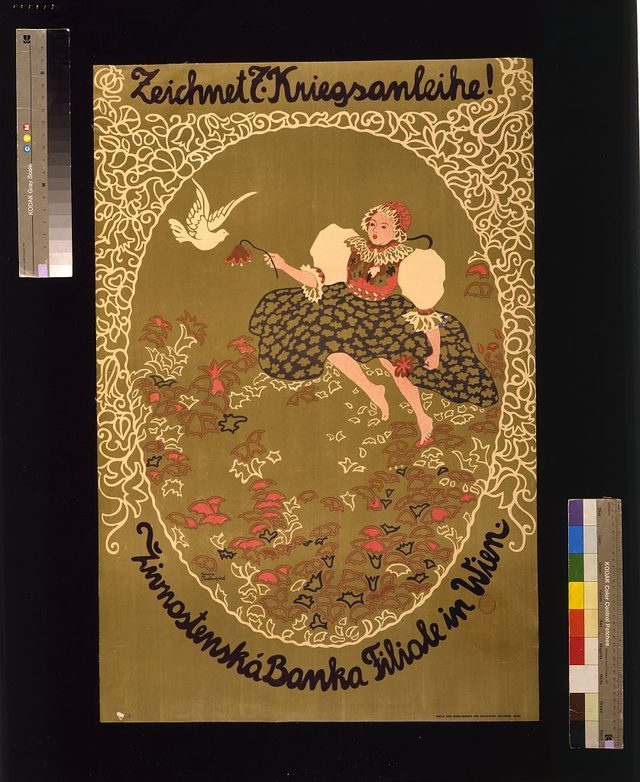 Zeichnet 7. Kriegsanleihe! Živnostenská Banka Filiale in Wien (Subscribe to the 7th War Loan! Živnostenská Banka, Vienna Branch)
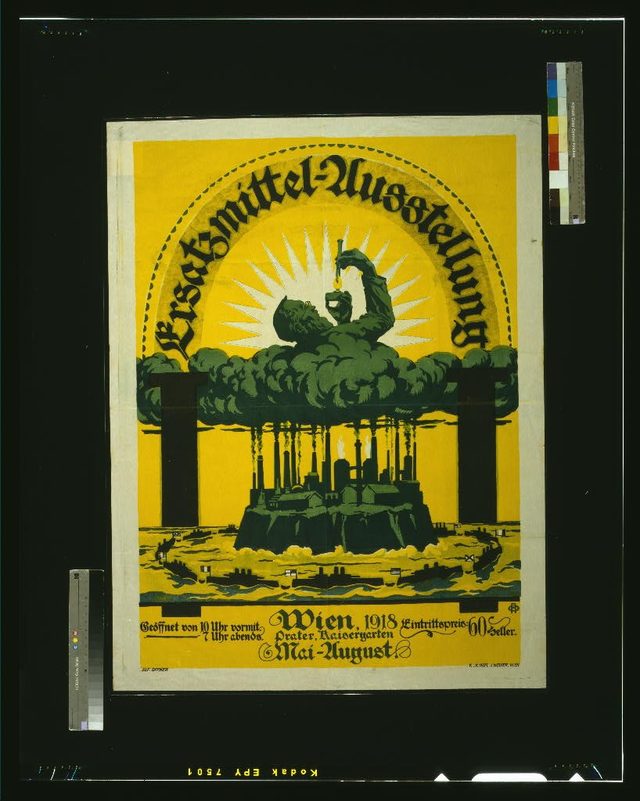 Ersatzmittel-Ausstellung, Wien, 1918 (Exhibition of Substitute Materials, Vienna, 1918)
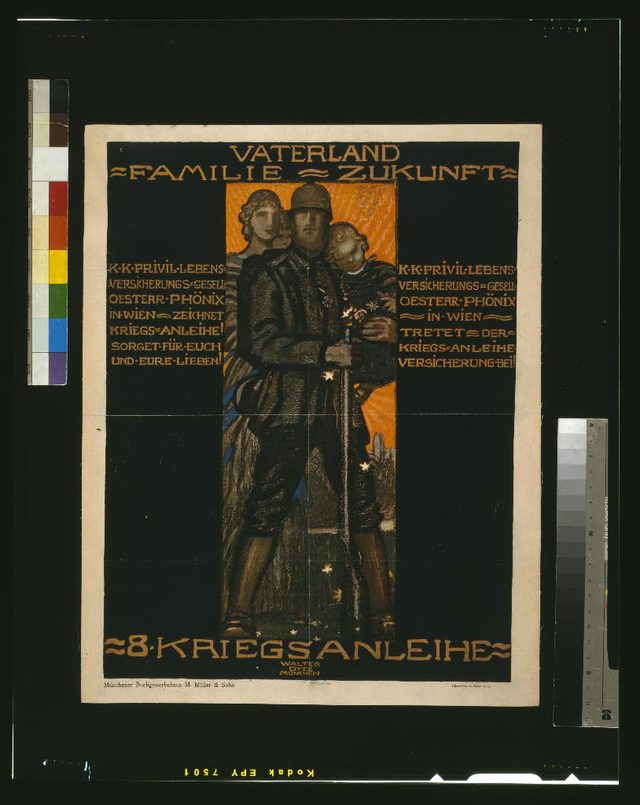 Vaterland, Familie, Zukunft: 8. Kriegsanleihe (Fatherland, Family, Future: 8th War Loan)
France (5)
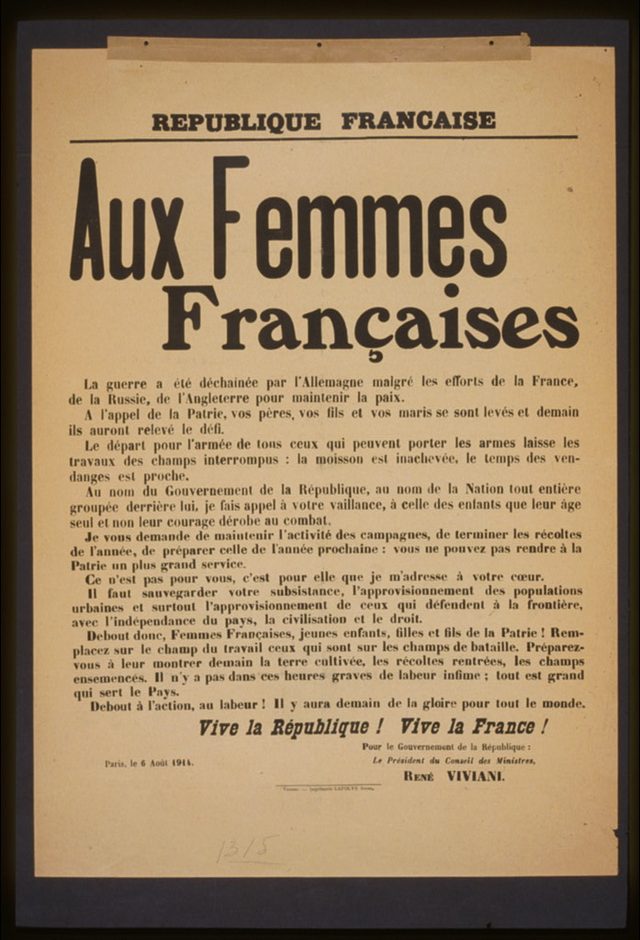 Aux Femmes Françaises (To French Women) — government appeal, 6 August 1914
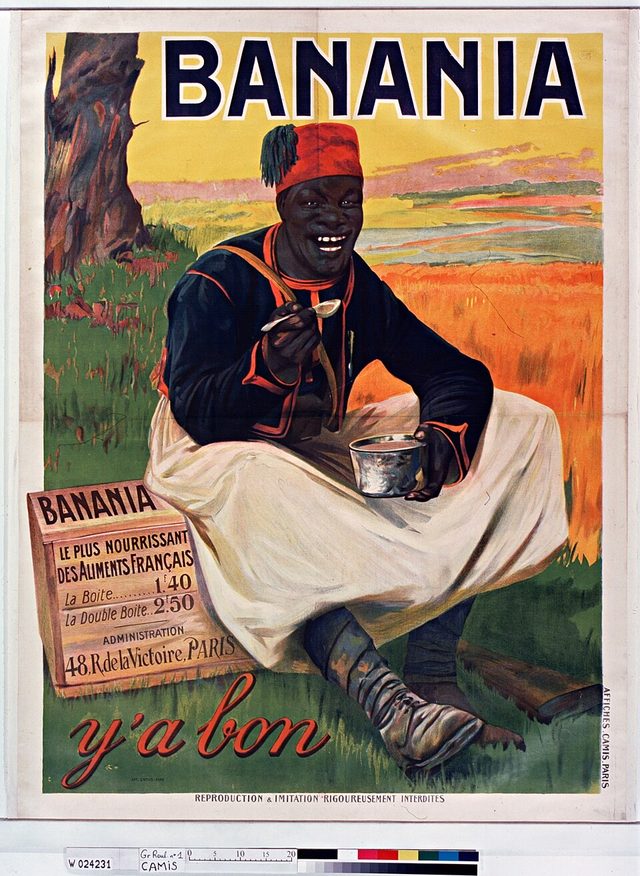 Banania "y'a bon" (advertising poster, Paris, 1915)
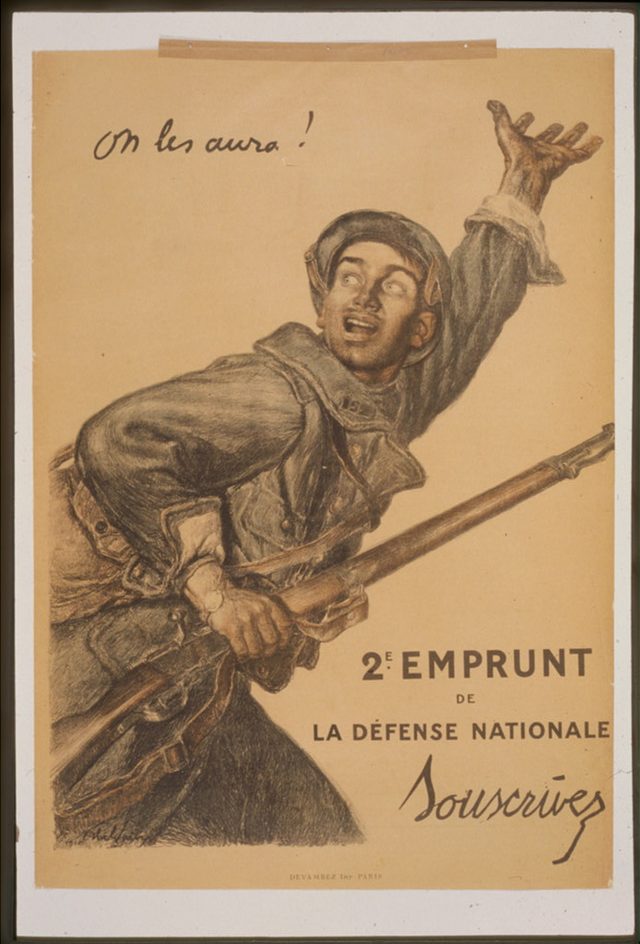 On les aura! 2e Emprunt de la Défense Nationale. Souscrivez (We'll get them! Second National Defence Loan. Subscribe)
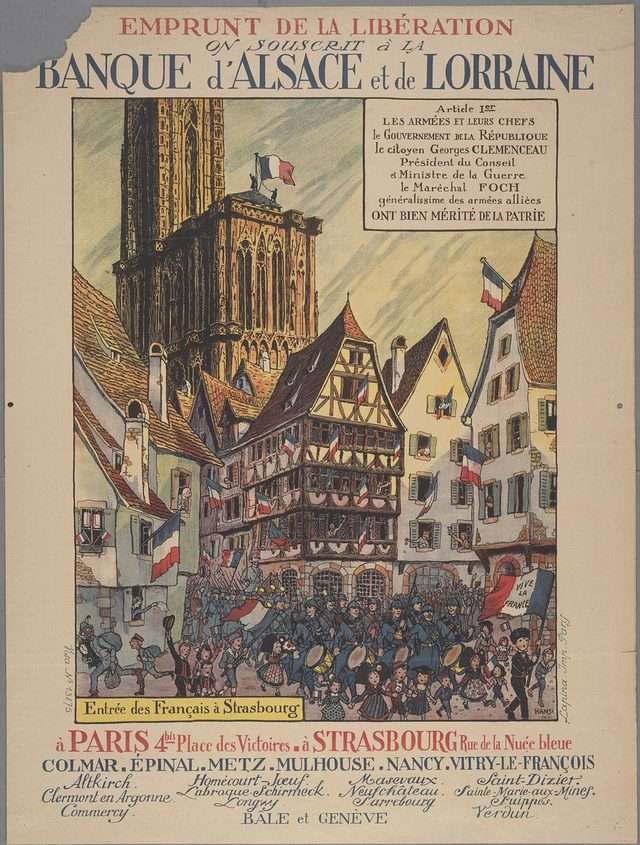 Emprunt de la Libération: on souscrit à la Banque d'Alsace et de Lorraine (Hansi, 1918)
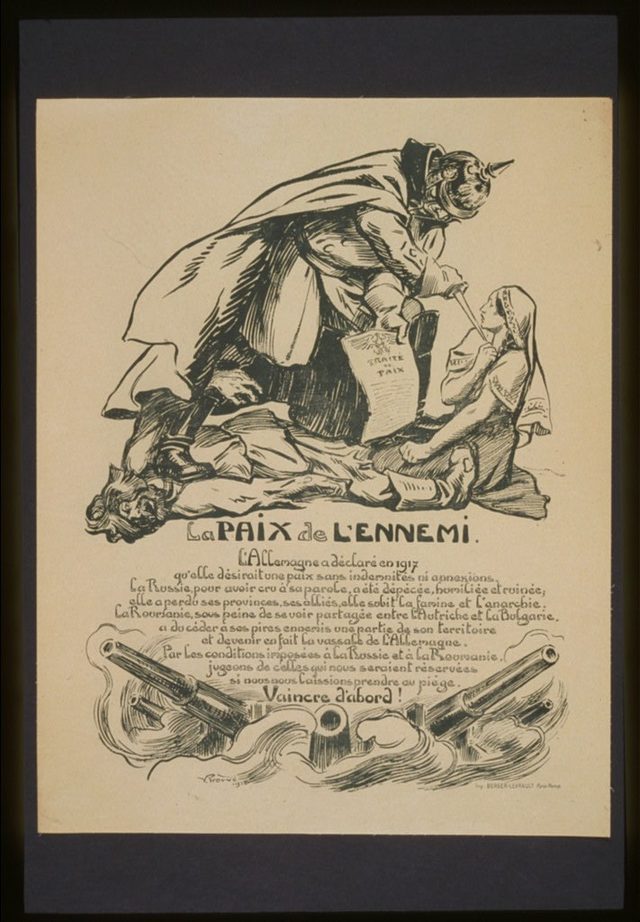 La paix de l'ennemi (Peace on the Enemy's Terms)
Australia (4)
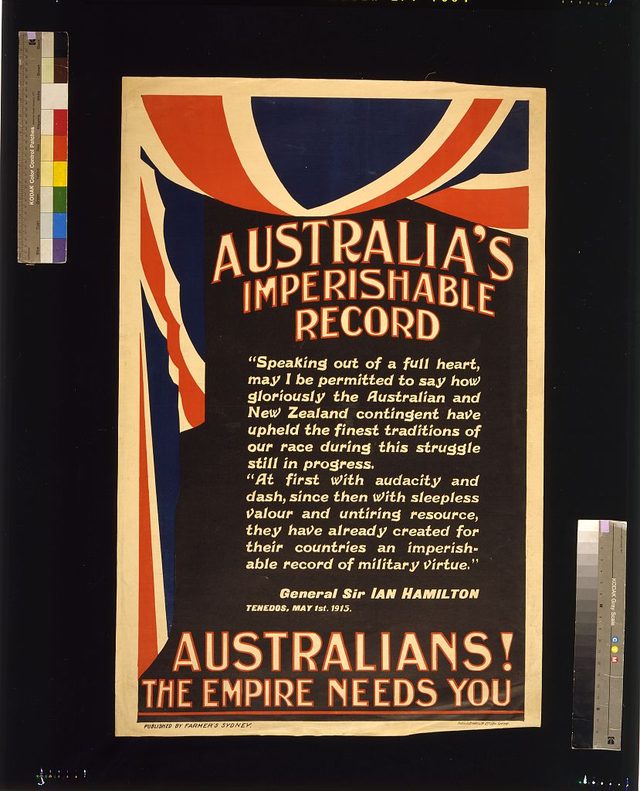 Australia's imperishable record. Australians! The empire needs you (Farmer's, Sydney)
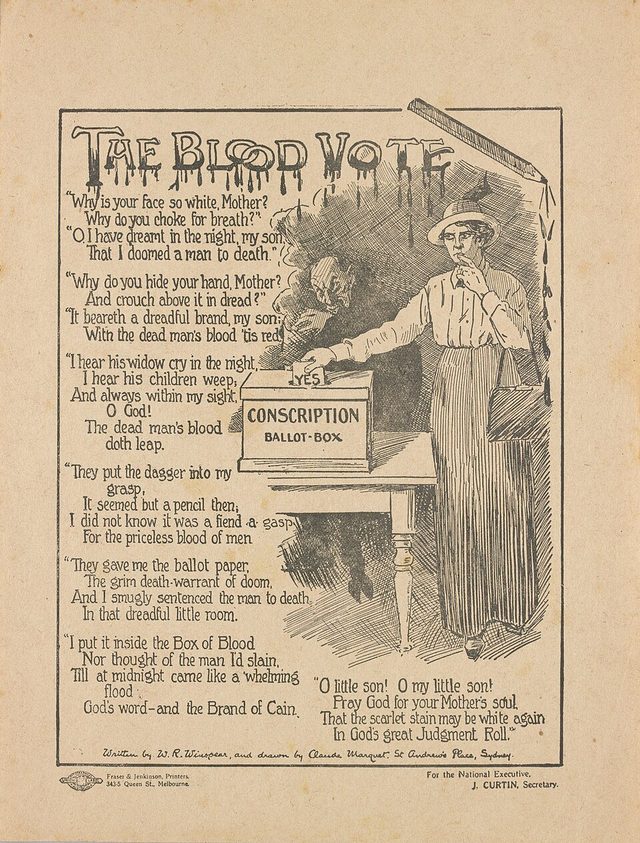 The Blood Vote (anti-conscription leaflet)
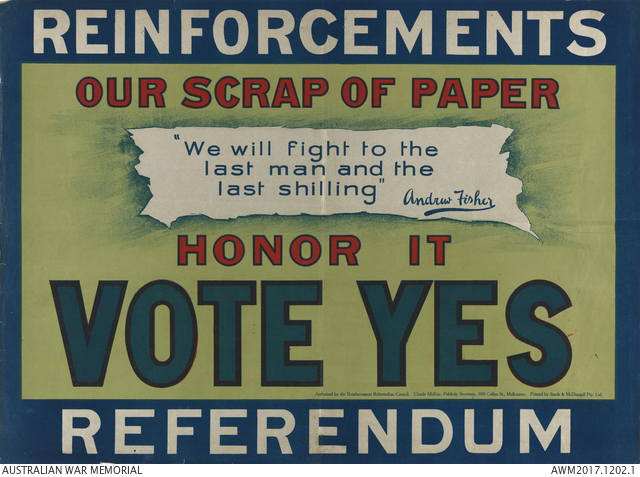 Reinforcements. Our scrap of paper, honor it. Vote Yes. Referendum (Australia, 1917)
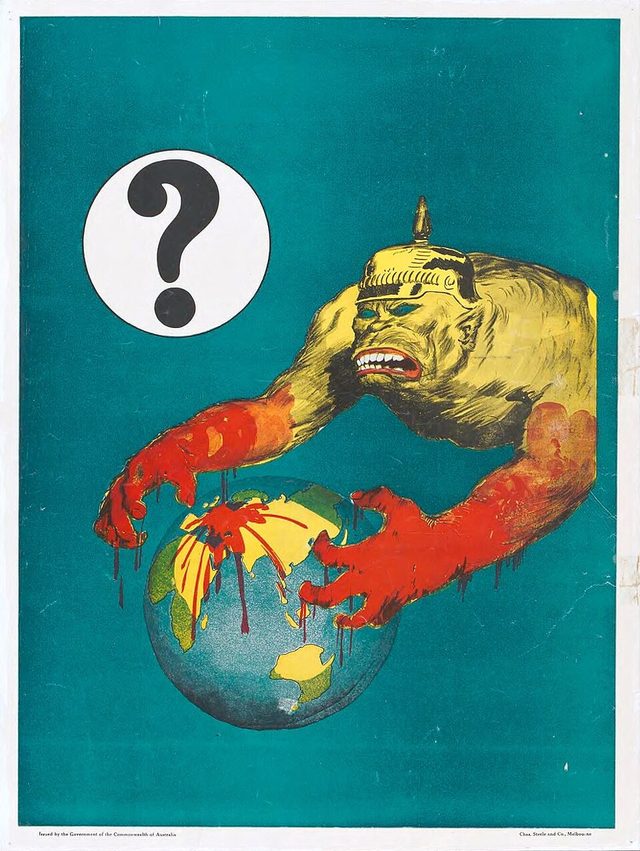 ? (The German Ogre), Norman Lindsay recruiting poster
Russian Empire (4)
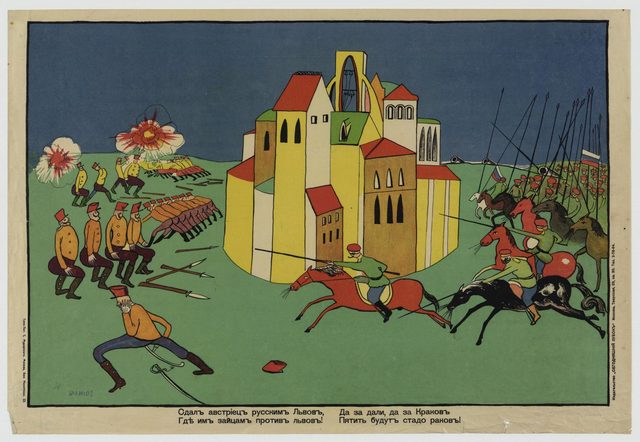 Сдал австриец русским Львов (The Austrian Surrendered Lvov to the Russians)
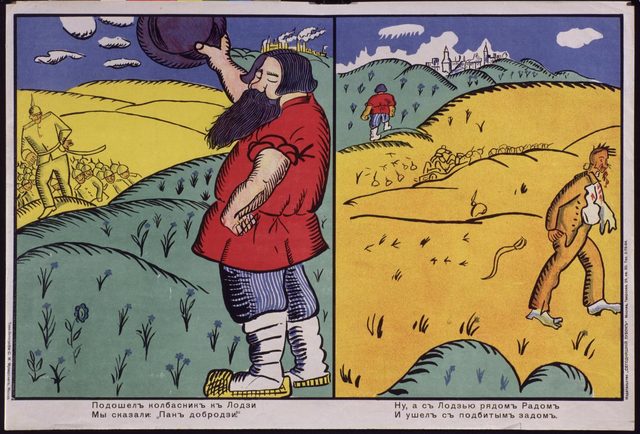 Подошёл колбасник к Лодзи (A Sausage-Maker Came to Łódź)Content note
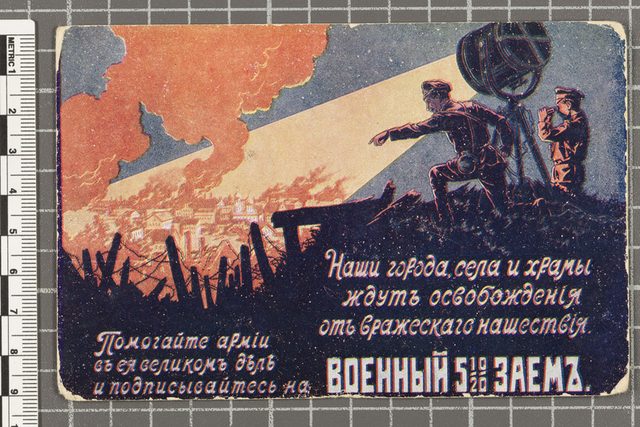 Военный 5½% заём (Russian War Loan postcard, 1916)
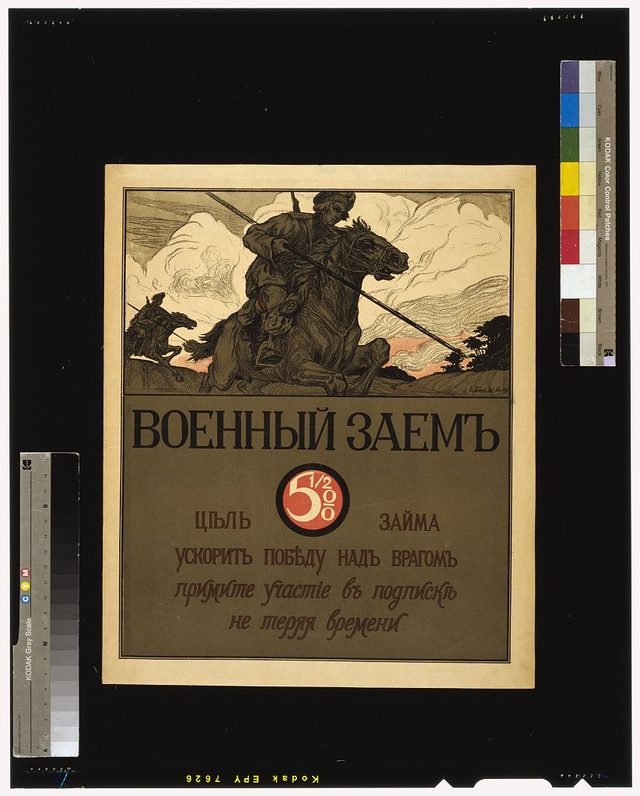 Военный заём 5½% (War Loan, Cossack lancer poster)
Canada (3)
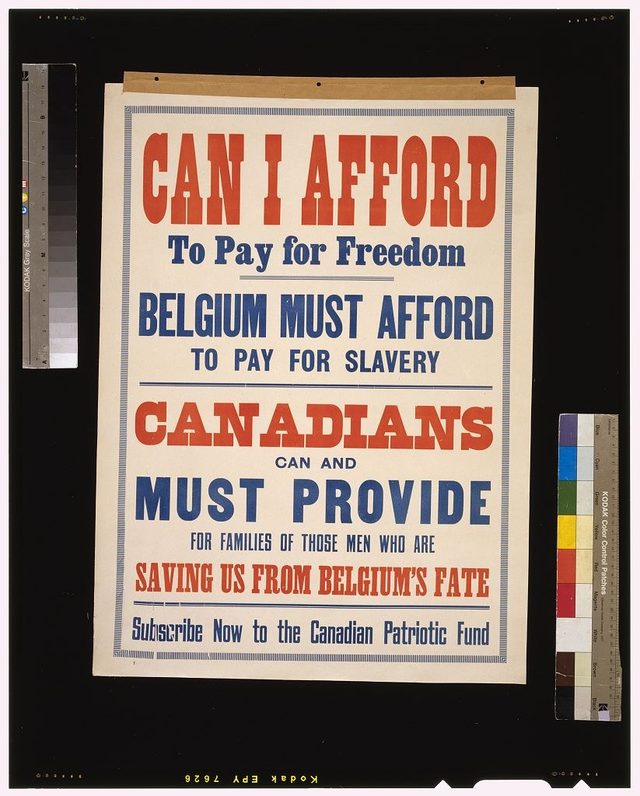 Can I Afford to Pay for Freedom (Canadian Patriotic Fund)
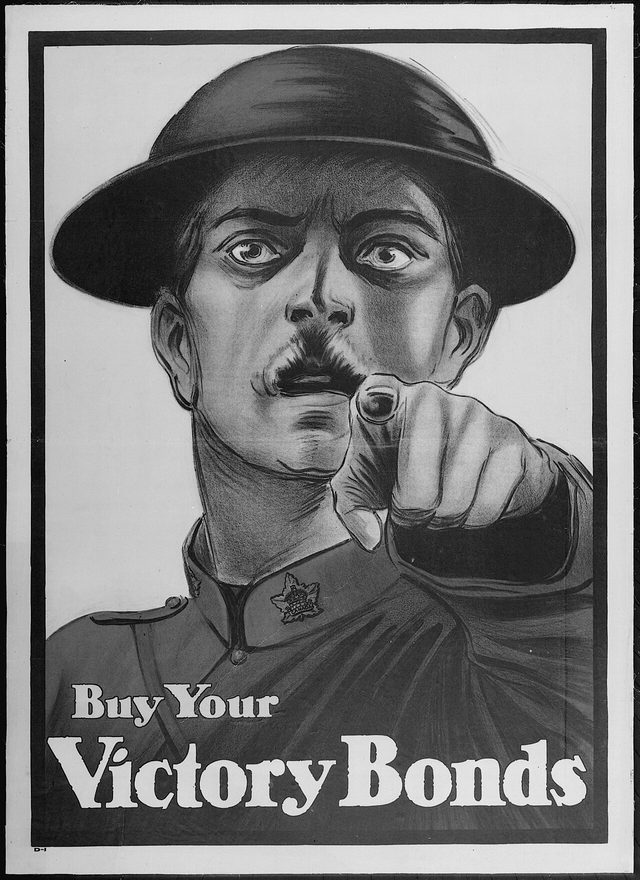 'Buy Your Victory Bonds' Canadian Victory Loan poster
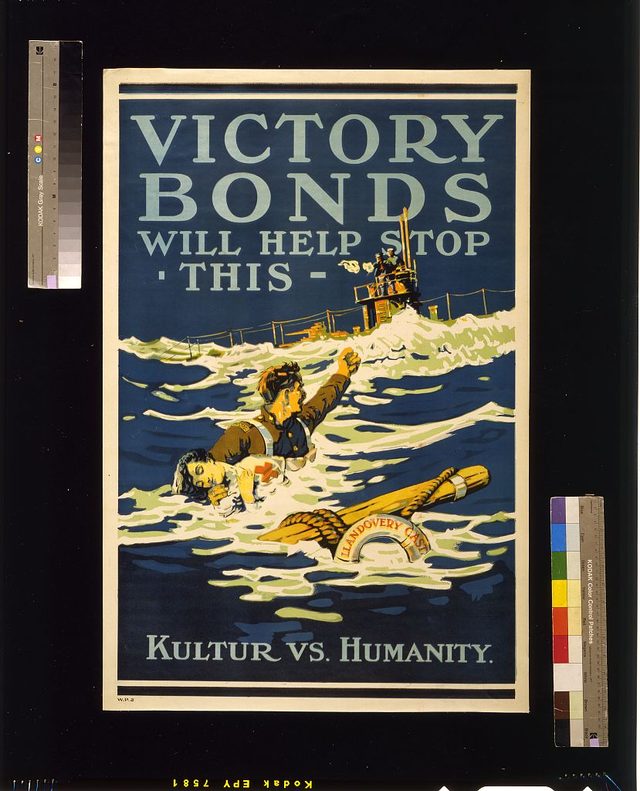 Victory Bonds will help stop this. Kultur vs. humanity (Canada)
Kingdom of Italy (3)
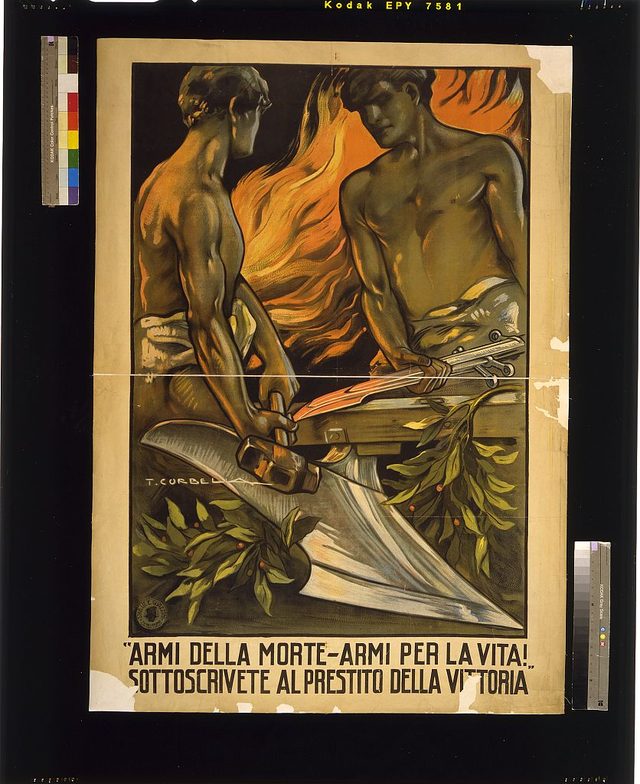 Armi della morte - armi per la vita! Sottoscrivete al prestito della vittoria (Weapons of death, weapons for life! Subscribe to the Victory Loan)
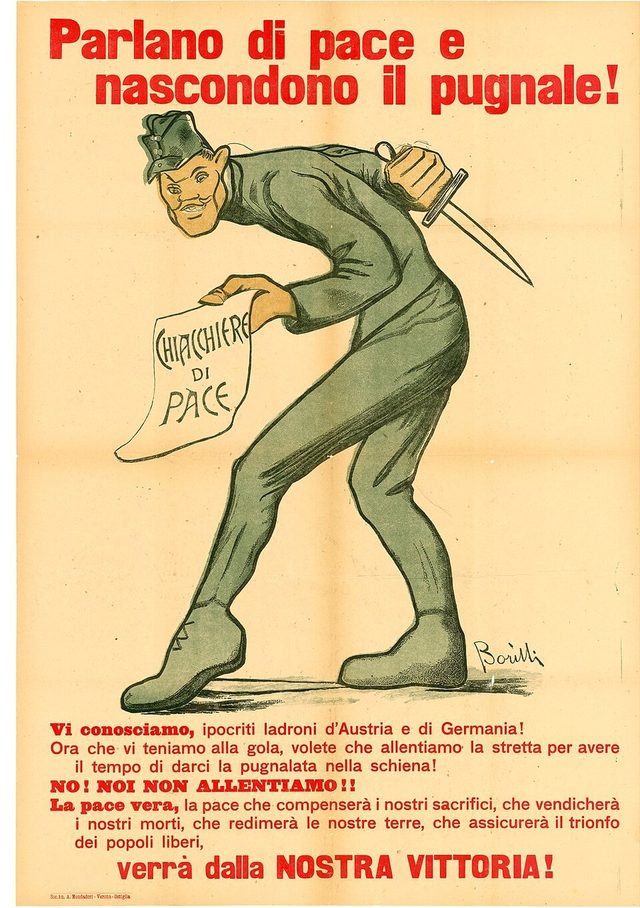 Parlano di pace e nascondono il pugnale! (They Talk of Peace and Hide the Dagger!)
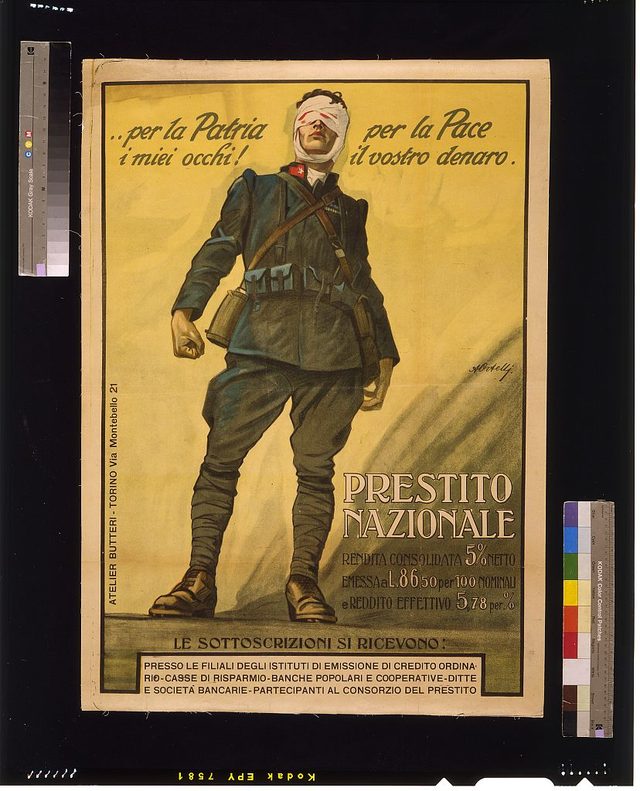 ...per la Patria i miei occhi! per la Pace il vostro denaro. Prestito Nazionale (For the Fatherland my eyes, for Peace your money)
British India (2)
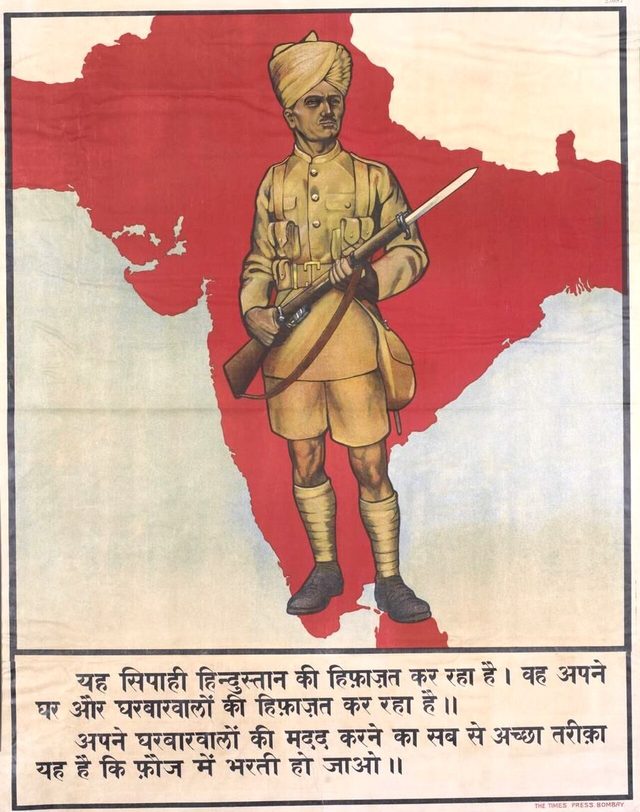 यह सिपाही हिन्दुस्तान की हिफ़ाज़त कर रहा है (This Soldier Is Defending India), Indian Army recruiting poster, Bombay
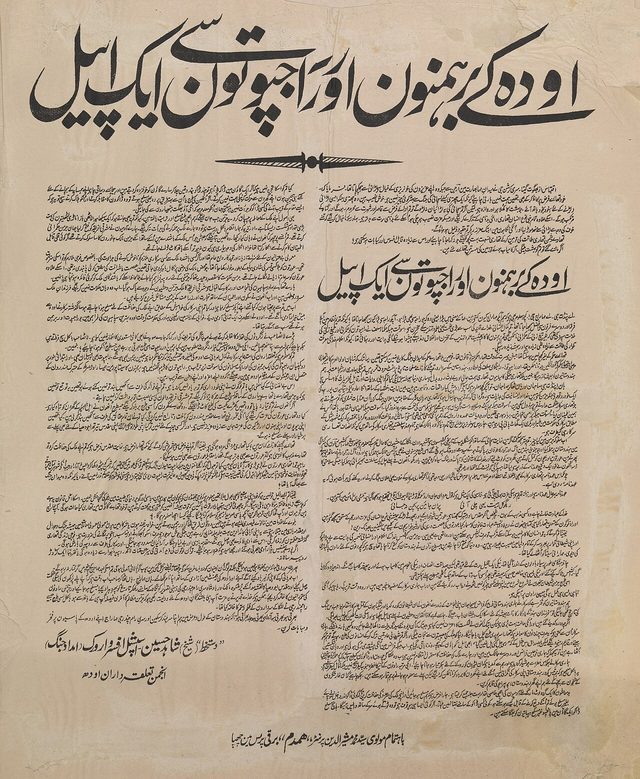 اودھ کے برہمنوں اور راجپوتوں سے ایک اپیل (An Appeal to the Brahmins and Rajputs of Oudh)
Netherlands (2)
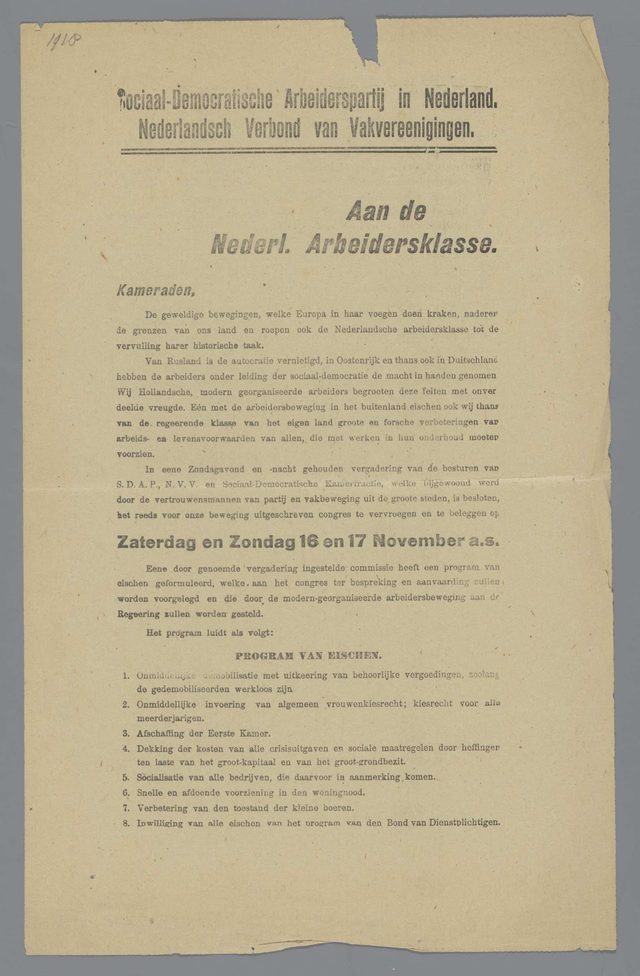 Aan de Nederl. Arbeidersklasse (SDAP and NVV manifesto calling a congress, Netherlands, November 1918)
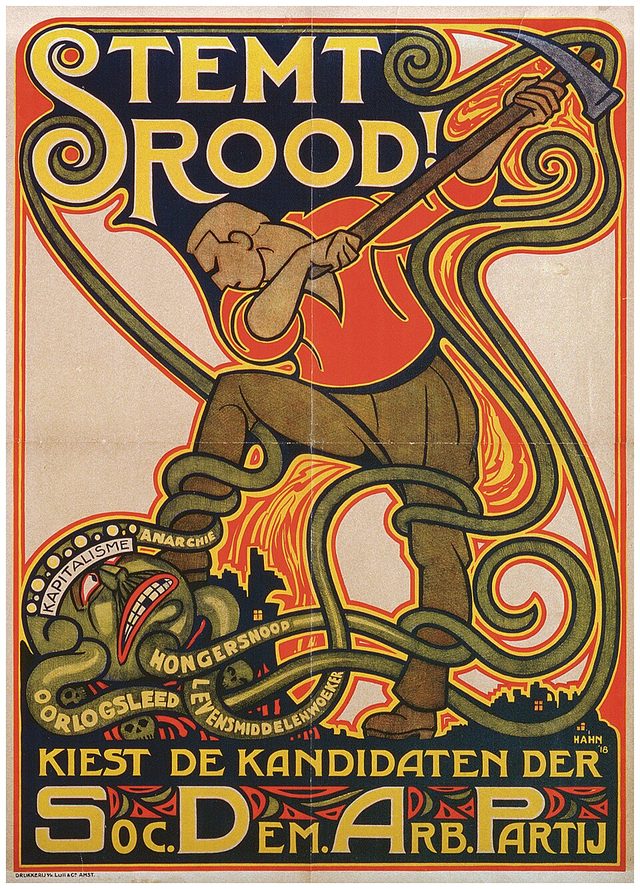 Stemt Rood! Kiest de kandidaten der Soc. Dem. Arb. Partij (Vote Red! Choose the candidates of the Social Democratic Workers' Party), poster by Albert Hahn
Portuguese Republic (2)
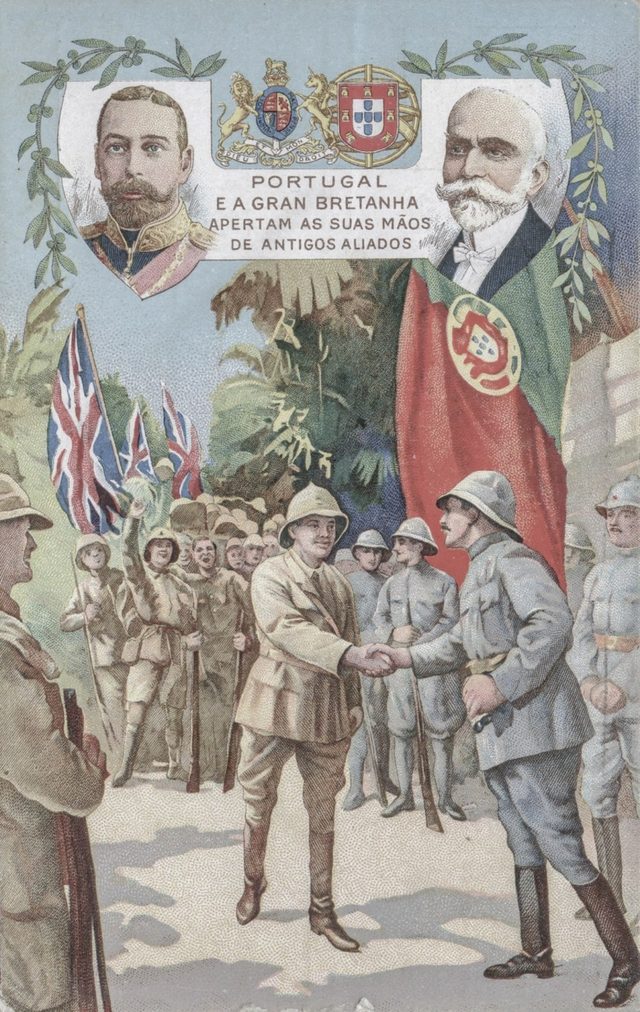 Portugal e a Gran Bretanha apertam as suas mãos de antigos aliados (Portugal and Great Britain Clasp Hands, Old Allies)
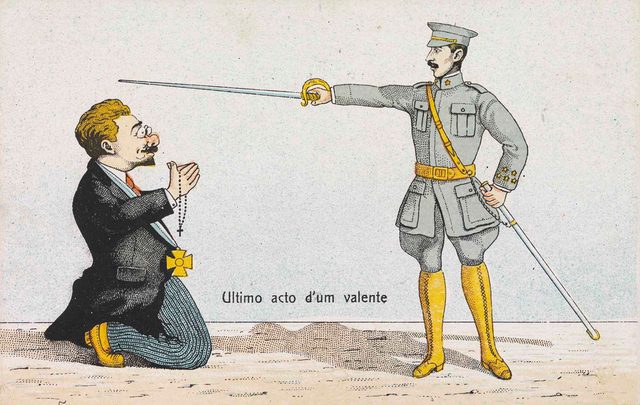 Ultimo acto d'um valente (Last Act of a 'Brave Man'): Sidónio Pais and Afonso CostaContent note
Switzerland (2)
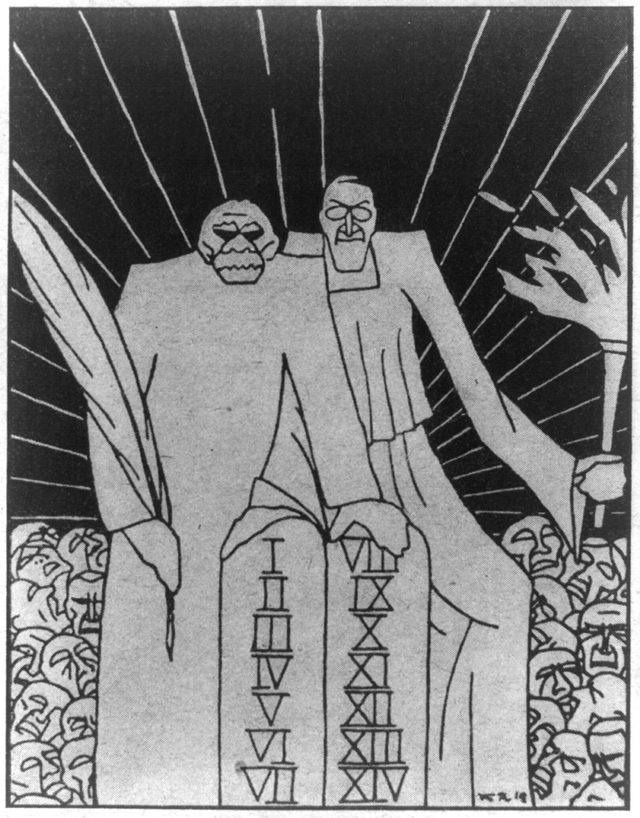 "Propheten einer neuen Welt" (Nebelspalter cartoon, 1918)
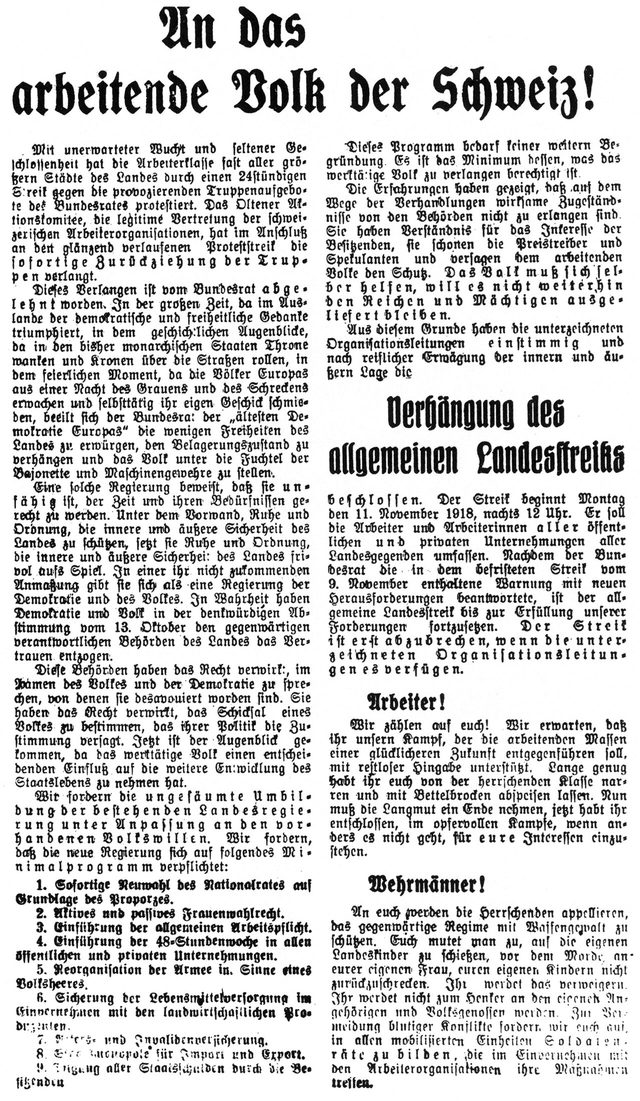 An das arbeitende Volk der Schweiz! Aufruf zum Landesstreik (To the working people of Switzerland! Call for the general strike), 11 November 1918
Transnational (2)
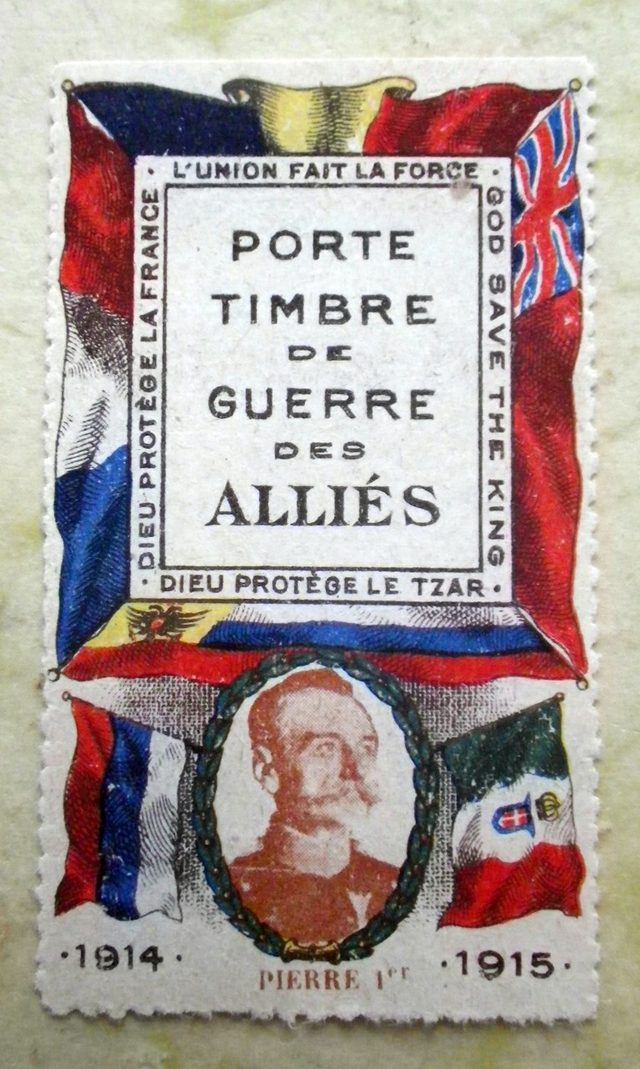 "Porte timbre de guerre des Alliés" poster stamp (Allied powers, 1914-1915)
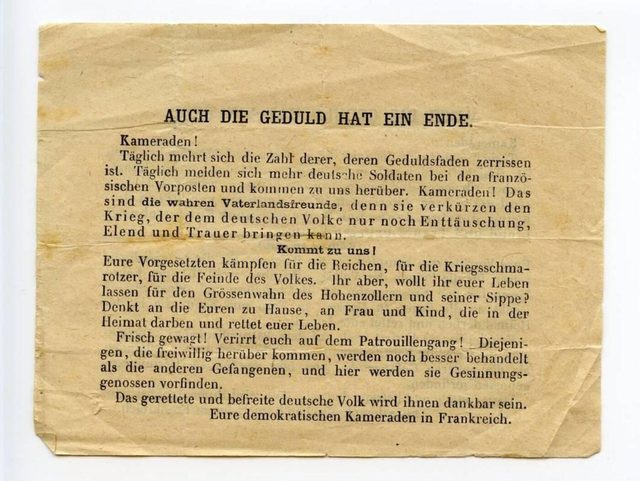 Auch die Geduld hat ein Ende (Even Patience Has an End), German-language leaflet for German soldiers
Belgium (1)
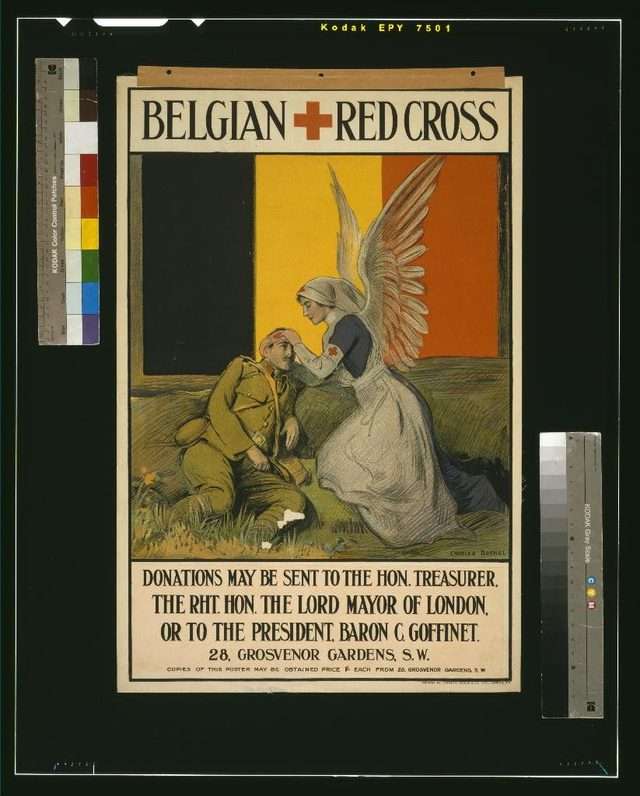
Bulgaria (1)
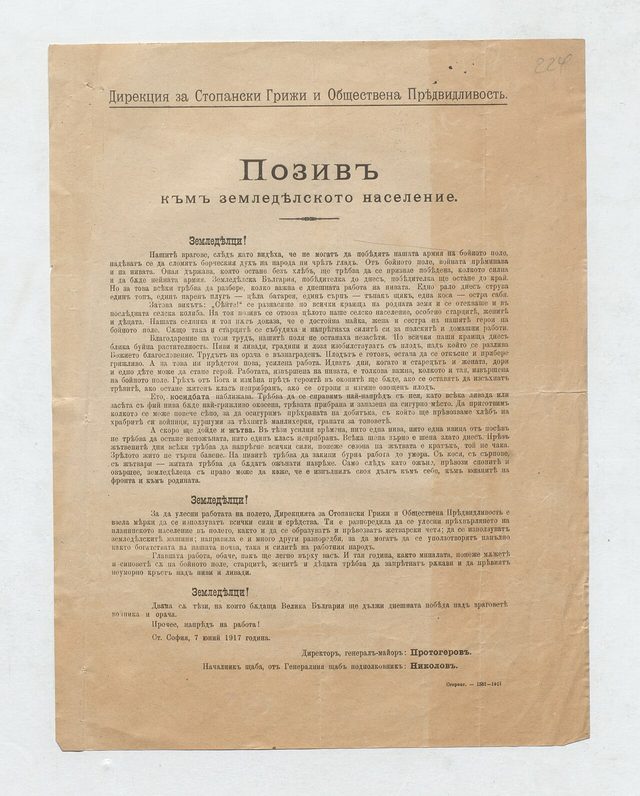
Czechoslovak National Council (1)
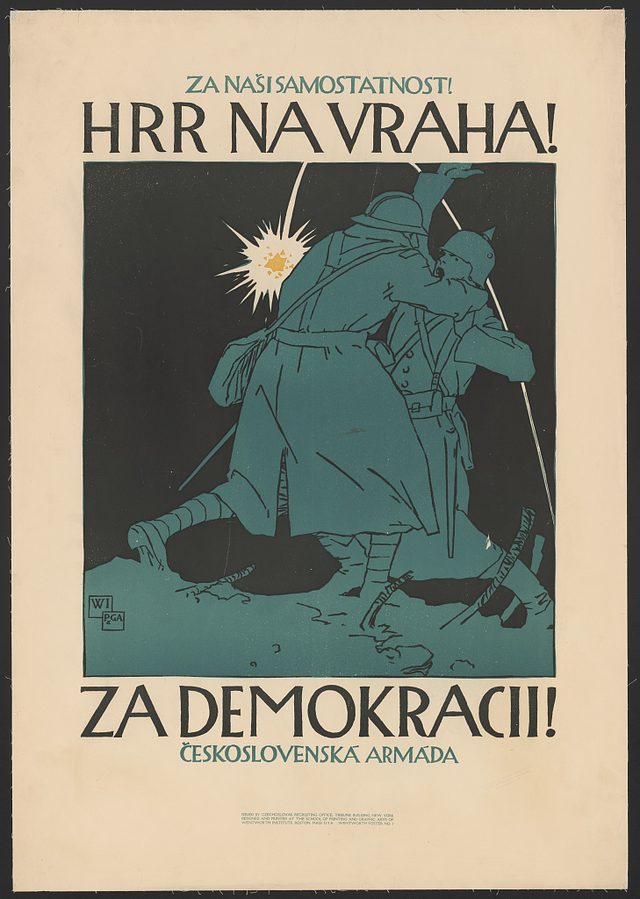
Emirate of Mecca (1)
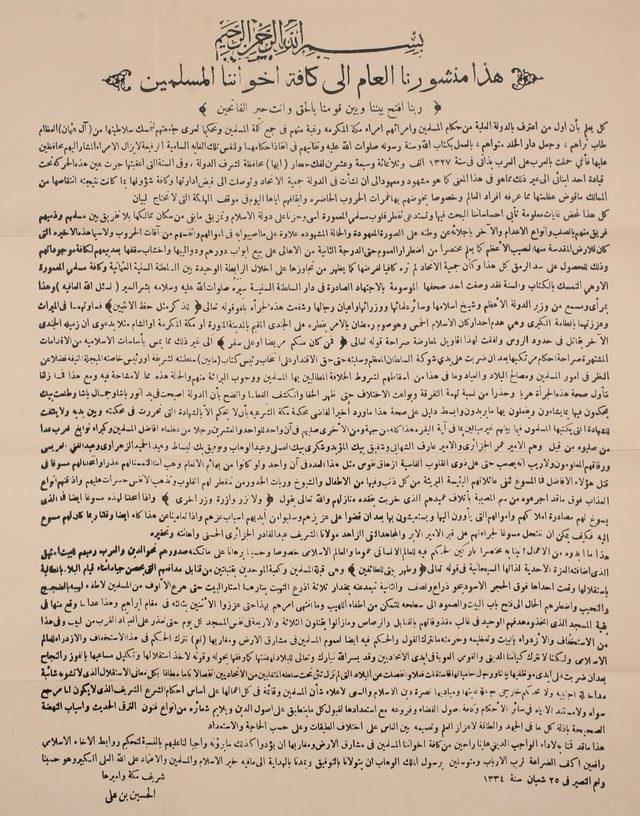
Empire of Japan (1)
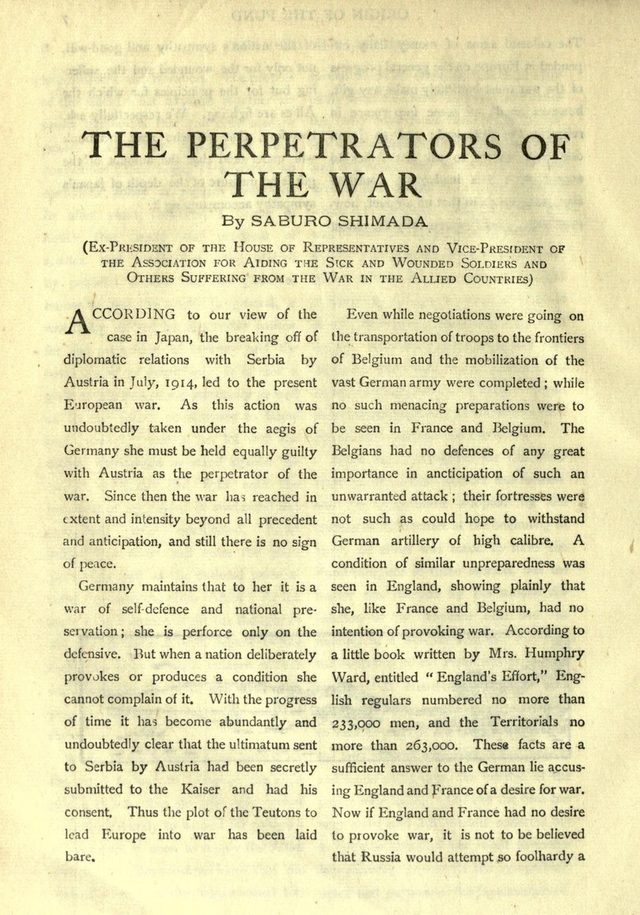
Finland (1)
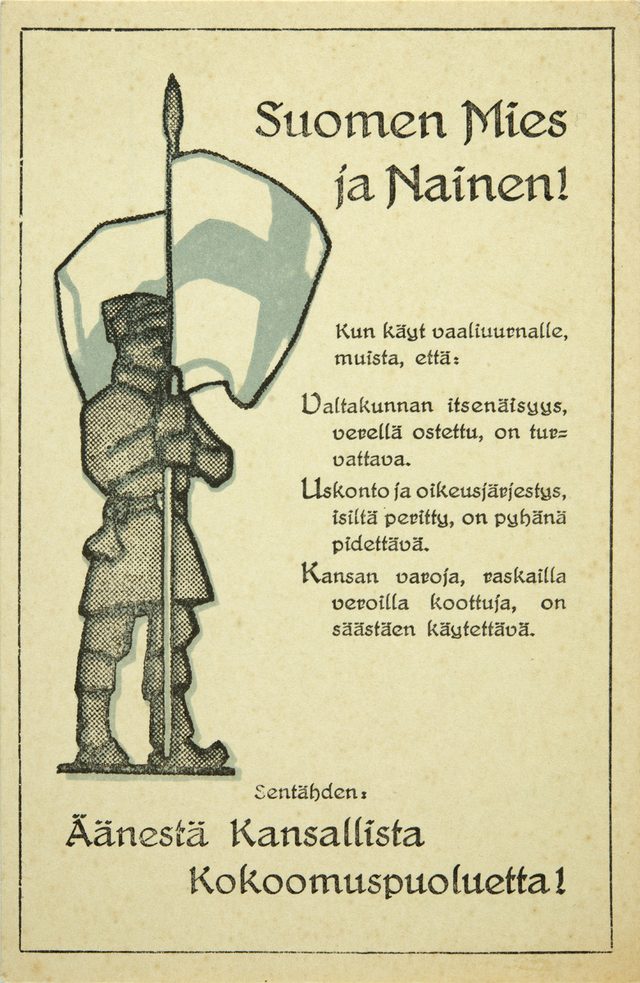
New Zealand (1)
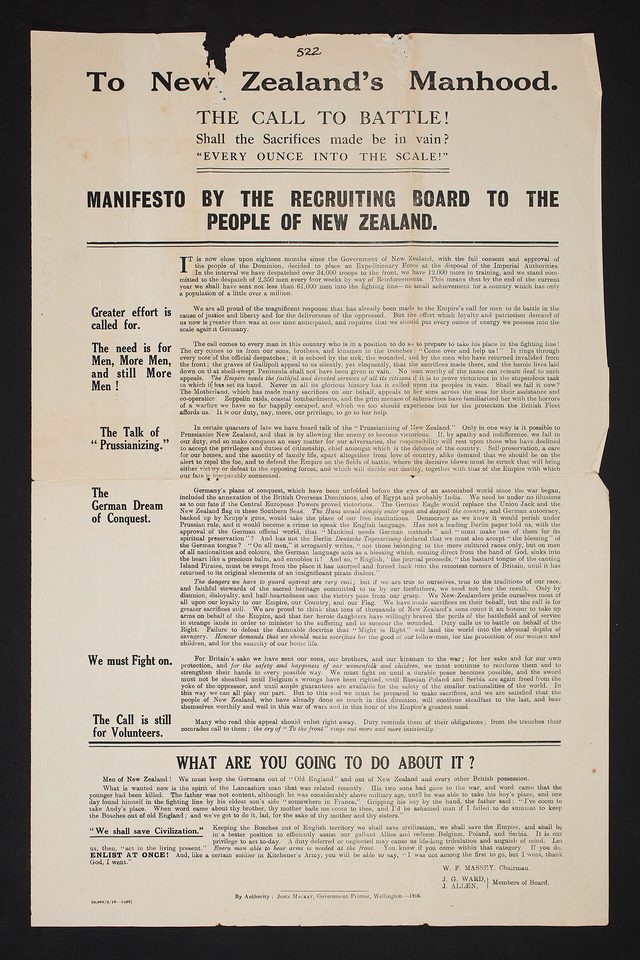
Ottoman Empire (1)
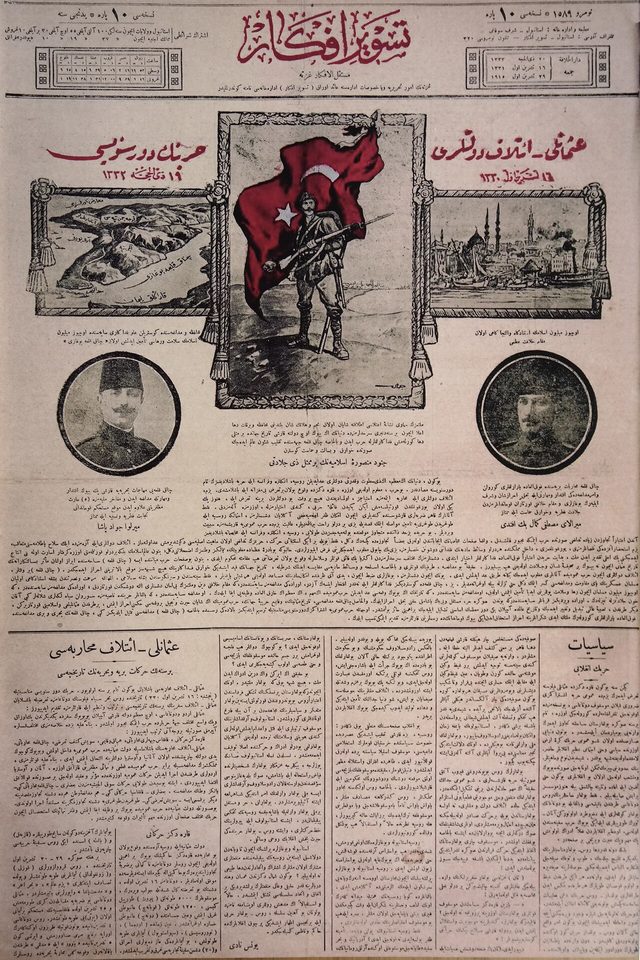
Russia (1)
Ukrainian People Republic (1)
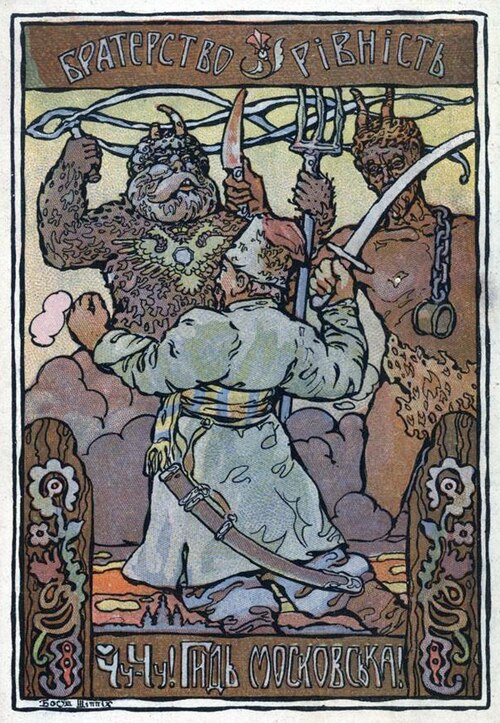
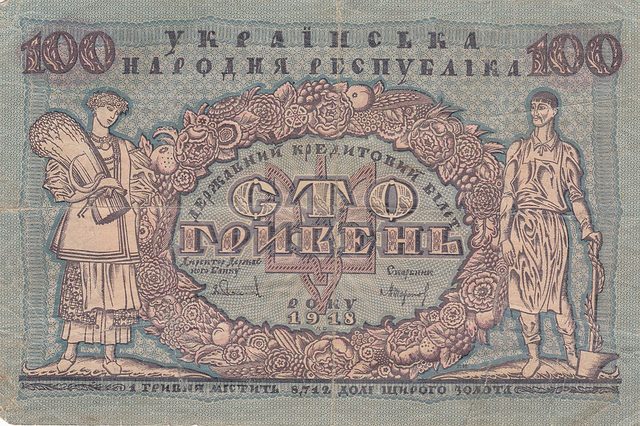
Ukrainian State (1)
How to read a war poster
- Who issued it? Name the agency, as the captions above do. An open issuer is white propaganda; a concealed one, as with Wellington House's publishing, is closer to gray.
- What is offered in place of a claim? A threat, a soldier, a virtue word.
- What is left out? Terms, costs, dates and sources.
- Can the underlying event be checked? Some could and were confirmed; some could not.
- Would the same test score the other side's poster the same way? In this archive it does.
Sources
- Creel, G. (1920). How We Advertised America. New York: Macmillan. Text: https://web.mit.edu/21h.102/www/Creel,%20How%20We%20Advertised%20America.html
- UK Parliament. (1915, 10 March). Parliamentary Recruiting Committee. Hansard, written answers. https://api.parliament.uk/historic-hansard/written-answers/1915/mar/10/parliamentary-recruiting-committee
- Sanders, M. L., & Taylor, P. M. (1982). British Propaganda during the First World War, 1914-18. London: Macmillan. https://link.springer.com/book/10.1007/978-1-349-05544-9 ; Messinger, G. S. (1992). British Propaganda and the State in the First World War. Manchester: Manchester University Press.
- Deutsche Nationalbibliothek. Virtual exhibition "100 Years First World War": War bonds, listings and calls for donations. https://erster-weltkrieg.dnb.de/WKI/Web/EN/Navigation/Propaganda-und-Zensur/Kriegsanleihezeichungen-in-der-Propaganda/kriegsanleihezeichungen-in-der-propaganda.html
- Norris, S. M. (2006). A War of Images: Russian Popular Prints, Wartime Culture, and National Identity, 1812-1945. DeKalb: Northern Illinois University Press. Review: https://networks.h-net.org/node/10000/reviews/10325/sigler-norris-war-images-russian-popular-prints-wartime-culture-and
- Lasswell, H. D. (1927). Propaganda Technique in the World War. New York: Alfred A. Knopf.
- Horne, J., & Kramer, A. (2001). German Atrocities, 1914: A History of Denial. New Haven: Yale University Press. https://yalebooks.co.uk/book/9780300107913/german-atrocities-1914/
- UK Parliament. (1925, 2 December). German Government Denial (Chamberlain's reply on the "Kadaver story"). Hansard, Commons. https://api.parliament.uk/historic-hansard/commons/1925/dec/02/german-government-denial
- Neander, J., & Marlin, R. (2010). Media and propaganda: The Northcliffe press and the corpse factory story of World War I. Global Media Journal, Canadian Edition, 3(2), 67-82. https://archive.org/details/media-and-propaganda-the-northcliffe-press-and-the-corpse-factory-story-of-world
- Ponsonby, A. (1928). Falsehood in War-Time. London: George Allen & Unwin.
Related
- What is propaganda? Definition, history and examples
- Propaganda, misinformation and disinformation: the differences
- The Committee on Public Information: how the U.S. government sold the First World War at home (1917-1919)
- Wellington House and the Bryce Report: atrocity evidence, confirmed and unconfirmed (1914-1915)
- The German 'corpse factory': a false atrocity story and its long afterlife (1917-1925)
- Germany answers back: the Manifesto of the 93 and the Lusitania medal (1914-1916)
- Managing the news: France's 'bourrage de crâne' and Austria-Hungary's War Press Office (1914-1918)
- Russia's war of words: tsarist lubki, the Liberty Loan and the fight over 'German agents' (1914-1918)
- Wartime censorship in the First World War: Britain, Germany, France and the United States
- Harold D. Lasswell, Propaganda Technique in the World War (1927)
- Arthur Ponsonby, Falsehood in War-Time (1928)
- Doctrine (working definition)
- Fear appeal
- Transfer
- Name-calling
- Card stacking
- Scapegoating
- Glittering generalities
- Whataboutism
- Testimonial