Content note. Linked objects include wartime threats, casualty lists, and a broadcast addressed to Black U.S. soldiers by race. They are shown as recorded.
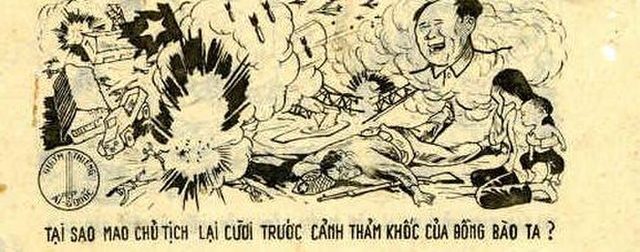
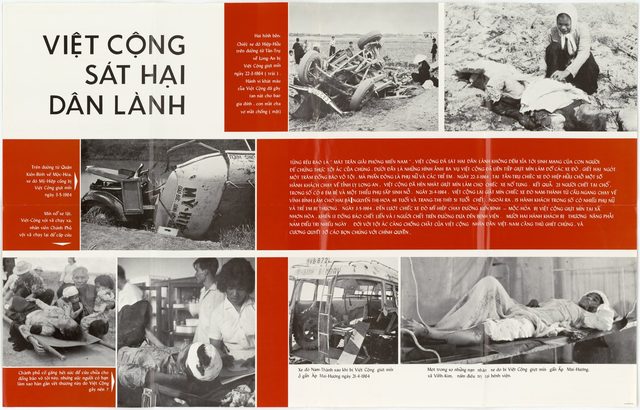
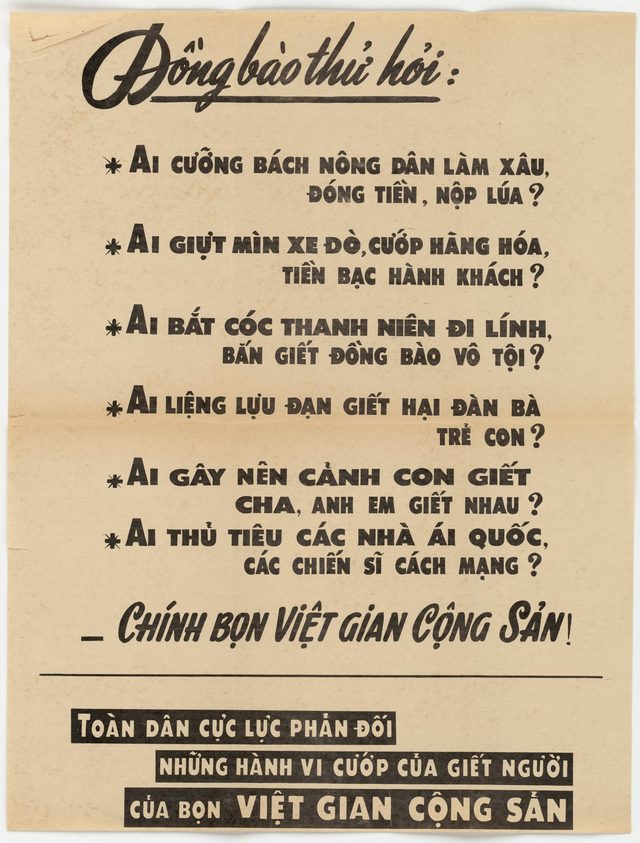
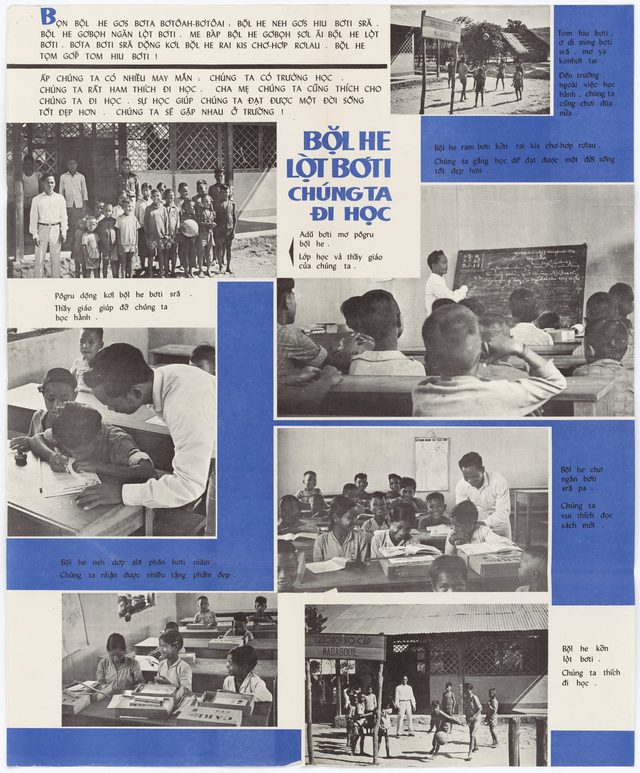
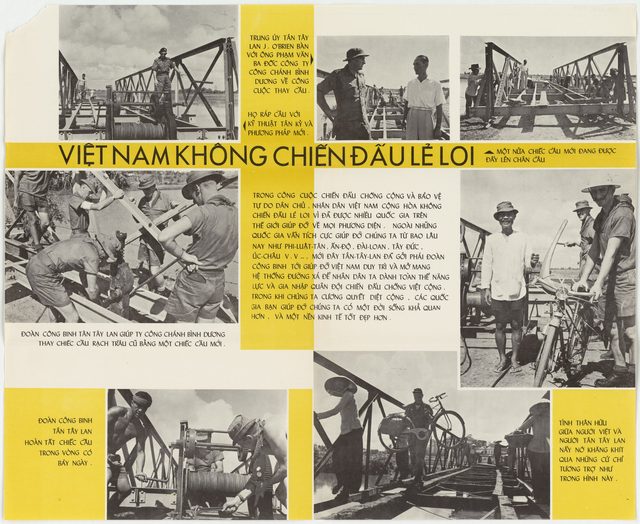
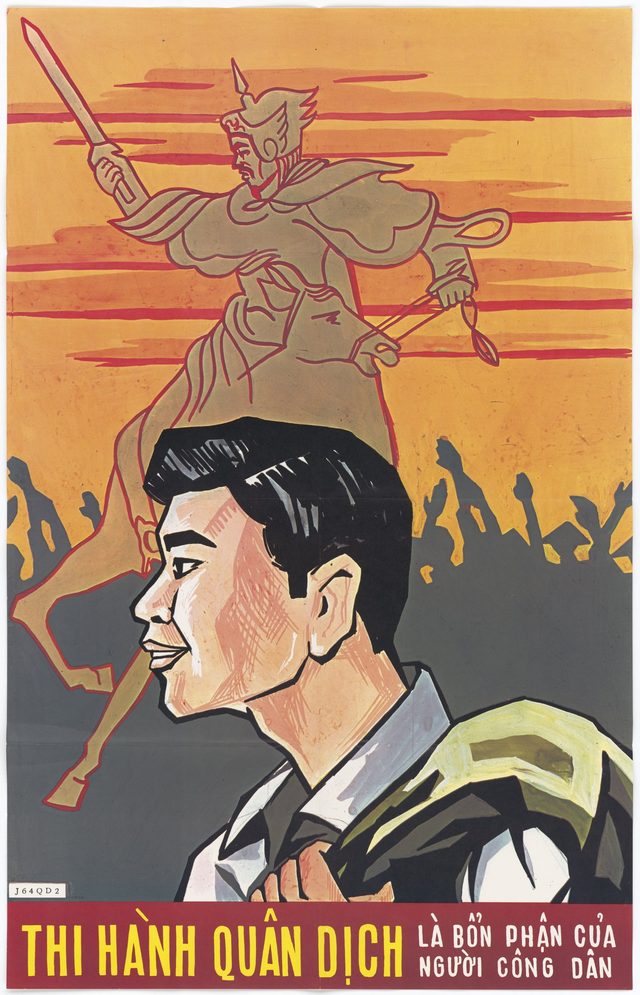
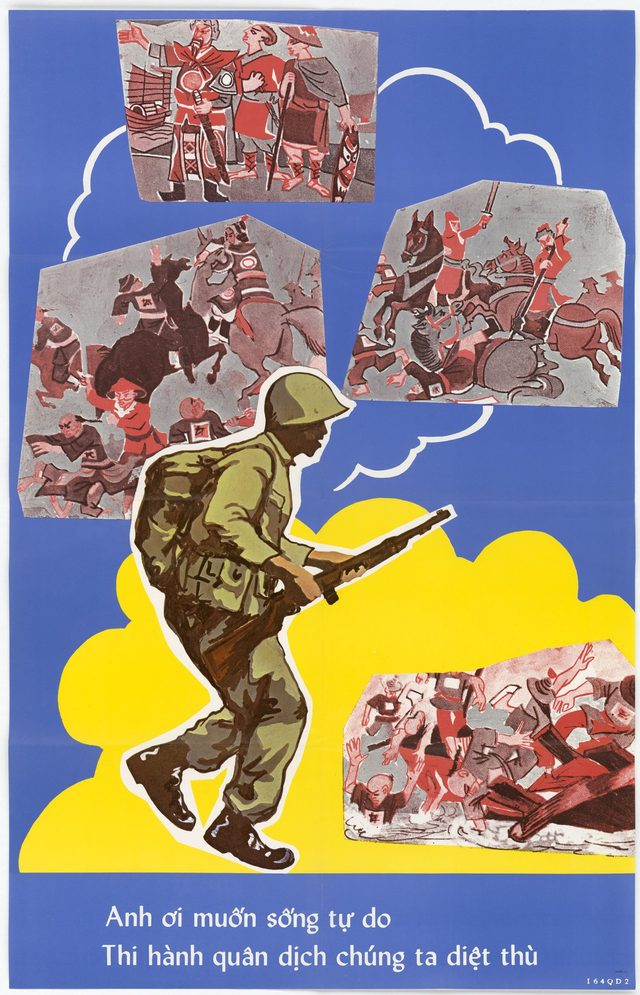
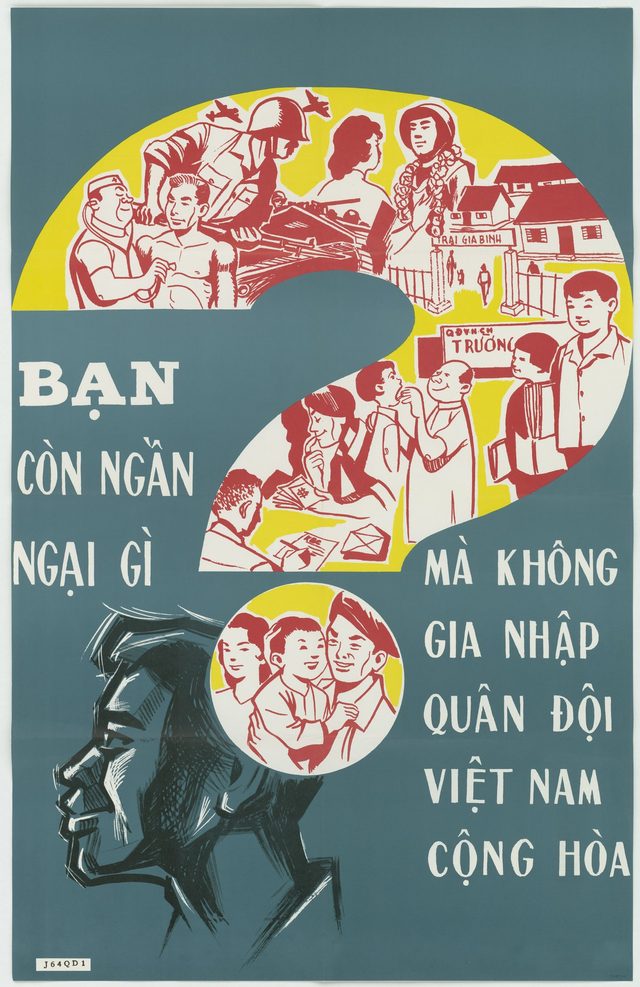
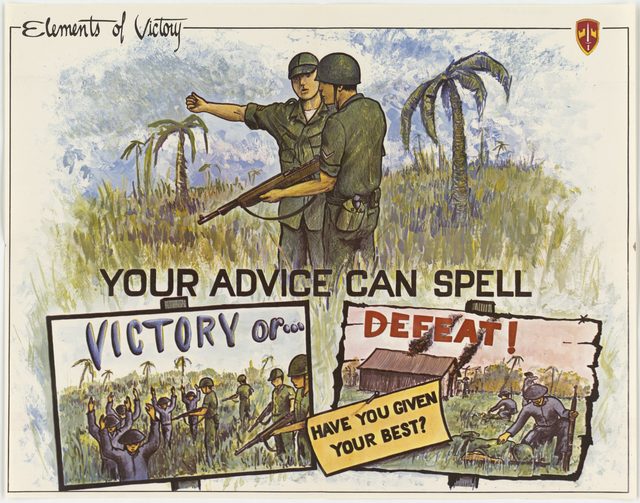
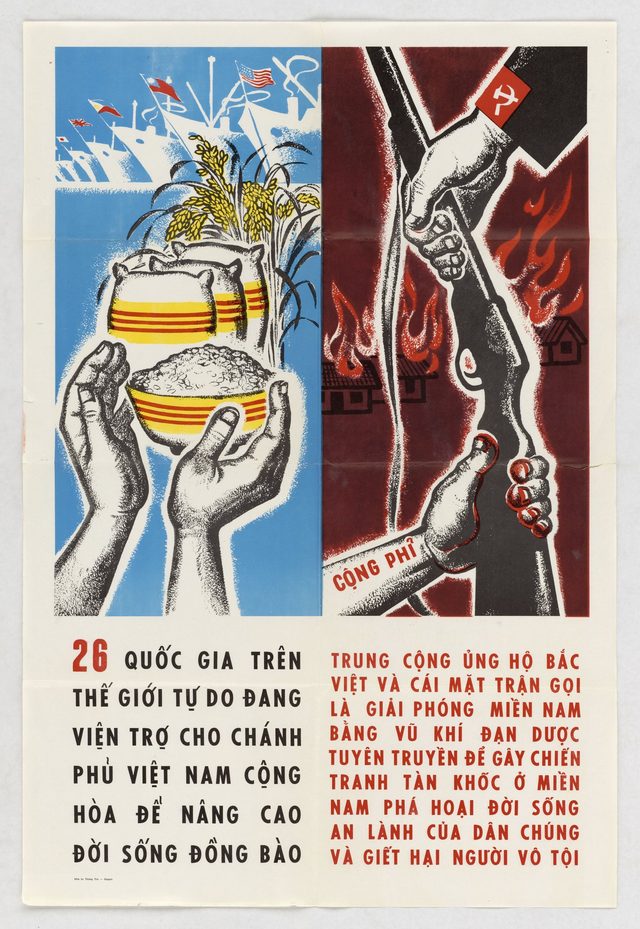
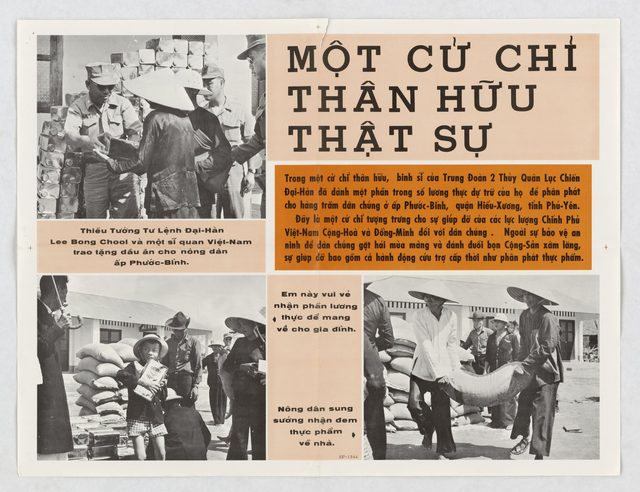
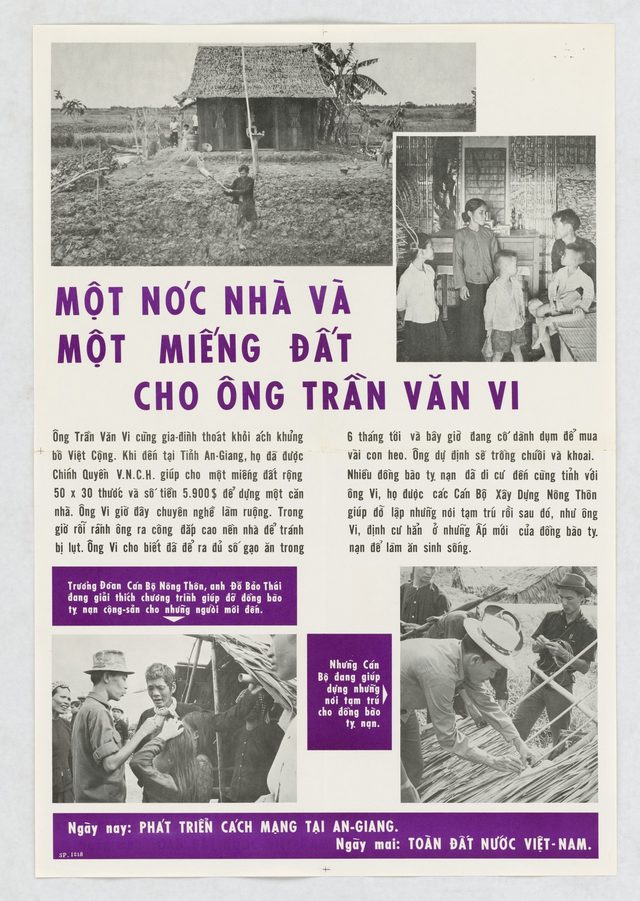
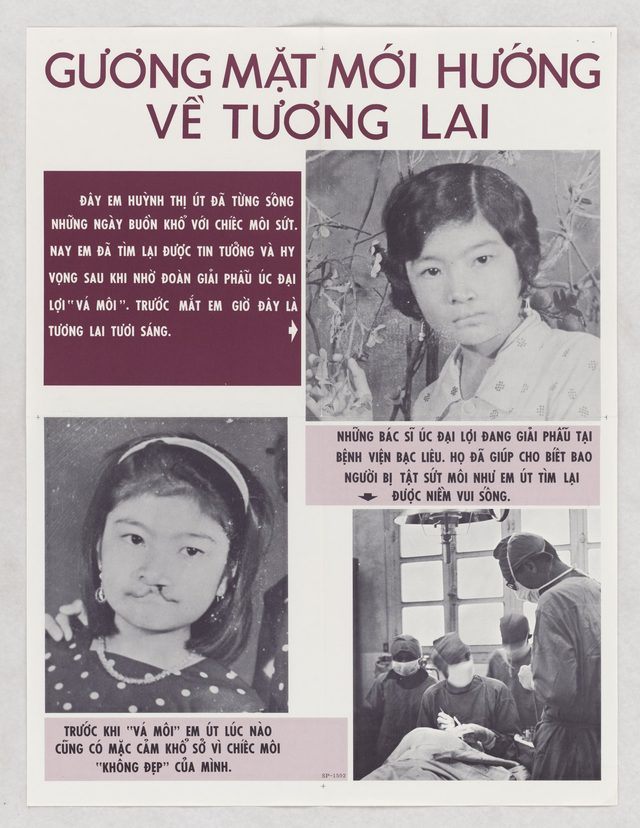
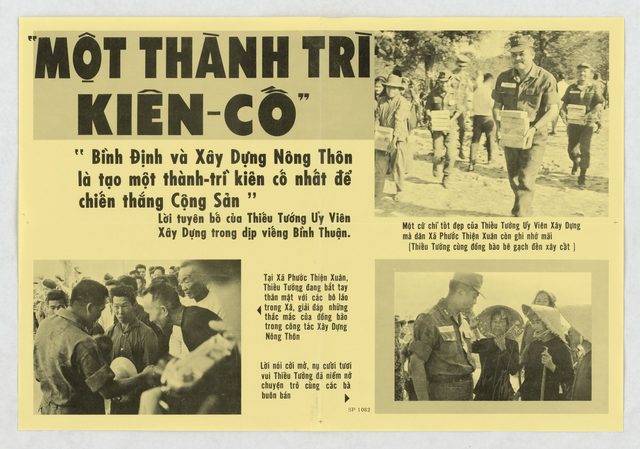
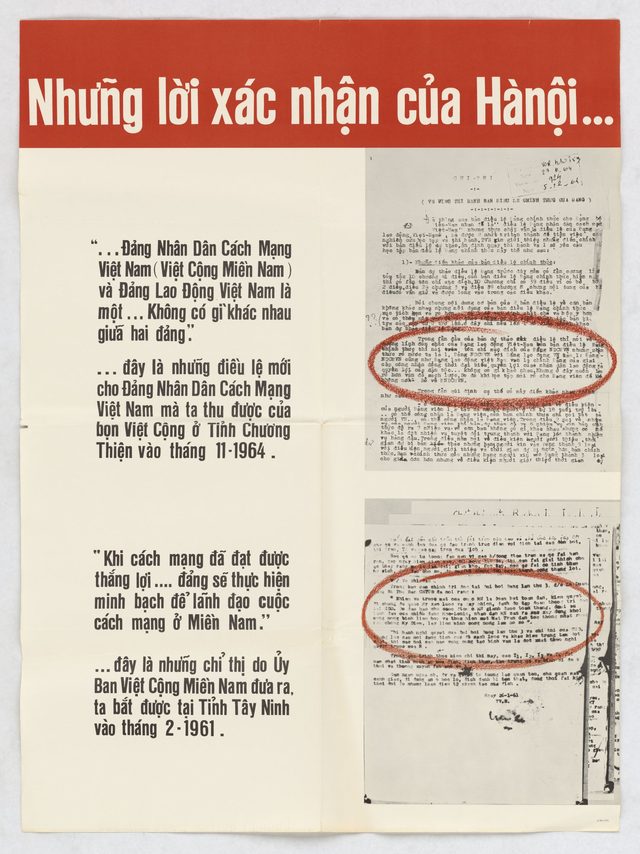
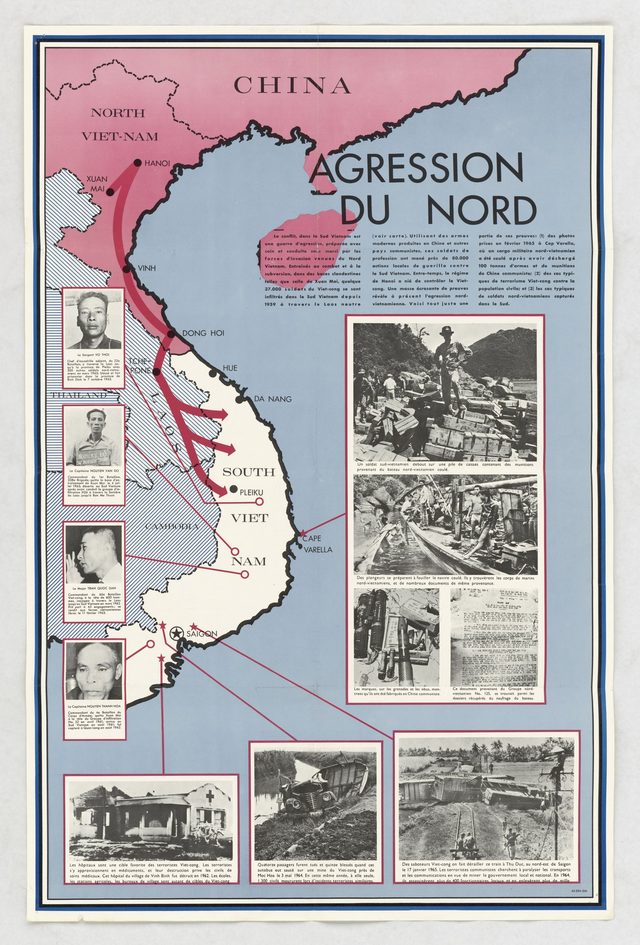
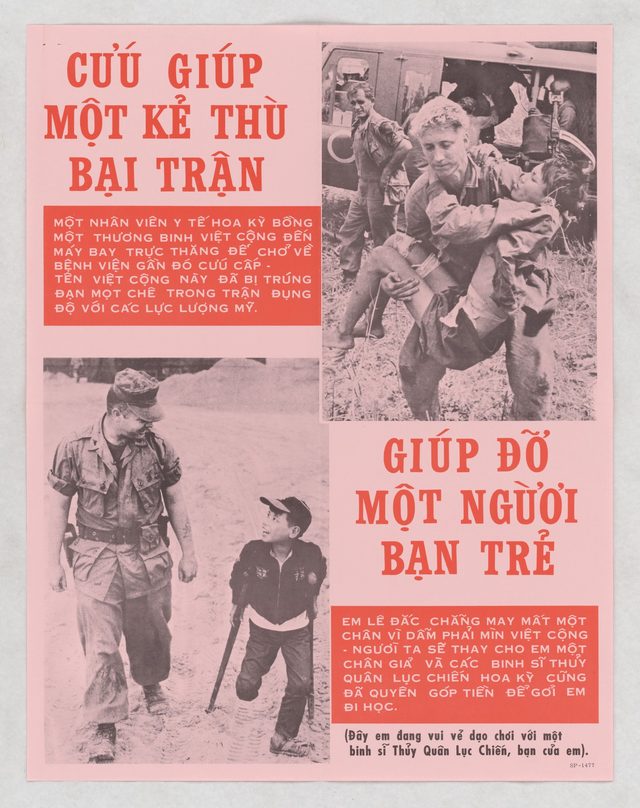
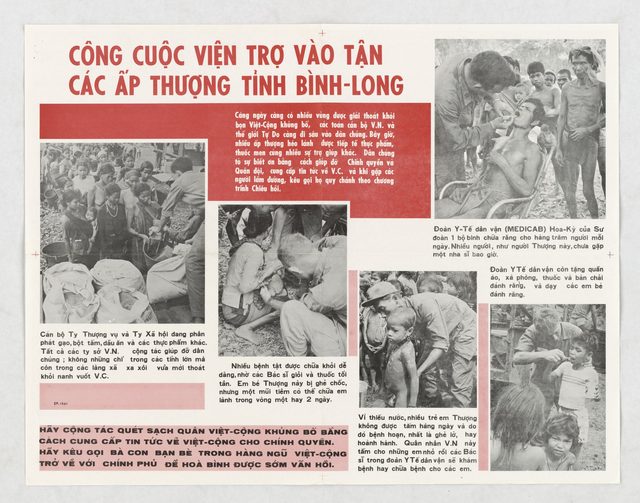
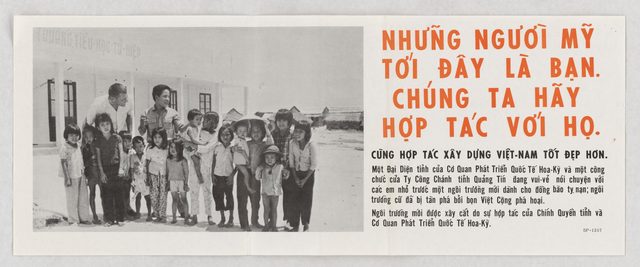
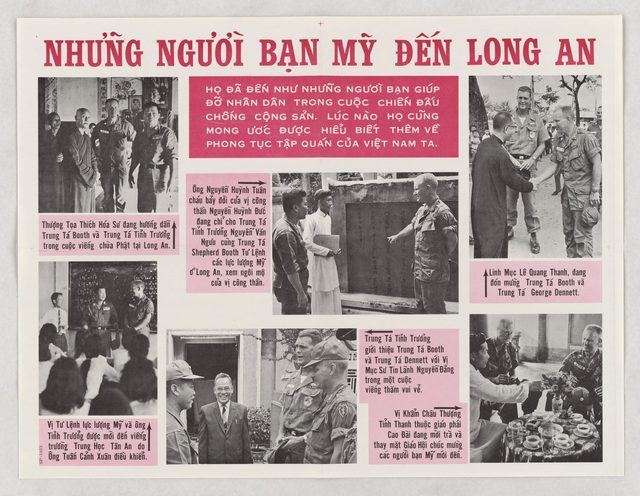
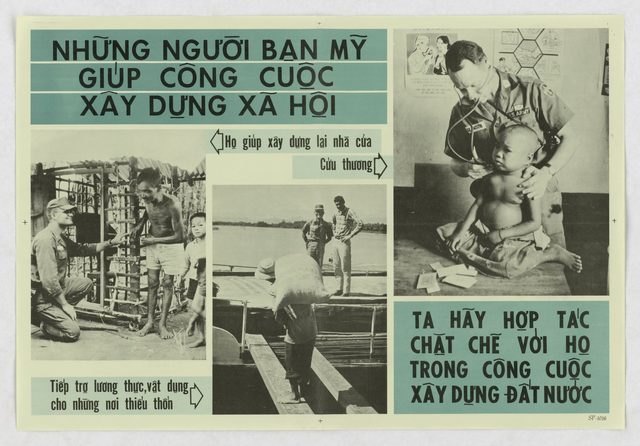
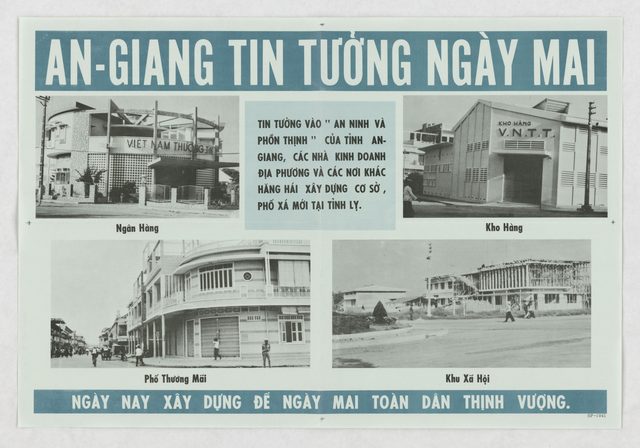
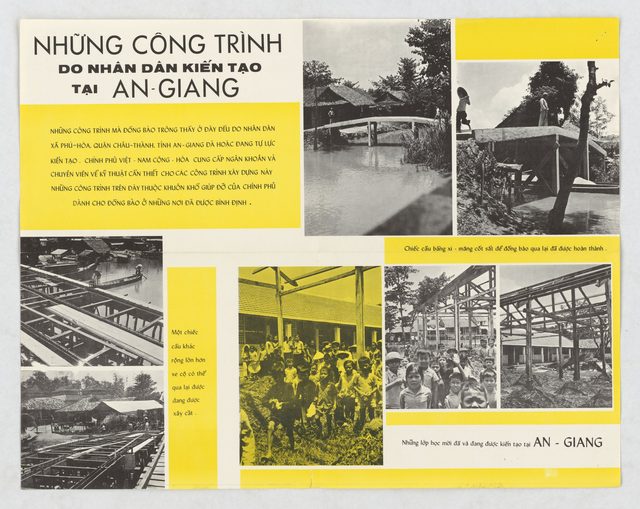
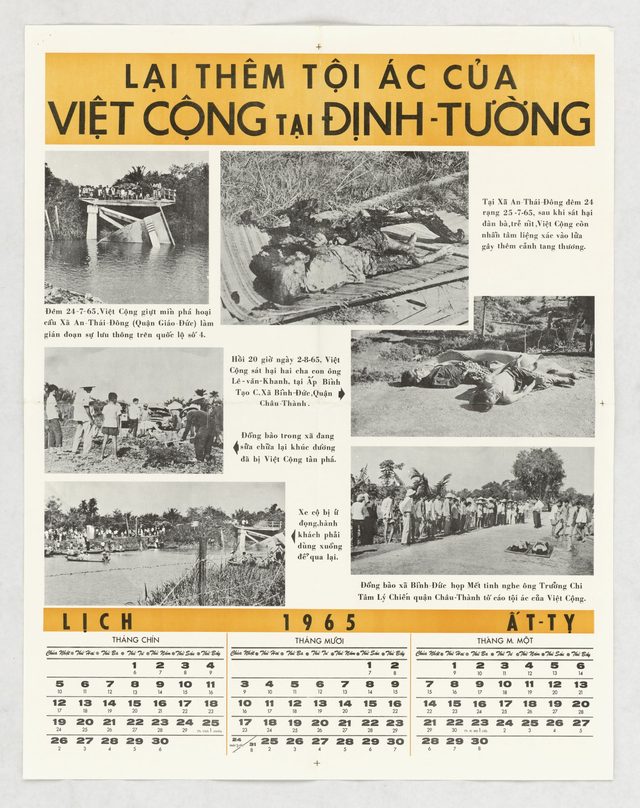
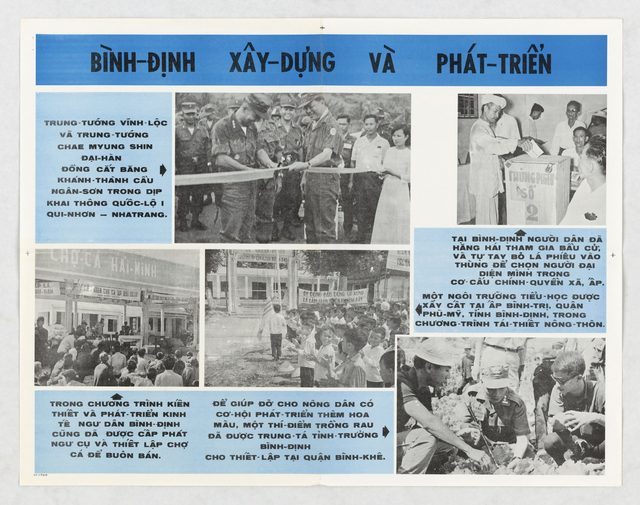
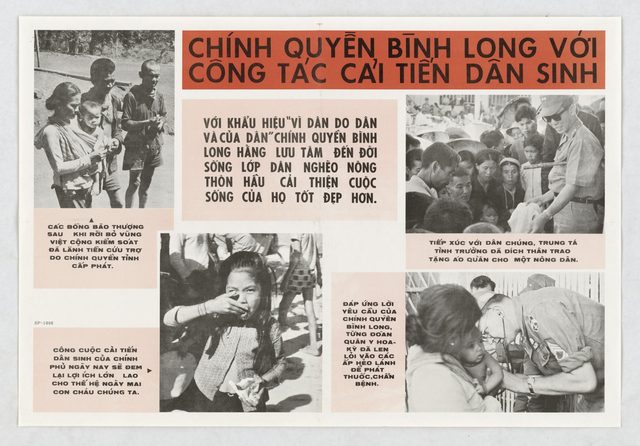
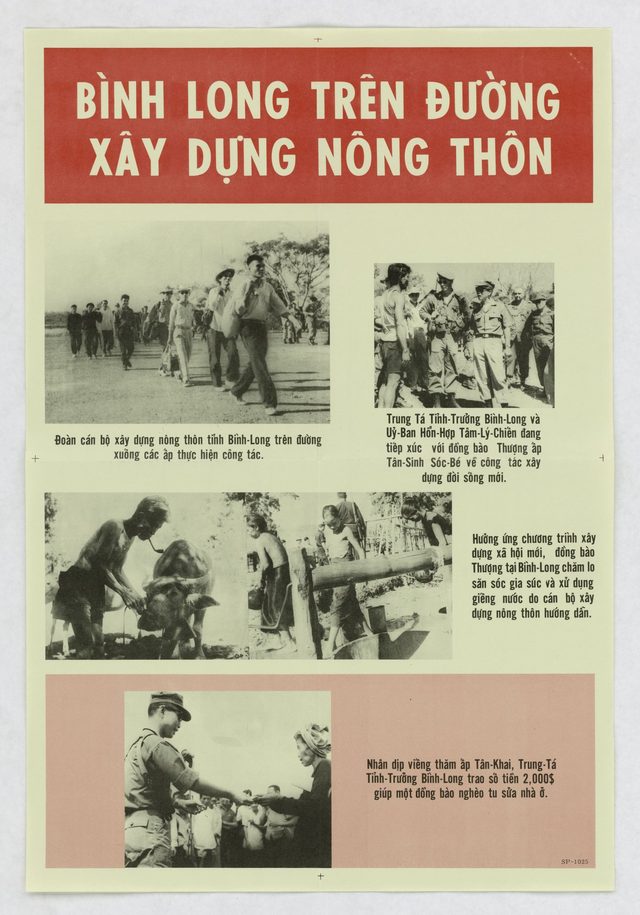
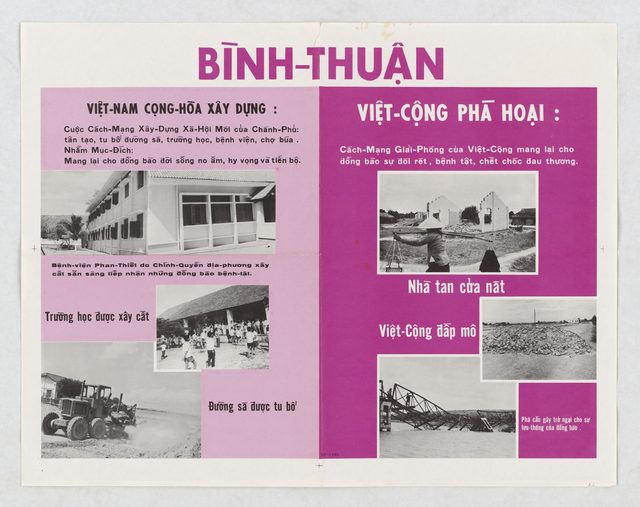
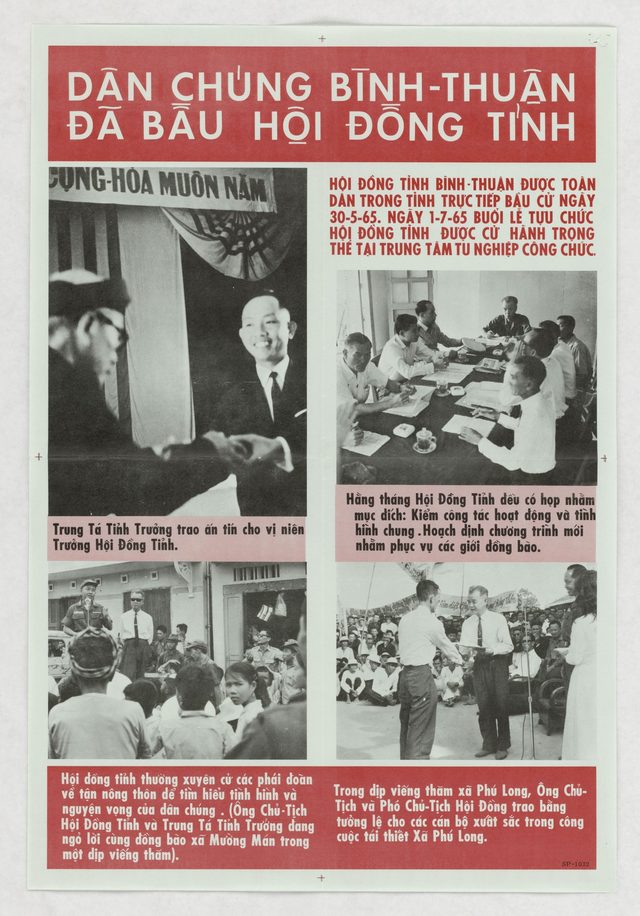
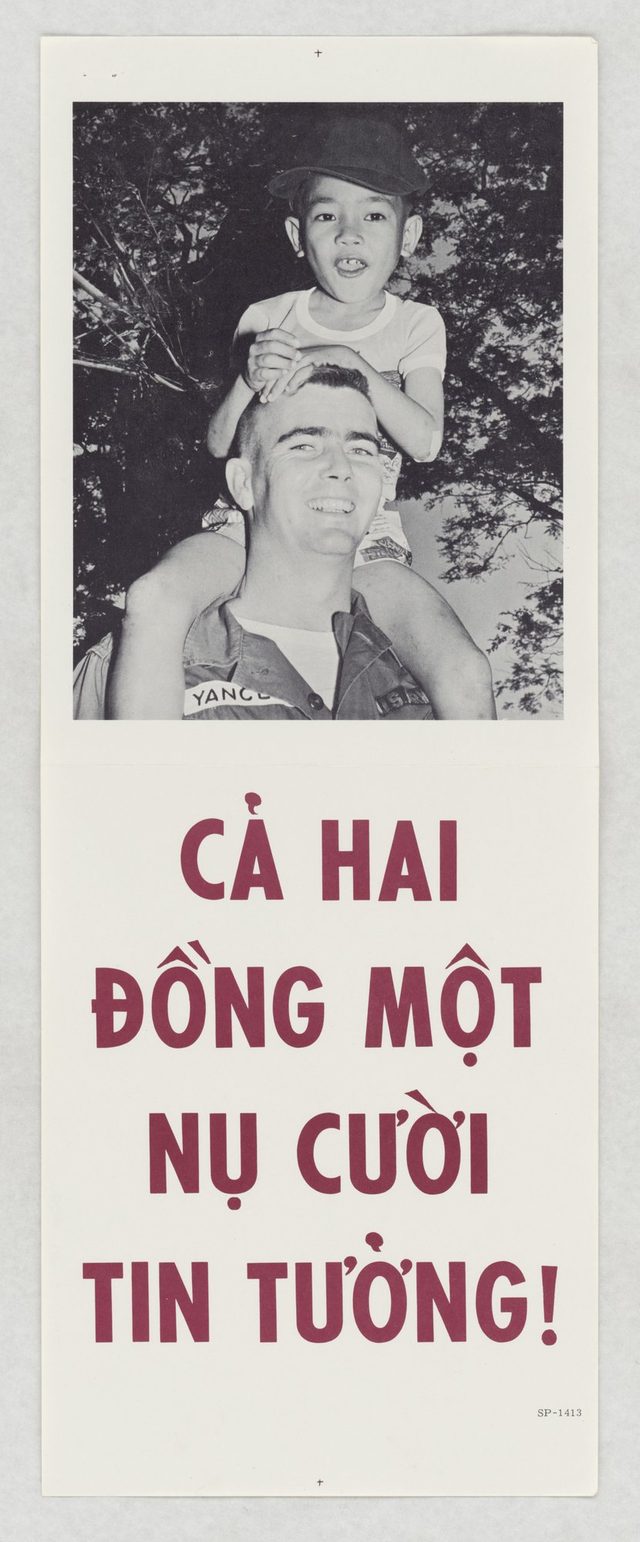
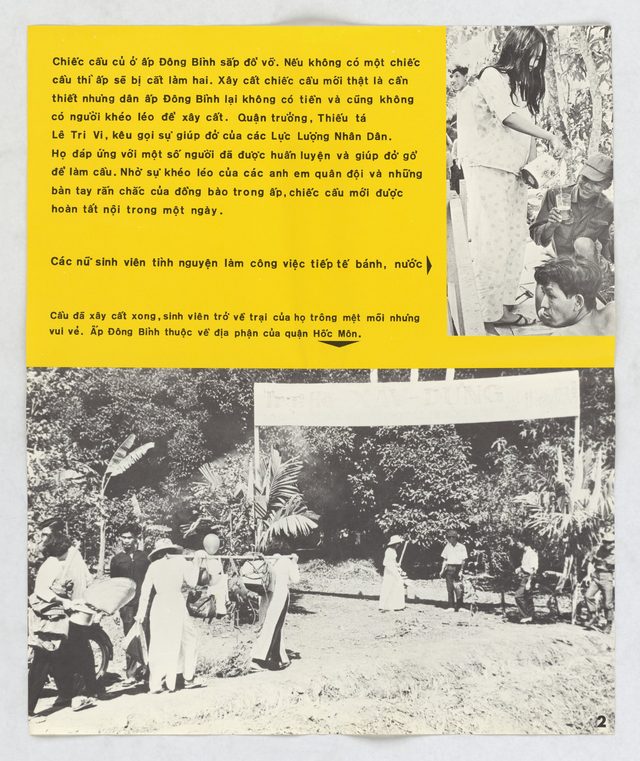
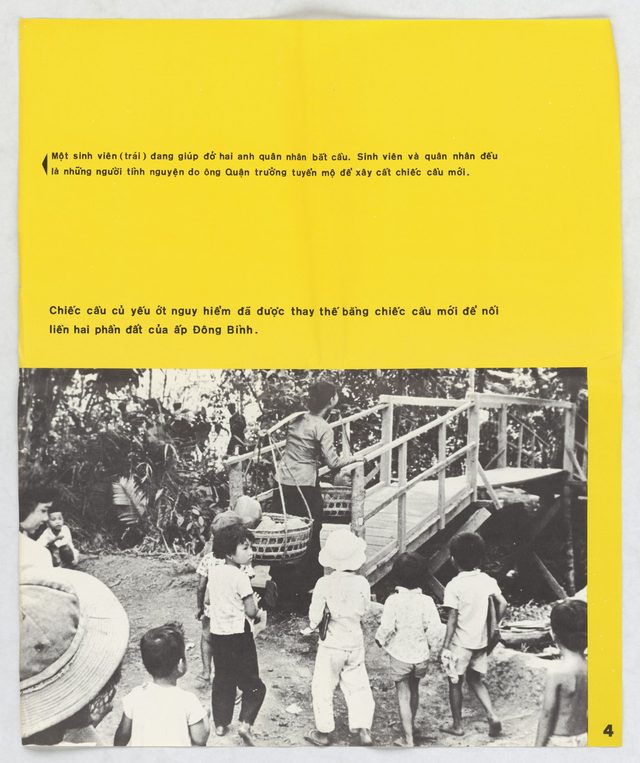
Vietnam War propaganda, in this archive, is the printed, filmed and broadcast material governments, a southern front, and a U.S. protest movement put out about the war between 1954 and 1975. The same technique names are used for every issuer. Scale is not the same: U.S. and Saigon leaflet counts run to the billions, and Hanoi's English service was a radio programme. Vietnam War propaganda posters here are not one stack. U.S. and Saigon sheets, Front leaflets, and signs in protest photographs have different issuers. Vietnam propaganda posters, counted the same way, include Hanoi and the Front as well as Washington and Saigon.
Who made propaganda in the Vietnam War?
The issuer is not the country a photograph was taken in.
- United States government. The Department of Defense film Why Vietnam?, the Gulf of Tonkin address and the resolution that followed it, and the Selective Service lottery of 1 December 1969.
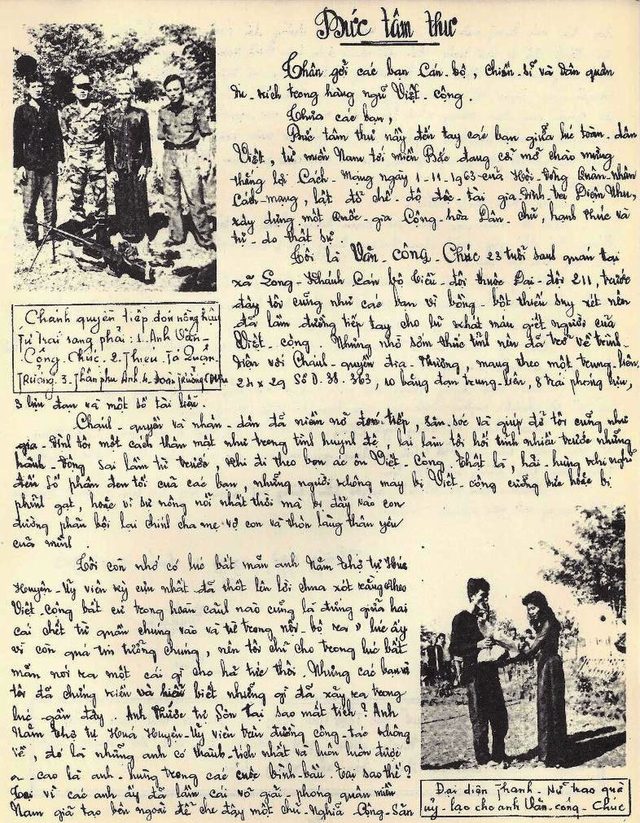
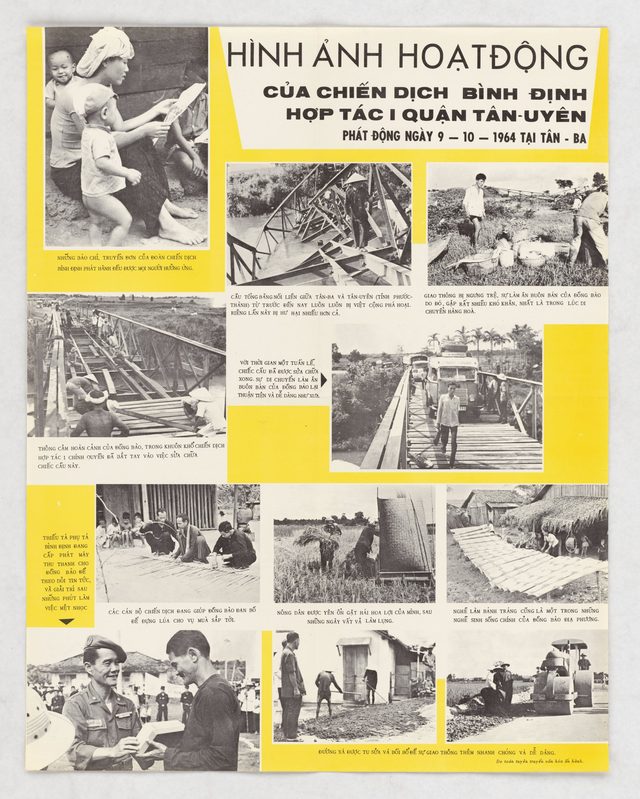
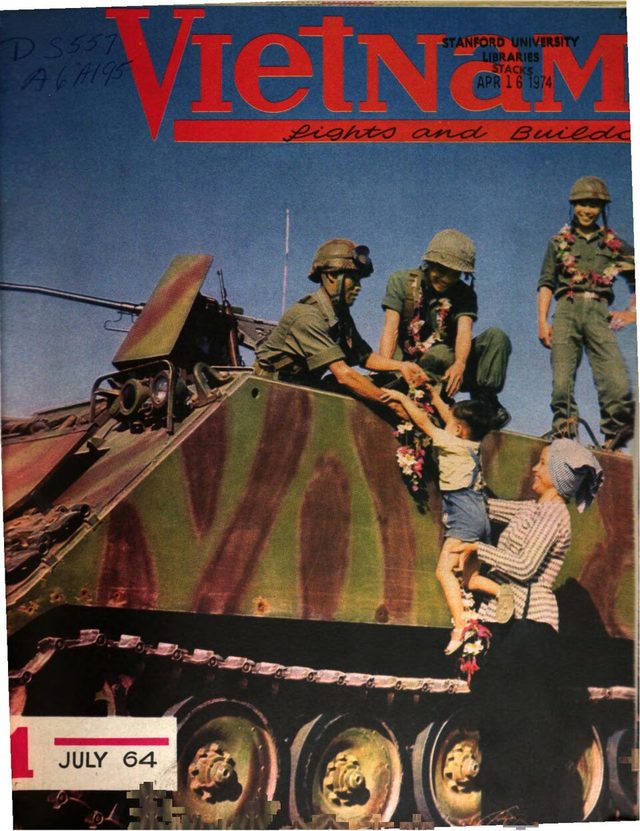
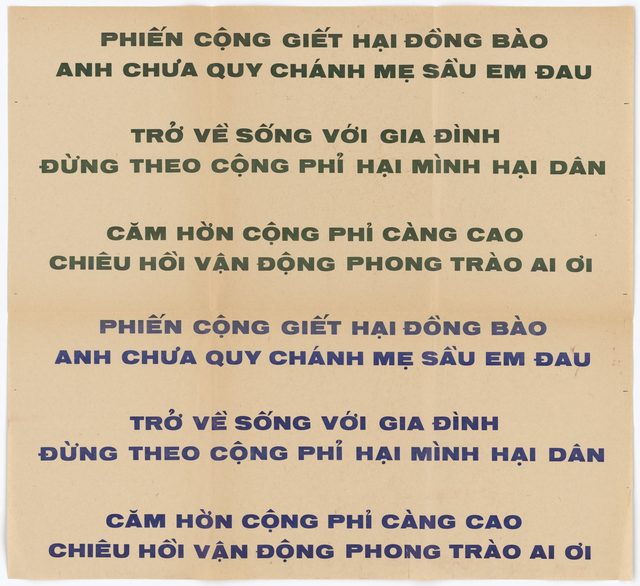
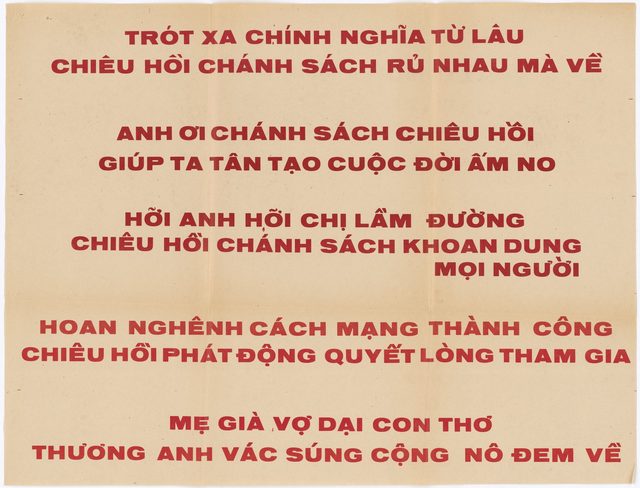
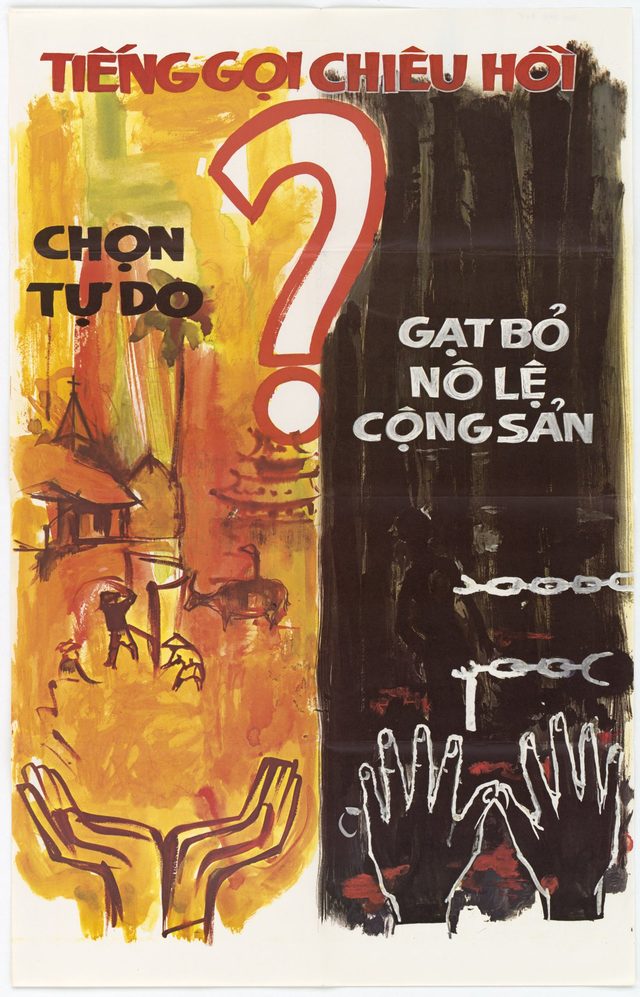
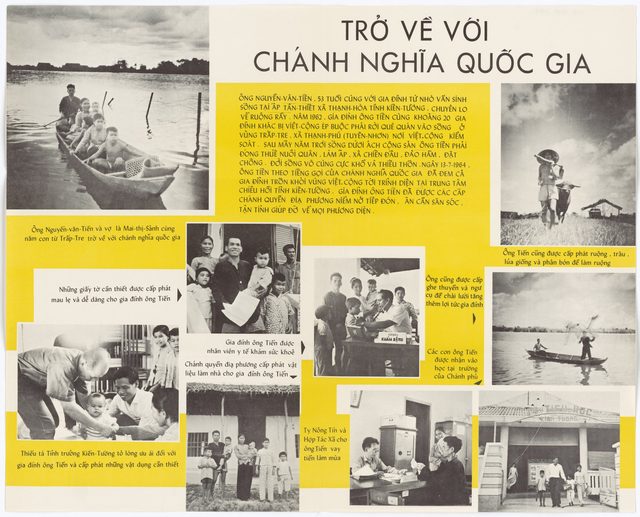
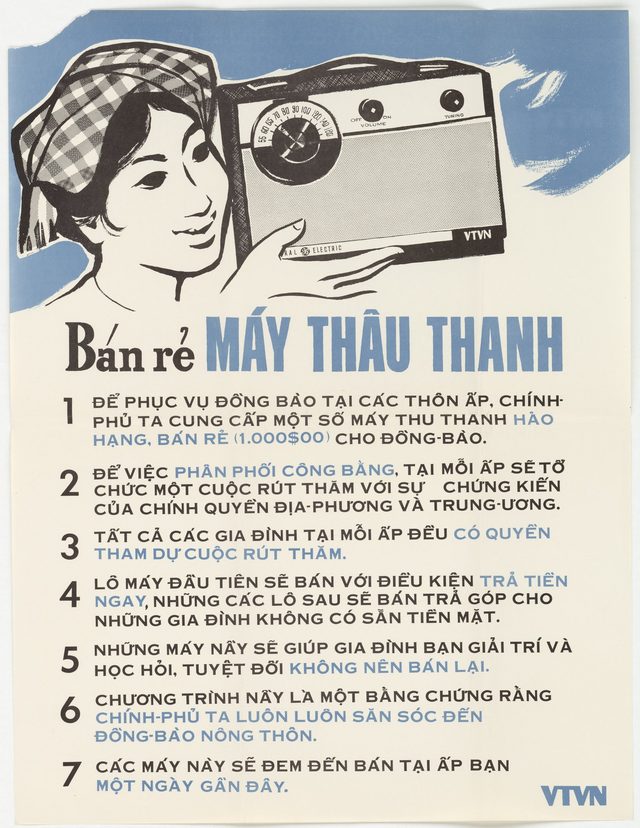
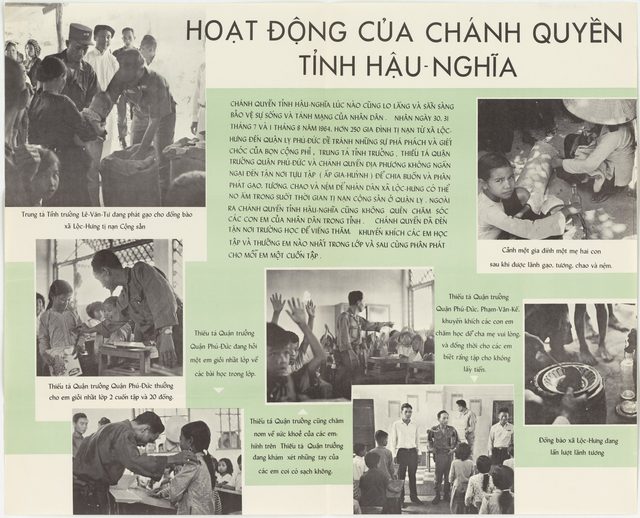
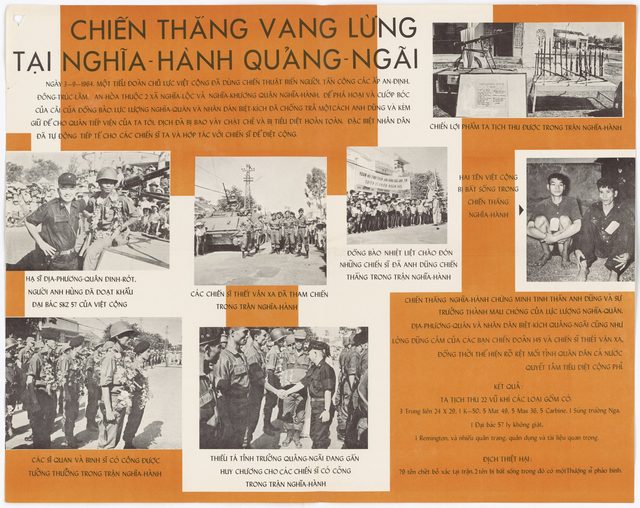
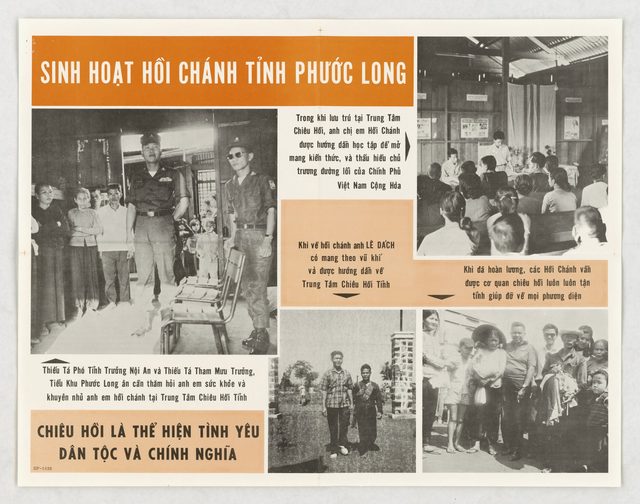
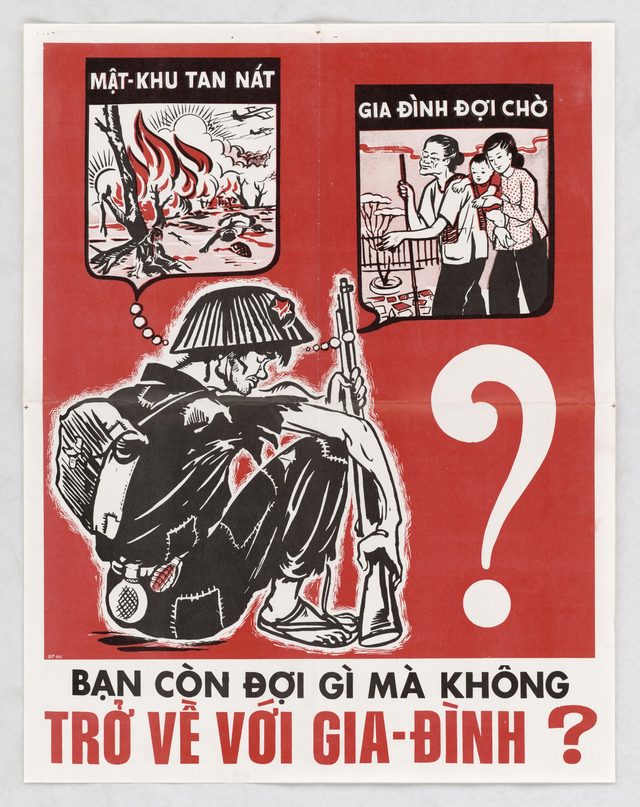
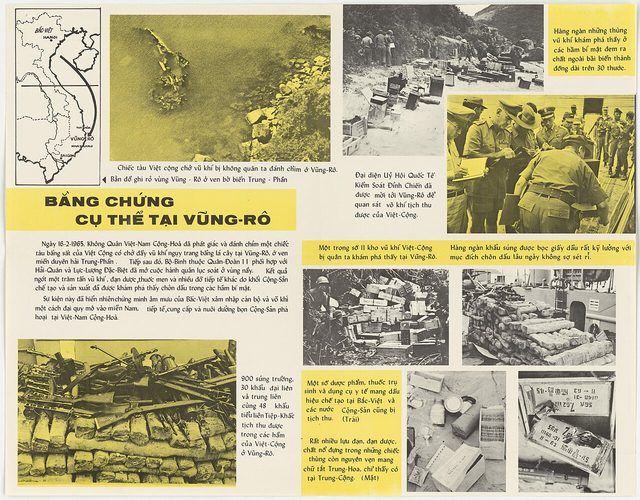
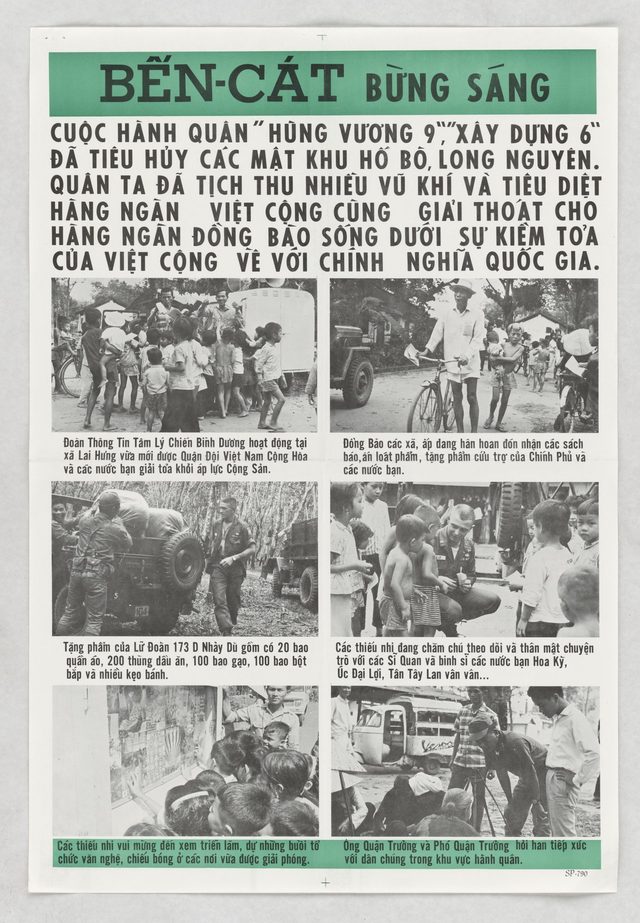
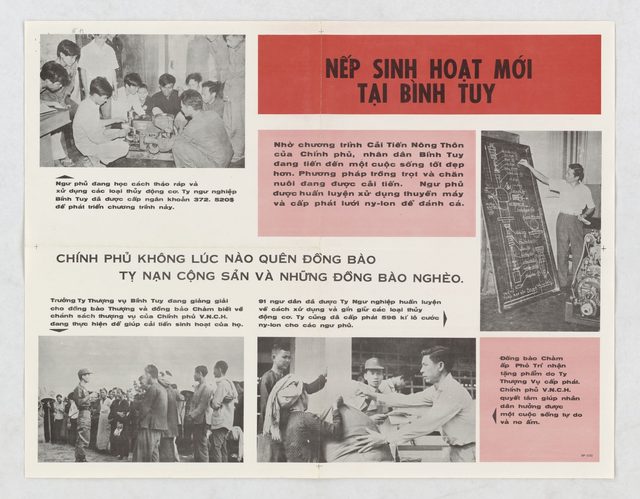
- Republic of Vietnam (Saigon) and JUSPAO. The Chieu Hoi ("Open Arms") leaflets and safe-conduct passes were a South Vietnamese programme run with the U.S. mission. JUSPAO is the joint office, not the Saigon government by itself.
- Democratic Republic of Vietnam (Hanoi). Radio Hanoi's English service. The two hosted transcripts name the station.
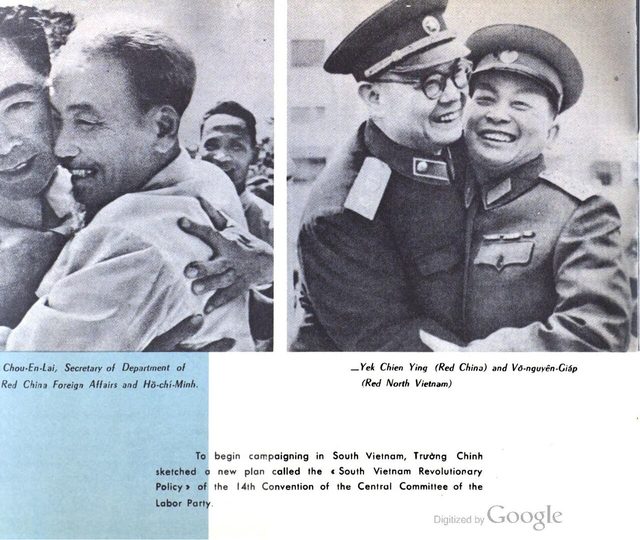
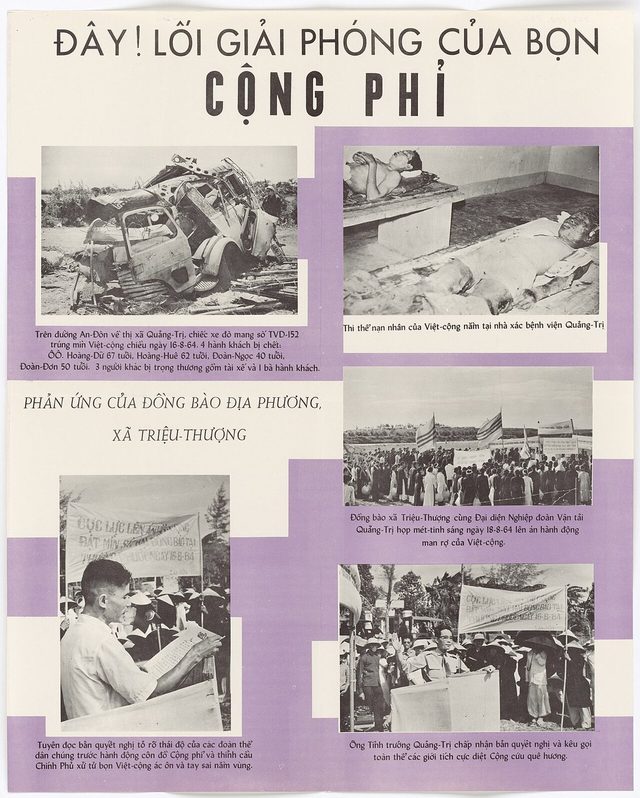
- National Liberation Front. Leaflets and flags issued by the Front. "Viet Cong" is the U.S. and Saigon name for that front. It is used here as that name, and in the search term for the Front's page, not as the Front's own title.
- U.S. antiwar movement. March, moratorium and poster photographs. This is not the U.S. government.
- Private U.S. groups. A clergy march ("Support Our Boys") and Young Americans for Freedom are private groups. An Army officer-candidate poster is government recruiting. They are not one issuer.
- Other states. Australian and East German items already in the collection sit with the state that issued them.
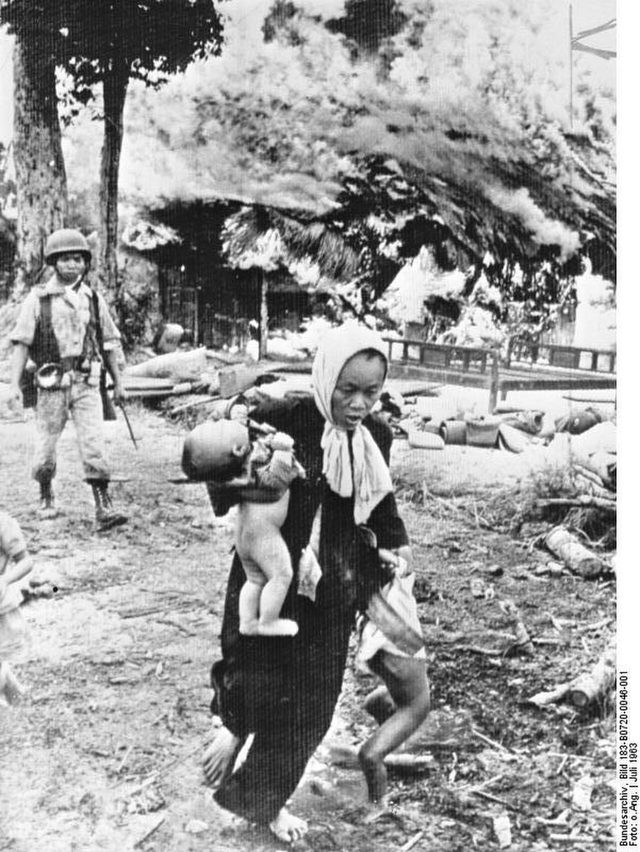
Objects made or found in South Vietnam, including material from more than one issuer, are listed under South Vietnam. That list is not "South Vietnamese propaganda."
What was the Chieu Hoi program?
From 1963 the Saigon government, with the U.S. mission, asked National Liberation Front and North Vietnamese soldiers to change sides. The leaflets, the passes, the rallier counts and the argument about what those counts mean are on Chieu Hoi and Radio Hanoi. "Chieu Hoi" is the programme's own name. English accounts render it "Open Arms."
Who was Hanoi Hannah?
Hanoi Hannah was the name U.S. troops gave Trịnh Thị Ngọ, an announcer on Radio Hanoi's English service. The hosted transcripts credit the station, not her. The record of the name, the station and the two transcripts is on Hanoi Hannah (Trịnh Thị Ngọ).
What was Operation Wandering Soul?
U.S. Army and Navy units played loudspeaker tapes of a voice presented as a dead soldier. A 6th PSYOP Battalion sheet dated 24 June 1968 has that voice say he is dead and tell listeners to rally. Later writers call one tape Ghost Tape Number Ten. No recording is hosted. The account is on Operation Wandering Soul.
What did the Gulf of Tonkin Resolution say?
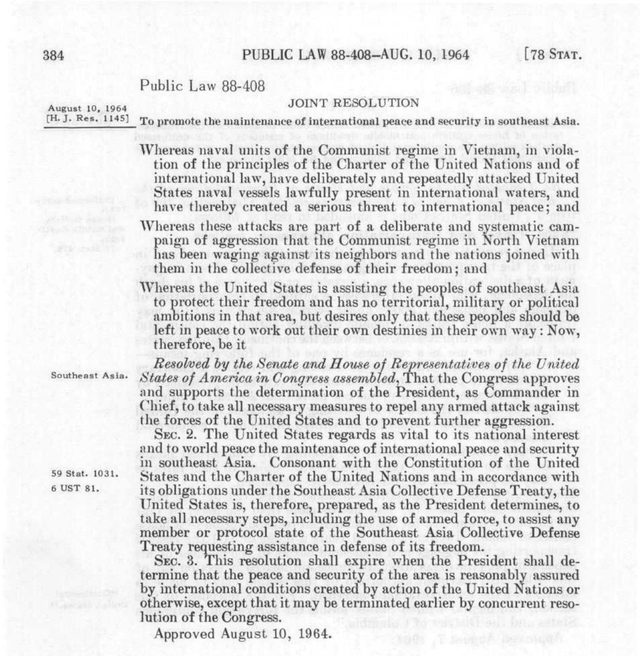
On 10 August 1964 Congress passed Public Law 88-408. The resolved clause, as printed at 78 Stat. 384, reads: "the Congress approves and supports the determination of the President, as Commander in Chief, to take all necessary measures to repel any armed attack against the forces of the United States and to prevent further aggression." The statute page is Public Law 88-408.
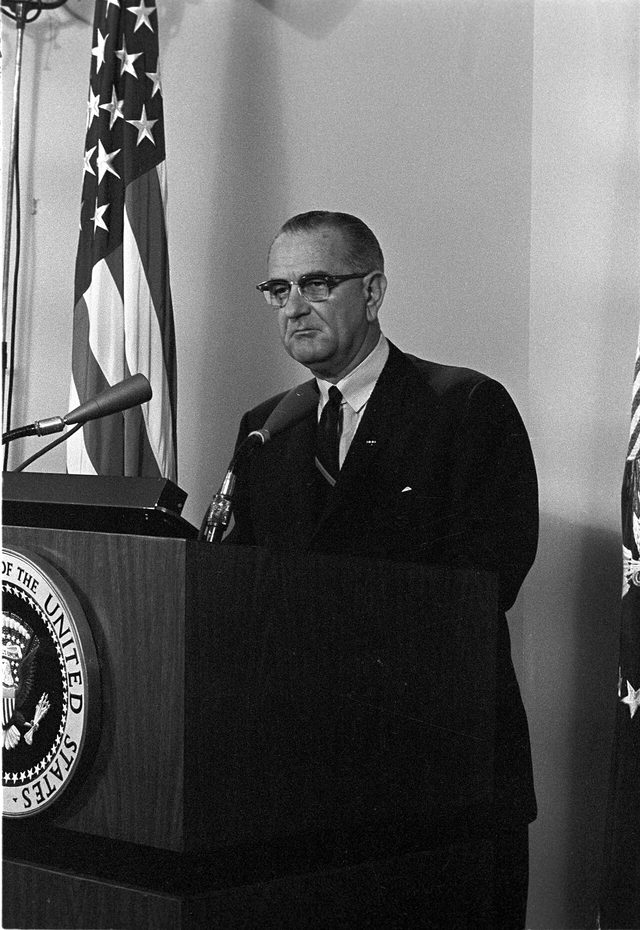
The address that preceded it is a different object. On 4 August 1964 President Johnson said a second attack on U.S. destroyers had taken place. National Security Agency historian Robert J. Hanyok later concluded that this second attack did not take place. That finding, and the photograph of the address, are on the address page. The incident itself is not a separate page here.
What did North Vietnam and the NLF put out?
Hanoi radio transcripts, a 1954 DRV stamp, and Front leaflets and flags are together on DRV and NLF propaganda. The page selects by issuer. Front material is not filed as the Saigon government.
What did antiwar posters say?
Photographs of U.S. marches and protests from 1965 to 1972, including posters in those scenes, are on US antiwar posters. Anti Vietnam War propaganda, on this site, means that protest material. It is not U.S. government output. The posters known as And babies and I want out are not shown. Rights in them are claimed, so this archive names them and does not host them.
How did the 1969 draft lottery work?
On 1 December 1969 the Selective Service System drew birth dates from 365 capsules to set the order in which men would be called. The photograph and the Selective Service citations are on the lottery page. A 1970 photograph the Library of Congress titles as a draft-card burning is a protest, not that drawing: draft card burning.
What did the U.S. government and private groups put out at home?
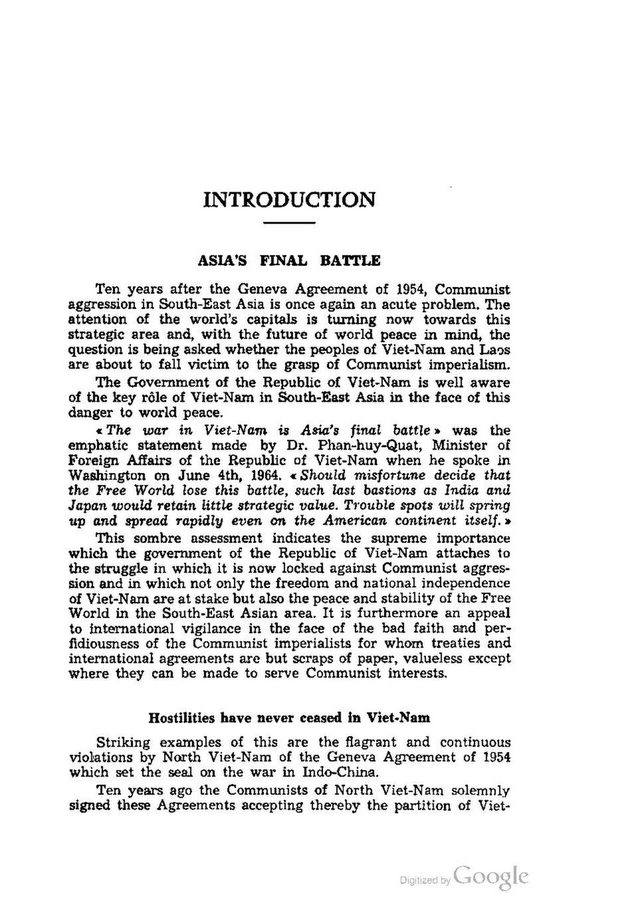
The Department of Defense film Why Vietnam? and the USIS pamphlet of the same title (1965) are two objects. An Army officer-candidate poster is government recruiting. The 1967 clergy march and the 1969 Young Americans for Freedom sign are private groups, not the U.S. government. Those home-front items, including the Vietnam War posters in that recruiting sheet and in those two photographs, stay on this page. They do not have a page of their own.