In one line: From 10 May 1940 to 26 July 1945 Winston Churchill headed the United Kingdom's wartime government, a coalition of Conservative, Labour and Liberal ministers until 23 May 1945 and a Conservative caretaker government until the election result of July 1945, which fought the Second World War, ran censorship and information policy under emergency powers, conducted open and secret propaganda abroad, and governed a colonial empire that included India.
The leader and the people under the leader
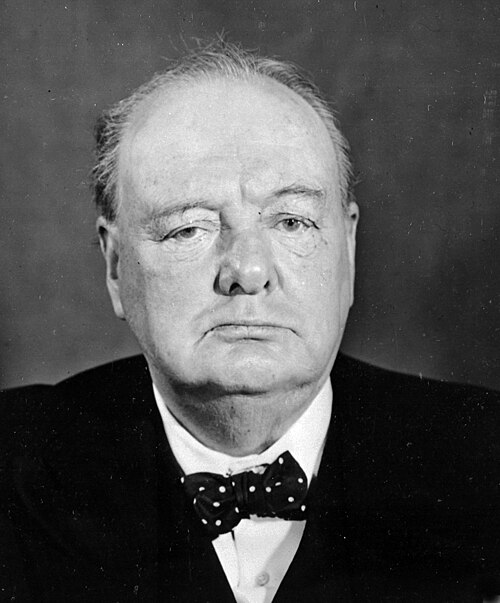
Photo: Central Office of Information, Public domain (PD-UKGov: Crown copyright expired, photograph taken before 1 June 1957) Winston Churchill
Prime Minister, First Lord of the Treasury and Minister of Defence · 1940 to 1945
Head of government from 10 May 1940, first of a coalition and from 23 May 1945 of a Conservative caretaker government, and Minister of Defence directing the Chiefs of Staff, until he resigned on 26 July 1945 after the general election count.
In their words
“You ask, what is our policy? I will say: It is to wage war, by sea, land and air, with all our might and with all the strength that God can give us; to wage war against a monstrous tyranny never surpassed in the dark, lamentable catalogue of human crime. That is our policy.”
“The British Broadcasting Corporation give, I believe, considerable latitude to expressions of opinion which are not injurious to the war effort, and I should be very sorry to think that Ministers were in any way to be held responsible for all statements by the B.B.C.”
“'In war-time,' I said, 'truth is so precious that she should always be attended by a bodyguard of lies.'”
In the archive: Britain's Ministry of Information and Political Warfare Executive: posters at home, black radio abroad

War Cabinet and ministers
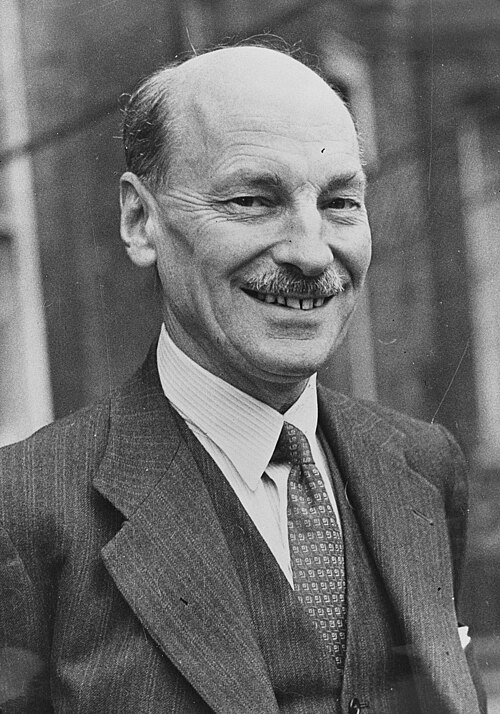
Photo: Winterbergen (Fotocollectie Anefo), CC0 1.0 (public domain dedication) Clement Attlee
Lord Privy Seal; from 1942 Deputy Prime Minister; from 1943 also Lord President of the Council · 1940 to 1945
Leader of the Labour Party and a member of the five-man War Cabinet from May 1940, who deputised for Churchill from February 1942 and became Prime Minister on 26 July 1945.
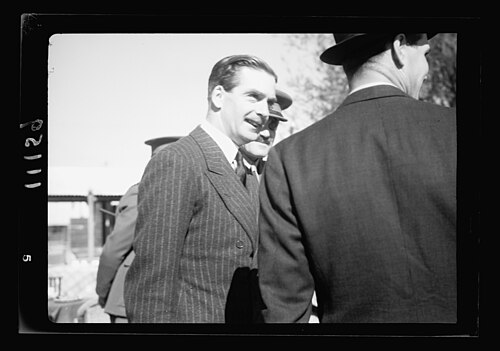
Photo: G. Eric and Edith Matson (Matson Collection), Public domain (Library of Congress: no known restrictions on publication) Anthony Eden
Secretary of State for War; from December 1940 Foreign Secretary · 1940 to 1945
Held the War Office from May to December 1940, then the Foreign Office until July 1945, and led the House of Commons from November 1942; the Foreign Secretary was one of the three ministers to whom the Political Warfare Executive answered.
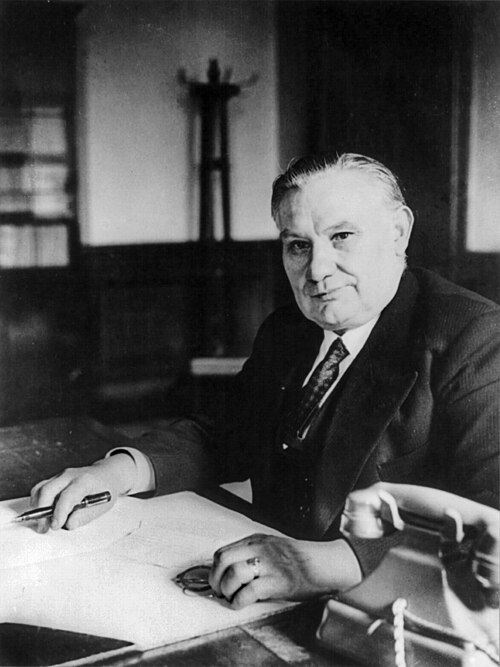
Photo: Office for Emergency Management (US government), Public domain (US federal government work) Ernest Bevin
Minister of Labour and National Service · 1940 to 1945
Directed the allocation and call-up of civilian labour from May 1940 and issued the Order of July 1940 that made strikes illegal; he had led the Transport and General Workers' Union from 1922 and entered Parliament in June 1940.
No public-domain or openly licensed portrait found. Nearest: source, Library of Congress Bain Collection, undated and tagged public domain, not used because its date and the identification of the sitter could not be checked against a second source; source, CC BY-SA 3.0 nl from the Dutch National Archives, not used because the file page attributes it to Yousuf Karsh, whose copyright may not have been released. Herbert Morrison
Home Secretary and Minister of Home Security · 1940 to 1945
Held both offices from October 1940 to May 1945, directed civil defence and the fire and air-raid services, signed detention orders under Defence Regulation 18B, and suspended the Daily Worker on 21 January 1941 under Defence Regulation 2D.
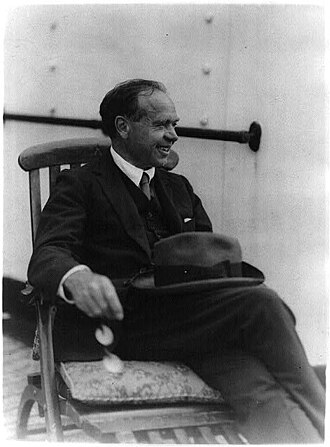
Photo: Bain News Service, Public domain (Library of Congress: no known restrictions on publication) Lord Beaverbrook (Max Aitken)
Minister of Aircraft Production; later Minister of Supply; from 1943 Lord Privy Seal · 1940 to 1942 and 1943 to 1945
Owner of the Daily Express, Sunday Express and Evening Standard, who held cabinet posts from 14 May 1940 to February 1942 and as Lord Privy Seal from September 1943 to May 1945.
Photo: Unknown, Public domain (as tagged on Wikimedia Commons) Leo Amery
Secretary of State for India and Burma · 1940 to 1945
Answerable to Parliament for the government of India and Burma through the Viceroy, including the Cripps mission of 1942, the Quit India movement and the Bengal famine of 1943.

_Eden._Mr._Antony_Eden,_close_up_LOC_matpc.20103.jpg)


.jpg)
.jpg)

Armed forces chiefs
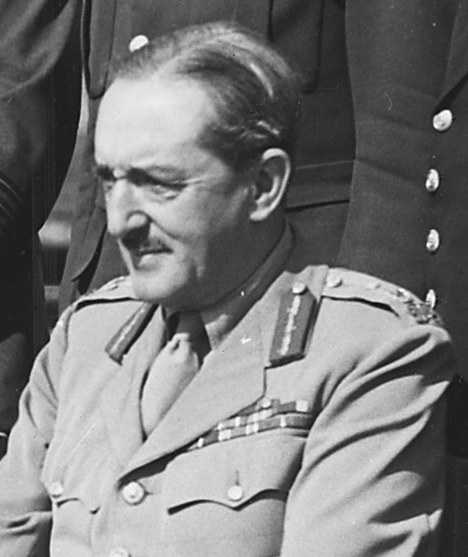
Photo: Unknown (US Army Signal Corps), Public domain (US federal government work) Alan Brooke
Chief of the Imperial General Staff; Chairman of the Chiefs of Staff Committee · 1941 to 1946
Headed the army from December 1941 and, from March 1942, chaired the Chiefs of Staff Committee, which advised Churchill as Minister of Defence on strategy.
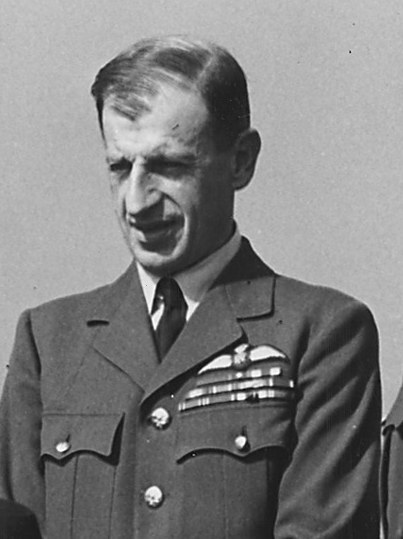
Photo: Unknown (US Army Signal Corps), Public domain (US federal government work) Charles Portal
Chief of the Air Staff · 1940 to 1945
Headed the Royal Air Force from 25 October 1940; the Air Ministry directive of 14 February 1942 named the morale of enemy civilians, especially industrial workers, as the aim of Bomber Command's area attacks, and RAF aircraft dropped leaflets written by the Political Warfare Executive.
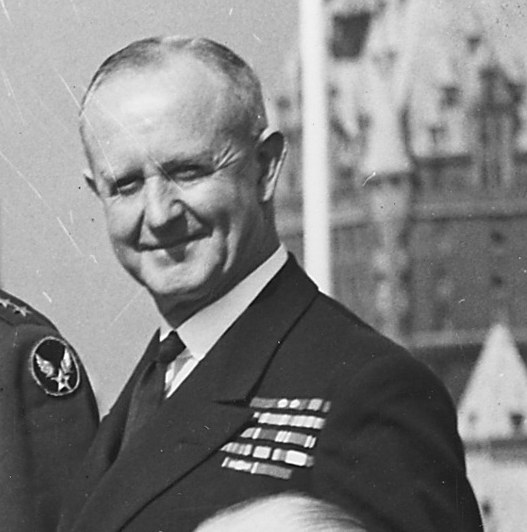
Photo: Unknown (US Army Signal Corps), Public domain (US federal government work) Andrew Cunningham
First Sea Lord and Chief of the Naval Staff · 1943 to 1946
Succeeded Dudley Pound as head of the Royal Navy in October 1943 after commanding the Mediterranean Fleet from 1939 to 1942, and sat on the Chiefs of Staff Committee.

Information, censorship and political warfare
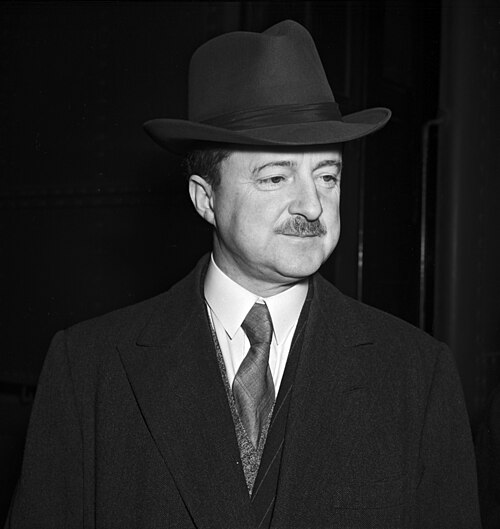
Photo: Los Angeles Daily News (photographer not named), CC BY 4.0 Duff Cooper
Minister of Information · 1940 to 1941
Alfred Duff Cooper headed the Ministry of Information from 12 May 1940 to 20 July 1941, launched the Silent Column appeal in July 1940, and afterwards held the Duchy of Lancaster with a mission to the Far East.
In their words
“As this war becomes more intensified, as it does become from hour to hour, so are the duties of the Ministry of Information evermore important, because our duties are not only to present the news but also to guide as well as to inform opinion both at home and abroad.”
“Of course, the Press are free to publish what they like, subject to the censorship which is under the control of the Ministry of Information. We are keeping in the closest touch with the Press, who are most anxious to collaborate and to give us all the assistance they can.”
In the archive: Britain's Ministry of Information and Political Warfare Executive: posters at home, black radio abroad
No public-domain or openly licensed portrait found. Nearest: source, CC0 from the Dutch National Archives, taken in 1947 and not used because the file page attributes it to Yousuf Karsh, whose copyright may not have been released; the other Commons portraits in his years in office come from the Imperial War Museum (non-commercial licence). Brendan Bracken
Minister of Information · 1941 to 1945
Churchill's parliamentary private secretary in 1940 and 1941, he headed the Ministry of Information from 20 July 1941 until 25 May 1945, when he became First Lord of the Admiralty in the caretaker government.
In their words
“Security reasons prevent me from saying very much about the policy of the Political Warfare Executive, but in general its main tasks are to try to break down the morale of the enemy and to sustain the morale and resistance of our Allies in enemy-occupied countries.”
“In view of the many demands for a policy of steady veracity in all our propaganda, I wish to assure the Committee that the Political Warfare Executive attach the greatest importance to giving facts whether they are pleasant or unpleasant. Obviously it is impossible to build up and hold a listener audience abroad without first establishing a reputation for honesty.”
In the archive: Britain's Ministry of Information films and London Can Take It! (1940-1942)
No public-domain or openly licensed portrait found. Nearest: source, a 1909 photograph tagged public domain, not used because it is 136 by 191 px and shows him at 22, not in office. Robert Bruce Lockhart
Chairman, later Director-General, of the Political Warfare Executive · 1941 to 1945
A former diplomat and journalist who led the staff of the Political Warfare Executive, formed in August 1941, which set policy for the BBC's foreign-language services, wrote the RAF's leaflets and directed black propaganda until it was wound up in 1945.
In the archive: Britain's Ministry of Information and Political Warfare Executive: posters at home, black radio abroad
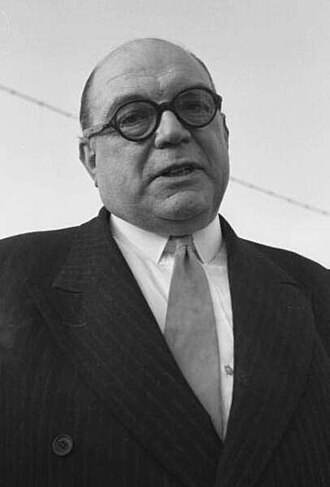
Photo: Egon Steiner, CC BY-SA 3.0 de Sefton Delmer
Head of the Political Warfare Executive's black radio and leaflet unit · 1941 to 1945
A former Daily Express Berlin correspondent who ran the false-origin stations Gustav Siegfried Eins from 23 May 1941 and Soldatensender Calais from 14 November 1943 and the daily leaflet Nachrichten für die Truppe from April 1944, and described the work in Black Boomerang (1962).
In the archive: Britain's Ministry of Information and Political Warfare Executive: posters at home, black radio abroad, Wartime radio voices: open and hidden broadcasts aimed at the enemy, 1939-1945


.jpg)
Intelligence and special operations
No public-domain or openly licensed portrait found. Nearest: source, a 1953 National Portrait Gallery portrait tagged CC BY-SA 4.0 by a Commons uploader, not used because the gallery's own page does not grant that licence. Stewart Menzies
Chief of the Secret Intelligence Service ("C") · 1939 to 1952
Headed the Secret Intelligence Service from November 1939 and, through it, the Government Code and Cypher School at Bletchley Park, whose decrypts he delivered to Churchill.
No public-domain or openly licensed portrait found. Nearest: source, a 1940 Howard Coster portrait from the National Portrait Gallery tagged public domain on Commons, not used because the photographer's death date (1959) makes the tag doubtful; the other Commons portraits come from the Imperial War Museum (non-commercial licence). Hugh Dalton
Minister of Economic Warfare · 1940 to 1942
Held the ministry from 15 May 1940 to 22 February 1942, was the minister responsible for the Special Operations Executive from its creation on 22 July 1940, and afterwards was President of the Board of Trade.


Background and rise to power
Churchill, born in 1874, first sat in the Commons in 1900 and held office under Liberal and Conservative governments. Out of government from 1929, he became First Lord of the Admiralty under Neville Chamberlain in September 1939. After the failed Norway campaign, a Commons debate on 7 and 8 May 1940 cut the government's majority to 81. Chamberlain resigned on 10 May, the day Germany invaded the Netherlands, Belgium and France, and George VI appointed Churchill Prime Minister that evening. He was not chosen by an election: the House of Commons elected in 1935 sat until 1945, its life extended by Act of Parliament, and the three main parties kept an electoral truce at by-elections. He became Conservative leader on 9 October 1940.
He formed a coalition with Labour and the Liberals and a five-man War Cabinet (Churchill, Chamberlain, Lord Halifax, Clement Attlee and Arthur Greenwood). To the Commons on 13 May 1940 he said: "I have nothing to offer but blood, toil, tears and sweat."
How power was organized
Churchill also held the new office of Minister of Defence, through which the Chiefs of Staff, among them Alan Brooke, Charles Portal and Andrew Cunningham, reported to him. Attlee became Deputy Prime Minister in February 1942. The Commons stayed in session and voted confidence in the government by 464 to 1 on 29 January 1942 and rejected a motion of no confidence in the central direction of the war by 475 to 25 on 2 July 1942, after the fall of Tobruk.
Parliament passed the Emergency Powers (Defence) Act 1939 and, on 22 May 1940, in one day, a second Act extending the government's power over persons and property. Ministers then made Defence Regulations by order. Regulation 18B allowed the Home Secretary to detain people without trial; Oswald Mosley and other members of the British Union of Fascists were detained from 23 May 1940, and just under 2,000 people were held under it during the war. In Liversidge v Anderson (1941) the House of Lords held that the Home Secretary's own belief was enough to justify a detention; Lord Atkin dissented. In 1940 many German, Austrian and Italian residents were interned as enemy aliens; the Arandora Star, carrying internees to Canada, was torpedoed on 2 July 1940 with more than 800 deaths.
India was ruled by a Viceroy (Lord Linlithgow, then from October 1943 Lord Wavell) answerable to Leo Amery as Secretary of State for India; Linlithgow declared war for India in September 1939 without consulting elected Indian ministers. After the Cripps mission of March and April 1942 failed, the Congress party's "Quit India" resolution of 8 August 1942 was met with the arrest of its leaders, a ban on the party and tens of thousands of further arrests. In 1943 a famine in Bengal killed an estimated 1.5 million people (the government's Famine Inquiry Commission, 1945) to about 3 million (later scholars). Causes recorded include the loss of Burma's rice, denial policies in coastal Bengal, a cyclone in October 1942, wartime inflation and shipping priorities. Wavell and Amery pressed for grain; the War Cabinet limited shipments, citing needs elsewhere; army relief began in October 1943. Historians disagree on how far the outcome lay with wartime necessity and how far with policy choices, Churchill's own included (Mukerjee, Sen, Collingham, Toye).
The United Kingdom lost about 384,000 service personnel and 67,000 civilians in the war. Bomber Command made area attacks on German cities, including Dresden on 13 to 15 February 1945, where an estimated 18,000 to 25,000 people died.
The propaganda apparatus
The Ministry of Information (MoI), opened on 4 September 1939, was headed under Churchill by Duff Cooper (May 1940 to July 1941) and then Brendan Bracken. It issued posters, films and press guidance and surveyed opinion through Home Intelligence and the Wartime Social Survey (the MoI and PWE; MoI films). Press censorship was formally voluntary: editors were not required to submit copy, but cleared copy was protected from prosecution, and "D" notices listed subjects to avoid. Postal censorship was compulsory. Cooper's "Silent Column" appeal of July 1940, asking the public not to repeat gloomy talk, was dropped after about ten days of press and parliamentary criticism.
Emergency powers reached opinion directly. On 21 January 1941 the Home Secretary, Herbert Morrison, suspended the Communist Daily Worker and The Week under Defence Regulation 2D. The ban was still in force on 6 August 1942 and was lifted later that summer. In India the government restricted press reports of the 1942 disturbances, and the Calcutta Statesman, edited by Ian Stephens, published photographs of the starving on 22 and 29 August 1943. At Tehran in November 1943, in a discussion of cover and deception plans, Churchill recorded in his memoirs that he told Stalin: 'In war-time,' I said, 'truth is so precious that she should always be attended by a bodyguard of lies.'
Abroad, the Political Warfare Executive (PWE), formed in August 1941 under Robert Bruce Lockhart, answered jointly to the Foreign Secretary, the Minister of Information and the Minister of Economic Warfare. Its output ran from openly attributed BBC policy guidance and RAF leaflets to false-origin stations run by Sefton Delmer: Gustav Siegfried Eins (23 May 1941), the U-boat station Atlantik (1943) and Soldatensender Calais (14 November 1943 to 30 April 1945), with forged German stamps and ration documents and the daily leaflet paper Nachrichten für die Truppe (April 1944 to May 1945). Delmer's method was to build listeners' trust with accurate, useful cover material and to slip damaging items in among it. Rumours called sibs were planted through neutral capitals to hide the British source. Station content is described in wartime radio. Special Operations Executive (SOE), created on 22 July 1940 under Hugh Dalton as Minister of Economic Warfare, held the propaganda section SO1 until PWE absorbed it, and Garnett records turf disputes among PWE, SOE, the BBC and the Secret Intelligence Service under Stewart Menzies.
The archive's definitions fit most clearly: glittering generalities (the Portuguese-language poster of 1942), fear appeal (careless-talk campaigns), card stacking (accurate cover material with damaging items slipped in; the leaflet "Wer hatte recht?"), transfer (the Himmler stamp forgery and Nachrichten für die Truppe, which borrow German institutions' look), narrative laundering (sibs and false-origin stations) and name-calling (the East Africa poster).
Timeline
- 3 September 1939: Britain declares war; Churchill joins the cabinet.
- 4 September 1939: the Ministry of Information opens.
- 10 May 1940: Chamberlain resigns; Churchill becomes Prime Minister and forms a coalition.
- 22 to 23 May 1940: second Emergency Powers Act; Mosley and others detained under 18B.
- 22 July 1940: SOE created.
- 21 January 1941: the Daily Worker suspended.
- 23 May 1941: Gustav Siegfried Eins goes on air.
- August 1941: PWE formed.
- 8 August 1942: "Quit India" resolution; Congress leaders arrested.
- 1943: the Bengal famine.
- 14 November 1943: Soldatensender Calais begins.
- 13 to 15 February 1945: Dresden bombed.
- 8 May 1945: German surrender.
- 23 May 1945: Labour ministers leave; Churchill forms a caretaker government.
- 26 July 1945: after the election result, Churchill resigns; Attlee becomes Prime Minister.
Same-standard note
This page uses the same structure and definitions as every other regime page: techniques are listed only where the archive's working definition and a documented example fit, and offices and dates are stated without judging the people who held them. The scale and purpose of this government's censorship, black propaganda and imperial administration are set out as history, not as a ranking: a parliamentary government at war, facing a sitting Commons, courts, and a press some of whose owners served as its ministers, which lost the general election of 1945, and which also detained people without trial, suspended a newspaper, forged enemy documents, ran area bombing and governed India through a Viceroy during the Bengal famine. Other regime pages record other systems, each with its own scale, intent and context.
Sources
- Emergency Powers (Defence) Act 1939 (2 & 3 Geo. 6 c. 62); Emergency Powers (Defence) Act 1940 (3 & 4 Geo. 6 c. 20); Defence (General) Regulations 1939, regs 2D and 18B; Liversidge v Anderson [1942] AC 206.
- Winston Churchill, statement to the Commons, 13 May 1940 (Hansard, HC Deb vol. 360); The Second World War, vol. 5, Closing the Ring (1952).
- Ian McLaine, Ministry of Morale (1979); Paul Addison and Jeremy Crang (eds), Listening to Britain (2010).
- Sefton Delmer, Black Boomerang (1962); Ellic Howe, The Black Game (1982); David Garnett, The Secret History of PWE (2002).
- Roy Jenkins, Churchill (2001); Dresden Commission of Historians, Abschlussbericht (2010).
- Famine Inquiry Commission, Report on Bengal (1945); Amartya Sen, Poverty and Famines (1981); Madhusree Mukerjee, Churchill's Secret War (2010); Lizzie Collingham, The Taste of War (2011); Richard Toye, Churchill's Empire (2010).
In the archive
Collection objects (9)
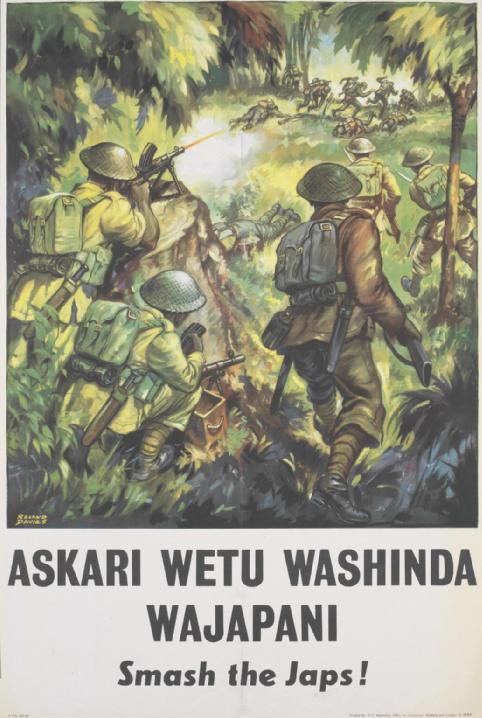 'Askari wetu washinda Wajapani / Smash the Japs!' (British poster for East Africa)Content note
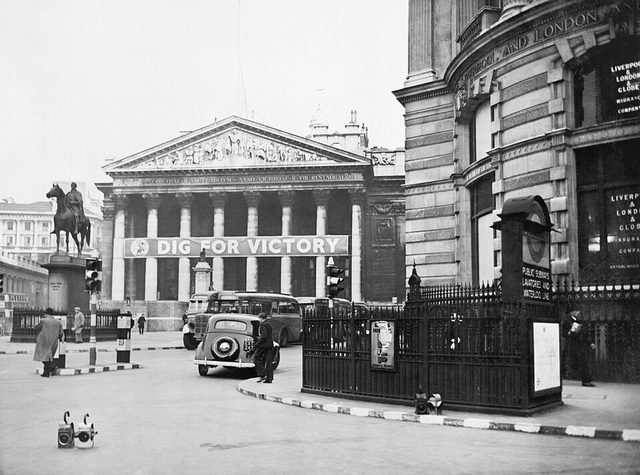 'Dig for Victory' banner across the Royal Exchange, London, used as a Ministry of Information poster site
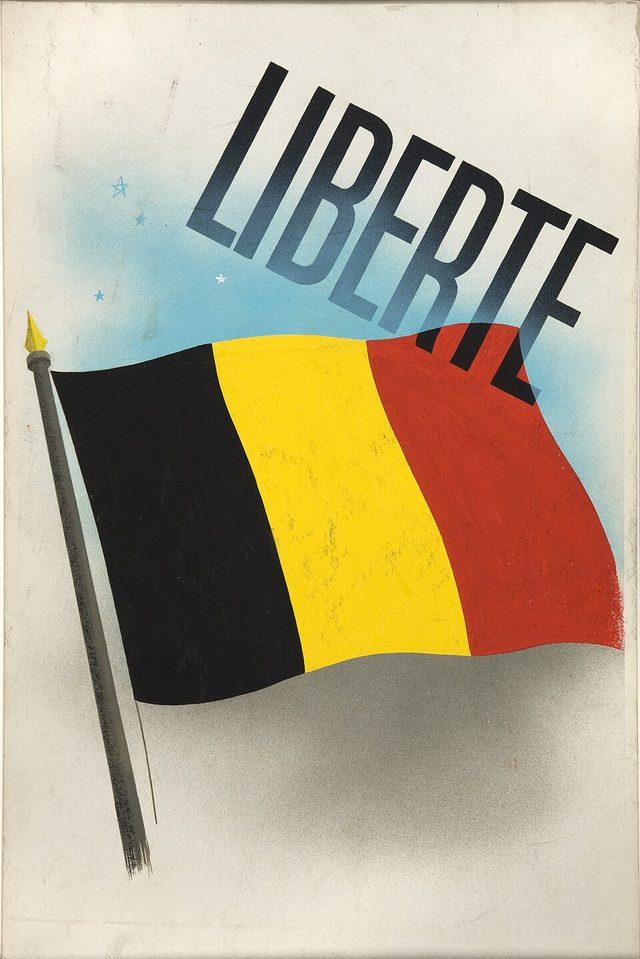 Liberté (Belgian flag, 'Unity of Strength' design)
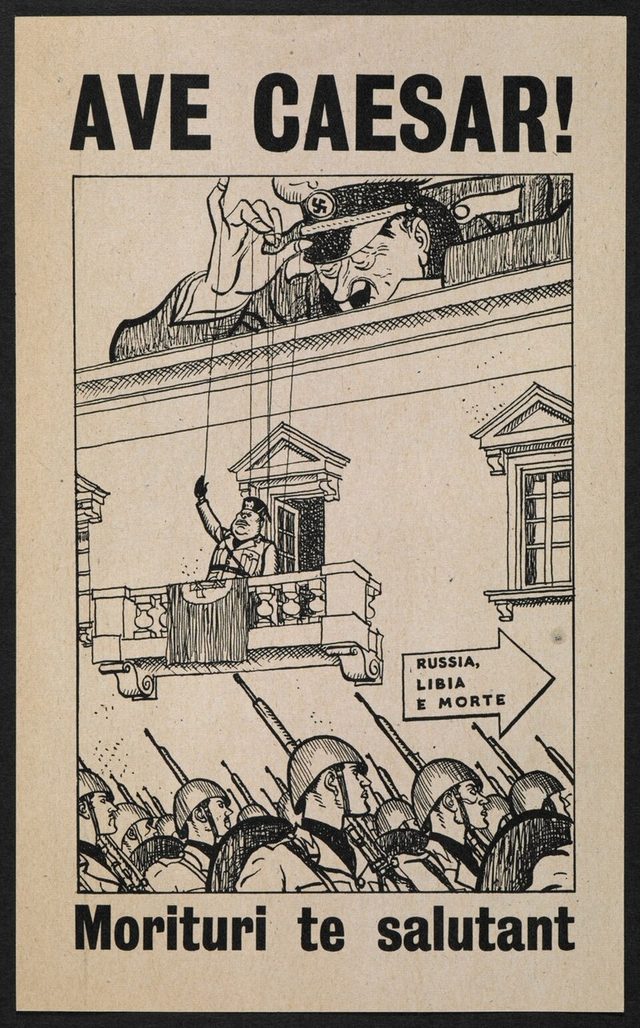 Ave Caesar! Morituri te salutant (British leaflet to Italy)
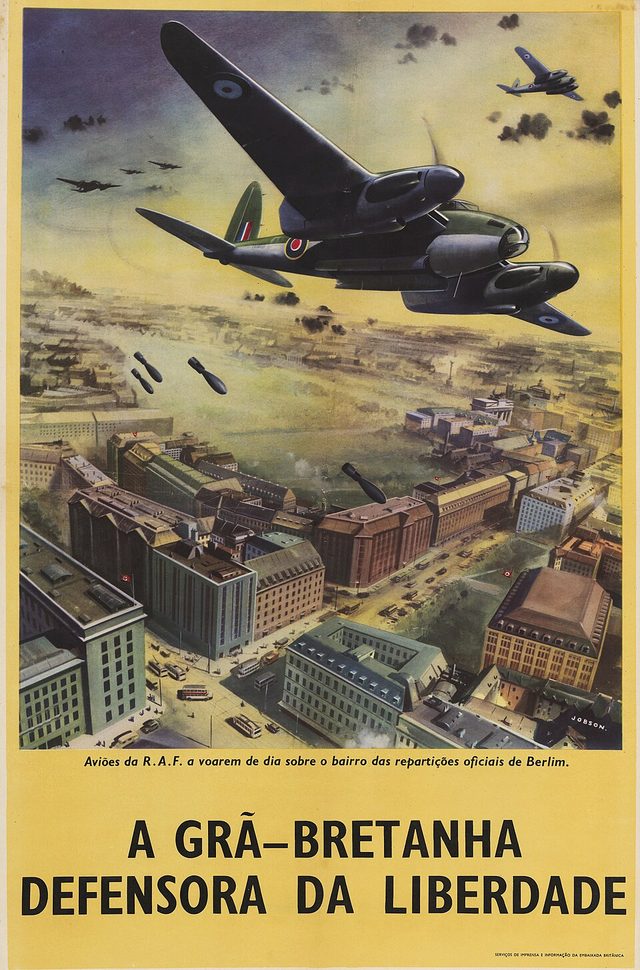 'A Grã-Bretanha, Defensora da Liberdade' (British poster in Portuguese)
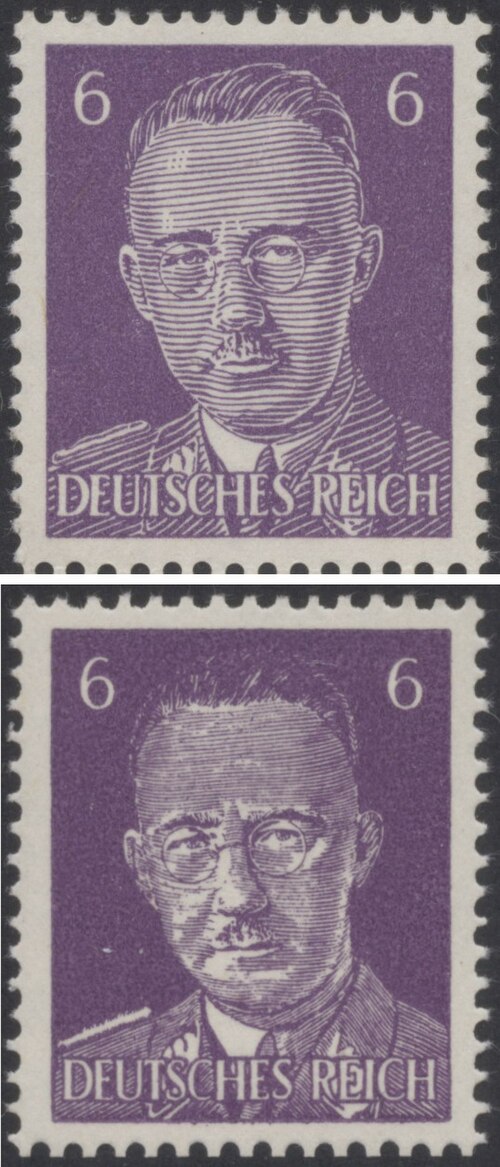 Himmler-head forgery of the 6-pfennig Deutsches Reich stamp
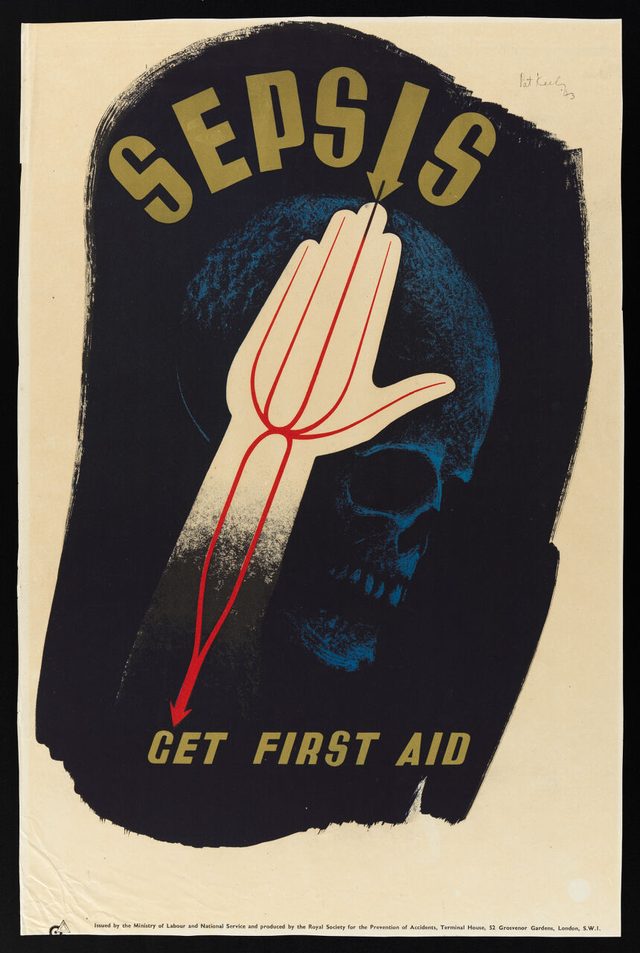 Sepsis: Get First Aid
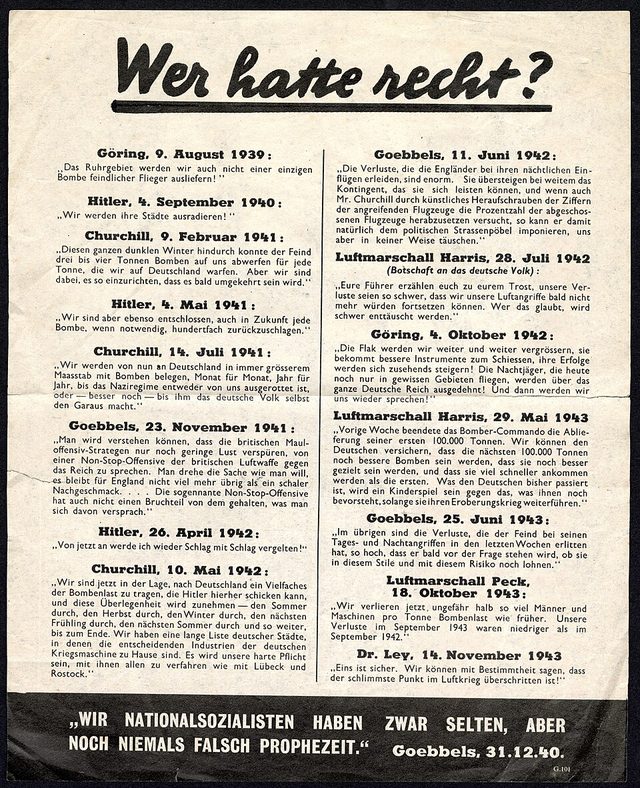 'Wer hatte recht?' ('Who was right?') (Allied leaflet to Germany)
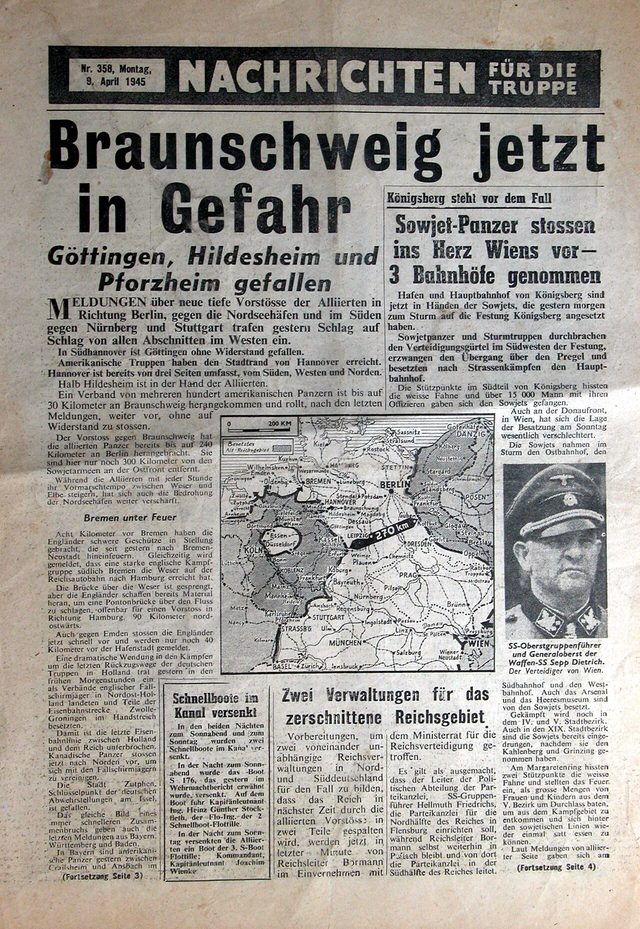 Nachrichten für die Truppe, No. 358, 9 April 1945
Case studies
- Britain's Ministry of Information and Political Warfare Executive: posters at home, black radio abroad
- Britain's Ministry of Information films and London Can Take It! (1940-1942)
- Wartime radio voices: open and hidden broadcasts aimed at the enemy, 1939-1945